
Why Ignoring Your Dog’s Subtle Cues Can Lead to Bigger Problems Down the Line
You know that moment when your dog glances away just as you reach down to pet them? Or when they yawn despite not being tired? Most of us brush these moments off without a second thought. We’re busy, distracted, and honestly, those signals seem so minor.
Yet here’s the thing: those tiny gestures are your dog’s way of speaking to you. They’re whispering their discomfort, their fear, their stress, long before things escalate into something much harder to handle. When we miss or dismiss these quiet signals, we’re essentially ignoring our dog’s early warning system. What starts as a nervous lip lick can snowball into destructive behavior, aggression, or chronic anxiety that impacts their entire life.
So let’s dive in and unpack what these subtle cues actually mean, why they matter so much, and what can happen when we overlook them.
The Hidden Language Your Dog Uses Every Day
Dogs tend to mask their discomfort through subtle cues, which can make it difficult for owners to recognize when something is wrong. Think about it from an evolutionary perspective. In the wild, showing fear or weakness could make an animal a target, and even after thousands of years of domestication, this instinct remains.
Your dog isn’t trying to be cryptic or difficult. They’re using the only vocabulary they have: body language. Look for frequent yawning when they are not tired, lip-licking, avoiding eye contact, or showing the whites of their eyes – known as “whale eye.” These are the polite requests, the gentle “I’m uncomfortable” signals that dogs offer before they feel forced to escalate.
People do not look at what the dog is doing, instead, they look at the situation surrounding the dog and base their emotional perception on that. We assume a wagging tail means happiness or that a yawn is just sleepiness. Context tricks us into missing what’s actually happening in front of our eyes.
Why We Miss the Signs (And Why That’s a Problem)
Let’s be real: most of us are not trained dog behaviorists. We’re working, parenting, managing a household, and trying to keep our heads above water. Non-experts may be less able to identify signs of fear and anxiety in their dogs, particularly when the behaviors are subtle.
Because of this inability to accurately read canine body language, many owners appear to perceive their dogs as less fearful than they actually are, and may therefore not intervene in response to early or subtle stress signals. This isn’t a character flaw on our part. It’s just that we haven’t been taught to see what we’re looking at.
I think part of the challenge is that dogs’ stress signals are so different from ours. Humans talk, cry, complain. Dogs freeze, turn their heads, or quietly pant. Ethological studies suggest that roughly one-quarter to one-half of pet dogs exhibit some form of anxiety-related behavior, but much of it goes unnoticed. That’s a staggering number when you consider how many dogs are silently struggling.
When we consistently overlook these signals, we unintentionally teach our dogs that their communication doesn’t work. They learn that polite signals get ignored, which can push them toward more dramatic responses.
The Escalation: From Whisper to Shout
Experts say that the ability to read your dog’s stress patterns can help you avoid an escalation in stress behaviors. Dogs can skip lower-level stress indicators, such as panting or whale eyes, and jump to critical stress signs, like showing teeth, if they feel ignored.
Imagine trying to get someone’s attention by tapping their shoulder, then saying “excuse me,” and finally shouting when nothing else works. Dogs do the same thing, except their “shout” might be a growl, a snap, or destructive behavior. These physiological reactions often appear before more serious behavioral problems, such as aggression, destruction, or attempts to escape.
Before a dog becomes aggressive, there is first an arousal phase in which the dog reacts to negative stimuli. The arousal phase can occur quickly and is easily missed. You might think you have time to redirect your dog, but honestly, that window closes faster than you’d expect.
This escalation doesn’t just affect behavior. Chronic stress puts your dog’s nervous system in constant fight or flight, changing their behavior and ability to cope. We’re talking about a dog living in a perpetual state of alarm, which takes a serious toll on their mental and physical health.
The Real-World Consequences You Can’t Ignore

When subtle cues go unheeded, the fallout can be heartbreaking. If disproportionate levels of anxiety are left unchecked, a dog can develop an anxiety disorder. If left untreated, dog anxiety can lead to behavioral and other issues.
Approximately 4.5 million people are bitten by dogs in the United States each year, and more than 800,000 dog-bite victims require medical attention. Dogs with unaddressed behavioral problems not only threaten public health but are more likely to be surrendered and euthanized. That’s the harsh reality. Dogs don’t bite out of nowhere. There’s almost always a trail of ignored signals leading up to that moment.
Beyond aggression, chronic anxiety manifests in other painful ways. Urinating and defecating in the house is a common symptom of separation anxiety. Anxious dogs often work themselves up to the point that they pee or poop in the house, even if they are housebroken. Then there’s destructive behavior, excessive barking, and self-harm through obsessive licking or chewing. These aren’t discipline problems; they’re distress signals written in behavior.
I know it sounds dramatic, but ignoring your dog’s subtle cues can genuinely erode the bond between you. Your dog may start to view you as unpredictable or unsafe, someone who doesn’t listen when they’re trying to communicate.
How to Tune In and Make a Real Difference
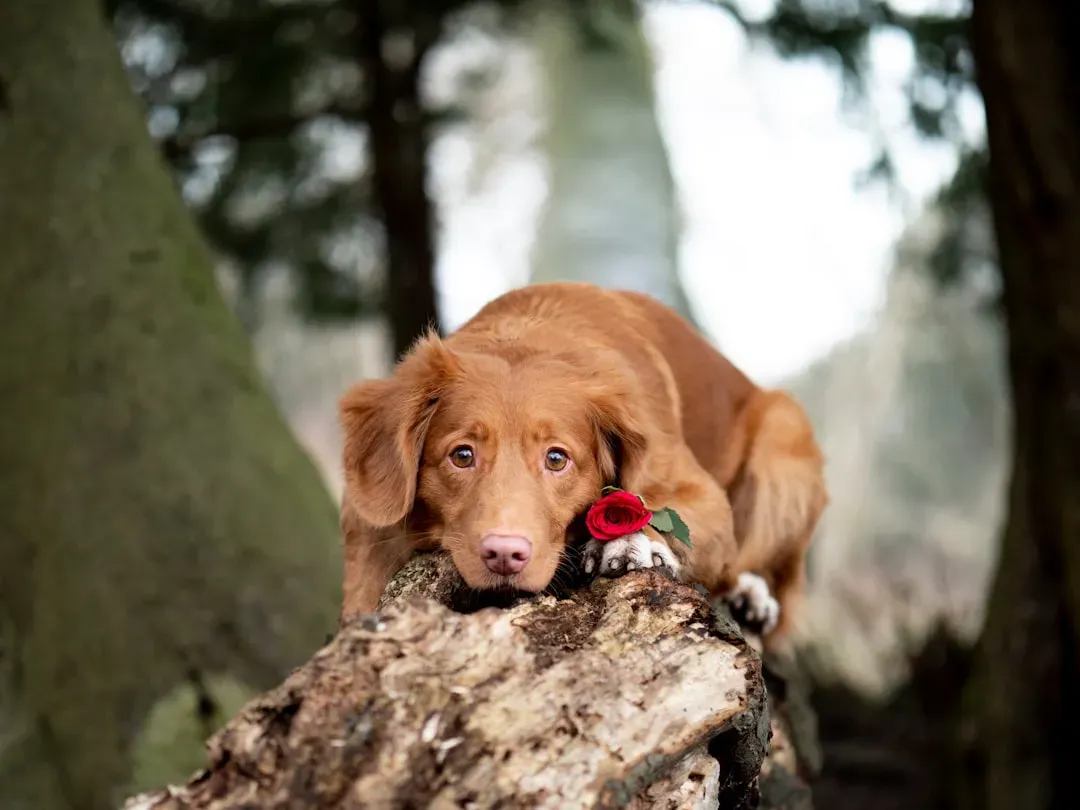
The good news? Once you know what to look for, you can change everything. Reading, understanding and responding to your dog’s body language is a key part of the companion-to-owner relationship. By understanding their cues and appropriately advocating for your dog, owners can continue to ensure their dogs remain happy, comfortable and safe.
Start by simply observing your dog more closely in different situations. Notice what their ears, eyes, tail, and body posture are doing. All body language signals work together and are part of a package. Recognizing a dog’s emotions and behavior means we can always relate to our dogs, like when they are happy, sad, or stressed.
When you spot those early signs – the lip lick, the turned head, the stiff body – respond with compassion. Give your dog space, remove them from the stressful situation, or simply acknowledge their discomfort without forcing interaction. If you notice these dog anxiety symptoms, it’s essential to address them early to prevent escalation. Ignoring these signs can lead to more severe behavioral issues and a decline in your dog’s overall well-being. Early intervention, whether through behavioral training, environmental adjustments, or consulting a veterinarian, can make a significant difference.
If things have already escalated, don’t hesitate to seek professional help. A certified dog behaviorist or veterinary behaviorist can create a tailored plan that addresses the root cause of your dog’s anxiety, not just the symptoms.
Conclusion
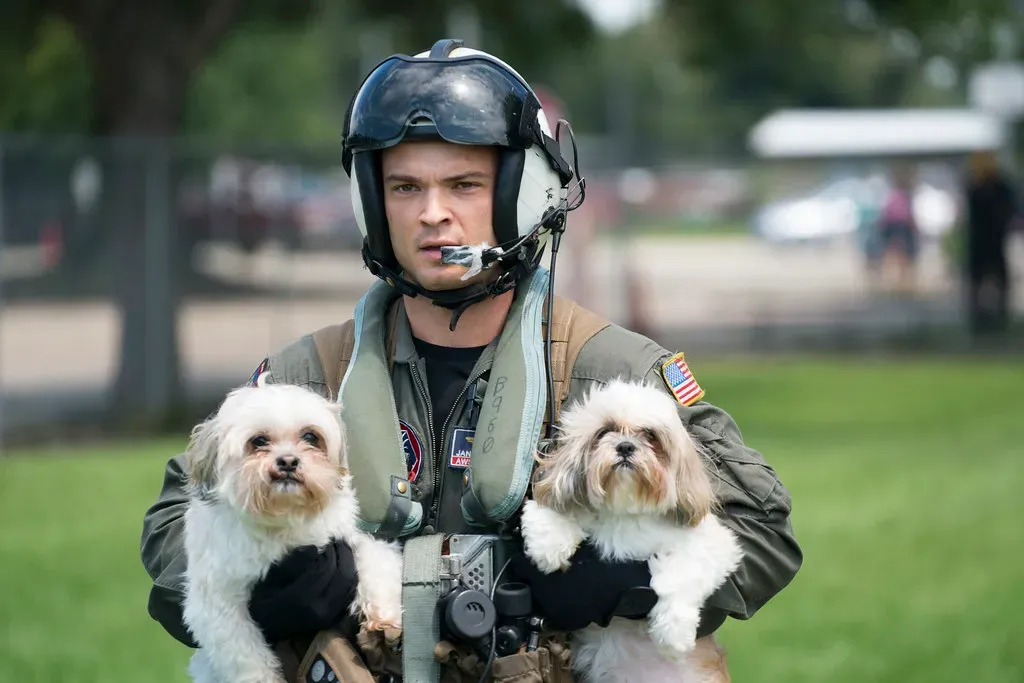
Your dog is talking to you every single day through a language that doesn’t require words. Those subtle signals – the averted gaze, the sudden yawn, the tucked tail – are their way of saying “I need help” long before things spiral out of control. When we learn to listen, really listen, we give our dogs the gift of feeling heard and understood.
Ignoring these cues doesn’t just risk bigger behavioral problems. It risks the trust and safety that should define your relationship with your dog. The good news is that it’s never too late to start paying attention. Watch your dog, learn their unique vocabulary, and respond with empathy when they reach out.
What small signal from your dog have you noticed today that you might have missed before? Trust me, once you start seeing these cues, you’ll wonder how you ever missed them.