
12 Surprising Ways Your Senior Dog Stays Young at Heart
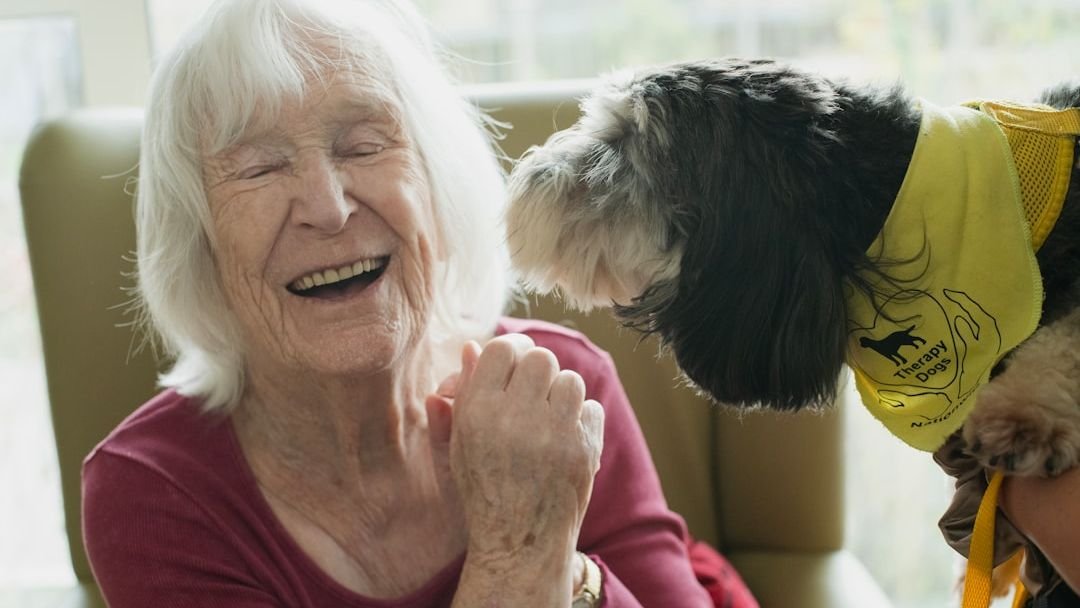
Have you noticed your dog slowing down a bit lately, maybe taking their time on the morning walk or napping more often than usual? It’s easy to think their best days are behind them when those first grey hairs appear around their muzzle. Here’s the thing, though. Your senior dog isn’t giving up on life.
In fact, they’re staying young at heart in ways you might not even recognize. There’s something deeply moving about watching an older dog navigate this stage of life with grace and spirit. Let’s be real, aging dogs have this remarkable capacity to surprise us every single day.
They Never Stop Learning New Tricks
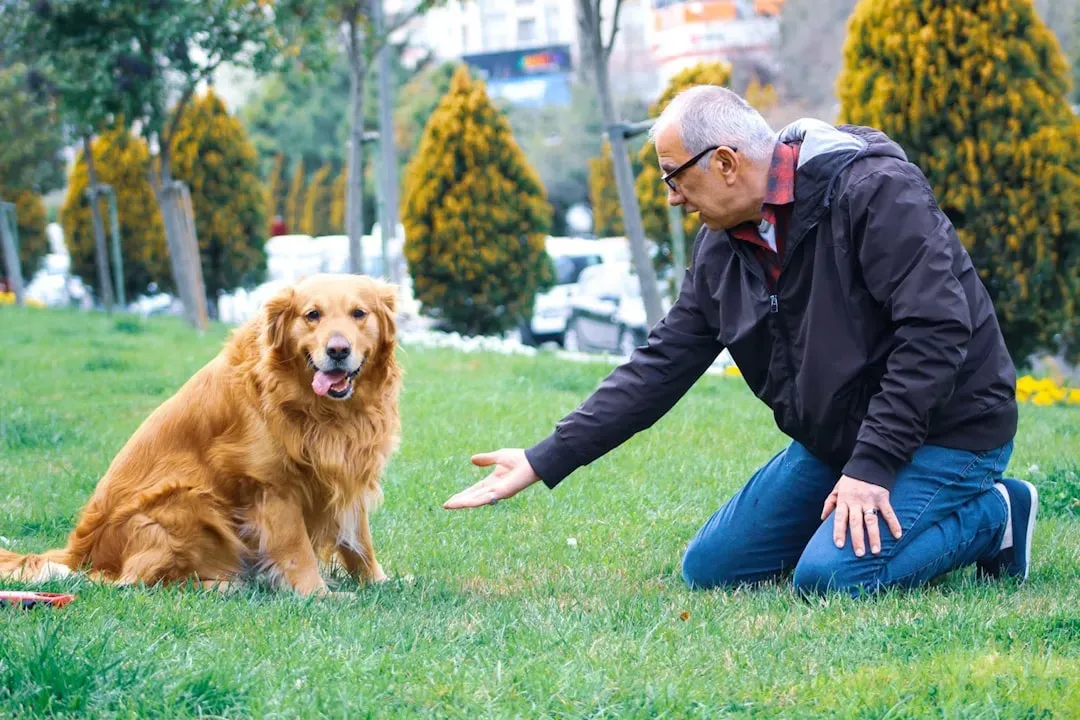
That old saying about teaching old dogs new tricks? Complete nonsense. Senior dogs can actually be ideal candidates for learning new tricks due to their heightened focus and attentiveness, attributes that often surpass those exhibited during their puppy years. Your older pup might take a bit longer to master something new, but they’re absolutely capable of it.
I think what’s fascinating here is how learning keeps their minds engaged. Teaching them new tricks is exactly the key to slowing cognitive decline in your senior dog. Whether it’s a simple nose touch command or figuring out which hand holds the treat, these mental gymnastics build cognitive reserve and keep their neurons firing.
Their Curiosity About New Environments Stays Alive
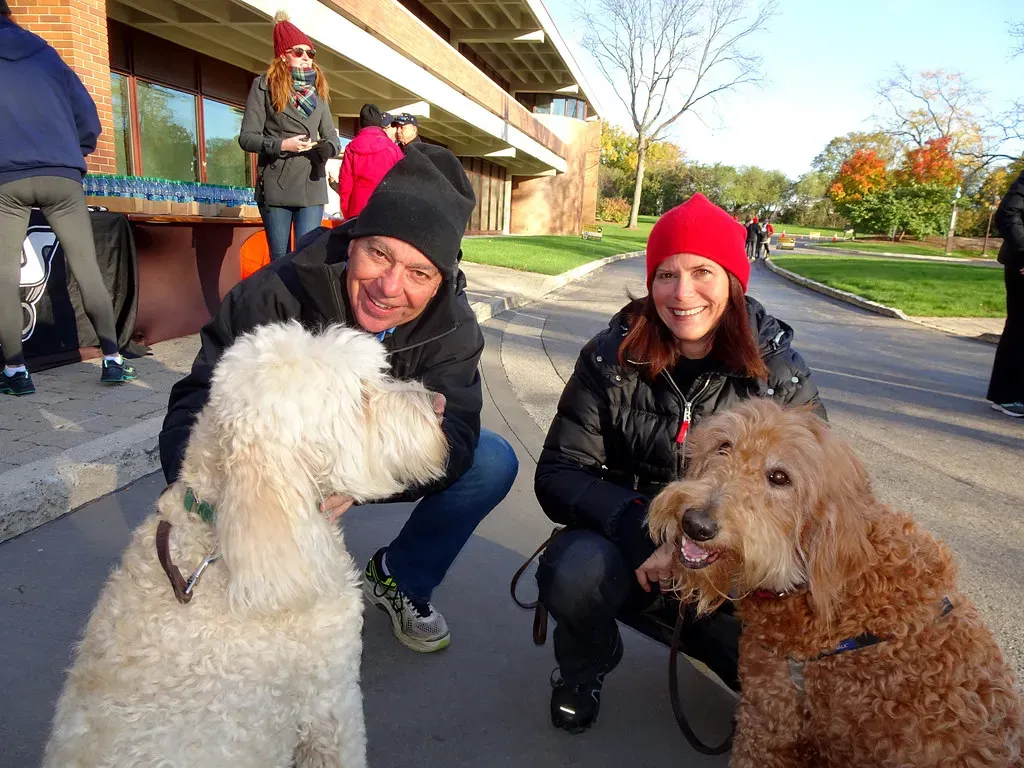
Watch your senior dog on a new walking route and you’ll see their nose working overtime. Exposing your dog to new environments, smells, and experiences can help to stimulate his or her senses and maintain cognitive function. They might move slower than they used to, yet that doesn’t mean they’ve lost interest in the world around them.
Changing up daily experiences becomes even more important as dogs age. Changing up your dog’s daily experiences is key to warding off cognitive decline, and varying their walks by consistently taking different routes exposes them and their brains to a variety of new exciting sights, smells, and sounds. Sometimes the simplest shift, like walking your usual path in reverse, can spark fresh excitement.
Play Still Lights Up Their World
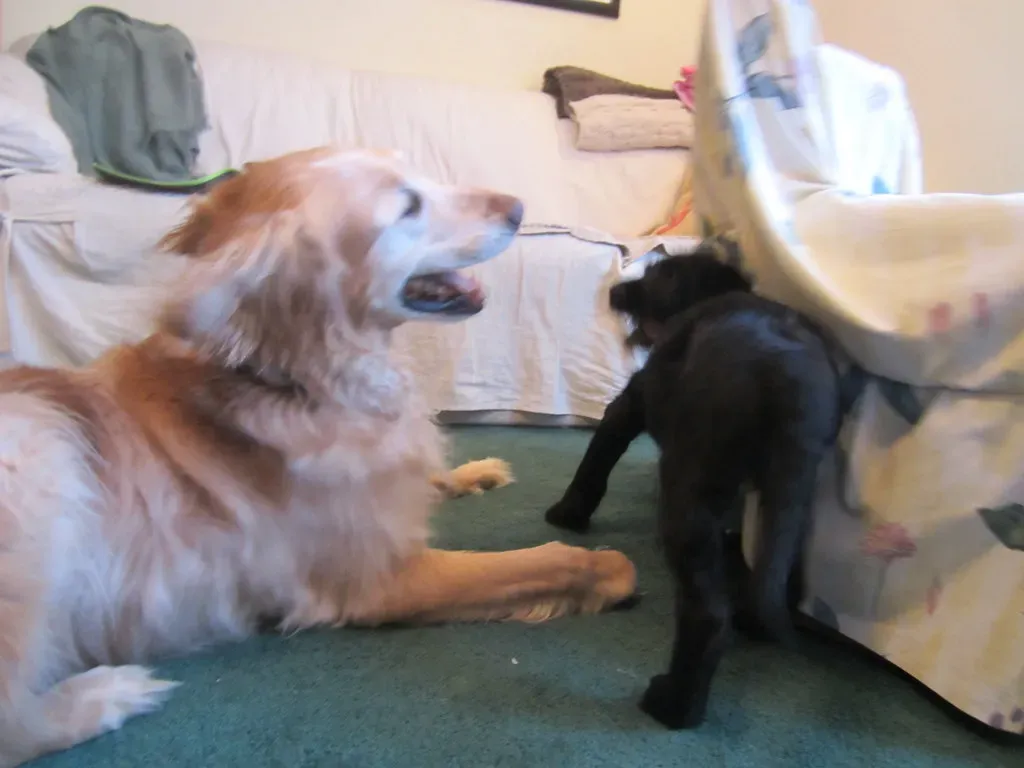
Your senior dog will always be a puppy at heart, with a passion and desire for toys and enrichment, and playing and entertainment can bring various benefits to your pet. Sure, they might not chase that tennis ball with the same wild abandon, yet the joy is still there. Rolling a ball gently instead of throwing it across the yard makes all the difference.
Engaging in simple games can bring joy and vitality to senior dogs despite physical limitations, and playtime helps sustain the unique spark that keeps dogs feeling alive and happy. Even five minutes of gentle tug or hide-and-seek with their favorite toy keeps those spirits high and joints moving.
They Form Deep Bonds Through Social Connections
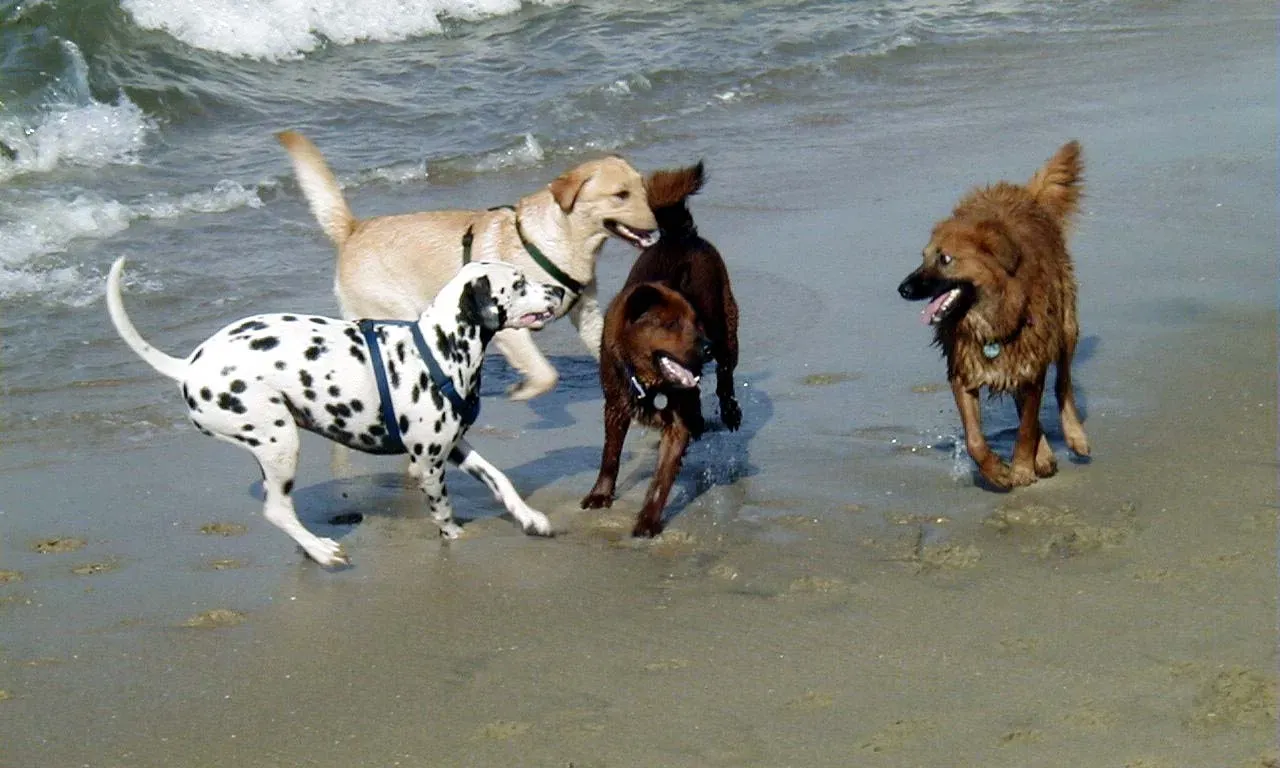
Your senior dog still craves companionship, whether that’s with you, other calm dogs, or even friendly strangers. When dogs have positive social interactions, they show fewer stress and fear related behaviors, and the benefits of social contact for dogs are long lasting. Social enrichment isn’t just a luxury.
Playdates with other senior dogs or calm companions can provide wonderful stimulation. For some dogs, spending time with canine friends can be mentally stimulating, but watch your dog carefully to ensure he or she is not getting stressed or too worn out, especially if your dog is playing with younger dogs, who usually have more energy and stamina.
Their Nose Becomes Their Superpower
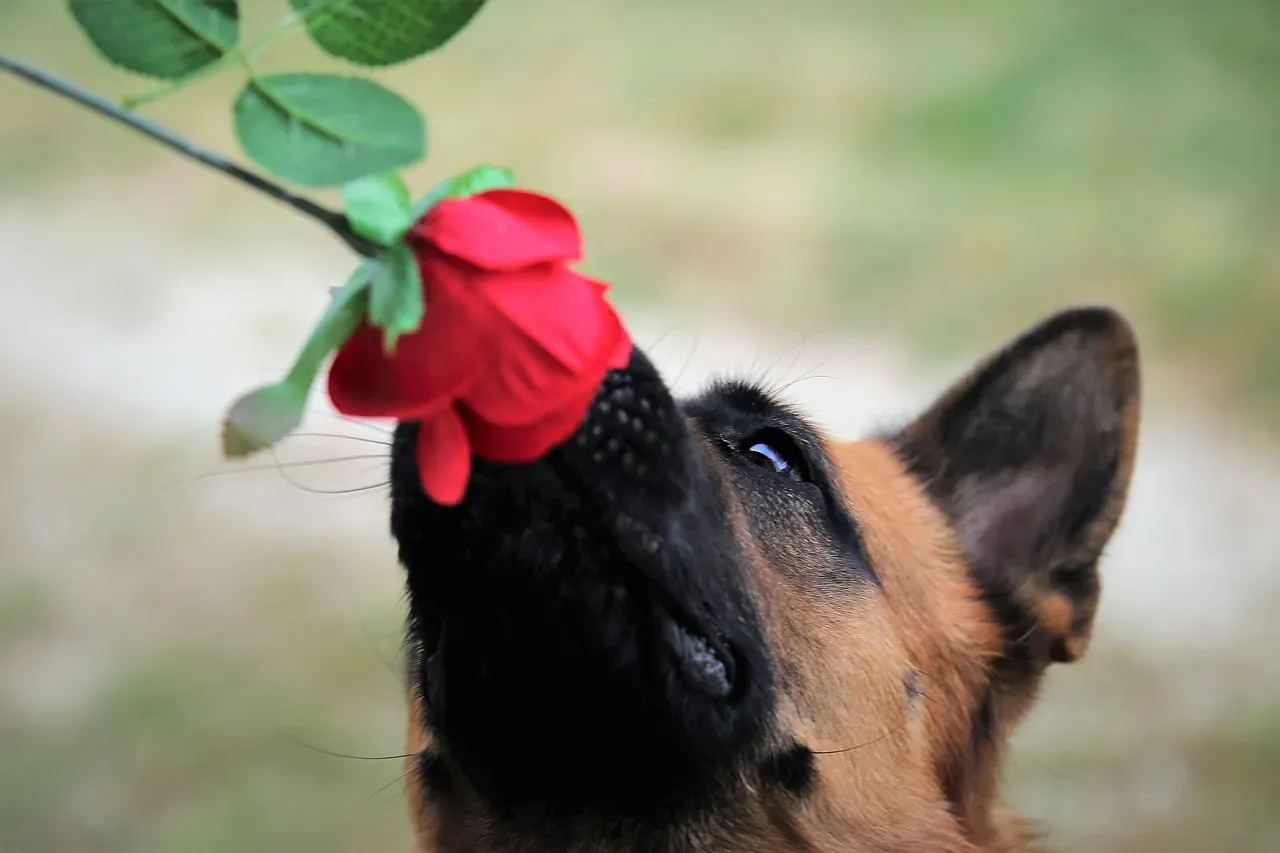
Something remarkable happens as dogs age. While their vision or hearing might decline, their sense of smell remains incredibly sharp. Inside a dog’s nose are 300 million smell receptors, making them excellent hunting companions. Scent work and sniffing games become perfect activities for older pups.
Hide treats around the house or in the backyard and watch your senior dog come alive. Extra time for smelling enriches cognitive engagement without straining joints and muscles. Honestly, it’s exhausting for them mentally but requires minimal physical effort, which is exactly what we want.
Mental Stimulation Works Better Than Physical Exercise
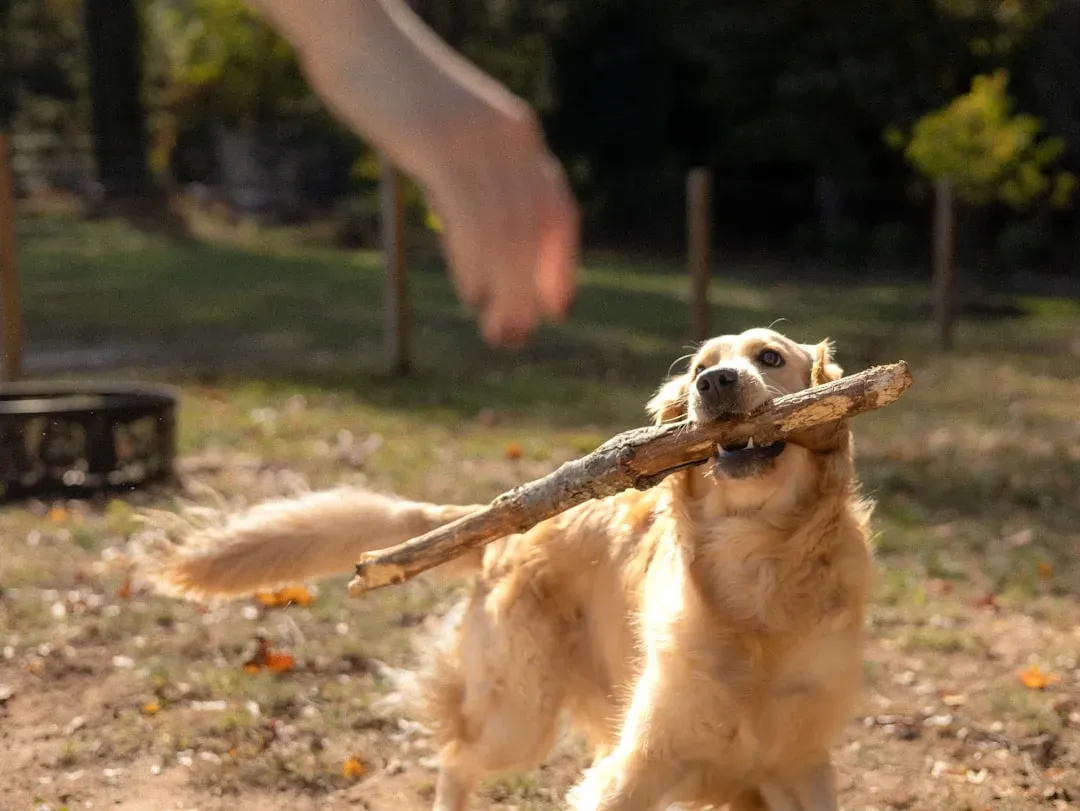
Here’s something that surprised me when I first learned it. The biggest takeaway from research is that ensuring your senior dog gets regular physical activity and mental stimulation can help support cognitive health. Yet mental challenges can be even more powerful for aging dogs than long walks.
Puzzle toys, food dispensing games, and problem solving activities tire them out without taxing their bodies. Providing mental stimulation for senior dogs is essential to keeping their minds sharp and preventing cognitive decline, as engaging them in activities that challenge their problem-solving abilities and encourage curiosity makes a real difference.
They Adapt With Remarkable Resilience
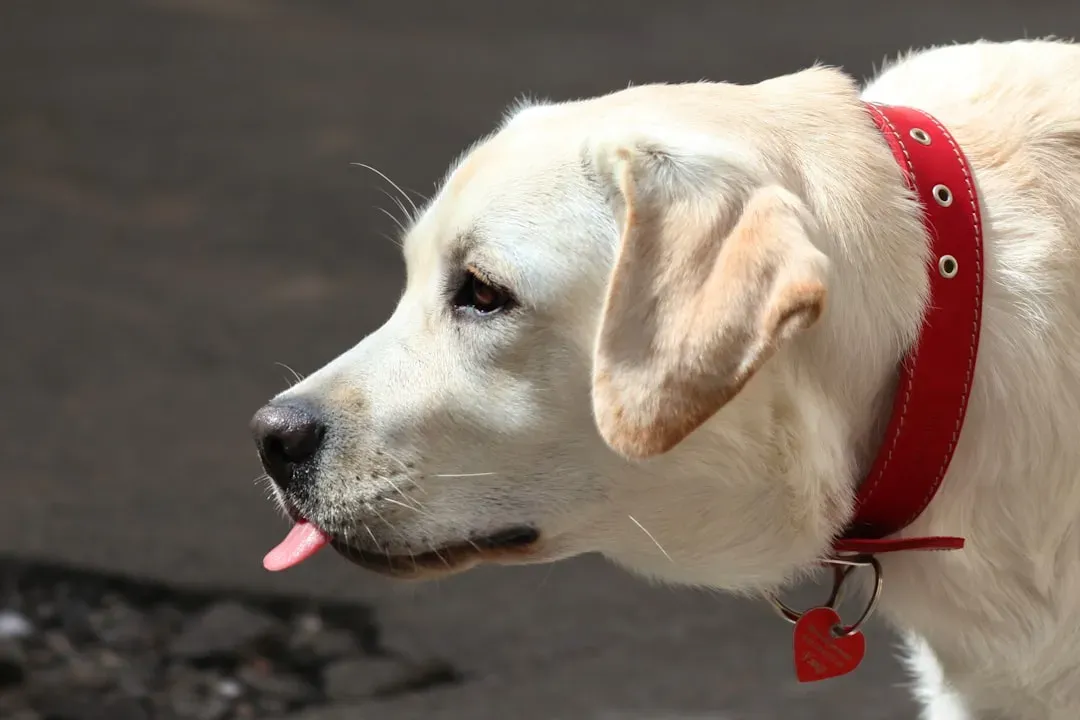
Dogs who received cognitive activities, whether alone or in combination with physical activities, were more likely to explore and manipulate new objects, and physical activities improved dogs’ social behavior and behavioral flexibility, making them more willing to greet a stranger and learn something new. This adaptability is honestly stunning.
Your senior dog might need accommodations like ramps or orthopedic beds. Yet they adjust to these changes with grace. They figure out new ways to do old things, showing a kind of wisdom that only comes with age and experience.
Physical Touch Keeps Their Brain Active
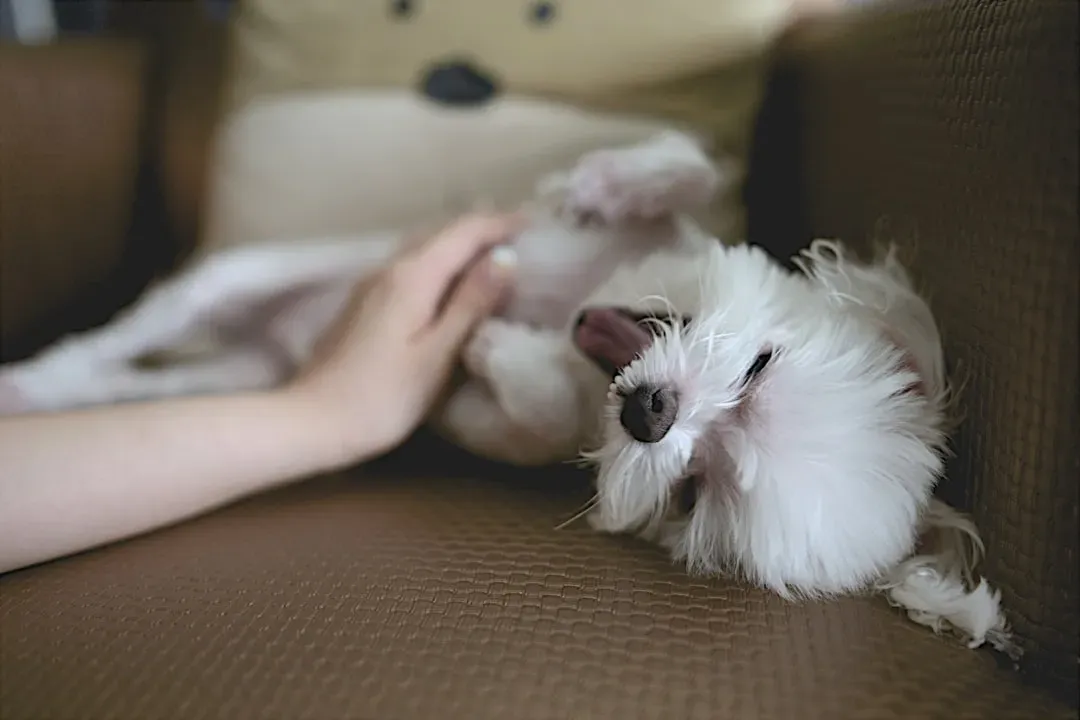
Tickling your senior dog on the face stimulates the cranial nerves that work the mid brain, and gently tickling your dog’s toes can also keep reflexes sharp. Physical stimulation through massage and gentle touch does more than feel good, it actually supports brain function.
Massage can ease tension, enhance circulation, and promote relaxation in an older dog, and the hands on approach also encourages the release of endorphins, naturally relieving discomfort while calming the nervous system. This tactile connection reinforces trust and emotional well being too.
Routine Provides Comfort Yet Variety Brings Joy
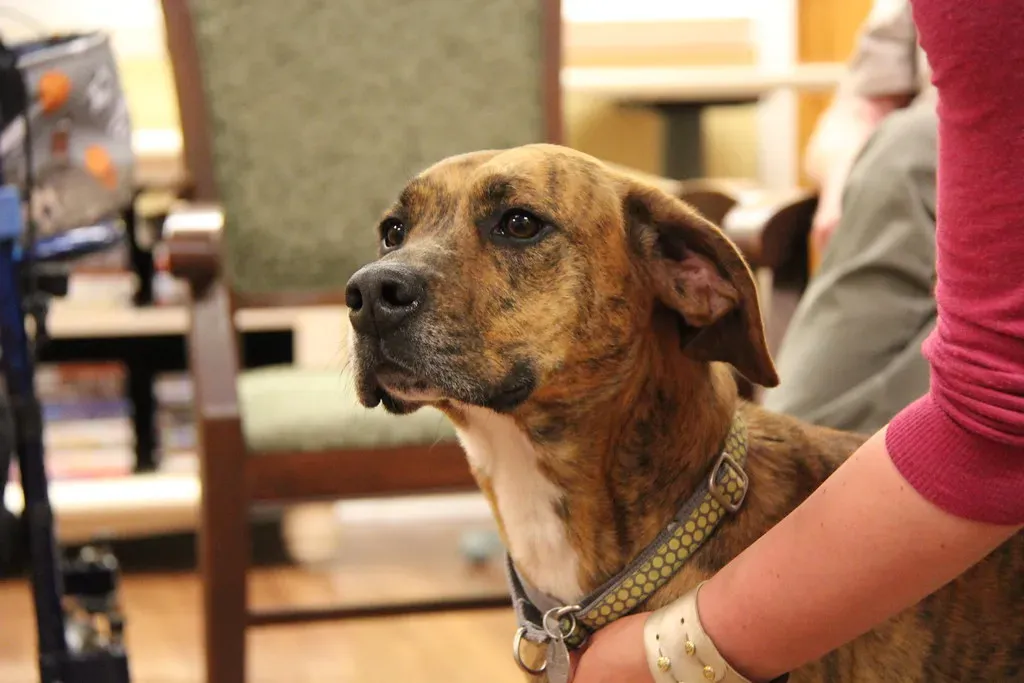
Senior dogs thrive on predictable routines. Meal times, walks, and bedtime rituals create security. Still, they also benefit tremendously from variety within that structure. Older dogs showed reduced activity levels and less interaction with provided toys overall, yet owners of older dogs might just need to focus on meeting them where they are.
It’s about finding that sweet spot between familiar comfort and fresh experiences. Maybe your morning walk happens at the same time, yet you explore a different neighborhood. Consistency with a twist of novelty keeps life interesting without causing stress.
They Still Want to Work for Their Food
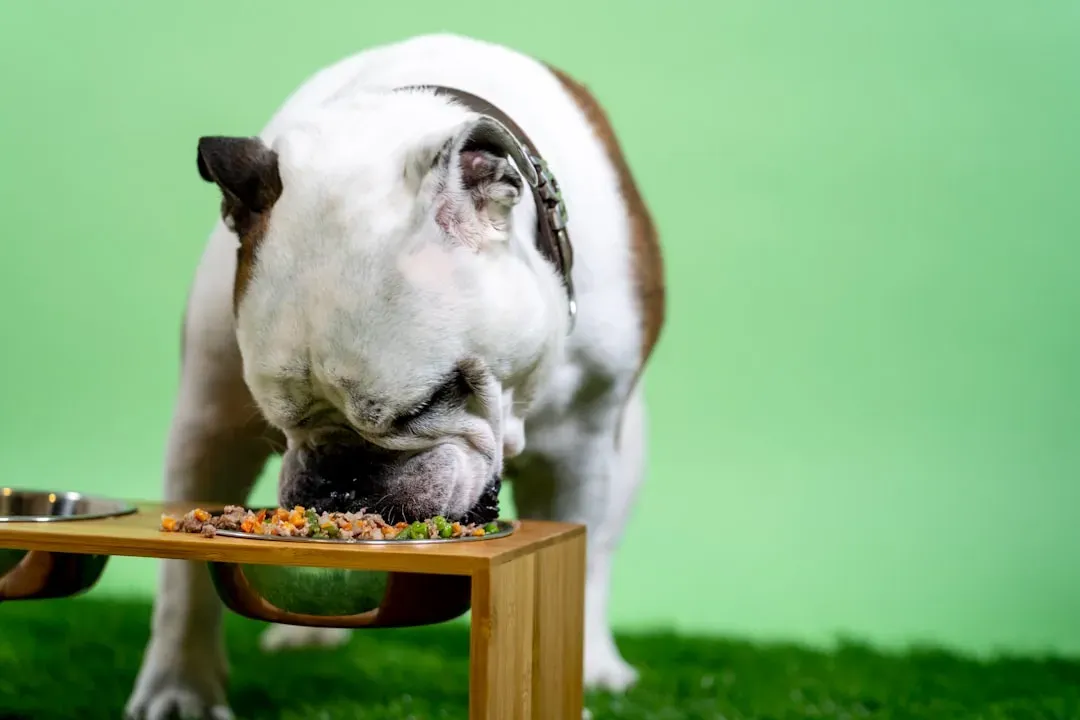
Study findings indicate that laboratory rats, grizzly bears, and other animals will choose to work for their meal over receiving a free meal in a captive or laboratory environment, a phenomenon called contrafreeloading, and although there are limited data regarding this in dogs and cats, the phenomenon appears to be very real for many species.
Food puzzle toys make mealtime mentally engaging. Your senior dog doesn’t want everything handed to them on a silver platter. They derive satisfaction from solving problems and earning rewards, which keeps their minds sharp and gives them a sense of purpose they genuinely need.
Their Capacity for Joy Remains Undiminished
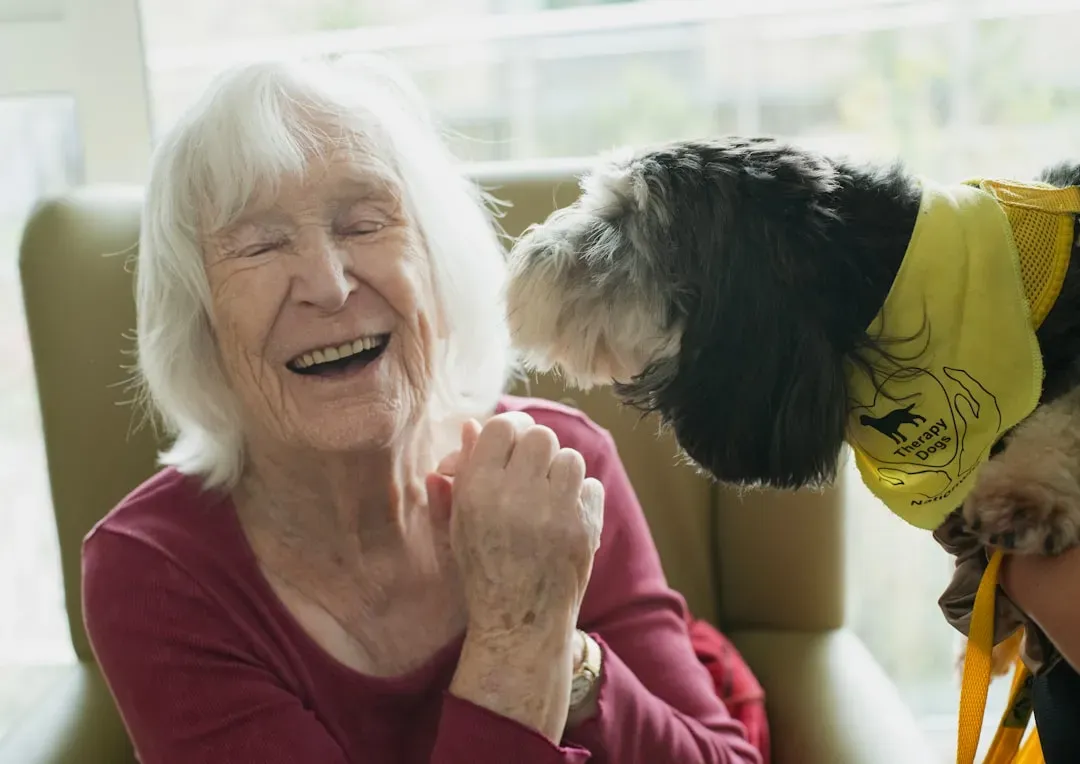
Let me tell you something. The grey muzzle doesn’t mean the joy has faded. Senior dogs have always been special, and there’s a unique wisdom and peace when a dog feels loved in his golden years that comes right through his eyes. That tail still wags when you come home.
They might not bounce around like puppies anymore. Yet that gentle tail thump, the soft eyes lighting up when you reach for the leash, the contented sigh when they settle next to you – these moments of pure happiness define their days. The capacity for joy shifts but never disappears.
Regular Check Ups Support Their Mental Vitality
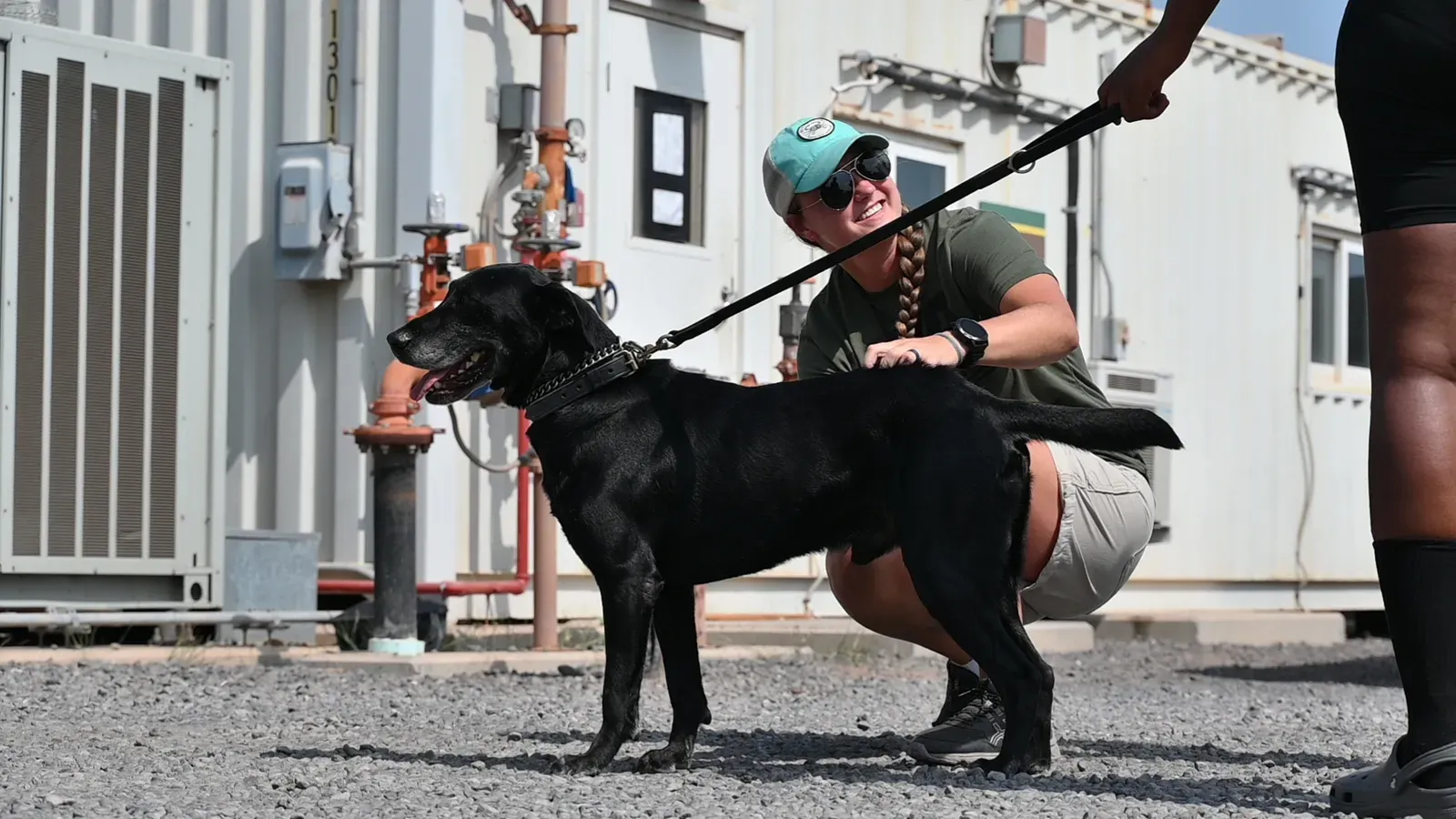
Physical health and mental sharpness are deeply connected. Cognitive care and environmental enrichment may reduce age related changes in the brain, and owners can increase mental stimulation in their senior pet through physical activity, environmental enrichment, and social interaction. Managing pain and treating underlying conditions makes mental engagement possible.
Research shows that roughly one third of 11 to 12 year old dogs, nearly half of 14 year old dogs, and the vast majority of 16 year old dogs will show at least one marker of canine cognitive dysfunction, and such changes can manifest as disorientation, changes in social interactions, altered sleep wake cycles, and other behavioral changes. Early veterinary intervention matters tremendously.
Conclusion: The Heart Never Ages
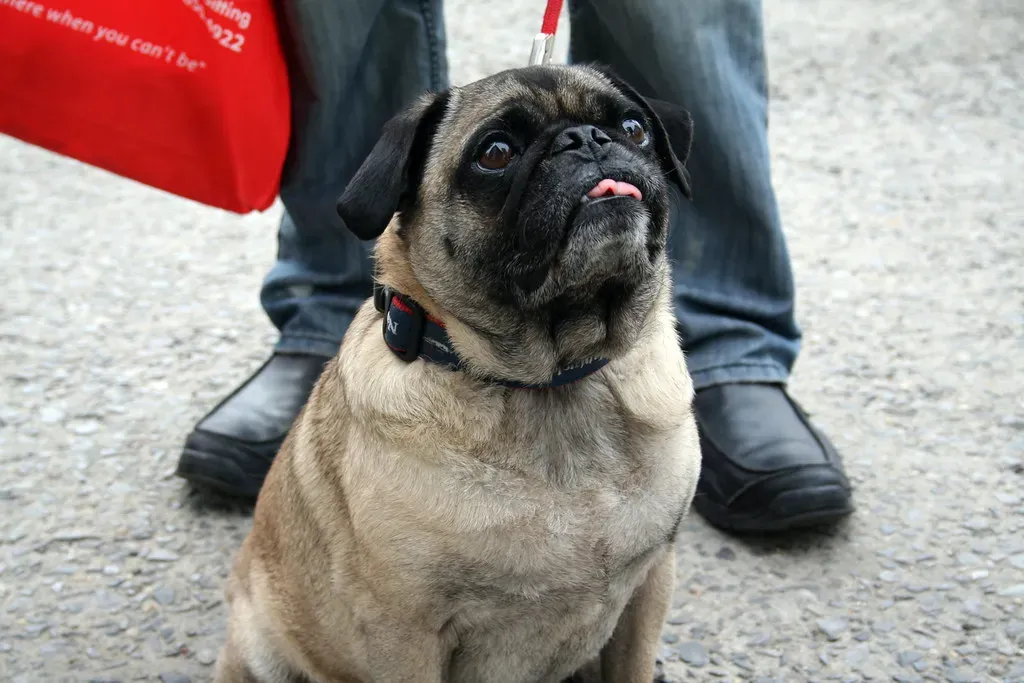
Your senior dog teaches us something profound about aging gracefully. They show us that slowing down doesn’t mean giving up, and that life remains rich with possibility even when the body changes. You don’t have to conduct peer reviewed research in a controlled environment to keep your dog as active and happy as possible as they get on in years, as simply observing them closely and giving them things to do that match their interests and abilities is a good start.
The truth is, your aging dog isn’t desperately clinging to youth. They’re living fully in each moment with wisdom, resilience, and that spark that makes them who they are. They adapt, they learn, they play, they connect, and they find joy in simple pleasures. What would you change about your daily routine to keep that special spark alive in your senior companion? Tell us in the comments what keeps your older dog young at heart.