
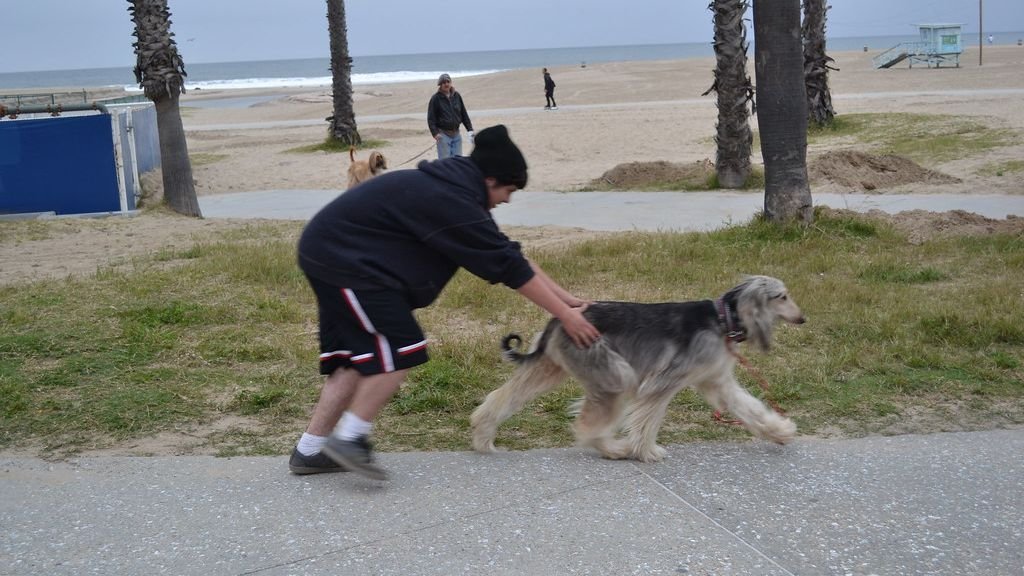
You call your dog’s name across the living room. Once, twice, three times. Nothing. They’re staring at the wall like it holds the secrets of the universe, completely tuned out. Is it defiance? Are they upset with you? Should you be worried?
Here’s the thing: when your dog suddenly starts ignoring you, it’s rarely about rebellion or spite. Dogs don’t hold grudges the way we do. Instead, that cold shoulder often signals something deeper happening beneath the surface. Maybe it’s physical discomfort they can’t articulate, or perhaps they’ve simply learned that your commands don’t mean much anymore. Whatever the cause, understanding why your furry companion has started giving you the silent treatment is the first step toward rebuilding that beautiful bond you once shared. So let’s dive in.
They’re Actually in Pain
Dogs in pain may become more anxious or avoidant as they attempt to shield themselves from situations or actions that might exacerbate their discomfort, such as avoiding car travel, stopping on walks, or steering clear of stairs. When your dog hurts, they often withdraw rather than seek comfort. It’s a survival instinct.
Dogs might withdraw or refuse interaction when they’re in pain, and conditions like arthritis, dental disease, or internal injuries aren’t visible at a glance. Your pup might seem like they’re ignoring you when they’re actually hurting and trying to protect themselves from further discomfort.
Watch for subtle signs. Are they hesitant to jump onto the couch? Do they flinch when you reach for their collar? Dental disease can cause painful teeth or gums, leading to avoidance of hard foods, chew toys, or even petting near the face. That seemingly aloof behavior might be your dog’s way of saying “please don’t touch me there, it hurts.”
Their Hearing Is Fading
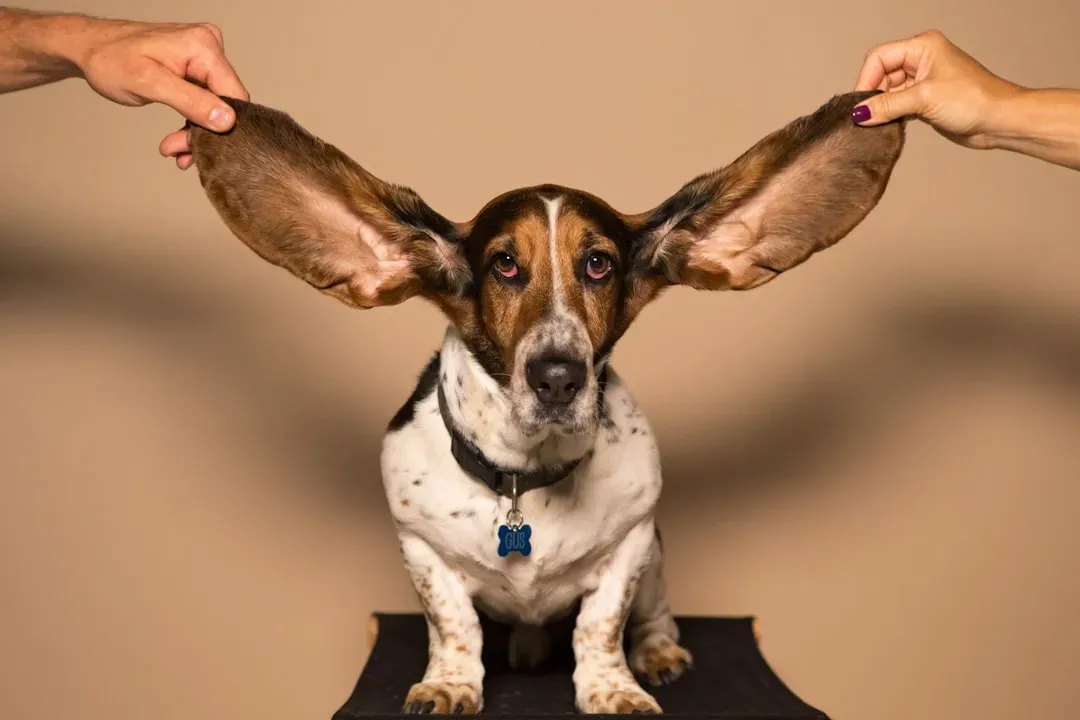
Hearing and vision loss are common issues in senior dogs. The loss is gradual, degrading slowly over several years, and it’s not a sudden loss but rather a slow process. You might think your dog is deliberately ignoring your recall command in the park, but honestly, they might not hear you at all.
Dogs often lose certain frequencies first, so they may hear a man’s deep voice but not a woman’s higher-pitched vocals. This explains why your dog responds to your husband but not to you, or why they used to come running when you called but now just keep sniffing that fascinating spot in the yard. Owners may complain that their pet no longer greets them at the door, likely because the auditory cues of arrival are not received.
It’s heartbreaking, I know. One day they’re bounding toward you at the first syllable of their name, and seemingly overnight, they’re oblivious to your voice. Owners often miss the first stages of age-related dog hearing loss because dogs rarely give us clues.
You’ve Become Predictably Inconsistent
Let’s be real: sometimes we’re the problem. When commands are repeated too often without follow-through, your dog learns they mean nothing, as “Sit, sit, sit” loses meaning without action, resulting in tuned-out ears. If you say “come” fifteen times while your dog continues doing whatever they want, you’ve accidentally taught them that “come” is just background noise.
Inconsistency in our own behavior can also contribute to dogs ignoring their owners, as dogs are highly perceptive creatures who can quickly pick up on mixed signals from contradictory cues. One day jumping on the couch is fine, the next day it earns a scolding. Your dog isn’t being stubborn; they’re genuinely confused about what you actually want.
The solution? Only give commands you’re prepared to enforce. Make your words mean something again. Practice saying commands only when you intend to enforce them, and use clear cues with varied rewards so every command feels worth responding to.
They’re Anxious or Stressed
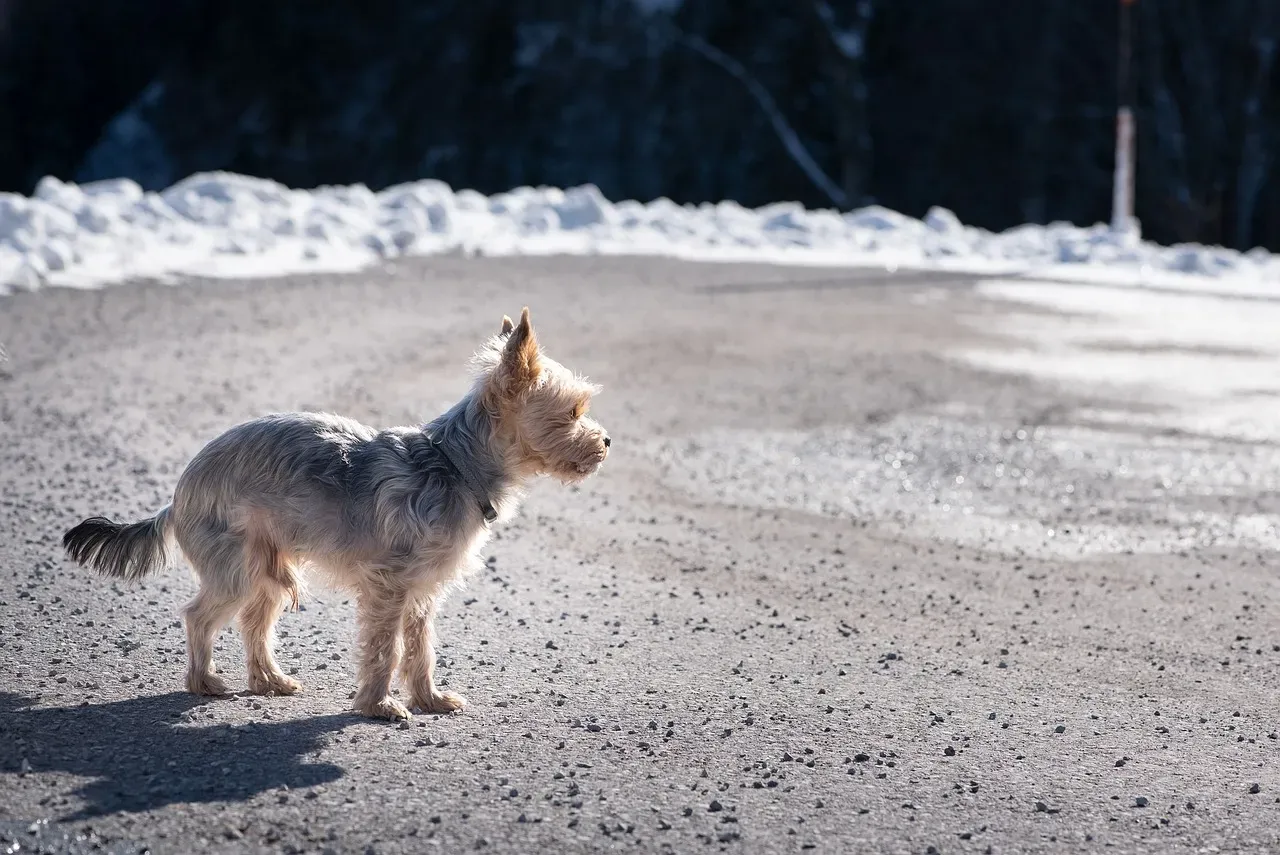
Dogs feeling anxious, whether from separation, new routines, or traumatic events, may ignore your voice as they’re stuck in survival mode. When a dog is overwhelmed by stress, their brain essentially shuts down to non-essential information. Your voice, unfortunately, becomes non-essential when they’re in panic mode.
Look for signs like excessive panting, whining, hiding, clinginess, or changes in appetite or sleep, as these are red flags that behavioral or environmental support may be needed. Maybe you recently moved houses, brought home a new baby, or changed your work schedule. Dogs take comfort in predictability, and if you suddenly change their walking, feeding, or playtime routines, they might respond with anxiety, confusion, or seeming disinterest.
Sometimes a dog who’s tuning you out is actually screaming for help in the only way they know how. They’re not being rude; they’re overwhelmed.
The Environment Is Too Distracting
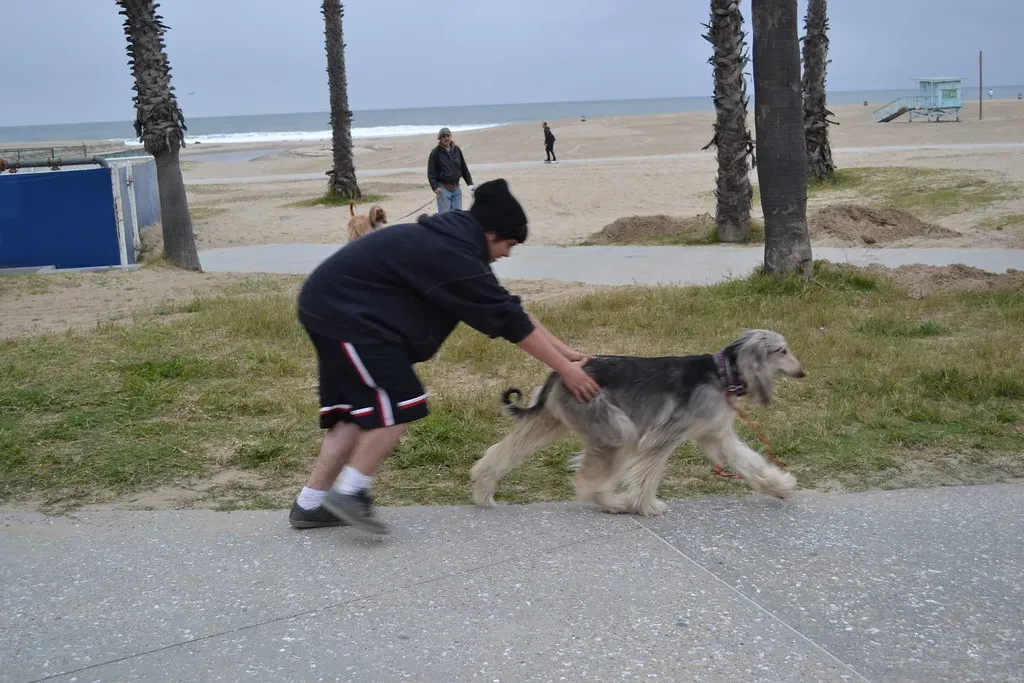
Busy environments with new smells, wildlife, and children can absorb your dog’s focus faster than your voice, and even a well-trained dog may lose interest. Imagine trying to concentrate on a boring task while fireworks explode around you. That’s what the world feels like to your dog’s sensitive nose sometimes.
The squirrel darting up the tree, the scent of another dog who passed by twenty minutes ago, the rustling in the bushes that might be a rabbit. All of these compete with your voice for your dog’s attention. It’s not personal. It’s biology.
Training in high-distraction environments requires patience and better rewards. Start recall and attention games in a low-distraction space, use long lines, call only when confident of attention, and reward big when they refocus. Build up gradually. Don’t expect your dog to ignore a deer when they can barely ignore the scent of yesterday’s bacon.
They’re Experiencing Cognitive Decline

Cognitive dysfunction syndrome is a common age-related disease in dogs that affects the brain, causing deterioration similar to Alzheimer’s disease in humans, and dogs may start to develop it around nine years of age or older. Your senior dog might not be ignoring you on purpose. They might genuinely be confused about who you are or what you want.
The most common signs may include disorientation, getting lost in familiar places, interaction changes like suddenly being clingy or avoidant, not recognizing familiar people, and sleep pattern changes. If your 12-year-old Golden Retriever stares through you like you’re a stranger, it’s devastating. Similar to Alzheimer’s in humans, older dogs can develop canine cognitive dysfunction, leading to confusion, sleep disturbances, and sometimes a withdrawn demeanor; they’re not snubbing you, they’re trying to navigate their foggy cognition.
This isn’t something training can fix, but early intervention with environmental enrichment, diet, and medical management can improve the quality of life for dogs affected by cognitive dysfunction.
Their Vision Is Compromised
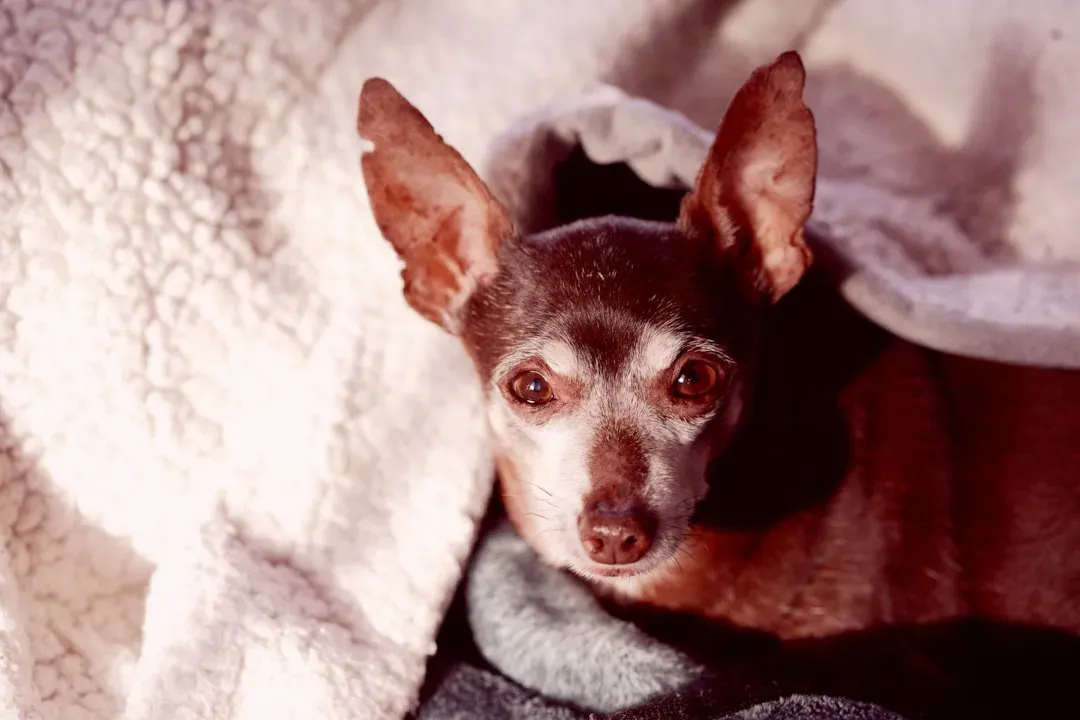
When dogs’ sight begins to slip, you might notice them bumping into things, acting hesitant to go down the stairs, and having difficulty navigating the transition from the sidewalk to the road. What looks like your dog ignoring your hand signal might actually be them not seeing it at all.
Loss of sight or hearing, especially in senior dogs, can affect their responsiveness; they aren’t ignoring you, they simply can’t perceive your cues. Dogs rely heavily on visual communication from us – our posture, our hand gestures, the direction we’re facing. When that visual input becomes cloudy or disappears, they seem disconnected.
The good news? Unlike humans, dogs don’t rely on sight as their primary sense; their sense of smell is most important, and consequently, they can actually adapt quite well to blindness. Still, the adjustment period can make them seem distant or unresponsive until they learn to navigate their world differently.
You’ve Accidentally Punished Coming When Called
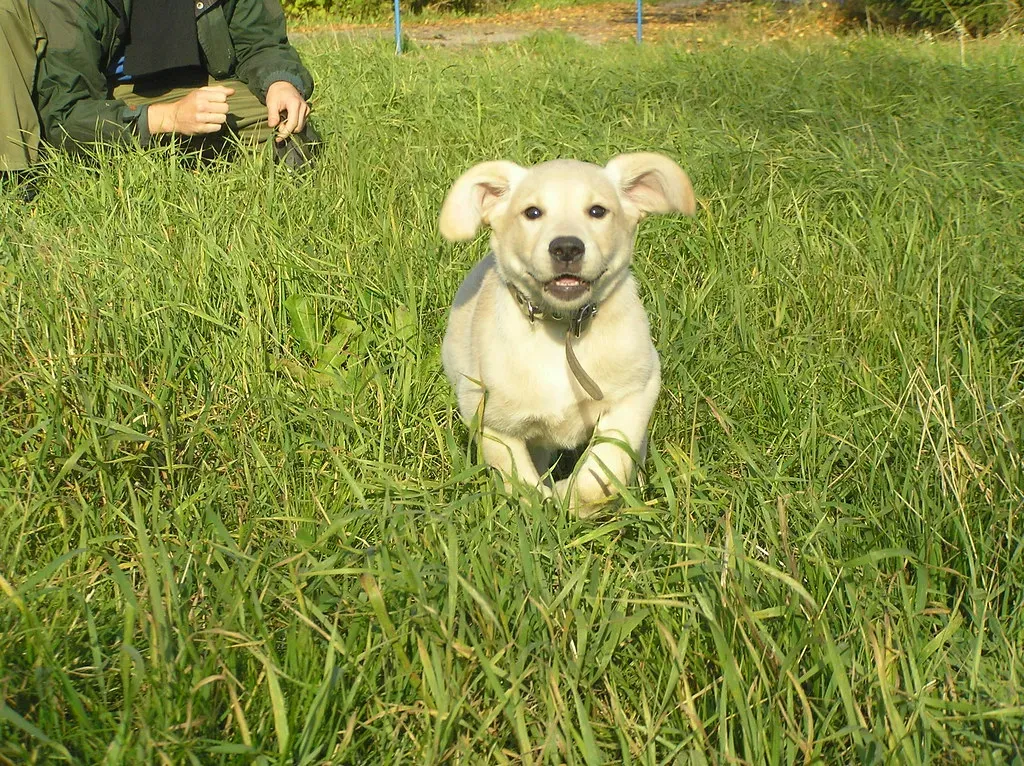
Have you ever called your dog over only to scold them for something they did ten minutes earlier? Or called them to give them a bath they hate? Congratulations, you’ve accidentally taught them that responding to you leads to unpleasant outcomes. Scolding when they come at your call teaches them that obedience has unpleasant outcomes, and this association might make them hesitate to respond to you the next time.
Dogs live in the present moment. If you call “come” and then immediately clip their nails or shove them in the car for a vet visit, they associate your recall command with something negative. Next time you call? They’ll weigh their options and decide that ignoring you is the safer bet.
The fix requires rebuilding trust. Every time they come to you, something wonderful should happen. A treat, a game, enthusiastic praise. Make your presence the best place to be, not a trap.
They’re Simply Bored with Low-Value Rewards
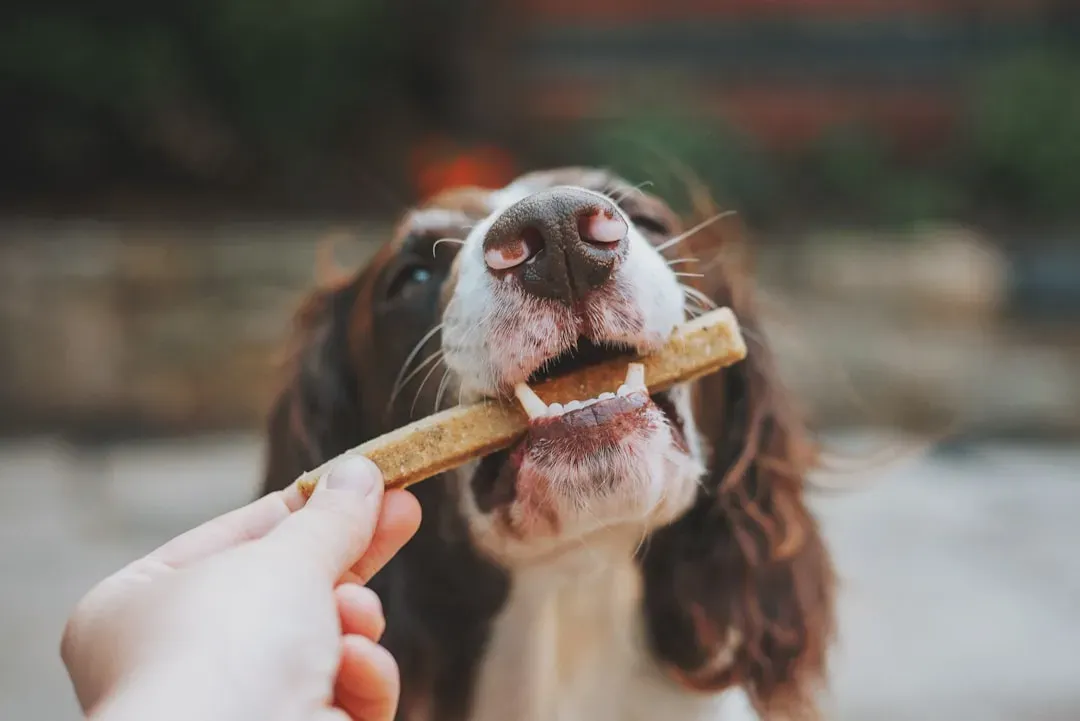
If your dog occasionally follows commands, it means they can but might not want to, often due to inconsistent rewards; if the payoff isn’t worth it, they may tune you out. That dry kibble you’re offering? Your dog knows there’s roasted chicken in the fridge. Why should they interrupt their fascinating sniffing session for something boring?
Think about it from their perspective. Would you work overtime for minimum wage when you know better opportunities exist? Your dog is making the same calculation. Fix it by reintroducing clarity with high-value treats or engaging games during short sessions, and reward reliable responses reliably, then gently fade the treats over time.
I’ve seen this transformation countless times. The “stubborn” dog who ignores every command suddenly becomes attentive and eager when you pull out string cheese or a favorite squeaky toy. They weren’t ignoring you because they’re dumb or defiant. They were ignoring you because you weren’t offering anything worth their attention.
Medical Issues Are Changing Their Behavior

Some behavioral problems are caused totally or partially by a medical condition, and many of these problems represent a diagnostic challenge because, apart from behavioral changes, there are no other clinical signs or evidence of illness. Your dog might look perfectly healthy while an underlying thyroid issue, organ dysfunction, or neurological problem silently affects their behavior.
Diseases of major organs like the heart, kidney, liver, and spleen can cause a change in behavior, and if the organs are not functioning properly, the dog can experience agitation and a general feeling of being unwell. Common things causing significant behavior changes would be neurological problems, pain such as arthritic or gas pain, and cognitive decline as dogs get older can also play a role in behavior changes.
This is why sudden behavior changes always warrant a vet visit. What looks like your dog being antisocial might actually be them feeling genuinely unwell but unable to tell you in words. Dogs may ignore their owners if they’re experiencing pain, discomfort, or illness, making it essential to rule out any physical problems by consulting with a veterinarian.
Conclusion

When your dog suddenly starts ignoring you, it stings. That enthusiastic companion who used to hang on your every word now acts like you’re invisible. The reasons behind this behavior are rarely simple spite or stubbornness. More often, it’s a complex mix of physical changes, environmental factors, training history, and sometimes genuine medical concerns.
When your dog ignores you, it’s rarely rebellion; it’s a sign of unmet needs, confusion, or competing priorities. Understanding the why behind the behavior is your first step toward reconnecting. Whether it means adjusting your training approach, addressing a health issue, or simply being more consistent with your cues, there’s hope.
Your dog still loves you. They’re just trying to navigate their world with the tools and abilities they have. What do you think is causing your dog’s behavior? Have you ruled out medical issues? Tell us in the comments.


