
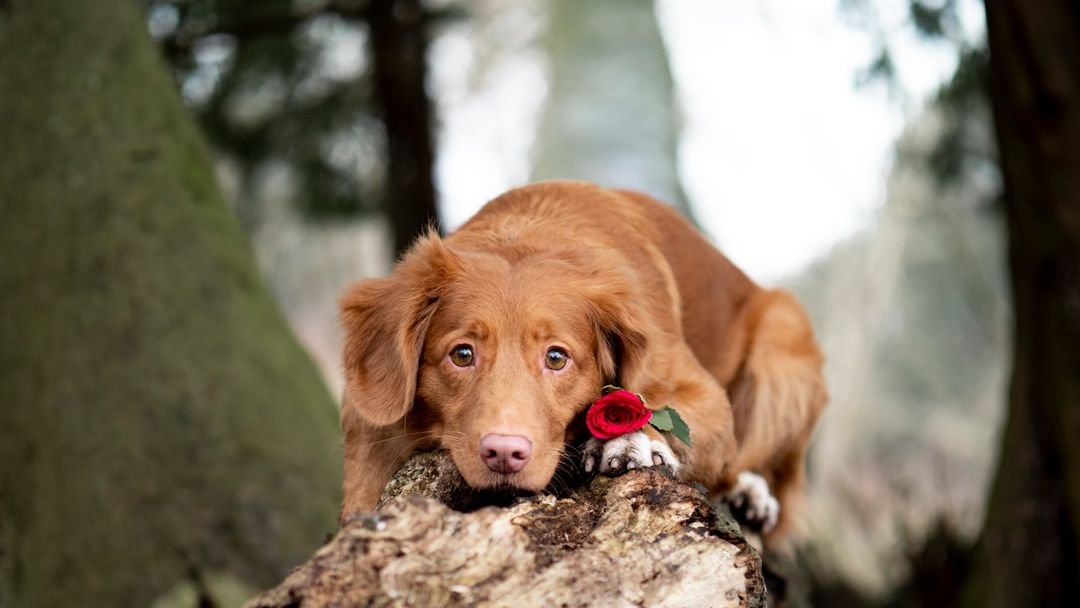
There’s something deeply personal about watching your dog flinch when you reach for them. Or seeing that split second of hesitation before they come when called. It tugs at your heart, doesn’t it?
Training shouldn’t be a battle of wills. It shouldn’t leave your dog looking at you with worry or waiting for the next correction. The truth is, building a relationship based on trust and understanding creates a dog who listens because they want to, not because they’re scared of what happens if they don’t. So let’s dive into how you can train your best friend without ever using fear as a tool.
Understanding Why Fear Has No Place in Training
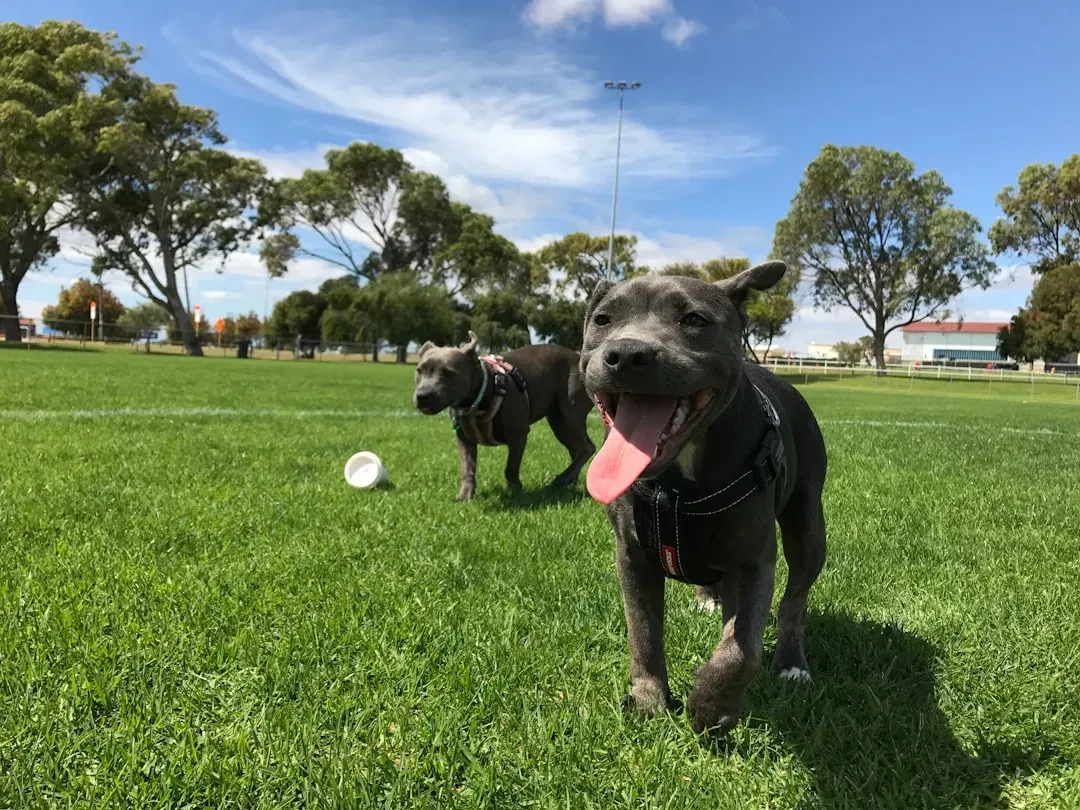
Studies show that dogs trained with reward-based methods display better obedience and fewer behavioral problems than those trained with punishment or aversive techniques. That’s not just feel-good sentiment. That’s science backing up what many dog lovers have long suspected.
When you use fear or intimidation, you’re essentially teaching your dog to shut down or comply out of survival instinct. Positive reinforcement training stands out as a highly effective strategy for modifying canine behavior, especially useful for mitigating fear and anxiety in dogs. This method hinges on the principle of rewarding dogs for displaying behaviors we desire, not only encouraging them to continue these behaviors but also significantly strengthening the bond between dogs and their guardians.
Think about it like this. If someone yelled at you every time you made a mistake, would you feel confident trying new things? Or would you become anxious, second-guessing every move? Dogs experience the same emotional reality. You should never punish your dog for not listening. Verbal punishment only creates a negative experience where your dog develops fear or aggression. No matter what, you should never physically punish your pet, as it’s cruel, leads to a negative relationship, and induces anxiety.
Building Trust Through Positive Reinforcement
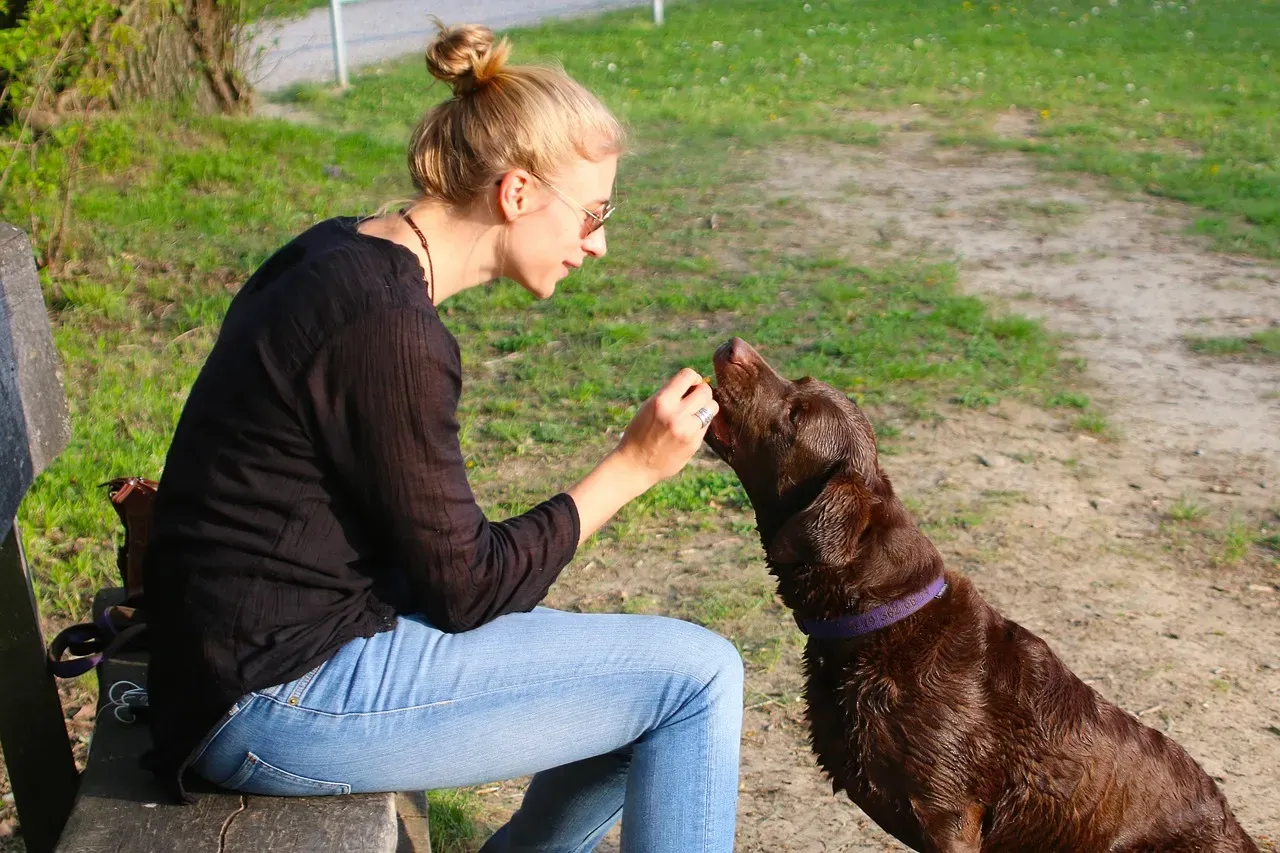
Positive reinforcement training uses a reward for desired behaviors. Because the reward makes them more likely to repeat the behavior, positive reinforcement is one of your most powerful tools for shaping or changing your dog’s behavior. It really is that straightforward.
Rewards can be anything your dog values. For most dogs, treats work like magic. For others, it might be a squeaky toy, a game of tug, or even just enthusiastic praise. The key is finding what makes your dog’s eyes light up.
Correct timing is essential when using positive reinforcement training. The reward must occur immediately (within seconds) of the desired behavior, or your pet may not associate it with the proper action. Imagine asking your dog to sit, they do it beautifully, and then you fumble around in your pocket for a treat while they stand back up. Now you’ve accidentally rewarded standing, not sitting. Timing matters more than most people realize.
Honestly, the beauty of this approach is that it transforms training from a chore into a conversation. Your dog starts to understand what you’re asking, and they genuinely want to participate.
Reading Your Dog’s Body Language
Here’s something I wish more dog owners understood. Your dog is “talking” to you all the time. If you learn what your dog is saying, you will develop a deeper bond of trust and respect. They’re constantly giving you feedback about how they’re feeling.
People yawn when they’re tired or bored, but dogs yawn when they’re stressed. They also lick their lips when anxious, not just after eating. Stressed dogs lick their noses nose and lips frequently, pant (without being hot or having just exercised), and frequently yawn.
Watch for the whale eye, that moment when you can see the whites of your dog’s eyes. Known as “whale eye,” when a dog shows the whites of the eyes, it’s a signal that they’re feeling anxious or stressed in a situation. A tucked tail, pinned back ears, or a dog who turns their head away are all saying the same thing: “I’m uncomfortable right now.”
When you notice these signals during training, it’s time to pause. Take a step back. Make things easier. Understanding stress signals helps you recognize when to end training sessions, adjust difficulty levels, or change approaches before dogs become overwhelmed or shut down. This is how you keep training fear-free.
Creating a Safe Learning Environment
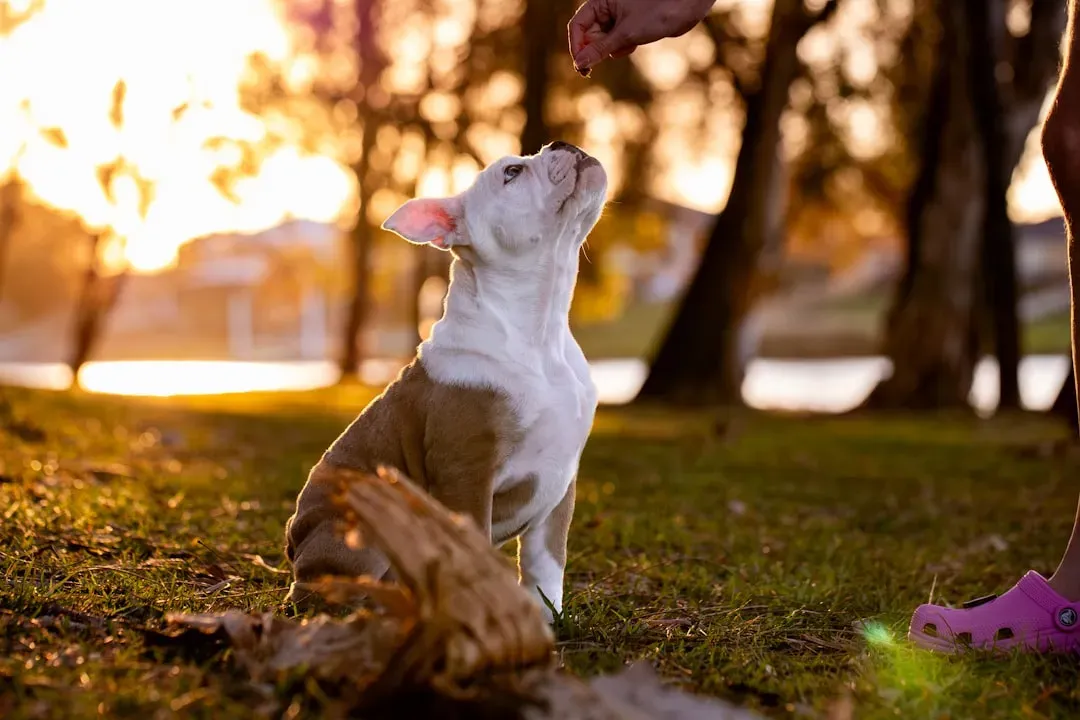
Dogs learn best when they feel secure. In most cases, desired behavior change can be achieved by effectively managing the dog’s environment, meeting physical health and exercise needs, and using non-aversive operant and classical conditioning. These techniques teach foundational skills, train alternative behaviors, and use desensitization and counterconditioning to modify the dogs’ behavior.
Start training in a quiet, familiar space where distractions are minimal. Your living room works perfectly. Once your dog masters a behavior there, gradually introduce new challenges. Maybe practice in the backyard next. Then the front yard. Eventually, you’ll work up to busier environments like parks.
Short sessions work better than marathon training blocks. While training takes patience, it should also be fun for you and your pup. We recommend keeping training sessions around 10 minutes maximum (especially for puppies) to hold their attention span and make sure you both have fun with the training.
Think of it like studying for an exam. Cramming for hours makes your brain turn to mush, right? Dogs are the same way. Multiple short, positive sessions throughout the day beat one long, exhausting session every time.
Consistency Without Harshness
Let’s be real for a moment. Consistency doesn’t mean being rigid or harsh. It means being predictable in a way that helps your dog understand the rules.
Everyone in the family should use the same cues, otherwise your dog may get confused. It might help to post a list of cues where everyone can become familiar with them. Consistency with positive reinforcement training also means always rewarding the desired behavior and never rewarding undesired behavior.
If one person lets the dog jump on them for greetings while another person scolds the dog for the same behavior, you’re creating confusion. Your dog isn’t being stubborn. They genuinely don’t understand what you want.
Here’s a practical example. When teaching “stay,” everyone in the house needs to use that exact word. Not “wait” one day and “stay” the next. Not “hold on” when you’re in a hurry. One word, used consistently, with rewards when your dog gets it right. That clarity is kindness.
What to Do When Things Get Challenging
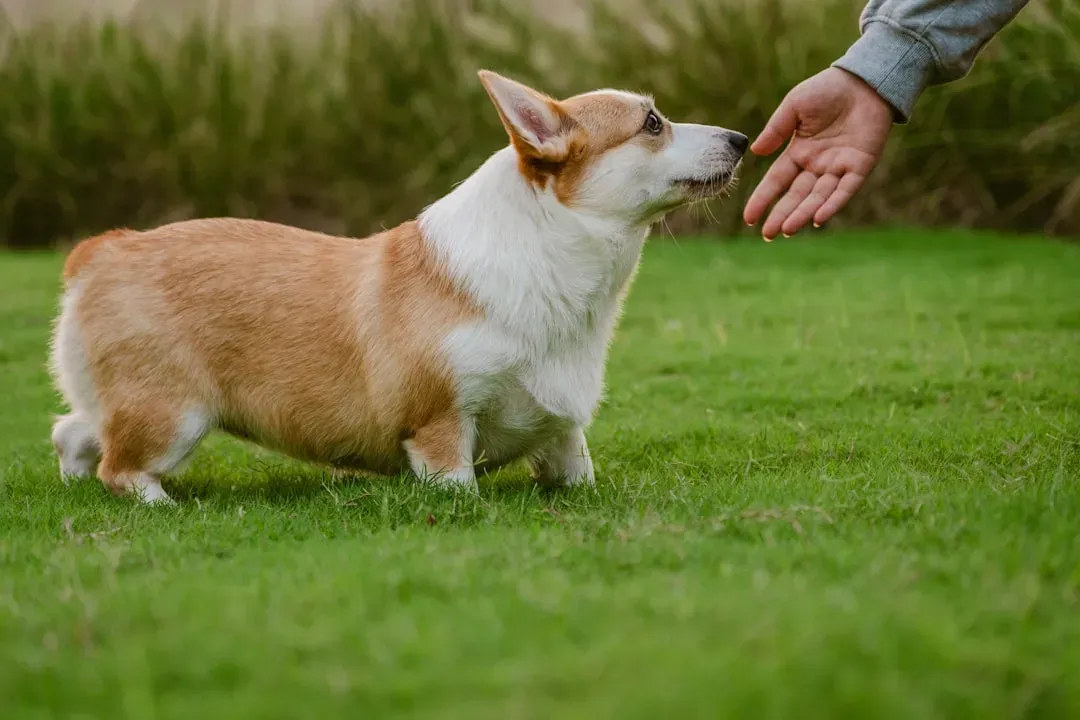
Every dog training journey hits bumps. Your dog might struggle with a particular command or get distracted easily. There are many reasons a dog might not respond to a cue: they could be in pain, distracted or worried about something in the environment, or they might not fully understand what’s being asked in that moment. We don’t assume they’re being stubborn or disobedient. It’s essential to build a trusting relationship if we want our dogs to willingly respond to us.
Instead of getting frustrated, break things down into smaller steps. It can take time for your dog to learn certain behaviors. You may need to use a technique called “shaping,” which means reinforcing something close to the desired response and then gradually requiring more from your dog before they get a treat.
If your dog is scared of something, forcing them to face it head-on often backfires spectacularly. Fear Free always works to reduce or remove triggers that cause fear, anxiety, and stress. Take things slow. Reward bravery, even if it’s just a tiny step forward. Build confidence gradually, and you’ll end up with a dog who trusts you to keep them safe.
Sometimes professional help makes all the difference. There’s no shame in calling a certified positive reinforcement trainer if you’re stuck. Think of it as getting expert guidance, not admitting defeat.
The Long-Term Benefits of Fear-Free Training
Among the many studies supporting positive reinforcement, arguably the starkest example was a study with veterinary behaviorist Theresa DePorter, DVM, based in Bloomfield Hills, Michigan, who worked with a local dog trainer who used aversive training methods in his puppy classes. After one year, an astounding 38 percent of the puppy class grads were rehomed, surrendered, or euthanized. After two years, over half (60 percent) of dogs were rehomed, surrendered, or euthanized. Dr. DePorter then persuaded that same trainer to offer positive-reinforcement classes and instructed him on how to do so. And one year later, 94 percent of dogs remained in homes, compared to aversive training in which over a third of puppies were rehomed, surrendered, or euthanized a year later.
Those numbers should stop you in your tracks. Training method literally determines whether dogs keep their homes and families. That’s how important this is.
Beyond statistics, there’s the daily joy of living with a dog who’s confident, happy, and eager to interact with you. Training based on trust and rewards improves your relationship with your dog. Your dog learns to happily work with you, seeing you as the source of good things. Your dog doesn’t just obey. They genuinely enjoy spending time with you, learning from you, and being part of your life.
Training creates dogs who are brave enough to try new things, resilient when facing challenges, and deeply bonded to their people. That’s not just a well-trained dog. That’s a genuine partnership built on mutual respect and love.
What kind of relationship do you want with your dog? Tell us in the comments.


