
You’ve had one of those days. Your shoulders are tight, your jaw is clenched, and even though you haven’t said a word, your dog seems to know. They’re pacing, following you from room to room, or maybe they’re hiding under the table with their tail tucked low.
It’s not your imagination. Your dog truly is tuning into your emotional state, picking up on signals you didn’t even realize you were sending. The connection between your stress and your dog’s well-being runs deeper than most of us realize, and science is finally catching up to what dog lovers have suspected all along.
The Science Behind Your Dog’s Sixth Sense

Dogs can discriminate stressed from non-stressed human odour samples, and recent research has revealed just how sophisticated this ability really is. When researchers presented samples to dogs, they could tell the difference between the baseline and stress samples with over 90% accuracy. Think about that for a moment. Your dog isn’t just reading your facial expressions or body language.
Acute stress changes what’s known as volatile organic compounds in breath and sweat, and these compounds are detectable to dogs’ noses. It’s almost like your stress leaves an invisible chemical signature in the air around you. Your dog’s nose, roughly fifty times more powerful than yours, picks up these microscopic changes effortlessly.
So when you walk through the door after a nightmare meeting, your pup already knows before you even slumped onto the couch.
How Your Stress Actually Changes Your Dog’s Behavior

Here’s the thing that caught researchers off guard. Dogs experience emotional contagion from the smell of human stress, leading them to make more ‘pessimistic’ choices. What does that mean in real life?
The stress smell made dogs slower to approach an ambiguous bowl location nearest the trained location of the empty bowl. Essentially, when your dog smells your stress, they become more cautious, more hesitant, and less likely to take risks or explore. It’s as if your anxiety is contagious, affecting their decision-making and outlook on the world around them.
When the stress odor was present, dogs were less likely and slower to approach a bowl that they were uncertain contained a treat, suggesting that being stressed around your dog may have a negative effect on your dog’s mood. They become little worry machines themselves.
Recognizing When Your Dog Is Absorbing Your Stress
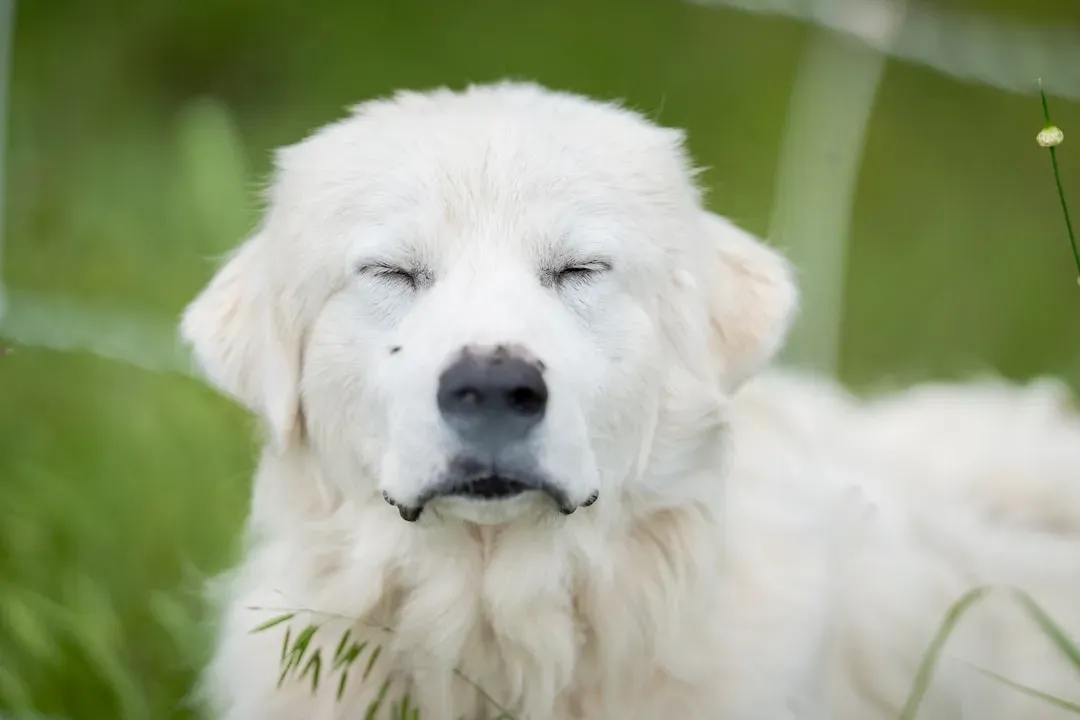
Dogs don’t sit us down for heart-to-heart conversations, so we need to become detectives of their body language. Dogs yawn when they are tired or bored, and they also yawn when stressed, with a stressful yawn being more prolonged and intense than a sleepy yawn. Watch for that deep, drawn-out yawn when nothing particularly tiring has happened.
Stressed dogs may have dilated pupils and blink rapidly, and they may open their eyes wide showing more sclera than usual. Their ears might pin back against their head. Some dogs pace relentlessly or refuse to settle, even in their favorite spot.
An anxious dog may pant, pace, tremble, drool, withdraw from its owner, or hide. Others might become clingy, shadowing your every move like a furry little bodyguard who can’t quite shake the feeling that something’s wrong.
The Ripple Effect: Long-Term Consequences of Chronic Stress

Let’s be real, occasional stress is part of life for both humans and dogs. If the situation continues, cortisol is released to keep the body in a heightened state. When your dog is constantly exposed to your stress day after day, their bodies stay flooded with these stress hormones.
Dogs that are anxious all the time may become depressed or irritable, sleep more, and may lose interest in food, training, play, and social interaction, and chronic anxiety may also lower a dog’s threshold for allergies, inflammatory bowel diseases and other medical problems. Honestly, it’s heartbreaking to think our own stress might be stealing the joy from their daily routines.
Think of it like background noise that never stops. Eventually, it wears them down, changing not just their mood but their physical health as well.
Practical Ways to Create a Calmer Environment

The good news? You have more control than you might think. Studies show that dogs who engage in sniffing activities have a faster drop in heart rate and cortisol levels, making it one of the most effective natural stress relievers. Scatter some treats in the grass and let your dog spend twenty minutes just sniffing them out. It’s decompression in its purest form.
It’s essential to establish a routine for your dog so they feel comfortable and secure, as dogs are creatures of habit and thrive on predictability and structure. Feed them at the same time each day. Walk the same route in the morning. Consistency becomes their anchor when your own emotions are stormy.
Gentle massage following blood sampling can reduce cortisol levels, indicating a calming effect. The same principle applies at home. Slow, firm strokes along their back or gentle circular motions behind their ears can work wonders.
Building Your Dog’s Resilience Toolkit
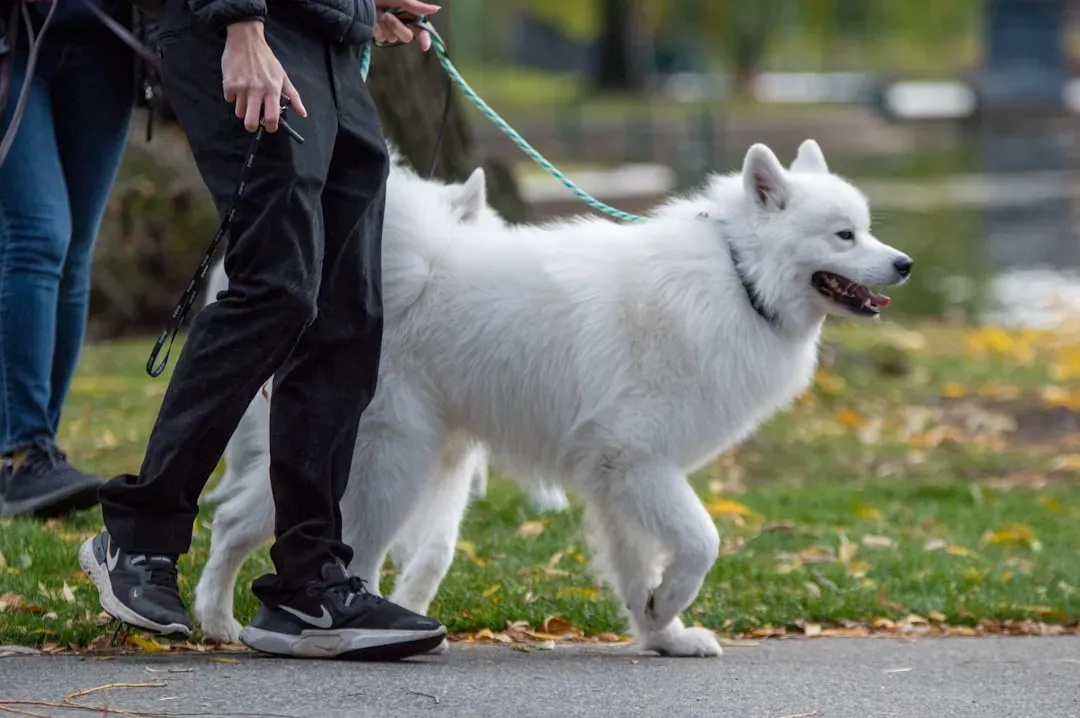
Exercise can be a great stress reducer, and for healthy dogs, physical activities such as walking or playing fetch may help both you and your dog release tension. Sometimes the best thing you can do for both of you is lace up your shoes and head outside for a long walk. The movement helps burn off that nervous energy.
What seems to work best is predictability, where if dog does X, then Y happens. Training sessions, even simple ones, give your dog something concrete to focus on. When they sit and you give them a treat, the world makes sense again. That predictability is incredibly soothing for an anxious mind.
Certain types of music, particularly classical, were associated with lower cortisol levels. Try leaving some soft classical music playing when you’re dealing with a particularly stressful situation. It might seem small, but these environmental tweaks add up.
Conclusion

Your dog’s ability to sense your stress isn’t a burden, it’s actually a testament to the incredible bond you share. They’ve evolved alongside us for thousands of years, learning to read us in ways that still surprise scientists. The truth is, taking care of your dog’s emotional health often means taking care of your own first.
When you notice those subtle signs, the prolonged yawn, the dilated pupils, the reluctance to engage, remember they’re asking for help in the only way they know how. Simple changes like consistent routines, sniffing games, calming touch, and regular exercise can make a world of difference. Your dog isn’t asking you to be perfect or stress-free all the time. They’re just hoping you’ll notice when they need a little extra support.
So next time you’re having a rough day, pay attention to your furry companion. Have you noticed any changes in their behavior lately?


