
How to Get Rid of a Tick Infestation on Your Dog
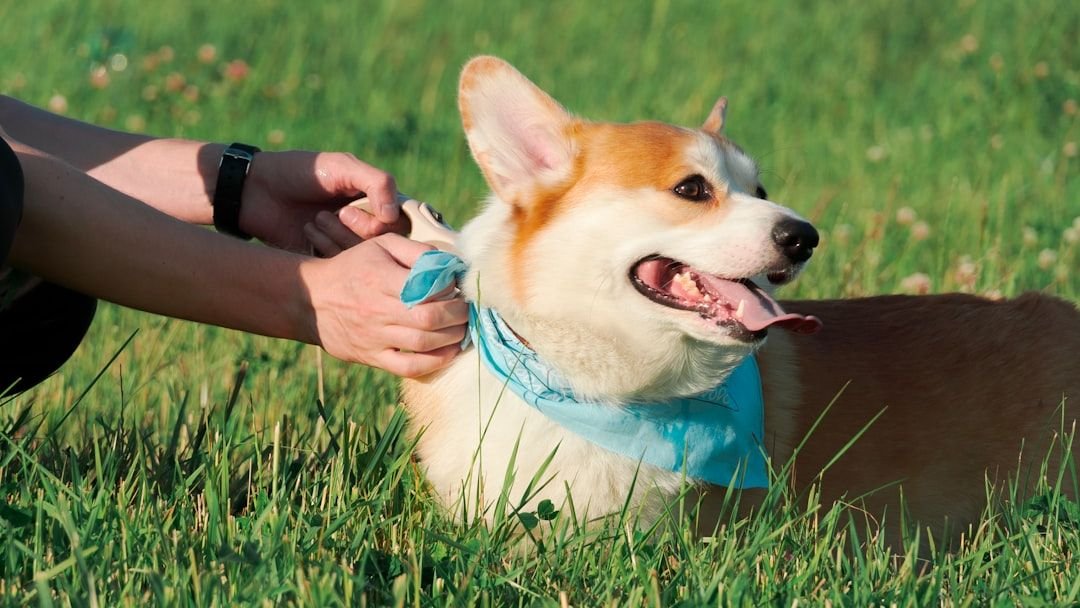
You know that sinking feeling when you run your hand through your dog’s fur and feel something that shouldn’t be there? Those tiny bumps that make your stomach flip. I’ve been there. Ticks are more than just unpleasant hitchhikers. They’re potentially dangerous parasites that can transmit serious diseases to your beloved companion.
If you’ve discovered multiple ticks on your dog, you’re dealing with an infestation that needs immediate attention. Let’s be real, this situation can feel overwhelming. However, with the right approach and a bit of determination, you can tackle this problem head-on and get your furry friend back to their happy, healthy self.
Recognizing the Signs of a Tick Infestation

The first step is knowing what you’re up against. If your dog has small, black or brown bumps on its skin, these are most likely ticks, and once they grow, they’re relatively easy to spot. Simply run your hands through your dog’s fur routinely to find them. Sometimes you’ll notice your dog scratching or licking a particular spot obsessively.
Your dog may lick and chew at a particular area on its body where the tick is located, and sometimes, the skin around the embedded tick can become swollen, inflamed, and red. Pale gums due to anaemia if there is a heavy tick infestation. Here’s the thing, heavy infestations can actually be quite dangerous.
Ticks are typically found near a dog’s neck, head, ears, and in the creases under their legs. Don’t forget to check between their toes, around their tail, and inside their ears. Ticks love warm, hidden spots where they can feed undisturbed.
Safely Removing Ticks From Your Dog

Once you’ve found ticks, you need to act quickly. Ticks should be removed as soon as possible to minimize disease and damage. The proper technique matters more than you might think.
To do this, use tweezers to carefully grasp the tick close to the skin and pull gently. Using fine-tipped tweezers, grasp the tick as close to the skin’s surface as possible and pull upward with steady, even pressure. Honestly, patience is key here. The tick might not let go immediately, so maintain that steady pressure.
When removing a tick, do not try remedies like nail polish, petroleum jelly, hot matches, or alcohol, simply remove the tick as described – the goal is to get the tick off the dog as quickly and effectively as possible. Those old folk remedies can actually make things worse by causing the tick to release more saliva into your dog’s bloodstream.
Do not crush a tick between your fingers as their blood carries diseases, place the ticks in rubbing alcohol for killing them. After removal, disinfect the bite area thoroughly with soap and water. Keep an eye on the site for any signs of infection like redness or swelling.
Using Medication to Eliminate the Infestation

Infested dogs should also be treated with anti‑tick insecticides that kill attached larvae, nymphs, and adults, which can be given by spot-on solutions, sprays, and dusts. This is where veterinary intervention becomes crucial. When you’re dealing with more than just a couple of ticks, professional medication is your best friend.
The most effective options currently available for flea/tick control in dogs are oral medications, including Nexgard, Bravecto, and Trifexis/Comfortis, which are prescription medications, so you would need to get them from your vet. These work systemically, meaning they circulate through your dog’s bloodstream and kill ticks when they bite.
Let me be honest with you. If your dog is severely infested with ticks, you should promptly take it to a veterinarian for tick removal as heavy infestations will not only severely damage the skin, but the chances of anemia, paralysis, and other complications are high.
Control of a tick infestation on a severely debilitated animal must begin with removal of the animal from the environment so that both the patient and the environment can be adequately treated, and sprays, shampoos, or oral medications should be considered for these patients.
Treating Your Home and Yard Environment

Getting the ticks off your dog is only half the battle. Brown dog ticks are unusual among common tick species in their strong host preference for dogs and propensity to establish indoor infestations that can be difficult to eliminate. Your home and outdoor spaces need attention too.
Thoroughly vacuum baseboards, between floorboards, and in closets where ticks may hide, and all carpets, hard floors, low-hanging draperies, and upholstery should also be vacuumed to collect any immature or adult ticks. Because brown dog ticks are hardy and survive vacuuming, all debris in vacuum canisters or bags should be immediately discarded in sealed plastic zipper bags.
Pet bedding should be laundered at high-temperature settings to kill any tick stages present. Don’t skip this step. Wash everything your dog comes into contact with regularly.
Removing tall grass and weeds and trimming vegetation can help protect your animal. Minor adjustments to your yard, such as keeping tall grass and weeds trimmed, clearing leaf piles, and making a tick trap by using a bait box can make a big difference in keeping tick populations down.
Preventing Future Tick Infestations

Here’s what really matters in the long run: prevention. The best tick prevention for dogs is to keep them on tick medications, which are designed to kill ticks on your dog before they can hurt them. Think of it as insurance for your dog’s health.
Tick bites are best prevented by regular use of a veterinary-approved tick control product along with regularly screening the dog’s skin and coat after exposure to tick habitats. If your pet is prone to getting ticks, tick checks need to be done at least once or twice a day. I know it sounds like a lot, but it becomes second nature after a while.
Treat your dog year-round with topical, oral and/or collar tick products, and talk to your veterinarian about which product is best for your dog. Different dogs need different solutions. A hyperactive outdoor adventure buddy might need different protection than a mostly indoor lapdog.
Keeping animals away from tick-prone areas is the most effective step you can take to control exposure as most ticks live in particular microhabitats, such as tall grass or the border between wooded areas and lawns.
Understanding the Health Risks and When to See a Vet

It’s hard to say for sure how worried you should be, but the potential dangers of tick-borne diseases are very real. Lyme disease, which comes from the deer tick, can cause stiffness, lameness, swollen joints, loss of appetite, fever and fatigue. Your dog may not show signs of the disease until several months after infected.
Canine Ehrlichiosis is the most common and one of the most dangerous tick-borne disease organisms known to infect dogs, and symptoms may not surface for months after transmission, and can include fever, loss of appetite, depression, weight loss, runny eyes and nose, nose bleeds and swollen limbs. That’s what makes these diseases so tricky.
If a tick is attached to your pet for more than a few hours, it can transmit diseases – such as Lyme disease or ehrlichiosis – to your pet. In most cases, a tick must be attached for 36 to 48 hours or more before the Lyme disease bacterium can be transmitted, and if you remove it within 24 hours, the risk is greatly reduced.
Even if your pet has acquired only a few ticks, you should have your pet checked for any of the many diseases spread by these parasites, monitor any site(s) from which you have removed ticks, and if a tick bite site turns red or swells a prompt trip to the veterinarian is warranted. Better safe than sorry, always.
Conclusion: Taking Control of the Situation
Dealing with can feel like an uphill battle, but you’re not powerless. With prompt action, proper removal techniques, effective medication, and consistent prevention, you can protect your furry companion from these dangerous parasites. Remember that the key lies not just in treating the immediate problem but in creating a comprehensive prevention strategy.
Your vigilance makes all the difference. Regular tick checks, year-round preventatives, and maintaining a tick-free environment will keep your dog safe from future infestations. Don’t hesitate to reach out to your veterinarian if you’re unsure about anything or if your dog shows any signs of illness after tick exposure. What steps are you taking to keep your dog tick-free? Share your experiences in the comments below.