

You’ve probably caught yourself watching your dog sleep and wondered what those little twitches mean, or why they suddenly changed their favorite sleeping spot. Here’s the thing: those nighttime behaviors aren’t random. They’re actually a window into your dog’s emotional world, revealing clues about their happiness, stress levels, and overall wellbeing that you might be missing during the busy daytime hours.
The way your pup settles down each evening, where they choose to rest, and how deeply they sleep can tell you volumes about their sense of security and contentment. Let’s explore what those nightly habits are really saying.
The Sleeping Position That Says “I Trust You Completely”

When dogs snooze on their back with all four paws in the air or sprawled out like a starfish, they feel very comfortable and safe in their environment. It’s honestly one of the most heartwarming sights. Side sleeping with limbs extended and bellies partly exposed generally indicates a pup feels calm and content.
Think about it from their perspective. In the wild, exposing their vulnerable belly would be dangerous. Yet here’s your dog, belly up, completely relaxed. That level of vulnerability shows profound trust in you and their surroundings. Dogs lying relaxed on their back with legs in the air adopt this position when deeply relaxed and full of trust in their surroundings.
On the flip side, if your dog consistently curls into a tight ball, it might signal they’re trying to protect themselves or simply stay warm. The curled position is common in stray dogs and dogs who are new to their surroundings. It doesn’t necessarily mean something’s wrong, especially if they’re adjusting to a new home, though persistent defensive sleeping warrants a closer look at their comfort level.
When Restlessness Becomes a Red Flag

Adult dogs typically sleep between 12 to 16 hours a day, and puppies, seniors, or certain breeds may sleep even longer. If your dog is pacing at night, struggling to settle, or waking frequently, something’s likely bothering them. Frequent or worsening nighttime restlessness accompanied by other symptoms like excessive panting, whining, or obvious signs of pain should raise concern.
I’ve seen this happen with aging dogs who develop joint pain. They might try several spots before finding one that doesn’t hurt. Dogs need physical activity to expend energy, and without enough exercise, they can become restless at night with difficulty winding down. Sometimes it’s as simple as they haven’t burned off enough energy during the day.
Persistent barking, whining, or howling after bedtime, along with wandering, pacing, or scratching at doors can express distress. These behaviors deserve attention rather than frustration. Your dog is communicating something important.
The Cuddle Factor and What It Means
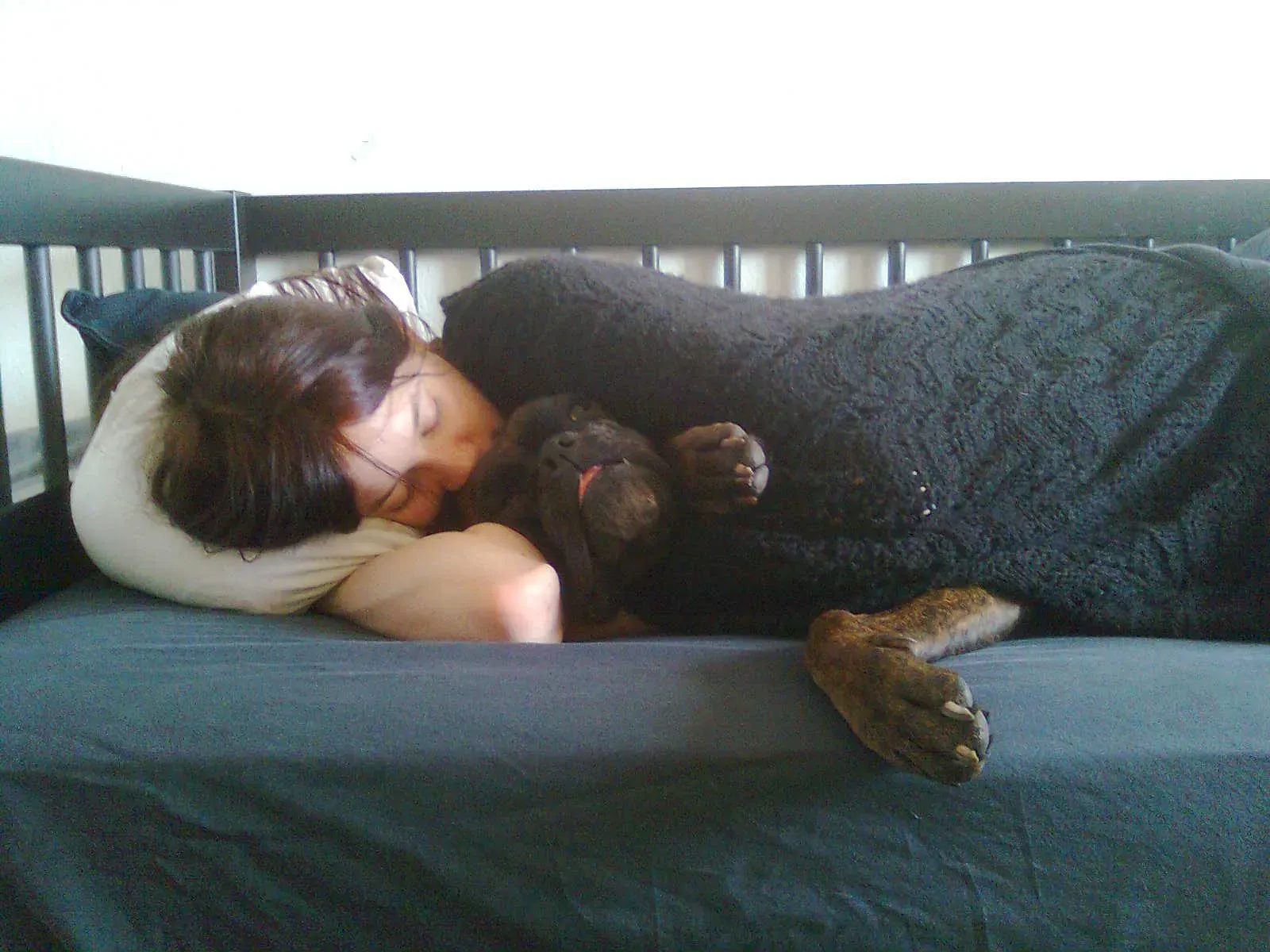
Does your dog insist on sleeping pressed against you or another pet? The cuddling sleeping position is a sign of affection and bonding, suggesting your dog wants to get closer and is comfortable around you. This behavior actually traces back to puppyhood when they snuggled with littermates for warmth and security.
Some dogs take this further by burrowing under blankets or nestling into pillows. When dogs sleep in the burrower position, they are searching for comfort and security, and may also be seeking to calm themselves down. It’s their version of creating a safe den. Honestly, watching a dog completely buried except for maybe a nose poking out is pretty adorable, though make sure they can breathe comfortably.
Not all dogs are cuddlers though, and that’s perfectly fine. Some independent pups prefer their own space while still feeling secure. What matters is consistency in their preference. Sudden changes in sleeping proximity could indicate they’re feeling unwell or anxious about something.
Nighttime Anxiety Signals You Shouldn’t Ignore

Nighttime anxiety refers to stress, fear, or discomfort pets experience during evening hours, showing up differently depending on the pet and trigger, with some dogs panting and pacing while others become clingy or restless. The darkness and quiet can actually make some dogs feel vulnerable rather than relaxed.
Separation anxiety can lead to nighttime pacing, whining, or even destructive behavior, while loud sounds like thunderstorms or fireworks can trigger restlessness. If your normally confident dog suddenly becomes clingy at bedtime, consider what might have changed. New neighbors? Different work schedule? Dogs pick up on subtle shifts in routine.
Creating a calming bedtime ritual helps tremendously. Consistency is key for good sleep, with a dog bedtime routine including a final bathroom break and calming activity like gentle petting helping regulate your dog’s internal clock. Think of it like reading a child the same bedtime story. That predictability signals the brain that it’s safe to rest.
The Dream Twitches That Show a Happy Brain

Dogs dream at night, and in the REM phase with strong body twitches, rapid eye movements, and barking or whining noises, strong dream activity occurs. Those adorable running motions while lying down? Your pup is probably reliving that exciting squirrel chase from earlier.
Researchers believe dogs often relive experiences in their dreams, most likely dreaming about what took place during the day like chasing squirrels or playing fetch. It’s actually a sign of good mental health. Their brain is processing the day’s activities, consolidating memories, and working through experiences just like ours do.
Let me be clear though: there’s a difference between normal dream behavior and seizures. A seizure will often include drooling, urinating, defecating, and movement of all four legs. If you’re ever uncertain, video the episode and show your veterinarian. It’s better to check than worry.
Creating the Perfect Sleep Environment for Lasting Happiness

Your dog’s sleeping environment matters, with a quiet, cozy area free from distractions helping encourage rest, and some pets benefiting from orthopedic bedding for aging joints. Temperature matters too. Dogs’ sleeping positions depend primarily on outside temperature, tending to sleep stretched out in warm seasons and curling up in winter to stay warm.
Consider their age and physical needs when setting up their sleep space. Senior dogs with arthritis need softer, more supportive surfaces. Anxious dogs might prefer a covered crate that feels den-like and secure. A healthy sleep environment should be cool, dry and quiet with no chance of sudden interruptions or lights causing nervousness.
Some dogs benefit from white noise machines to mask startling sounds, especially if you live in a noisy area. White noise can counter outdoor disturbances, and while increasing exercise may help a dog sleep, owners should check with veterinarians before increasing exercise for senior dogs. Mental enrichment through puzzle toys can tire them out just as effectively as physical activity.
Conclusion
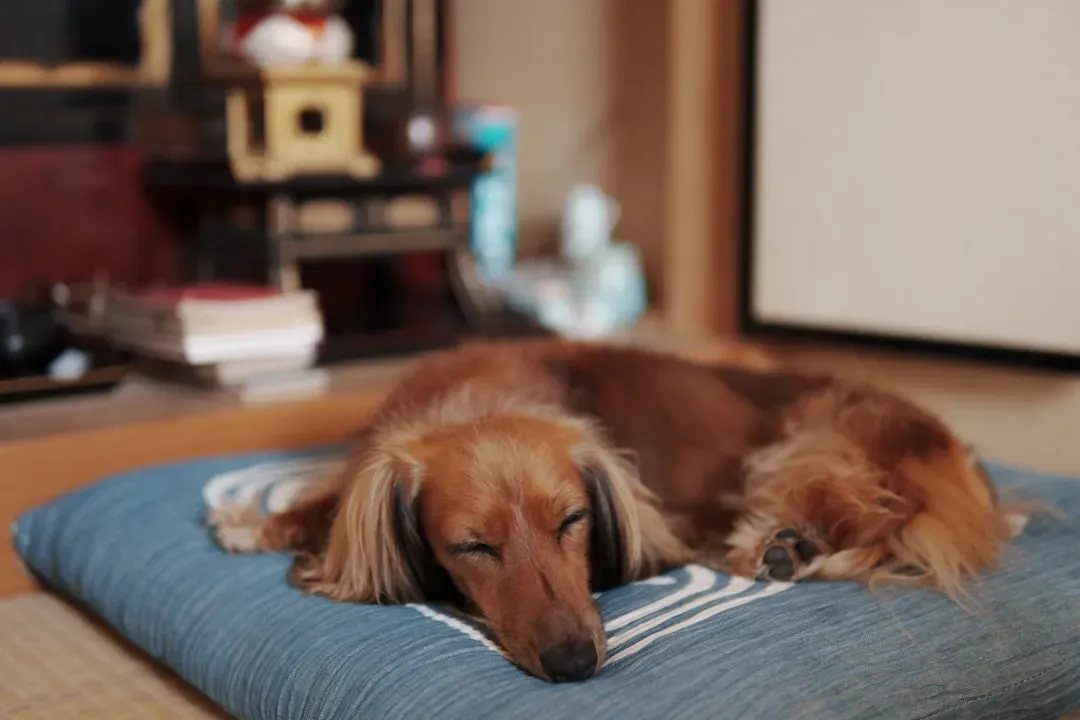
Your dog’s nighttime habits are more than just cute quirks or annoying disruptions. They’re genuine communication about emotional wellbeing, physical comfort, and sense of security. Sleep isn’t just about rest, it’s one of the many ways dogs tell you they feel safe, secure, and loved.
Pay attention to patterns rather than isolated incidents. A single restless night doesn’t necessarily indicate a problem, though consistent changes in sleep behavior deserve investigation. The beauty of understanding these signals is that you gain the power to actively improve your dog’s quality of life through simple adjustments to routine, environment, or veterinary care when needed.
What does your dog’s sleeping position reveal about them? Take a moment tonight to observe without assumptions. You might discover your furry friend is telling you exactly how happy they are, just in a language you’re now learning to speak fluently.


