
8 Mistakes People Make When Caring For Newborn Puppies
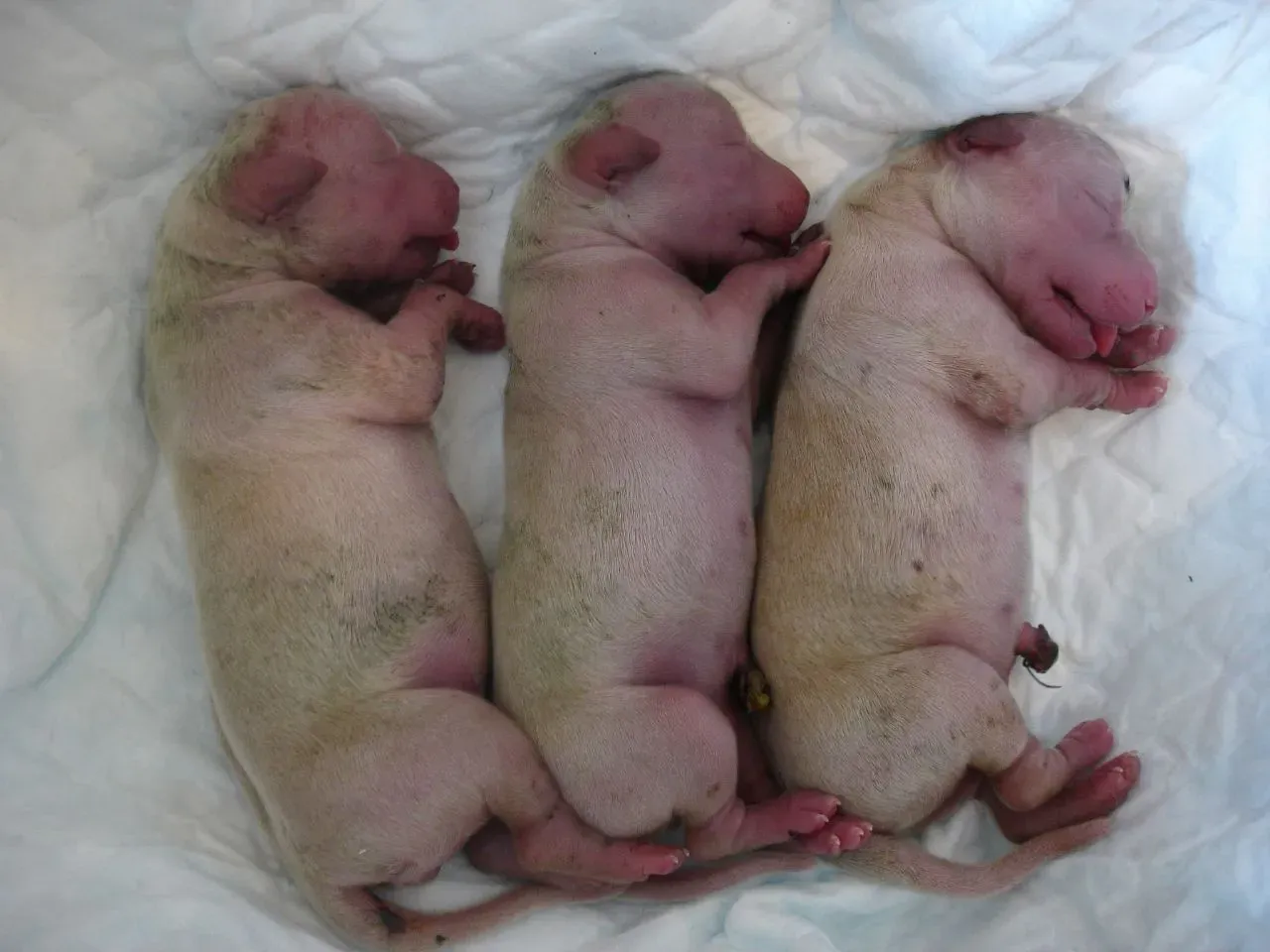
There’s nothing quite like the sight of a litter of newborn puppies. Those tiny squeaks, the wriggling pink bodies, those closed eyes and velvet ears. They’re utterly vulnerable and impossibly precious. Caring for them is a joy, no doubt, but it’s also a huge responsibility. Even experienced dog lovers can make errors when it comes to these fragile little lives.
The thing is, newborns are delicate in ways we don’t always anticipate. A small misstep in their first weeks can snowball into serious health problems or, heartbreakingly, even worse. The good news? Most of these mistakes are easy to avoid once you know what to watch for. Let’s walk through some of the most common ones together, so you can give those puppies the very best start in life.
Ignoring Temperature Control

Newborn puppies cannot maintain their own body temperature for at least a week or two after birth, which means you’re their thermostat. During the first four or five days, the whelping environment should be kept between 85 and 90 degrees Fahrenheit. Sounds warm, right? That’s because it needs to be.
Too many new puppy caregivers think room temperature is fine, especially if mom’s there. If puppies get too cold, they cannot process milk and it may curdle in their stomach. When body temperature falls below 94 degrees, a gastrointestinal ileus develops and a chilled puppy will stop trying to nurse. Neglecting temperature control means their digestion and immune system could be negatively affected. Keep a thermometer nearby, watch for signs like restlessness or cold touch, and provide a heat source they can move away from if needed.
Assuming the Mother Can Do It All
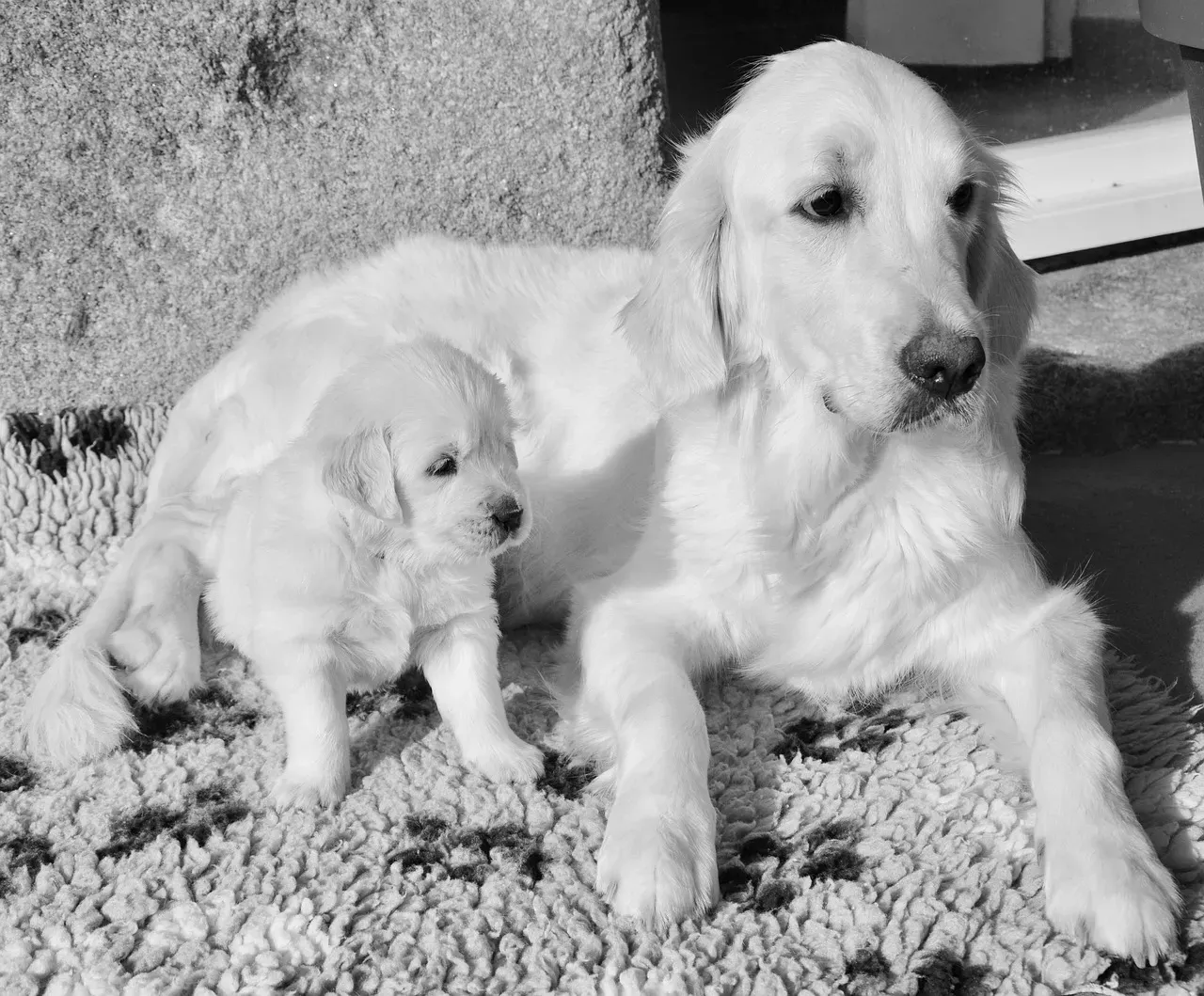
Although dogs have a natural maternal instinct, they don’t always know how to handle their new brood. This is especially true for first-time moms. A common oversight is neglecting to lick the perineal area of their puppies, this essential action that helps in inducing defecation.
I’ve seen it happen. A sweet new mother, utterly devoted but clueless about stimulation. This oversight can lead to constipation in the puppies, and in such cases, the breeder may need to step in to assist with the stimulation using gauze moistened with lukewarm water. Don’t just walk away and trust nature. Check in regularly. Make sure each puppy is nursing, warm, and eliminating waste properly. Sometimes love isn’t enough without a little guidance.
Skipping the Vet Within 48 Hours
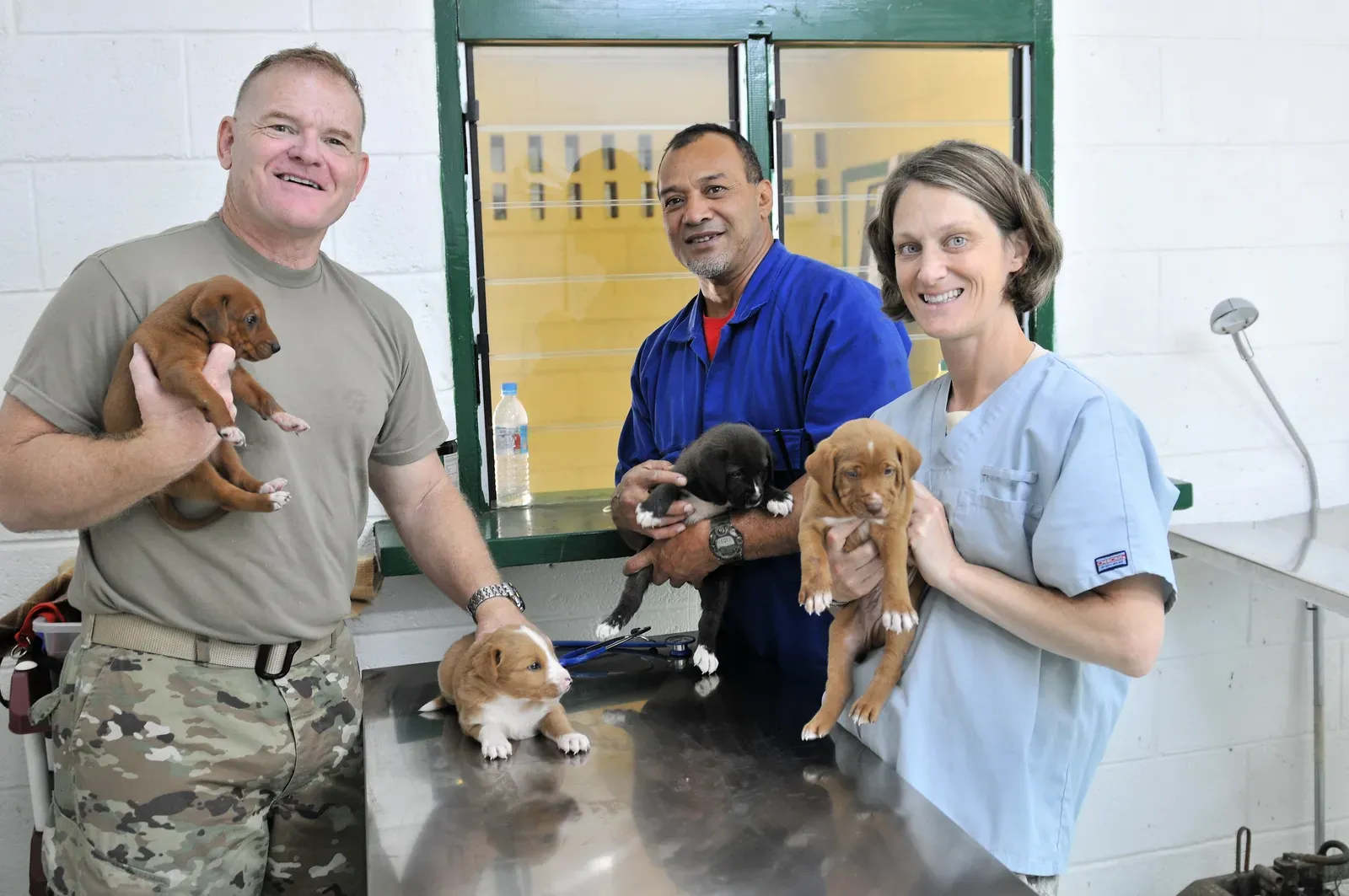
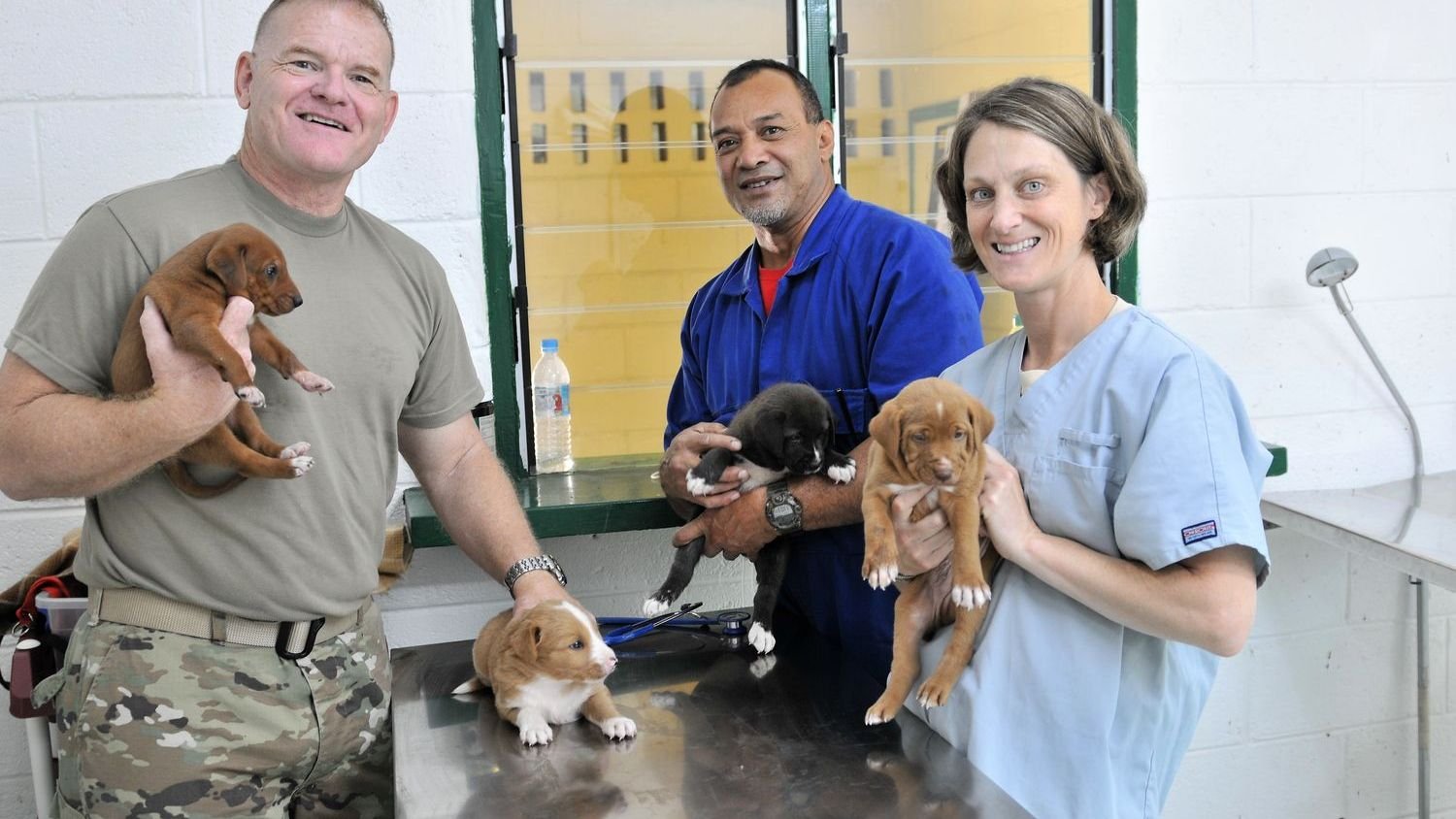
It is important to have the mother and puppies examined by your veterinarian within 48 hours of birth. I know it seems like an inconvenience when everything looks fine, but this visit is critical. The veterinarian will check the mother to make sure she is producing sufficient milk and there is no infection, and the puppies will also be examined to make sure there are no birth defects such as cleft palates.
Let’s be real, you can’t always spot problems with the naked eye. A cleft palate, an umbilical infection, or a struggling runt might not show obvious symptoms immediately. Early detection can be lifesaving. Plus, this is your chance to ask all those nervous questions swirling in your head. Your vet is your partner in this, not just a last resort when something goes wrong.
Overhandling or Overstimulating the Puppies
Newborns are irresistible, but too much handling of these fragile treasures can cause stress and illness. It is important not to intervene too much in the first week or two of their lives, as they are very susceptible to disease, and it can be stressful for the mother and puppies.
Yes, you want to cuddle them. Everyone does. It’s OK to pick up puppies to check them, weigh them or clean out the whelping box, but try to limit how much you handle them as puppies are susceptible to disease and the cold. Newborn puppies shouldn’t have visitors until they’ve been vaccinated and dewormed, and when visitors do come, they should wash their hands before touching the puppies. Honestly, those first weeks are about survival and bonding with mom, not Instagram moments.
Not Monitoring Weight Gain Daily
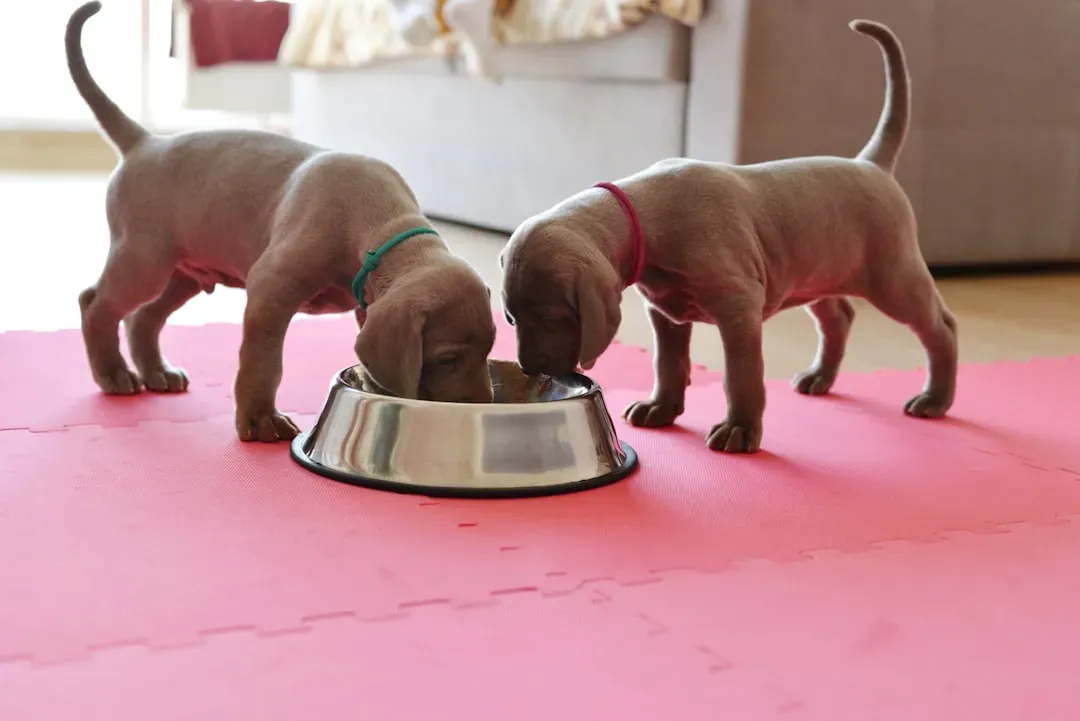
A newborn puppy’s weight should increase a little each day, so hold a weigh-in each morning, and his weight should never decrease. Weight loss in a puppy is a cause for concern, therefore, keep careful records of your newborn puppies’ weights.
This might sound tedious, but it’s one of the simplest ways to catch trouble early. A puppy that’s not gaining weight isn’t thriving. Maybe they’re not latching well, or they’re being pushed aside by stronger siblings. A healthy puppy or kitten will gain about 10 percent of its body weight daily, and high-risk neonates should be weighed twice daily using a gram scale. Track it. Write it down. If you see stagnation or loss, call your vet immediately.
Mixing Formula Incorrectly or Overfeeding Bottle-Fed Puppies
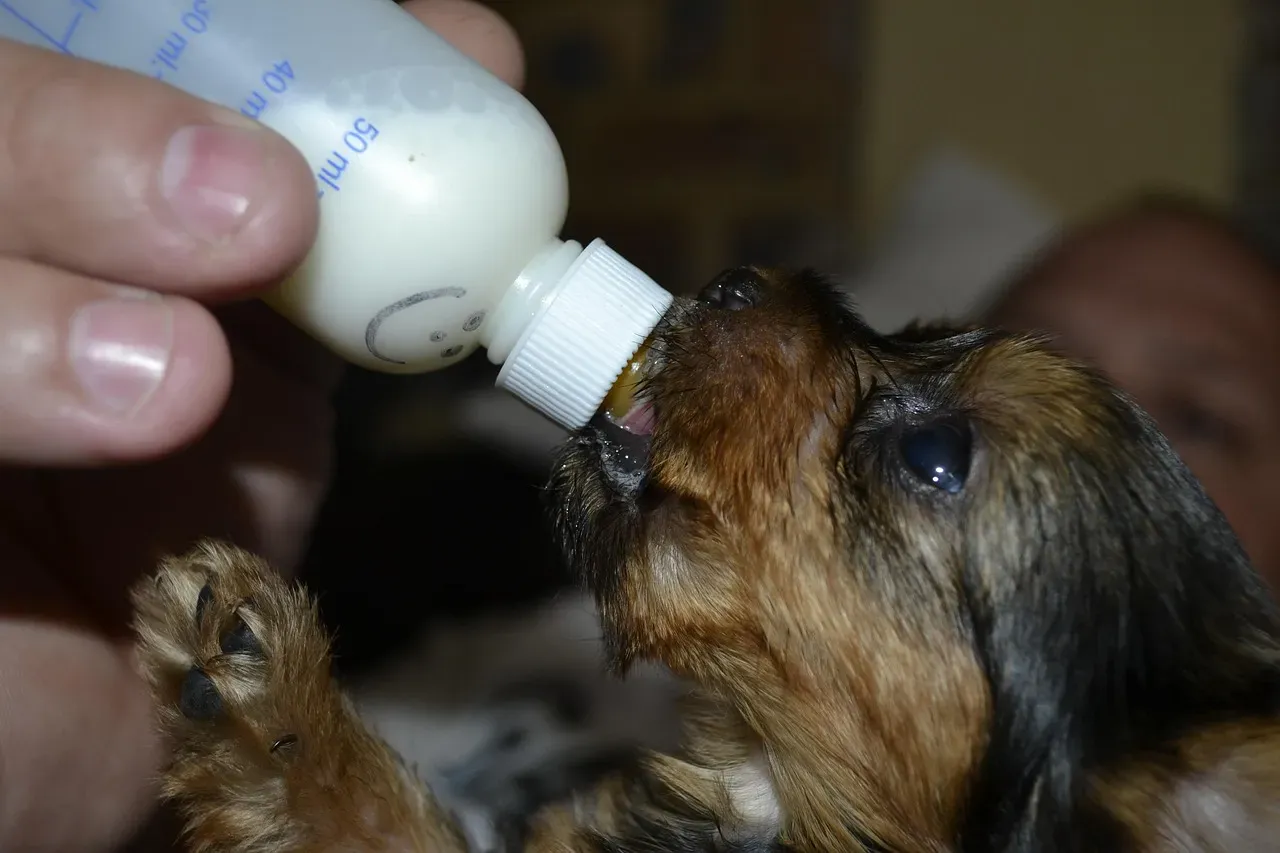
A common error arises when caregivers don’t mix the milk replacer powder accurately, as improper dilution, either too concentrated or too diluted, can seriously disturb the puppies’ intestinal absorption. If you’re bottle feeding or supplementing, precision matters. Follow the instructions on the formula packaging exactly.
Overdistention is easy to do and can result in regurgitation and aspiration pneumonia, and overfeeding is much more likely to occur by tube feeding and it can be particularly harmful to cold puppies when ileus may be present. Signs of overfeeding include milk at the nostrils, regurgitation, abdominal discomfort and distension, and diarrhea, while excessive feeding is considered one of the main causes of non-infectious diarrhea in puppies. Feed slowly, watch for cues of fullness, and never rush the process.
Delaying or Skipping Deworming and Early Veterinary Care
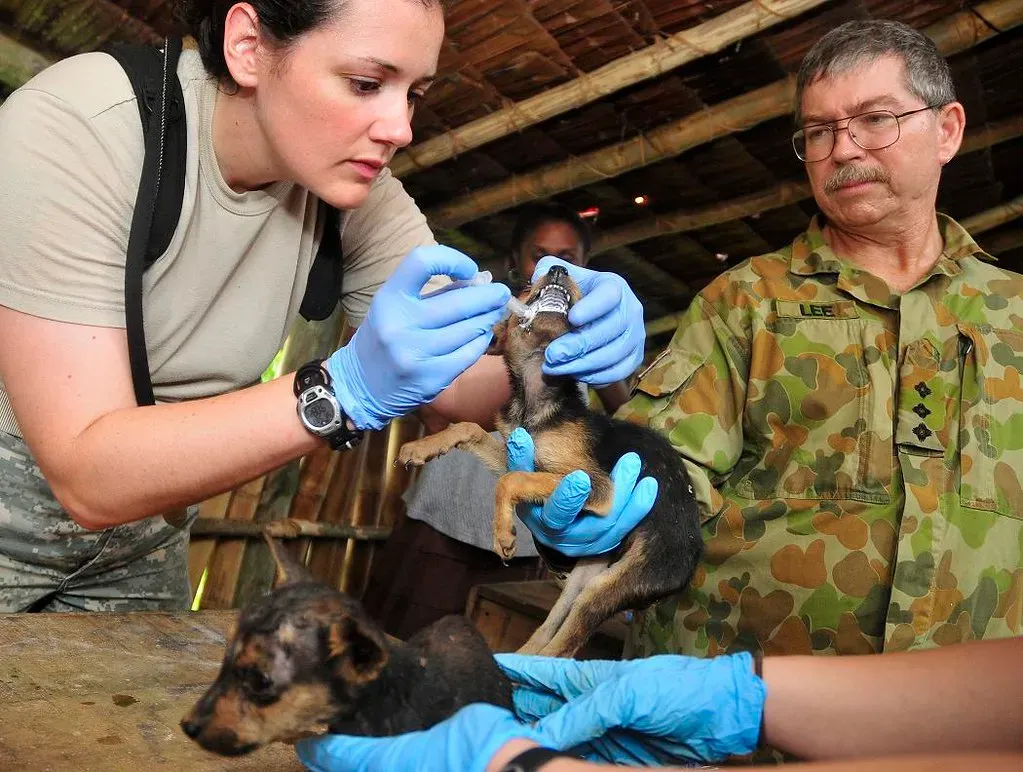
Deworming should start when your puppy is between 2 to 3 weeks old and should be repeated every 2 to 3 weeks until they are 12 weeks old. Little puppies are also especially vulnerable to fleas and other parasites, and internal parasites like roundworms are incredibly common in newborns.
Every puppy should be dewormed for roundworms and hookworms twice, even if they show no clinical signs, as 99 percent of puppies harbor these infections, which can be contagious to humans as well. Skipping this step puts not just the puppies at risk, but your family too. Talk to your vet about the appropriate schedule and medication. It’s a simple step that prevents serious illness down the line.
Not Watching for Early Warning Signs of Illness
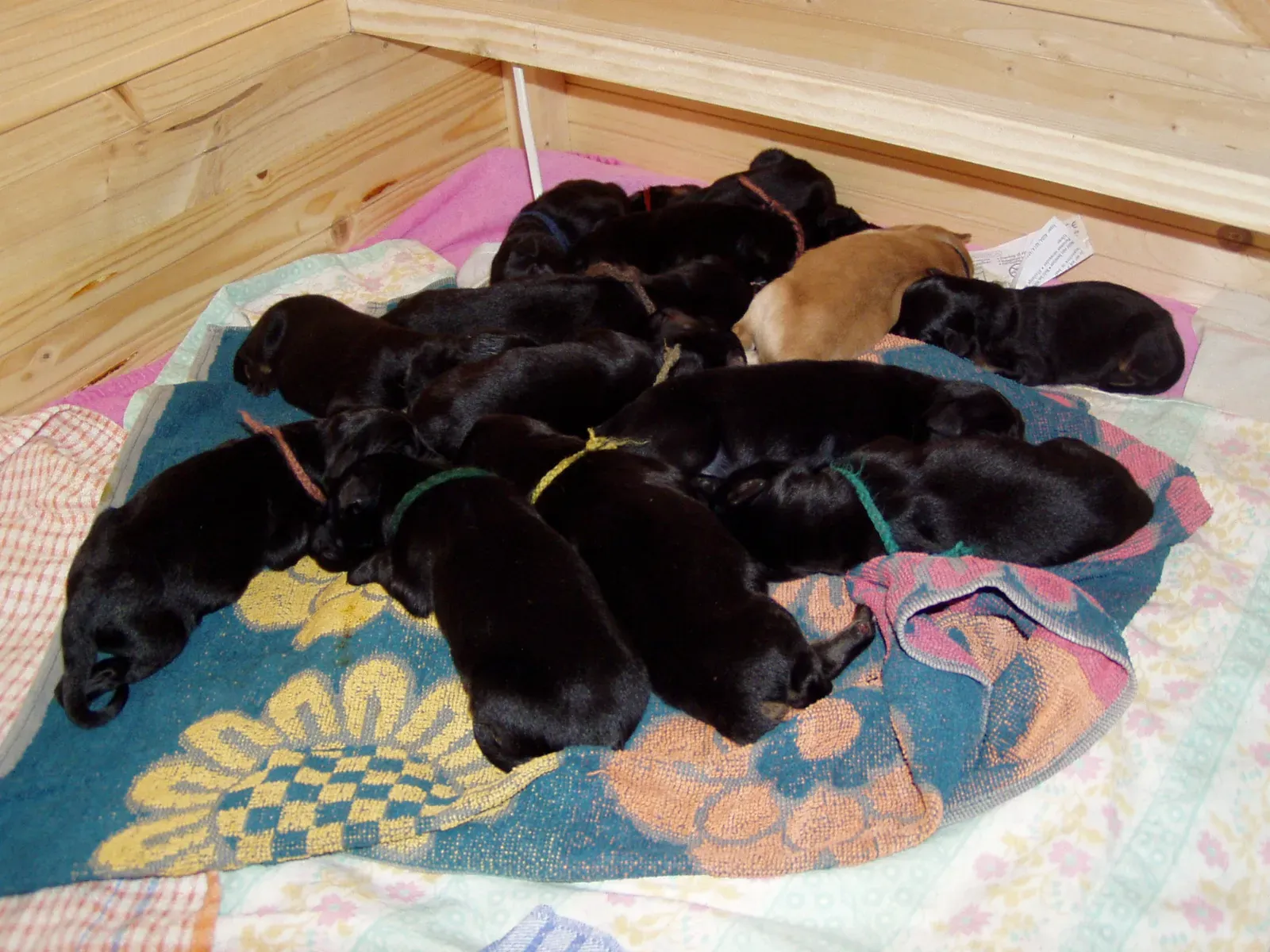
Newborn puppy care should include regular inspections to watch for signs of infection or poor health, and you should report anything unusual such as vomiting, diarrhea or a puppy who won’t stand or eat to your veterinarian. Puppies can decline shockingly fast. Puppies that are not being fed enough milk will cry constantly and fail to gain weight, and if this occurs, an entire litter can die within 24 to 48 hours.
Look for lethargy, constant crying, coolness to the touch, failure to nurse, or any sign of distress. Newborn puppies are so fragile that they can quickly take a bad turn, so keep a close eye on him and call your vet immediately when you first notice trouble. Trust your gut. If something feels off, don’t wait. Early intervention is everything when it comes to these tiny souls.
Conclusion

is one of the most rewarding experiences a dog lover can have. It’s also one that demands attention, patience, and a willingness to learn. The mistakes we’ve talked about here aren’t signs of bad intentions. They’re just gaps in knowledge, and now you’ve got the tools to fill them.
From temperature control to weight tracking, from limiting handling to staying vigilant for illness, every detail matters in those first fragile weeks. These little ones depend on you entirely. Give them warmth, nourishment, and watchful care, and you’ll see them grow into healthy, bouncing puppies before you know it. What surprised you most about newborn puppy care? Share your experiences in the comments.