
Why Senior Dogs Make the Best Companions
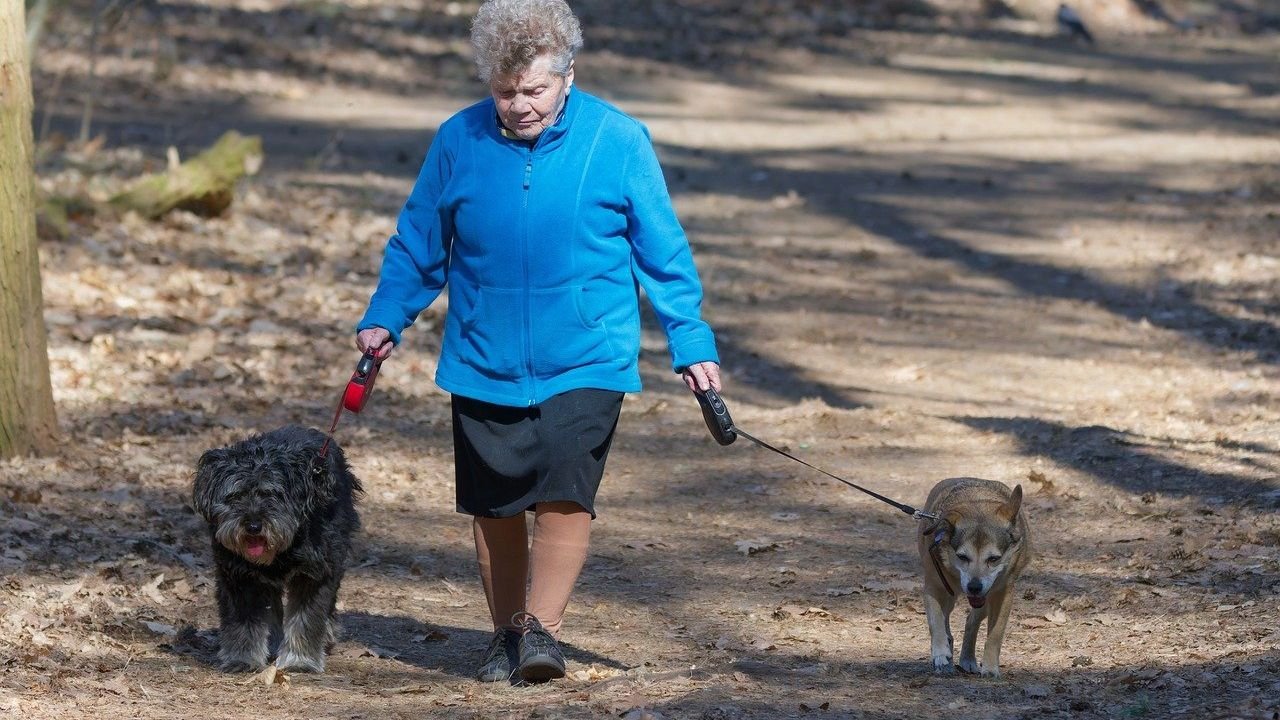
There’s something profoundly beautiful about a greying muzzle, isn’t there? The way an older dog moves through the world with such quiet confidence, as if they’ve figured out what truly matters in life. While puppies capture hearts with their chaos and boundless energy, senior dogs offer something different entirely.
They’ve lived, they’ve learned, and they understand the value of simply being present. Whether you’re considering adopting an older pup or already sharing your home with one, you’ll quickly discover why so many dog lovers swear that senior companions hold a special place in their hearts. Let’s explore what makes these gentle souls such remarkable friends.
They Bring a Calmness That Younger Dogs Simply Can’t Match
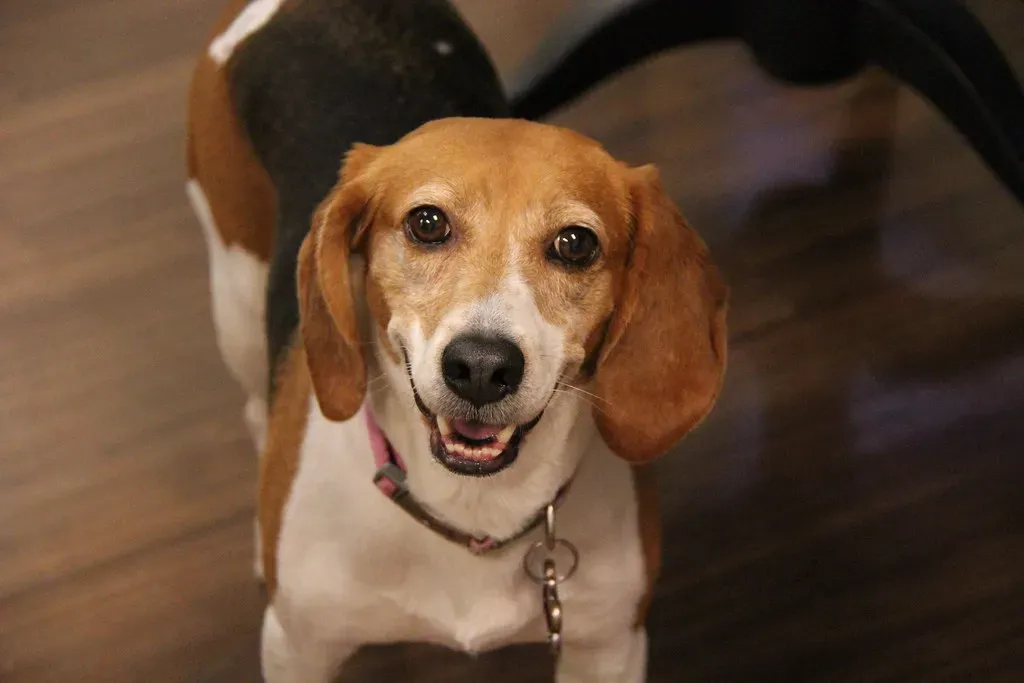
Generally speaking, dogs do tend to calm down as they get older, with a noticeable shift in energy levels and behavior as dogs transition from puppyhood through adulthood and into their senior years. Senior dogs are often known for their calm and quiet demeanors, lounging around on couches and slowing down to a much more relaxed pace. This isn’t laziness, mind you. It’s wisdom.
Think about it this way: a senior dog has already worked through the chaos of adolescence. They don’t need to chew your favorite shoes or test every boundary. They’ve been there, done that. Now they’re content to curl up beside you while you read or watch TV, offering companionship without demanding constant entertainment.
Senior dogs are usually quieter and slower-paced than their younger counterparts and are just looking for a safe place to spend their golden years. For anyone living in an apartment, working from home, or simply seeking peace, this temperament is genuinely priceless.
Training? They’ve Already Got That Covered
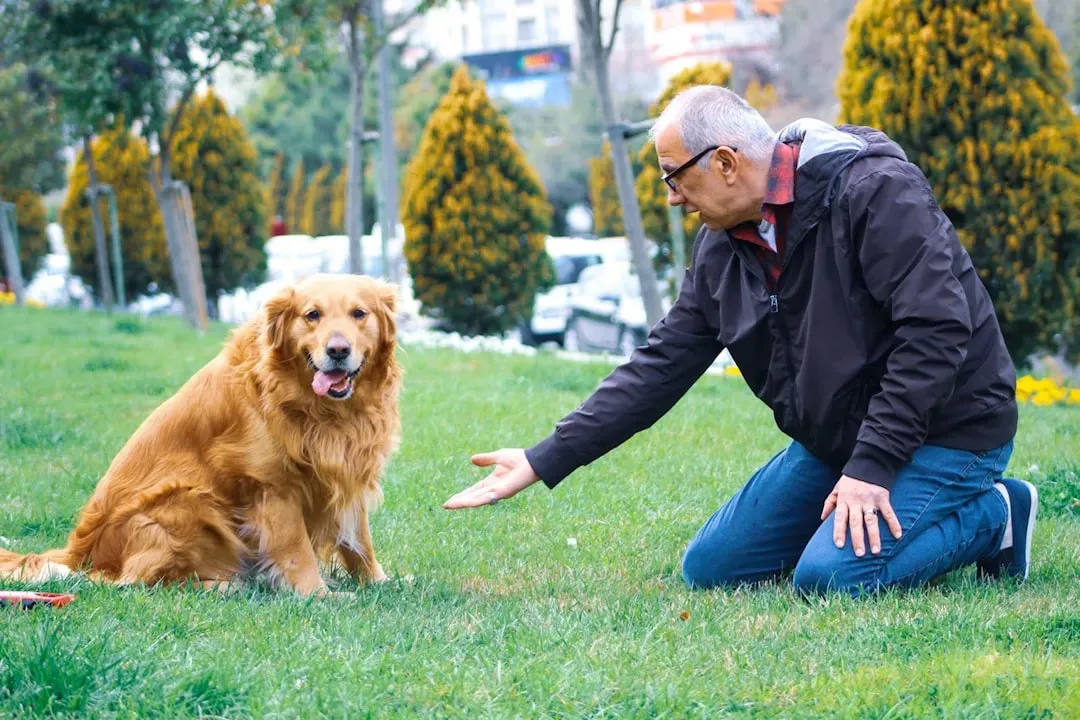
Here’s the thing most people don’t realize until they experience it firsthand: senior dogs often require less training than younger dogs and are typically already house-trained. No more accidents on the carpet at three in the morning. No sleepless nights worrying about crate training or teaching basic commands.
When considering dog ownership, older adults should look into adopting an adult dog rather than a puppy, as adult dogs are often calmer and already trained, making them easier to manage. Most senior dogs already understand sit, stay, come, and the general rules of living harmoniously with humans. They know that jumping on guests isn’t polite and that dinner happens at specific times.
The beauty of this is immediate. You skip the exhausting puppy phase entirely and move straight to enjoying a well-mannered companion who already gets it. Plus, their established personality means no surprises – you know exactly what you’re getting.
The Health Benefits They Bring to Your Life Are Real
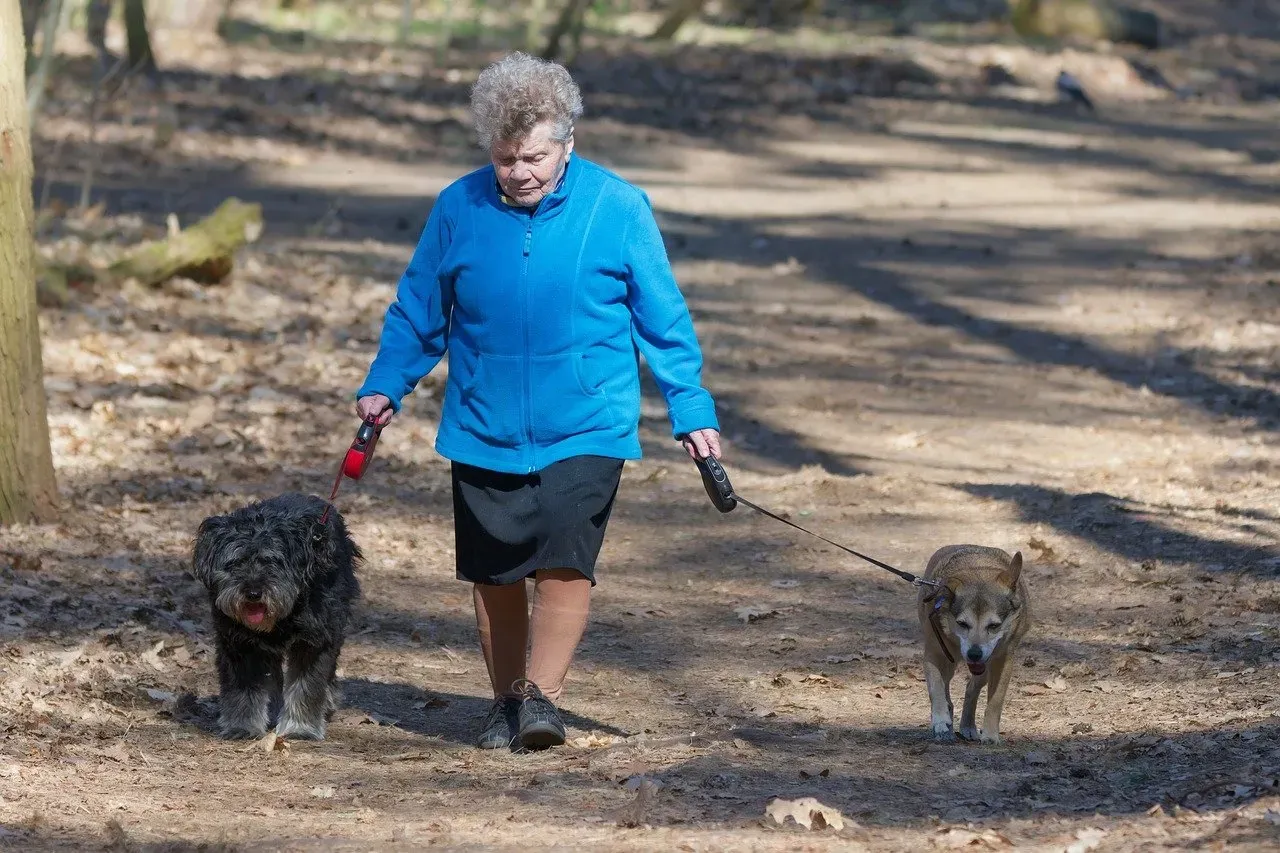
Let’s talk about something important: the measurable ways dogs improve our well-being. Spending time with pets has been shown to lower blood pressure, reduce the risk of heart disease, and encourage light physical activity, such as walking or playing. Senior dogs excel at providing these benefits without overwhelming you.
More than three-quarters of pet owners say their animals reduce their stress, and nearly as many say pets give them a sense of purpose. Picture this: you’re having a rough day, stress mounting from work or personal challenges. Your senior dog simply rests their head on your lap, asking for nothing except maybe a gentle scratch behind the ears. That moment? Petting a dog causes your body to release oxytocin, which is often called the “love hormone,” reducing stress and improving mental health.
Dogs can help alleviate negative feelings, including depression, grief, or anxiety, providing a calming presence that softens the emotional challenges many seniors face. Their quiet, steady presence becomes an anchor. They’re not demanding marathon runs or intense play sessions – just consistent companionship that genuinely heals.
They Encourage Routine and Keep You Socially Connected
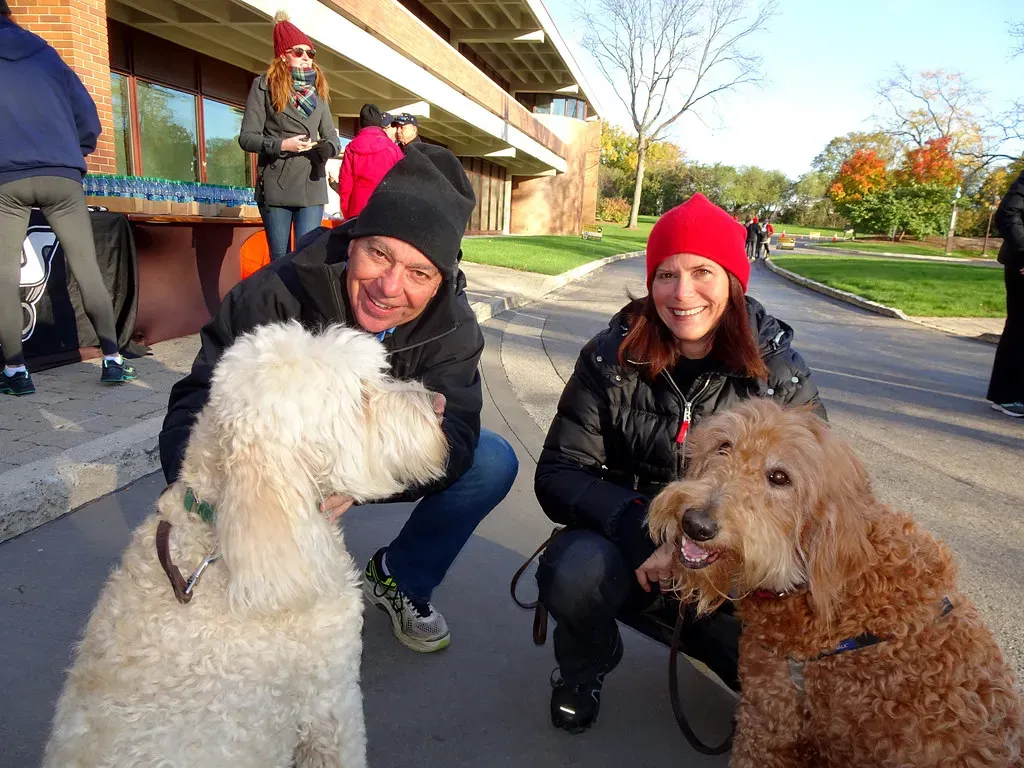
Dogs give their owners a purpose through feeding and care and a daily structure from going outside three to four times a day. Senior dogs particularly excel at this because their needs are predictable and manageable. Morning walk, breakfast, afternoon stroll, dinner, evening outing. It’s simple, steady, and surprisingly comforting.
But here’s where it gets interesting. In a poll of senior pet owners, 65% said having a pet helps connect them to other people. Walking your senior dog – even at their leisurely pace – opens up social opportunities you might not expect. Fellow dog lovers stop to chat, neighbors wave, friendships form at the local park.
Owning a dog is a great way to socialize with others, as taking them on walks or visiting dog-friendly parks encourages interaction with fellow pet lovers, which can lead to long-term friendships. Your grey-muzzled companion becomes a social bridge, connecting you with a whole community of people who understand the special bond between humans and their four-legged friends.
Their Needs Are More Manageable Than You’d Think
I know what you might be thinking: won’t an older dog have tons of medical issues? Won’t caring for them be overwhelming? Honestly, it’s not as daunting as it sounds. Regular veterinary visits are crucial for catching age-related issues early, and for senior dogs, planning for two check-ups per year instead of just one is generally sufficient.
Seniors have different nutritional needs to younger dogs, including needing food that is easier to digest and different amounts of calories. Many high-quality senior dog foods address these needs perfectly. Weight management becomes important, sure, but it’s straightforward with proper portions and appropriate exercise.
For seniors, adjust exercise to low-impact activities like swimming or short walks. Notice that? Short walks. Not five-mile hikes or hours at the dog park. Your senior pup is content with gentle, manageable activities that fit easily into most lifestyles. They adapt beautifully to your energy level, making them ideal companions for people of all ages and abilities.
The Love They Give Is Pure and Unconditional

There’s something I’ve observed time and again with senior dogs, especially those adopted from shelters. They seem to understand they’ve been given a second chance. There is nothing like coming home and having somebody who’s as happy to see you as your dog – you’re the center of their universe and they never let you forget it.
Senior dogs don’t take companionship for granted. They’ve lived long enough to appreciate stability, comfort, and genuine affection. Every moment with you is treasured. Every walk is a gift. Every meal is celebrated with quiet gratitude. They’re not distracted by the frenetic energy of youth; instead, they’re fully present with you.
This depth of connection creates bonds that honestly take your breath away. They watch you with knowing eyes, seeming to understand your moods before you even speak. When you’re sad, they press closer. When you’re happy, their tail wags in rhythm with your joy. It’s a relationship built on mutual respect, trust, and years of canine wisdom.
Conclusion

Senior dogs remind us what truly matters in life: presence over chaos, wisdom over energy, connection over excitement. They’ve already figured out that the best moments are the quiet ones – a warm spot in the sun, a gentle hand, a familiar voice.
Choosing a senior dog as your companion isn’t settling for less; it’s gaining something profoundly more. You’re welcoming a friend who understands life’s rhythms, who won’t demand what they don’t need, and who will love you with every fiber of their being for whatever time you have together. The grey muzzle, the slower gait, the peaceful demeanor – these aren’t drawbacks. They’re badges of honor earned through years of loyalty and love.
Have you ever considered opening your heart to a senior pup? What’s holding you back?