
Why You Should Never Adopt a Shelter Dog Without Knowing These 10 Things

You’ve seen those eyes. The ones that follow you as you walk past rows of kennels, each holding a hopeful soul waiting for someone to choose them. Adopting a shelter dog is one of the most rewarding decisions you’ll ever make. I think it changes you as much as it changes them, honestly.
Yet here’s the thing most people don’t expect: the dog you meet at the shelter isn’t always the dog you’ll have at home. Not because they were hiding something, but because stress, fear, and overwhelming hope can mask or amplify behaviors in ways that surprise even seasoned dog lovers. Before you sign those adoption papers and load your new friend into the car, there are crucial things you absolutely need to know. Things that shelters might not have time to fully explain, things that could mean the difference between a lifetime of joy and a heartbreaking return.
Their Medical History Might Be a Mystery
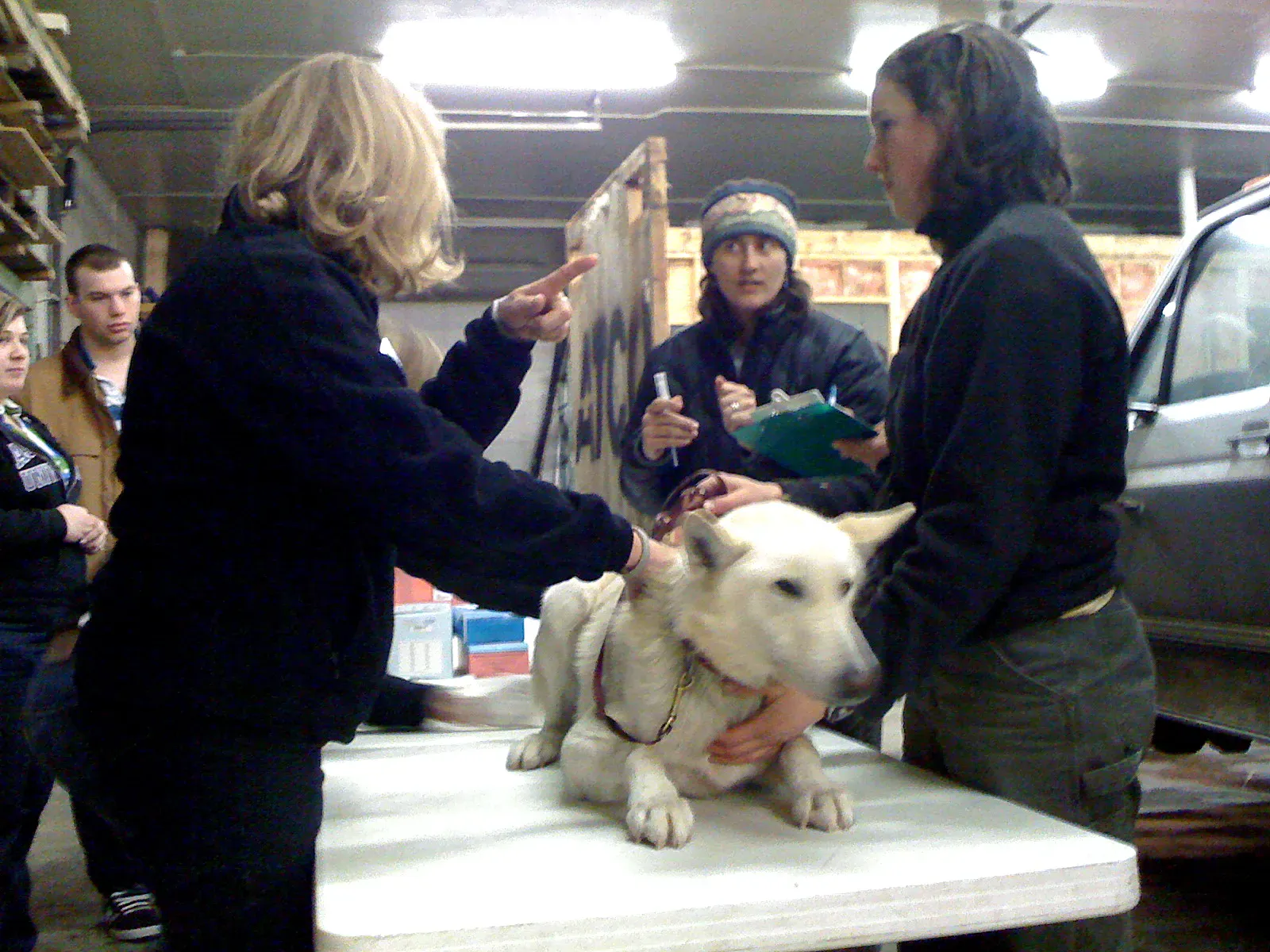
Health issues can greatly influence a dog’s temperament, and a dog in pain may appear more aggressive or withdrawn due to discomfort. When you’re standing there holding that leash for the first time, you might not know whether your new companion has chronic issues lurking beneath the surface. Some shelters do thorough veterinary checks, but others operate on tight budgets and can only address immediate concerns.
Ask pointed questions about medical records. Has the dog been limping? Are there any chronic conditions being managed with medication? A comprehensive medical examination ensures the dog is free from pain, which can cause behavioral problems. Pain changes everything about how a dog interacts with the world, and you deserve to walk into this relationship with your eyes wide open.
Behavioral Assessments Have Serious Limitations

Let’s be real, those shelter temperament tests everyone relies on aren’t crystal balls. Behavior assessments have not proven highly accurate or precise when used to predict aggression after adoption. The shelter environment itself is working against accurate assessment. Shelters are a completely foreign and highly stressful environment, full of strange humans and dogs, and in-shelter tests only determine how the dog is reacting to its current unfamiliar and possibly frightening situation.
Think about it this way: would you want someone judging your entire personality based on how you act during the worst week of your life? Assessment components have generally good predictability for sociability and friendliness aspects, but weaker predictability for problem behaviors. That sweet, calm dog might be shutting down from stress. That barky, nervous one might blossom into your best friend once they feel safe.
The 3-3-3 Rule Is Your Roadmap

The 3-3-3 rule represents the first 3 days, 3 weeks, and 3 months after bringing your dog home from the shelter. During those first three days, expect your dog to feel utterly overwhelmed. They might not eat much, might hide, might test every boundary you set. This is normal.
By three weeks, you’ll start seeing their real personality emerge as they learn your routines. By around three weeks after arriving at their new home, most dogs are getting more comfortable with the routine and starting to show their normal behavior and temperament. Three months? That’s when the magic really happens, when your bond solidifies and you both settle into life together. These time frames aren’t set in stone, but it’s a good reminder that it takes time for a dog to feel truly comfortable in their new environment.
Stress Hormones Take Time to Reset
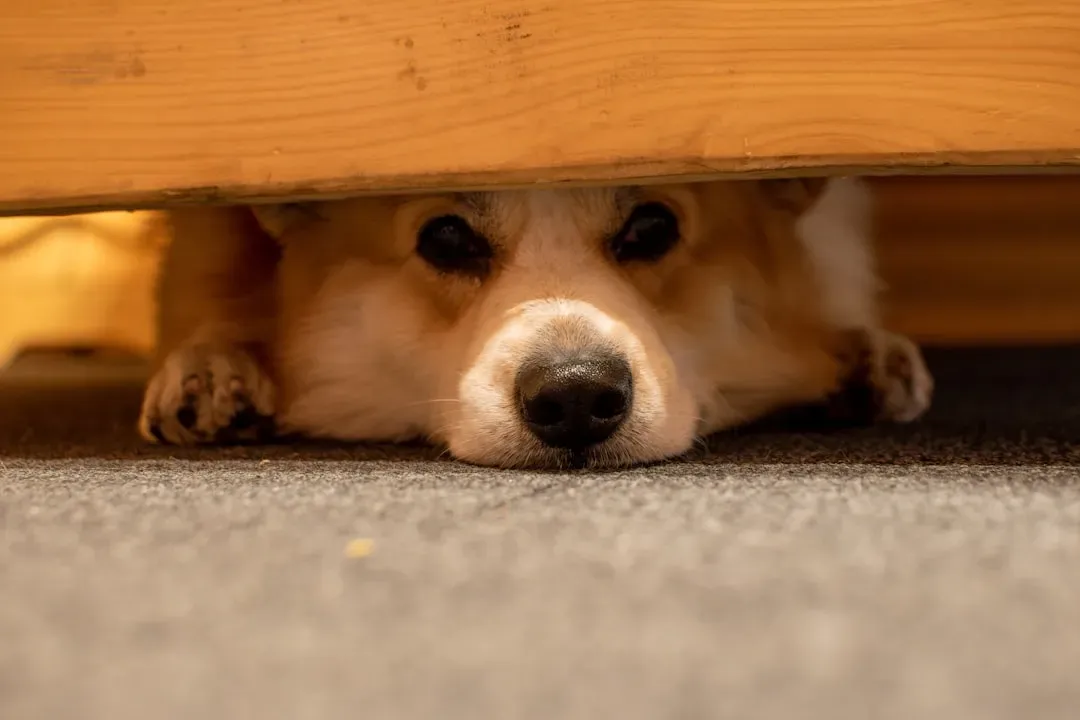
Here’s something that shocked me when I learned it: studies show it takes 10 days for a dog’s stress hormones to come back to a normal level after being in the shelter for just two weeks. Imagine carrying that much stress in your body. Every bark echoing off concrete walls, every strange smell, every moment of uncertainty about whether today brings food or a walk or absolutely nothing.
Your new dog needs decompression time desperately. This isn’t the moment to parade them through the pet store or introduce them to every neighbor on the block. Give them space to breathe, to sleep without constant noise, to slowly realize they’re finally safe. Their body needs to recover before their true self can emerge.
Previous Owner Information Is Surprisingly Valuable

If your shelter dog comes with surrender paperwork, read every word. Research indicates that owners do disclose information that is valuable for making disposition and placement decisions. Previous owners often provide honest details about behavioral quirks, especially when filling out questionnaires rather than facing staff directly.
The best indicator of post-adoption behavior is obtaining a detailed history from the persons surrendering their dog, though some researchers caution against taking this history in face-to-face interviews. Was the dog surrendered because of aggression toward children, or because the family moved? Did they have housetraining issues, or was someone just allergic? These details matter enormously in setting realistic expectations.
Foster Home Insights Trump Everything

A stay in a foster home may be the most accurate reflection of how the dog will behave in an adoptive home. If you’re considering a dog who’s been in foster care, that foster parent is your goldmine of information. They’ve seen this dog eat breakfast, react to doorbells, interact with other pets, maybe even meet children.
Foster families know whether the dog counter surfs, whether they’re housetrained, whether thunderstorms send them into a panic. Research confirms that even a one or two-night stay improves a shelter dog’s quality of life, and a stay with an experienced fosterer can be invaluable for determining if a behaviorally challenging dog is safe. Don’t be shy about asking detailed questions. These people genuinely want successful placements.
Some Behaviors Won’t Appear Immediately

There is a common public sentiment that dogs have a “honeymoon period” after adoption where dogs do not show their full repertoire of behaviors, both positive and negative, until getting more comfortable in their new home. That perfectly behaved dog who seemed so chill the first week might start showing separation anxiety in week three. Or vice versa, that anxious mess might transform into a confident companion once they trust you.
Training difficulty increased at all timepoints throughout the study. Certain behaviors emerge as dogs feel comfortable enough to express themselves fully. Common behaviors during this adjustment include aggression toward strangers, high excitability, sensitivity to touch, and training difficulties, and even after 6 months, some dogs still show increasing levels of aggression toward strangers. Patience becomes your superpower here.
Separation Anxiety Is Common in Shelter Dogs

Dogs adopted from shelters are more likely to have separation anxiety than dogs obtained from other sources. Think about what they’ve been through: abandoned once already, living in uncertainty, never knowing if the people who feed them will return. Of course they might panic when you leave.
Dogs from shelters, rescue groups, adopted from vet hospitals or found abandoned more commonly had separation anxiety. This isn’t about them being broken or damaged. It’s about survival instincts kicking in when they’ve already lost everything once. The good news? With consistency, routine, and sometimes professional help, most dogs learn that you will always come back. Every single time.
They Need Structure More Than Spoiling
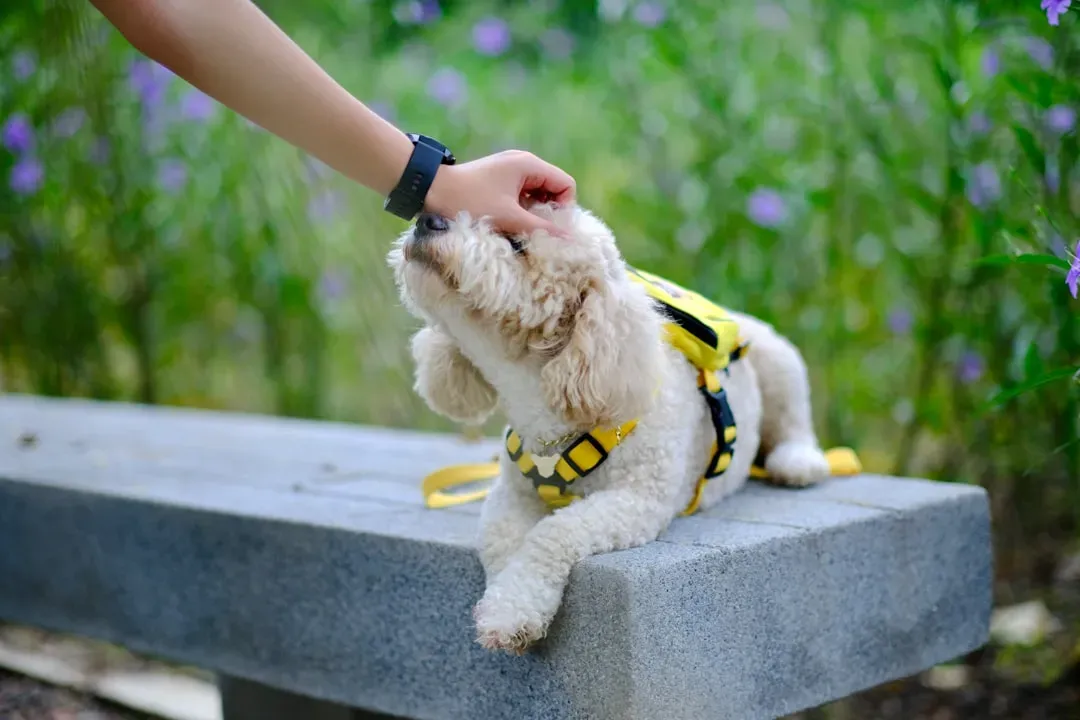
I know you want to shower them with love, toys, treats, and freedom. Who wouldn’t after seeing where they’ve been? However, what rescue dogs crave most is predictability. Creating a consistent daily routine that your dog can rely on helps them feel safe, and you can ensure this by following roughly the same schedule as the shelter to ease the transition.
Feed them at the same times. Walk the same routes initially. Establish clear boundaries about furniture, sleeping arrangements, and house rules from day one. We need to do a lot of paying into the trust bank account with our new dog before we can make withdrawals, and withdrawals include situations that could make your pet feel uncomfortable. Structure isn’t mean. It’s the kindest gift you can offer a dog who’s had their entire world turned upside down.
Your Commitment Needs to Stretch Beyond the Cute Phase

Here’s where it gets uncomfortable. If you’re not willing to put management techniques in place, no matter how extensive they may be, to make living with an untrained dog doable, then look for a dog who is less likely to require that kind of commitment. Training takes money, time, and sometimes gut-wrenching frustration. Some dogs need months or even years of consistent work.
Common challenges include behavioral issues such as barking, chewing, and digging, and health problems such as anxiety and fear, and to overcome these, it’s important to seek help from a professional trainer or behaviorist. Are you prepared for that reality? Not every shelter dog is a project, but many need more than just love. They need your patience when they have accidents, your consistency when they test boundaries, and your commitment when it’s hard. That’s the deal.
Conclusion
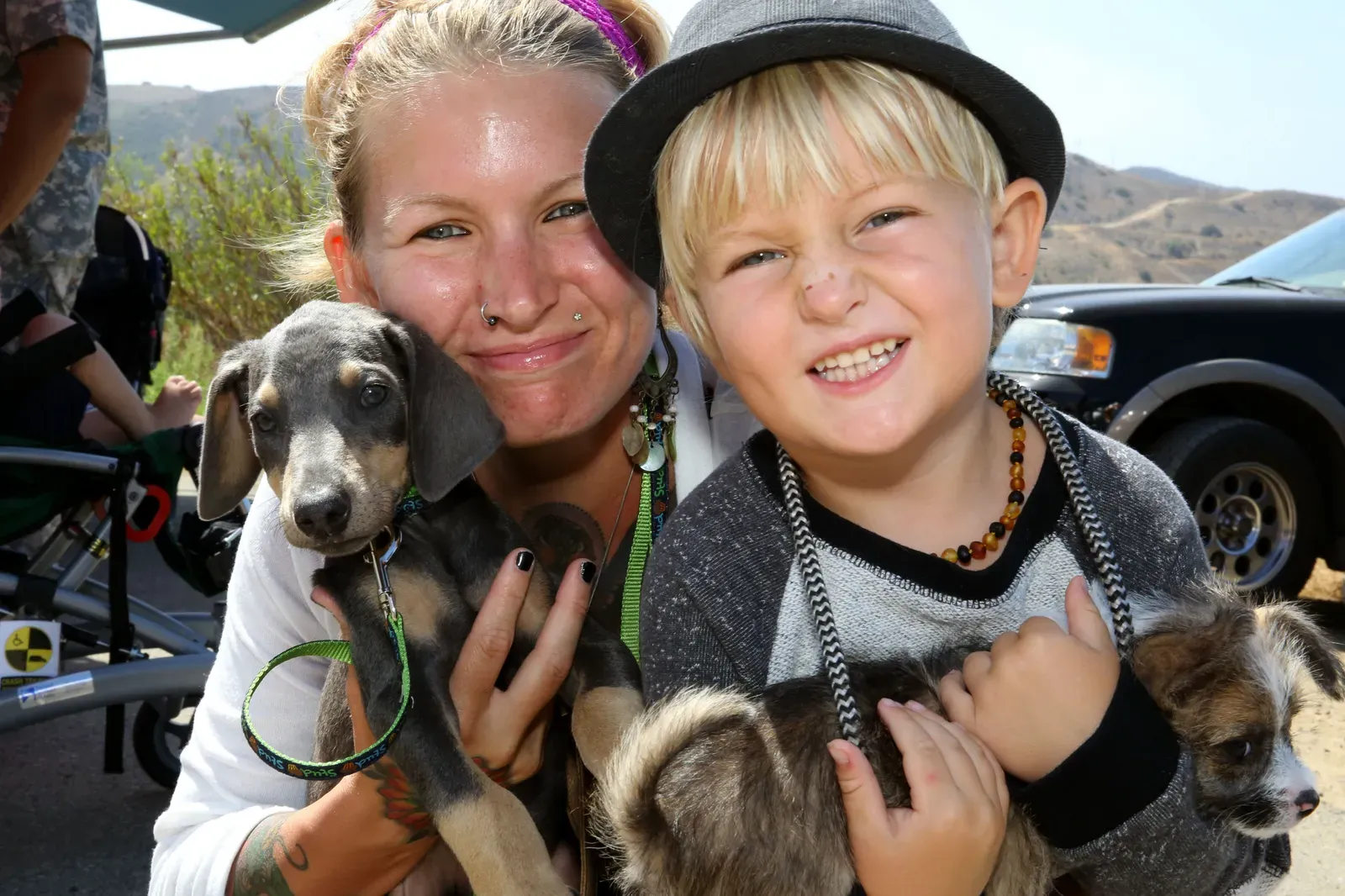
Adopting a shelter dog isn’t a fairy tale, though it often feels like one when everything clicks. It’s messy, unpredictable, sometimes heartbreaking, and almost always more work than you imagined. Yet it’s also one of the most profound relationships you’ll ever build. These ten things aren’t meant to scare you away from adoption. They’re meant to prepare you for reality so you can succeed where others have failed.
Every dog deserves an owner who goes in with open eyes and realistic expectations. When you know what you’re signing up for, when you’ve done your homework and committed to the long game, that’s when the real magic happens. So what’s your take? Are you ready to look beyond those pleading eyes and see the whole, complex, beautiful creature waiting for their second chance?