
5 Ways Not To Pet Your Dog (And How To Do It Right)
You reach out your hand with love, wanting nothing more than to show your furry friend some affection. Yet in that moment, you notice it. A subtle turn of the head. A quick lip lick. Maybe even a small step backward.
Your dog is trying to tell you something important, and honestly, most of us miss these signals completely. We think we’re spreading joy when sometimes we’re actually causing discomfort or even stress. Here’s the thing: petting seems like the simplest way to connect with our dogs, something we do without even thinking about it. It’s instinctive for us humans, really. Yet dogs experience touch differently than we do, and what feels like affection to us might feel invasive or threatening to them.
The good news? Once you understand what your dog actually prefers, everything changes. The bond deepens. Trust grows stronger. So let’s dive into the most common petting mistakes that even devoted dog lovers make, and more importantly, how to get it right.
Patting The Top Of The Head
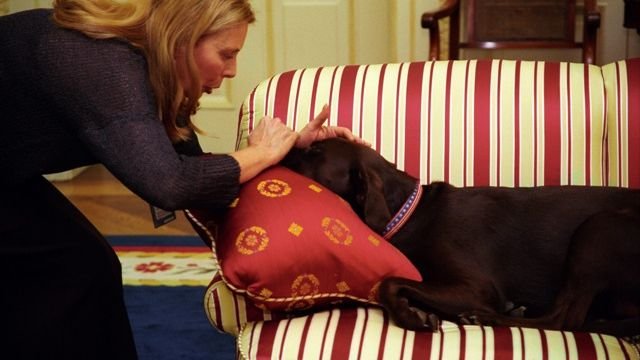
Reaching over and patting a dog on the head can be seen as a dominant, aggressive gesture because dogs generally keep their nose to the ground, and if a dog feels something touching the top of his head, he might think it’s a bigger dog attacking him and react in a defensive manner. Think about it from their perspective. Something looming from above, coming straight down at them. That’s not exactly comforting, is it?
Most dogs dislike being touched on top of the head and on the muzzle, ears, legs, paws and tail. I know this contradicts everything we see in movies and TV shows, where people automatically go for the head pat. You might see signs of discomfort when you pat your dog on the head, or when they’re afraid someone will steal a bone or toy. The tension might be subtle, maybe just a slight stiffening of their body or a quick glance away.
Instead, the best place to pet a dog is under the chin. Begin with neutral areas like their chest, shoulders, or the base of their neck, as these spots are typically non-threatening and comfortable for most dogs. Watch how their body language changes when you approach from the side rather than from above. The difference can be remarkable.
Using Quick, Repetitive Pats Instead Of Gentle Strokes
Patting, a common way many small children pet dogs, is generally disliked. Those quick tap-tap-tap motions on their body? Dogs may be more receptive to strokes versus short pats on their body, as strokes can be soothing, whereas having hands touch the body on and off repeatedly can be annoying and intrusive. It’s like the difference between a gentle massage and someone repeatedly poking you. One feels wonderful, the other just feels irritating.
Slapping a dog’s side in excitement can be agitating or frightening to some canines. Even when we’re bursting with affection and enthusiasm, vigorous petting can overwhelm them. I’ve seen dogs tolerate this kind of attention but then immediately shake their whole body afterward, trying to release the stress they just experienced.
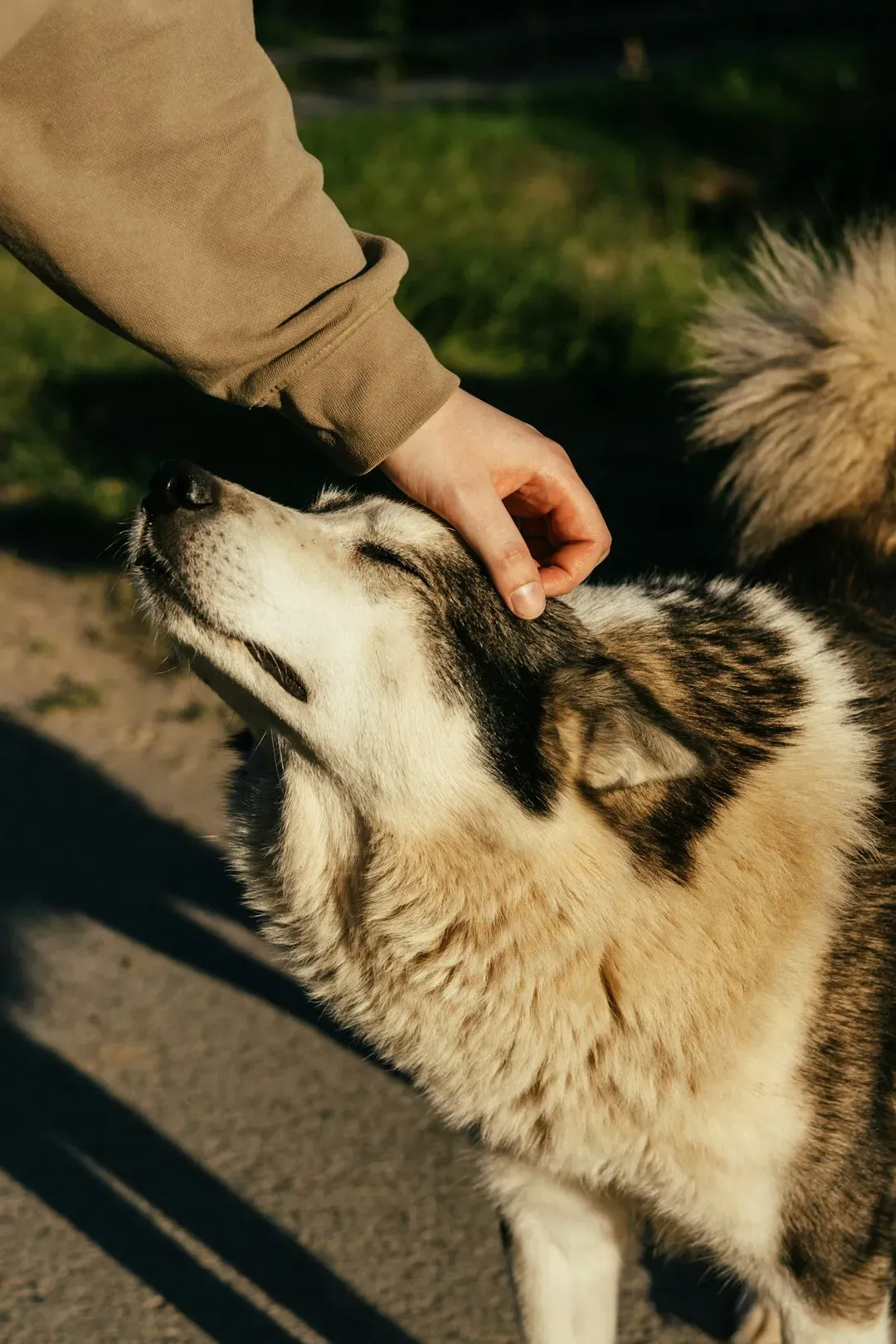
Place your hand on an area where the dog enjoys being handled and gently move your hand or fingers in the same direction the fur lies, as petting should be calming and therapeutic for both dog and person. Dogs prefer slow, deliberate movements over fast or rough petting, so use a calm demeanor and soft strokes to make the interaction enjoyable, using an open hand or gentle finger strokes and petting in the direction of their fur.
Ignoring Their Body Language And Consent Signals
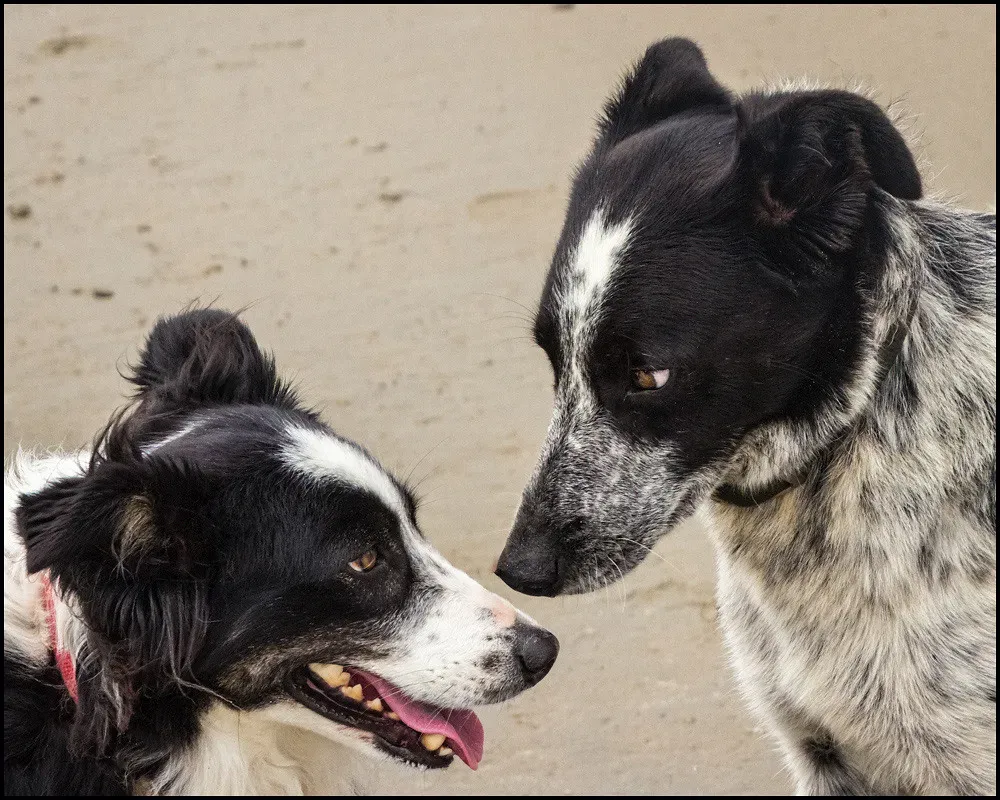
Dogs are masters of nonverbal communication and tell us how they feel with their bodies, with a wagging tail, a quick lick of their lips, or even a yawn all meaning something. Yet we often plow right through these signals, continuing to pet even when our dogs are clearly uncomfortable. Many human behaviours may be concerning as humans tend not to necessarily understand the body language or vocalizations shown by dogs, and a high number of stress behaviours were observed in dogs which may have occurred due to misunderstanding.
Stress signs to look for include whale eye (when dogs reveal the whites of their eyes), tucked ears or tail, raised hackles, lip-licking, yawning, and panting. The top three calming signals owners should be on the lookout for are lip licking, yawning, and shaking off. These aren’t random behaviors. They’re your dog’s way of saying “I’m feeling a bit overwhelmed here.”
Gently pet the dog once or twice and slowly withdraw your hand, as this is a consent test allowing the dog the choice to move away if they are uncomfortable. Pet your dog for three to five seconds then stop and watch your dog’s reaction, as if he moves closer to you or uses his paw to swat at your hand for more he’s enjoying your massage, but if he doesn’t encourage additional contact or moves away, take a break. This simple pause can transform your relationship with your dog. Consent matters, even in affection.
Restraining Them With Hugs Or Forced Contact
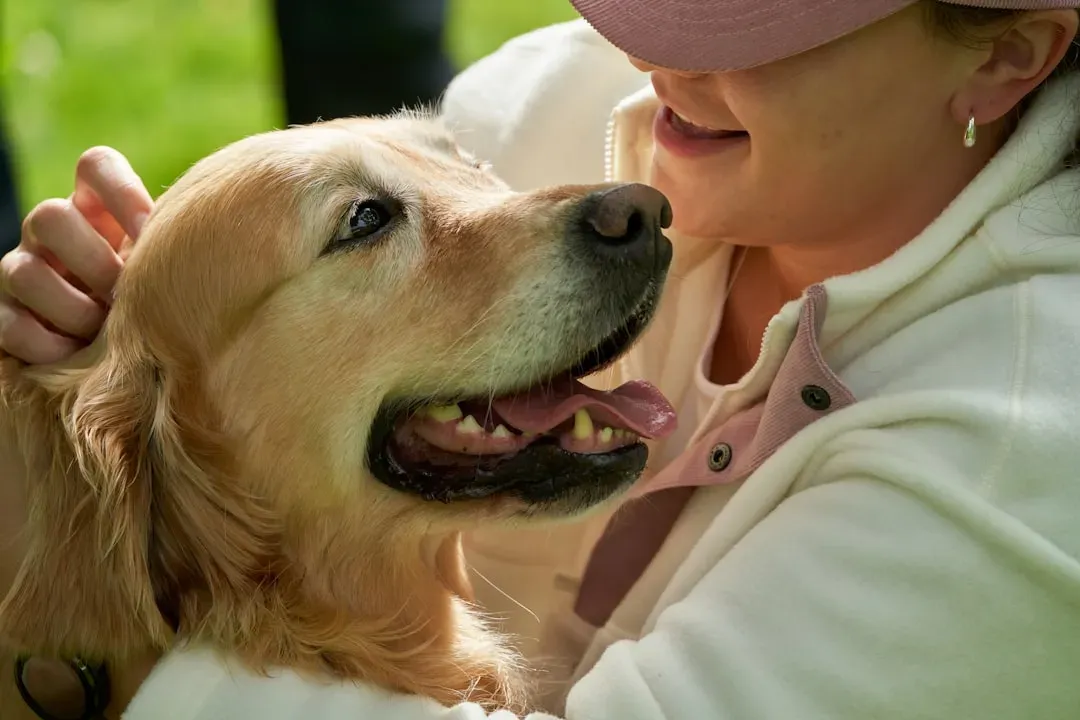
Hugs can be threatening to a dog because they hinder his ability to move away. I know this one hurts to hear. We love wrapping our arms around our furry friends, pulling them close for a squeeze. Humans exhibit affectionate behaviours towards their dogs and may hug/hold/carry them, restrain them on their lap, play/tease them with food/toys, kiss them on the nose/muzzle/face or stare/gaze at their eyes, and tend to exhibit human communicative gestures of affection including hugging, touching, kissing and restraining them.
Children, even those who spend time with a pet who tolerates hugs, should be taught never to hug a dog as this type of interaction makes most dogs anxious and can result in injury to the child. Some physical interactions that humans enjoy when communicating with dogs may not always be perceived as pleasant by dogs, such as behaviour associated with physical closeness or intimacy, and when dogs put their paws on another dog it may intimidate.
The first rule of petting is never to pet a dog who doesn’t initiate contact, which is especially important to enforce with children who will often approach a dog who is lying down, cornered in a room, or actively trying to get away. Give them the choice. Let them come to you. If they want affection, they’ll seek it out. If they don’t, forcing it only damages trust.
Approaching And Touching Sensitive Areas Without Permission
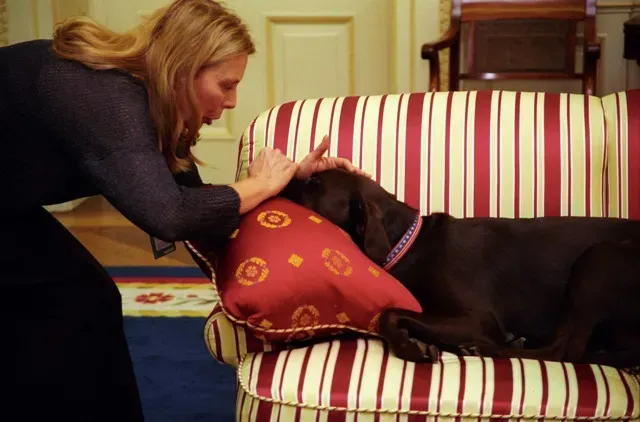
Veterinary behaviorists caution against touching a strange dog’s belly because it’s such a vulnerable area, and in some cases a dog might reveal his tummy to show that he’s feeling intimidated and to convey that he’s not a threat, though people tend to think this means the dog wants his belly scratched. That belly-up position? It’s often appeasement, not an invitation. When a dog rolls over on his back it is often seen as an invitation to rub his belly, but in fact it is just the opposite as submissive or fearful dogs may roll over as an appeasement gesture to placate a threatening dog.
Veterinarians recommend avoiding sensitive areas like a dog’s paws or rump. Every dog has zones where they’re more sensitive to touch, and barging into those areas without building trust first can trigger defensive reactions. Don’t approach your dog from above or stare at them, both of which can be seen as threatening. Pet their chest or under their chin.
Once you’re on good terms with a dog, try petting areas that are generally considered good spots like the lower back and chest, though this will vary depending on the dog so pay attention to the subtle body cues they’re sending you. Most dogs are comfortable being petted on the chest, the shoulders, and the base of the neck, and when petting these areas reach in from the side rather than moving your hand over the top of the dog’s head, with individual dogs also having specific spots where they like to be petted such as the base of the tail, under the chin or on the back of the neck where the collar hits.
Conclusion
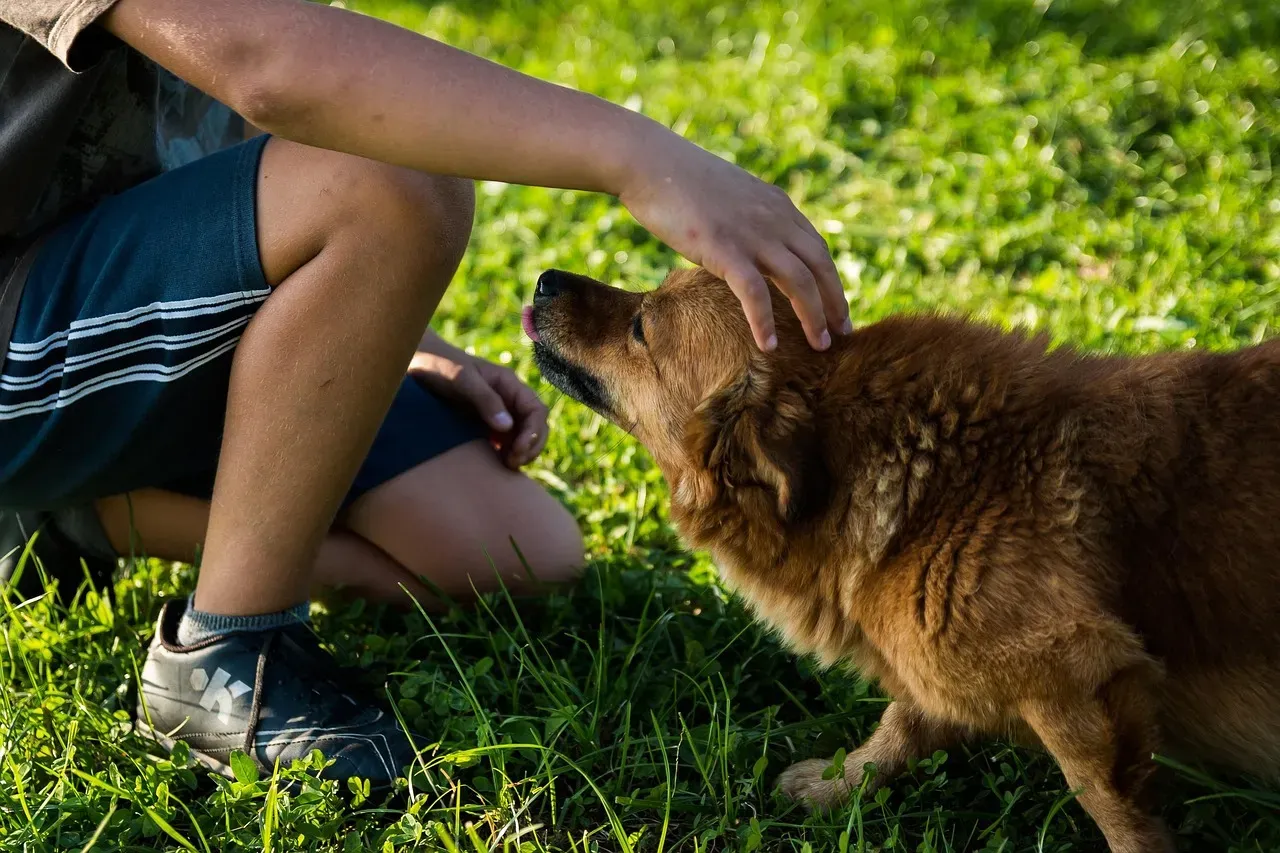
Learning to pet your dog properly isn’t about memorizing a set of rigid rules. It’s about paying attention, respecting boundaries, and understanding that your dog is an individual with preferences and feelings. The beautiful thing is that when you start noticing those subtle signals, when you pause and ask for consent with your actions, your relationship transforms into something deeper and more meaningful.
Your dog has been trying to communicate with you all along. Now you know how to listen. What changes will you make the next time you reach out to pet your furry friend?