
8 Everyday Sounds That Secretly Stress Out Your Dog (And How to Help)
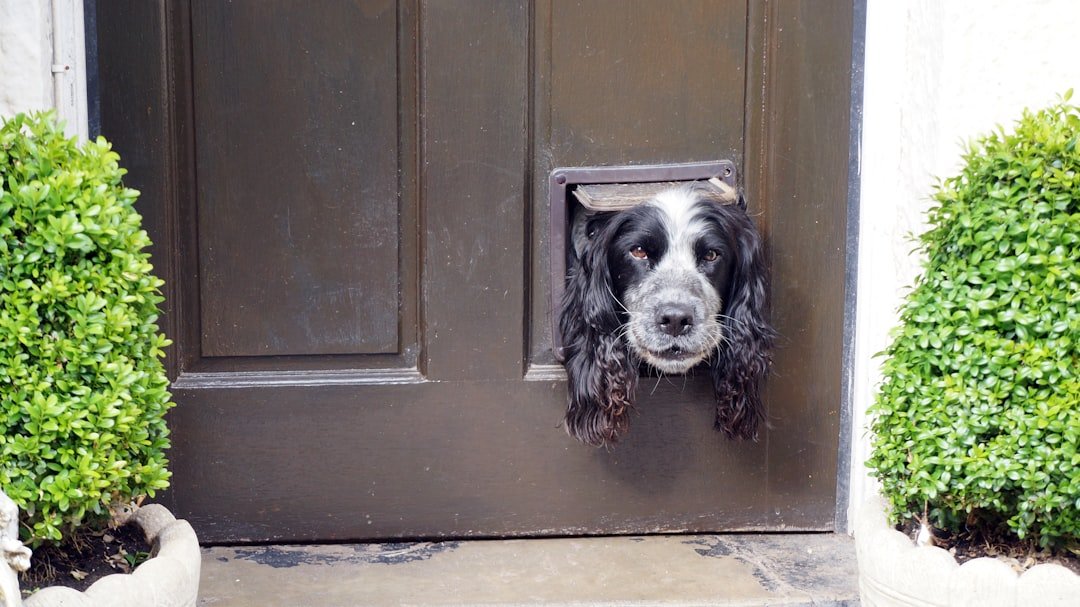
You’d do anything to keep your dog happy and comfortable, right? You buy them the best food, comfy beds, and more squeaky toys than they could ever need. Yet there might be something in your home right now that’s quietly making them miserable. Something you barely notice but that sends your dog into silent panic mode.
Here’s the thing. Dogs experience the world through their ears in ways we simply can’t imagine. While we’re blissfully unaware, our homes are filled with noises that can genuinely distress our canine companions. The worst part? Most of us miss the subtle signs completely. Let’s dive into the surprising sounds that might be stressing out your best friend and what you can do to help.
The Vacuum Cleaner’s Roar
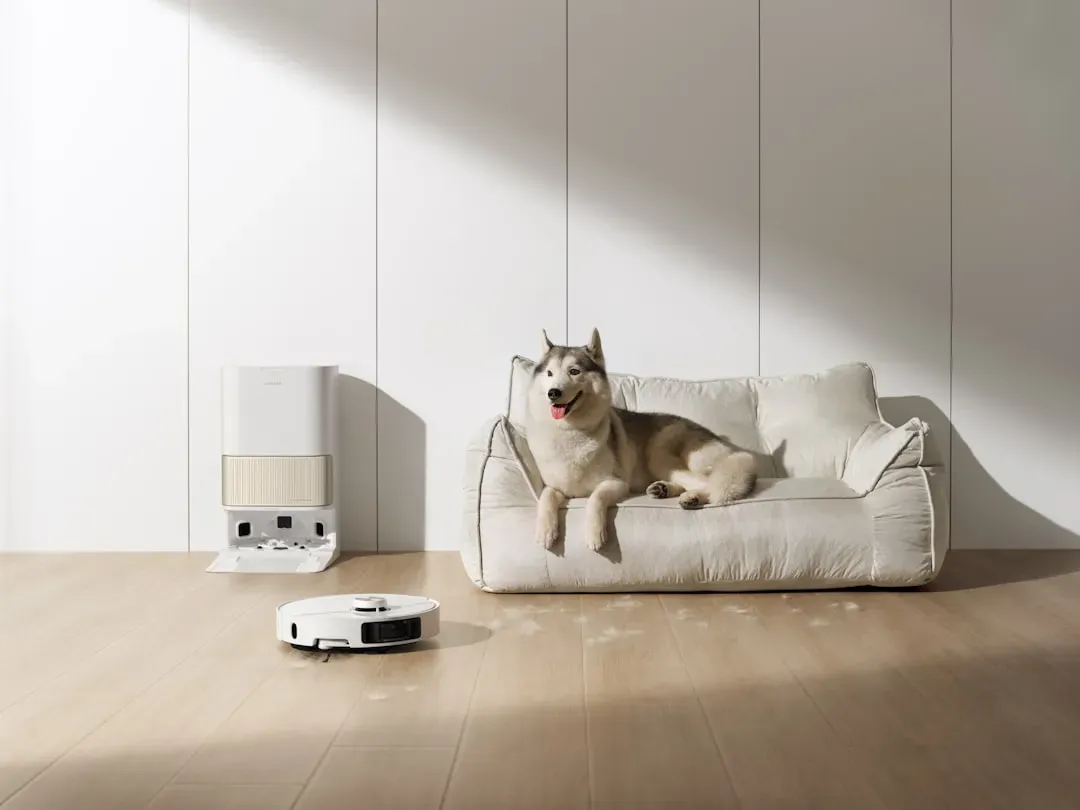
Your dog hates the vacuum for one simple reason: it’s scary, as it’s loud, moves around unpredictably, and changes the appearance of whoever is operating it. Think about it from your pup’s perspective. This monster emerges from the closet without warning, makes an ear-splitting racket, and seems to chase them around the house.
Dogs’ sense of smell is also far more acute than ours, and when you vacuum, dirt and dust kicks up, releasing trapped scents, which combined with noise results in sensory overload. That’s a lot for any dog to process.
The best approach is to vacuum while your dog is out of the house on a walk or at daycare, and you can put on background music to mask the sound a little bit. If that’s not possible, start desensitizing them slowly. Let them explore the turned-off vacuum first, rewarding calm behavior with treats.
That Beeping Smoke Detector

High-frequency, intermittent noises such as the battery warning of a smoke detector are more likely to cause a dog anxiety, rather than low-frequency, continuous noise. That chirping sound you keep meaning to fix? It’s not just annoying to you. For your dog, it could be absolutely torturous.
One case involved a dog who became anxious after owners installed a sonic pest repellant device; the dog was highly bothered by it though the owners couldn’t hear it at all. The same principle applies to that dying smoke detector battery. Dogs hear frequencies we simply cannot detect.
Minimizing exposure may be as simple as changing batteries more frequently in smoke detectors or removing a dog from a room where loud noises might occur. Honestly, this is one of the easiest fixes. Just change those batteries regularly, and you’ll spare your dog significant distress.
The Microwave’s High-Pitched Hum

Even common noises, such as a vacuum or microwave, can be a trigger for dog anxiety. While you’re heating up last night’s leftovers, your dog might be experiencing genuine discomfort. Microwaves emit high-frequency sounds during operation that many dogs find unsettling.
The beep at the end is another stressor. It’s sudden, sharp, and unpredictable to your dog. They don’t understand that it signals your food is ready. They just hear an alarming noise that makes them jump.
Try to give your dog a safe space away from the kitchen during meal prep times. A cozy spot in another room with a favorite toy or chew can work wonders. You might also consider closing the door to muffle the sound if your dog seems particularly bothered.
Thunderstorms and Fireworks (The Obvious Ones)

Let’s be real, most dog owners know about this one. Sudden, loud noises are one of the most common triggers for fearful behaviors in dogs, and many companion dogs suffer from noise sensitivity. Thunder can reach intensities around 120 decibels, which is incredibly loud even for human ears.
Dog behaviors in response to these noises included proximity-seeking directed toward their owners, as well as recognized signs of canine fear and anxiety, such as panting, howling, and lip licking. Your dog isn’t being dramatic. They’re genuinely terrified.
Compression wraps apply gentle pressure to certain points on your pet’s body to produce a calming effect, while pheromone diffusers and sprays can help create a relaxing atmosphere. Creating a safe den-like space, using calming aids, and staying calm yourself all help tremendously during storms or holiday fireworks.
Construction Noise and Power Tools

Whether it’s your neighbor’s renovation project or your own DIY weekend, power tools create a perfect storm of stress for dogs. The sounds are loud, unpredictable, and often accompanied by vibrations that dogs can feel through the floor. Drills, saws, and hammers all produce sharp, jarring noises that trigger anxiety.
Dogs can hear sounds as high as 47,000 to 65,000 Hz. Many power tools operate at frequencies within this range, creating sounds that are not just loud but potentially painful to canine ears. What sounds merely annoying to you might genuinely hurt your dog.
If you’re planning work around the house, consider boarding your dog for the day or having a friend take them on an extended adventure. If that’s not possible, set up a quiet room as far from the noise as possible with white noise or calming music playing. Sometimes the kindest thing is just creating distance.
Doorbells and Knocking
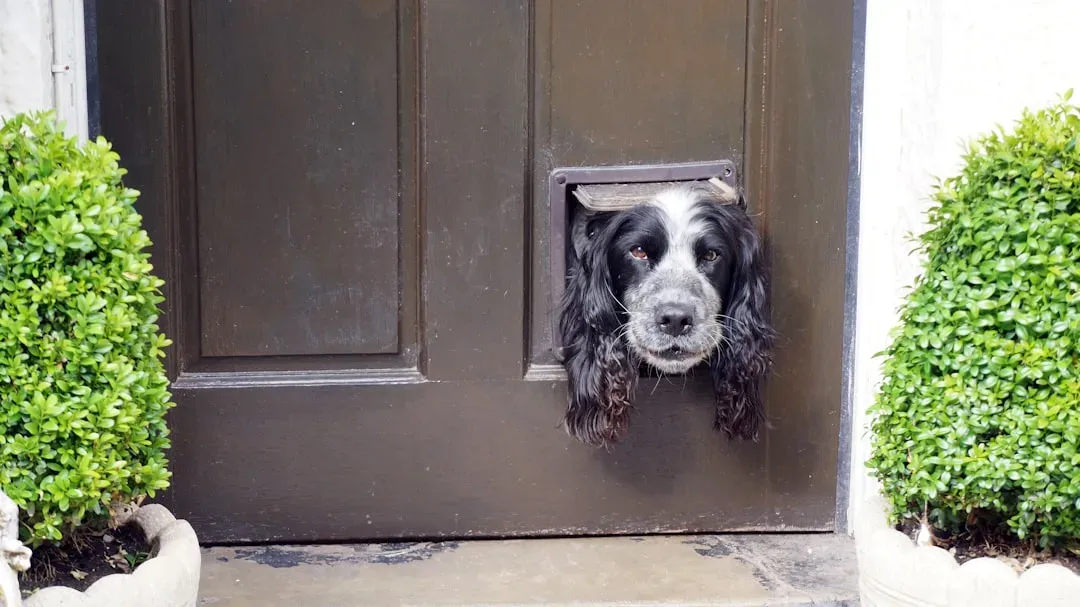
Dogs have a very acute sense of hearing and can hear someone walking up your path before they even knock on the door, or hear a car door close outside. By the time the doorbell actually rings, your dog is already on high alert. Then comes that sudden, sharp sound that makes them lose their minds completely.
The stress comes not just from the sound itself but from the uncertainty of what follows. Is it a friend? A stranger? A threat? Your dog doesn’t know, and that unpredictability creates anxiety. Some dogs develop such strong reactions that they start barking frantically or hiding whenever they hear the doorbell.
You can retrain your dog’s response through desensitization. Record your doorbell sound and play it at very low volumes while rewarding calm behavior. Gradually increase the volume over weeks. It takes patience, but it works. You might also consider switching to a doorbell with a gentler, lower-pitched chime.
Household Appliances Running Simultaneously

Alarm clocks, plumbing, smoke detectors, cell phone noises, washing machines, dishwashers, vacuum cleaners, and fans can stress dogs out. Now imagine several of these running at once. The washing machine churning, the dishwasher humming, the TV on in the background, someone’s phone ringing. For your dog, it’s complete auditory chaos.
Dogs have a wider range of hearing, and some noises could also be potentially painful to a dog’s ears, such as very loud or high-frequency sounds. When multiple appliances run simultaneously, those frequencies overlap and intensify, creating an overwhelming sensory experience.
Try to stagger when you run noisy appliances. Run the dishwasher at night when your dog is already settled. Do laundry when your dog is outside or on a walk. These small adjustments can significantly reduce your dog’s daily stress levels without much effort on your part.
Electronic Beeps and Phone Notifications
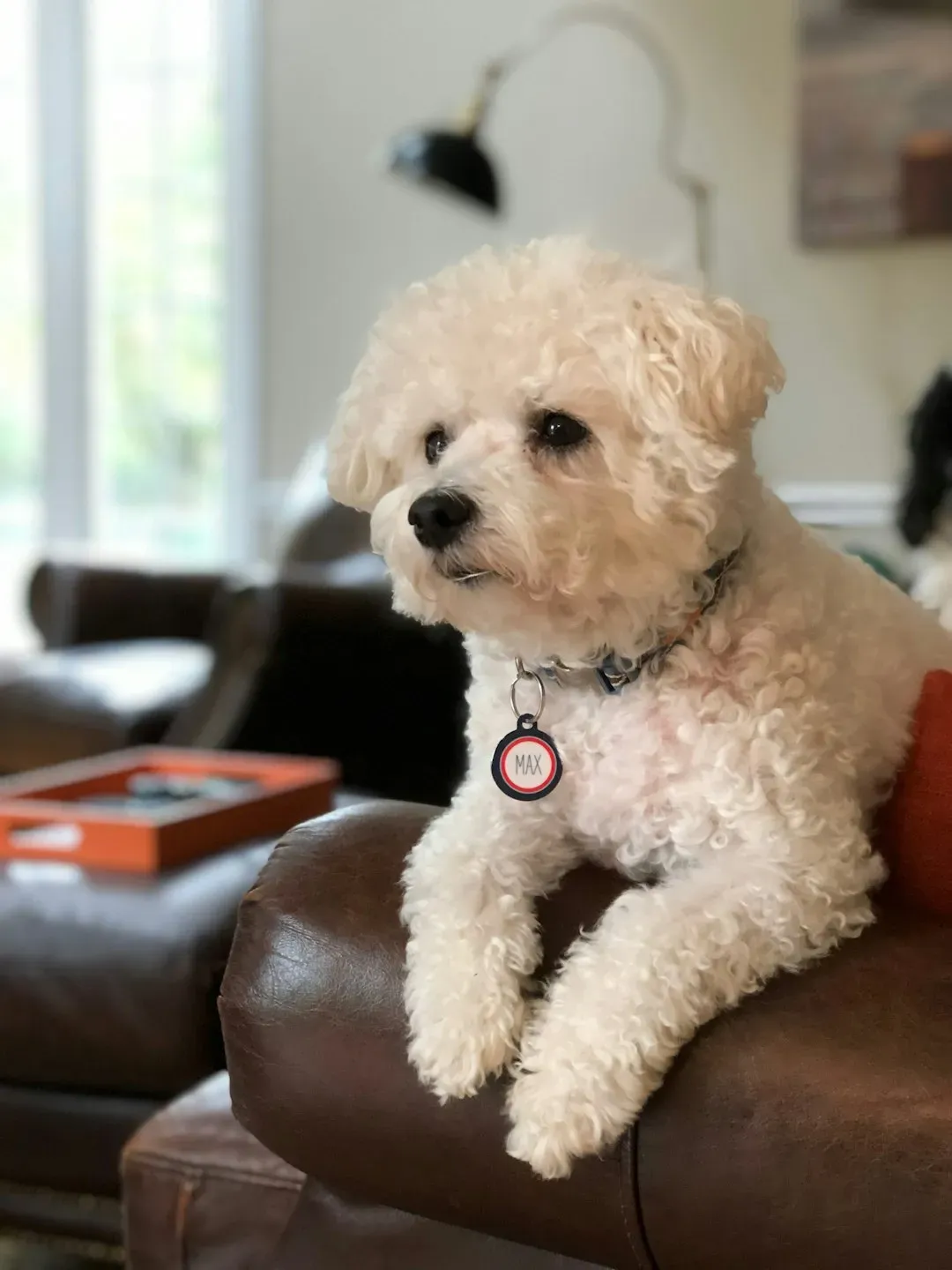
We live in a world of constant pings, dings, and beeps. Your phone, tablet, computer, appliances, even your car keys make electronic sounds. High-frequency, intermittent noises such as battery warnings are more likely to cause dog anxiety. Each notification is a tiny stress spike for sound-sensitive dogs.
The unpredictability makes it worse. Dogs can’t anticipate when your phone will buzz or when the oven timer will go off. This constant state of acoustic alertness is exhausting for them. Over time, it can contribute to chronic anxiety.
Stressed dogs could pant, lick their lips, turn their head away or even stiffen their body. Watch for these subtle signs when your devices start beeping. Consider putting your phone on silent more often or moving it to another room. You might be surprised how much calmer your dog becomes when the electronic noise decreases.
Recognizing the Signs Your Dog Is Stressed

Common signs of a dog’s anxiety include cringing, trembling or retreating, but owners may be less able to identify signs of fear or anxiety when behaviors are more subtle. This is where many of us fall short. We miss the quiet signals our dogs send because we’re looking for obvious panic.
Sometimes their ears will turn back, and their head will lower below their shoulders. Yawning when not tired, excessive panting, and avoiding eye contact are all red flags. Your dog might also seek you out for comfort, pressing against your legs or following you room to room.
The study found that owners not only underestimated their dogs’ fearfulness, but the majority of people in videos responded with amusement rather than concern over their dog’s welfare. Let’s be better than that. Our dogs depend on us to recognize their distress and respond with compassion, not laughter.
Conclusion

Our homes are filled with sounds we’ve learned to tune out, but our dogs don’t have that luxury. Dogs use body language much more than vocalizing and we need to be aware of that. The vacuum, the smoke detector, the microwave, and countless other household noises can genuinely distress them.
The good news? Small changes make a huge difference. Change those smoke detector batteries promptly. Create quiet spaces. Use desensitization training gradually. Most importantly, pay attention to what your dog is telling you through their body language.
What everyday sound have you noticed bothers your dog the most? Sometimes just recognizing the problem is the first step toward helping them feel safer and more comfortable in their own home.