
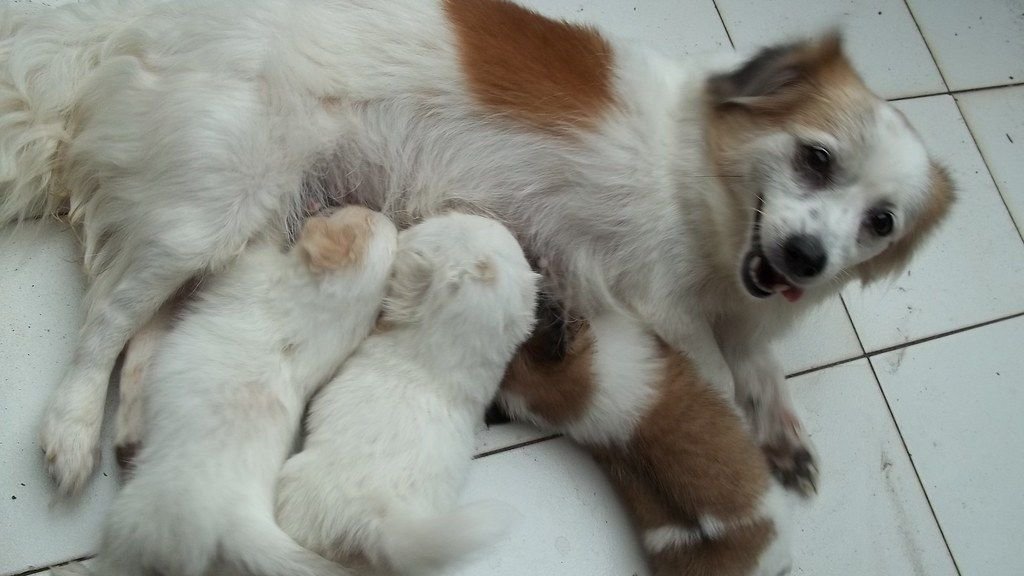
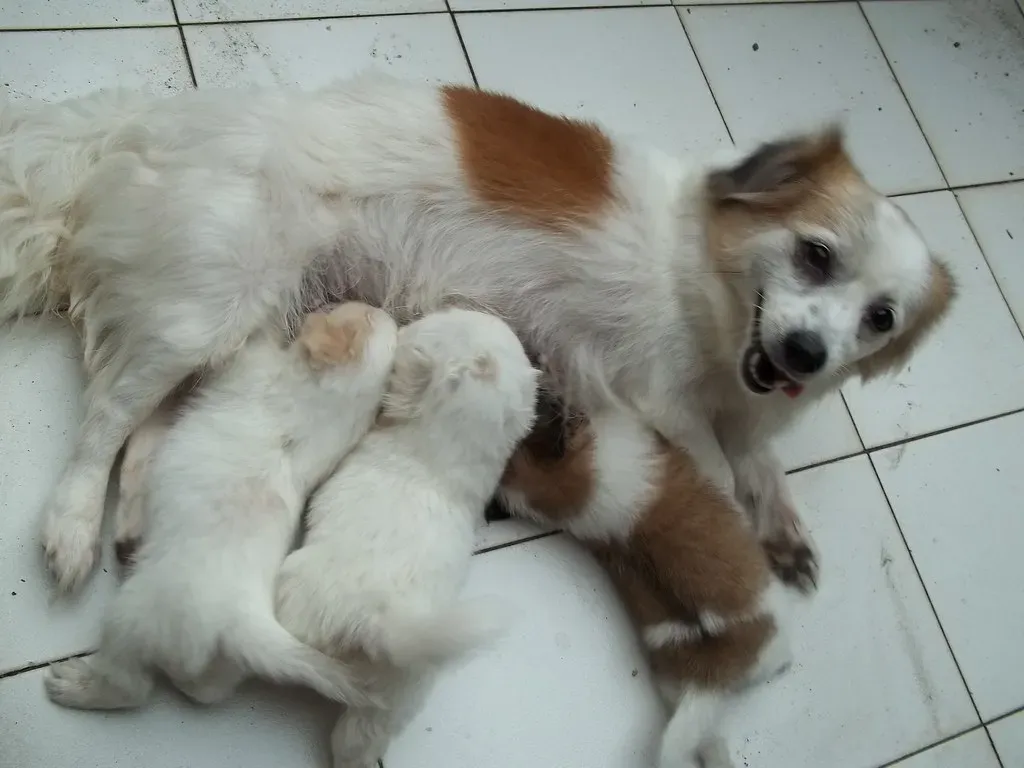
Picture this. Your sweet girl just gave birth to the most adorable litter of puppies you’ve ever seen. She’s nuzzling them, keeping them warm, nursing them around the clock. She’s the perfect mother. There’s just one problem. She won’t leave them, not even for a minute to relieve herself. You’re starting to worry, and honestly, you should be. This isn’t just about devotion anymore. It’s about her health too.
New mothers are usually very nervous about their babies, and for this reason, many will not leave their side for at least the first 24 hours, often doing without food or water and some won’t even leave to go outside to urinate. Let’s explore how you can help your devoted mama dog take care of herself while she’s busy taking care of her pups.
Understanding Why She Won’t Leave Her Puppies
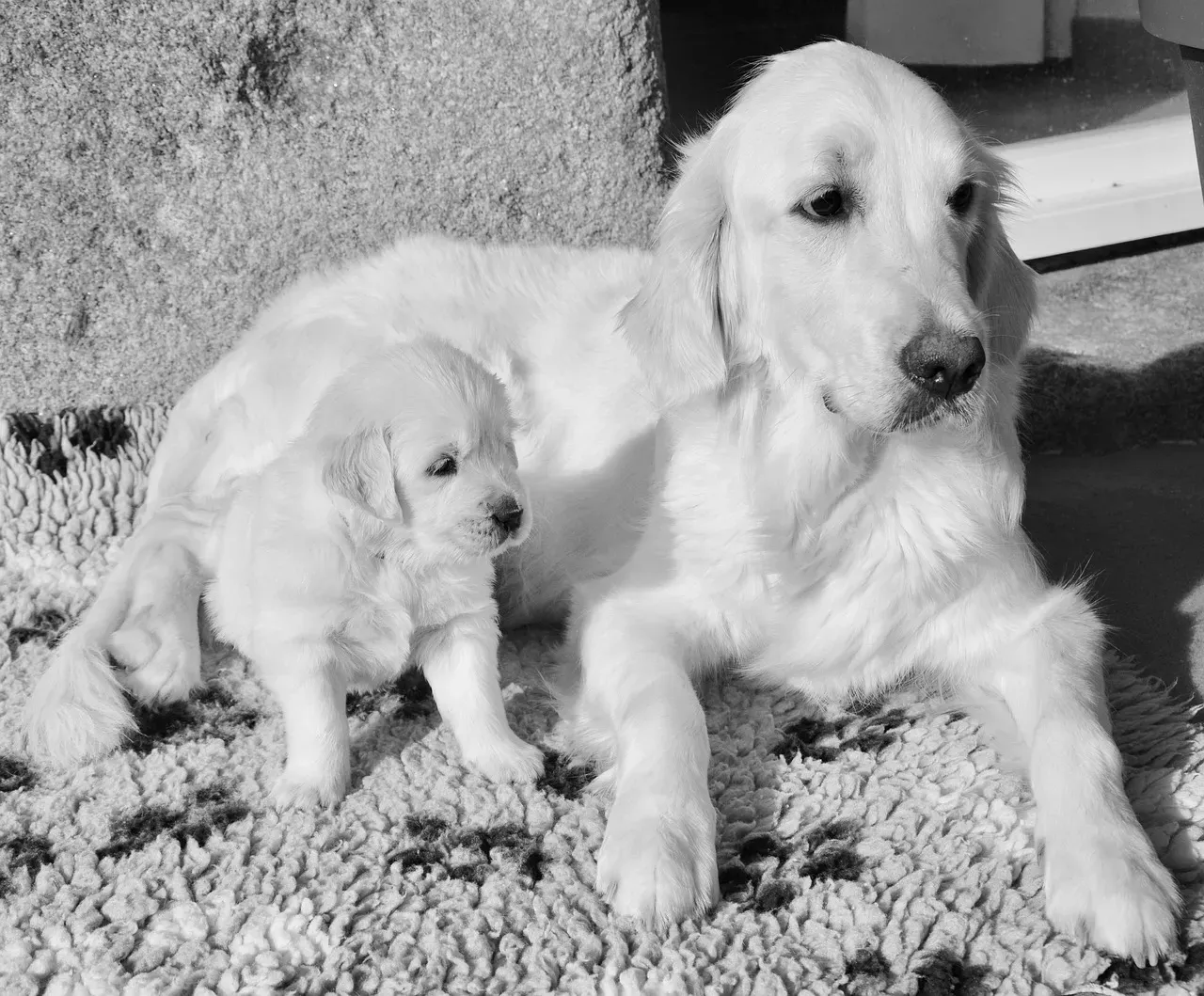
Here’s the thing. This sort of behavior is not uncommon in the first few days after delivery, especially with a first time mother. Honestly, it makes complete sense from her perspective. Those tiny, vulnerable puppies depend entirely on her for everything. They can’t see, hear, or even eliminate waste on their own yet.
The bitch nurses the puppies intensively during the first days, and hardly leaves the nest. Her maternal instincts are screaming at her that leaving them could mean danger. In the wild, predators could attack. Even though she’s safe in your home, millions of years of evolution don’t just switch off. Two different hormones contribute to her motherly instincts once a dog gives birth to her puppies, with oxytocin driving a mother dog to nuzzle her puppies or wrap around them to keep them warm while nursing.
The Real Health Risks of Holding It In

Emptying the bladder is a natural defense against UTIs because it flushes the bacteria from the urinary tract, and holding the urine for extended periods increases the risk of UTI. This isn’t something to brush off. Urinary tract infections can start out manageable but quickly become serious.
Think about what happens when bacteria just sit in the bladder with nowhere to go. They multiply. They cause inflammation. If left untreated, UTIs can cause life-threatening complications including pyelonephritis (kidney infection), sepsis, and kidney failure. Your nursing mama already has a weakened immune system from the demands of birth and nursing. She’s at higher risk than usual, which makes prevention absolutely crucial right now.
Creating Safe Potty Break Opportunities

You may have to continue enforcing elimination breaks for a little while until she settles down a bit. I know it sounds like you’re forcing her, but you’re actually protecting her. Get her collar and leash ready. Take her for a potty break, and when she goes potty, make sure to praise her and reward her with a treat.
The trick here is making it quick and positive. She needs to understand this isn’t abandonment, it’s just a brief bathroom break. Keep the trips short at first, maybe just five minutes. Let her see that the puppies are perfectly safe while she’s gone. If she’s really anxious, you might need someone else to sit with the litter while you take her out. Seeing another trusted person watching her babies can ease her mind considerably.
Setting Up an Indoor Solution for Anxious Moms
Sometimes taking her outside feels like asking her to trek across the continent. It may help to give her an indoor place to go fairly near the whelping box, perhaps some potty pads, so she doesn’t have to go far until she is less anxious. This compromise can be a lifesaver during those first critical days.
Place puppy pads or a designated potty area just steps away from where her puppies are. This way, she can still keep an eye and ear on them while relieving herself. It might not be your ideal long term solution, but right now, we’re prioritizing her health and peace of mind. Once she realizes her babies are safe and that brief absences don’t result in disaster, you can gradually move the potty area further away until she’s comfortable going outside again.
Recognizing When Something More Serious Is Happening
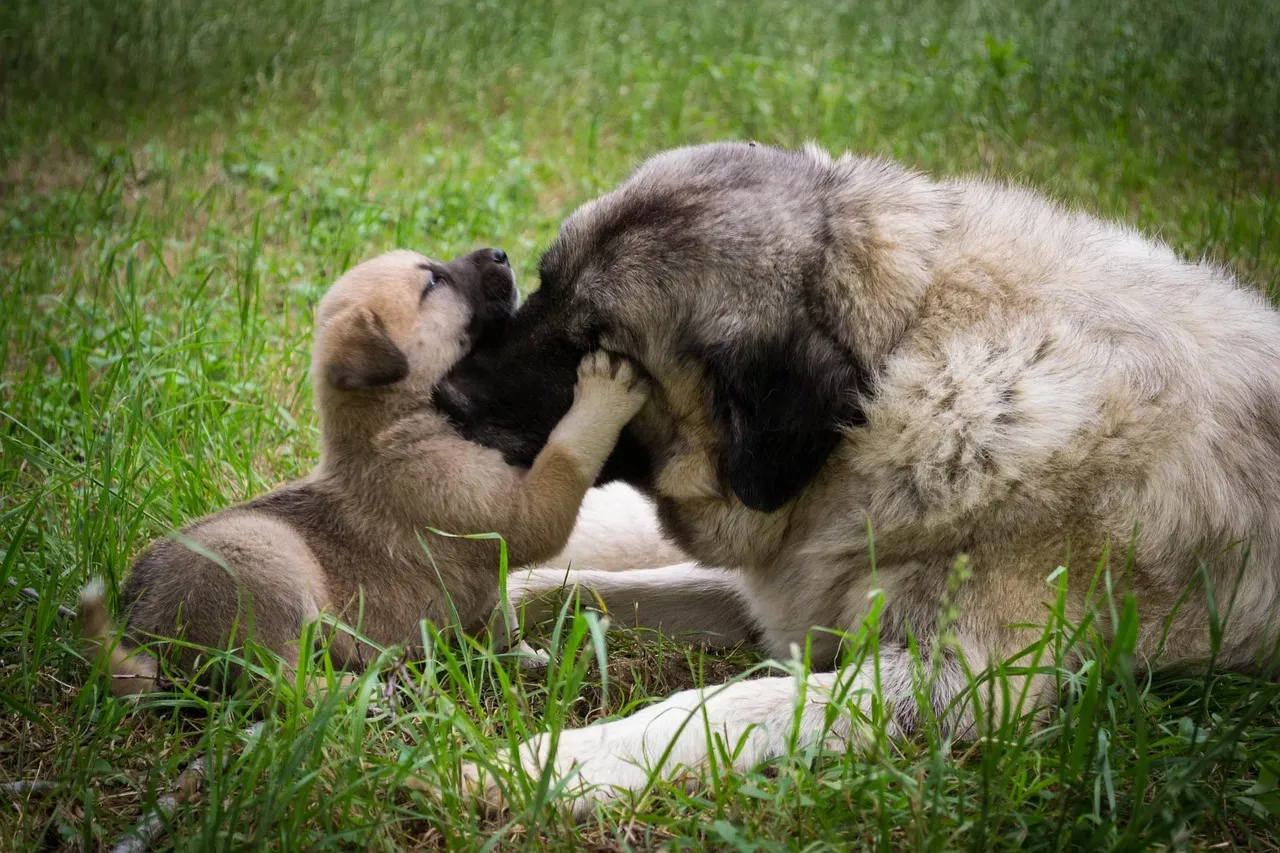
Pay close attention to how she’s acting overall. Does the mother dog look exhausted, is she panting a lot, is she eating and drinking, is she shaking? Sometimes what looks like extreme dedication is actually a sign that something’s medically wrong. It’s not easy differentiating a new mother dog panting, shaking and acting somewhat lethargic due to the great demands of labor and one who is really sick, and it can sometimes take 24 to 48 hours for new mother dogs to recuperate some of their energy.
Watch her puppies too. Are they nursing well? Are they crying constantly? Healthy, content puppies sleep and nurse peacefully. If something seems off with either mom or babies, don’t hesitate to call your vet. Better to check in and be reassured than to miss something important. Trust your gut on this one.
Supporting Her Through the Transition

Remember, this intense phase doesn’t last forever. For the first three weeks after the puppies are born, the mother dog gives them her undivided attention and care, with mothers on day one not wanting to be away from their pups for more than a second. Your job is to help her stay healthy during this demanding time while respecting her powerful maternal instincts.
Make sure the whelping area is calm and quiet. Too much activity and too many visitors can stress her out even more. Give her high quality food, plenty of fresh water, and gentle encouragement to take those potty breaks. The mother dog will typically spend a lot of time with her puppies in the first few weeks after they are born, rarely leaving their side except to eat or go to the bathroom. Your patience and understanding during these early days will help her feel secure enough to take care of herself while she’s taking care of her babies.
Conclusion

Getting a nursing dog to leave her puppies long enough to pee isn’t about overriding her instincts. It’s about working with them while protecting her health. Those first few days are the toughest, when her hormones are surging and every fiber of her being says to stay glued to that whelping box. Your role as her trusted human is to gently guide her toward balance, using short potty breaks, indoor solutions if needed, positive reinforcement, and lots of patience.
She’s doing one of the hardest jobs in the canine world right now. With your support and watchful eye, she’ll learn that taking a quick bathroom break doesn’t make her a bad mom. It actually makes her a healthier one, which means she can be there for her puppies for the long haul. Have you noticed your nursing dog showing signs of bladder discomfort? What strategies worked best for your mama dog?


