

You’ve probably noticed your dog doesn’t just bark. Sometimes it’s a quick yip, other times a deep rumble, maybe even a dramatic howl when sirens pass by. Each sound carries weight, intention, emotion. Think about it like this: we don’t speak in monotone our entire lives, so why would our dogs?
Their vocal repertoire is far richer than most people realize. From excited whines at the front door to low growls during playtime, every noise tells a story about what’s happening inside their heads and hearts. Learning to decode these sounds isn’t just interesting, it’s essential if you want to truly understand your furry best friend. So let’s dive into the fascinating world of canine communication and discover what your dog is really trying to say.
The Many Shades of Barking

High-pitched barks may be welcoming, while deep barks may be your dog issuing an alert. Honestly, once you start paying attention, you’ll notice your dog has different barks for different situations. That sharp, rapid bark when the mailman approaches sounds nothing like the playful yaps during a game of fetch.
Emotions can be expressed through barking, whether it is a higher-pitched bark for excitement, a repetitive and monotone bark for boredom, a sharp and intense bark to alert you of a sound or sight, or a short, quick bark directed at another dog as a way to say ‘stop it!’ Context matters enormously here. A bark accompanied by a wagging tail often spells joy, while a crouched, angry bark with hackles up can indicate your dog is feeling fear or aggression.
Some breeds are naturally more vocal than others. Hounds, herding dogs, and terriers tend to be particularly chatty, which makes sense when you consider their working backgrounds. They were bred to communicate over distances or alert their handlers to important events.
Whining: The Universal Request

Whining or crying is another way dogs, especially puppies, express their needs. A dog might whine for you to take them outside, feed them, or play fetch. It’s one of the most common sounds you’ll hear, and let’s be real, it can be both endearing and exhausting depending on the situation.
Dogs use whining to express specific needs, such as to go outside to relieve themselves, a desire to play, or feelings of hunger, unhappiness, pain, anxiety, or excitement. The trick is figuring out which one applies in the moment. Is your dog pacing near the door? Probably needs a bathroom break. Standing by their empty bowl? You know what that means.
Dogs may whine when they’re scared (for example, during a thunderstorm), or if they have separation anxiety and are left alone. Dogs may also whine when in pain. Pay close attention to body language alongside the whining. A tucked tail, flattened ears, or tense posture suggests anxiety or fear rather than simple excitement.
Growling: Not Always What You Think

Here’s the thing about growling that surprises many dog owners: growling is one of the most misunderstood dog vocalizations. A low “grrr” can indicate displeasure or irritation – but dogs also growl happily in play, and some even growl to indicate contentment, like a cat purrs.
Though they can growl while playing, dogs tend to use growling when they are fearful, upset, sensing a warning or threat, or protecting their territory. Watch the entire dog, not just listen to the sound. A play growl typically comes with a loose, wiggly body, maybe a play bow. A warning growl? That dog will be stiff, focused, possibly showing teeth.
Most dogs that growl are actually trying to prevent biting, as it is a warning of discomfort in order to avoid more conflict or confrontation. Good positive trainers always appreciate when a dog growls because it means he is inhibiting his bite. Never punish a dog for growling, as you’re essentially removing their warning system and making a bite more likely next time.
Howling: Ancient Echoes
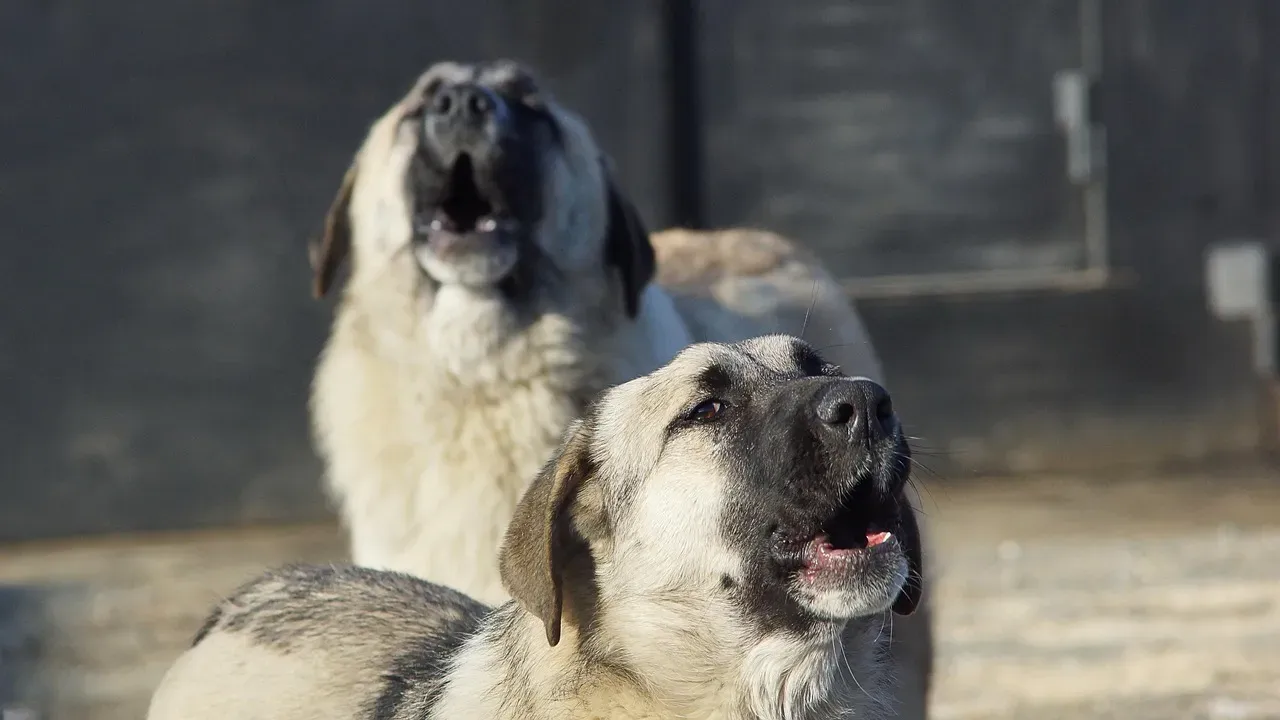
Howling is a more primitive vocalization linked to a dog’s wolf ancestry. It can be triggered by high-pitched sounds (like sirens or music) or used to signal distress, loneliness, or territorial presence. There’s something deeply moving about a dog’s howl, like they’re calling across time to their wild relatives.
Howling is your dog’s way of communicating with you and the world. They howl to get attention, make contact with other dogs, and announce their presence. Some dogs howl along to music or even certain television shows. My neighbor’s Husky has strong opinions about opera, apparently.
Howling can be a symptom of separation anxiety. If your neighbors mention your dog howls constantly when you’re gone, that’s worth investigating further. This isn’t just noisy behavior but genuine emotional distress that needs addressing through training, environmental changes, or sometimes professional help.
Those Softer Sounds: Whimpers and Sighs
A whimper or a yelp is often an indication that a dog is in pain. The whimper or yelp is used to communicate the dog’s distress to a pack member (or human) when they are friendly. These quieter vocalizations deserve immediate attention because they often signal something’s genuinely wrong.
Softer than whining, whimpering signals unease or mild distress. A pup might whimper when left alone due to separation anxiety or when they’re uncertain about something new. Puppies especially use whimpering to communicate with their mothers and later transfer that behavior to their human families.
But not all soft sounds mean trouble. Sighing or groaning can happen when a dog is settling down to rest or being petted, but it can also be a sign of disappointment, such as when it is not mealtime yet or they’re not getting to go for a walk when they want. That dramatic sigh when you tell them it’s not dinner time yet? Pure canine theater.
When Vocalizations Signal Health Concerns

Dogs often whine in response to pain or a painful condition. If you notice that your dog vocalizes frequently or has suddenly started to vocalize, it’s important to take her to the vet to rule out medical causes. This is especially true if the vocalization is new, intense, or accompanied by other symptoms.
Disorientation and dementia cause anxiety, which can cause crying, whining, or even howling. Visit your vet for professional advice and medications that may help. Senior dogs particularly may develop cognitive issues that manifest as nighttime howling or increased vocalization. It’s heartbreaking but treatable in many cases.
It is often part of a dog’s natural sleep process, especially during REM stages, and may indicate healthy emotional processing. However, sudden changes in vocal patterns always warrant a checkup. Better safe than sorry when it comes to your dog’s health and comfort.
Conclusion

Every bark, whine, howl, and whimper is your dog’s attempt to bridge the communication gap between species. They’re doing their best to tell us what they need, how they feel, and what matters to them in that moment. The more we listen, really listen, the stronger our bond becomes.
Understanding these vocalizations transforms you from someone who simply hears noise into someone who truly understands their companion. It helps you respond appropriately, whether that means providing comfort during a thunderstorm, recognizing early signs of illness, or simply appreciating that excited howl when you come home.
What surprised you most about your dog’s vocalizations? Have you noticed sounds you never really understood before? Share your experiences in the comments below.


