
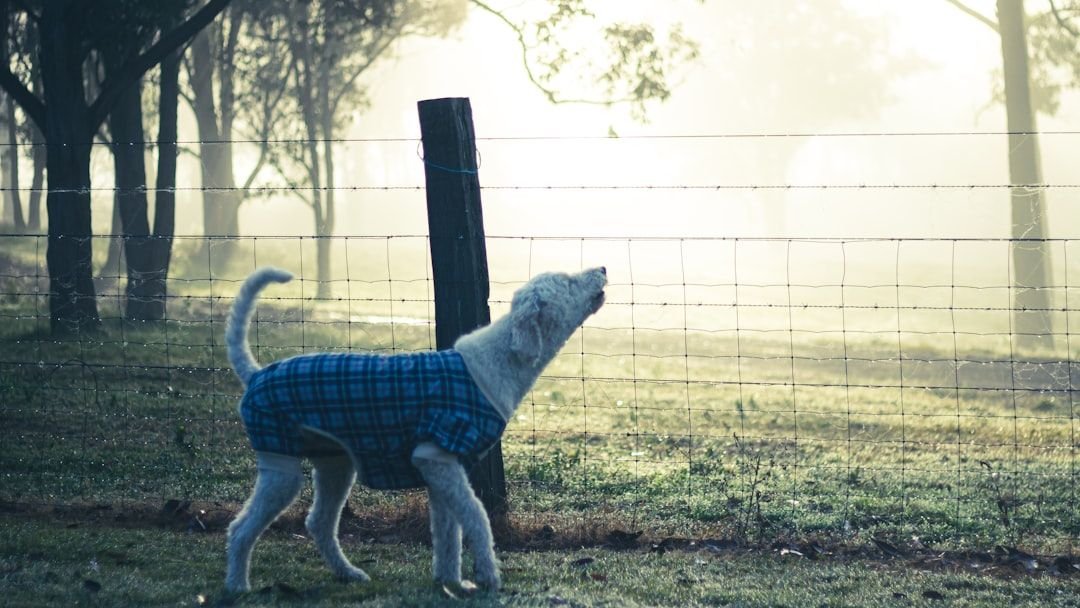
You’ve probably noticed it before. The sky outside hasn’t even darkened yet, there’s no thunder rumbling in the distance, no flash of lightning to warn you of what’s ahead. Still, your dog starts acting strangely. Maybe they pace nervously by the door, whine softly, or suddenly refuse to settle down. You glance out the window and see nothing unusual, yet within an hour, the storm arrives. It makes you wonder, right? How did they know?
Dogs have this uncanny ability to pick up on things we completely miss. Their world is richer in sounds, scents, and sensations than ours could ever be. That’s what makes them such incredible companions, yet also sometimes leaves us puzzled by their behavior. When it comes to storms, their heightened senses work like an early warning system, alerting them to changes in the environment long before we reach for an umbrella.
The Science Behind Their Storm Radar

Dogs are reputed to display heightened responsiveness to barometric pressure changes, and the ability to pick up on these low-frequency vibrations could provide dogs with an early warning system. Think of barometric pressure as the weight of the atmosphere pressing down on everything around us. When a storm approaches, this pressure drops, sometimes significantly.
Your dog is super-capable of sensing shifts in barometric pressure and detecting changing weather patterns before they happen. It’s not magic or some mysterious sixth sense. Research shows that barometric pressure affects odors for search and rescue dogs, so perhaps it’s the change in their olfactory mind map that lets them know the weather is changing.
This sensitivity could be the result of natural selection, where ancestral canines that could detect approaching dangers had a survival advantage. Those ancient instincts haven’t disappeared just because our dogs now sleep on sofas instead of in dens.
How Their Super Senses Detect Approaching Weather
Studies show that dogs feel changes in barometric pressure and even in the static electric field in the air. Let’s be real, your pup experiences the world differently than you do. A dog’s sense of smell is estimated to be between 10,000 to 100,000 times more sensitive than that of humans, with dogs having around 220 million to 300 million scent receptors depending on the breed.
Dogs can detect chemical concentrations common during some storms, and smell ozone in the air associated with lightning. That metallic smell before a storm? You might catch a whiff eventually, though your dog picked it up ages ago. Their hearing works on another level too. Dogs are so much more sensitive to sounds, their hearing is so much more powerful than ours, so they can often detect thunder way before we can.
Dogs, more perceptive to changes in the weather than we are, can feel changes in the static electric field that occur in the air, especially as a strong storm approaches, which is why dogs might be able to “guess” a tornado or major storm is coming.
Why Some Dogs Hide in the Bathroom

Here’s something that sounds crazy, but makes perfect sense once you understand it. According to the SPCA, some dogs jump into a bathtub when they sense a change in air static, and although experts are not sure why dogs do it, it could be a search for comfort or safety.
Scientists’ studies show that it is the static electricity caused by lightning that is the root of dog’s sensitivity to storms, and animal behaviorists say animals may experience shocks from the electricity in lightning, making them run for shelter in places that may be ‘grounded’ and prevent them from experiencing a shock. This may explain why your dog runs to hide in the bathroom or behind the basin, as porcelain is an effective block against electricity.
Some dogs may feel static buildup in their fur, especially in breeds with longer coats, which can be uncomfortable or even painful, contributing to storm stress. So your dog isn’t being silly or dramatic. They’re genuinely trying to protect themselves from something they can physically feel.
Recognizing the Warning Signs Your Dog Gives You
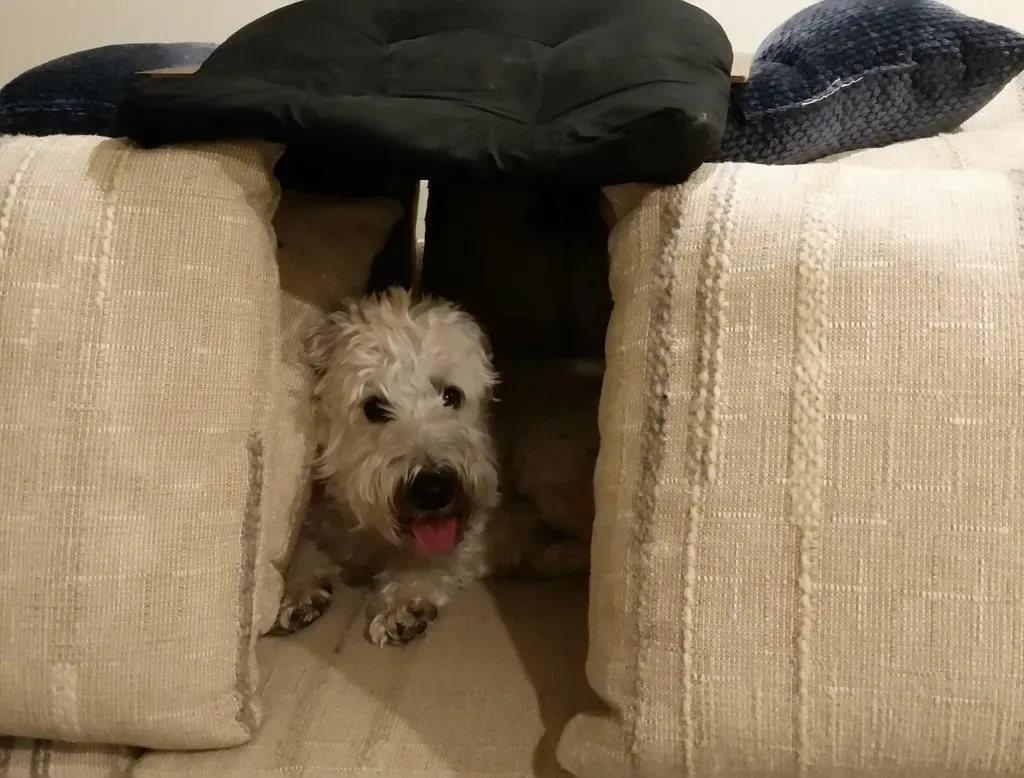
Behavioral changes in dogs due to infrasound detection might include seeking shelter, becoming agitated, or displaying signs of anxiety, and these behaviors are sometimes observed in domestic dogs well before humans become aware of an approaching storm. Learning to read these signals can help you prepare not just for the weather, but for helping your dog through their distress.
When your pup senses a shift in barometric pressure, they might have a slight change in behavior, becoming a little agitated, with things that normally wouldn’t phase them annoying them, and they might be a bit anxious and jumpy too. Dogs may start hiding, whining, scratching, running, and tearing at doors and framing to escape an approaching storm.
Between 15% and 30% of dogs are frightened by thunder and lightning, and may sense approaching storms that are still miles away. Not every dog reacts the same way. Some might just seem mildly uneasy, while others absolutely panic.
Helping Your Dog Weather the Storm

Pet parents should know that their dogs aren’t misbehaving, they are simply displaying symptoms of anxiety. This perspective shift matters enormously. You wouldn’t punish someone for being scared, right? Same goes for your furry friend.
To help your pet weather the storm, try closing windows, blinds, or curtains so your dog can’t see outside; provide a safe indoor area, such as a crate; stay with your dog and distract him with treats and familiar games. It’s perfectly acceptable to offer comfort if your dog seeks it during a storm, as it’s a common misconception that doing so might accidentally reinforce your dog’s fear, but fear is a visceral response that can’t be altered by petting or kind words.
A study conducted by researchers at the University of Helsinki found that dogs’ heart rates and cortisol levels (a stress hormone) were significantly affected by changes in barometric pressure. Your dog’s fear is physiologically real, not a behavior problem.
Long-Term Solutions and Prevention
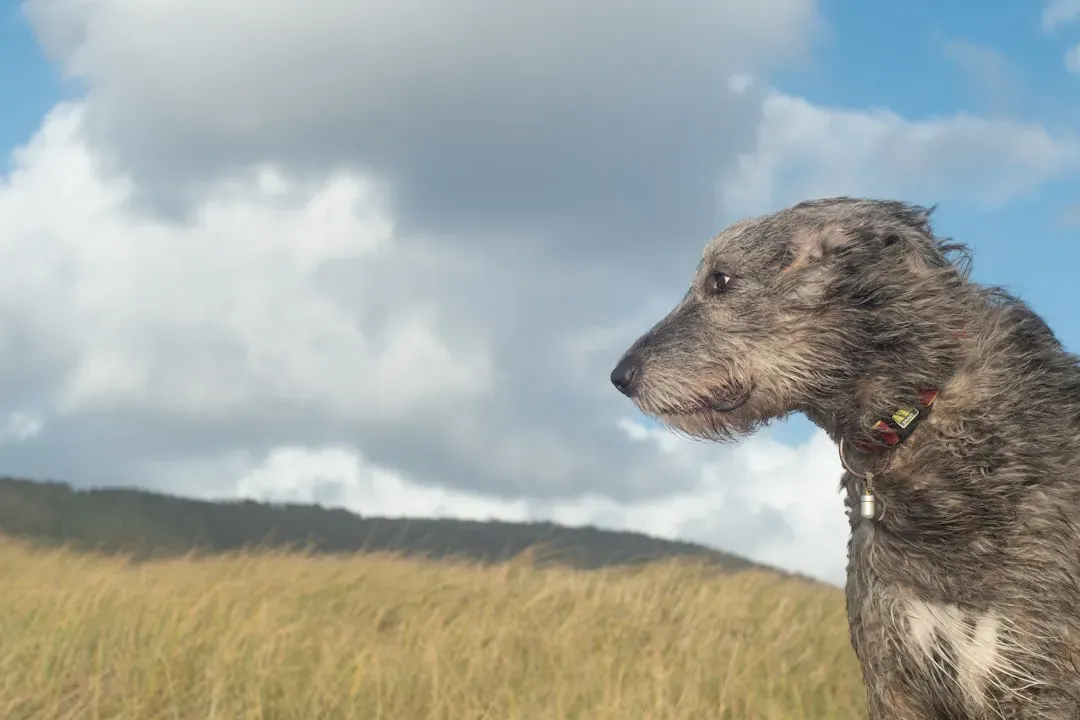
Storm anxiety can develop in dogs between ages two and four, and as your dog grows older, storm anxiety can evolve into hiding, whining, scratching, slobbering or sheer panic. The good news? You don’t have to just accept it as unchangeable.
To avoid severe reactions to storms, animal behaviorists recommend using a combination of behavior modification and fear desensitization before storm season even begins. Download thunderstorm sounds and practice by playing them quietly to your dog, giving the dog treats or play a fun game with him while the sound is on, and gradually, over weeks, increase the volume to help your dog relate the sound of thunderstorms with happy times.
Products can help too. Veterinarians may recommend a vest, shirt or wrap that applies light, constant compression, which can help alleviate anxiety similar to calming a baby with swaddling. Think of it as a comforting hug that lasts throughout the storm. For severe cases, talking to your vet about medications or supplements might be necessary.
Your dog isn’t being dramatic when they sense a storm coming. They’re experiencing real physical sensations and changes that their incredible senses pick up on long before you notice dark clouds gathering. Understanding this helps us become better companions to them. Next time your dog starts acting restless on a seemingly clear day, check the weather forecast. Chances are, they’re right about what’s heading your way. Did you know your dog had such incredible weather-predicting abilities? What unusual behaviors have you noticed in your pup before storms roll in?


