
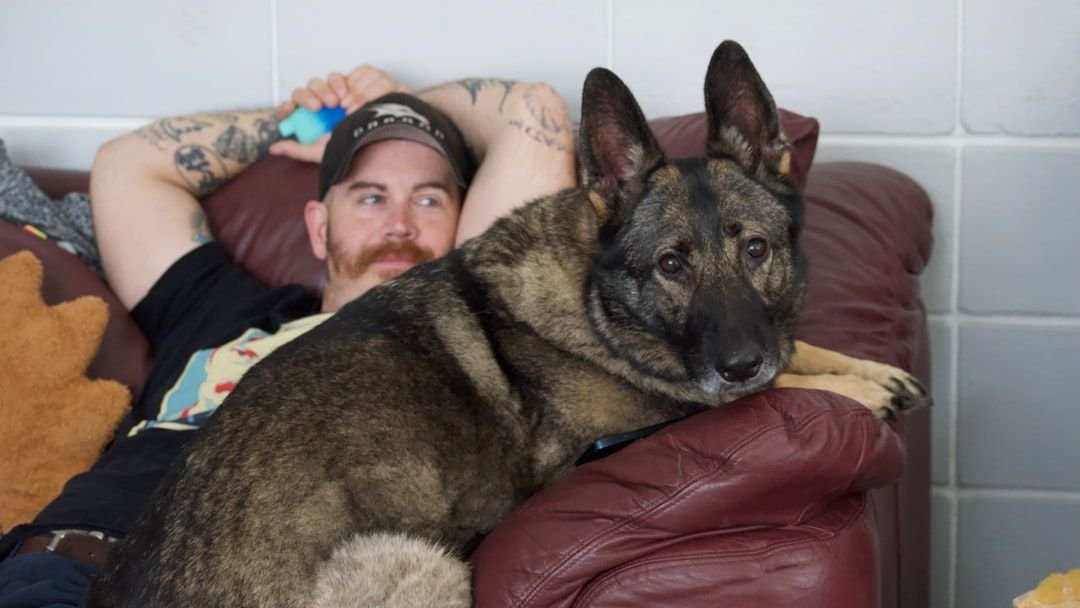
Picture this: You settle onto your couch after a long day, and within seconds, a hundred pounds of fur, warmth, and unconditional love tries to wedge itself onto your lap. Your legs may go numb and breathing becomes slightly difficult, but honestly? It’s one of the best feelings in the world. There’s something profoundly special about large dogs who remain blissfully unaware of their size and insist on being the world’s biggest lap dogs.
Great Danes, for example, are considered gentle giants and have been known to favor children, and it may be perfectly normal for a large dog to try to sit on a tiny lap as a way to bond with and protect their playmate. Whether it’s a Mastiff thinking your armchair was designed just for them or a Bernese Mountain Dog convinced they’re still a puppy, big dogs bring warmth in more ways than one. Let’s dive into why these magnificent creatures make such devoted lap warmers and what drives their endearing cuddly behavior.
They Still Think They’re Puppies
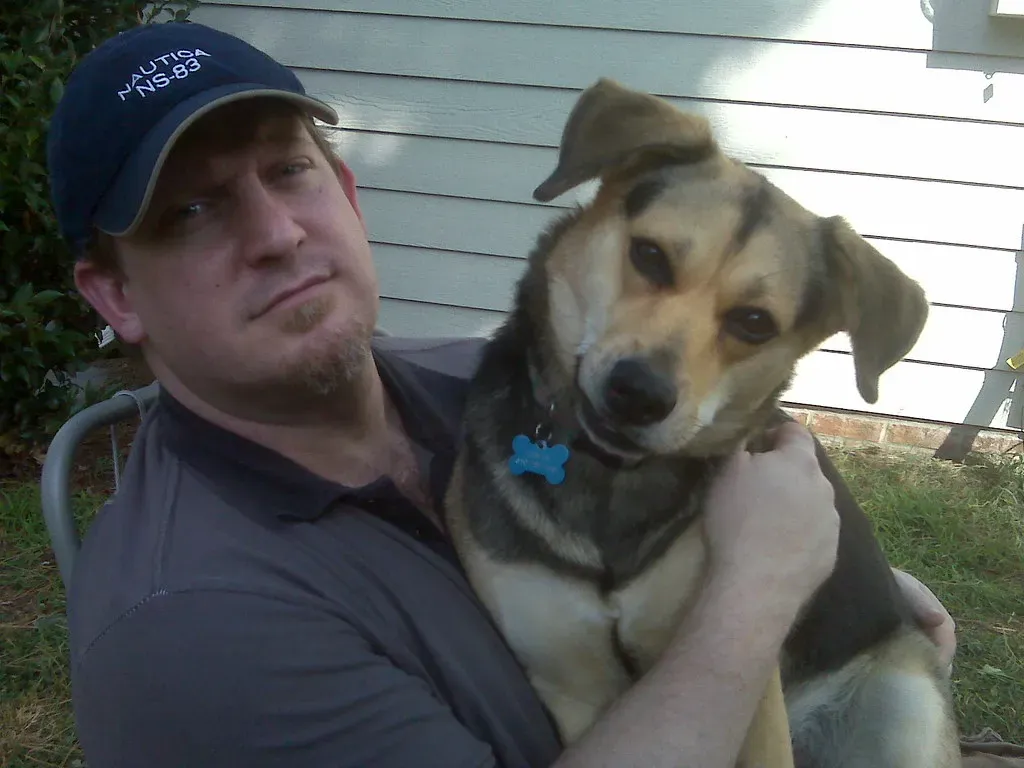
Here’s the thing about big dogs: they genuinely don’t seem to realize they’ve outgrown your lap. Many big dogs genuinely don’t seem to realize their own size, still seeing themselves as the small, cuddly puppies they once were, and they expect to be able to fit on your lap just as easily, not trying to be a burden but simply acting on their desire for closeness. This phenomenon is both hilarious and heartwarming.
This behavior often stems from their puppyhood, as puppies would climb all over their littermates and mother seeking comfort and warmth, and even when they’ve grown into a massive size, that instinct to be close to their loved ones remains strong. Think of it like muscle memory, except instead of muscles, it’s pure affection. When your Newfoundland was eight weeks old and could curl up perfectly in your lap, that’s where they felt safest and most loved. Fast forward two years and a hundred pounds later, and that instinct hasn’t changed one bit.
It’s honestly one of the most charming contradictions in the dog world. These imposing creatures with deep barks and protective instincts turn into gentle giants the moment they see an open lap. Your discomfort is a small price to pay for that level of trust and devotion.
The Science Behind the Snuggle
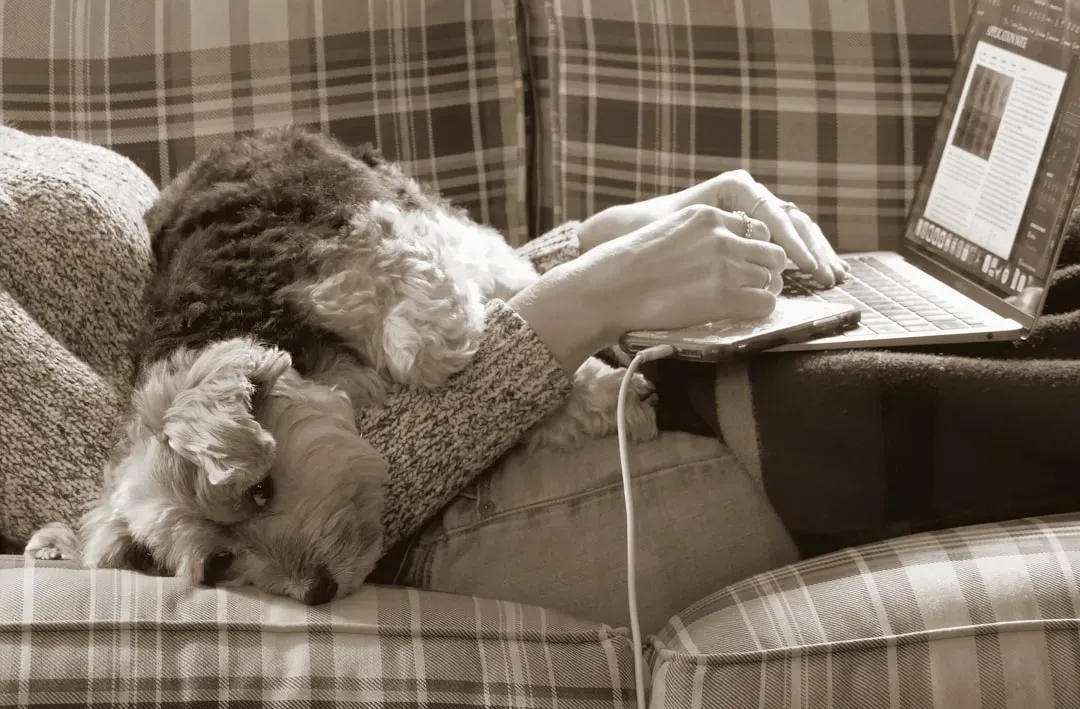
When your dog sits on your lap, they are expressing their need for warmth, affection, and attention, and this behavior is deeply ingrained in their pack mentality, where staying close to family members ensures safety and security. Dogs are hardwired to seek proximity to their pack, and guess what? You’re their pack now.
For your dog, you represent safety in an unpredictable world, providing food, shelter, exercise, and protection, essentially being their safe harbor, and during uncertain or stressful times such as thunderstorms, fireworks, or when strangers visit, your dog may sit on you to feel protected, or even without obvious stressors, simply because experience has taught them that being close to you means safety. This association between your presence and security demonstrates the depth of trust your dog places in you.
A dog’s relationship with humans is related to attachment, not flawed theories of hierarchy or domination, and that need for social connection drives much of dog behavior, from the desire to follow their caretakers around the house to wanting to sit on their feet or lap. So when your Great Pyrenees parks themselves on your chest, they’re basically saying, “You’re my person, and this is where I belong.”
Body Heat and Biological Comfort
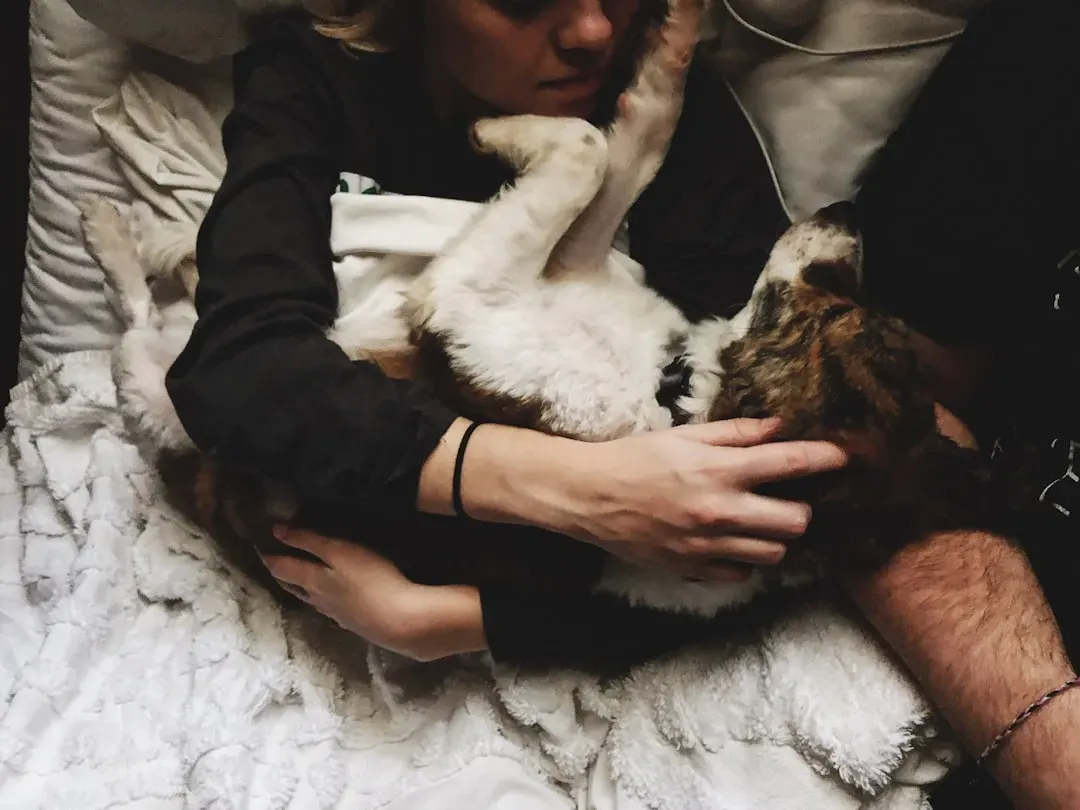
Let’s talk about something we don’t always consider: temperature regulation. During colder months, you might notice an increase in your dog’s sitting behavior as they seek warmth against you, and breeds sensitive to cold such as Greyhounds and Chihuahuas are especially likely to use their owners as heating elements, but beyond temperature, your lap offers natural cushioning with the added benefits of body heat and the reassuring rhythm of your heartbeat.
Even the fluffiest giant breeds appreciate the warmth and comfort that comes from physical contact with their humans. It’s not just about staying warm though. It is natural for dogs who are very social pack animals to curl up and lay down together to keep each other warm and safe, being more protected from the elements as well as potential prey animals, and dogs’ bodies put out a lot of heat, having layers of dogs on top of you can be as good as several thick blankets, keeping each other warm as well as you.
The rhythmic sound of your heartbeat and breathing acts like a living comfort blanket. To your dog, there’s simply no better spot than pressed up against you, feeling your warmth and hearing the steady beat that signals everything is okay. Their size just means they provide even more warmth back to you.
Affection Without Apology
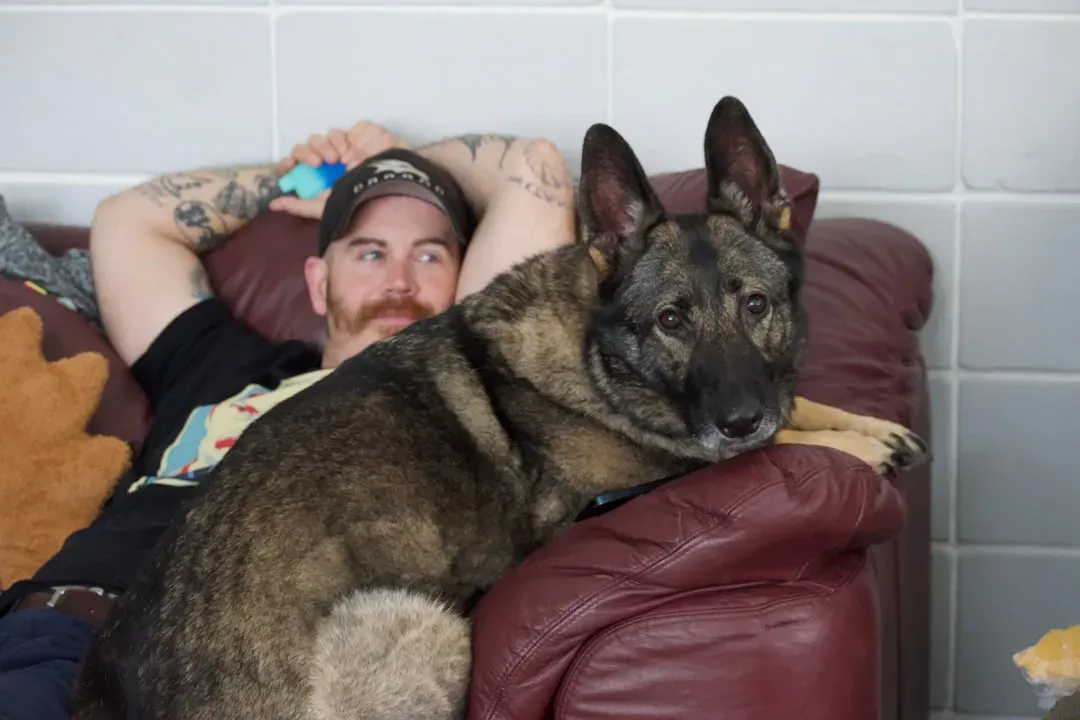
When a big dog sits on your lap, it’s a clear sign of love and affection, and for them, being close to you is a way to show they care and feel safe. Unlike smaller breeds who might be content sitting beside you, many large dogs want maximum contact. They’re not subtle about their affection.
Larger dogs like Labrador, Irish Setters, Mastiffs, and Golden Retrievers are also affectionate breeds that will try to sit on you, and even Great Danes love to cuddle. Great Danes, despite their massive stature, notoriously think they’re lap dogs, and Golden Retrievers, Labs, and other affectionate large breeds also commonly sit on their owners regardless of space constraints. These gentle giants have enormous hearts that match their body size.
With their commanding presence and gentle demeanors, these dogs become integral members of the family offering protection, companionship, and unconditional love. The beauty of big dogs is that their affection is impossible to ignore. When a Mastiff decides it’s cuddle time, cuddle time happens. You might lose circulation in your legs, sure, but you gain something infinitely more valuable: the complete and total devotion of a creature who thinks you hung the moon.
Breed Temperament and Cuddly Tendencies
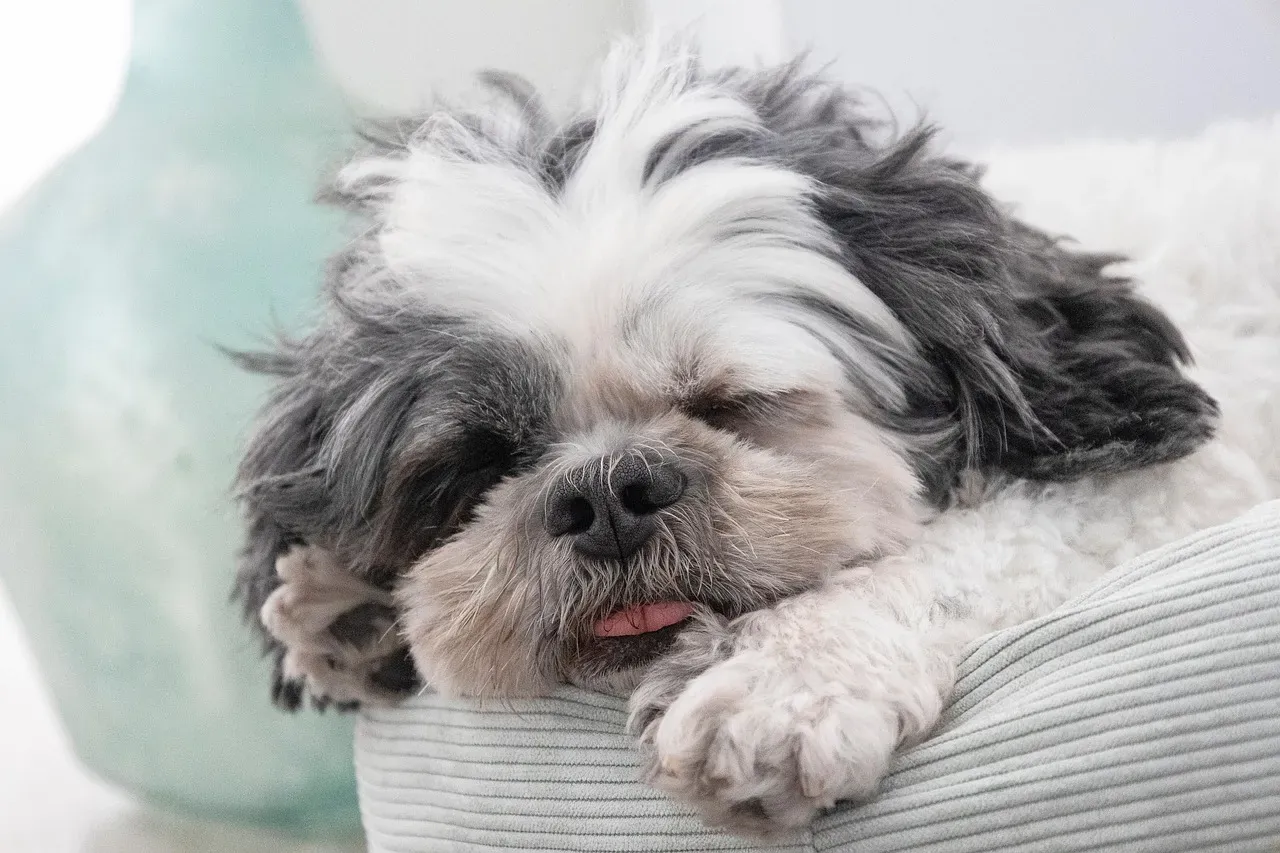
Despite their imposing appearance, many large breed dogs are known for their calm, composed demeanor which often contrasts with their size, making them excellent family dogs capable of guardianship yet gentle enough to be trusted around children. Different giant breeds have their own quirks when it comes to lap sitting behavior.
Despite their stature, many of these massive dogs think of themselves as lap pets, eager to cuddle and stay close to their people. They form incredibly close emotional bonds, thriving on companionship and affection, and the Bernese is happiest when surrounded by people – children, adults, and even other pets, making every home feel warmer and every family moment richer. Certain breeds like Newfoundlands and Saint Bernards have particularly strong cuddling instincts, likely because of their working heritage that required close bonds with humans.
The associations of breed and age of the dog with personality traits were more extensive than environmental factors, and breed and age had the strongest associations with dog personality traits. However, it’s hard to say for sure, but individual personality always plays a role. Some breeds were literally developed to be close companions, while others simply decided lap sitting was their new favorite hobby regardless of their original purpose.
The Emotional Benefits for Both of You
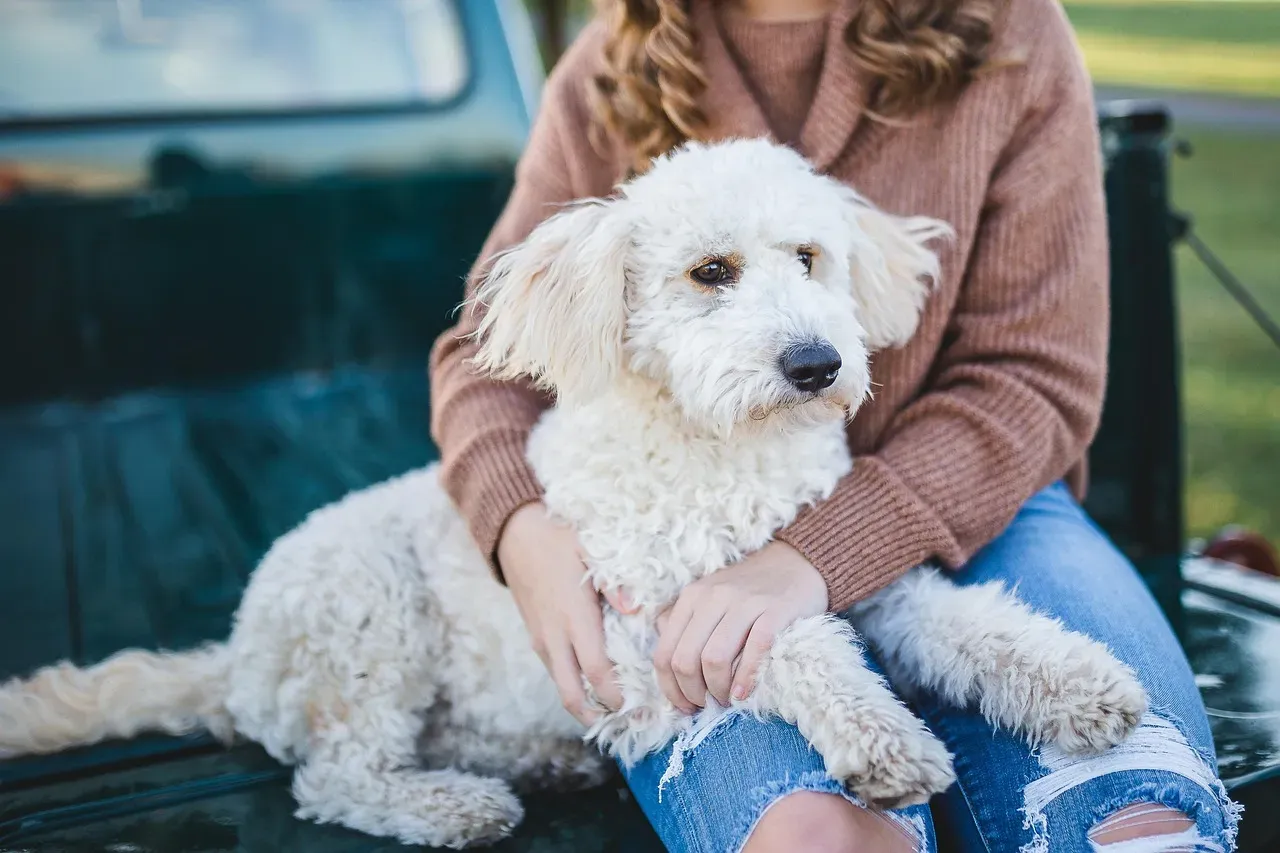
They ease loneliness, reduce mental stress, and even contribute to physical well-being by helping lower blood pressure and heart rates according to the Therapy Dogs, and beyond health, dogs bring joy to daily life. When your giant breed settles onto your lap, it’s not just physical comfort happening – there’s genuine emotional healing taking place for both of you.
After a long day at work or a stressful event, many dog parents enjoy the comfort of having a dog in their lap or in their arms, and dogs and humans can spend quality time bonding when they’re sharing space on the sofa, so rather than encourage your dog to lay next to you or on the floor, embrace the cuddle and enjoy your time together. These moments of connection matter deeply.
Think about it: when was the last time anything made you feel as wanted and loved as when your dog climbed onto you with their full weight, sighed contentedly, and fell asleep? These dogs give us something we desperately need in our hectic lives – they force us to slow down, be present, and simply exist in the moment. Your Saint Bernard doesn’t care about your work stress or your to-do list. They just want to be close to you, right now. That’s a gift.
Living Large with a Lap Warmer
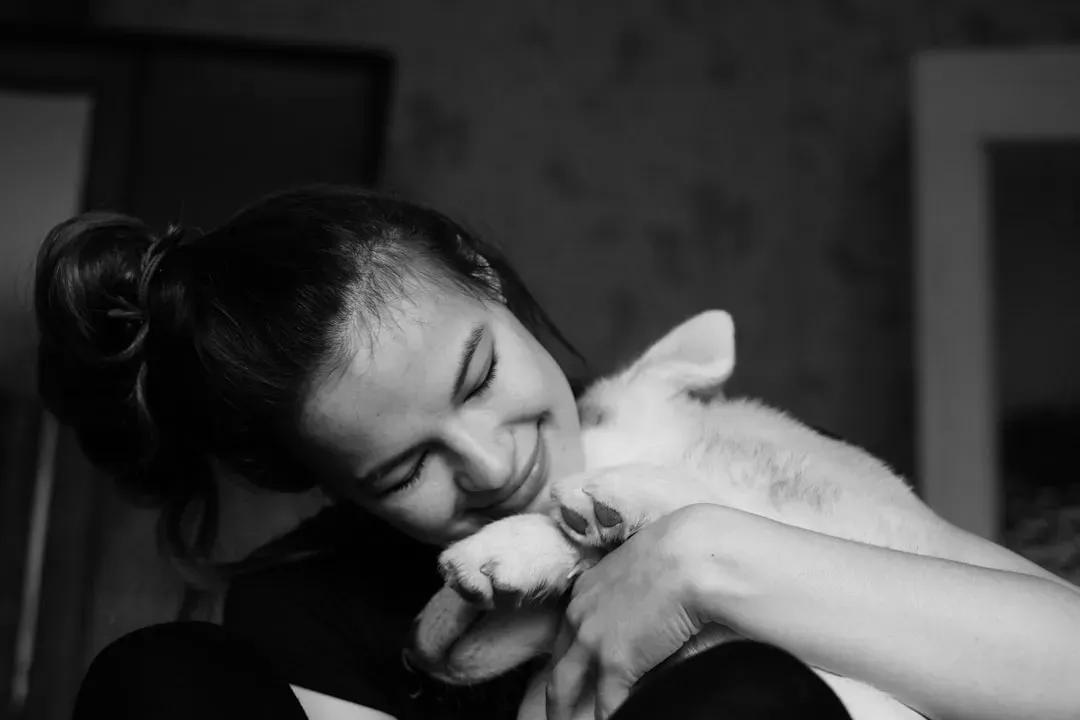
Yes, owning a large dog who thinks they’re a lap dog comes with challenges. You’ll need a sturdy couch, patience when they step on your feet, and the willingness to share your personal space constantly. Owning a giant breed does come with unique responsibilities, as their size often means higher costs for food, healthcare, and living space along with a shorter average lifespan of around 6 to 10 years, yet their loving nature, devotion, and protective instincts outweigh these considerations for those who value connection and companionship, and with the right care these dogs flourish in homes that embrace their gentle yet commanding presence.
You might need to set some boundaries, especially with guests who aren’t expecting a Great Dane to treat them like a personal heating pad. Training helps, particularly teaching your dog to wait for an invitation before launching themselves onto furniture or laps. Still, many of us secretly love being chosen as the preferred resting spot, even if we pretend to complain about numb legs.
Space considerations matter too. Your Leonberger needs room to stretch out when they’re not compressing themselves into your lap. Regular exercise ensures they’re calm and content during cuddle time rather than restless and fidgety. Joint health becomes important as well, since repeatedly jumping on and off furniture can be hard on their bodies as they age.
The truth is, these challenges pale in comparison to the rewards. Sure, you might need a bigger vehicle, a reinforced couch, and double the cleaning supplies. Yet what you get in return – a loyal companion who sees you as their entire world and demonstrates it by literally sitting on you – is priceless. No matter the reason, a large dog on your lap is a testament to the special bond you share, so the next time your gentle giant tries to become a lap dog, take a moment to appreciate the love, trust, and security they feel with you, as it may not be the most comfortable experience but it’s one of the most heartwarming.
When your hundred-pound lap warmer finally settles in for the evening, trapping you on the couch with their sheer bulk and refusing to acknowledge basic physics, remember this: you’ve been chosen. Out of everywhere in the house, your lap is their favorite spot. That’s not just cute – it’s a profound demonstration of trust, love, and the beautiful bond between humans and their gentle giants. So what do you think? Ready to surrender your personal space to a furry mountain of affection? Because honestly, once you experience the warmth of a big dog who thinks they’re a lapdog, you’ll wonder how you ever lived without it.


