
You know that moment when you’re enjoying a peaceful afternoon, maybe reading a book or sipping your coffee, and suddenly an earsplitting yap shatters the silence? If you’ve ever lived with or near certain small dog breeds, you’re probably nodding your head right now. Small dogs have enormous personalities packed into pint-sized bodies, and sometimes that personality comes with a voice that just won’t quit.
Let’s be real here. Not all small dogs are relentless barkers, and honestly, barking is how our canine friends communicate with us. They’re trying to tell us something important, whether it’s about a perceived threat, their need for attention, or just plain excitement. The challenge is that some breeds were literally designed to be vocal, bred for centuries to alert their owners to danger or to help with hunting. That instinct doesn’t just disappear because they’re now living in apartments instead of farms.
So what makes these little guys so chatty? Well, it’s complicated. Part of it is genetics and breeding history. Part of it is their size, believe it or not. When you’re only a few pounds and the world around you is filled with giants, barking becomes your superpower. It’s how you make yourself heard and respected. What’s fascinating is that many small dog owners unintentionally reinforce this behavior by coddling their tiny companions or failing to provide consistent training. After all, it’s easier to pick up a seven pound dog than to correct their behavior, right? So let’s dive in and meet the pint sized pups whose vocal cords work overtime.
Chihuahua
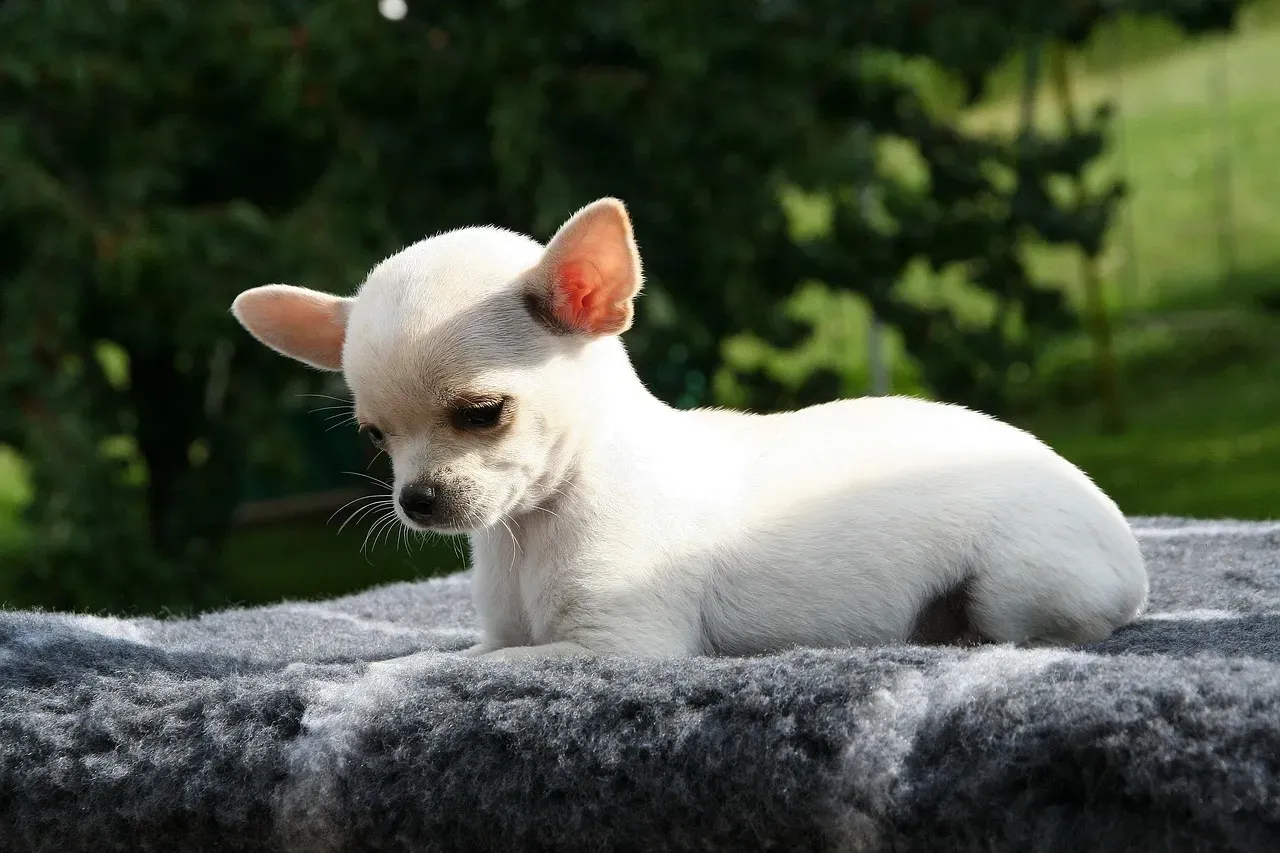
These tiny dogs may be small in size, but they are incredibly territorial, and when they perceive something or someone as a threat, the incessant barking begins. I’ve watched Chihuahuas take on German Shepherds without a second thought, all bark and bravado.
Chihuahuas are known for being needy dogs that thrive on the companionship of their owners, and some would prefer to be only dogs. Their Napoleon complex is real. They seem genuinely convinced they’re much larger than they actually are, and that confidence translates into a lot of noise. Though one of the smallest breeds at around seven pounds, they seem to think they are much bigger, and their natural belligerence toward other dogs and possessiveness over their home can lead them to be excessively noisy.
Honestly, their barking often stems from anxiety and the need to protect their person. If you’re considering a Chihuahua, be prepared to invest time in socialization and training from day one.
Yorkshire Terrier
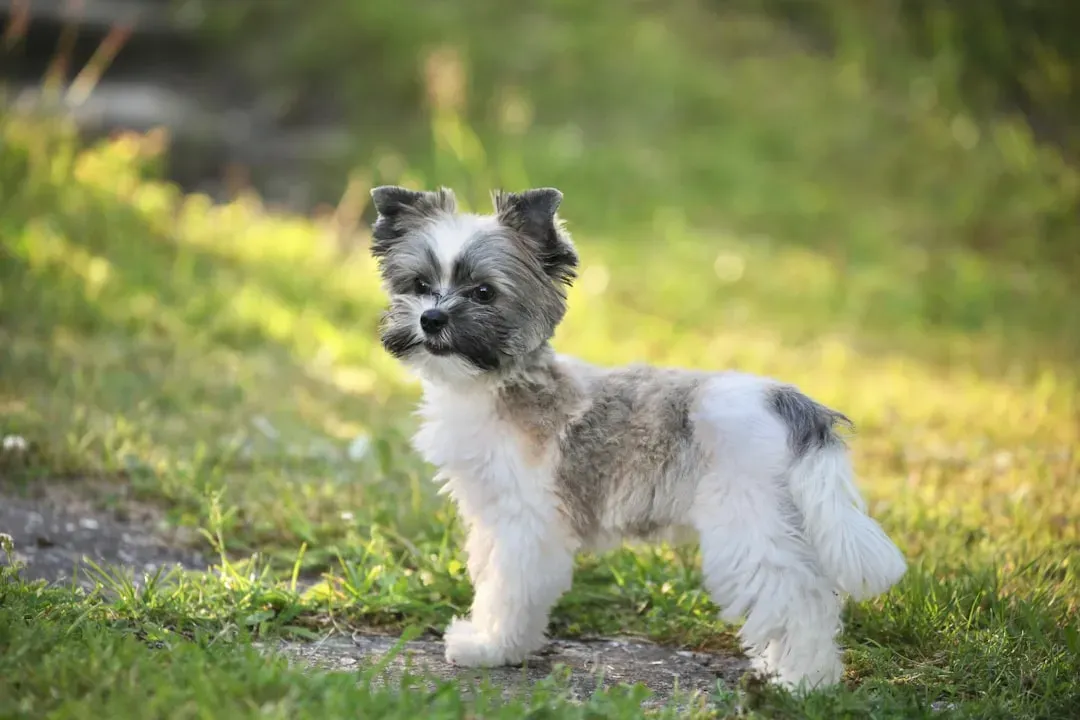
The Yorkshire Terrier, or Yorkie, is famous for its silky coat and feisty personality, originally bred in nineteenth century England to hunt rats in textile mills. That hunting background is key to understanding why these little furballs are so vocal.
The diminutive Yorkie seems to enter the world barking, and like the Chihuahua, has an overestimated opinion of himself and will bark whenever anything enters his realm. They’ll alert you to everything from the doorbell to a leaf blowing past the window. Their ancestors had to be alert and communicative, traits that have been passed down to modern Yorkies.
The good news is that Yorkies are smart and trainable. With patience and consistency, you can teach them the quiet command and help them understand which situations actually require an alarm. Just don’t expect them to ever be completely silent; it’s simply not in their nature.
Miniature Schnauzer
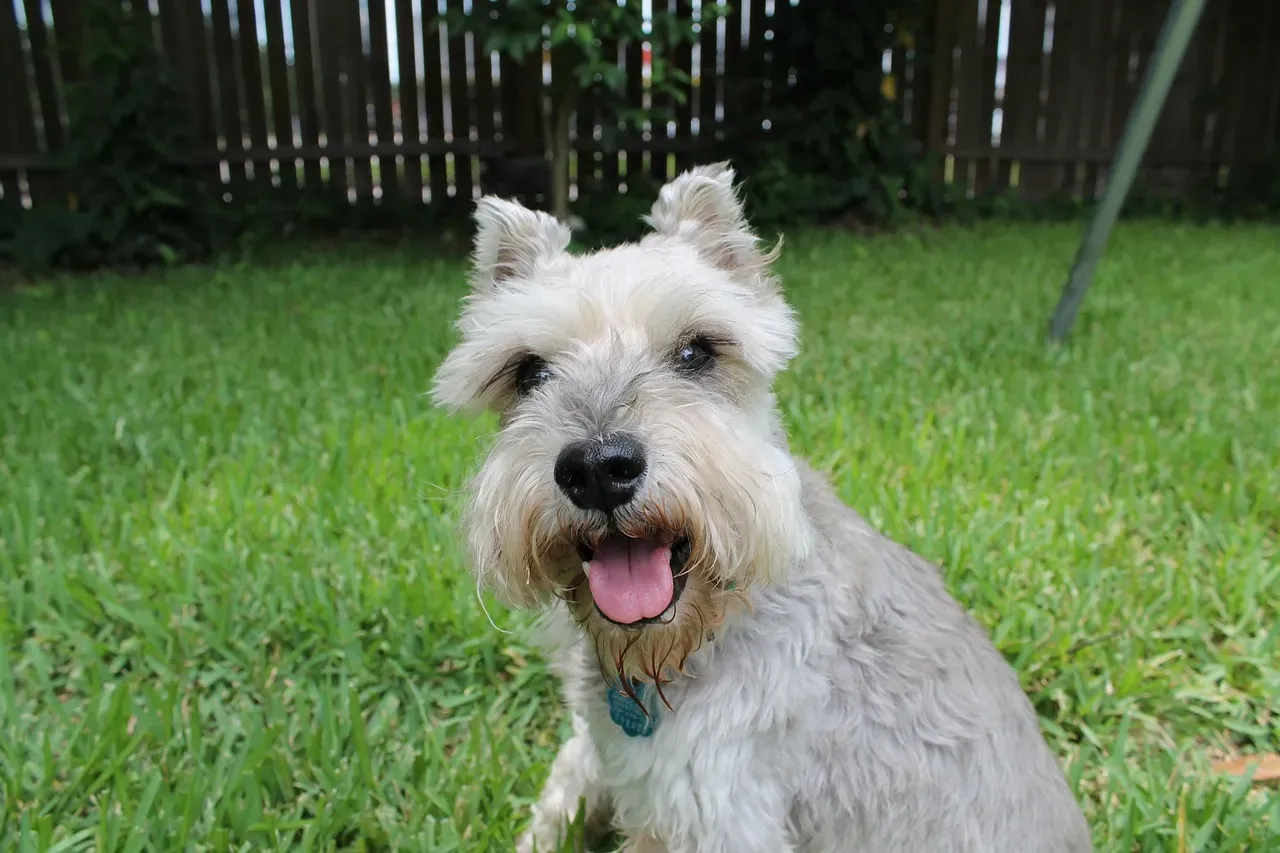
The Miniature Schnauzer is a small, robust dog breed that originated in Germany in the late nineteenth century. With that distinctive walrus mustache and bushy eyebrows, they look absolutely adorable. The problem is they know it, and they’re not shy about making their presence known.
Their history as rat hunters in German farms has ingrained a strong prey drive and vigilant attitude, as barking was essential to their role in alerting owners to rodents or other pests. That instinct persists today, making them excellent watchdogs but also potential excessive barkers if not properly managed. They’re incredibly alert and will vocalize at the slightest disturbance.
What I find interesting about Schnauzers is that they’re also highly intelligent, which means training can be effective. They respond well to positive reinforcement and benefit greatly from mental stimulation through puzzle toys and training exercises. A bored Schnauzer is a barky Schnauzer.
Pomeranian
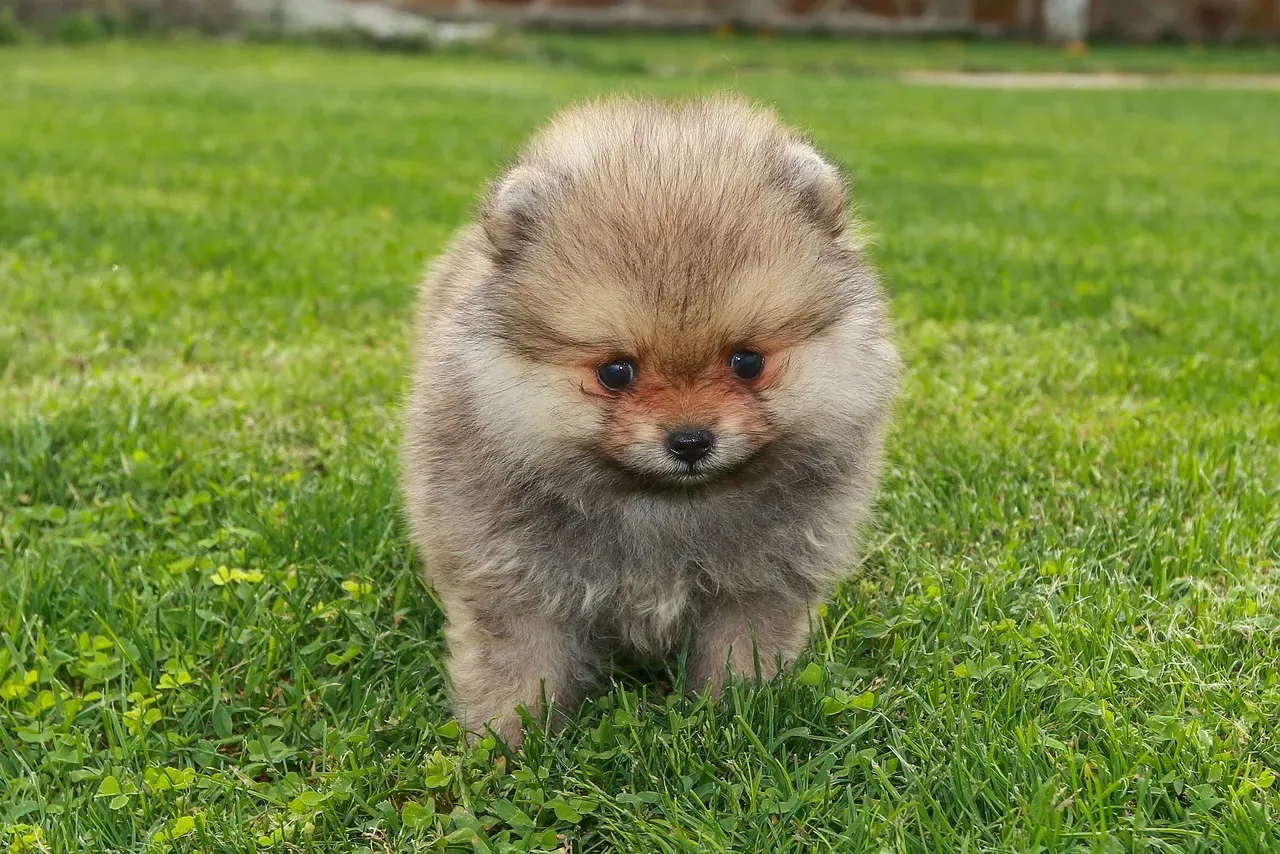
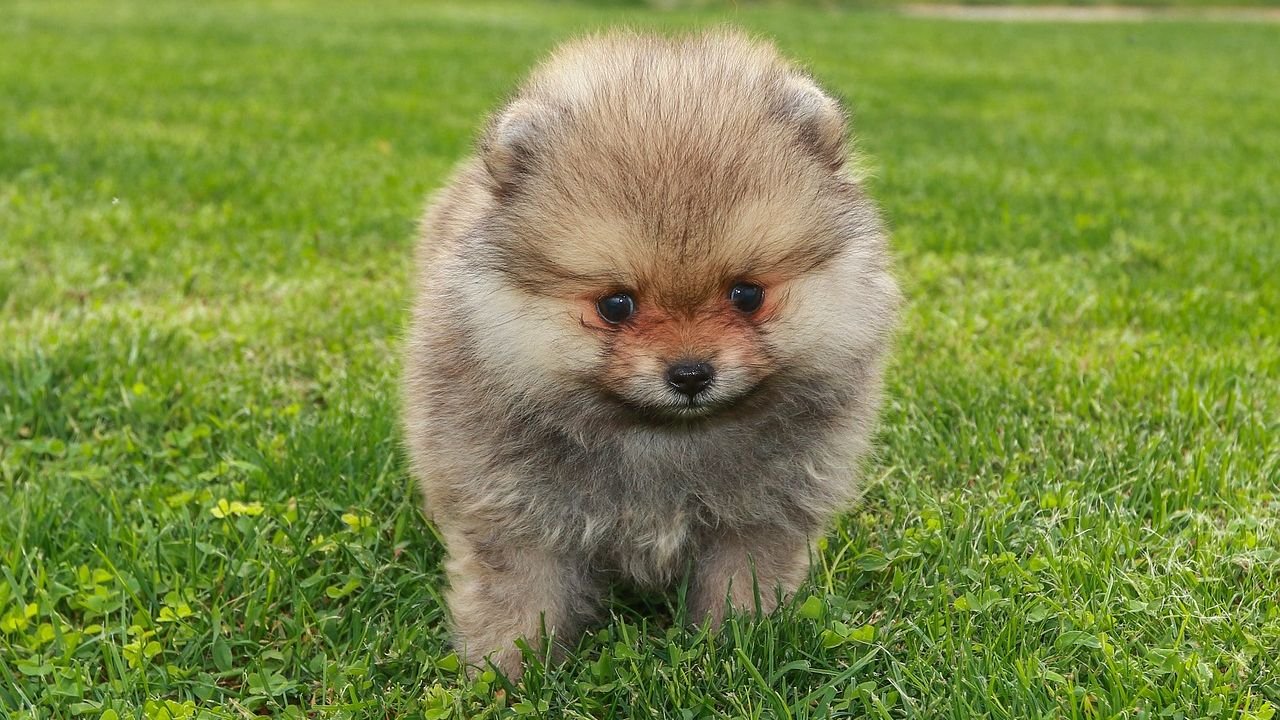
The Pomeranian is known to be a yappy dog, and although they are small, their barks are loud and sharp, making them excellent watchdogs who don’t know when to stop. These fluffy little clouds are descended from larger sled pulling dogs, which is wild when you think about it.
Their bark is surprisingly loud for such a tiny package. They take their self appointed guard dog duties very seriously, and they’re quick to sound the alarm about anything and everything. Strangers at the door? Bark. Squirrel in the yard? Bark. The wind rustling the curtains? You guessed it, more barking.
The key with Pomeranians is early socialization and consistent boundaries. They need to understand that you’re the one in charge of security, not them. Regular exercise also helps burn off some of that excess energy that might otherwise come out as vocal frustration.
Maltese

The Maltese is a small, elegant breed prized for its luxurious white coat and gentle nature, yet despite their aristocratic bearing, they are quite spirited and can be very vocal, especially when alerting their owners to strangers or unusual noises. They’re sweethearts, don’t get me wrong, but they’ve got opinions and they’re not afraid to share them.
The Maltese is equally territorial, and its excessive barking happens when its territorial behavior is triggered by stimuli like the doorbell or even just family talking to each other. It’s almost comical how sensitive they can be to household sounds. I know someone whose Maltese barks every single time the refrigerator makes ice.
This jaunty little dog will greet everyone with a happy bark and wagging tail, being highly alert and wanting to let every intruder know they’ll have to deal with him, which often means barking in the middle of the night. Training the quiet command is essential for this breed, as is teaching them which sounds are normal and which actually require their attention.
Dachshund

Dachshunds have loud, deep barks for a dog their size, and they do like to bark. Those long bodies and short legs might look comical, but there’s nothing funny about the volume these dogs can produce. It’s honestly impressive how such a low rider can generate such a big sound.
Dachshunds have lots of personality and can be challenging for novice owners because they are very set in their ways and a little bossy, with their obnoxiousness going hand in hand with their barking. They were bred to hunt badgers, which required courage and tenacity, and that stubborn streak is still very much present in the breed today.
Their barking serves multiple purposes: alerting you to visitors, expressing boredom, demanding attention, or just because they feel like it. They’re independent thinkers who need patient, consistent training and plenty of mental stimulation to keep them from becoming neighborhood nuisances.
Cairn Terrier
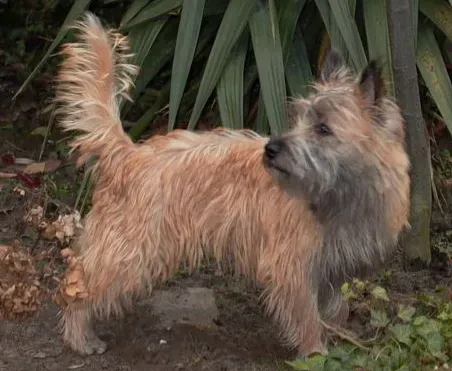
The Cairn Terrier is very inquisitive and great with children and people, but they bark a lot because it is their natural instinct to sound the alarm, though they’re very adaptable and trainable. These scrappy little terriers hail from the Scottish Highlands, where they were bred to hunt among rock piles.
The Cairn is a Terrier through and through and it’s impossible to stop them doing what they do best: chasing, digging and barking. That’s just who they are at their core. They’re not being difficult; they’re being true to their breed heritage. Honestly, if you’re looking for a silent lap dog, a Cairn Terrier is probably not your best choice.
That said, their intelligence and adaptability mean they can learn to moderate their barking with proper training. They need jobs to do, puzzles to solve, and plenty of exercise to channel that terrier energy productively.
Miniature Pinscher

Their history as rat hunters has ingrained a strong prey drive and vigilant attitude, as barking was an essential part of their role, alerting their owners to the presence of rodents or other pests. Min Pins are like tiny guard dogs with massive egos and the energy levels of dogs three times their size.
Training a Miniature Pinscher requires consistency, patience, and positive reinforcement, with early socialization being crucial to help them distinguish between real threats and normal occurrences, thereby reducing unnecessary barking. They’re perpetually on high alert, convinced that every sound, movement, and shadow requires investigation and vocal commentary.
What makes Min Pins particularly challenging is their independence and stubbornness. They’re smart enough to know what you want but sometimes choose to do their own thing anyway. Providing ample physical and mental stimulation through activities like agility training and puzzle toys can help channel their energy constructively rather than into constant barking.
Conclusion
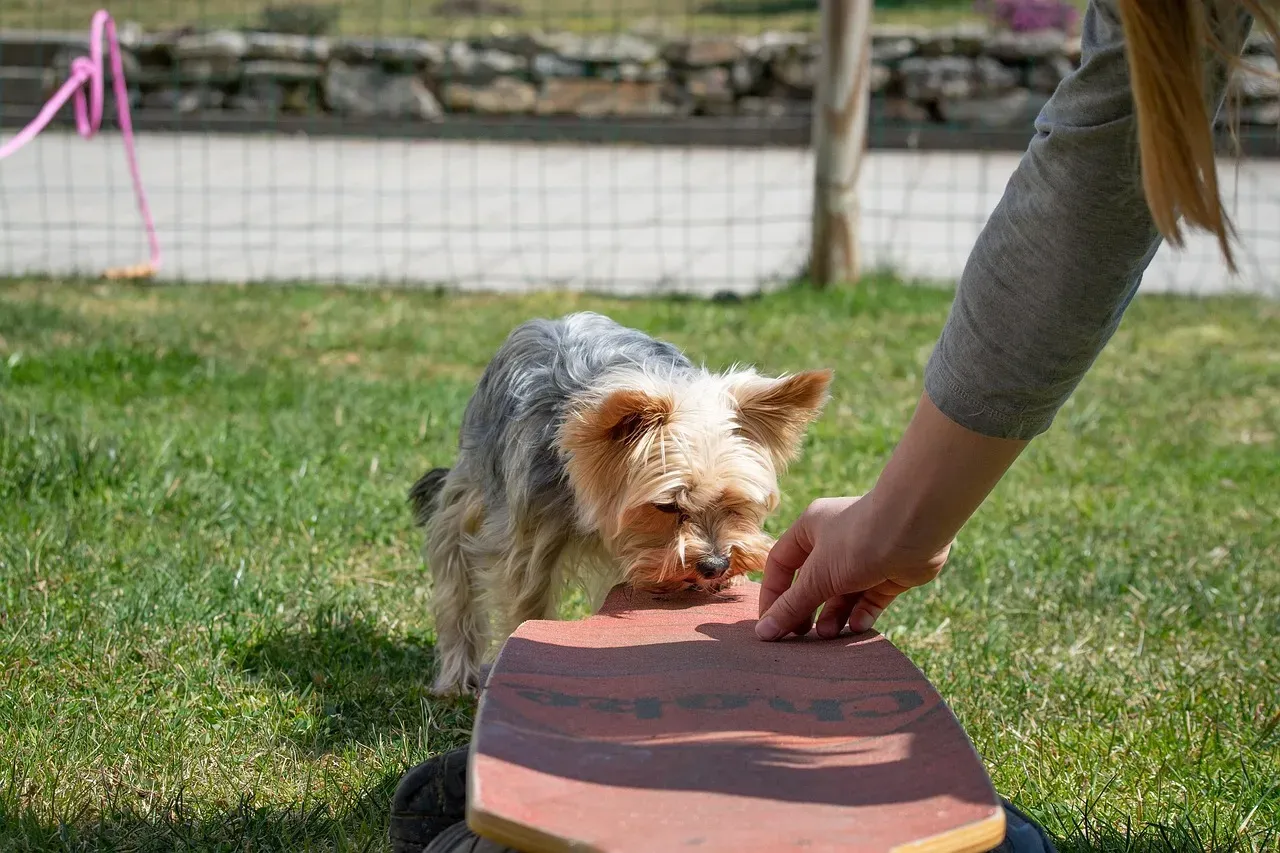
Living with a vocal small dog breed doesn’t have to be a nightmare. While small dogs may be naturally inclined to bark more frequently, understanding the underlying causes and implementing appropriate training techniques can help manage this behavior effectively, with patience, consistency, and positive reinforcement being key to success.
Remember that barking is communication, not misbehavior. These breeds were often developed specifically to be alert and vocal, so we can’t fault them for doing exactly what they were bred to do. What we can do is provide proper training, adequate exercise, mental stimulation, and consistent boundaries to help them become better canine citizens.
The truth is, every single breed on this list can make an absolutely wonderful companion with the right owner and training approach. Their barking tendencies shouldn’t automatically disqualify them from being in your life. They just require a bit more patience and dedication than quieter breeds. So what do you think? Are you brave enough to take on one of these chatty little characters? Tell us in the comments which breed has tested your patience the most or stolen your heart despite the noise.


