
Picture this. You’re busy scrolling through your phone after a long day, and your dog is lying in the corner, staring at nothing in particular. Maybe they’re just tired, right? Here’s the thing though. Sometimes what looks like normal dog behavior is actually your pup sending you a message. They might be bored, understimulated, or quietly craving more playtime and connection.
Let’s be real, dogs are experts at hiding their needs behind wagging tails and happy faces. That’s why it’s easy to miss the subtle signs that your furry friend isn’t getting enough mental or physical exercise. Recognizing these clues early can prevent bigger problems down the road and strengthen that incredible bond you share. So let’s dive in.
Destructive Behavior That Seems to Come Out of Nowhere
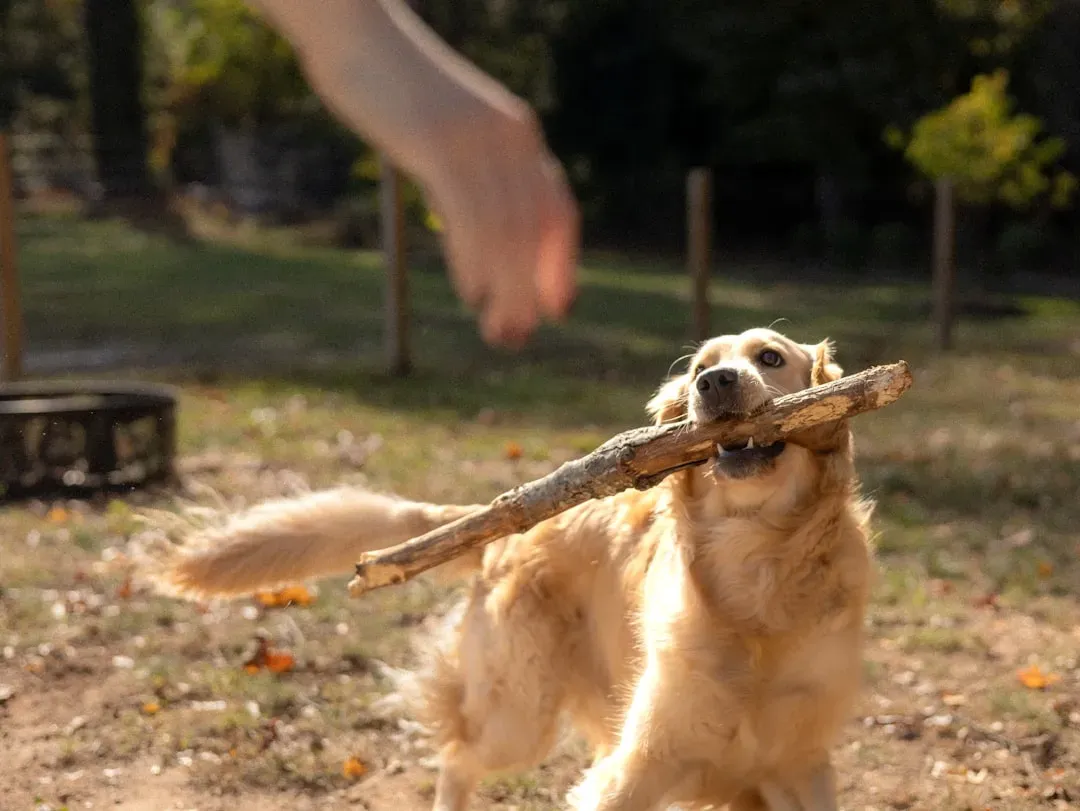
You come home to find your favorite shoes shredded, or the couch cushion has mysteriously exploded. Destructive behavior is commonly a result of not getting enough exercise, as many dogs become bored and frustrated if they don’t get enough outdoor exercise and mental stimulation. Medical problems, separation anxiety, attention seeking, fear, and boredom are the most common reasons for destructive dog behavior, which usually arise from a lack of exercise, mental stimulation, or training.
Think of it this way. Your dog has all this pent-up energy with nowhere to go, so they redirect it into chewing, digging, or scratching. If your dog is starting to chew things around the house, scratch or dig at doors, or raid the kitchen or trash can, letting your pup release that pent-up energy with a brisk run, long walk with lots of sniff breaks, or a good game of Frisbee at least once a day may be the only treatment needed. It’s not that your dog is being spiteful. They’re just trying to entertain themselves the only way they know how.
Weight Gain or a Rounder Belly You Can’t Explain
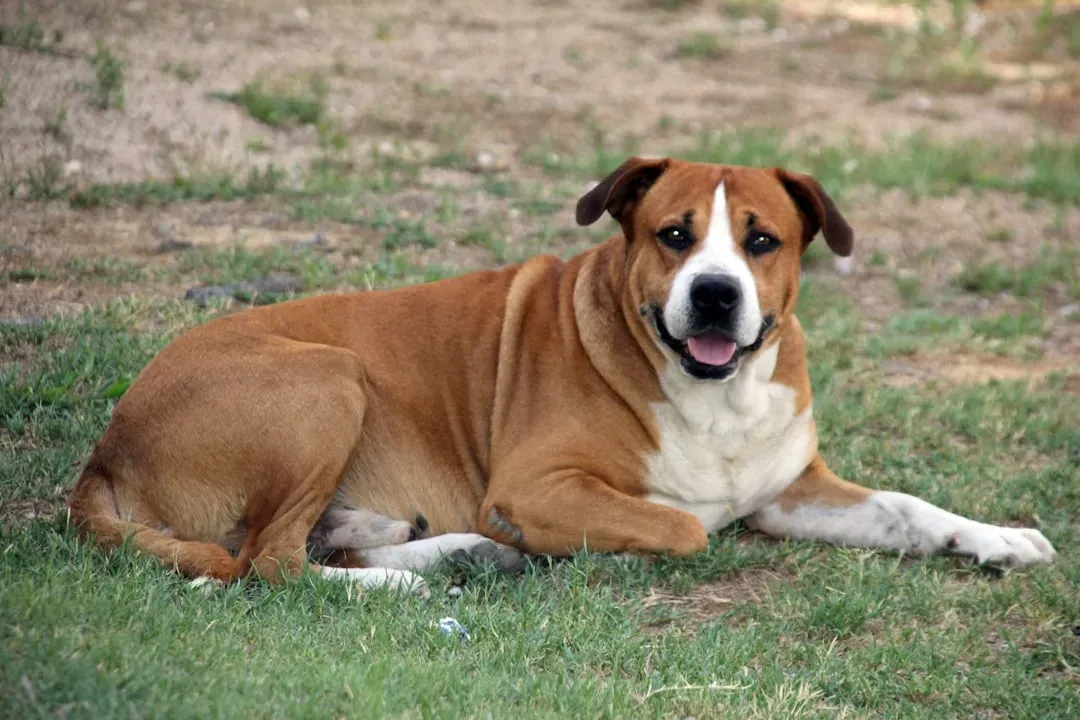
Have you noticed your dog looking a little…fuller lately? If your dog has been getting a bit plump lately, it may be an indication that more exercise is needed. Getting too little exercise is another common reason dogs gain weight, and the amount of exercise your pooch needs to thrive depends on its breed, age, and size.
Weight gain isn’t just about diet. Most dogs lose weight best through an approach involving diet and exercise combined, so chat with your vet about what diet tweaks you might want to consider while you are also increasing daily walks, play breaks, and general activity. If your dog’s ribs are getting harder to feel or their waistline is disappearing, it could be your first clue that playtime needs a serious boost.
Restless Whining or Excessive Barking Without Obvious Cause
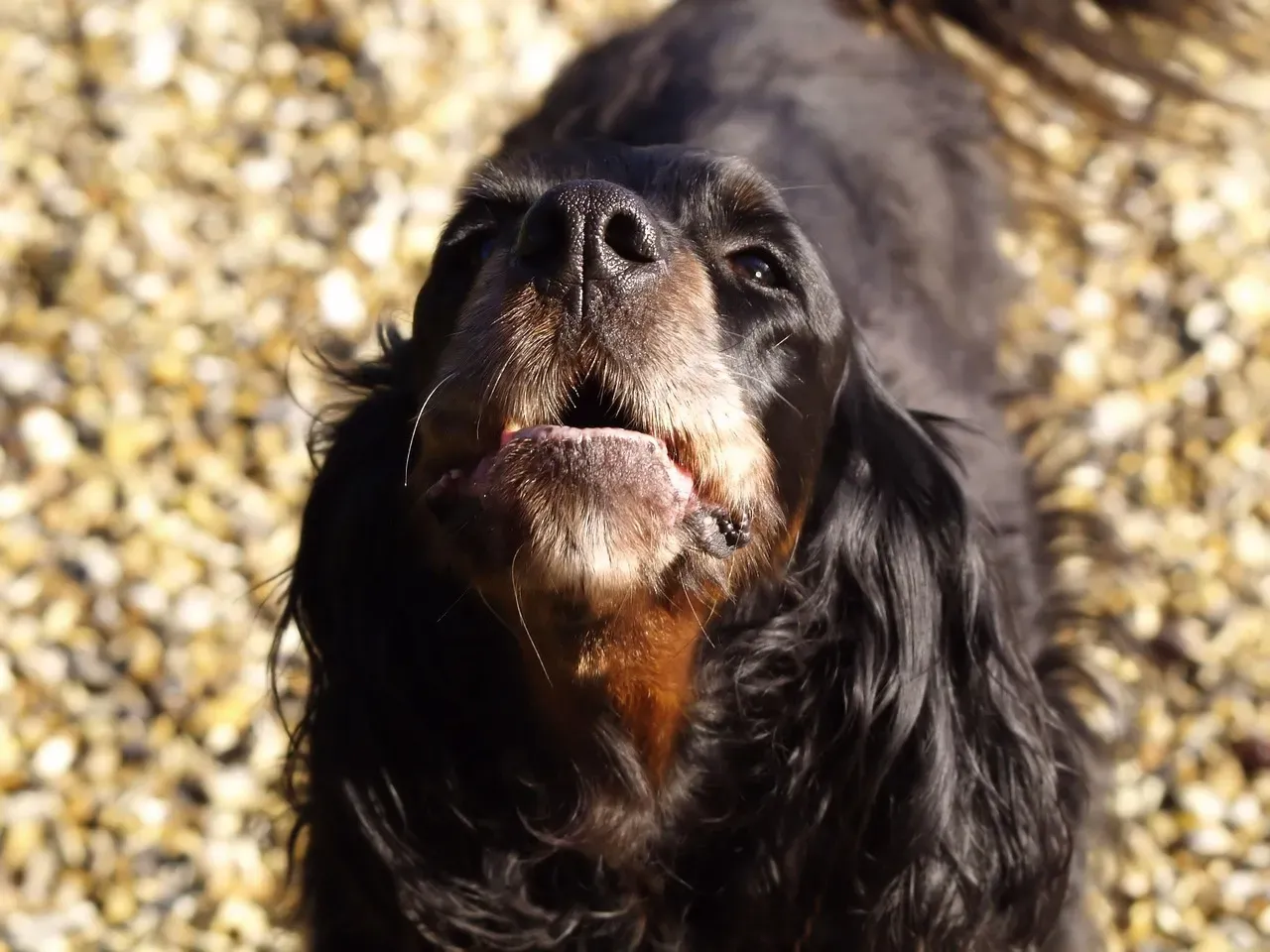
Is your dog constantly following you around, whining, or barking more than usual? Dogs that are restless and bark or whine a lot are the vocal versions of needing more exercise, as these dogs feel the need to be doing something and they know that what they want likely lies outdoors, and they want to be doing it with their people, so they are communicating in the best way they know.
Honestly, it can drive you up the wall. That persistent noise isn’t your dog trying to annoy you though. Regular outdoor play periods are often the cure to this behavior issue. Your pup is basically saying, “Hey, I’m here, I’m bored, and I need something to do.” Sometimes all it takes is a good game of fetch or a walk around the neighborhood to quiet that persistent plea for attention.
Withdrawn or Depressed Demeanor

This one’s tricky because it doesn’t scream for attention like barking or chewing. Some dogs will become very withdrawn and depressed when they are lacking in mental and physical stimulation, becoming more reluctant to engage with their human family and might need to get outside and moving to become more involved. Your normally playful pup might suddenly seem disinterested in things they used to love.
It’s hard to say for sure without ruling out illness, but lack of stimulation can genuinely affect your dog’s mood. However, this can also be a sign of illness, so consult your veterinarian if you are seeing this as a symptom. If your vet gives them a clean bill of health, chances are your dog just needs more engagement, excitement, and quality time with you to snap out of that funk.
Stiff Joints or Difficulty Moving Around
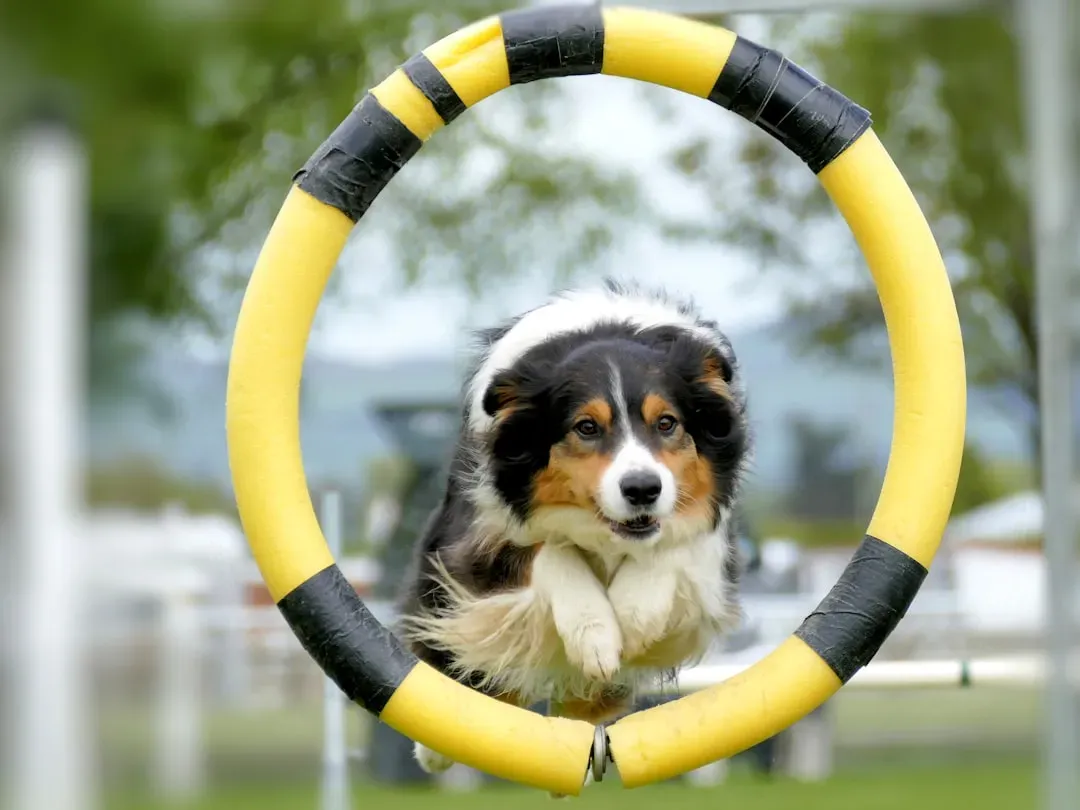
You might assume stiffness is just old age creeping in, but hear me out. Just like with people, a sedentary lifestyle, especially in older dogs, leads to muscle loss and stiff and painful joints, while daily exercise helps to maintain muscle tone as well as keep tendons and ligaments loose and ready for use. I know it sounds counterintuitive to exercise a stiff dog, but gentle movement can actually help.
If your dog is having trouble with stairs or jumping, touch base with your veterinarian to see if a health problem such as arthritis is involved, but even if it is, a daily exercise plan will go a very long way to keeping your dog more limber and able to get around. Low-impact activities like swimming or leisurely walks can work wonders for keeping joints healthy and your dog feeling young at heart.
Constant Attention-Seeking or Hyperactive Bursts
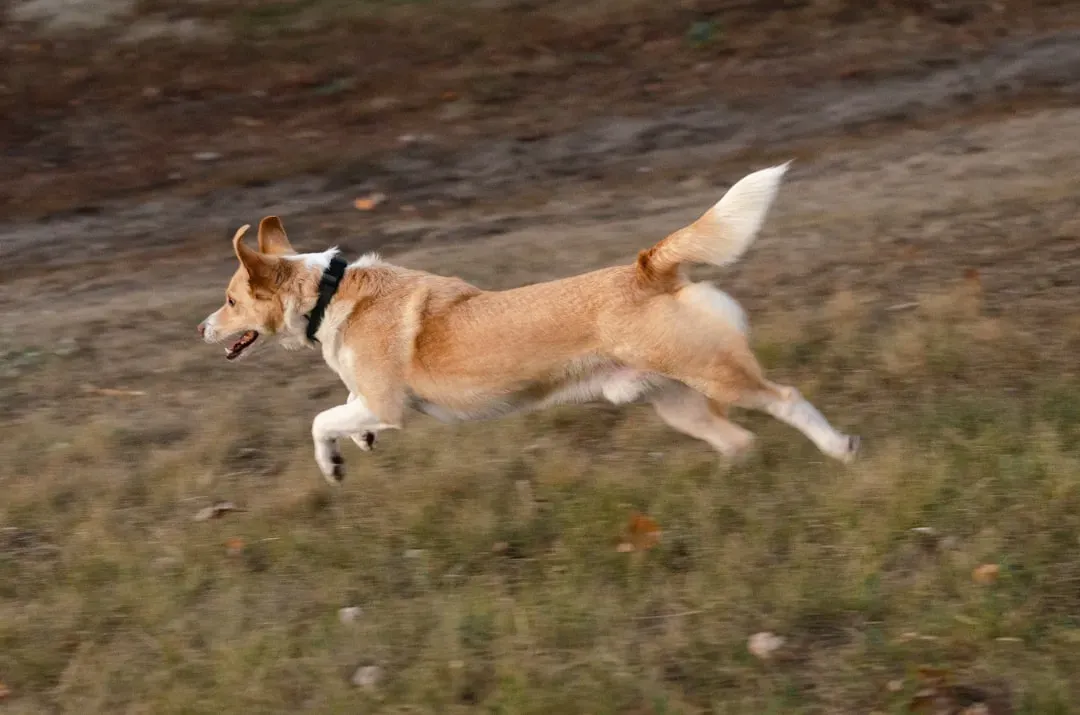
Does your dog zoom around the house like they’ve been shot out of a cannon? Or maybe they paw at you relentlessly, nudging your hand every few seconds? Insufficient exercise can contribute to problem behaviors including destructiveness, investigative behavior, hyperactivity, unruliness, excitability, and attention-getting behaviors. Those random bursts of energy are your dog’s way of saying they have way too much fuel in the tank and no outlet.
Dogs are intelligent creatures that crave mental stimulation, and if they don’t get challenges and opportunities to use their brains, they can develop behavior problems out of boredom. Mental enrichment can be just as important as physical exercise. Puzzle toys, scent games, or even teaching a new trick can tire out that busy brain and calm those frantic zoomies.
Conclusion
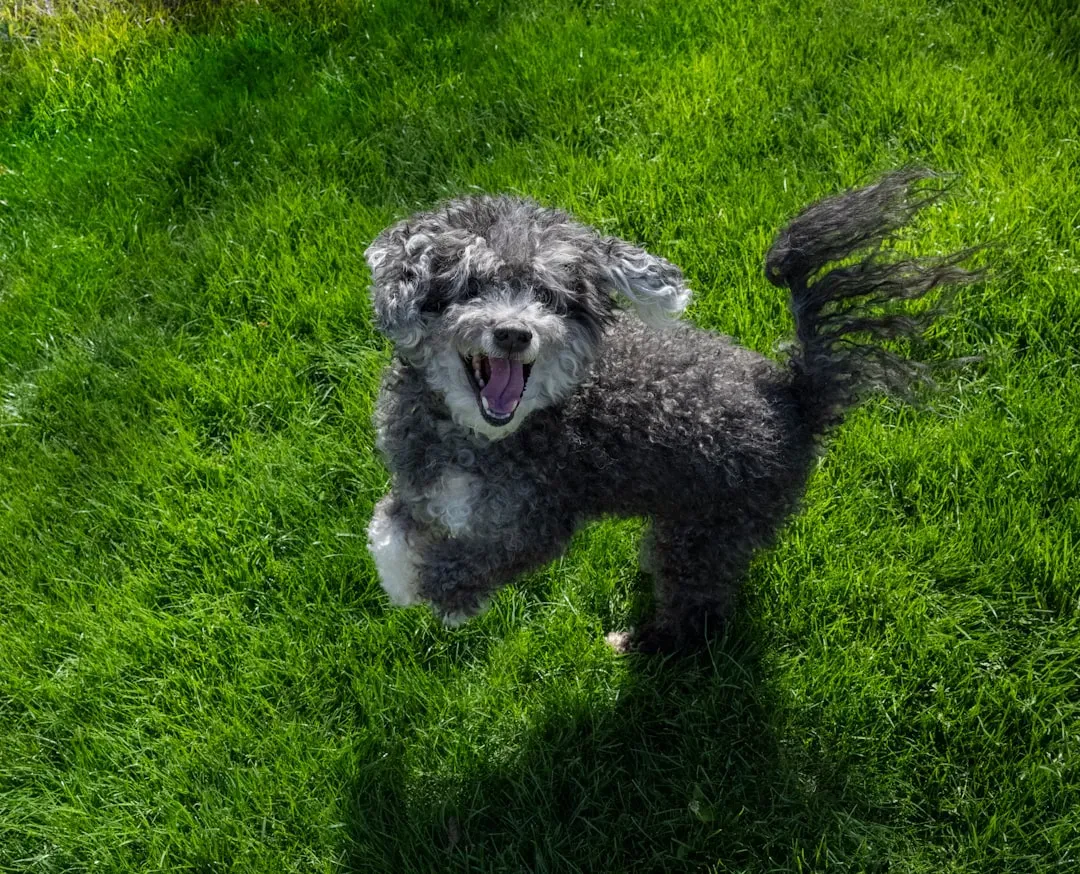
So here’s the bottom line. Your dog isn’t trying to be difficult or annoying when they act out, gain weight, or seem a little off. They’re just trying to tell you something important in the only language they have. Playtime isn’t just fun and games. It’s essential for their mental health, physical wellbeing, and overall happiness.
Catching these subtle signs early means you can make small changes that lead to big improvements in your dog’s quality of life. Whether it’s an extra walk, a game of tug, or some engaging brain games, your pup will thank you in tail wags and happy barks. What signs have you noticed in your own dog? Share your experiences in the comments below.


