

You know that moment when your dog barks at the doorbell and you shout at them to stop? Or when they nudge your hand during dinner and you absentmindedly slip them a piece of chicken? Here’s the thing. You might actually be training your dog to keep doing exactly what drives you crazy. It sounds backward, right?
Dogs are brilliant observers. They’re watching us constantly, reading our body language, listening to our tone, picking up patterns we don’t even realize we’re creating. Our dogs are highly tuned in to us, and this makes it easy to accidentally reinforce behaviors. What we think is correcting bad behavior might actually be rewarding it. That attention you give when they misbehave? Your pup might interpret it as a fun game or a sign that they’ve successfully gotten what they wanted.
Most of us don’t set out to teach our dogs bad habits. We’re just trying to survive the chaos of daily life with a furry companion who has opinions about everything. The good news is that once you understand how your reactions shape your dog’s behavior, you can turn things around. Let’s dive into the surprising ways you might be accidentally encouraging those annoying habits and what you can actually do about it.
You’re Giving Attention When You Think You’re Correcting
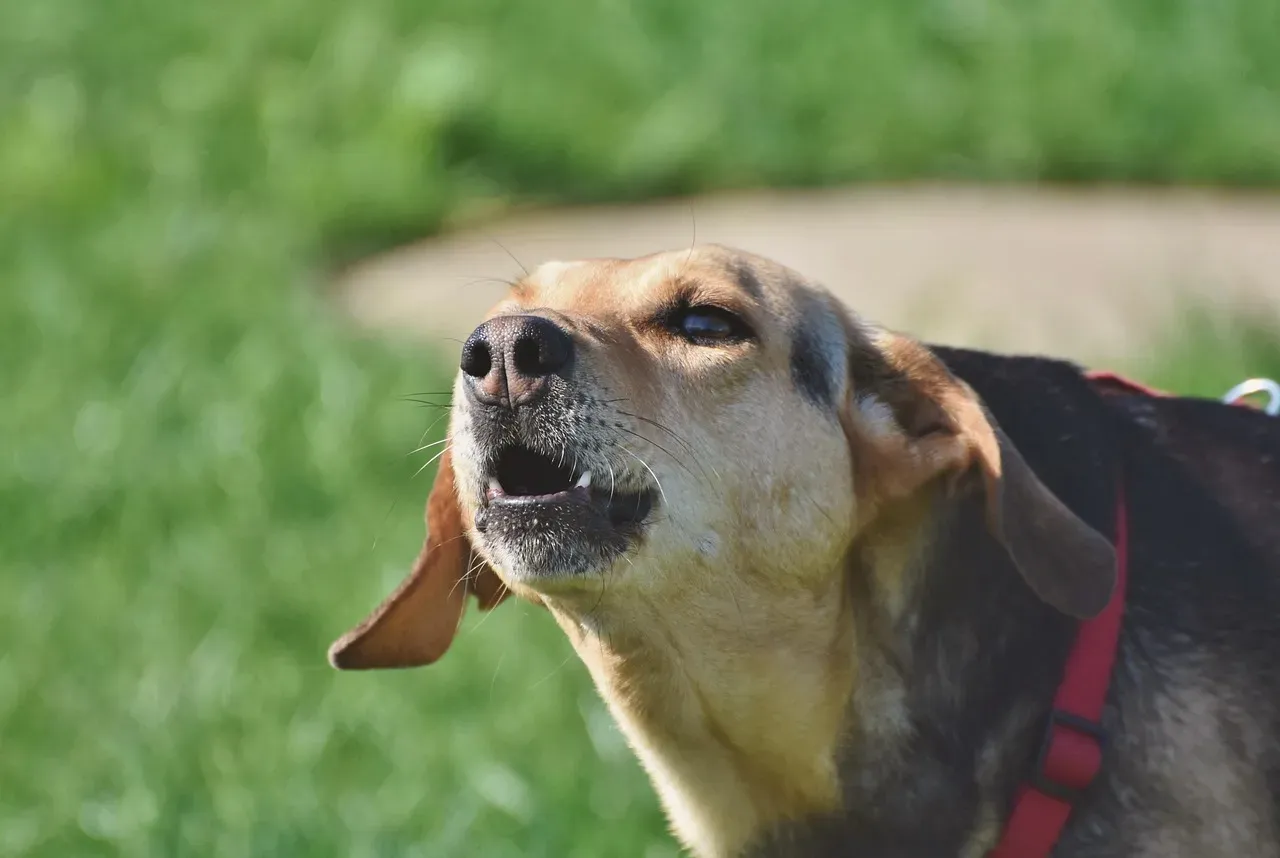
Picture this scenario. The doorbell rings, your dog explodes into a barking frenzy, and you yell at them to be quiet. The barking prompts the owners to start yelling, and instead of stopping, the dog just barks more. Why does this happen? Because from your dog’s perspective, you just joined in. Your dog doesn’t understand what you’re saying, they just know that when they “yell,” you “yell,” and now everyone yells, which is a very fun reinforcing game.
This pattern plays out in countless situations. Your dog jumps on visitors, you push them down or grab their collar. That physical contact? It’s still attention. When your dog jumps up if you pet them, they’re receiving positive reinforcement for the behavior. Even negative attention like scolding can reinforce behavior because it’s better than being ignored. Dogs are social creatures who crave interaction with their humans, even if that interaction isn’t particularly pleasant.
The fix requires patience. When your dog does something annoying for attention, you need to become a statue. No eye contact, no talking, no touching. The instant they stop the unwanted behavior, that’s when you reward them with what they want. If they’re barking for attention, ignore them until silence happens, then offer praise or a treat. It feels counterintuitive at first, but any behavior that has been reinforced is most likely to be repeated.
Inconsistency Is Sabotaging Your Training Efforts
If you let your dog jump on you one day but correct the behavior the next, your dog won’t know what to expect. Dogs thrive on structure. Mixed signals lead to confusion and frustration, making training less effective. Think about it from your dog’s point of view. Sometimes they get on the couch and you cuddle them. Other times you scold them for the exact same action. How are they supposed to know what the rules actually are?
This gets even trickier when multiple people live in your home. Maybe you don’t allow begging at the table, but your partner sneaks treats to the dog when they think you’re not looking. Your dog learns quickly which humans are pushovers and which ones enforce boundaries. The result? They’ll keep trying the behavior because it works often enough to be worth it.
Creating consistency requires a family meeting. Everyone in the household needs to agree on the rules and stick to them every single time. Use the same command words each time, and ensure all family members follow the same rules and commands. Choose your battles wisely. If you’re okay with your dog on the furniture, that’s fine, just make it always okay, not sometimes okay.
Your Timing Is Off and It’s Confusing Your Dog
Dogs live in the moment. Their brains make connections between actions and consequences in a matter of seconds, not minutes or hours. The results are optimal when the consequence happens as close to the instant the behavior happens as possible. When you come home to find the trash scattered across the kitchen and scold your dog hours after the deed, they have absolutely no idea why you’re upset.
In this case, the owner is punishing the dog for coming back, which is the desired behavior. Here, the owner is punishing the cat well after the undesired behavior has occurred. This creates anxiety and confusion rather than learning. Your dog might look guilty, but that’s actually appeasement behavior in response to your anger, not remorse about the trash.
For training to work, rewards or corrections must happen immediately. We’re talking one to two seconds after the behavior. Reward your dog immediately after they do something right. Aim for about one to two seconds after the behavior. Keep treats in your pocket during training sessions so you can mark good behavior the instant it happens. If you miss that window, let it go and wait for the next opportunity rather than creating confusing delayed associations.
You’re Accidentally Rewarding What You Want to Eliminate
Let me share a relatable example. Your dog whines at the back door. You’re in the middle of something, they keep whining, and finally you get up and let them out just to stop the noise. Congratulations, you just taught your dog that persistent whining gets results. You might allow your dog to come inside because they’re barking, or slide them scraps of human food while cooking. But if you give them attention, they’ll be motivated to repeat those frowned-upon actions.
Allowing the dog to rehearse the behavior you’re trying to eliminate is the number one problem trainers see. A client will say they bought their dog a bed for his crate and he chewed it, bought another one and he chewed it, bought him five beds and he’s chewed them all. Each repetition strengthens the unwanted behavior and makes it harder to change later.
Management becomes crucial here. Management plays a vital role in positive training. By removing the positive reinforcement for unwanted behaviors, you prevent your dog from being rewarded by them. If your dog counter surfs and finds food, they’ll keep doing it. The solution isn’t just training, it’s making sure food never appears on counters where they can reach it. Prevention stops the rehearsal cycle while you teach better alternatives.
You’re Expecting Too Much Too Soon
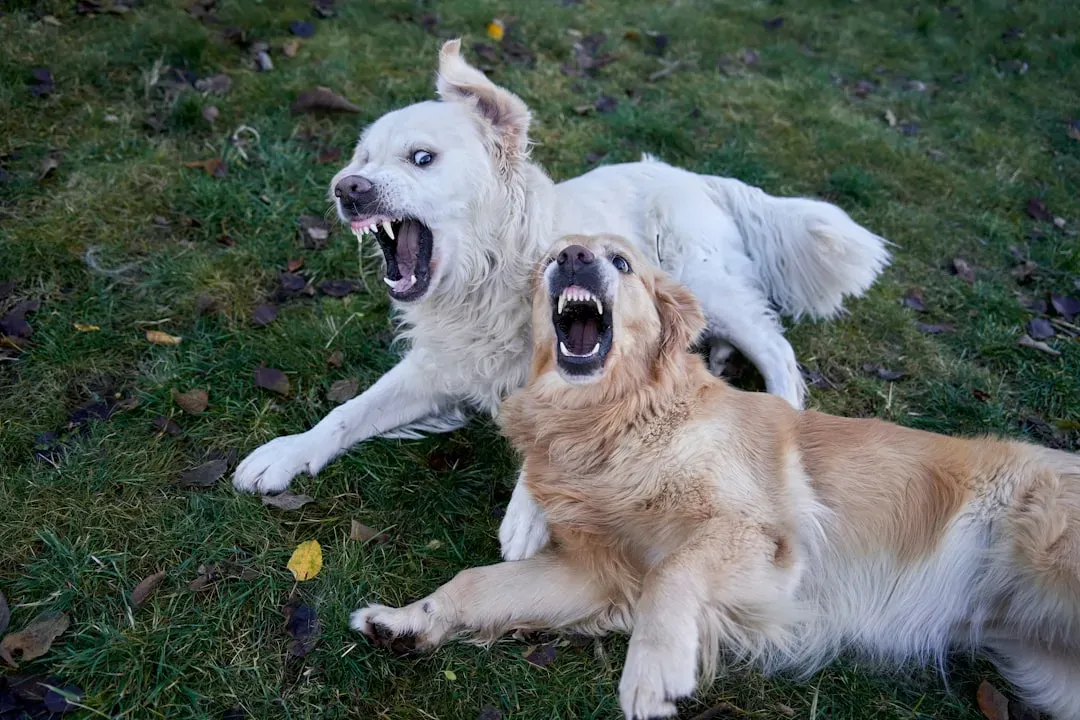
We’ve all seen those perfectly trained dogs on social media who seem to learn commands instantly. Real life doesn’t work that way. Expecting your dog to learn behaviors, difficult or seemingly easy ones, quickly, perfectly and instantaneously, then becoming frustrated when they don’t is a common mistake. Your frustration shows in your body language and tone, which your dog picks up on immediately.
It’s important to maintain an upbeat attitude because dogs can read human emotions. If your dog thinks you’re angry or stressed, they’ll shut down and stop learning. Although this often looks like your dog is being stubborn or ignoring you, they’re simply reacting to your negative mood. When training stops being fun and becomes stressful, learning grinds to a halt for both of you.
Training sessions should be short, positive, and end on a good note. Dogs learn best in short, focused bursts. Keep training sessions between five to fifteen minutes to avoid boredom. Break complex behaviors into tiny steps and celebrate small victories. If you’re teaching your dog to stay, start with three seconds, not three minutes. Build duration gradually so your dog experiences success rather than constant failure.
You’re Not Rewarding Enough or Rewarding the Wrong Things
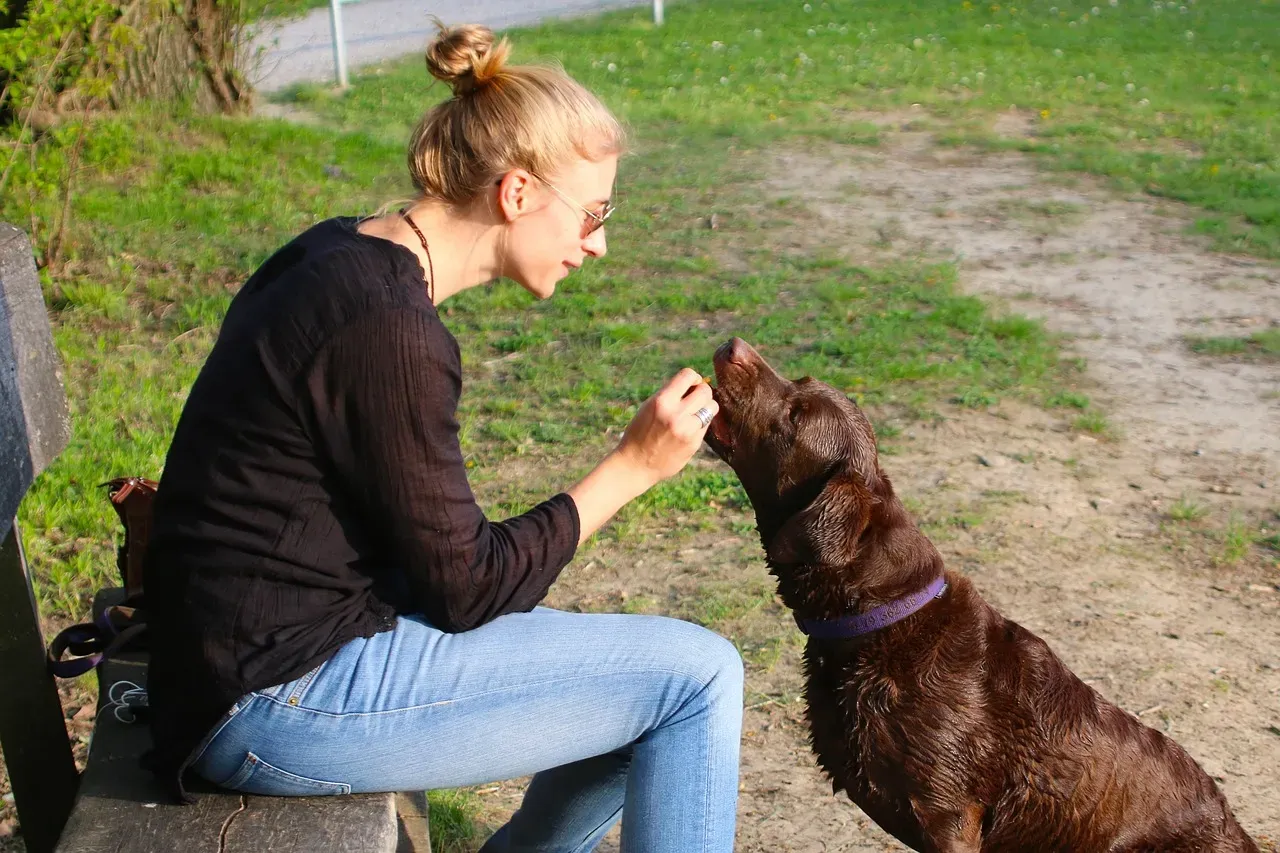
Reward your dog generously and frequently. Too many people are stingy with rewards or won’t use anything but praise. But would you go to work if you stopped getting a paycheck? Behaviors that are reinforced are repeated. A simple “good dog” in a flat tone doesn’t cut it, especially when you’re teaching something new. Your dog needs something they actually value.
Different dogs are motivated by different things. Some go wild for treats, others prefer toys, and some just want enthusiastic praise and petting. Every dog is motivated by different things. Whether it’s treats, praise, toys, or playtime, find out what your dog loves best. Experiment to discover what makes your dog light up, then use those high value rewards during training. Save the absolute best rewards for the behaviors you care about most.
If, every time you say good dog you follow it up with a treat, then your dog is going to pay attention because it means they are about to get a treat. But if you don’t, then it’s just meaningless to them. Once a behavior is well established, you can gradually reduce the frequency of treats, but never eliminate rewards entirely. Keep your dog guessing occasionally by offering jackpot rewards when they do something exceptionally well.
Conclusion
Here’s the truth. Most annoying dog behaviors aren’t actually your dog’s fault. They’re doing what works. If barking gets attention, jumping gets pets, and whining opens doors, why would they stop? Understanding that you might be part of the problem is actually empowering because it means you have the power to change things.
The key is awareness. Start paying attention to what happens immediately before and after your dog does something you don’t like. What are they getting out of it? Once you identify the reward, you can remove it and redirect that energy toward better behaviors. Be consistent, be patient, and remember that training based on trust and rewards improves your relationship with your dog. Your dog learns to happily work with you, seeing you as the source of good things.
Training isn’t about dominating your dog or making them fear consequences. It’s about clear communication and helping them understand what behaviors earn rewards in your household. Every interaction is a training opportunity, whether you realize it or not. So what do you think? Have you caught yourself accidentally encouraging behaviors you want to stop? Share your experiences in the comments below!


