
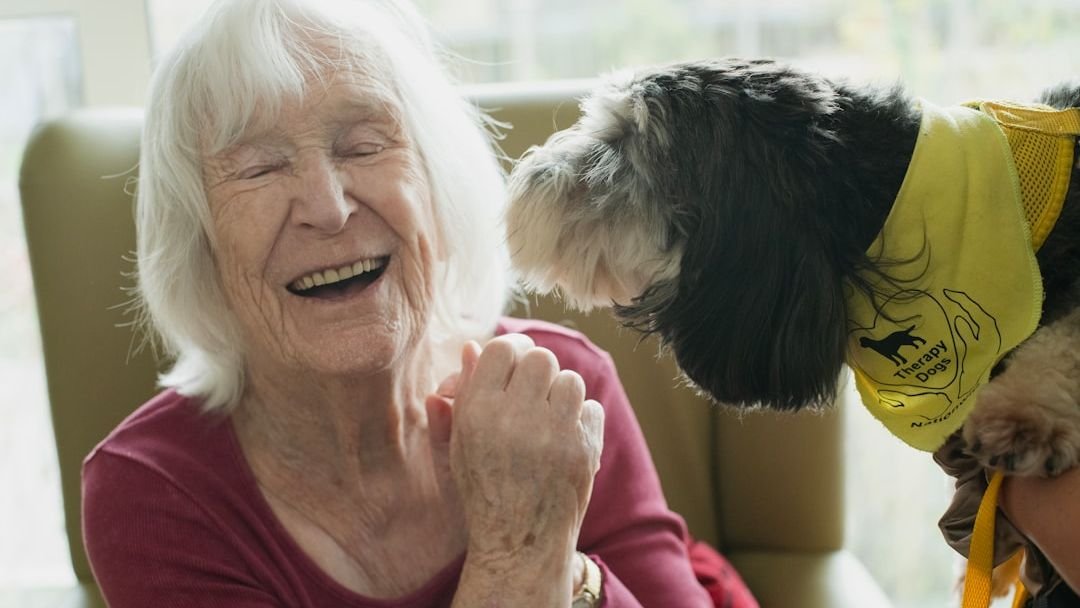
We live in a fast-paced world that never seems to slow down. Our days are filled with constant notifications, endless to-do lists, and the pressure to keep moving at breakneck speed. Honestly, it’s exhausting. Maybe that’s why the idea of coming home to a calm, gentle dog feels like such a balm for the soul.
There’s something deeply comforting about a dog who greets you with a wagging tail but doesn’t bowl you over in the process. A companion who’s just as happy curling up beside you on the couch as they are taking a leisurely stroll through the neighborhood. If you’ve ever wondered whether a mellow mutt might be the perfect match for your lifestyle, you’re about to discover why these laid-back companions have stolen the hearts of dog lovers everywhere.
They Create a Peaceful Home Atmosphere

Calm dogs tend to create a more relaxed home atmosphere. Walking through your front door after a long day and being met with serenity rather than chaos can genuinely transform your living space into a sanctuary.
They are less likely to become overly excited, bark excessively, or be disruptive, making them ideal for a range of household situations. Picture this: you’re settling in for a quiet evening with a book, and your dog is peacefully resting at your feet. No frantic pacing, no demanding constant attention, just companionship in its purest form. That’s the magic a calm dog brings to your world.
Training Becomes a Pleasure Rather Than a Battle
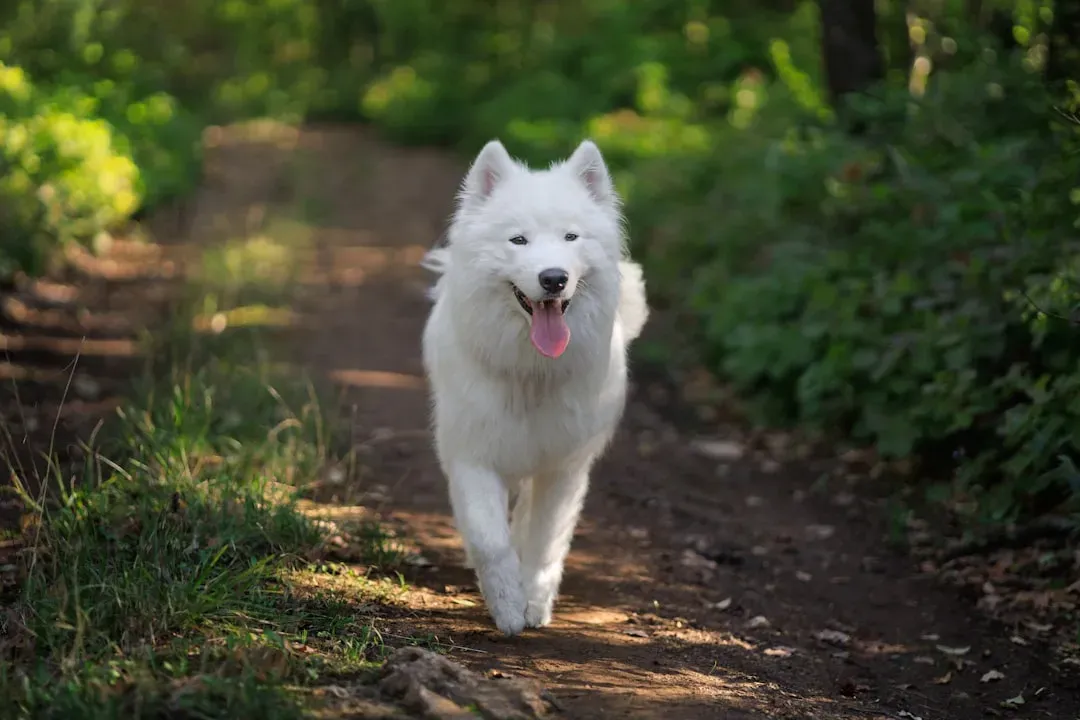
Let’s be real, training a hyperactive dog can feel like you’re negotiating with a tiny tornado. Calmer dogs are typically easier to train, as their relaxed temperament allows them to focus better during training sessions, and they are less prone to stubborn, distracted or disruptive behaviours.
When your dog can actually concentrate on what you’re teaching them, progress happens faster. They’re more likely to absorb new commands, respond to cues consistently, and make those training sessions something you both look forward to. It’s hard to overstate how much smoother daily life becomes when your dog understands boundaries and follows gentle guidance without constant reminders.
They’re Natural Stress Relievers for Your Body and Mind

A mounting body of research has found that when dog-owners are faced with stressful situations, their bodies tend to be less physiologically reactive when their pets are present. This isn’t just feel-good fluff, it’s science backing up what we’ve known in our hearts all along.
When people were placed in situations where they were asked to perform mental arithmetic or endure a “cold pressor” test in which their hand is submerged in ice water, those who had their dog present had smaller increases in their blood pressure and heart rate than those who had a spouse or friend present. Imagine that: your calm canine companion literally helps your body manage stress better than human support in some situations. Dogs’ stress-reducing benefits consists of the dog’s ability to provide non-judgmental social support, improve positive affect, and provide a calming presence. That’s powerful medicine wrapped in fur.
Perfect Companions for Apartments and Smaller Living Spaces

If you live in a smaller space, a calm dog is more suited to living in this environment, and they are content with moderate physical activity that can be fulfilled with daily walks. Not everyone has a sprawling backyard, and that’s perfectly okay when you have a mellow mutt.
These dogs don’t need acres to roam or hours of intense exercise to feel satisfied. They’re happy to adapt to your living situation. A calm dog won’t drive your neighbors up the wall with constant barking or turn your apartment into an obstacle course. They understand the concept of “indoor voice” naturally, making them considerate roommates for you and everyone within earshot.
Ideal for Families With Young Children or Seniors

Calm dogs are usually gentle and patient, making them excellent companions for families with small children or older adults, and they’re less likely to get overstimulated with toddler behavior, or equally be too hyperactive for young children. This matters more than you might initially think.
A boisterous dog can accidentally knock over a toddler or overwhelm an elderly person with mobility challenges. Calm dogs, however, seem to instinctively understand how to modulate their energy around vulnerable family members. They become gentle guardians rather than potential hazards. Pets can help calm hyperactive or overly aggressive kids, creating a soothing influence throughout the entire household. It’s like having a four-legged therapist who works around the clock.
They Support Your Mental Wellbeing in Profound Ways
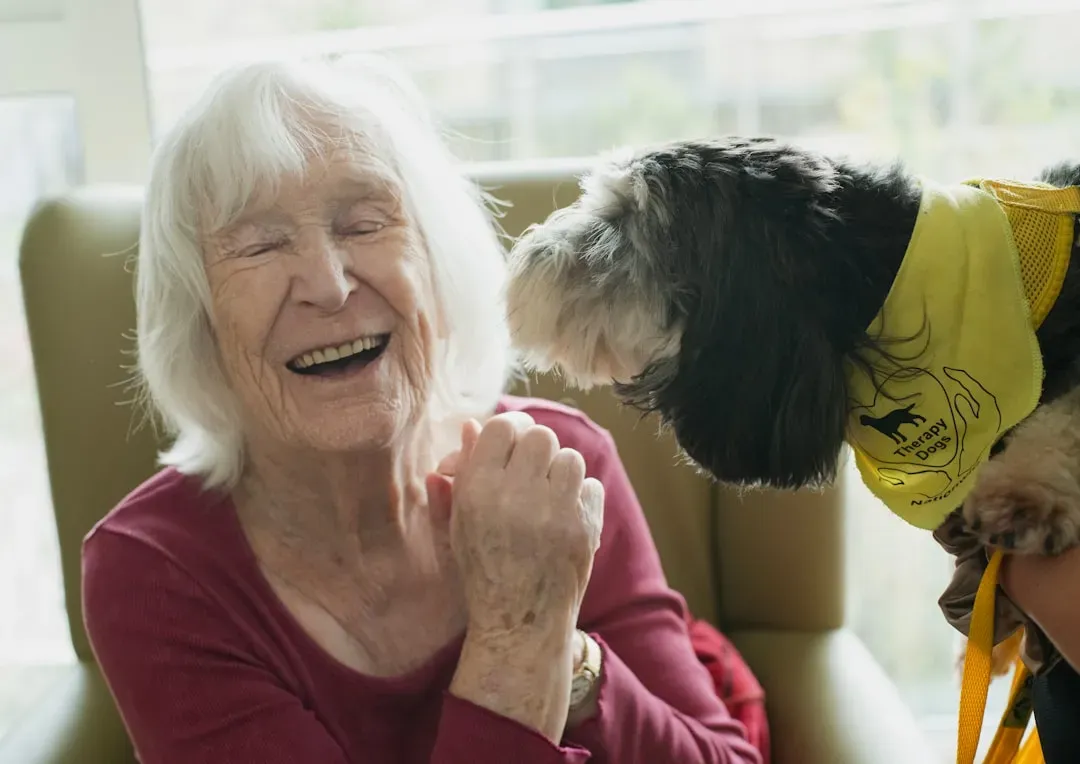
For some children with ASD, dogs may provide a calming and positive presence and may both reduce anxiety, and this extends to adults dealing with anxiety and stress as well. Your relationship with your dog is a safe space because your dog won’t judge you or disagree with you.
There’s something incredibly therapeutic about being able to share your thoughts and feelings with a companion who offers nothing but acceptance. Stroking, hugging, or otherwise touching a loving animal can rapidly calm and soothe you when you’re stressed or anxious. A calm dog provides that tactile comfort without the emotional complexity of human relationships. They’re present, they’re listening, and they’re offering unconditional support simply by existing beside you.
Lower Exercise Demands Don’t Mean No Exercise

Here’s the thing: calm dogs still need and enjoy physical activity, just not at marathon levels. Regular exercise is vital for the physical health and mental well-being of all dog breeds, even if they are considered to be low-energy, and a dog that isn’t getting enough exercise is prone to health and behavioral issues.
A short walk around the neighborhood provides different sights, smells, and sounds and a chance for socialization, and in a fenced backyard, you can play games with your dog, such as fetch or tug-of-war, or consider interactive indoor dog games such as hide-and-seek, a homemade obstacle course, playing with toys, or practicing an obedience routine. The beauty is that these activities fit seamlessly into a normal schedule without requiring you to become an ultra-marathoner yourself. You can both enjoy a moderate, healthy lifestyle together.
They Teach Us the Value of Slowing Down

A healthy dog is a happy one, and their wellbeing can directly influence their temperament, and with a little preparation, soon you and your pup will form your own special bond. Living with a calm dog is like having a daily reminder that not everything needs to be rushed.
They model contentment in the present moment. While the world rushes past, your mellow mutt is perfectly satisfied with the simple pleasures: a sunny spot by the window, the rhythm of your breathing as you rest together, the routine of your daily walks. Dogs can also be a product of their environment, and studies show that enrichment can lower stress levels and alertness and enhance relaxation, leading to a more laid-back and low-maintenance dog. They show us that peace isn’t something to chase; it’s something to cultivate right where we are.
Conclusion

Choosing a calm dog isn’t about settling for less energy or excitement. It’s about embracing a different kind of companionship, one built on peaceful coexistence, mutual respect, and the quiet joys of simply being together. These mellow mutts remind us that life’s greatest pleasures often come wrapped in simplicity.
Whether you’re navigating a busy household, recovering from life’s stresses, or simply seeking a companion who understands the value of a good nap, a calm dog offers something truly special. They won’t demand that you change your entire life to accommodate them. Instead, they’ll gently fold themselves into your world and make it infinitely better.
What qualities matter most to you in a canine companion? Share your thoughts in the comments below.


