

You think you’re doing everything right for your dog. You feed them on time, take them for walks, shower them with love. Yet sometimes, you catch that look in their eyes. A flicker of worry. Maybe they pace when you reach for your keys, or they won’t settle down even after a long day.
Here’s the thing that keeps me up at night as someone who’s spent years working with anxious dogs: we often create stress for our dogs without even realizing it. Dog lovers can inadvertently stress their pets, and unrecognized and unmanaged stress can lead to behavioral issues that complicate training. The routines we think are harmless might actually be chipping away at their sense of security. Let’s dive into five surprisingly common habits that could be turning your home into a stress zone for your best friend.
Sending Mixed Signals With Inconsistent Rules

Picture this scenario. On Monday, your dog jumps on the couch and you cuddle them. On Wednesday, they do the same thing and you scold them because you’re wearing nice clothes. What just happened in your dog’s mind? Total confusion.
Consistency is the cornerstone of effective dog training, yet many dog owners and even some inexperienced dog handlers unknowingly send mixed signals. For example, allowing a dog to jump on guests one day but scolding them for it the next creates confusion, and this inconsistency can lead to anxiety and stress, as the dog struggles to understand what is expected of them.
This isn’t just about training. It’s about your dog’s mental wellbeing. When the rules keep changing, they can’t predict what will happen next, and that unpredictability becomes a constant source of anxiety. One family member might allow begging at the table while another forbids it. These conflicting messages leave your dog walking on eggshells, never quite sure if they’re doing the right thing.
The fix? Get everyone in your household on the same page. Write down your house rules for your dog if you need to. Once your dog knows exactly what’s expected, you’ll see their confidence grow.
Giving Them Too Much Freedom Too Soon
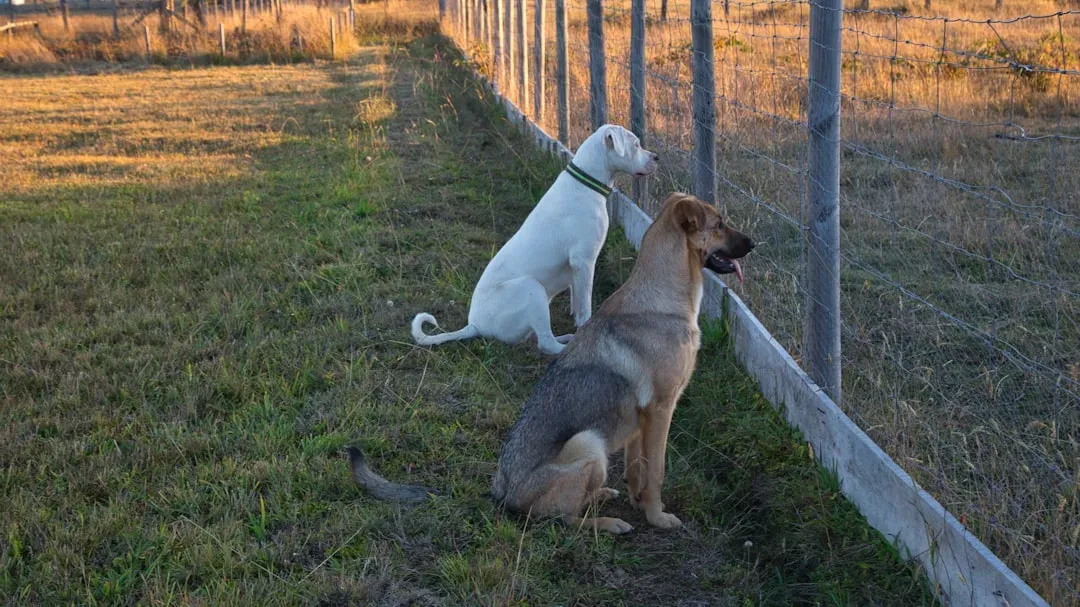
We all want to give our dogs freedom. It feels like love, right? The problem is that too much freedom can actually overwhelm them, especially if they haven’t learned how to handle it.
These behaviors are often not a reflection of a “bad dog” but rather a dog that hasn’t been taught how to behave appropriately within the space they are given. For instance, a dog that isn’t fully house trained should not be given free rein to wander the house unsupervised. Similarly, dogs that have not learned basic commands like “leave it” or “stay” should be kept away from tempting objects like shoes or food on counters.
Think about it from their perspective. Your dog doesn’t inherently know that the expensive leather shoes are off limits or that the kitchen counter is a no-go zone. Without structure, they’re making constant decisions, and every wrong choice results in your disappointment. That’s exhausting and stressful for them.
Dogs thrive on structure and predictability, and random, uncontrolled interactions can disrupt their sense of security and cause anxiety. Start with boundaries. Use baby gates, crates as safe spaces, or keep them tethered near you while they learn. As they prove they can handle responsibility, gradually expand their world.
Allowing Uncontrolled Greetings and Interactions
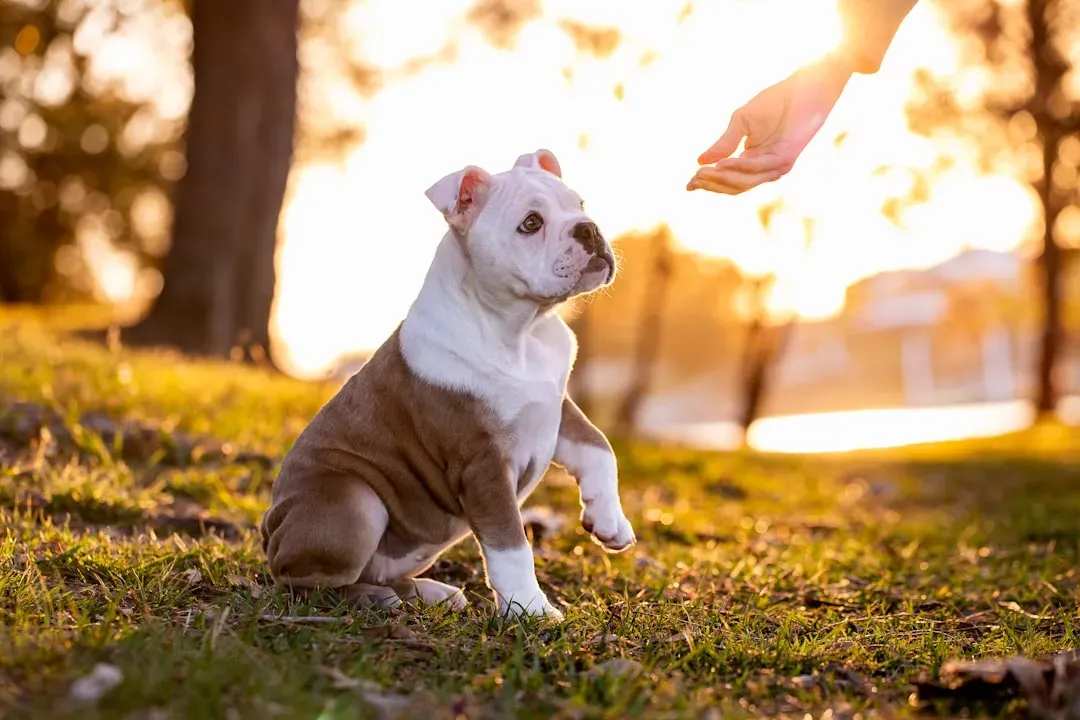
Let’s be real. We’ve all been there at the dog park or on a walk when a stranger rushes over saying, “Oh, my dog is friendly!” Before you can react, their dog is in your dog’s face. Even if your dog seems okay with it, these chaotic interactions can be building stress over time.
Dogs need to feel they have some control over who enters their space. This can lead to fear, aggression or simply reinforce unwanted behaviors like jumping or pulling on the leash. Dogs thrive on structure and predictability, and random, uncontrolled interactions can disrupt their sense of security and cause anxiety.
Not every dog wants to meet every person or dog they encounter. Some dogs are introverts. Others have had bad experiences. When we force interactions or allow strangers to pet our dogs without asking, we’re telling our dogs that their discomfort doesn’t matter.
When outside or in public spaces, be mindful of who or what is allowed to approach your dog. Teach your dog to remain calm and responsive in the presence of strangers, children, and other animals, and ensure all interactions are positive and controlled. This way, your dog can build confidence at their own pace, reducing stress and reinforcing good behavior. Be your dog’s advocate. It’s okay to tell someone, “Not today, thanks.”
Overwhelming Them With Your Own Stress
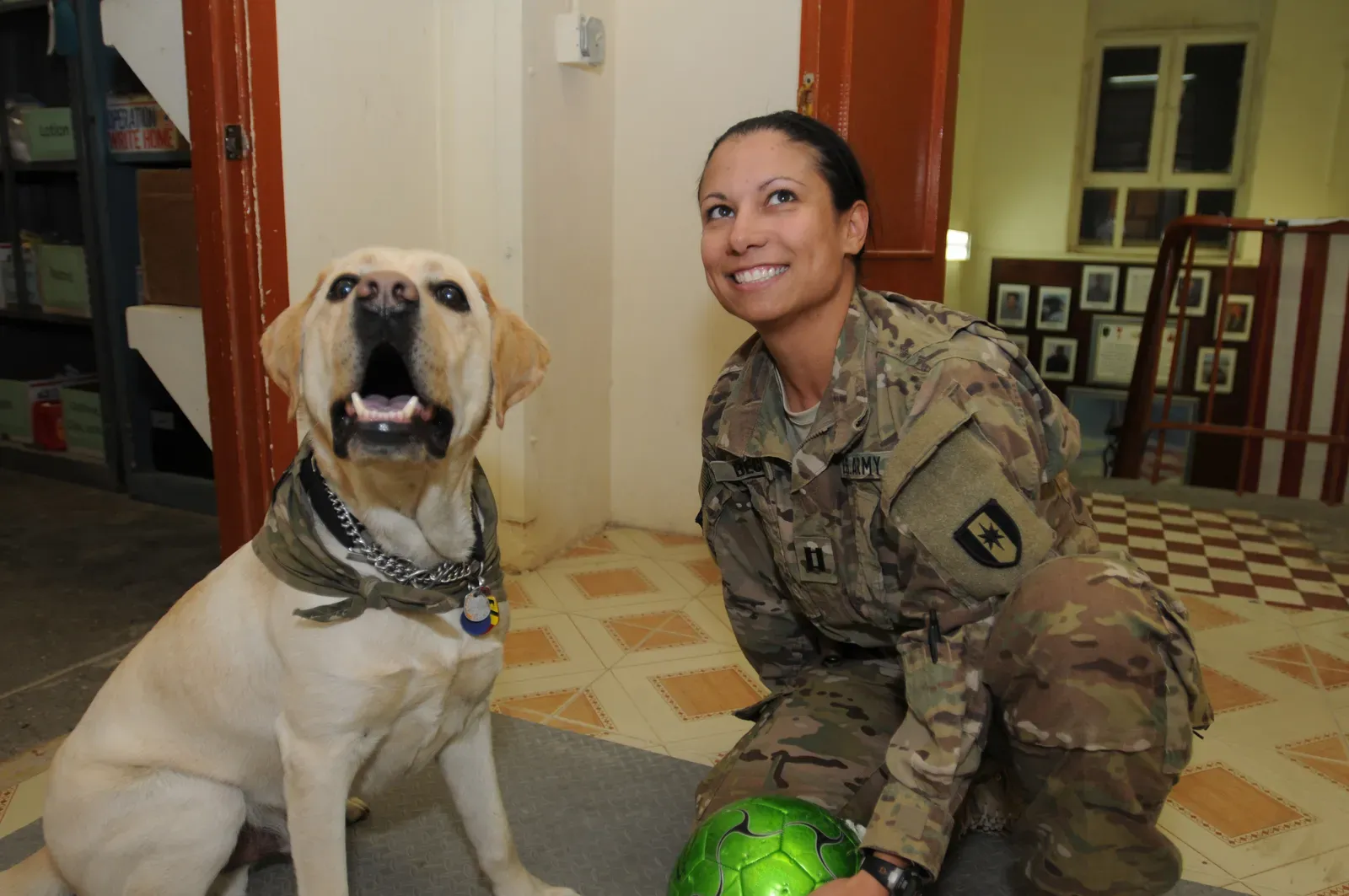
Here’s something that might make you uncomfortable. Your dog is reading you constantly. Every time you’re anxious, frustrated, or overwhelmed, they pick up on it.
For many dogs, being around a stressed family member will be enough to affect them, as dogs can sense when things aren’t quite right. Dogs can also be affected by a change in routine, such as less exercise. Your energy directly impacts their emotional state. If you’re pacing around the house worrying about work deadlines, your dog might start pacing too.
I know it sounds crazy, but dogs are emotional sponges. They don’t understand that your stress isn’t about them, so they absorb it and mirror it back. Many dogs are very sensitive to their owner’s emotions. If your dog is stressed, keep calm and try not to panic or raise your voice as this might add to your pet’s stress levels.
This doesn’t mean you can never be stressed around your dog. That’s not realistic. It means being mindful of how you’re showing up in their world. Take deep breaths. Step outside for a moment if you need to reset. When you model calmness, your dog learns calmness.
Skipping Their Daily Mental and Physical Exercise
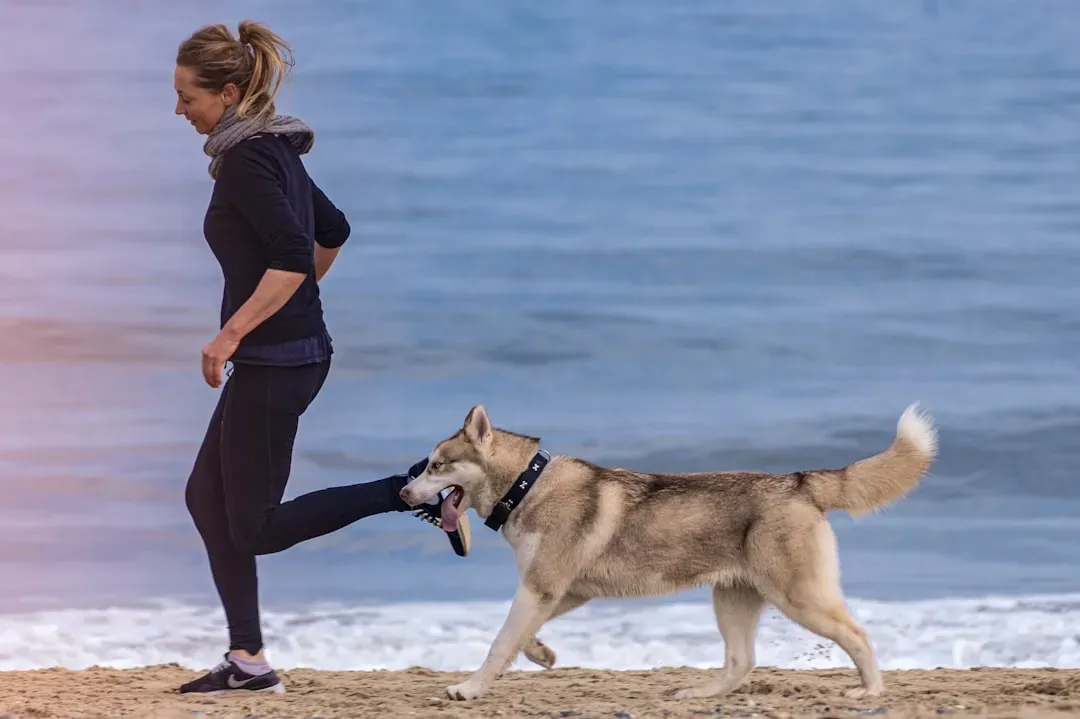
Physical exercise gets a lot of attention, and yes, it’s important. Yet mental stimulation is equally crucial, and it’s the piece most people overlook. Dogs need both physical and mental stimulation. A bored dog can often lead to a stressed, unfulfilled dog – especially in working breeds. A dog without a job or purpose can lead to them coming up with their own “work” which often includes destructive habits or compulsive behaviors, like excessive chewing or digging.
A tired dog is a happy dog, but an under stimulated dog is an anxious dog. When dogs don’t have an outlet for their energy and their brains, stress builds up like pressure in a kettle. They might start displaying behaviors like excessive barking, destructive chewing, or obsessive licking.
The solution doesn’t have to be complicated. Puzzle toys, sniff walks where they can explore scents at their own pace, hide and seek games with treats, or even basic training sessions all count as mental exercise. As with humans, exercise can be a great stress reducer. For healthy dogs, physical activities such as walking or playing fetch may help both you and your dog release tension. Aim for a combination every single day. Twenty minutes of focused mental work can tire a dog out just as much as an hour walk.
Conclusion
Your dog can’t tell you when something is bothering them with words. They show you through subtle signs that are easy to miss when life gets busy. Pacing, excessive yawning, tucked tails, avoiding eye contact. These are your dog’s way of saying they need help.
Recognizing the critical signs of stress in your dog is vital to supporting their overall well-being. Whether it’s subtle cues like lip licking or more serious behaviors like aggression, being aware of these signs can help you address your dog’s stress before it becomes a bigger issue. The beautiful thing is that once you understand what’s causing their stress, you can make changes. Small adjustments to your daily habits can transform your dog’s entire experience of life with you.
Start with just one area from this list. Maybe it’s creating more consistent rules, or maybe it’s adding ten minutes of puzzle games to their day. Watch how your dog responds. You might be surprised at how quickly their stress melts away when they feel understood and safe. What small change could you make today to help your dog feel more secure? Share your thoughts in the comments below.


