
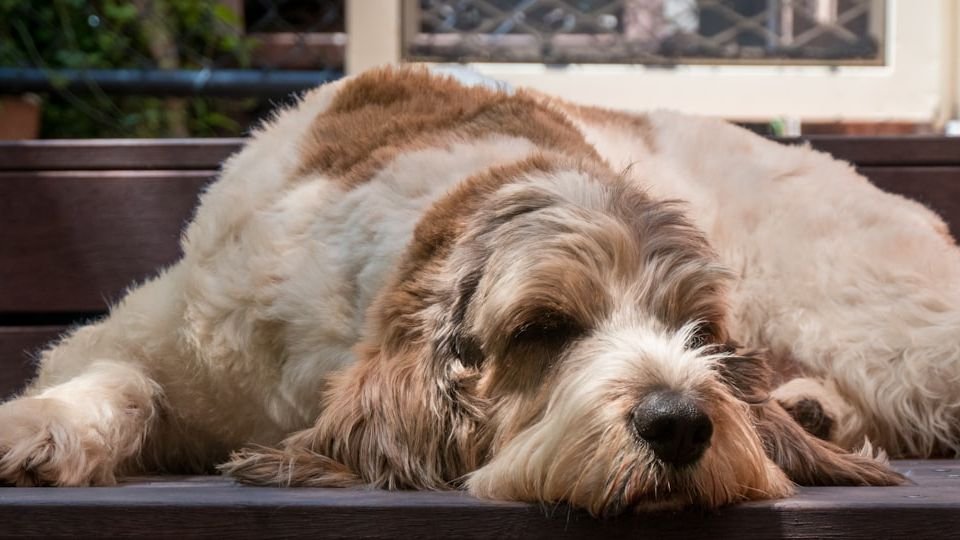
Picture this: your dog, the one who used to bound up stairs like a champion athlete, now hesitates at the bottom step. Maybe you’ve brushed it off as just getting older, or perhaps they’re tired from yesterday’s play session. Here’s the thing, though. What we often chalk up to normal aging or simple fatigue might actually be your dog’s way of signaling something more serious is happening beneath the surface.
Even young and active dogs can develop joint problems, and they’ll often continue enthusiastically participating in activities that may actually be causing them pain or worsening their condition. Think about that for a second. Your energetic retriever could be hurting right now, yet they’re still chasing that tennis ball because they love you and they love playing. Dogs don’t complain the way we do. They adapt, they mask discomfort, they push through.
The Subtle Stiffness That Speaks Volumes
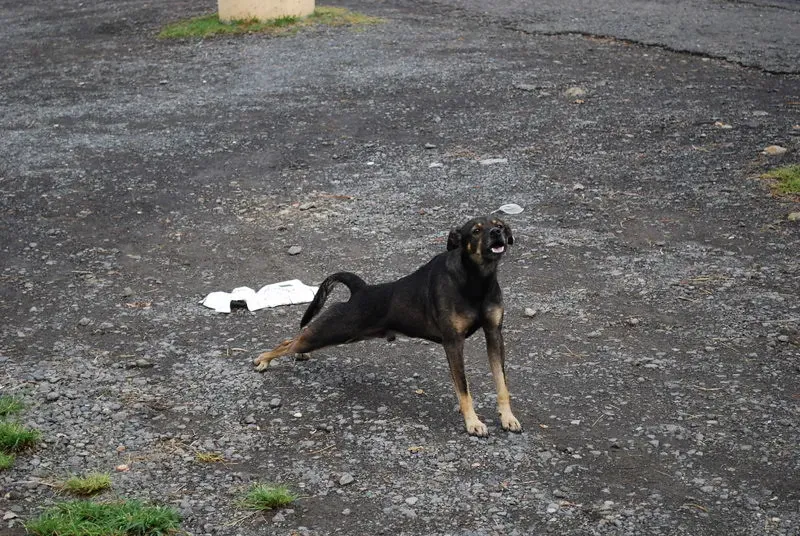
One of the earliest and most subtle signs of arthritis is a dog who appears stiff after lying down for some time, and not only can it take more time to get up, but once the dog is up they may have creaky joints for a bit. Maybe you’ve noticed your pup takes a little longer to unfold themselves from their favorite napping spot. It’s easy to miss, honestly, especially when they seem fine once they warm up.
Your dog may show slight stiffness after waking up or after long periods of inactivity. Pay close attention in the mornings or after they’ve been resting for a while. Does your dog stretch more than usual, or do they seem tentative taking those first few steps? This isn’t just age making itself known.
Changes in Energy and Enthusiasm for Activities
Let’s be real here: if your previously ball-obsessed buddy suddenly acts indifferent to fetch, something’s up. Your dog may become less enthusiastic about playing, going for walks, or engaging in other physical activities they once enjoyed. This behavioral shift often happens so gradually that we don’t notice it until we really think back to how things used to be.
Dogs with canine arthritis symptoms may seem less enthusiastic about walking, playing or jumping into the car, and they may tire quickly or show a general lack of interest in physical activity. It’s heartbreaking to watch, truly. Your dog isn’t being lazy or stubborn. They’re hurting, and activity makes it worse, so naturally they avoid it.
Limping or Favoring One Leg
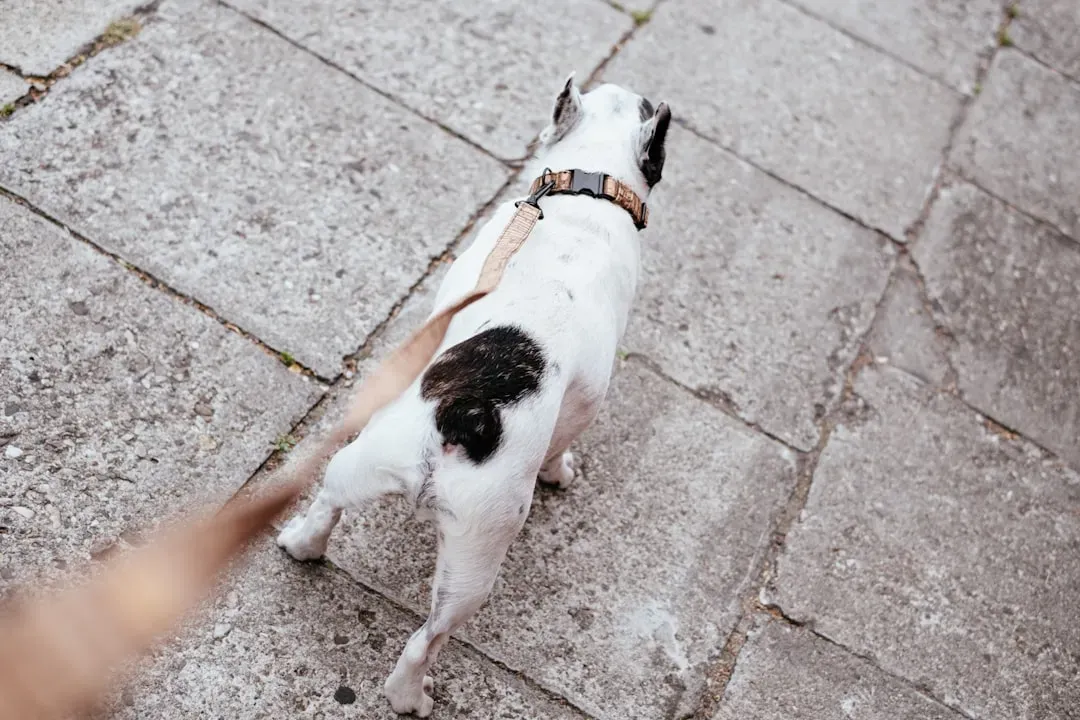
Arthritis symptoms include stiffness, lameness, or limping after rest. Sometimes the limp is obvious, like when your dog holds one leg up completely. Other times it’s more subtle, a slight hitch in their gait that you might only notice when watching them from behind during a walk.
You may notice your dog favoring one leg or limping, especially after rest or physical activity, and the limping might lessen as they warm up but return once they rest again. This pattern is classic joint discomfort. The affected joints stiffen up when inactive, feel somewhat better with gentle movement as circulation increases, then ache again afterward from the strain.
Unexpected Behavioral Changes and Irritability
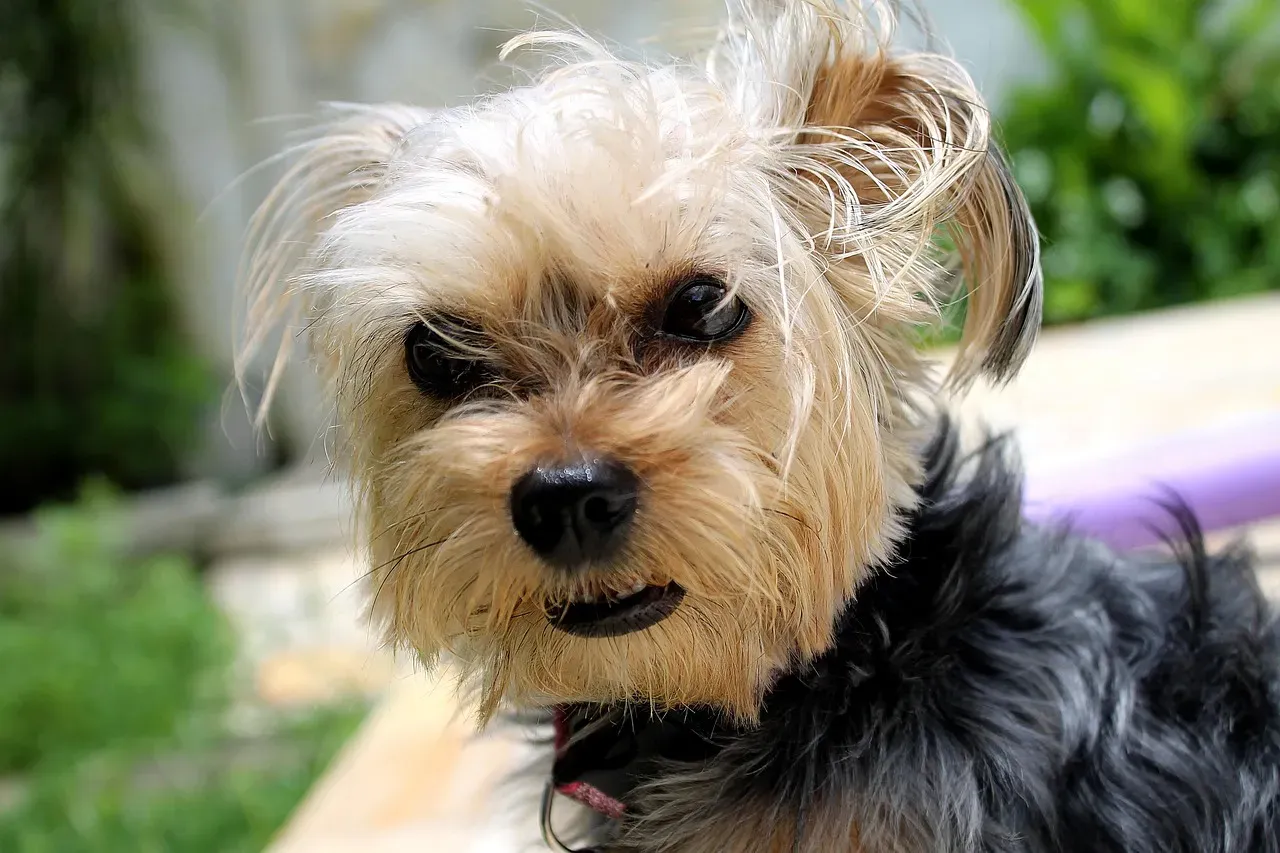
Here’s where things get tricky, and honestly a bit concerning. If your dog seems more grumpy, restless, or withdrawn, it could be because they’re experiencing pain from arthritis, and some dogs may become more vocal or exhibit signs of aggression when touched in certain areas, particularly around their joints. Your sweet, patient dog might suddenly snap when you pet their hip or shoulder.
Arthritis is a painful, frustrating disease that can cause behavioral changes in your dog, and your dog might become irritable, with certain areas causing discomfort when touched. They’re not turning mean. They’re protecting themselves from pain they can’t explain to you. This is especially important to watch for in households with young children.
Difficulty with Stairs, Jumping, or Getting Into the Car
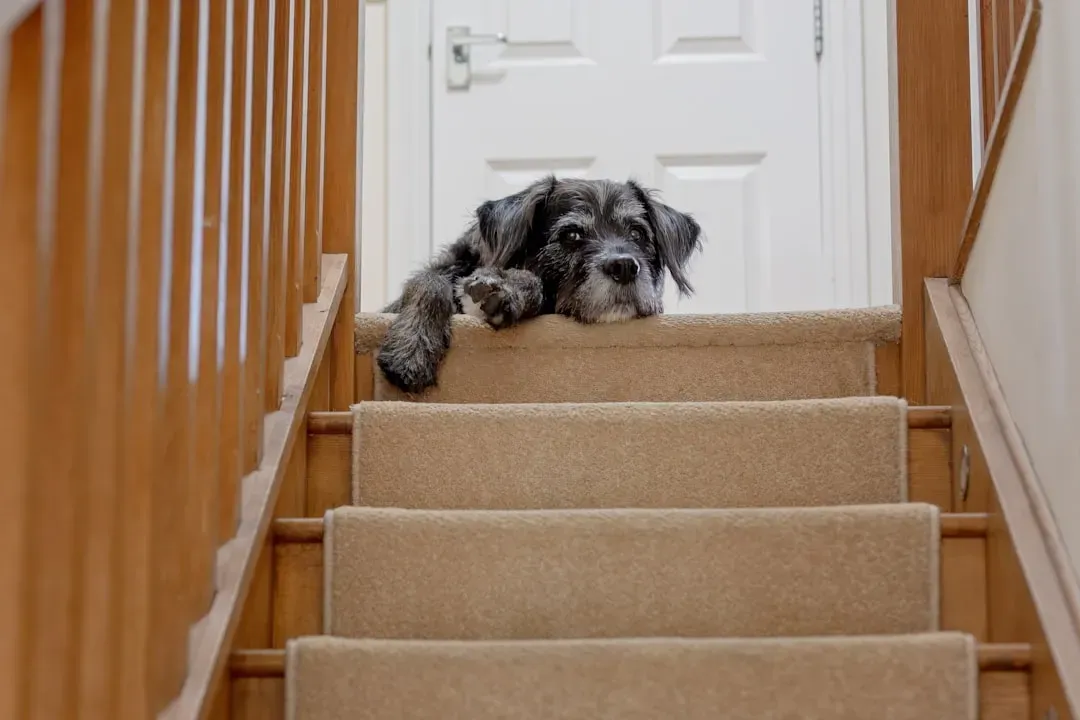
Think back to six months ago. Did your dog leap into the car without a second thought? Your pet may show significant reluctance to move, climb stairs, or jump. Now they hesitate, maybe they refuse altogether, or perhaps they need that extra boost from you to make it up.
Stiffness, a reluctance to walk, and the refusal to climb stairs are all signs of arthritis. What happens is the joints hurt more under strain, and these activities, climbing, jumping, pushing off, they all put tremendous stress on already compromised joints. Your dog isn’t being difficult when they balk at the stairs. They’re avoiding pain.
Noticeable Muscle Loss Around the Affected Joint
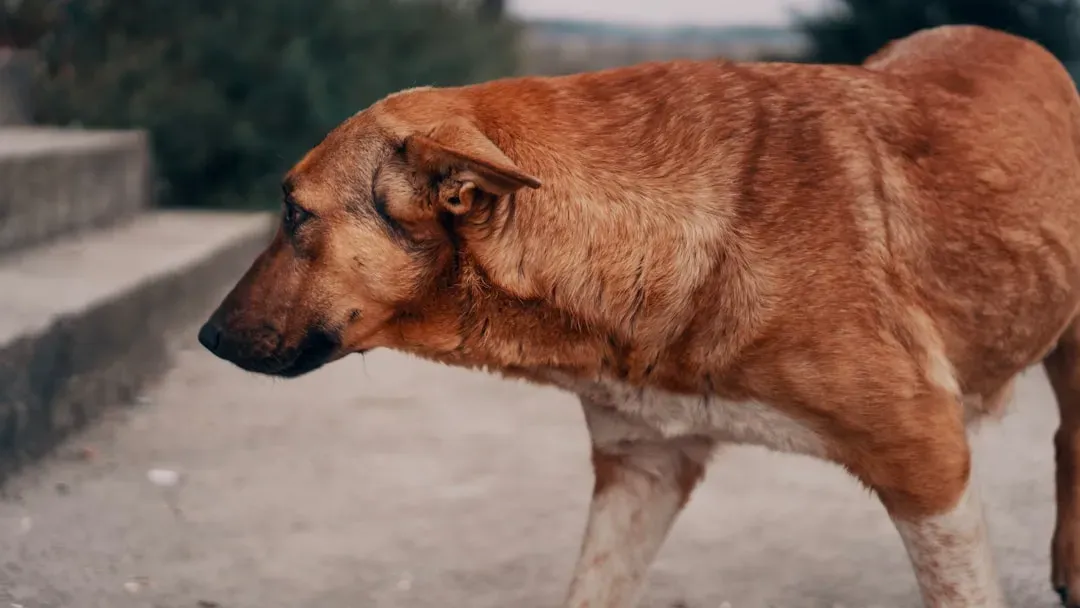
The muscles surrounding the affected joints may begin to waste away due to decreased use. When it hurts to use a leg, dogs naturally shift their weight away from it. Over time, the muscles around that joint shrink from lack of use. You might notice one hind leg looks thinner than the other, or their shoulder muscles seem asymmetrical.
When dogs move less, guarding themselves from arthritic pain, their muscles will shrink, and marked muscle wasting is generally a sign of advanced or end-stage arthritis in dogs. This is why catching these signs early really matters. By the time muscle atrophy is obvious, the joint disease has been progressing for quite some time.
Conclusion
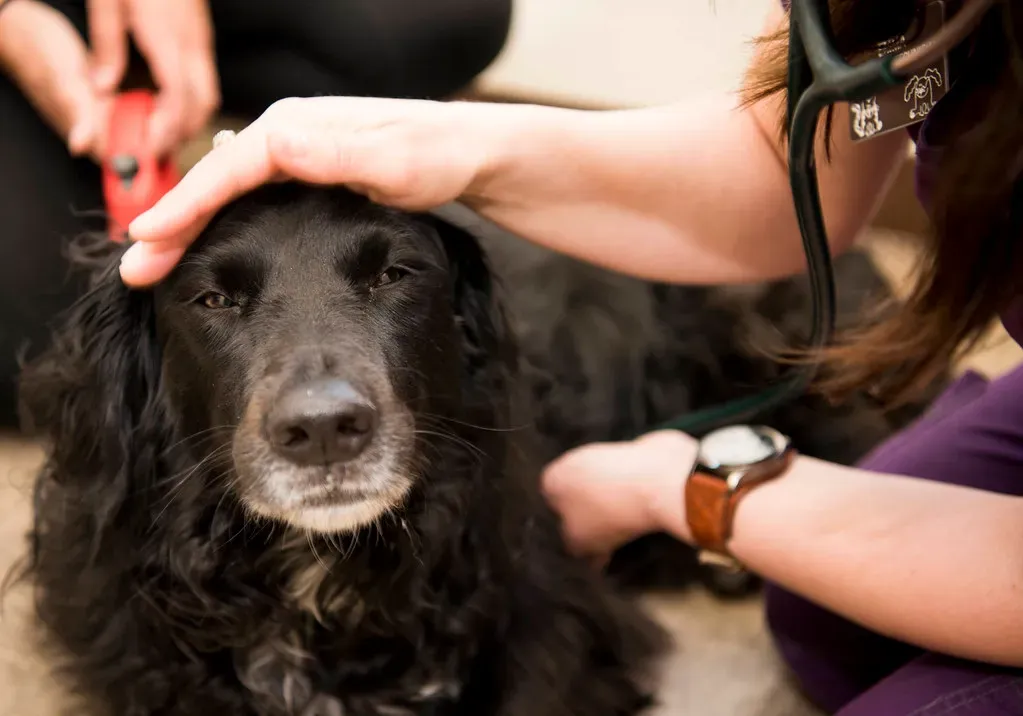
Early identification and treatment are vital in slowing down the progression of the disease and maintaining optimal joint health. The signs are there if we know what to look for. Stiffness after rest, reduced enthusiasm for activities they once loved, subtle limping, behavior changes, reluctance to jump or climb, and muscle loss around joints are all red flags that shouldn’t be ignored.
While joint pain can often be an age-related condition it’s important to spot the signs early so that treatment as soon as possible to avoid further complications or worsening symptoms. Your veterinarian can work with you on a management plan that might include weight control, gentle exercise, supplements, medications, or even physical therapy. The key is acting now, not waiting until your dog is in obvious distress.
Have you noticed any of these warning signs in your own dog? What changes have you observed in their movement or behavior? Your vigilance could mean the difference between managing discomfort early and watching your best friend struggle unnecessarily.


