
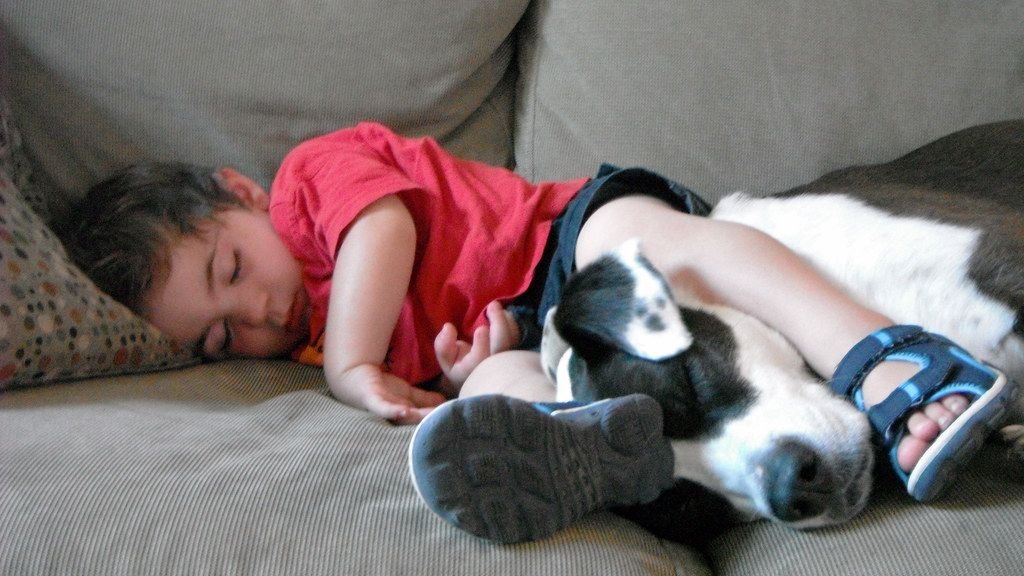
We live in a world where headlines shape opinions faster than facts can correct them. When most people hear “pit bull,” a storm of anxiety tends to follow. Media stories have woven a narrative so convincing, so persistent, that these dogs have become modern-day outcasts in many communities. Yet there’s another side to this story, one rooted in history, science, and the countless families who’ve experienced something completely different.
The truth is, pit bulls were once America’s sweethearts. They graced propaganda posters during wartime, appeared alongside children in vintage family photos, and earned a reputation for being incredibly patient with the smallest members of the household. Somewhere along the way, that image shattered. Today, we’re left sorting through the rubble of misconception, trying to piece together what’s real and what’s been fabricated by fear.
The Historical Roots of the Nanny Dog Label
In the early 20th century, pit bulls were a staple in American households, serving as trusted guardians, protectors, and playmates for children, with families relying on their even temperament and innate sense of responsibility to watch over their young ones. Think about that for a moment. These weren’t dogs relegated to backyards or chained up as intimidating deterrents. They lived inside homes, slept beside cribs, and were considered part of the fabric of family life.
Throughout the 19th century, pit bulls were increasingly bred as pets, predominately for families in the working class, which was the time around which pit bulls began to be recognized for their nanny dog qualities. In the first part of the 20th century, pit bulls were so popular that they were often featured in the media, including in the Our Gang/Little Rascals films and the Buster Brown comic strips, with famous figures including Theodore Roosevelt, Helen Keller, Thomas Edison, and Fred Astaire being pit bull owners and supporters during that time. That kind of widespread acceptance doesn’t happen by accident.
What Science Says About Pit Bull Temperament
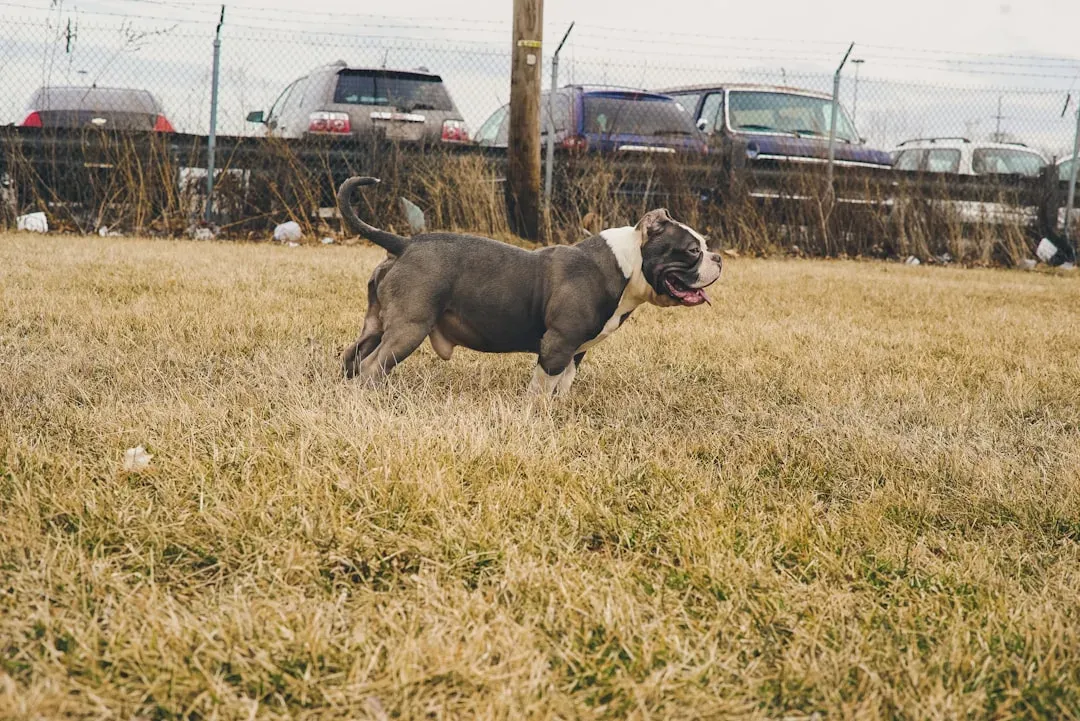
Let’s talk numbers, because feelings and anecdotes only get us so far. The temperament test average for pitbull-type breeds is 91.3%, compared to the 83.0% average across all breeds. That’s not a small difference. These tests aren’t just observing dogs in calm, controlled environments either.
The test simulates a casual walk through a park or neighborhood where everyday life situations are encountered, during which the dog experiences visual, auditory and tactile stimuli. In particular, pit bulls were less likely to show aggression than Beagles, Bulldogs, Basset Hounds, Bichon Frise, Corgis, Chihuahuas, German Shepherds, Poodles, Yorkshire Terriers, and so many other breeds. I know that’s startling if you’ve only heard the scary stories. It should make you question what else you’ve been told that might not hold up under scrutiny.
The Reality Behind Their Loyal and Affectionate Nature
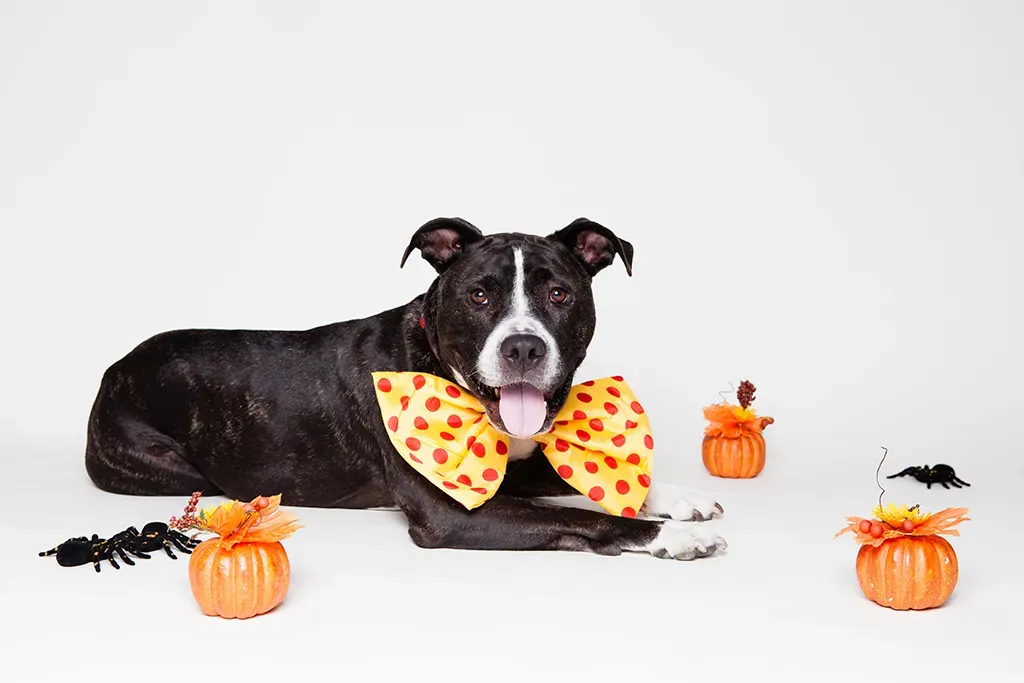
The essential characteristics of the American Pit Bull Terrier are strength, confidence, and zest for life, with the breed being eager to please and brimming over with enthusiasm, making excellent family companions and having always been noted for their love of children. This eagerness to please is actually one of their defining traits. It’s what made them excel at so many jobs throughout history, from farm work to search and rescue.
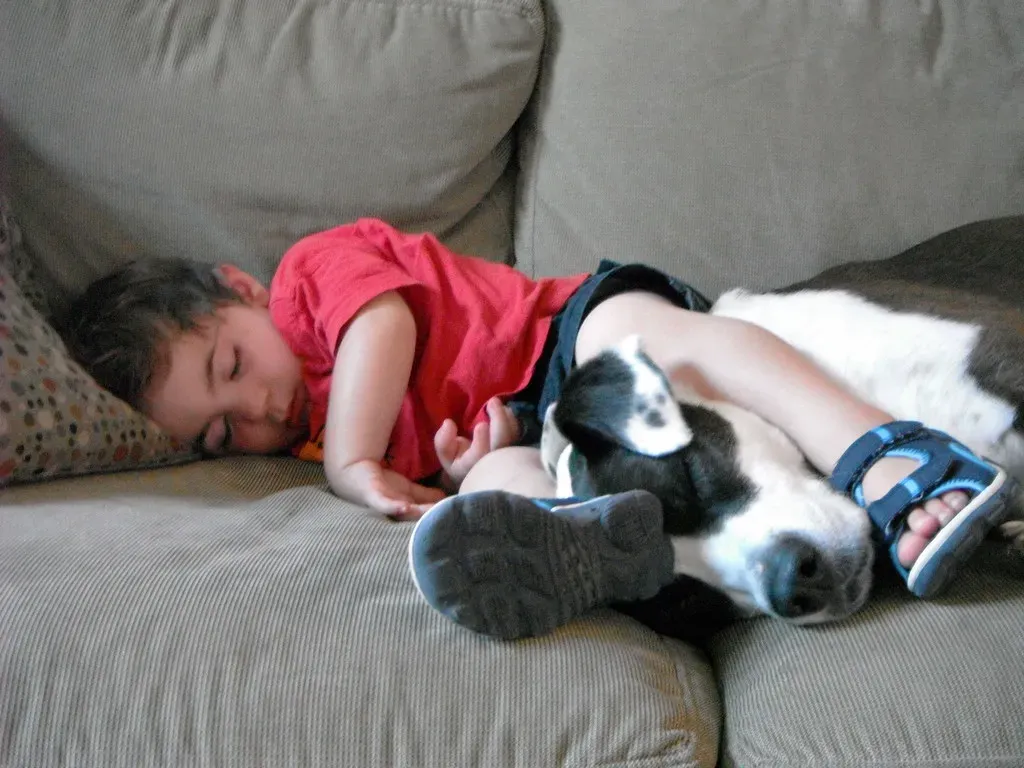
Pit bulls are incredibly loyal to their families and are often referred to as velcro dogs because they like to be close to their owners at all times, whether it’s curling up on the couch or following you around the house, thriving on human companionship and forming strong bonds with their families. Anyone who’s lived with a pit bull knows this intimately. They’re shadows in the best possible way, always checking in, always present. Most pit bulls are fun-loving companions, gentle and patient with all their family members.
Understanding the Misconceptions and Media Influence
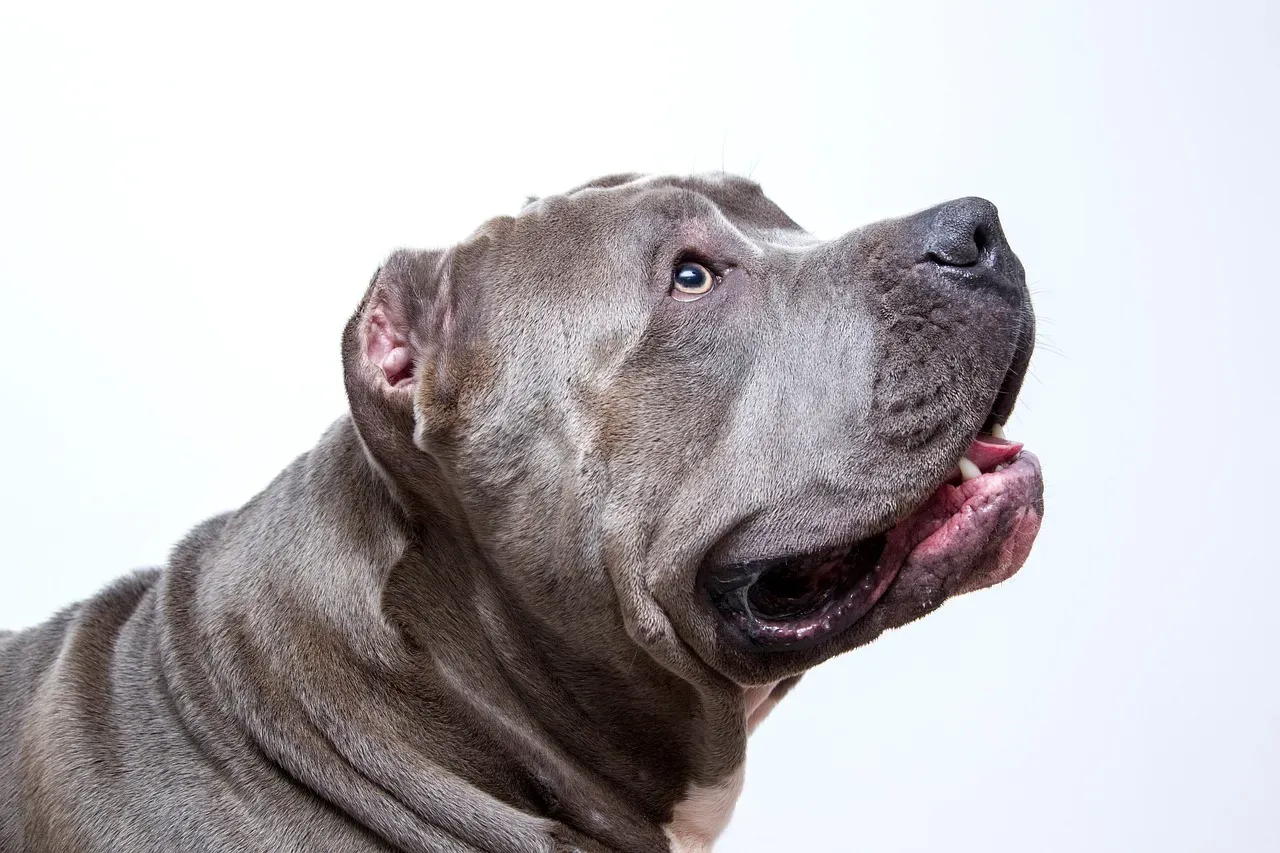
Here’s the thing. Pit bulls began to be vilified in the second half of the 20th century in no small part due to their unfortunate surge in dog fighting rings, with the media generally also having a long history of vilifying certain dog breeds to foment fear and sell sensationalized stories, a phenomenon hardly limited to pit bulls since before pit bulls, Rottweilers were demonized, before Rottweilers, Dobermans were targeted, and before Dobermans, German Shepherds were villainized.
On average, 60% of dogs visually identified as pitbulls are misidentified, lacking any DNA from pitbull-type ancestry. That statistic alone should make us pause. More than half the time, when someone points at a dog and says “that’s a pit bull,” they’re wrong. Researchers found that in 80% of cases the breed of the dog could not be reliably identified, and in only 18% of cases could researchers determine that the dog was a member of a distinct, recognized breed as opposed to being mixed-breed. We’re making judgments based on faulty information, then using those judgments to craft laws and policies.
The Role of Training, Socialization, and Responsible Ownership

Early positive experiences, most notably socialization, are considered key in preventing aggressive tendencies in dogs, with puppies that learn how to interact, play and communicate with both people and members of their own and other species being less likely to show aggressive behavior as adults. This isn’t breed-specific wisdom. It applies to every single dog that walks this earth.
An American Pit Bull Terrier can make a good family dog when raised and trained properly, being known for their loyalty and affectionate nature, though they can exhibit problematic behaviors if they don’t receive enough socialization, exercise, and mental stimulation, with proper training, early socialization, and a committed parent helping ensure that a pit bull is a happy and well-behaved member of the family. The emphasis here should be on the humans in the equation. Dogs don’t raise themselves. A dog’s temperament is shaped more by its environment, training, and socialization than its breed, with pit bulls being able to display aggression if neglected, poorly trained, or mistreated, but this is not a breed-specific issue.
Why Breed-Specific Legislation Misses the Mark
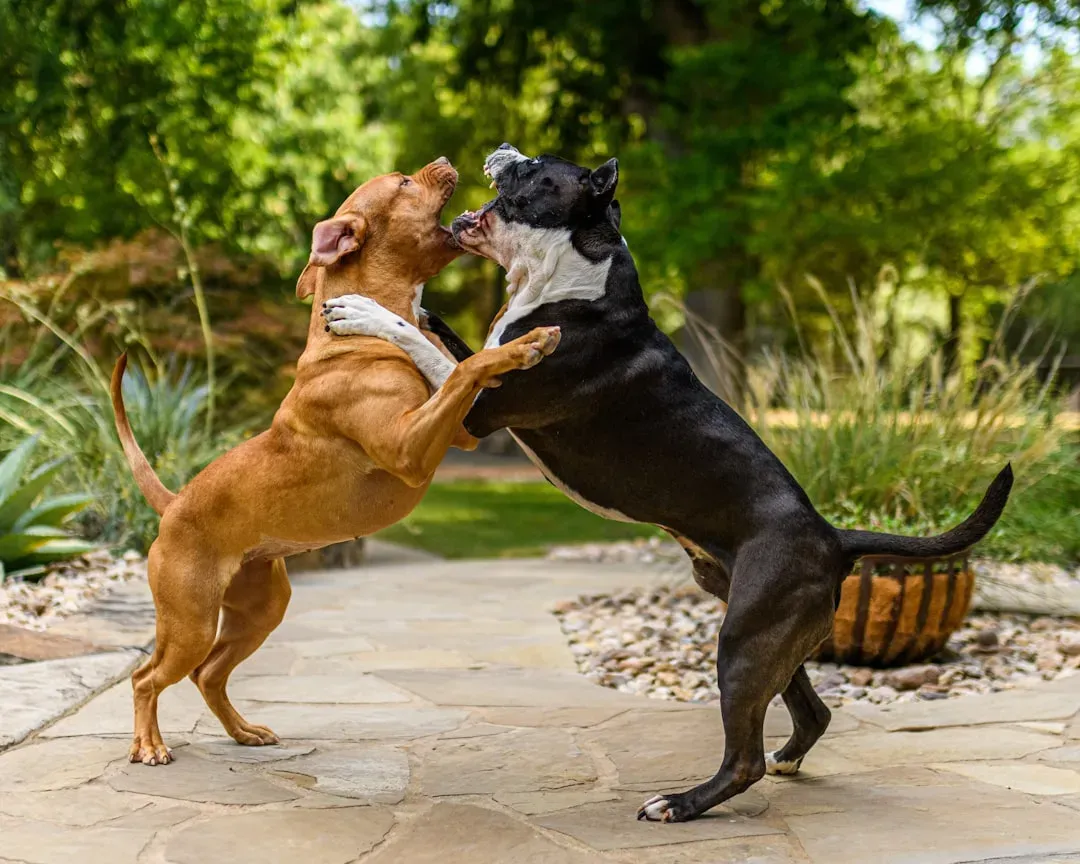
Honestly, breed bans sound logical on the surface. If one type of dog seems to cause more problems, why not just eliminate that type? The flaw in that reasoning becomes clear when you examine the evidence. After analyzing medical emergency room records on dog bite injuries in Missouri, no difference was found between municipalities with and without breed-specific legislation, with the study finding that breed-discriminatory laws have not reduced the risk of emergency department visits for dog bite injuries.
Factors such as breed explained less than 10% of the variance in dog aggression, with individual experiences playing a much larger role. Think about what that means. We’re banning entire populations of dogs based on a factor that accounts for less than one-tenth of the behavioral equation. 84% of fatal dog attacks involve dogs that aren’t neutered or spayed, with intact dogs being associated with higher rates of aggression. That right there tells you where intervention would actually make a difference.
Conclusion
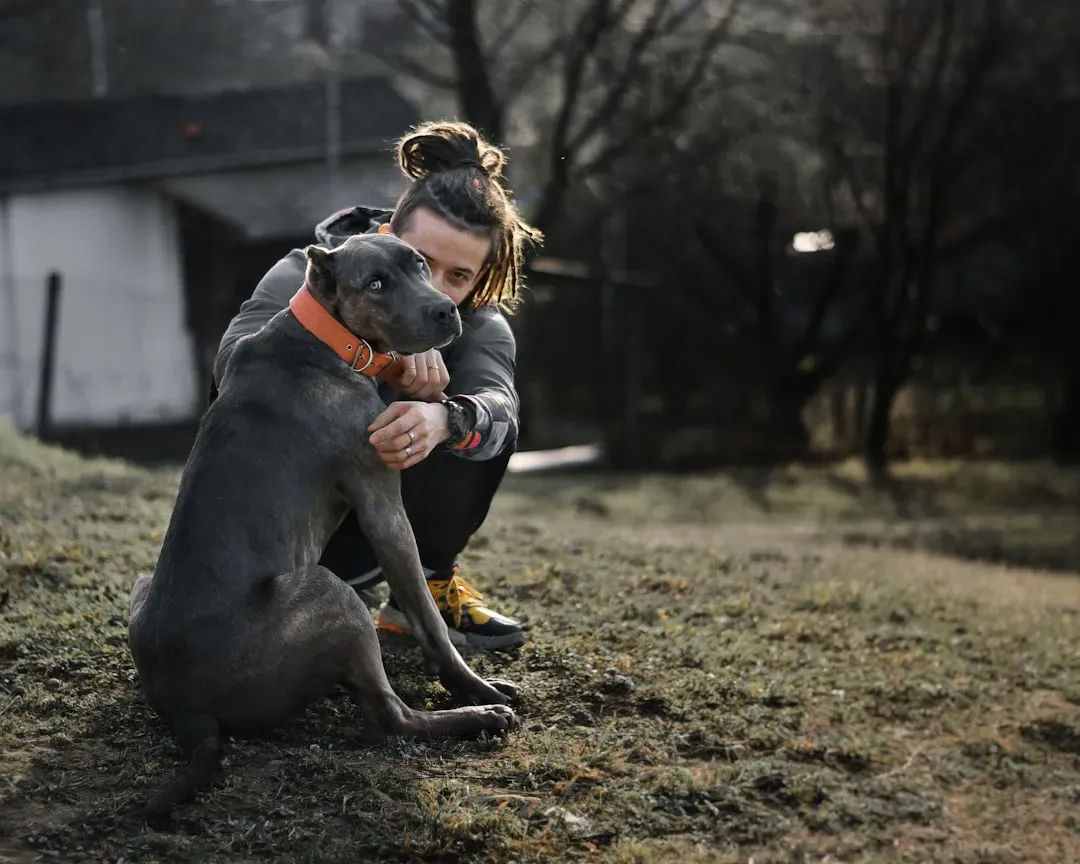
The pit bull’s journey from America’s beloved family companion to public enemy reflects more about us than it does about them. We’ve allowed sensational headlines and isolated incidents to erase decades of history and mountains of scientific evidence. These dogs haven’t changed. Our willingness to see them clearly has.
The APBT is not the best choice for a guard dog since they are extremely friendly even with strangers, with aggressive behavior toward humans being uncharacteristic of the breed and highly undesirable. That’s the irony nobody talks about. The dogs we’ve painted as monsters are actually too friendly for the job we imagine them doing. They want to please, to love, to be part of something. When given proper care, training, and a chance, they prove over and over again what their ancestors demonstrated a century ago.
What’s your experience been with pit bulls? Have you met one that challenged what you thought you knew?


