
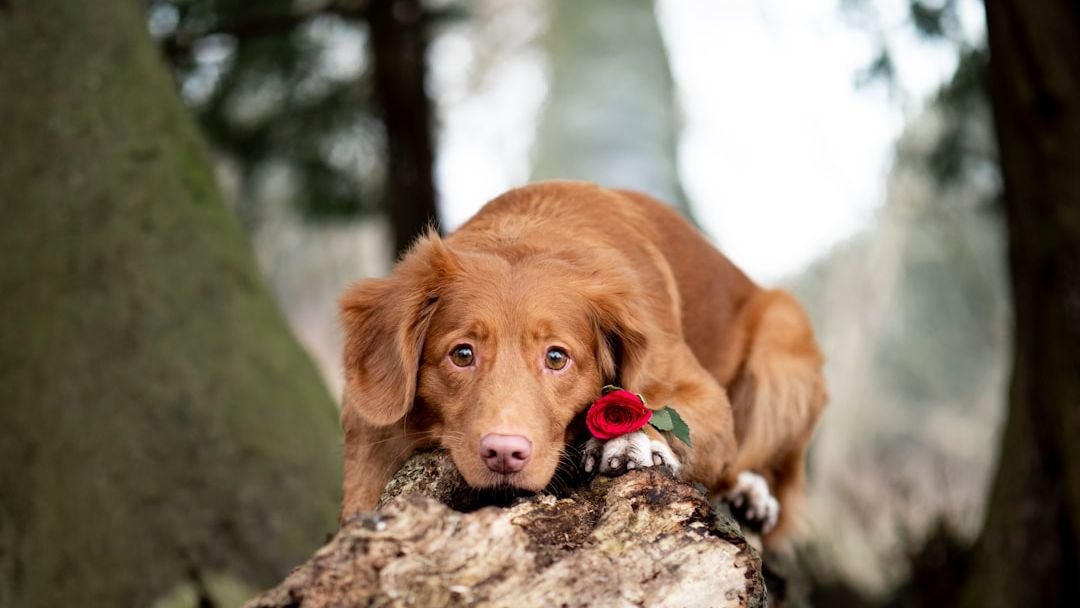
Have you ever watched your dog tilt their head at you, tail swaying gently, and felt like they were telling you something important? Dogs might not speak our language, but they’re talking to us all the time. Their bodies are like open books, revealing their feelings through movements so subtle we often miss them entirely. In a world where a wagging tail can mean excitement or uncertainty, where a yawn isn’t always about being tired, learning to read these signals isn’t just interesting. It’s essential for building trust and keeping our dogs safe.
So let’s dive into the silent conversation happening right under our noses, where every ear twitch and tail position has meaning.
Tail Talk: More Than Just Happy Wiggles

Most of us grew up thinking a wagging tail automatically means a happy dog. That’s only part of the story, honestly. A circular tail wag signals that a dog is very happy and joyful, which is exactly what we picture when we think of a delighted pup. The catch is that tails communicate far more complexity than simple joy.
Dogs tend to wag their tails to the right when experiencing positive emotions and to the left when feeling negative or uncertain. You might need to watch in slow motion to catch this directional difference, but it’s there. Position matters too. A tucked tail alongside tense lips signal discomfort, while a tail moving from neutral to taut vertical to a tight arch over the back indicates increased arousal and an assertive posture that can progress to aggression.
Think about encountering a dog at the park whose tail is high and stiff, wagging in short, rapid movements. That’s not an invitation to approach. Conversely, a loose, sweeping wag with the whole back end wiggling? That’s your green light for interaction.
Ear Positions: The Emotional Barometer
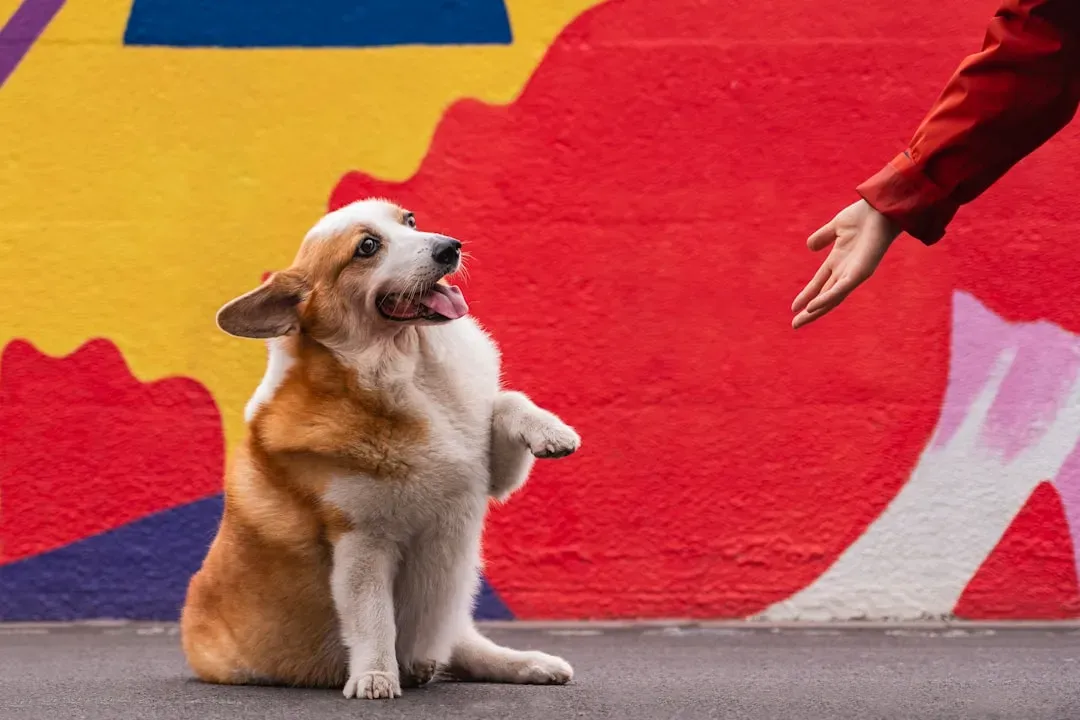
Dog ears are like radar dishes, constantly adjusting to reflect what’s happening inside their heads. Erect ears facing forward indicate a dog is alert, interested, or potentially aggressive. When you spot this, look at the rest of the body before you assume anything.
Happy and relaxed dogs can have ears ranging from forward and relaxed to pointed back and relaxed, but the key takeaway is relaxed. It’s not about the direction so much as the tension. Meanwhile, fearful and submissive dogs show flattened ears along with tucked tails and turning their heads away, while aggressive dogs slick their ears back just before an attack.
Different breeds express themselves differently, of course. A German Shepherd with pricked ears gives you clearer signals than a Cocker Spaniel with long, floppy ears. Still, even floppy-eared dogs move the base of their ears, and once you know what to look for, you’ll start noticing these shifts everywhere.
The Eyes Have It: Windows to Canine Emotions
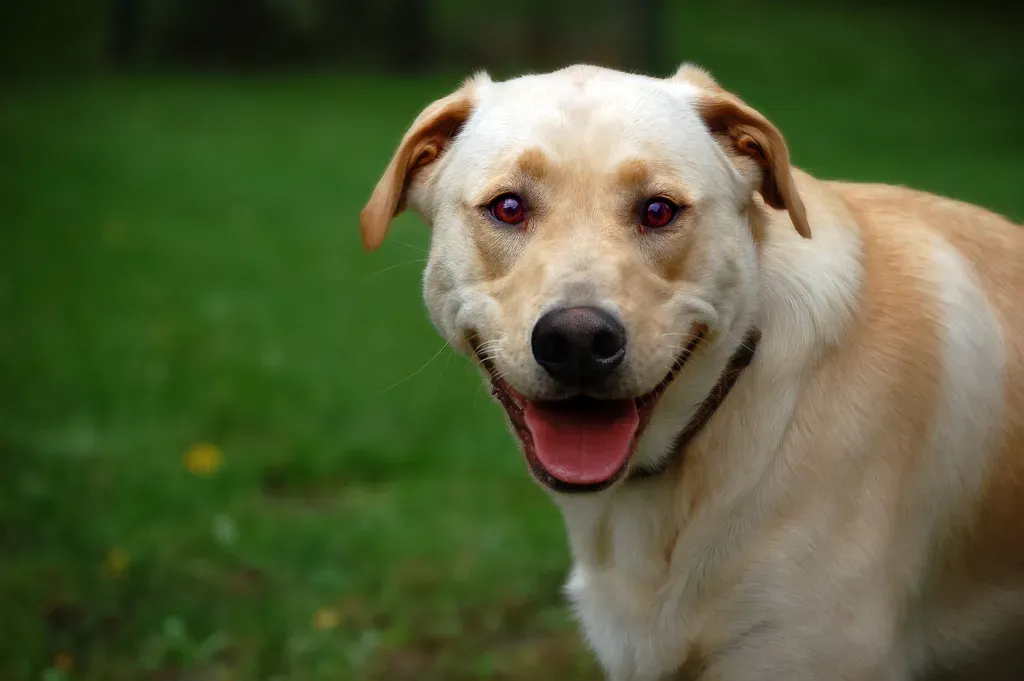
Eye contact between dogs and humans is surprisingly powerful. Direct eye contact is threatening in dog language, and when a dog shows the whites of their eyes (whale eye), it means they feel stressed or anxious. If your dog is turning their head away but keeping their eyes on you, that’s a stress signal you shouldn’t ignore.
The brow-raising expression that makes eyes look bigger, known as puppy dog eyes, is the most commonly used expression dogs make, and research confirms dogs produce facial expressions to communicate, not just because they’re excited. That look isn’t accidental. Dogs have actually evolved this particular expression because it works so well on us humans.
Squinty, soft eyes signal contentment and relaxation. Wide, hard eyes suggest arousal or alarm. Dogs pay particularly close attention to human facial expressions, perhaps because we don’t have tails and our ears don’t move, which makes the exchange of eye contact between species even more meaningful.
Mouth Movements and Subtle Signals
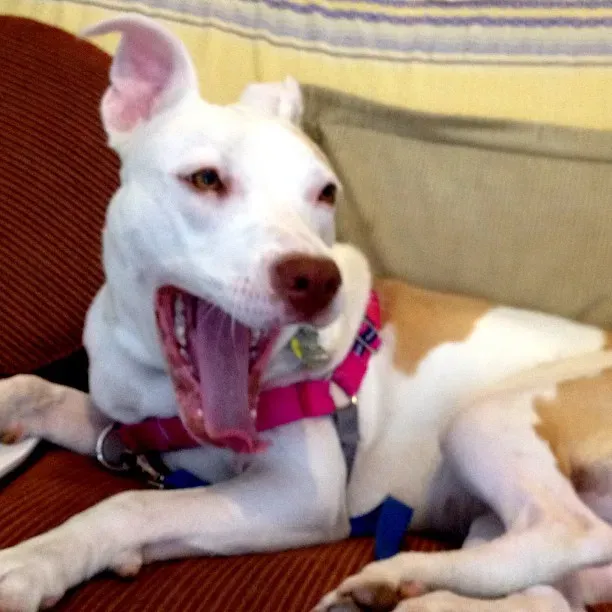
A wide-awake dog who yawns may be experiencing stress, as this is a common signal that they’re feeling nervous or worried. Similarly, lip licking when a dog isn’t hungry may indicate the dog is worried about something, maybe a loud noise, strangers, or other stressors. These behaviors are called displacement signals, subtle ways dogs communicate discomfort before things escalate.
Yawning and nose-licking are ambivalent behaviors, meaning the dog is cautious, concerned, stressed, anxious, or has the potential to respond with aggression if the situation escalates. Think of them as early warning signs. When you spot these, your dog is asking for space or reassurance.
On the flip side, many happy and relaxed dogs let their tongues loll out the side of their mouths, and relaxed dogs often let their mouths hang open a bit. A tightly closed mouth paired with other tense body language, however, tells a different story altogether.
Body Posture: Reading the Whole Picture
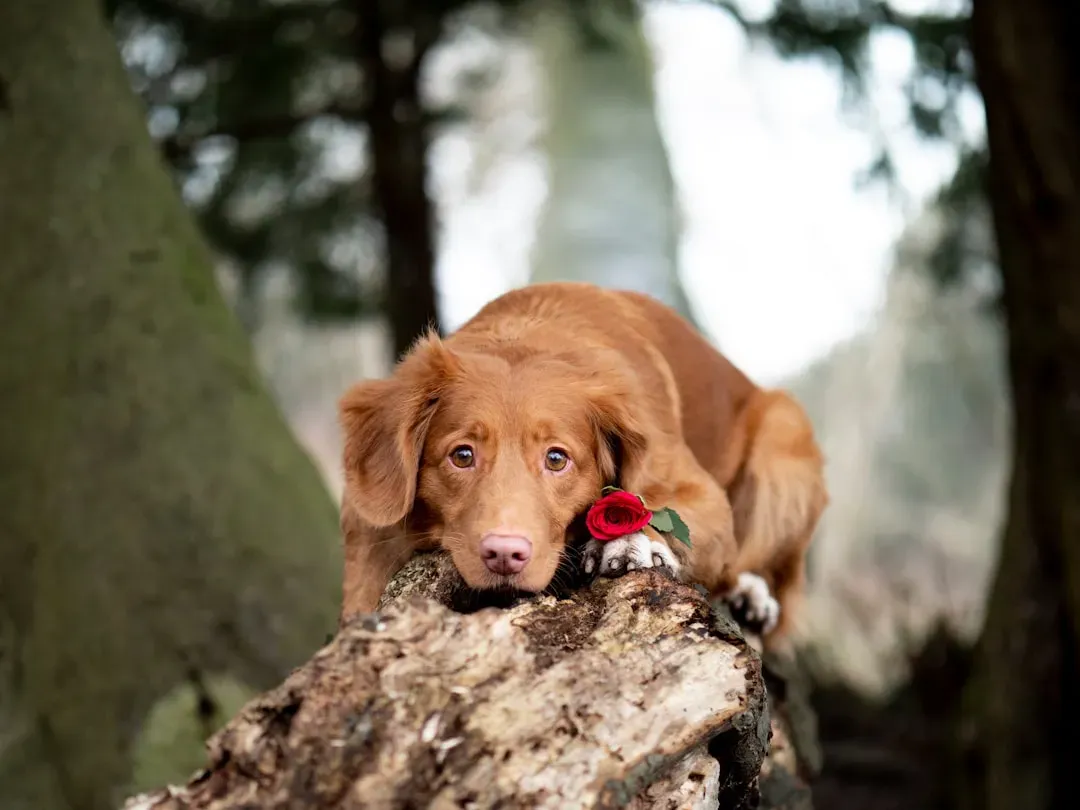
A happy dog has a fluid and relaxed body, with the mouth slightly open and tongue hanging to the side, communicating joy, confidence, and a desire to invite play. The play bow, where a dog lowers their front end with their butt in the air, is universally recognized as an invitation to have fun.
When a dog is aroused or excited, their hackles (the hair along their back and shoulders) can stand up through a reflex called piloerection, and their ears are generally forward with their body stance upward and erect. Raised hackles don’t always mean aggression is coming. Sometimes it just means the dog is intensely stimulated, whether positively or negatively.
Fearful dogs may cower or lower their body, lower or tuck their tail, put their ears back, and also tremble, shake, or look away to avoid eye contact. Context matters enormously here. Is there a thunderstorm? A stranger approaching? Your dog’s body is telling you exactly how they feel about the situation.
Putting It All Together: Context Is Everything
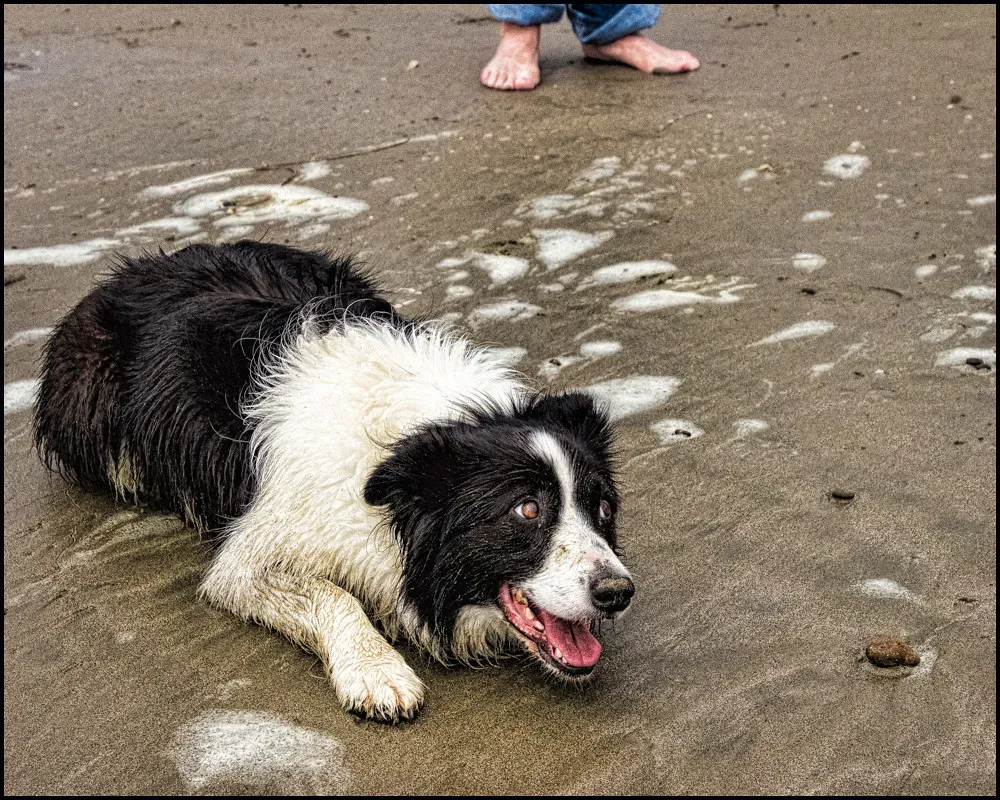
Dog body language signals never act alone, they’re all part of a package, so when you read a dog’s communication, look at every signal from tail height to eye shape. A wagging tail with pinned-back ears and a tense mouth sends a very different message than a wagging tail with soft eyes and a relaxed body.
Learning how to decode your dog’s signals is an important step in understanding issues surrounding their happiness, stress and health. When you truly understand what your dog is communicating, you can step in before a situation becomes overwhelming for them. You become their advocate, their translator in a human world.
Watch your dog interacting with other dogs at the park, or observe how they react when guests arrive. Notice how their body language shifts moment to moment. The more you practice, the more fluent you’ll become in this silent language. It’s honestly one of the most rewarding skills you can develop as a dog lover.
Conclusion

Dogs are constantly sharing their inner world with us through this elegant, wordless language. Every ear position, tail wag, and subtle mouth movement is a window into how they’re feeling right now. When we take the time to truly observe and understand these signals, we strengthen the bond we share with our dogs and create a foundation of trust that goes both ways.
The silent language of dogs isn’t really silent at all. It’s just spoken in a different dialect, one that’s been evolving alongside humans for thousands of years. So what do you think? Will you start watching your dog’s body language more closely now? What signals have you noticed that we didn’t cover here? Share your observations in the comments below.


