
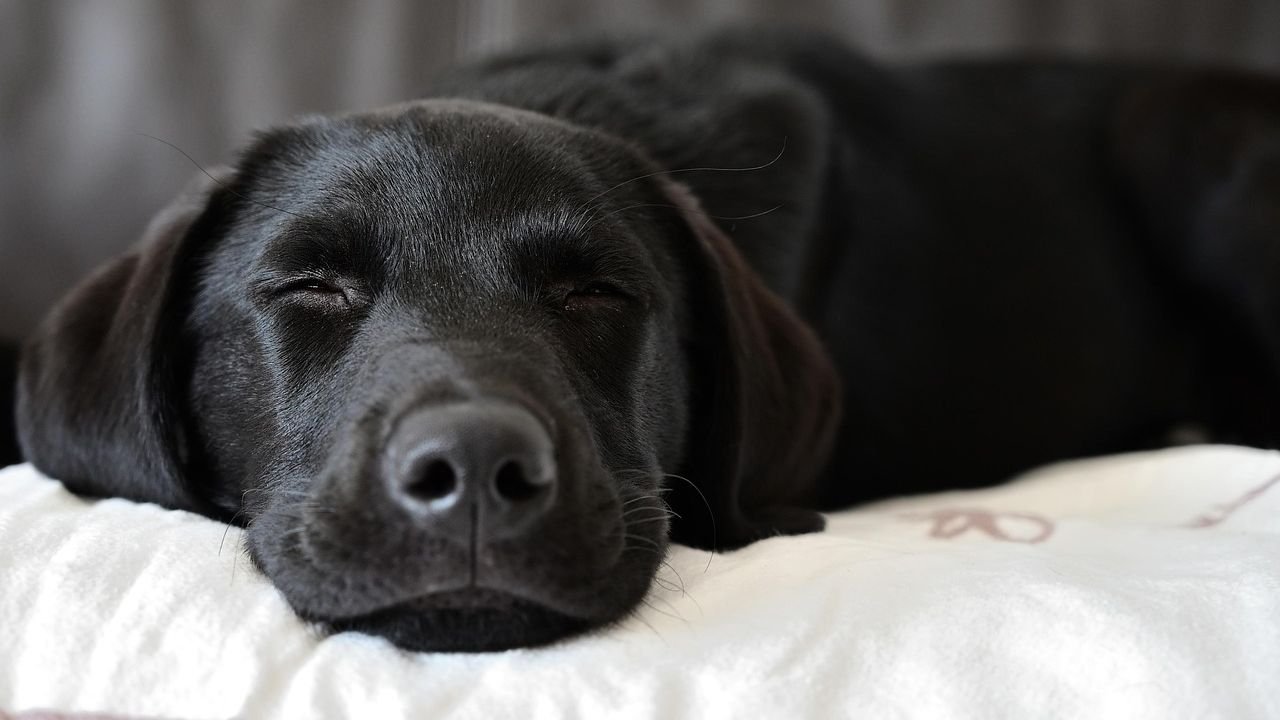
Ever watched your pup twitch, whimper, or paddle their paws while fast asleep? It’s one of those moments that makes you wonder what’s going on behind those closed eyelids. Could they be chasing squirrels through an endless meadow? Reliving that afternoon game of fetch? The truth is, your dog isn’t just resting when they sleep. They’re processing their day, sorting through memories, and yes, dreaming about the life they share with you.
Dogs experience dreams much like we do, and understanding what those nighttime adventures mean can help you support their overall wellbeing. Let’s explore the fascinating world of canine sleep and what your dog’s twitchy dreams are really telling you.
The Science Behind Dog Dreams
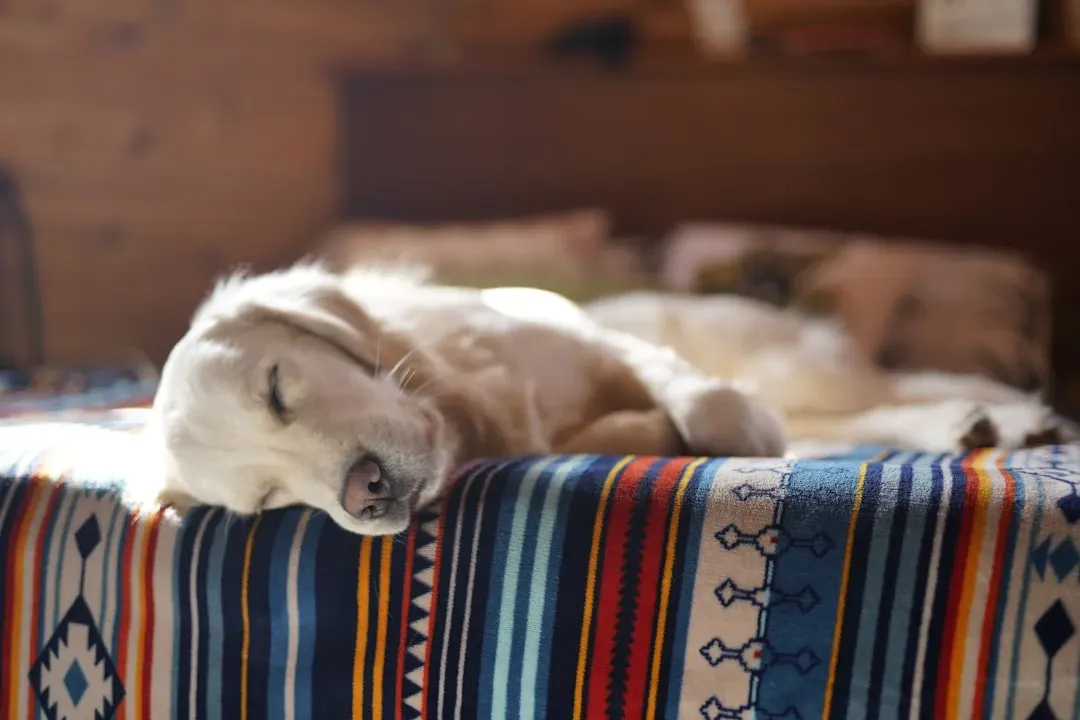
Dogs experience REM sleep, the stage associated with vivid dreams in humans, and brain wave patterns recorded during this phase show striking similarities to our own. A 2024 study at Harvard Medical School used EEGs to show that dogs experience REM sleep and their dreams often replay daily activities. Think about that for a second. Your dog’s brain processes experiences the same way yours does during sleep.
It takes roughly 20 minutes of uninterrupted sleep for dogs to reach REM sleep, and this typically lasts for two to three minutes. During this phase, their eyes dart beneath closed lids, breathing becomes irregular, and you might notice those adorable leg twitches. Unlike humans who have longer sleep cycles, dogs have shorter ones lasting just 45 minutes, cycling through REM and non-REM sleep twice during that period. This means your dog experiences many more mini dream sessions throughout the day than you do during your single overnight sleep.
What Are Dogs Actually Dreaming About?
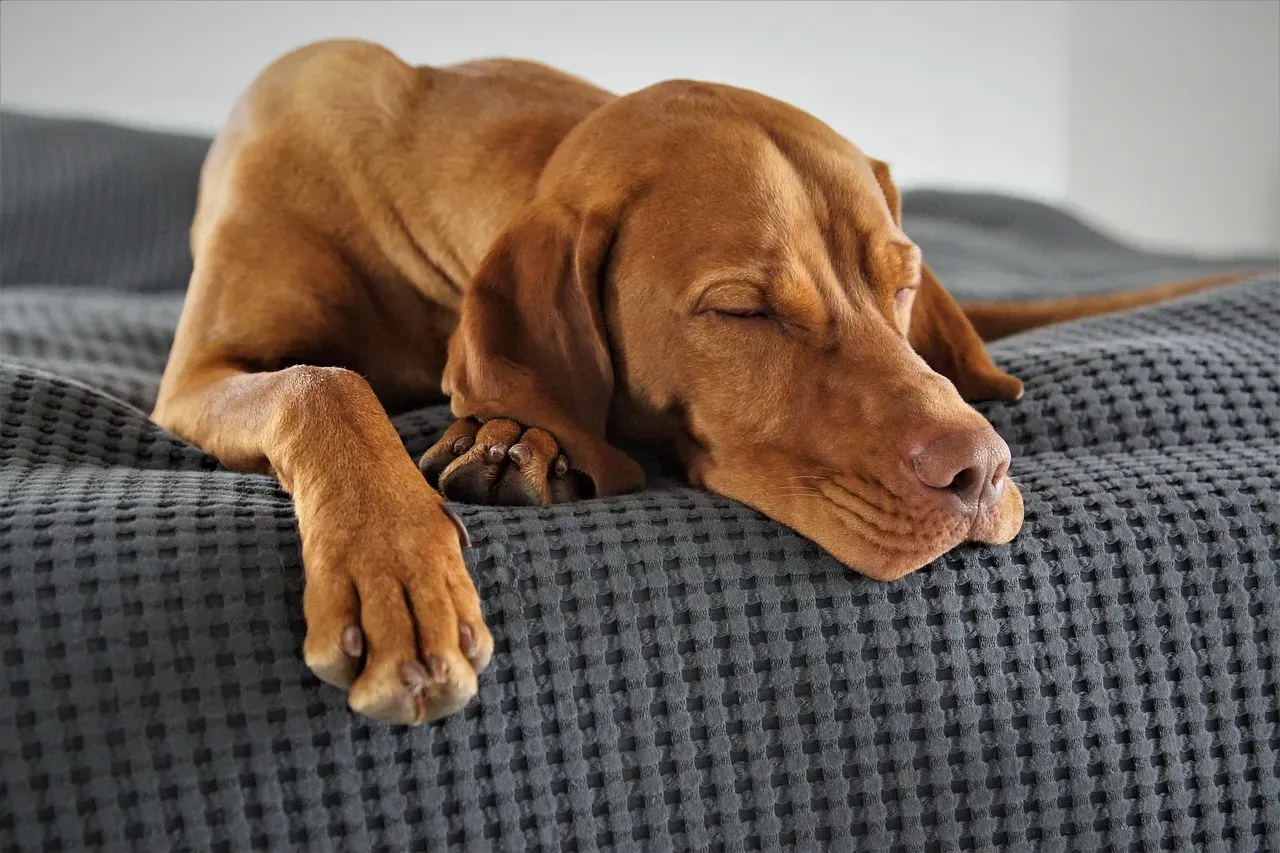
We can’t ask them directly, but the science offers some pretty heartwarming clues. Researchers believe dogs dream about everyday experiences, meaning chasing a ball, playing with their favorite human, or exploring the park might replay in their minds while they snooze. According to experts, your pup is probably dreaming about you since dogs often engage with their owners in various daily interactions, and elements of these experiences could find their way into a dog’s dreams.
Let’s be real, that’s incredibly touching. Your face, your smell, the sound of your voice – these are the things occupying your dog’s subconscious mind. Certain breeds even perform breed-specific behaviors in their sleep, with pointers pointing and English Springer Spaniels exhibiting flushing behavior during REM sleep. It’s as if their DNA is so hardwired for certain activities that even their dreams reflect it.
Dogs probably dream in smells, given that olfaction is so central to their waking experience of the world. Imagine that. While we dream in vivid images and sounds, your dog might be experiencing an entire symphony of scents from their day.
Puppies, Adult Dogs, and Seniors Dream Differently
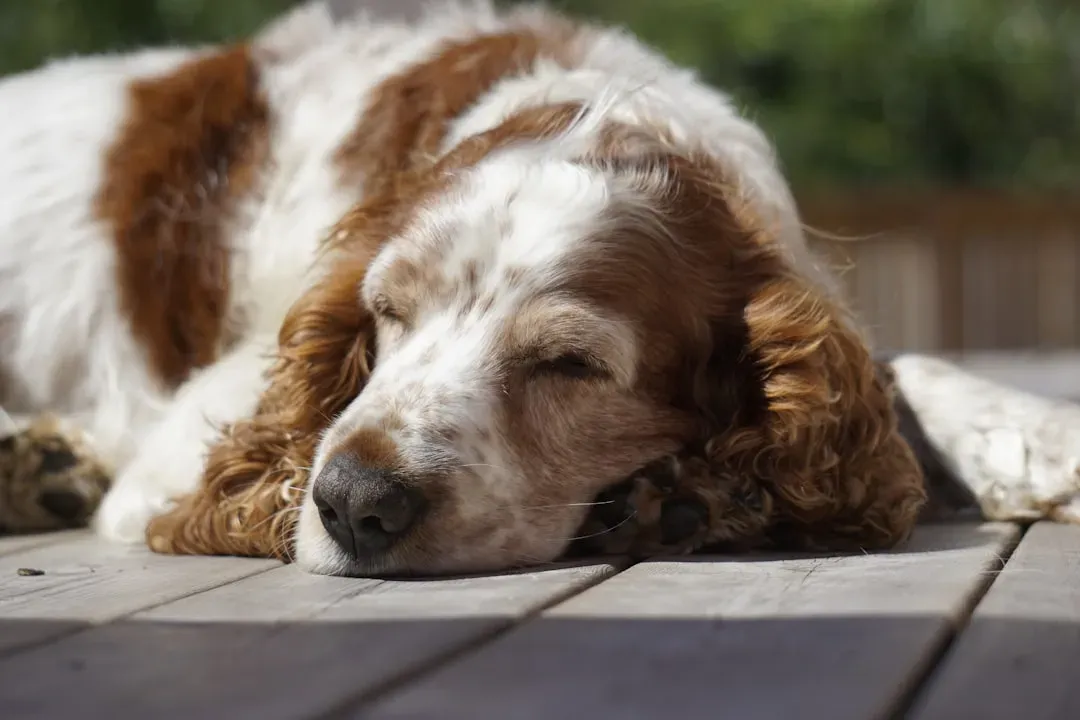
Not all dogs dream the same way. Puppies and smaller breeds often enter REM sleep more frequently, which means they may dream more often, while larger breeds tend to have fewer but longer dream cycles. The young, innocent minds of puppies experience more dreams than adult dogs because puppies acquire huge amounts of new information daily and have a lot to process at night.
Think about a puppy’s day – everything is new and exciting. That first encounter with a vacuum cleaner, the taste of a new treat, meeting another dog at the park. Their brains are working overtime to file away all these experiences. Puppies and older dogs twitch and move more in their sleep because the pons, the part of the brain that inhibits muscle movement during sleep, is underdeveloped in puppies and less efficient in older dogs.
Senior dogs also tend to dream more, though for different reasons. Their aging brains might be revisiting a lifetime of memories, or perhaps their less efficient pons allows more physical movement during dreams.
Those Twitches and Whimpers: What’s Happening?
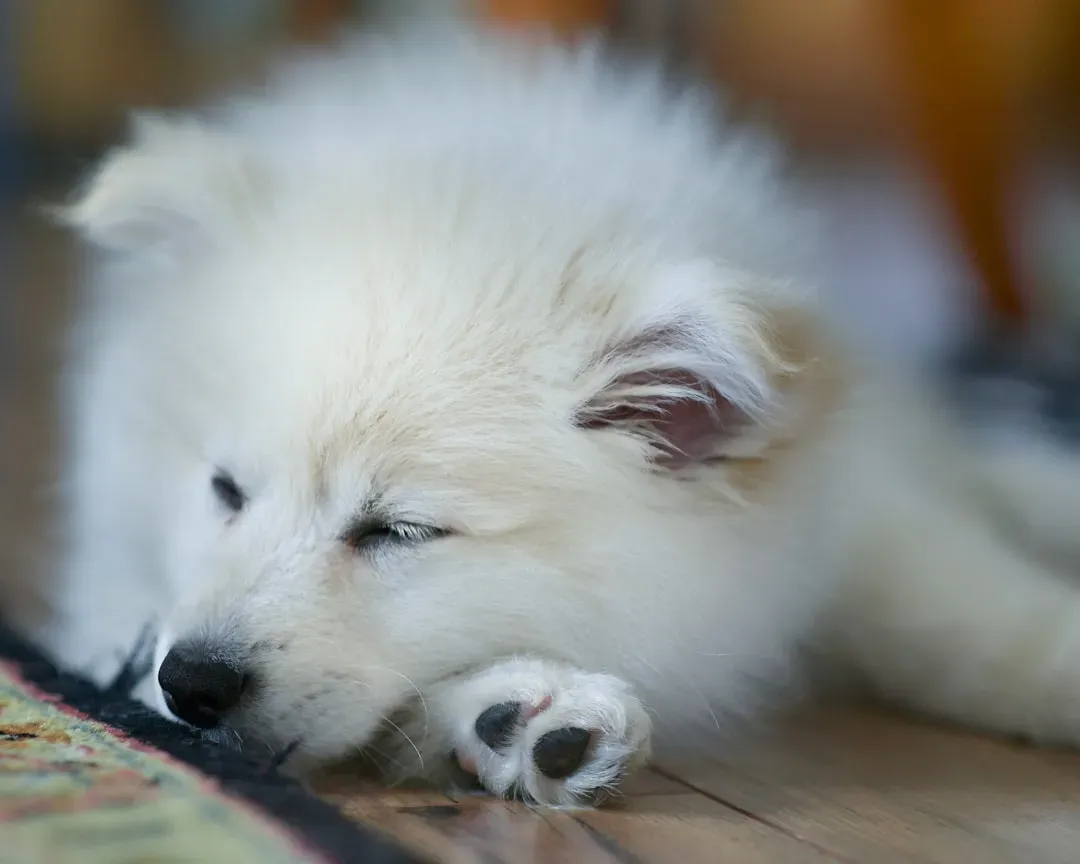
During REM sleep, your dog may whine, breathe rapidly, and move their legs. During REM sleep, the brain might send signals to the body resulting in involuntary movements such as twitching, leg kicks, or even muted barks, which can be likened to us humans living our dreams. These movements are completely normal and actually a sign your dog is getting quality sleep.
I know it sounds crazy, but those paddling paws are often your dog running through a dream landscape. Studies have demonstrated that dogs in the REM sleep cycle have brain activity in the same area as when a dog is out hunting and chasing prey, so the running behavior is linked to dreaming of chasing rabbits or small prey. The twitching nose? They might be sniffing out something interesting in their dream world.
Here’s the thing: you shouldn’t wake a twitching dog unless absolutely necessary. Disrupting a dog during REM sleep can result in serious consequences, as touching a dog when they’re dreaming may startle them and cause them to bite or scratch involuntarily. If you must wake them, call their name from a distance rather than touching them.
Can Dogs Have Nightmares?
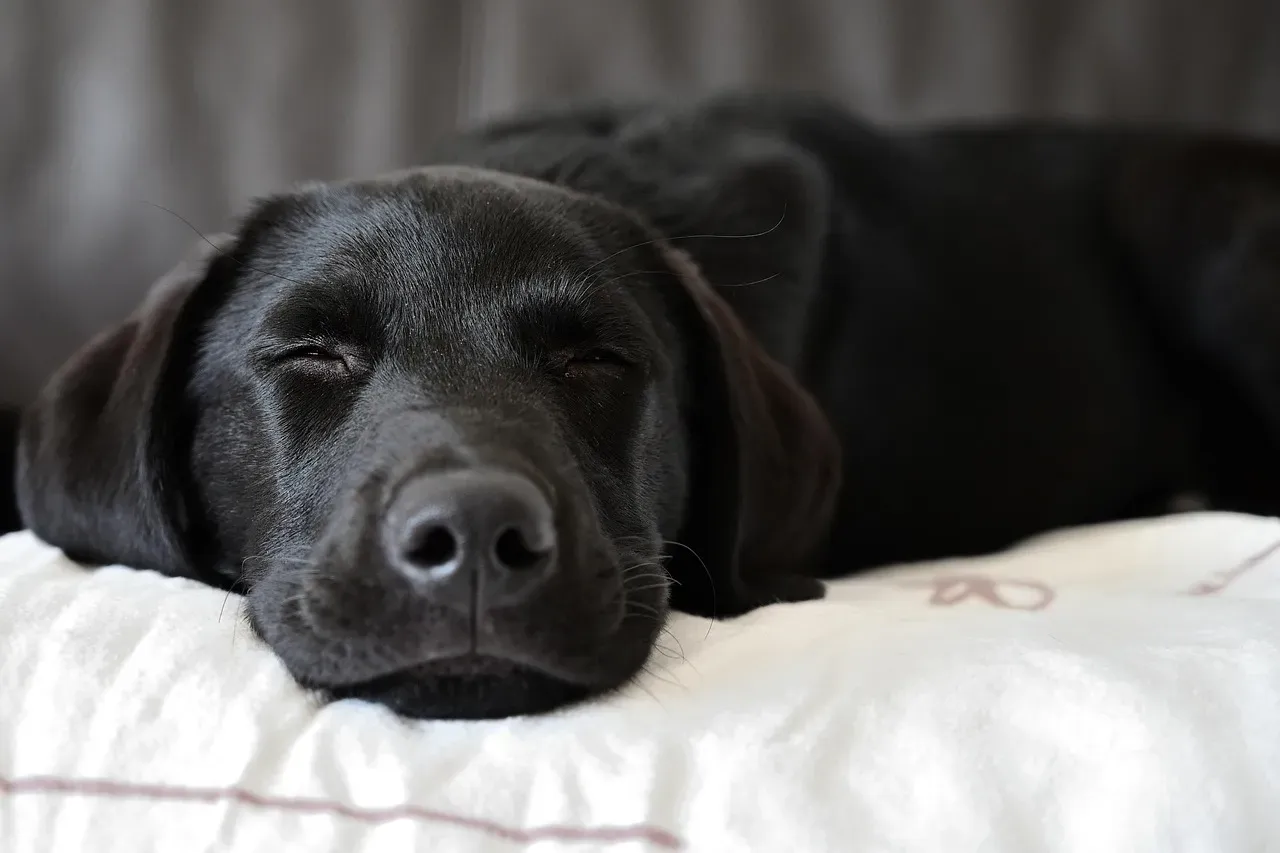
Yes, unfortunately they can. Because dogs have similar dream patterns to humans and may experience not-so-positive moments throughout the day, researchers believe our four-legged friends have nightmares too, such as dreams about something they fear like going to the groomer or an unpleasant encounter with another dog. Rescue dogs might be especially prone to reliving traumatic memories from their past.
One owner reported that his dog had a nightmare about bath time – the dog didn’t like baths and always ran to hide between his owner’s legs afterward, and when the dog woke from a dream, it bolted and hid between his legs, leading the owner to conclude the dog had just had a scary dream about his bath. These specific behavioral cues can give you insight into what might be troubling your pup.
However, resist the urge to comfort them mid-nightmare. Although it may be alarming to see your dog running in place while sleeping or to hear them whimper, most dreams are not nightmares, and dreaming is a normal, healthy occurrence. Let them work through it naturally.
When to Worry: Dreams vs. Seizures
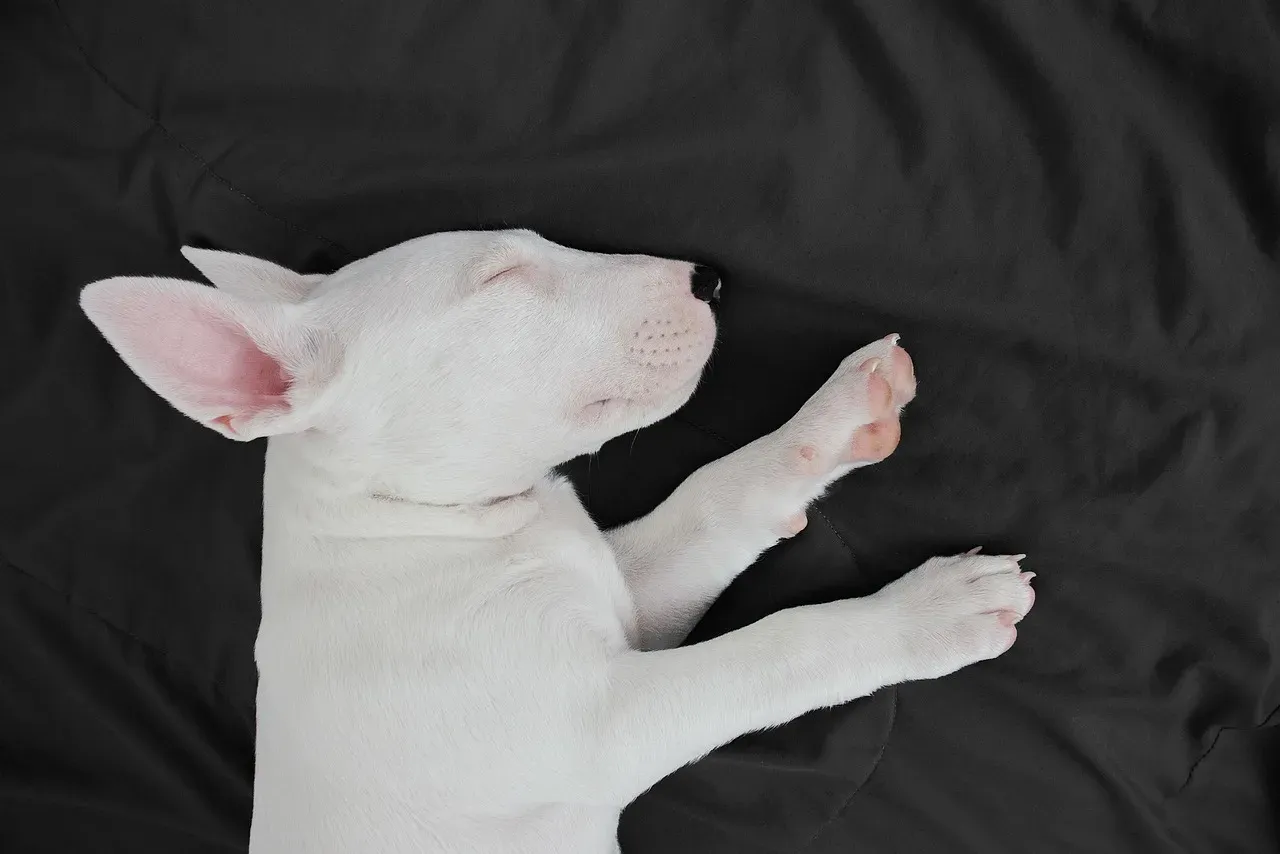
This is crucial information every dog owner should know. All dogs dream with twitching, paddling, or kicks of their legs that are often brief, lasting less than 30 seconds and intermittent, whereas seizing dogs’ limbs tend to be rigid and stiffer with more violent movement. Dogs experiencing a seizure cannot be easily woken while dreaming dogs can, and dogs having a seizure often are disoriented afterwards and may drool and pant, while seizing dogs may urinate or defecate on themselves but dreaming dogs usually do not.
If your dog’s movements seem unusually violent, last longer than 30 seconds continuously, or if they seem disoriented and confused upon waking, contact your veterinarian immediately. A good rule of thumb is that if your dog is continuously convulsing for 30 seconds or so, you should take them to the vet. Recording the episode on your phone can help your vet make an accurate diagnosis.
Most twitching is harmless dreaming, but trust your instincts. You know your dog better than anyone.
Supporting Your Dog’s Sleep and Dreams
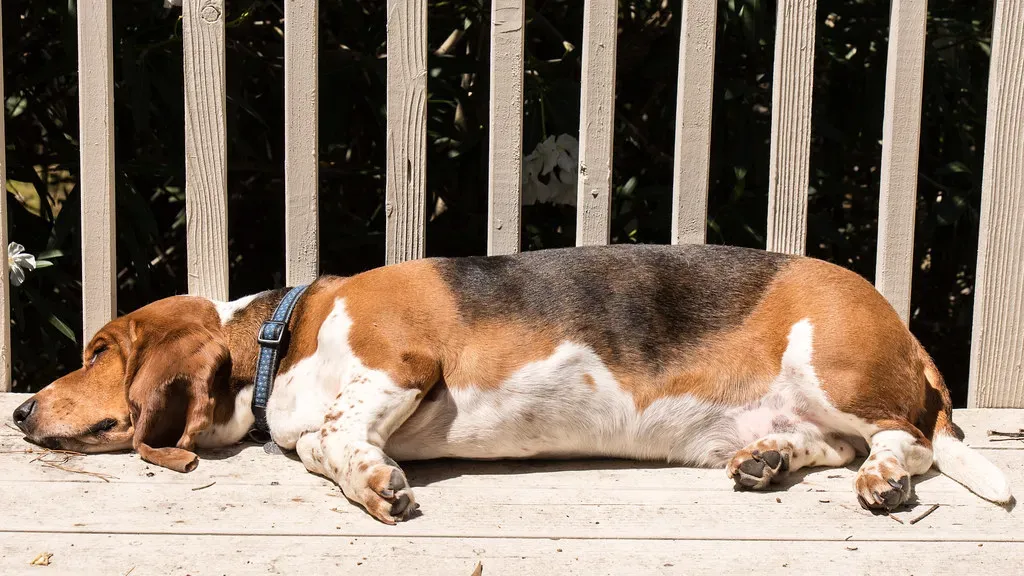
Dogs and humans need uninterrupted sleep for health of mind and body, so provide your dog with a quiet, comfortable area to rest and do not disturb them. A cozy bed in a peaceful spot helps them cycle through those important REM stages without constant disruption.
Mental and physical stimulation during the day leads to better sleep at night. A well-exercised dog with plenty of mental enrichment will settle into deeper, more restorative sleep cycles. During the REM phase of sleep, dogs consolidate sensory information into memories that can be recalled when triggered, and dogs organize both foreign sensory stimulation and information they recognize from being awake, assessing their positive or negative associations. Quality sleep literally helps them learn and process their world.
Create a consistent bedtime routine. Dogs thrive on predictability, and a regular sleep schedule supports healthy sleep architecture.
The Beautiful Reality of Dog Dreams
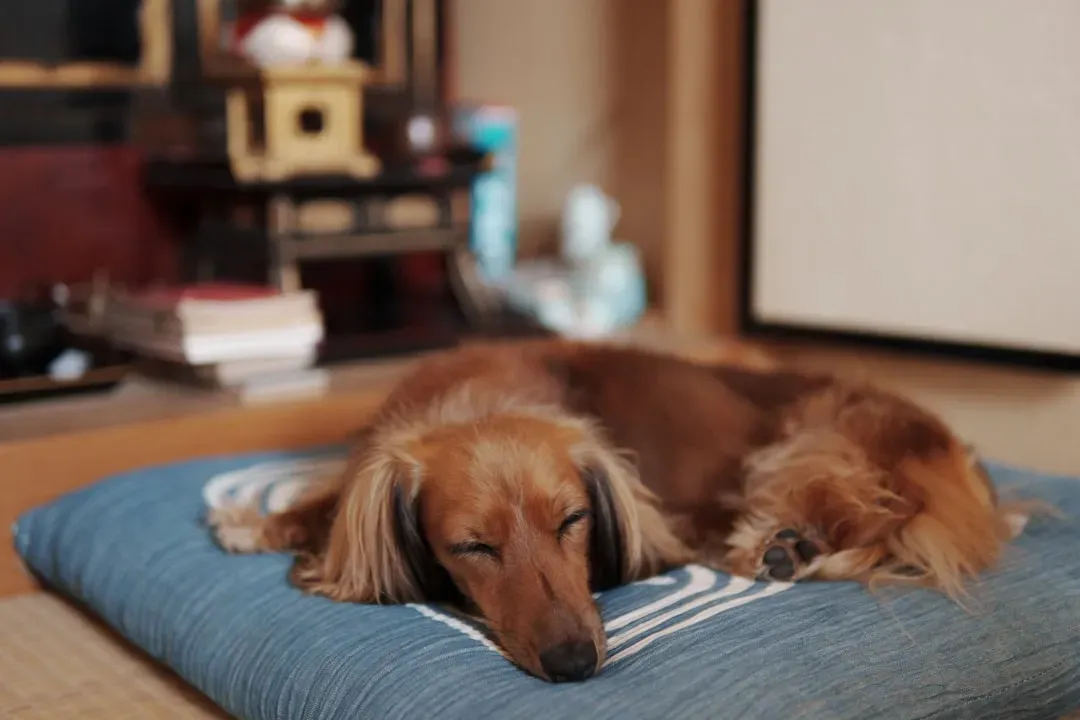
Understanding that your dog dreams changes how you view those quiet moments when they’re curled up snoozing. They’re not just resting their bodies. They’re mentally replaying the joy of your afternoon walk, the excitement of dinner time, and quite possibly, the warmth and safety they feel being near you.
Dreamland for dogs is likely made up of elements or fragments of real life woven together in mixed up scenarios, and since you are a big part of their life, you likely feature prominently. Every tail wag, every game of tug, every gentle pat on the head becomes material for their nighttime adventures. Their dream world is built from the life you share together.
Next time you see those paws paddling or hear a soft sleep-bark, smile knowing your dog is processing the wonderful life you’ve created for them. Those twitches represent memories being stored, skills being practiced, and emotions being sorted. It’s all part of the incredible bond between you and your canine companion.
So let sleeping dogs lie, as the old saying goes. They’re doing important work in dreamland, and honestly, there’s something deeply comforting about knowing they might just be dreaming of you.


