
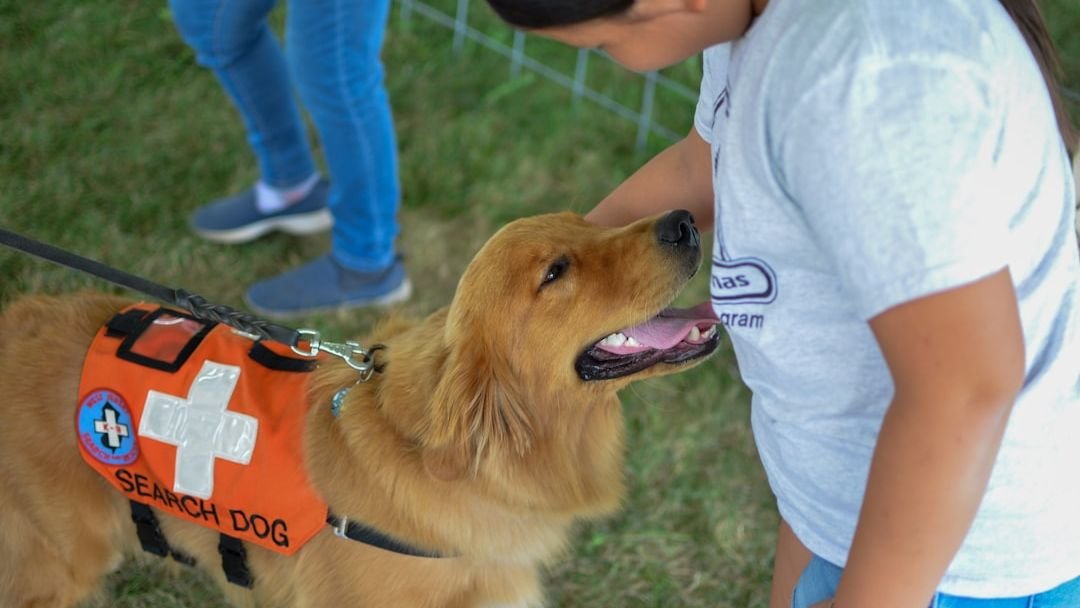
Have you ever stopped to think about what the world looks like to your dog? Not through their eyes, but through their nose. While we humans bumble through life relying on our vision, our canine companions are experiencing an entirely different reality. Every walk around the block, every visitor who steps through your door, and every moment of your day is decoded through an invisible language of scent that most of us will never truly understand. That cold, wet nose is doing far more than just investigating fire hydrants.
It’s honestly mind-blowing when you start to realize what dogs can smell. Their noses aren’t just better than ours, they’re operating on a completely different level of sensory perception. Let’s dive into the incredible world of canine olfaction and discover just how powerful your furry friend’s superpower really is.
The Anatomy Behind the Magic
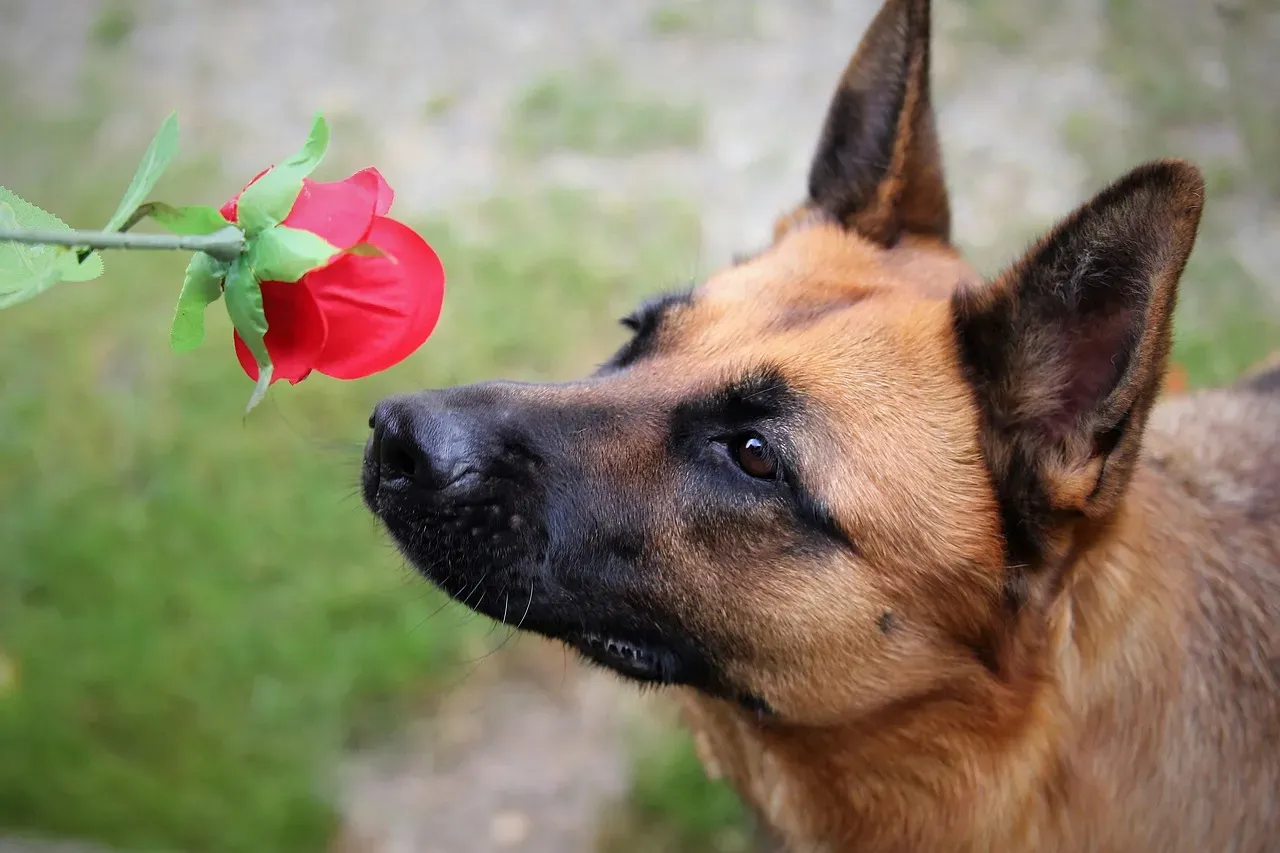
Dogs possess somewhere between 125 million to nearly 300 million scent receptors in their noses, compared to our measly 5 to 6 million. Think about that for a second. Even on the lower end, that’s roughly forty times more than what we have.
In dogs, about one third of their brain is devoted to analyzing smells, while humans dedicate just around 5 percent. Your dog’s brain is literally wired differently than yours, prioritizing smell in a way we simply cannot comprehend. The area of the canine brain devoted to analyzing odors is about 40 times larger than the comparable part of the human brain.
Here’s the thing that really gets me: dogs have a bony structure inside their noses that humans don’t have, which allows air to pass over a shelf where odor molecules accumulate and build in intensity. This means they’re not just smelling once, they’re layering scents with each breath.
When dogs first encounter something new, they start by using only their right nostril, then switch to the left if they’re comfortable with the smell. Each nostril can work independently, creating a three-dimensional map of smells in their minds.
How Powerful Is That Nose, Really?
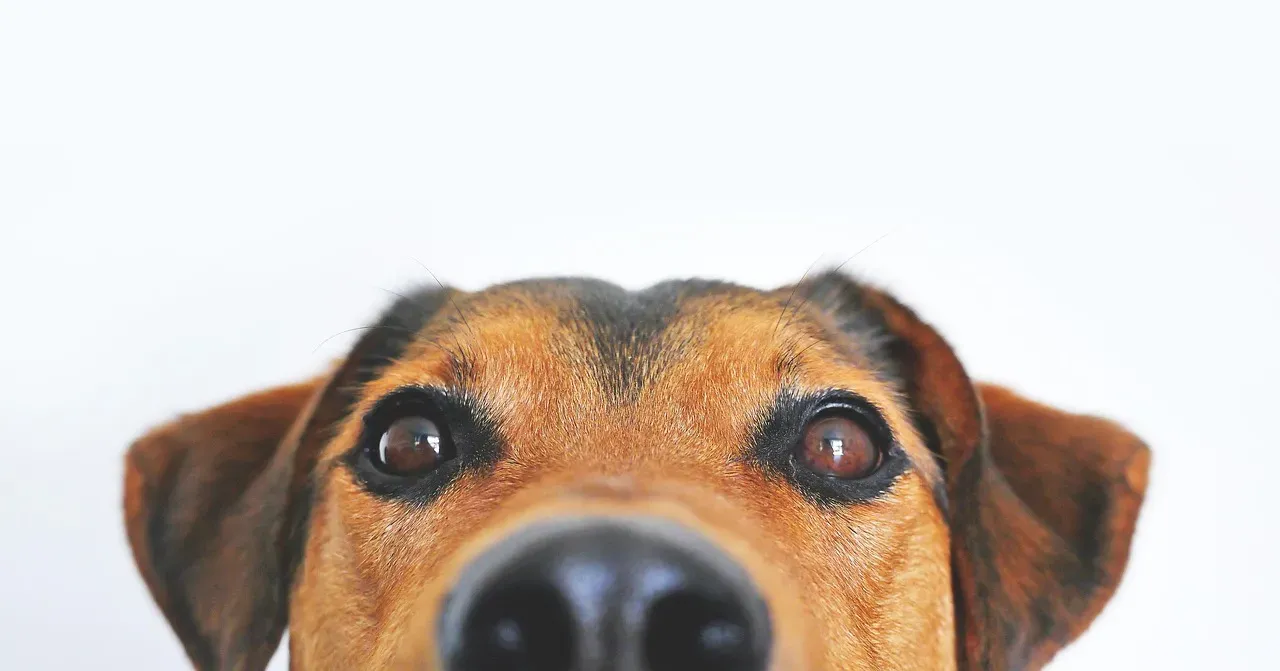
Let’s be real, numbers like “ten thousand times better” sound impressive but feel abstract. So here’s a way to picture it: dogs can detect substances at concentrations of one part per trillion, which is like finding a single drop of liquid in twenty Olympic-size swimming pools.
The typical dog’s nose is 100,000 to 1 million times as sensitive as a human’s, and the bloodhound can be up to 100 million times as sensitive. Some experts estimate it differently, but the point remains the same: your dog’s nose is operating in a dimension of sensitivity we can barely fathom. Recent research from the University of Helsinki showed that dogs can identify concentrations of eucalyptus that are clearly below the detection threshold of sophisticated analytical instruments used today.
In ideal conditions, dogs may even smell at a range of around 12 miles away. Your pup isn’t just sniffing what’s right in front of them, they’re gathering intel from far beyond what you can see.
Sniffing Out Cancer and Disease
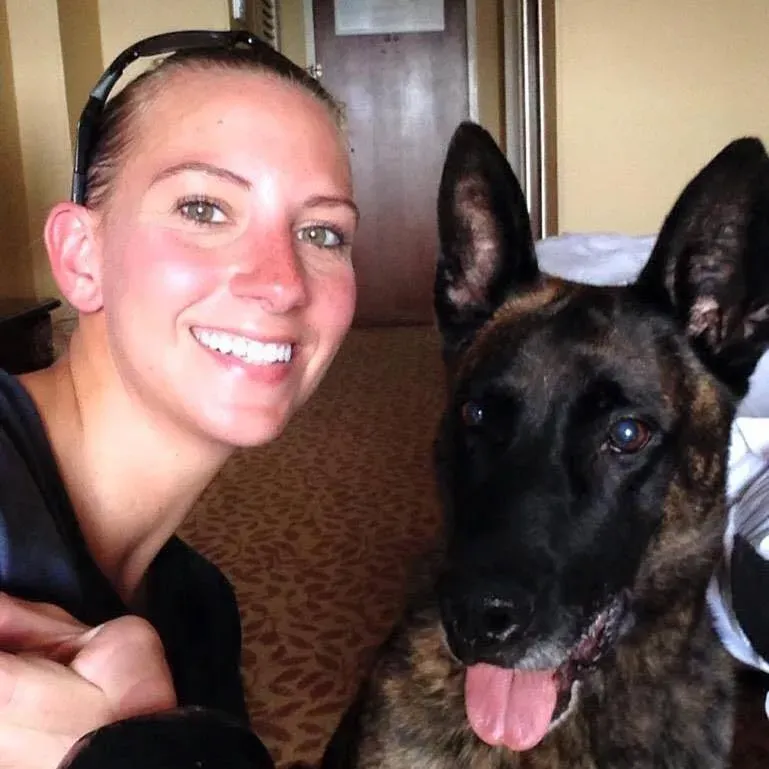
Research has shown that trained dogs can detect various cancers, including prostate cancer, colorectal cancer and melanoma. I know it sounds crazy, but dogs have literally saved lives by persistently sniffing at skin lesions or acting strangely around their owners, prompting medical checkups that revealed early-stage cancers.
Evidence suggests that trained scent dogs can detect a variety of diseases in both humans and animals accurately and often earlier than many existing screening tools. The reason? Dogs detect volatile organic compounds, which are produced by metabolic processes, and pathological processes can alter the VOC profile.
In a 2006 study, five trained dogs were able to detect breast cancer with 88 percent accuracy and lung cancer with 99 percent accuracy. That’s not just impressive, that’s potentially lifesaving. Dogs’ findings were highly accurate compared to PCR testing during COVID-19 detection, and they could detect infection in some individuals 2 to 3 days before symptoms started.
What your dog is smelling when they detect cancer remains partially a mystery. Exactly what cancer and diabetes smell like is not yet known, but researchers are working to identify the specific compounds so they can develop mechanical detection devices.
Detecting Blood Sugar and Seizures
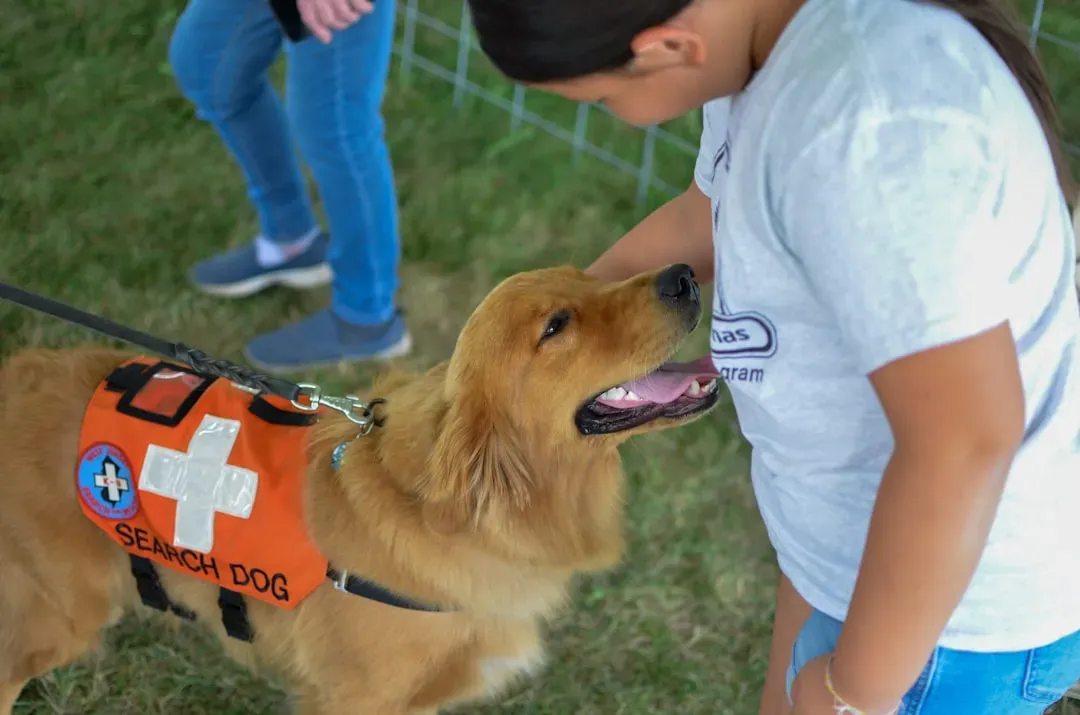
Diabetes alert dogs are well-known service animals that can detect when blood sugar levels are too high or too low in people with diabetes. These dogs detect isoprene, a common natural chemical found in human breath that rises significantly during episodes of low blood sugar.
People can’t smell this chemical at all, but dogs are incredibly sensitive to it with proper training. This means that diabetic alert dogs can warn their handlers before a dangerous blood sugar drop occurs, giving them time to take action. It’s like having a living, breathing medical monitor that also happens to love belly rubs.
Dogs can also detect if a patient is about to go into an epileptic seizure. The exact mechanism isn’t fully understood, but it’s believed that dogs pick up on subtle changes in body chemistry or behavior that precede a seizure. For someone with epilepsy, having that advance warning can be the difference between being in a safe place when the seizure hits or being in a potentially dangerous situation.
Roughly 54 percent of migraine sufferers with dogs noticed changes in their pets’ behavior during or before migraines, with nearly 60 percent indicating their dog alerted them an hour or two in advance, possibly by detecting serotonin. Even untrained dogs sometimes naturally alert their owners.
Fear, Emotions, and the Invisible World
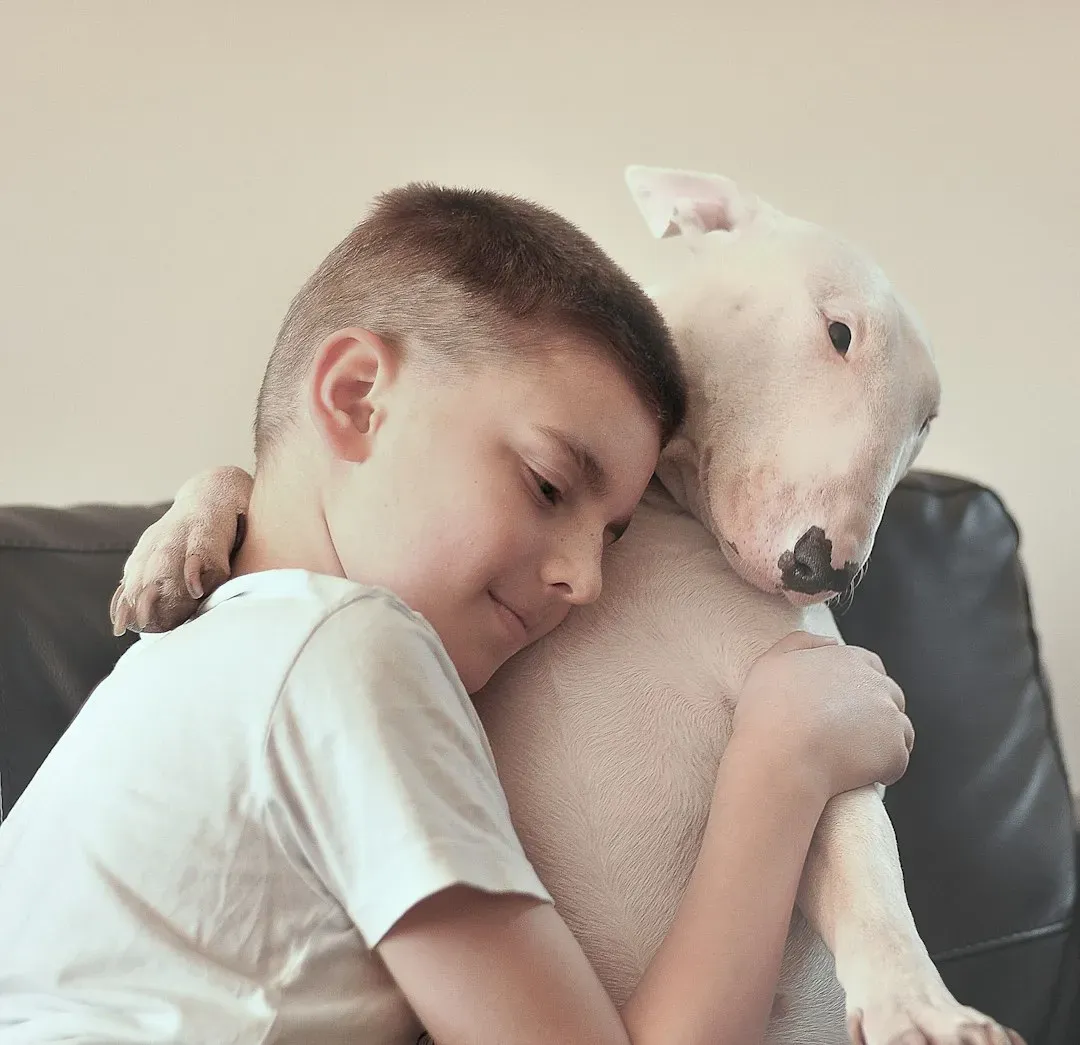
Dogs sense fear and anxiety via their noses because when we are stressed or scared, we secrete adrenaline, which dogs detect even though we cannot smell it. That’s why your dog always seems to know when you’re upset, even if you’re trying to hide it.
When we are anxious, we also have increased heart rate and blood flow, which carries body chemicals to the skin surface where dogs can smell them more easily. Your emotional state is literally radiating off your body in ways you can’t control, but your dog picks up on instantly.
With a single sniff, dogs can determine what another dog likes to eat, identify gender and mood, and determine if a new friend is male or female, happy or aggressive, healthy or ill. It’s like they’re reading an entire biography in a fraction of a second.
Recent studies show that dogs can detect not only specific scents of drugs or explosives, but also changes in emotions as well as in human cell metabolism during various illnesses. Your dog knows things about you that you don’t even know yourself.
Why Dogs Need to Sniff Everything

In dogs, scent is their primary sense, and based on the significant portion of their brain dedicated to smell, dogs arguably depend more on smell than humans depend on eyesight. Let that sink in. Sniffing isn’t just a quirky behavior, it’s how your dog sees the world.
Sniffing is very important to dogs because it allows them to better perceive the world around them, which probably lends a sense of security. When you yank your dog away from that fascinating fire hydrant, you’re essentially blindfolding them mid-conversation.
When in a new territory, a dog can sniff a tree and determine what other dogs live in the neighborhood, or smell a visitor’s pant-leg and get a good impression of where the person lives and whether they have pets at home. Every blade of grass, every lamppost, every corner of the sidewalk is bursting with information.
Dogs have a good scent memory that can identify other dogs they have not seen for years and even remember which of them was the dominant member of the pair. Their sense of smell isn’t just powerful in the moment, it creates lasting memories that persist over time.
Conclusion: A Different Reality
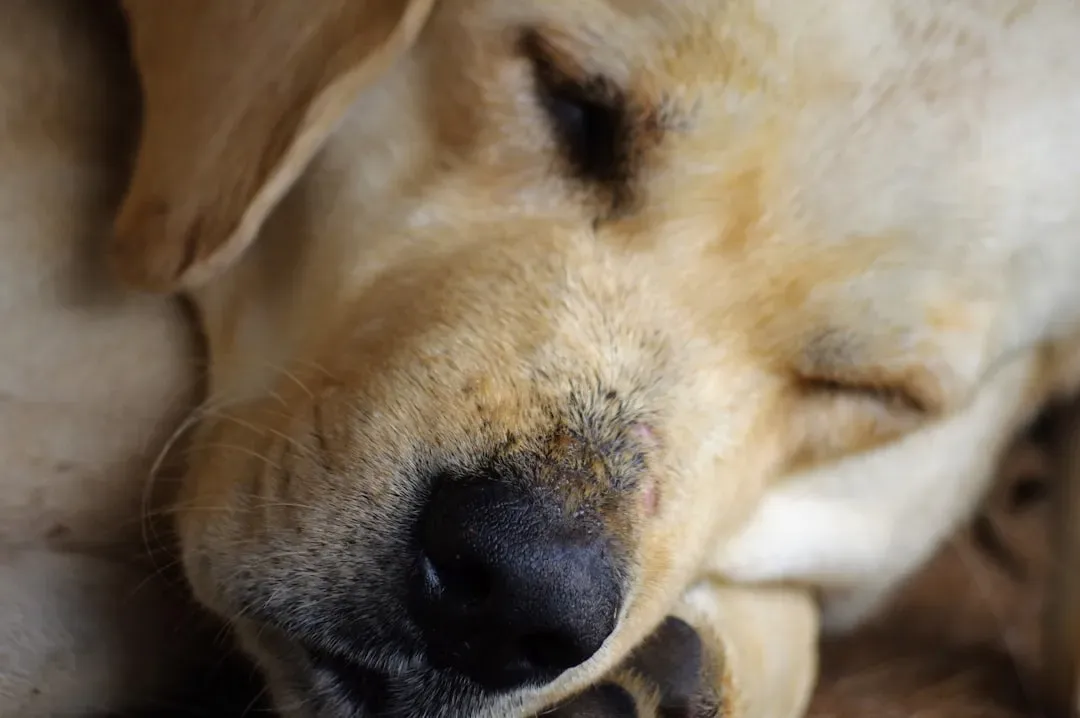
Living with a dog means sharing your home with a creature experiencing an entirely different reality. While you see walls and furniture, your dog smells the visitor who stopped by three days ago, the stress you felt this morning, and possibly even the early signs of an illness you haven’t noticed yet. That wet nose is constantly gathering intelligence, processing information, and building a rich, layered understanding of the world that we’ll never fully comprehend.
Next time your dog stops to thoroughly investigate something that looks completely unremarkable to you, remember that they’re not being stubborn or difficult. They’re reading the news, checking their messages, and experiencing their world in the only way that makes sense to them. Maybe we should be a little more patient with those long sniffing sessions. After all, they’re just trying to see.
What’s the most remarkable thing your dog has ever detected? Has your pup ever alerted you to something you couldn’t smell or see? Share your stories in the comments.


