
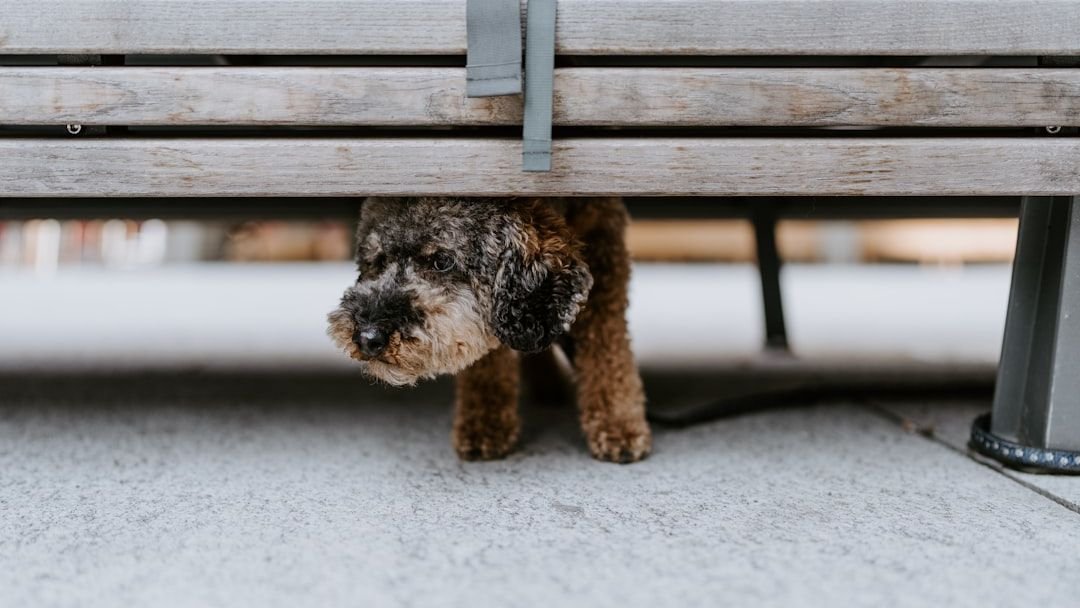
You might picture dogs as bold, tail-wagging social butterflies, ready to greet every stranger with enthusiasm. That’s the image we see everywhere, from movies to social media. The truth is, not every dog fits that mold.
Some breeds, like Shiba Inus, Chow Chows, Akitas, and even Border Collies, are naturally inclined toward shyness or caution. This isn’t a flaw or a sign of trauma. It’s simply part of who they are. Understanding this can change everything about how you support your dog through their unique temperament. Let’s explore what shyness really means for dogs and how you can help yours feel safe, confident, and loved.
Why Some Dogs Are Naturally Reserved
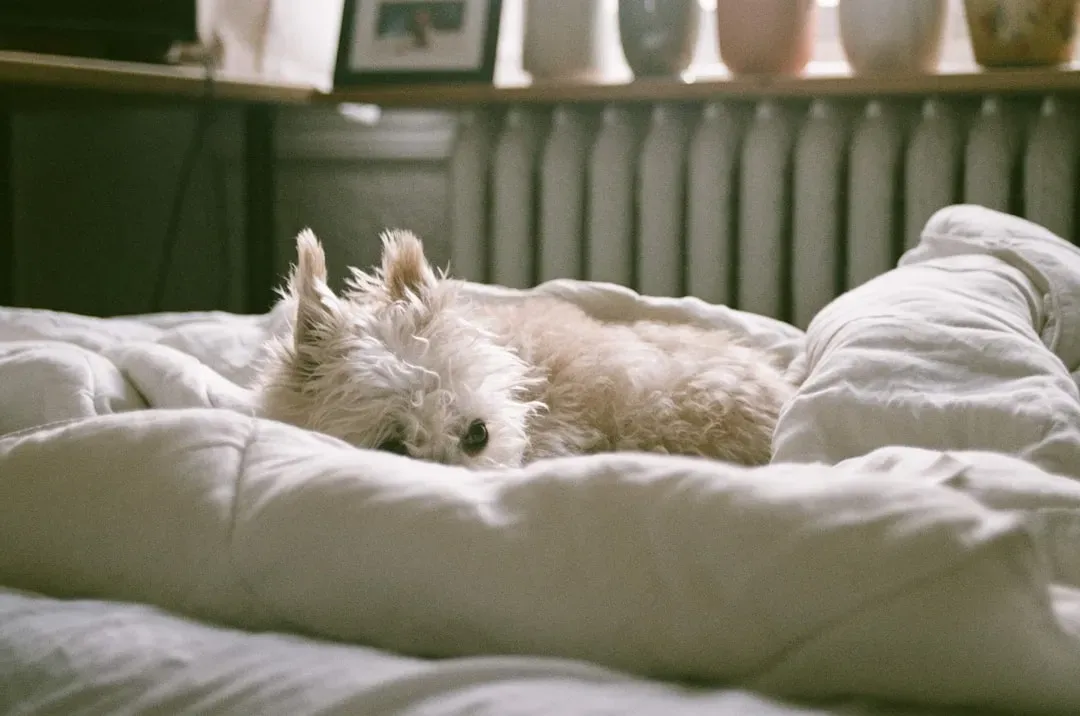
Temperament has a genetic component, meaning some dogs are shy by nature. It’s not always about what happened to them. Certain breeds are naturally inclined to be reserved because it’s inherited from their ancestors.
Think about breeds developed for specific roles. Ancient or primitive breeds, like Shiba Inus, Chow Chows and Akitas, tend to be among the shy dog breeds. The Greyhound, Beagle, Cavalier King Charles Spaniel, Bichon Frise, Shih Tzu, Basenji, and Whippet are all examples of dog breeds known for their shy and timid nature. Great Danes tend to be shy and quiet around strangers, especially if they’re not properly socialized, despite their intimidating size.
Lack of socialization in puppy years can have a major impact on your dog’s behavior in adult years, particularly during the critical period of puppyhood – typically the first three to four months. Still, even well-socialized dogs from certain breeds may remain naturally cautious. That’s just how they’re wired.
Reading Your Dog’s Body Language
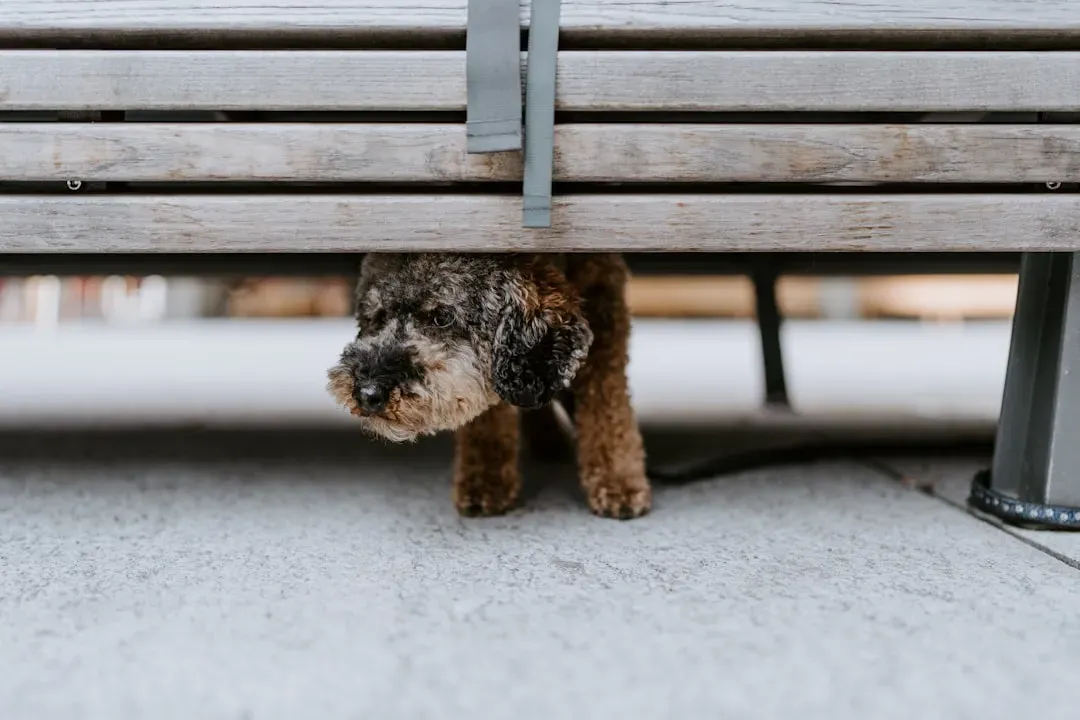
Learning to recognize when your dog feels uncomfortable is one of the most important skills you can develop. Some dogs respond with subtle behaviors that seem shy, approaching with their head carried low, ears to the side or held flat, brow furrowed with a worried look, and eyes closed or blinking, with their mouth seeming tight or licking their lips or yawning, and their tail lowered and slowly wagging.
For other dogs, the fear is more obvious because they will hide, run away or freeze in place, often avoiding eye contact and trembling. When a dog is feeling tense, his eyes may appear rounder than normal, or they may show a lot of white around the outside, and dilated pupils can also be a sign of fear or arousal.
Dogs may yawn to express emotional discomfort, not boredom. Similarly, excessive panting when your dog isn’t hot or recently exercised can signal stress. The more you watch your dog, the better you’ll get at recognizing their specific fear signals before they escalate.
Creating a Safe Haven at Home
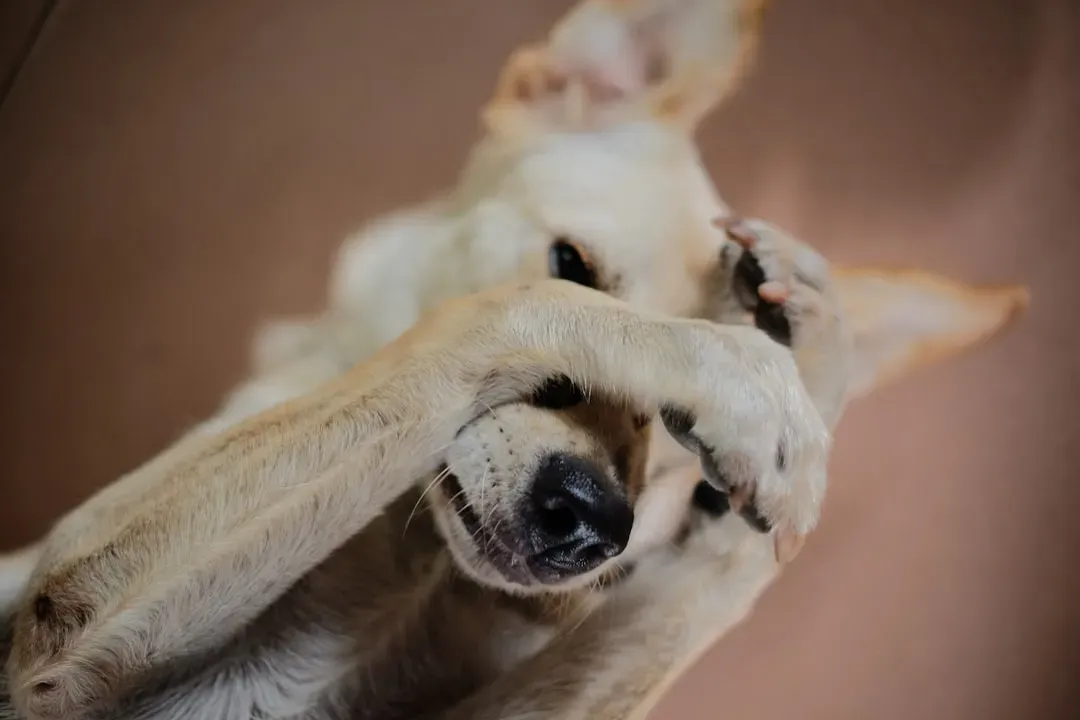
Your home should be your dog’s sanctuary. Your dog can retreat to a bedroom, closet, or covered kennel to feel safer, and this area should be away from the normal traffic pattern in the home with warm, soft bedding, where good things happen, such as treats given daily.
This spot should be a “No Kid” and “No Stranger” zone. Never let guests invade this space or pull your dog out to socialize. A safe retreat teaches your dog that they have control over their environment. They can choose when to engage and when to step away.
This isn’t about coddling. It’s about respect. If you want to help your fearful dog gain confidence, you first have to be her trusted guide, and she needs to know you’d never force her into situations where she’s uncomfortable. That trust forms the foundation for everything else.
Building Confidence Through Training
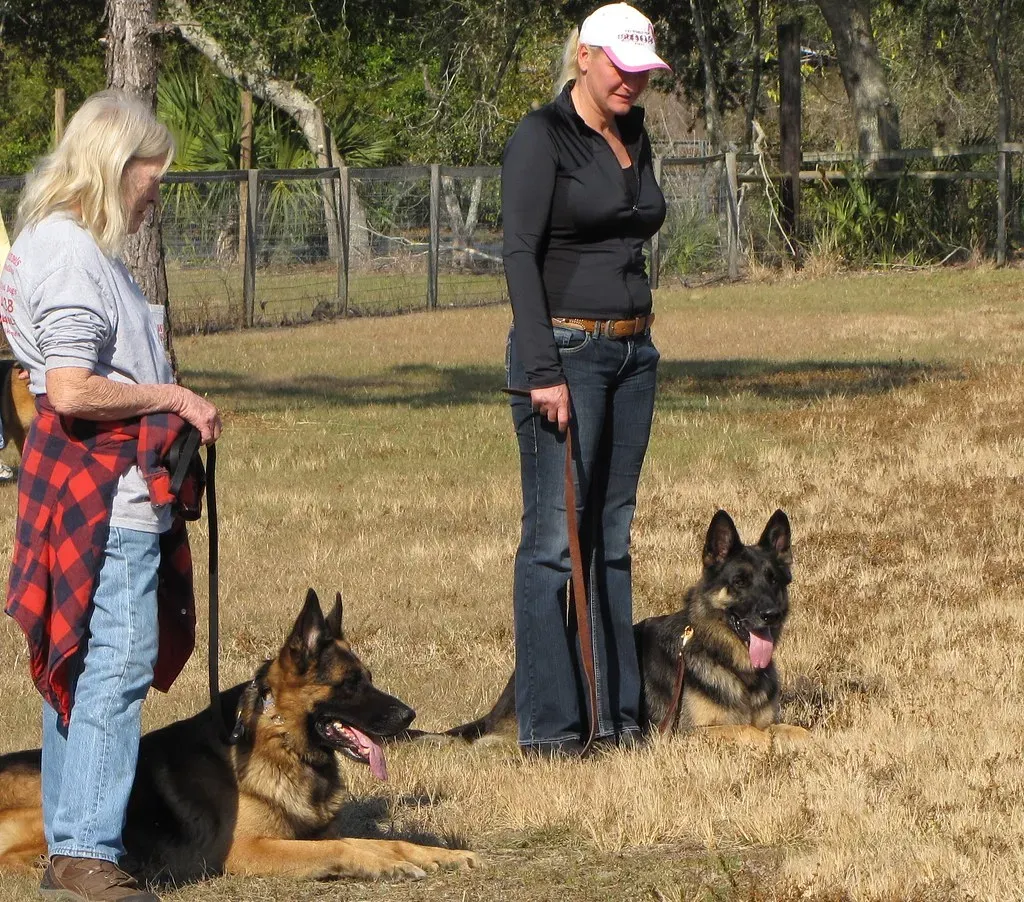
Training with obedience and tricks, whether simple commands like ‘sit,’ ‘stay,’ or ‘down’ or fun tricks such as ‘shake’ or ‘speak,’ can help give your dog direction and more confidence. Consistent gentle training helps build confidence, and training also lets your dog build problem-solving skills, which in turn will bolster their independence and their curiosity.
I think training is less about control and more about communication. It gives your shy dog a framework for understanding what you expect. When they know what to do, the world becomes less unpredictable and scary.
Use treats, praise and play to reward your dog when they show bravery or engage in social interactions, making sure these rewards are highly motivating for your dog, using counter-conditioning – or pairing a situation that normally elicits a negative emotional response with something that triggers a positive response. Keep sessions short and positive. Avoid harsh corrections, which can make your dog even more timid.
Gradual Exposure Without Overwhelm
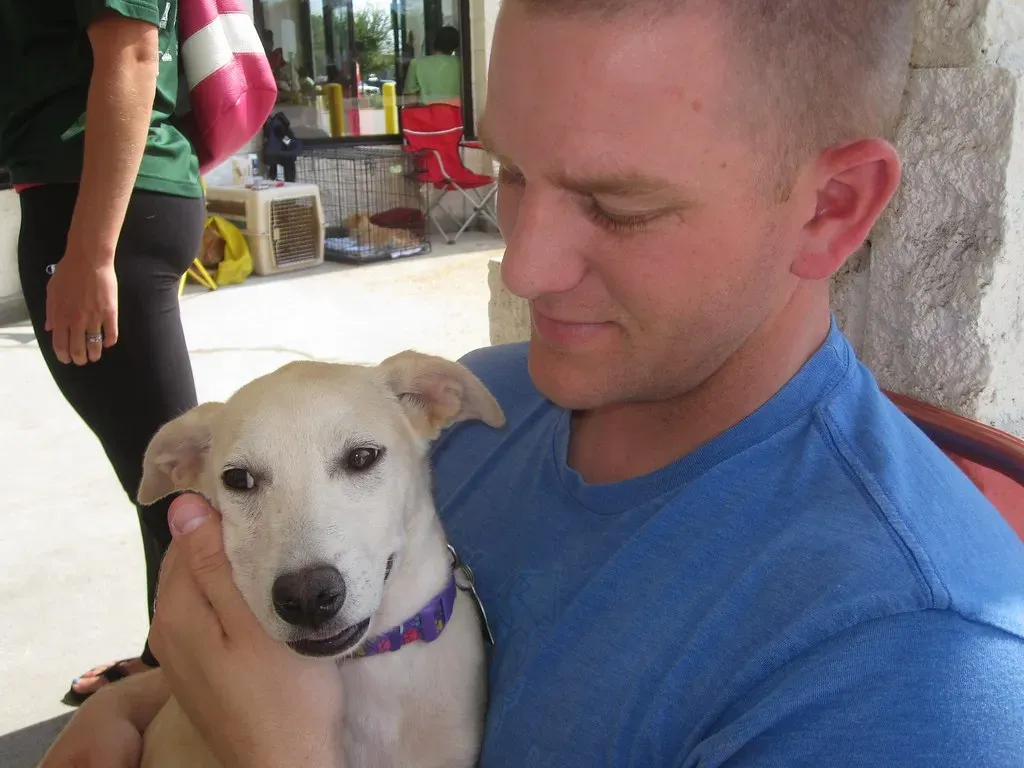
The best way to help a shy or fearful dog gain confidence is to expose them to what frightens them at a low intensity and pair this exposure with something positive, like a tasty treat. Desensitization uses repeated exposure to the scary thing so that it becomes less novel and more routine.
Here’s the thing though. You must be careful not to overwhelm the dog because this can create insecurity or fear of a person, place, or thing. Build up trust with your dog before bringing them to public settings, and putting your dog in a stressful situation will set their progress back, so go slow and give them time to gain confidence and trust.
Let’s say your dog fears strangers. Start by having a friend stand far away while you give your dog treats. Gradually decrease the distance over multiple sessions, always watching your dog’s body language. If they show stress, you’ve gone too fast. Back up and try again another day.
When Your Dog Needs Professional Help
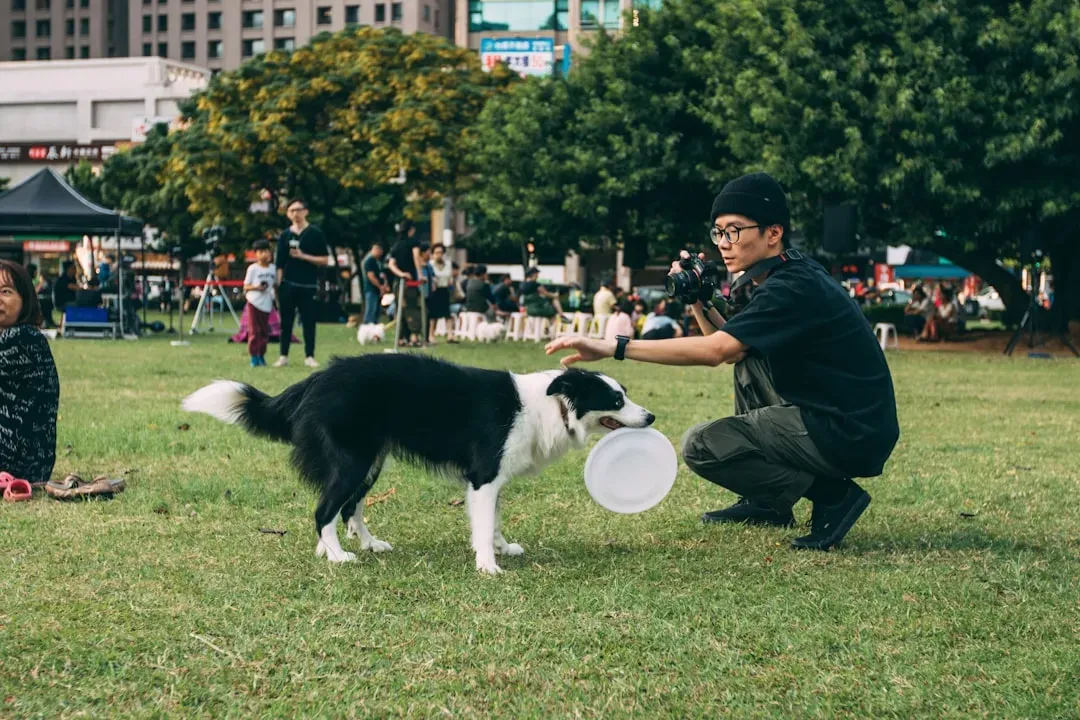
Sometimes, despite your best efforts, your dog’s fear remains overwhelming. Working with a certified dog trainer or behaviorist can be invaluable for particularly fearful dogs, as these professionals can provide personalized guidance and strategies tailored to your dog’s specific needs and help you understand the underlying causes of your dog’s fear.
Keeping a log helps your veterinarian decide if medication is beneficial, and if triggers are hard to identify or manage, a daily anti-anxiety medication may be needed, or when you know your dog’s triggers but cannot avoid them, medication can be given as needed. There’s no shame in medication. For some dogs, it’s the bridge that allows training to actually work.
You can make tremendous progress in helping your dog face their fears, but don’t expect your dog’s personality to entirely change, as a nervous dog isn’t going to become the life of the party, but they can become more comfortable in the world, leading to a happier, more relaxed dog. That’s the real goal.
Conclusion
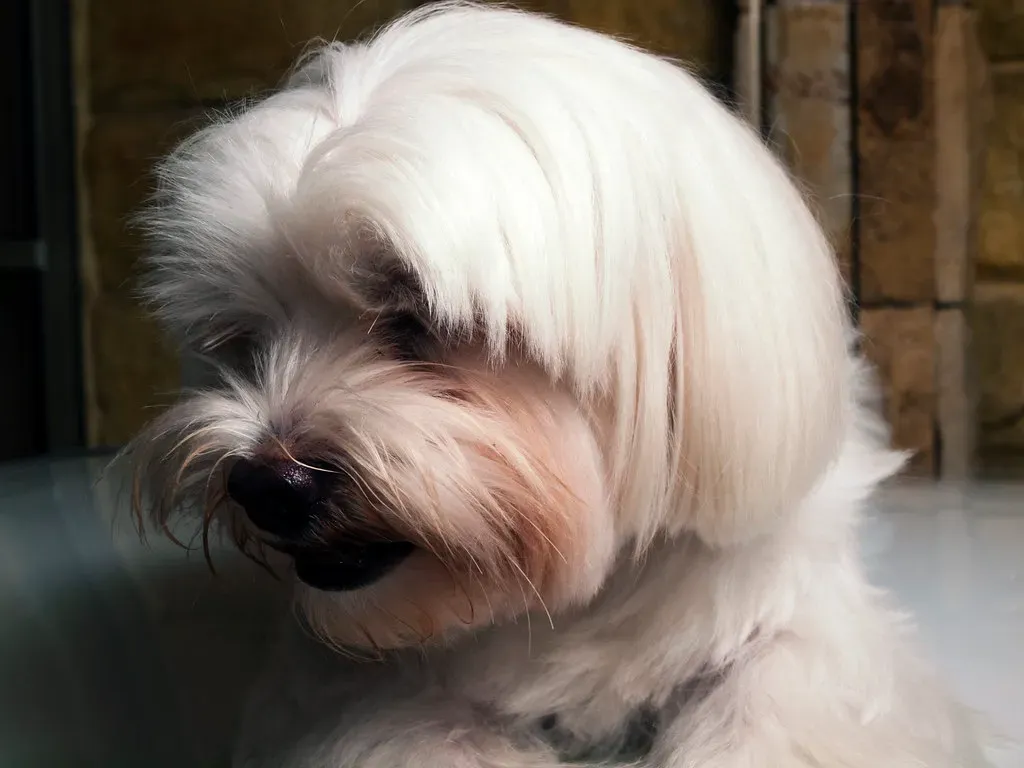
Shyness is often an innate personality trait, and if your dog is naturally shy or reserved, you don’t have to fix them – they’re likely happy just as they are. Your timid dog isn’t broken. They’re simply wired differently, and that’s okay.
By learning their body language, creating safe spaces, using positive training, and moving at their pace, you give your dog the tools to navigate the world with less fear. The bond you build through this patient process is profound. Your shy dog may never be the social butterfly at the dog park, but they can be confident, content, and secure in your love. What more could they ask for? Have you noticed subtle signs of shyness in your own dog? Share your experiences with us.


