
Have you ever walked into a room and watched your dog’s entire being light up, as though they’ve been waiting just for you? The way their tail explodes into motion, the pure recognition in their eyes. It’s hard not to wonder what’s happening inside that furry head. Are they seeing your face? Do they actually remember you, or is it all about scent and sound?
Let’s be real, the connection between dogs and people goes way deeper than we sometimes give them credit for. Science is finally catching up to what dog lovers have known all along, revealing that our four-legged friends possess remarkable abilities to identify us by our faces alone.
The Science Behind Canine Facial Recognition
When presented with human faces the area of the brain which responded most vigorously in the dogs was the ventral temporal cortex, and this matters because it’s the exact same region involved in how other mammals recognize faces. Studies using functional magnetic resonance imaging have given researchers a window into the dog brain, and what they’ve discovered is fascinating.
Several brain regions are involved in the processing of faces by dogs, including the bilateral temporal cortex, right frontal cortex, medial frontal cortex, thalamus and caudate nucleus. Think of it like a specialized network that lights up specifically when your dog sees a face. This region responded similarly to images of human faces and dog faces, yet significantly more to both human and dog faces than to images of objects.
This isn’t just about seeing shapes. Research from Emory University has revealed something remarkable: dogs recognize human faces in a strikingly similar way to their owners, demonstrating that dogs are neurologically predisposed to facial recognition.
How Dogs Actually See and Remember Your Face
Dogs approached their owner significantly above chance level when presented with photos taken under optimal conditions, providing direct evidence that dogs are able to recognise their owner’s face from photographs. Even more impressive, they can do this when images are taken in less than ideal lighting or angles.
Your dog doesn’t need to see you move or exist in three dimensions to know who you are. The results imply that motion and three-dimensional information is not necessary for recognition. Essentially, they’ve stored a mental image of you that they can access whenever needed.
Your dog is constantly watching your body movements and facial expressions to understand you, as this is how you communicate with them, whether you’re aware of it or not. They’re reading you in ways that extend far beyond what most people realize, picking up on subtle changes in expression that signal your mood and intentions.
Memory Works Differently in Dogs Than You Think
Here’s where it gets interesting. Dogs’ short-term memory is fleeting, and their long-term memory is a web of associations rather than a movie-like memory; they rely less on recall and more on associations related to the emotions they felt or their core needs.
So when your dog “remembers” you, they’re not replaying specific events like we might. Unlike humans, who recall specific events with detail, dogs rely on associative memory; they don’t replay scenes in their minds; instead, they connect people, places, and experiences with the emotions those situations evoked. Your face becomes linked with everything good: food, warmth, play, safety, love.
Dogs have something similar to episodic memory, meaning they can recall certain actions or experiences, especially when emotionally significant. A 2016 study published in Current Biology found that dogs can recall specific actions their owners performed, even if they weren’t told to remember them at the time, mirroring aspects of human episodic memory.
The Power of Scent and Multi-Sensory Recognition
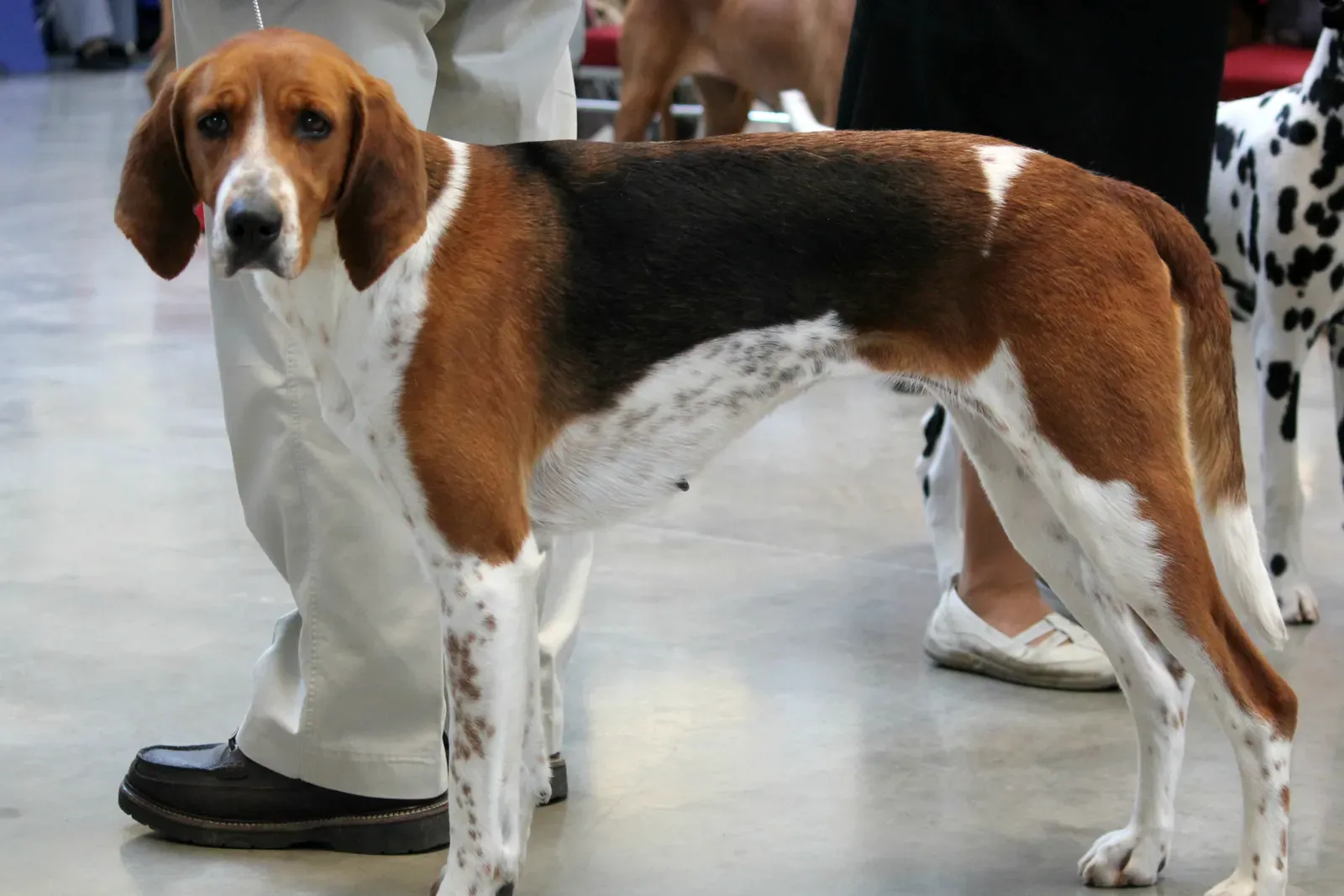
Let’s not forget what dogs do best. A dog’s sense of smell is estimated to be between 1,000 and 100,000 times more sensitive than that of humans, allowing dogs to form deep scent associations with individuals.
When a dog smells a familiar person, specific areas of their brain light up, showing not just recognition but also a positive emotional response. Your unique scent signature becomes part of how they identify you, layered together with visual and auditory cues. Things like your scent and your voice will be associated with comfort, love, happiness, and food, thus them remembering who you are by associative memory.
Familiar scents can be remembered indefinitely; scent memory is potentially lifelong, as dogs rely heavily on olfactory cues, and some evidence suggests dogs can remember scents for their entire lifetime. It’s honestly mind-blowing when you consider that your dog carries an olfactory map of you that may never fade.
Long-Term Recognition and Emotional Bonds
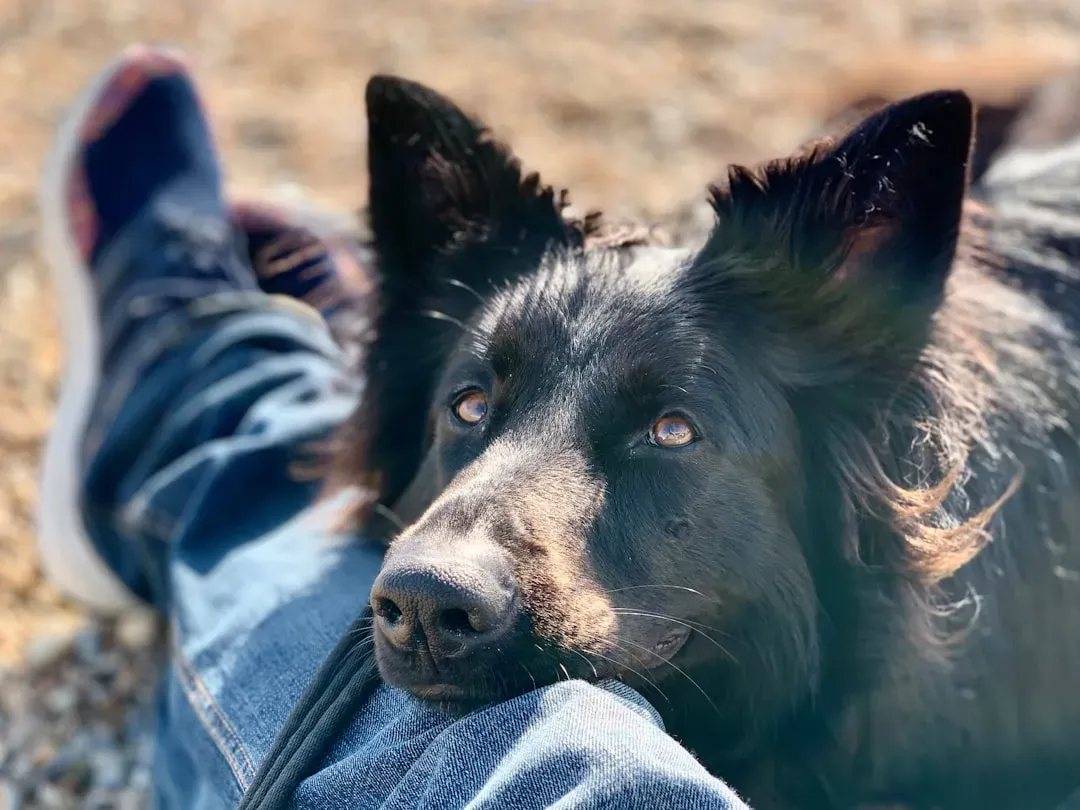
Dogs possess a remarkable ability to remember people, especially those with whom they share strong emotional bonds; through their keen senses and associative memory, they can recognize and recall individuals even after long periods.
Stories of dogs recognizing their owners after years apart aren’t just heartwarming tales. Dogs can remember former owners for years, especially if they had a strong bond. The emotional connection actually strengthens the memory. The emotional connections dogs form with humans significantly impact their memory; positive interactions, such as playtime, feeding, and affection, strengthen the bond and enhance a dog’s ability to remember a person.
This explains why rescue dogs sometimes carry emotional baggage from previous experiences. Dogs who have been abused early in life might be reactive toward people when they are older due to the association between an event and the pain they experienced.
Helping Your Dog Build Stronger Memories of You
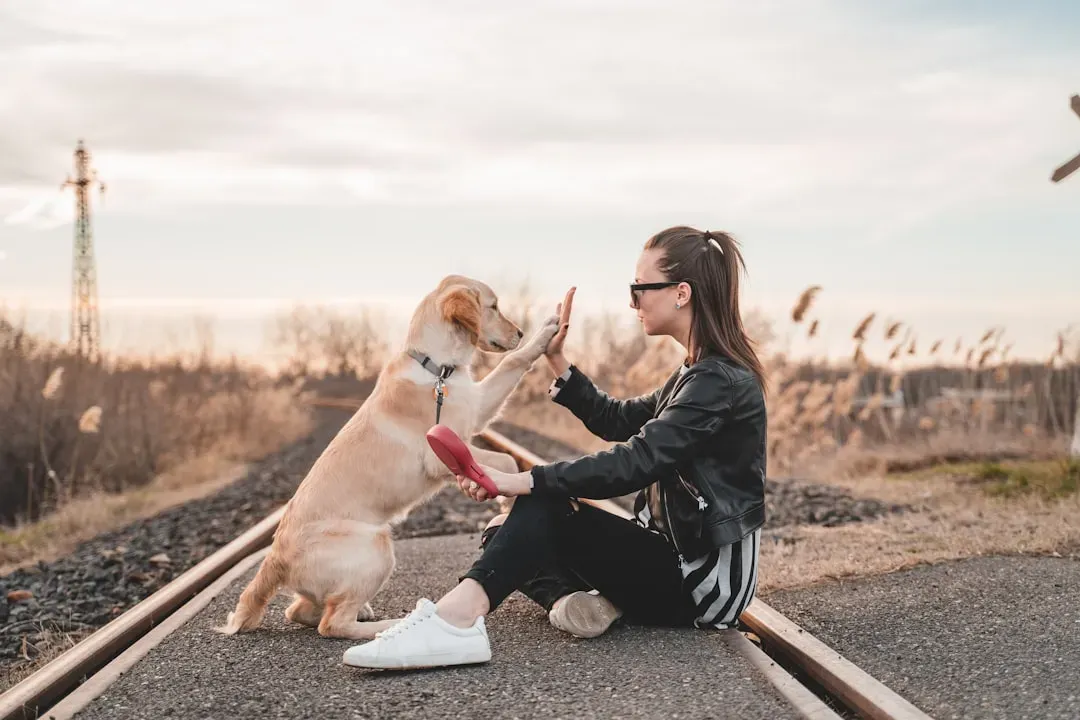
The beautiful part about understanding how dogs remember is realizing you have the power to shape those memories every single day. Regular interactions reinforce memory, making it easier for dogs to remember individuals they see often.
Consistency creates security. Consistency, repetition, and positive reinforcement are key elements of successful training methods that capitalize on dogs’ memory capabilities. When you establish routines, your dog learns to anticipate what comes next, building trust and deepening their recognition of you as their safe person.
Expose your dog to various people, environments, and experiences to improve their adaptability and memory; provide toys and activities that challenge your dog’s mind, such as puzzle toys or learning new commands. Mental stimulation keeps their cognitive abilities sharp. The more you engage their brain, the stronger those neural pathways become.
Pay attention to your expressions too. Dogs can distinguish between happy, angry, and neutral expressions, often altering their behavior in response; a smile may invite interaction, while a frown may prompt caution.
Conclusion: They Never Forget
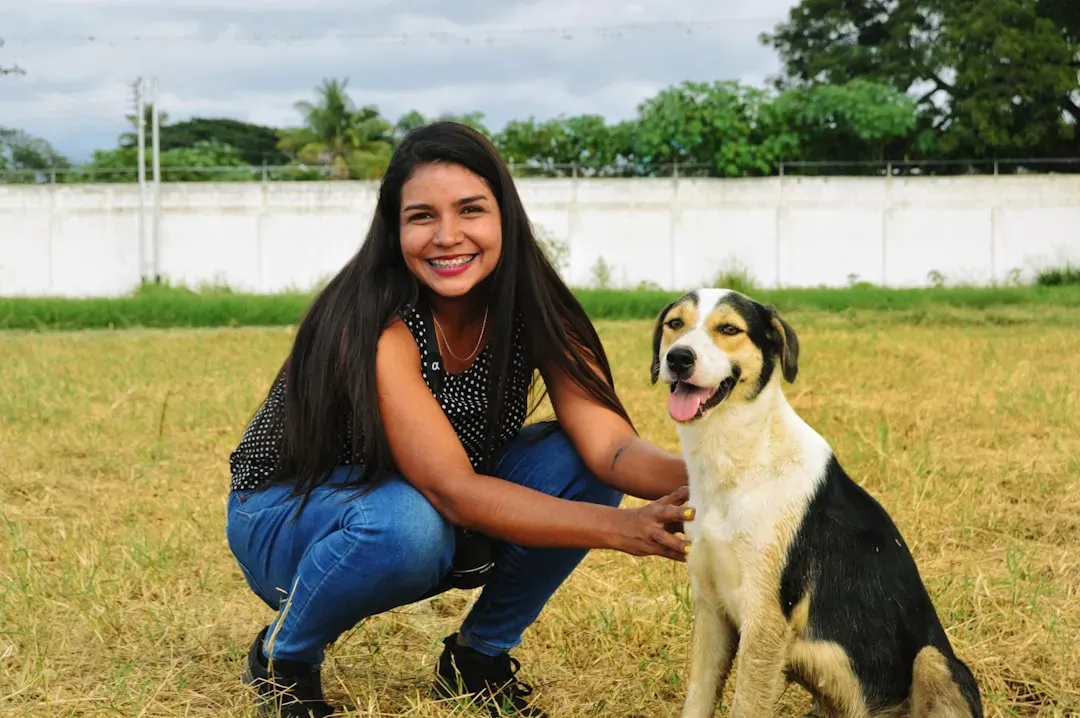
The next time your dog greets you at the door like you’ve been gone for years when it’s only been twenty minutes, remember what’s actually happening. They’re not just excited about the possibility of dinner or a walk. They’re recognizing your face, processing your scent, hearing your voice, and feeling all the positive emotions associated with you flooding their brain.
Science has confirmed what we’ve always felt in our hearts: dogs truly see us, remember us, and form lasting bonds that can span a lifetime. The temporal cortex lights up, the associative memories kick in, and suddenly their entire world becomes brighter because you’re in it.
Whether you’ve been away for hours or years, your dog’s brain is wired to hold onto you. They carry you with them in ways both neurological and emotional, creating a connection that’s as real as any human relationship.
What’s your dog’s most memorable reaction to seeing you after time apart? Share your stories in the comments below.


