

Your dog just gave you that look again. You know the one. Maybe they’re pacing near the couch or licking their paw for the third time today. These aren’t random quirks or annoying habits. They’re messages, often urgent ones, wrapped in fur and four legs.
Dogs can’t grab our sleeves or schedule their own vet appointments. Instead, they communicate through a language most of us barely notice until something feels seriously wrong. The truth is, by the time we finally see the problem, our dogs have likely been whispering for help all along. So let’s dive in and decode what they’ve been trying to tell you.
The Constant Paw Licker

If your pet licks their paws constantly, they’re likely trying to soothe themselves, as when a dog is hurt, its first instinct is often to clean and care for the wound by licking it. Sounds harmless enough, right? Wrong. This behavior might look like simple grooming, but when it becomes obsessive, it’s a red flag.
Excessive licking can indicate anxiety or, in extreme cases, can be a sign of compulsive behavior, and dog licking their feet frequently may be a sign of itchy paws caused by allergies. Sometimes it’s environmental allergies kicking in. Other times, it’s anxiety manifesting physically. Think of it like us biting our nails when stressed, only your dog can’t stop even when you tell them to.
Pay attention to which paw they’re targeting and whether there’s redness or swelling. If the persistent grooming continues or you notice any signs of concern such as swelling or redness, seek veterinary treatment immediately.
The Midnight Pacer

You hear it at two in the morning. Click, click, click. Your dog is pacing the hallway again, circling the living room like they’re searching for something they’ll never find. Pacing is an anxious behavior in dogs, and if they’re walking around in circles, they’re most likely feeling a little stressed.
Pacing is typically a sign of anxiety or stress, and it may occur for a brief period of time like while waiting for a family member to return from an outing, but if your dog starts pacing out of the blue or if the pacing lasts for an extended period of time, it may be a sign of a serious problem. It could be pain they can’t articulate or confusion about something in their environment.
Restlessness is an indicator of pain in dogs, and if your dog is pacing back and forth repeatedly, has difficulty getting comfortable, or is sleeping a lot less, there could be an underlying issue. Don’t dismiss it as old age or a quirky personality trait. When restlessness persists, your dog is asking for help in the only way they know how.
The Sudden Recluse

Your normally social pup suddenly wants nothing to do with anyone. Dogs might stop running to greet you at the door, try to avoid contact, or even become aggressive, and if your dog is hiding away or appears to be unusually antisocial, it could be an indication that they’re in pain.
If your dog is normally clingy or shy, you may not notice this sign, but if your dog is normally affectionate and suddenly begins to shy away from petting and attention, he may be asking you for help. Withdrawal is a huge warning sign. Dogs are pack animals. When they isolate themselves, something is deeply wrong.
This behavior change might stem from physical pain or emotional distress. These are signs of anxiety or stress, but they can also mean there is an underlying health problem that you cannot see. Give them space initially, but don’t ignore it. Monitor closely and contact your vet if the behavior continues beyond a day.
The Food Bowl Striker
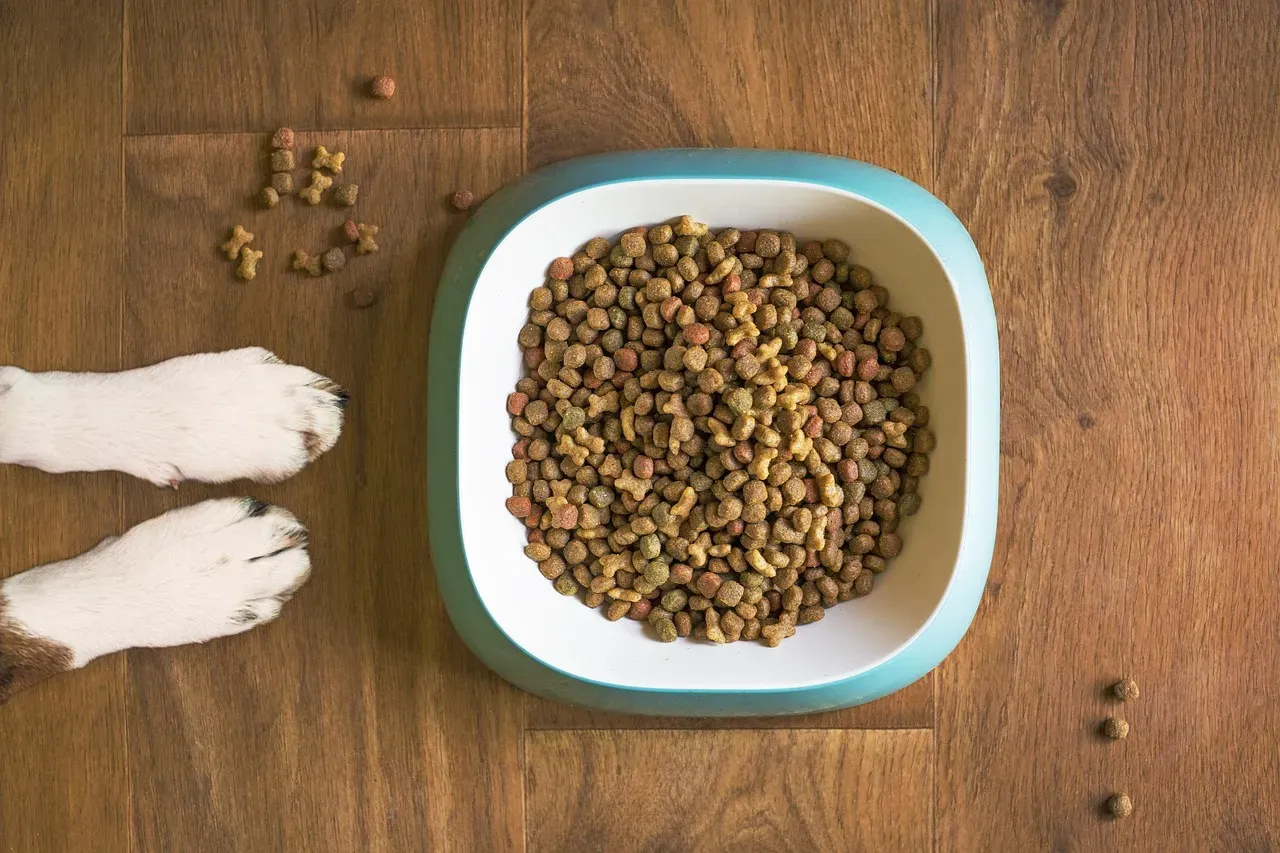
A sudden and unusual change in activity, especially if those activities are vital to their survival, is one of the first signs that your dog isn’t feeling well and may need help, and if your dog has lost its appetite, is suddenly ravenous or is drinking far more or far less water than usual, it’s time for a check-in.
Let’s be real, most dogs act like every meal is their last. So when your food-obsessed pup suddenly snubs their bowl, alarm bells should ring. A common sign of chronic stress is reduced appetite or increased digestive problems, and if your dog suddenly refuses food, it’s a sign of stress.
It’s possible your dog might have a harmless bug passing through its system or increased appetite due to more activity, but it could also be a sign of something more serious like Cushing’s disease, diabetes or kidney or liver disease, and if this behavior lasts more than 24 hours or is accompanied by other serious symptoms, see your veterinarian. Don’t wait too long. Your dog’s appetite is a vital health barometer.
The Unusual Yawner
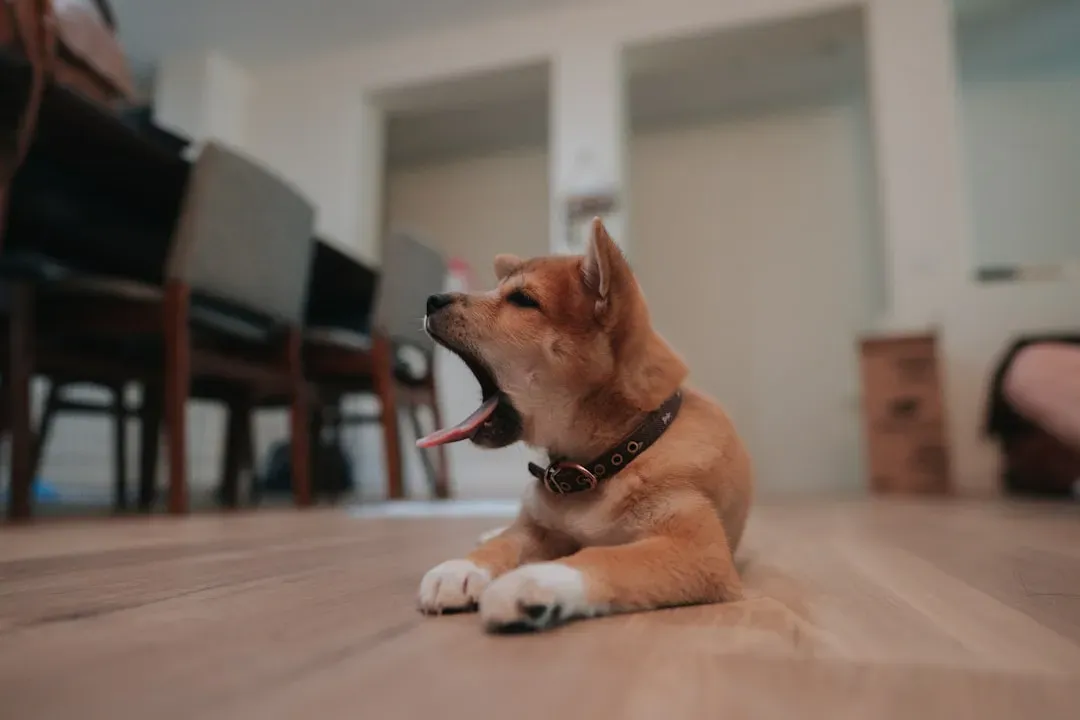
You might think yawning means your dog is tired or bored. Sometimes, that’s true. Dogs yawn when they are tired or bored, and they also yawn when stressed, with a stressful yawn being more prolonged and intense than a sleepy yawn.
Dogs yawn when they’re stressed, and according to research, dogs use yawning to calm themselves in tense situations and to calm others, including their owners. It’s one of those calming signals that flies completely under the radar. Your dog might yawn during a vet visit, when meeting new people, or when you’re scolding them.
Yawning can mean boredom or sleepiness but it is also the first level response to a mild stressor, and yawning relieves stress and helps a dog release anxiety that’s building up internally. Context is everything. A yawn after a nap? Totally normal. A yawn when you grab the car keys? That’s anxiety speaking.
The Stiff Walker
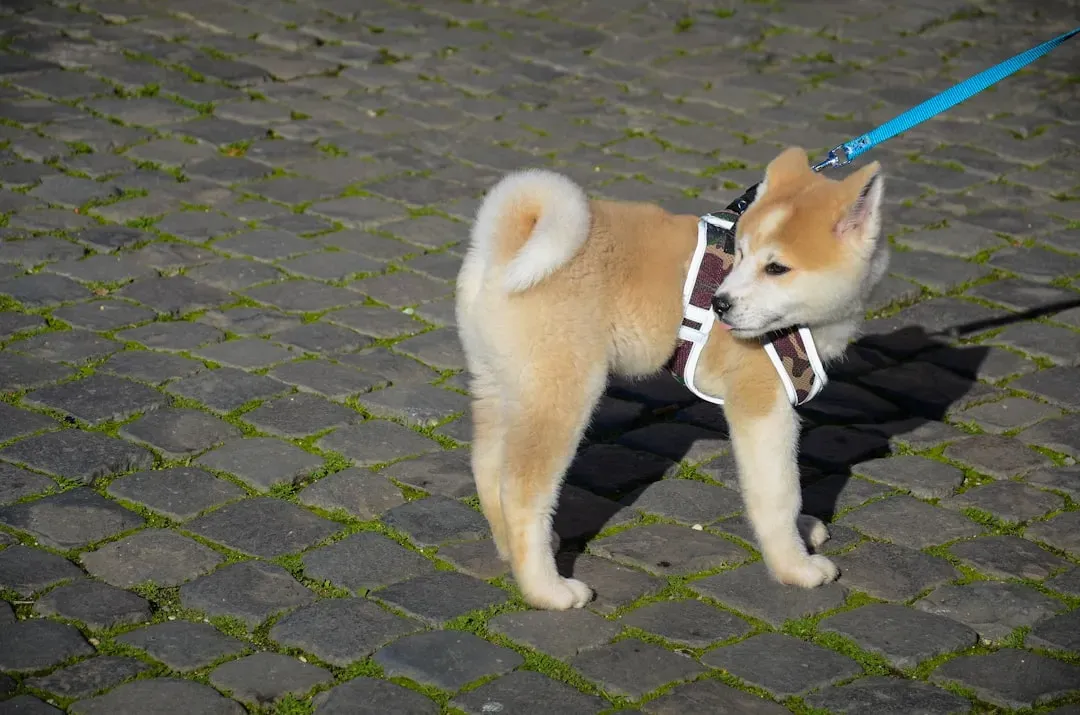
Stiffness and limping are two obvious signs of a dog’s pain and are likely a result of injury, sore paws, or even arthritis, and your dog might be reluctant to climb stairs or is noticeably slow when getting up. You might chalk it up to them getting older, but honestly, age isn’t an excuse to ignore discomfort.
Even things as subtle as walking with their head lower could indicate discomfort. Watch how they move. Are they favoring one leg? Do they hesitate before jumping onto the couch? These aren’t minor details.
This can also manifest itself as reduced interest in exercise, or not being as active as usual. Mobility changes deserve immediate attention because untreated pain can lead to more serious joint problems down the line. Your dog shouldn’t have to suffer in silence while you assume it’s just part of aging.
The Phantom Digging Frenzy
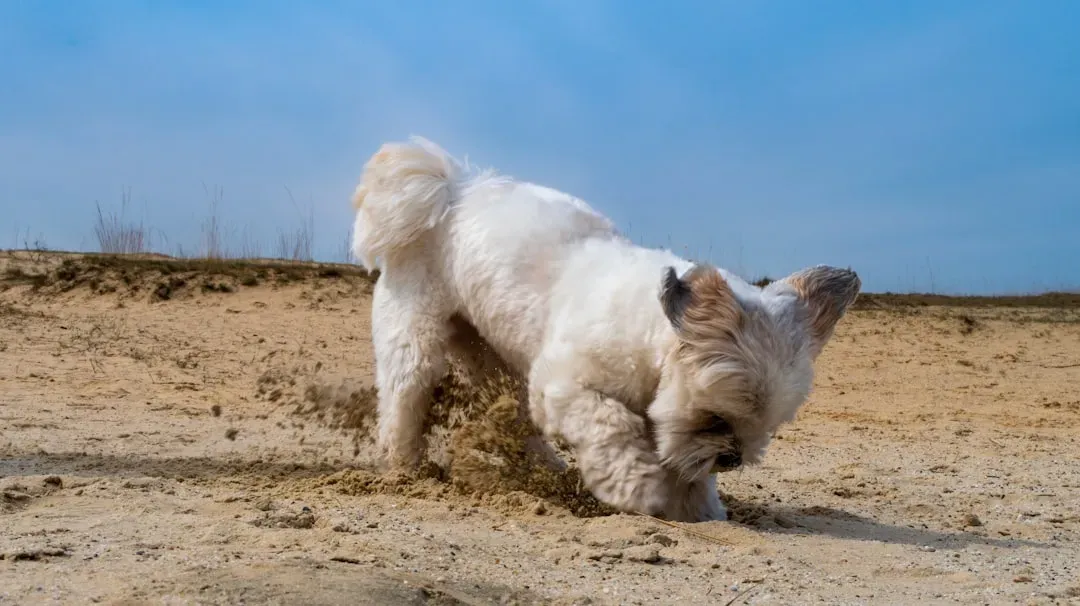
Digging is a very common dog behavior and a natural form of exercise or way to burn off excess energy, but your dog could be telling you something else by doing this, as it could be a sign of fear, and if you catch your dog digging during a weather event like a thunderstorm it may be a sign of their anxiety.
Your dog suddenly starts tearing up the backyard or clawing at their bed like there’s buried treasure underneath. Your dog might also use digging as a means of escape from scary neighborhood dogs or other potential threats. Digging isn’t always about boredom or breed tendencies.
The next time you find your pup digging, think about what may be going on in their day, as some dogs like Terriers are natural diggers and others may be showing you a sign that they are afraid. Pay attention to when and where it happens. Is there a pattern? Understanding the context helps you address the root cause, not just the behavior itself.
Conclusion
Dogs don’t speak English, but they’re talking to us every single day. When something is wrong, their signals can be more subtle, and if your dog is in pain or feeling unwell emotionally, they’ll often show it through changes in behavior or movement. The trick is learning to listen with your eyes and your instincts.
These seven behaviors aren’t just quirks or phases. They’re cries for help disguised as everyday actions. Paying attention to these signals can mean the difference between catching something early and dealing with a crisis later. Your dog relies on you to notice what they can’t say out loud.
So what do you think? Have you noticed any of these signs in your own pup? Trust your gut, and when in doubt, always reach out to your vet. Your dog will thank you for it.


