
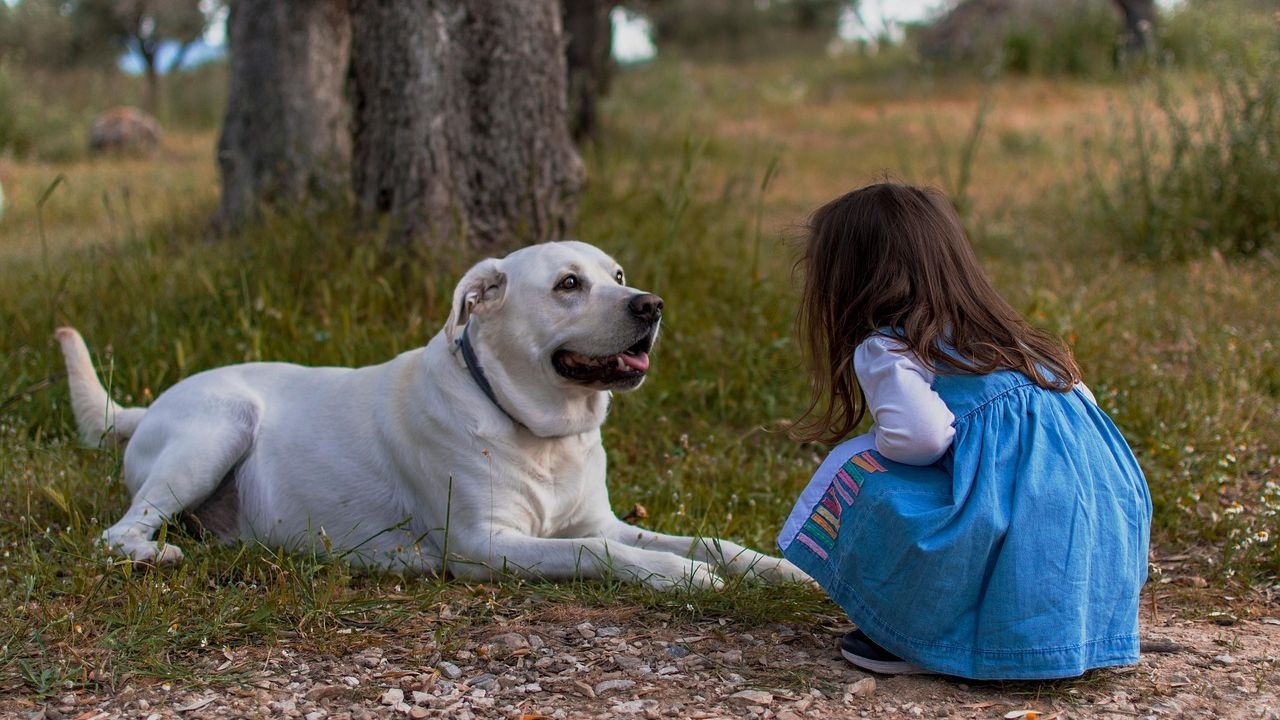
You know your dog better than anyone, or at least you think you do. Yet there might be moments when they freeze, tuck their tail, or refuse to budge for reasons you can’t quite figure out. Maybe it’s not stubbornness. Maybe they’re genuinely frightened by something you’ve never even considered scary. Dogs experience fear just like we do, sometimes from things we wouldn’t expect.
Here’s the thing: recognizing these hidden fears can change your dog’s entire world. When you understand what’s triggering that anxious panting or sudden retreat, you’re not just solving a behavior problem. You’re giving your dog the gift of feeling safe. Let’s explore some surprisingly common fears that might be affecting your furry friend right now.
Household Appliances and Random Objects
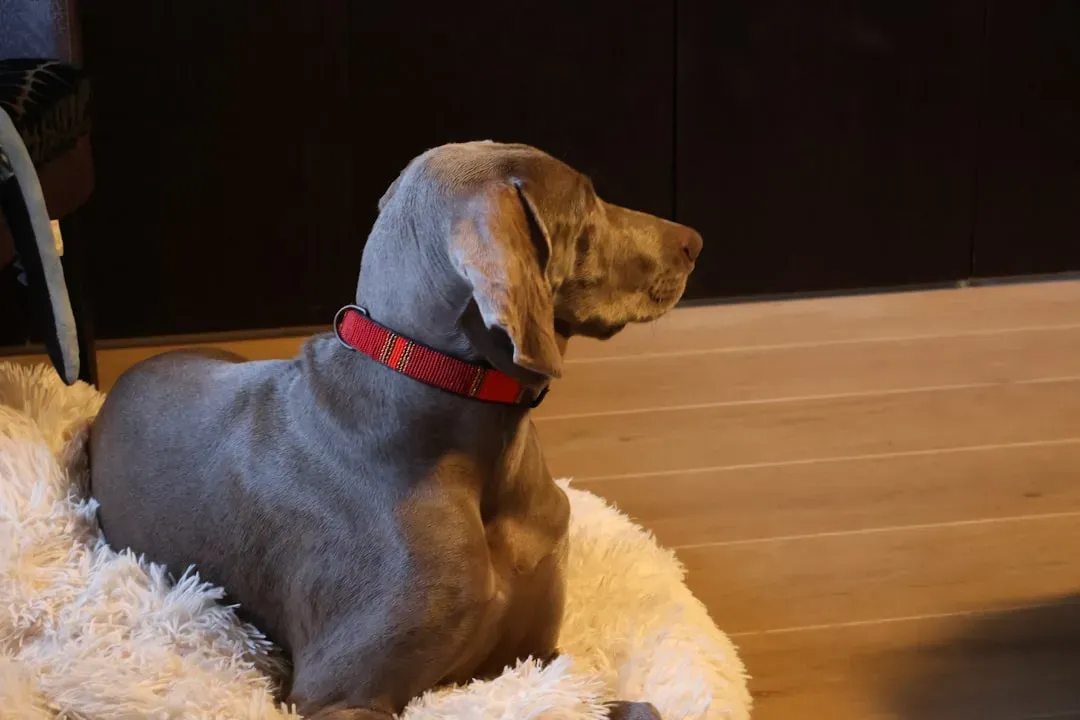
Your vacuum cleaner, blender, or even the beep of the microwave might be causing genuine distress in your dog. It sounds almost comical until you see your pup trembling behind the couch.
Sudden, loud noises are one of the most common triggers for fearful behavior in dogs, yet many owners assume their pets will simply get used to these everyday sounds. They don’t always adjust on their own.
The solution starts with gradual exposure. Let your dog observe the vacuum from across the room while you offer treats. Don’t force closeness. Over days or weeks, slowly decrease the distance while pairing the scary object with positive experiences like play or food rewards.
Slippery Floors and Unfamiliar Surfaces

Have you noticed your dog hesitating before stepping onto your hardwood floors or suddenly refusing to walk on a metal grate? Dogs fear things they don’t understand, and unfamiliar surfaces such as slippery floors are completely normal triggers.
Their paws can’t grip smooth surfaces the way ours can with shoes. That lack of control creates real anxiety, especially if they’ve slipped before.
They will most likely overcome the fear when exposed over time and with positive reinforcement, and you can place rugs on slippery surfaces so they feel more comfortable. Start by creating a path of non-slip mats and rewarding brave steps. Patience makes all the difference here.
Being Left Alone (Even Briefly)
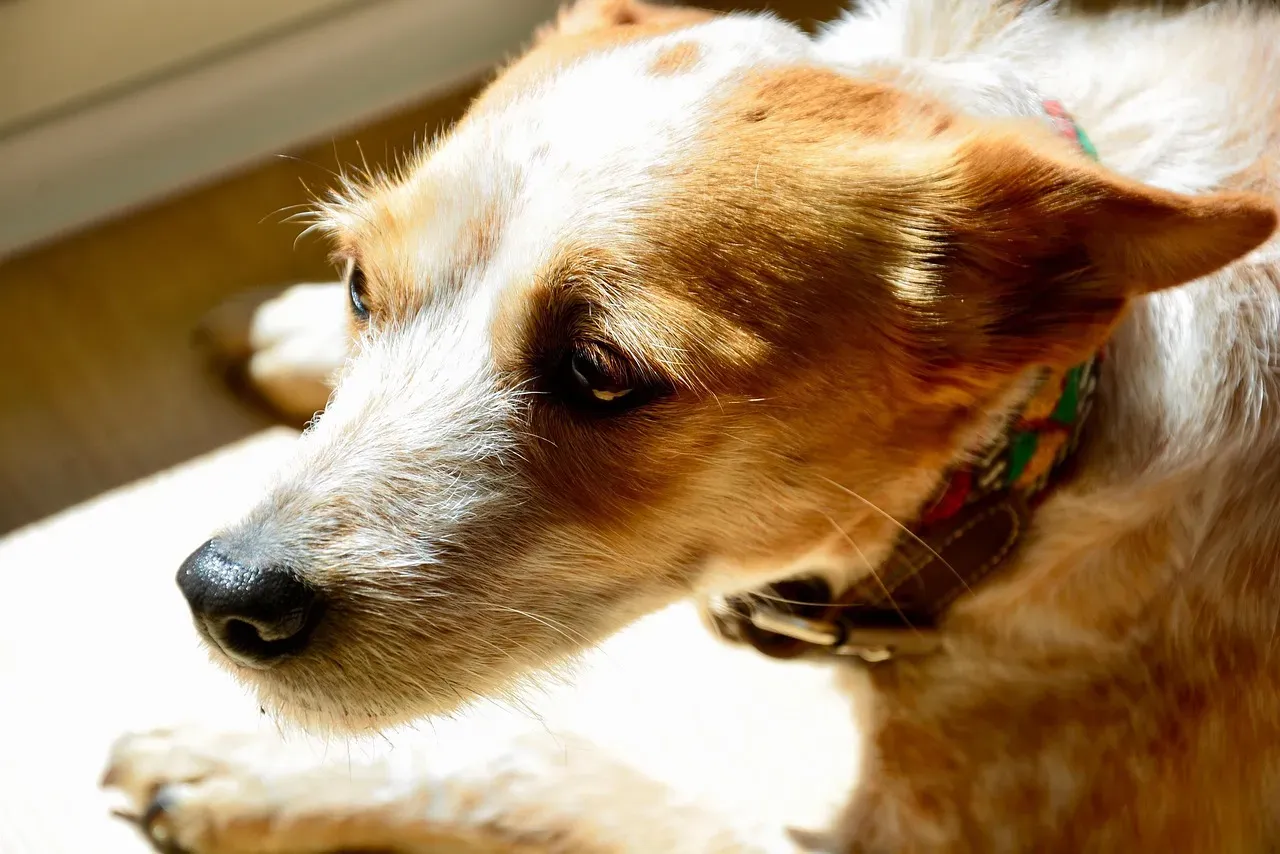
Separation anxiety is the most common example of a situational phobia, and dogs with it don’t seem to understand that their owners will return. They genuinely believe you’re gone forever, every single time.
You might notice destructive chewing, accidents indoors, or relentless barking when you leave. These aren’t acts of revenge or spite. They’re panic responses.
Building independence takes time. You can gradually desensitize them to being left alone by starting with just walking out of the room and immediately coming back, then gradually increasing the amount of time you are out of sight. Make departures boring and arrivals calm to reduce the emotional charge around your comings and goings.
Vet Visits and Medical Handling
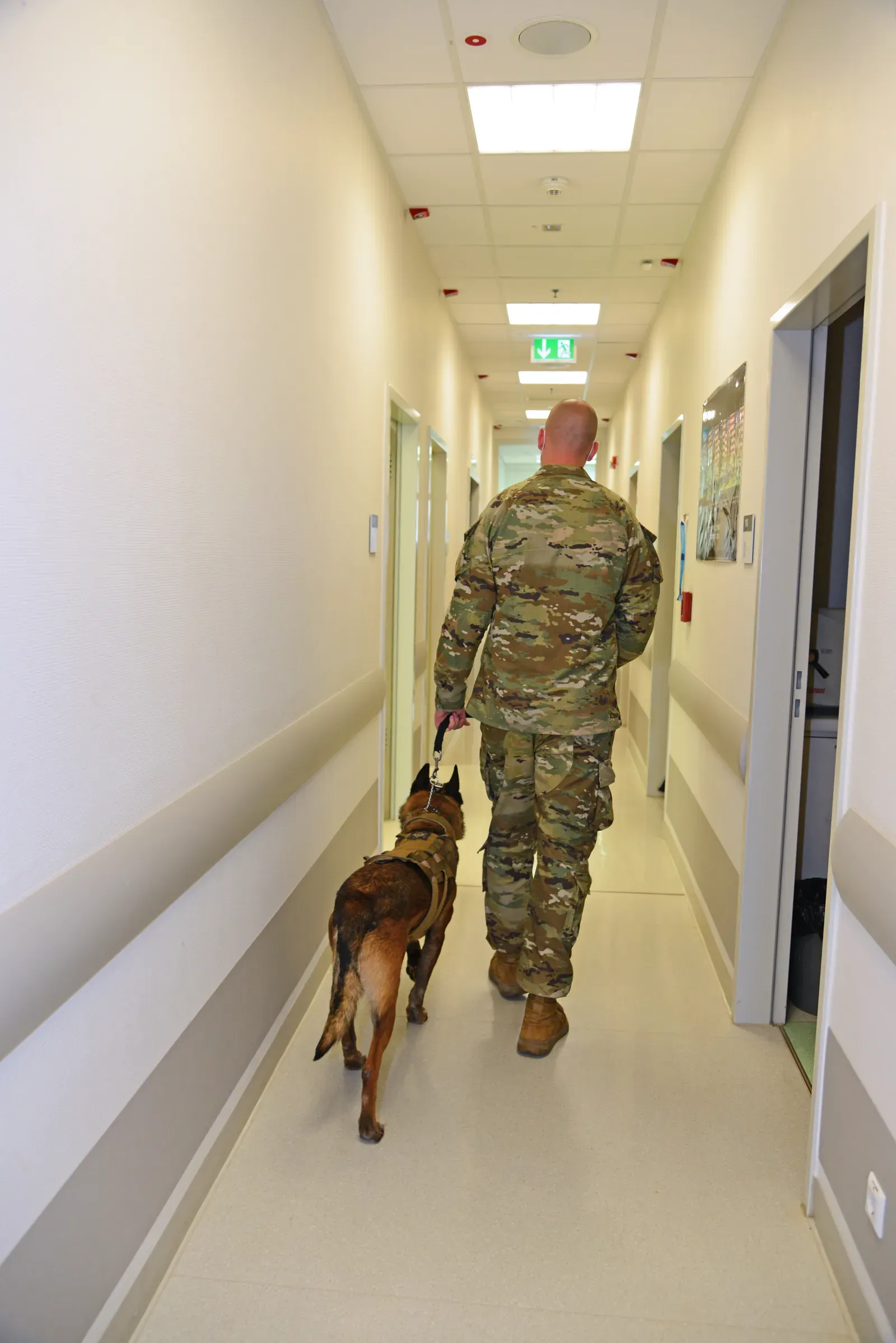
According to their guardians, roughly two in five companion dogs displayed mild to moderate fearful behaviour when examined by a veterinarian, and about one in seven exhibited severe or extreme fear. That’s a staggering number when you think about it.
Dogs don’t understand that veterinary visits are in their best interest, and many circumstances around these visits can compound this fear into a phobia. Strange smells, painful procedures, and unfamiliar handling all combine into one overwhelming experience.
Bringing your dog to the veterinary clinic for short, stress-free visits where they sniff around and get treats before heading home helps desensitize them to the clinic environment. Ask your vet about fear-free certification and low-stress handling techniques. Your dog will thank you for advocating on their behalf.
Children and Their Unpredictable Movements
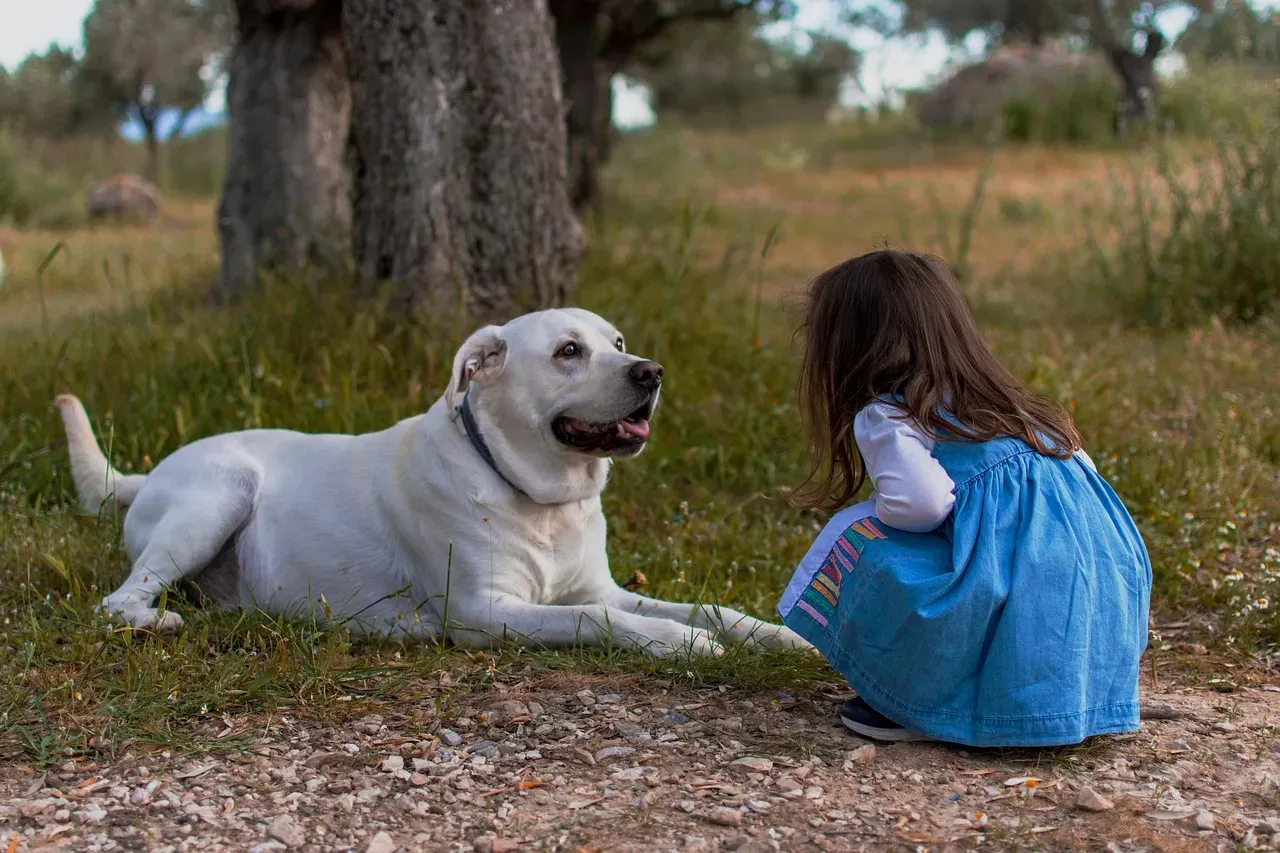
Fear of children typically occurs due to lack of exposure from a young age or previous negative experiences related to kids, and let’s face it: children are often loud, energetic, and unpredictable.
Dogs who haven’t been socialized around children may find their sudden movements and high-pitched voices genuinely terrifying. Even well-meaning kids can accidentally hurt or startle a dog.
When dogs fear children, it can cause an unsafe environment, so introduce them very slowly and from a distance, and tell children to be cautious and move slowly for their protection. Never force interactions. Always supervise closely and teach children proper dog etiquette.
Car Rides and Motion
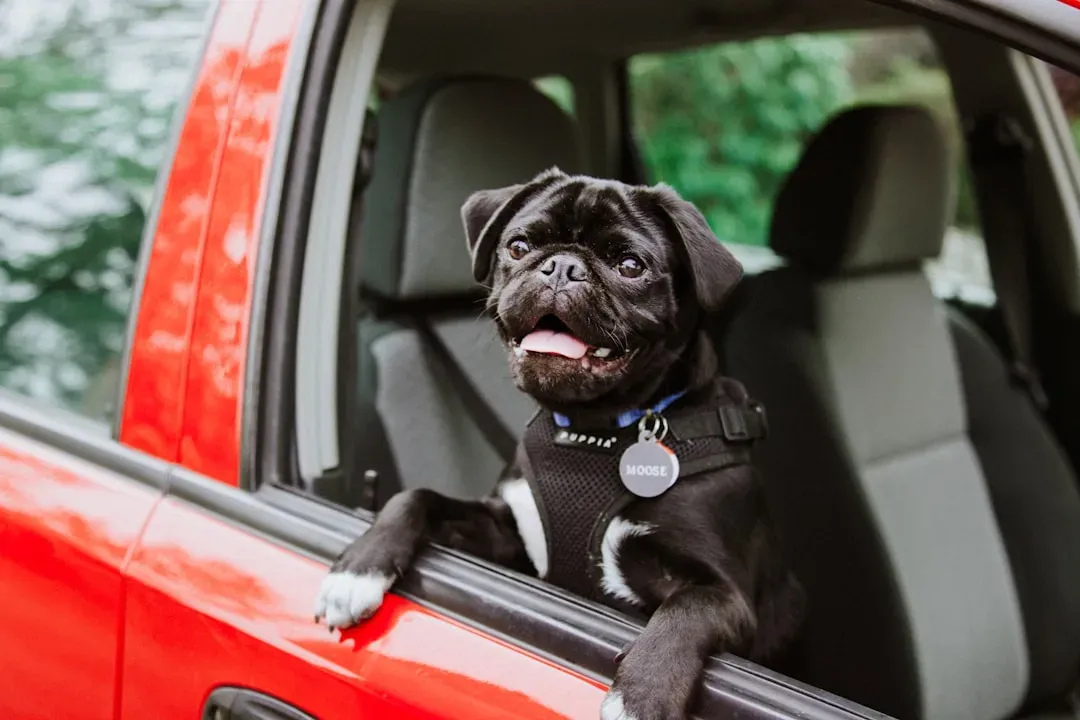
Not every dog is a happy road-tripper with their head out the window. Though many dogs enjoy car rides, some develop negative associations that can become a fear or phobia, typically as the result of past adverse events like getting sick in a car or driving to a vet.
Motion sickness is more common in puppies but can persist into adulthood. The nausea creates a negative association that’s hard to break.
Start by just sitting in a parked car with your dog, offering treats and praise. Gradually work up to short trips to fun destinations like the park, not just the vet. If they don’t get car sick, taking them on frequent car rides to places they enjoy can help them get over their anxiety.
People Wearing Hats, Sunglasses, or Uniforms

This phobia can include a fear of people wearing hats or bulky clothing, and fear of other dogs. It seems bizarre until you consider how different someone looks when their silhouette changes drastically.
Dogs recognize us partly by our overall shape and movement. When someone’s appearance is altered by a wide-brimmed hat or oversized coat, they might not register that person as human in the usual way.
Counter-conditioning works beautifully here. Have a trusted friend wear the scary item at a distance while you play with your dog and offer high-value treats. Slowly decrease distance over multiple sessions, always keeping your dog below their fear threshold.
Sudden Environmental Changes
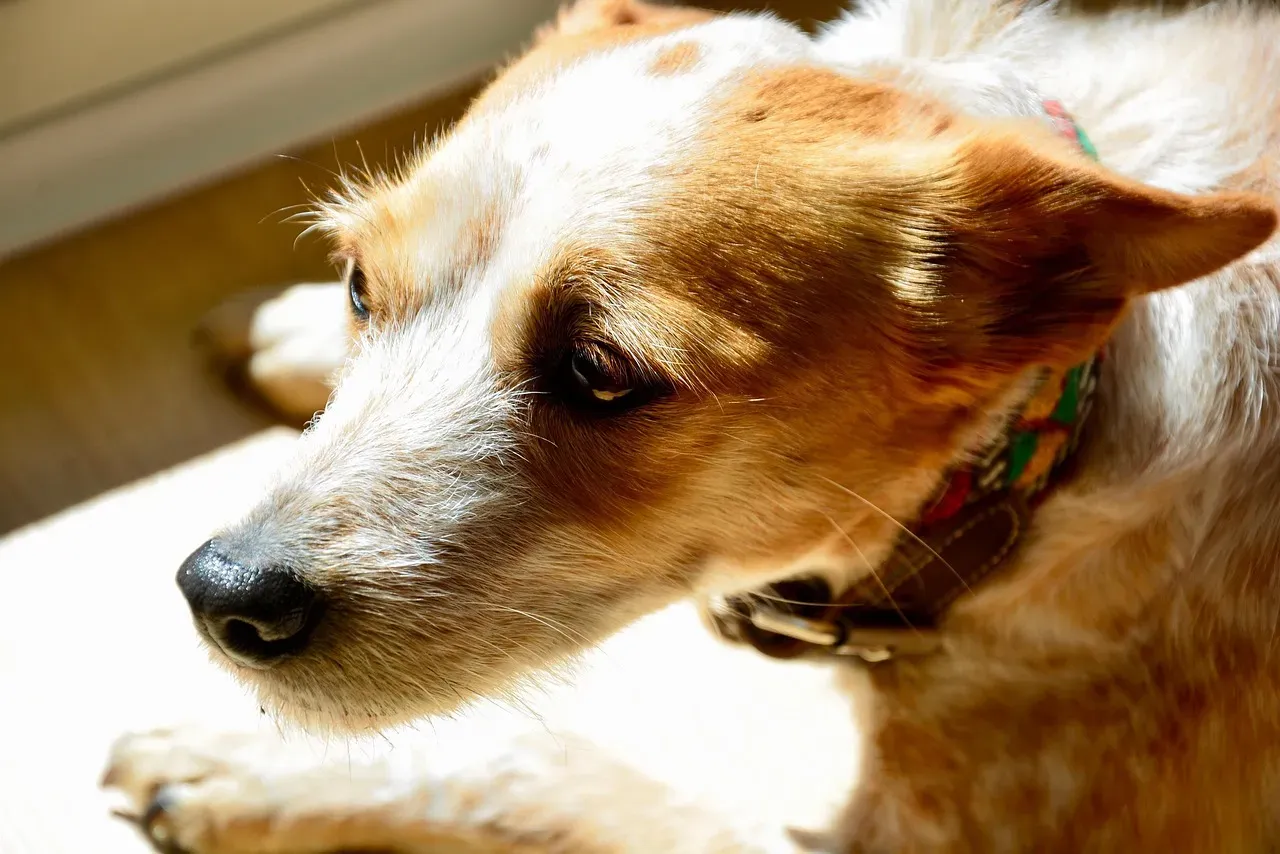
You rearranged the living room furniture, and suddenly your dog won’t enter the space. This is a common fear when dogs don’t get out much, and the problem may also develop after your dog has had a negative experience and associates the experience with the place.
Dogs rely heavily on predictability. When their environment suddenly shifts, it can trigger anxiety because they’re not sure what else might have changed or if it’s still safe.
Owners can reduce canine anxiety by adopting calm, consistent behavior patterns and creating a stable environment with structured routines, while gradually introducing new people, places, or animals and rewarding calm, relaxed behavior. Let them explore changes at their own pace.
Other Dogs (Especially Unfamiliar Ones)
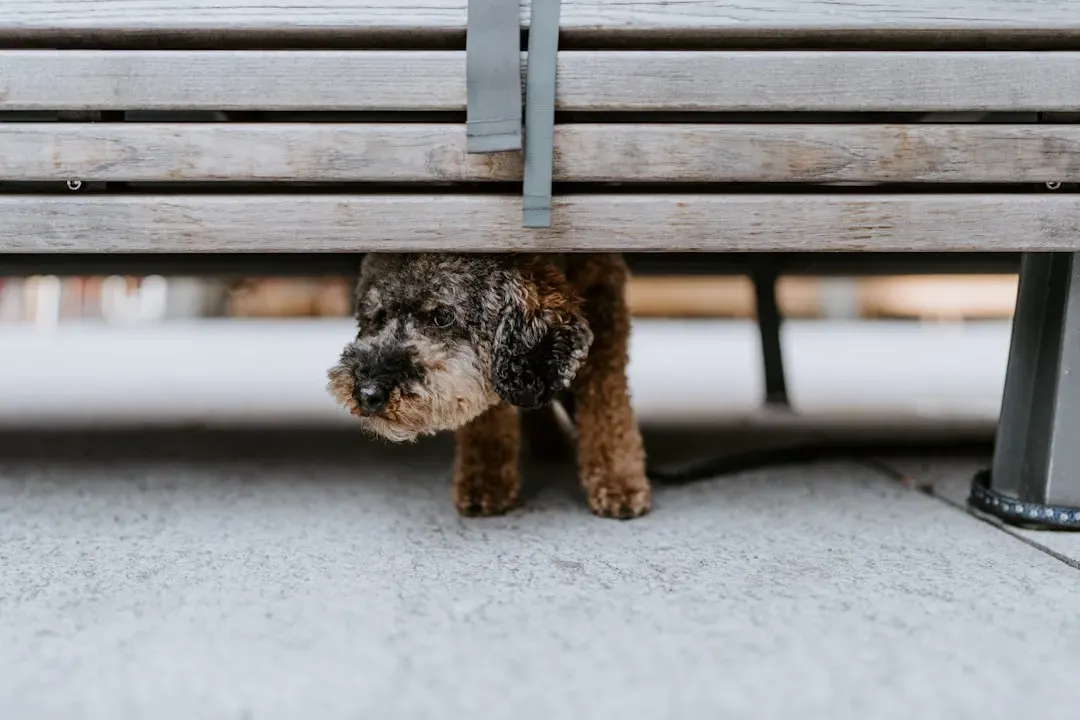
More typical signs of anxiety in this situation are trembling, excessive panting, running away and whining, but a fearful dog may become aggressive in the presence of strange animals. Fear-based reactivity often gets mislabeled as aggression or dominance.
Past negative encounters, lack of socialization, or simply an anxious temperament can make dog-to-dog interactions stressful instead of fun.
Repeated exposure to dogs who are comfortable with other canine friends can help them learn positive behavior, and always go slow when introducing your dog to other pets, as just like humans, it can take a while for them to be comfortable around someone new. Professional trainers who specialize in reactive dogs can provide invaluable guidance.
Strangers (Particularly Men)
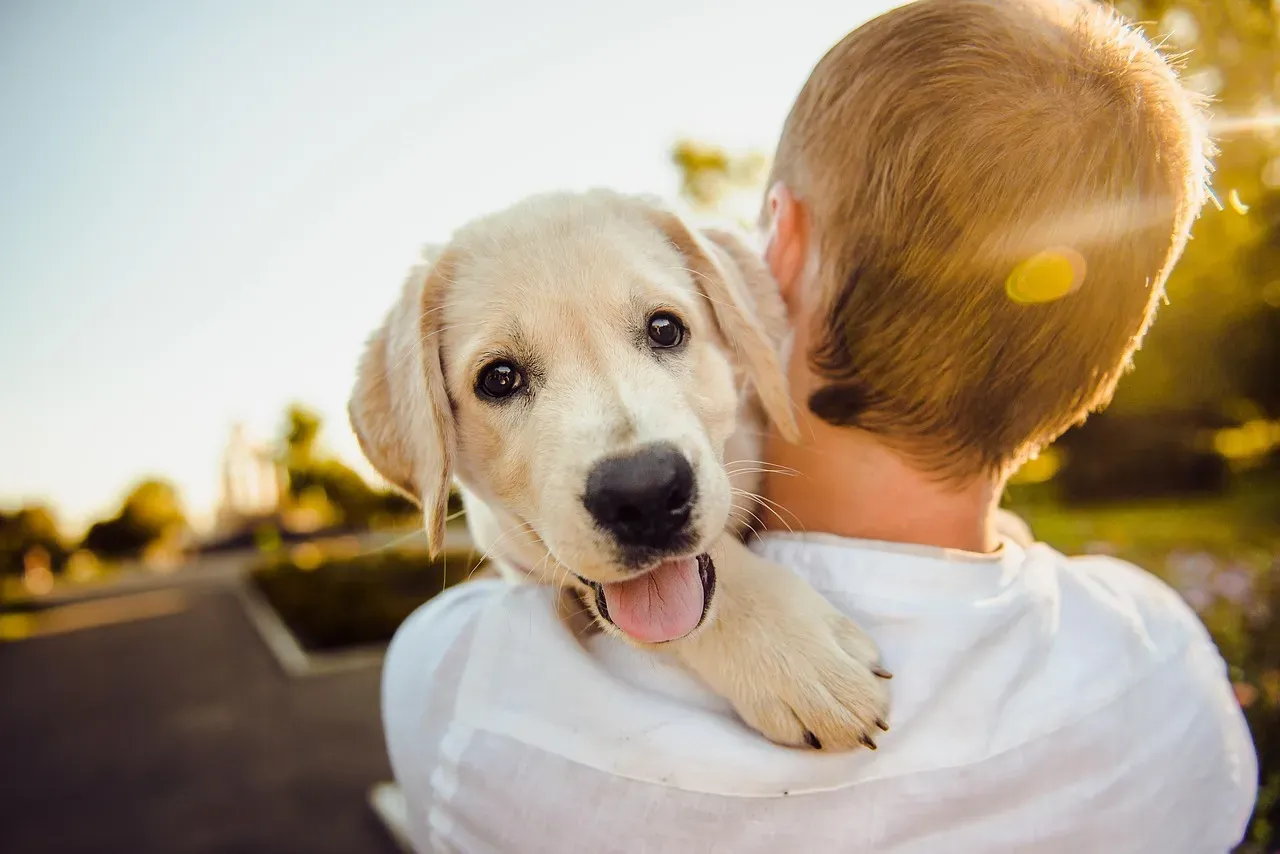
Some dogs develop a fear of strangers, particularly men, after a negative experience, and dogs rescued from abusive homes often suffer from this fear, which can lead to reactive behavior.
Men often have deeper voices, larger builds, and more direct body language than women or children. For a fearful dog, these differences can feel threatening even when there’s no actual danger.
Never force a scared dog to accept petting from strangers. Start by identifying exactly what your dog is afraid of, where it happens, and make a list from least to most scary to create a fear ladder that helps you plan your training. Let your dog approach new people on their own terms, and ask strangers to ignore your dog initially rather than reaching out.
Finding Peace Beyond Fear
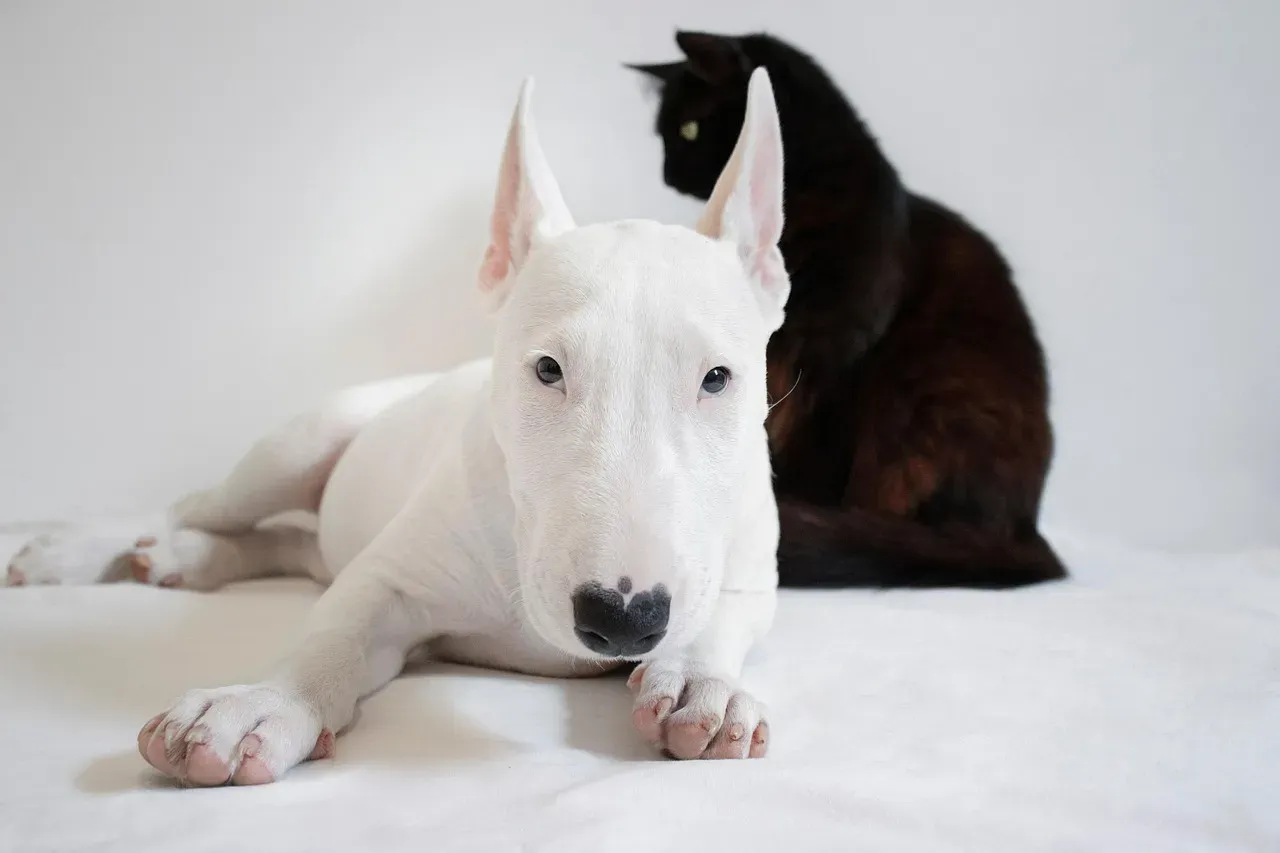
Fear doesn’t have to define your dog’s life. According to veterinary behaviorists, phobias may worsen with time, and they rarely resolve on their own; in some cases, they can even lead to new phobias. That’s why early intervention matters so much.
The first step is to schedule an appointment with your veterinarian so they can identify and treat any underlying medical conditions and evaluate the level of your dog’s fear. Sometimes there’s a physical reason behind behavioral changes.
Remember that helping your dog overcome fear takes patience, consistency, and compassion. Treating phobias takes patience, time, and consistency, but the reward is watching your once-anxious companion finally relax and trust the world around them.
What have you noticed makes your dog suddenly uncomfortable? Share your experiences in the comments below.


