
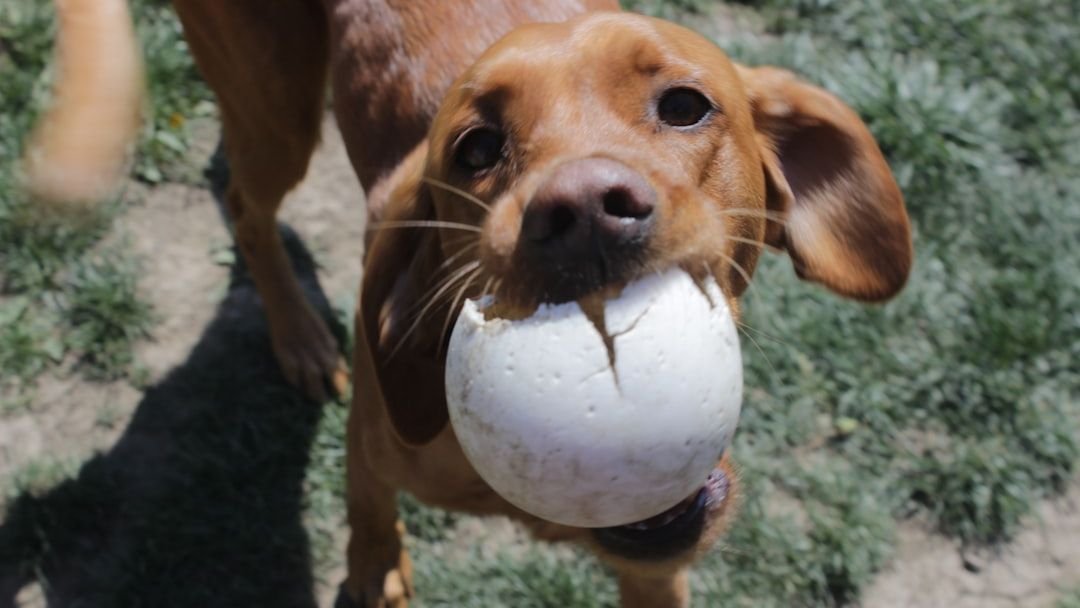
You’ve probably noticed that look in your dog’s eyes. That spark of curiosity, that unmistakable glint that says they’re ready for something more than another lap around the block. Dogs are brilliant creatures, and just like us, they crave mental challenges that keep their minds sharp and spirits high.
Here’s the thing that many people miss: a tired dog isn’t just about worn-out paws. Mental exhaustion can be just as satisfying, sometimes even more so, than physical exercise. Just 10-15 minutes of mental stimulation will tire them out more than a 30-minute walk. Think about how you feel after solving a challenging puzzle or learning a new skill. That same rewarding exhaustion applies to your furry companion.
Exploring canine intelligence through brain-boosting games helps dogs remain mentally agile and reduces behavioral issues. The best part? You don’t need expensive equipment or hours of free time. What you need is creativity, consistency, and a willingness to see the world through your dog’s incredibly capable mind. So let’s dive into ten games that will transform playtime into brain time.
The Classic Shell Game
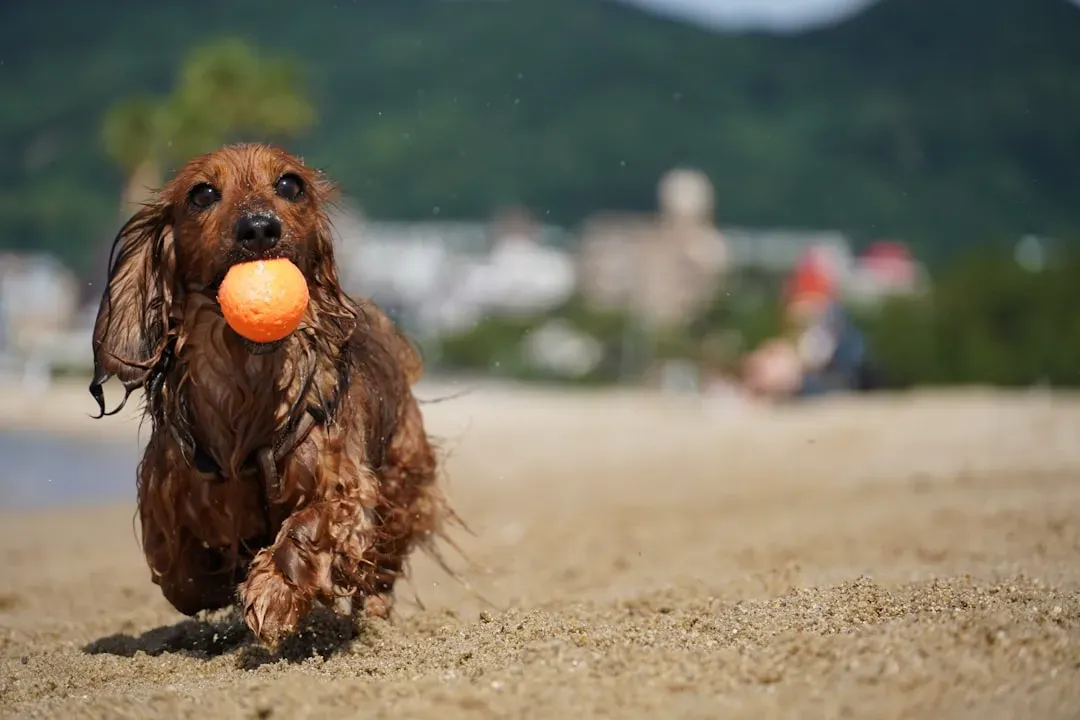
This game is deceptively simple yet absolutely brilliant for developing your dog’s concentration and tracking skills. All you need are three cups and some treats your dog loves.
Place the treat or toy under one cup and shuffle the cups around while your pup tries to follow which one holds the reward. Start slowly at first so your dog understands the concept. Once they’ve got it, you can speed up the shuffling to increase the challenge. The beauty of this game lies in how it engages their focus and teaches them to track movement carefully.
What makes this particularly effective is the immediate reward system. When your dog correctly identifies the cup, they get instant gratification. This reinforces their problem-solving efforts and builds confidence with each successful round.
Hide and Seek Adventures
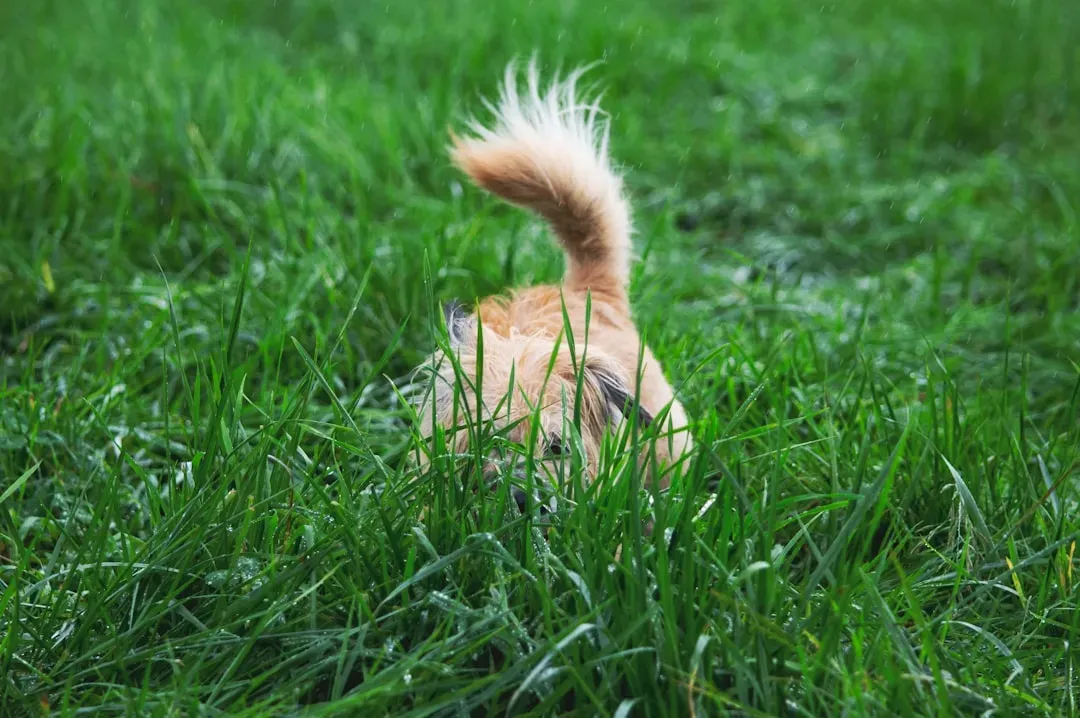
Remember playing hide and seek as a kid? Your dog will absolutely love their version of this timeless game, and it does wonders for their cognitive development.
Ask your dog to sit and stay while you take your time finding the perfect hiding spot. When you’re ready, ask your dog to come and find you. Start with easy hiding spots like behind a door or couch. As your dog becomes a hide-and-seek pro, challenge them with trickier locations throughout your home.
Find a hiding place and signal to your dog to start finding you. When they find you, acknowledge and reward them with treats and praise before repeating the exercise again. You can even involve other family members to make it more exciting. This game strengthens recall commands while giving your dog’s scenting abilities a proper workout.
The Treasure Hunt Challenge
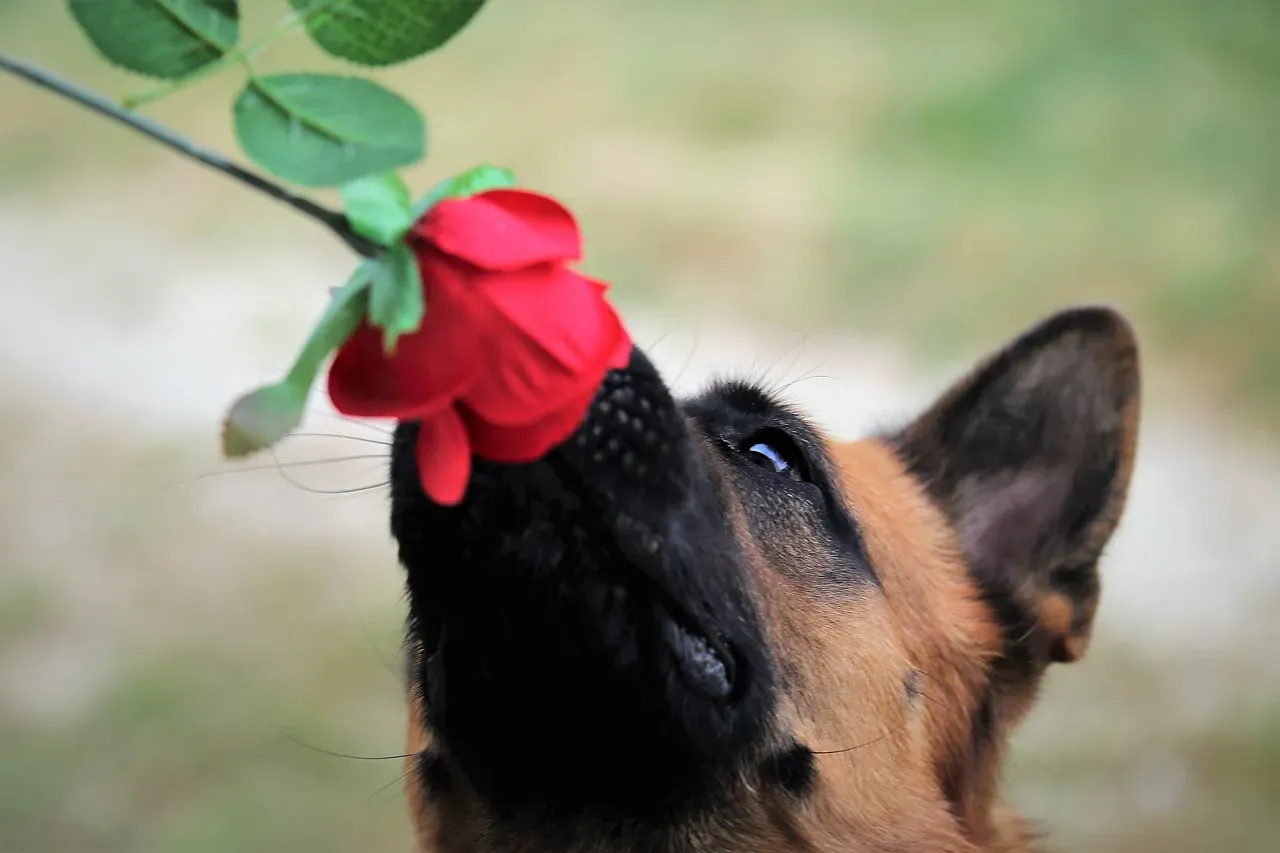
Dogs experience the world primarily through their noses, and treasure hunts tap into this natural superpower beautifully. This game transforms your dog into a little detective on a mission.
It gets their brain working, makes them earn their food, and also stimulates their olfactory senses. Start by tossing treats in plain sight and use a cue word like “find it!” to get them searching. Progressively hide the kibble in more difficult locations as they improve.
Hide treats under cushions, inside cardboard boxes, or beneath towels. The mental work required to sniff out these hidden treasures provides incredible enrichment. It’s honestly one of the most natural and satisfying activities for any dog, regardless of breed or age.
DIY Puzzle Feeders
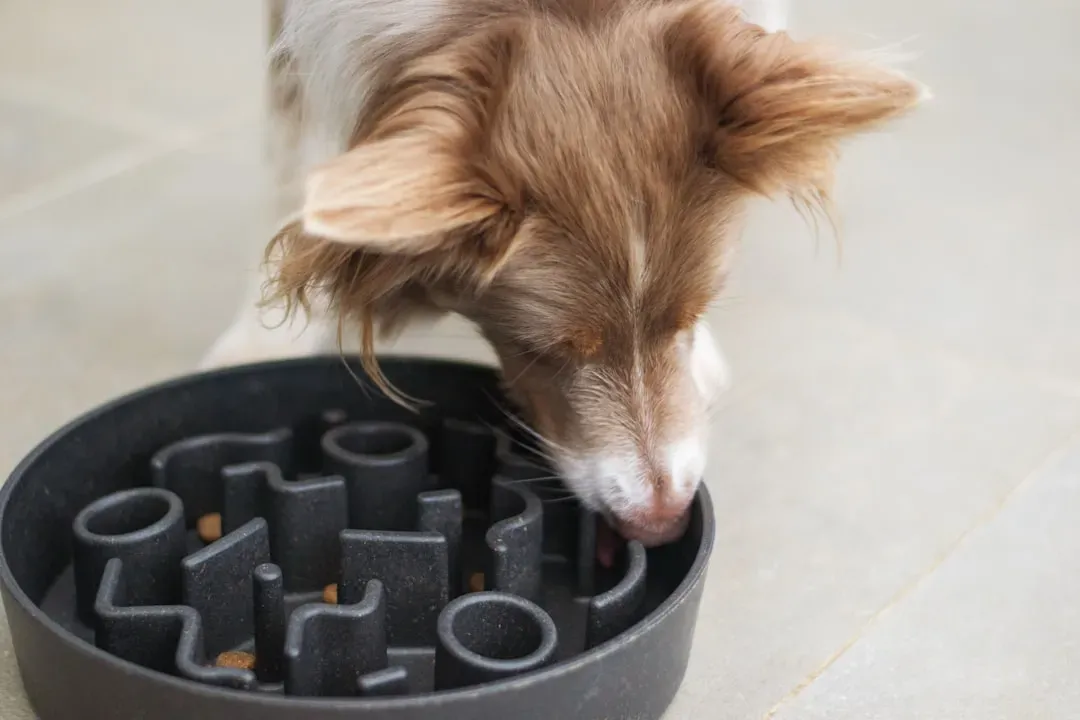
Why should mealtime be boring when it can be a brain-boosting adventure? Puzzle feeders turn ordinary feeding into an engaging mental workout that slows down eating and stimulates problem-solving skills.
You don’t need fancy store-bought puzzles to start. A muffin tin with tennis balls covering treats in each cup works brilliantly. You can gauge your dog’s interest in puzzles with it, and determine what level of difficulty is best for them.
Another easy option involves rolling up a towel with treats scattered inside. Your dog will need to figure out how to unroll it to access the goodies. These DIY solutions are budget-friendly and just as effective as expensive commercial puzzles for keeping your dog’s mind engaged during feeding time.
The Name Game
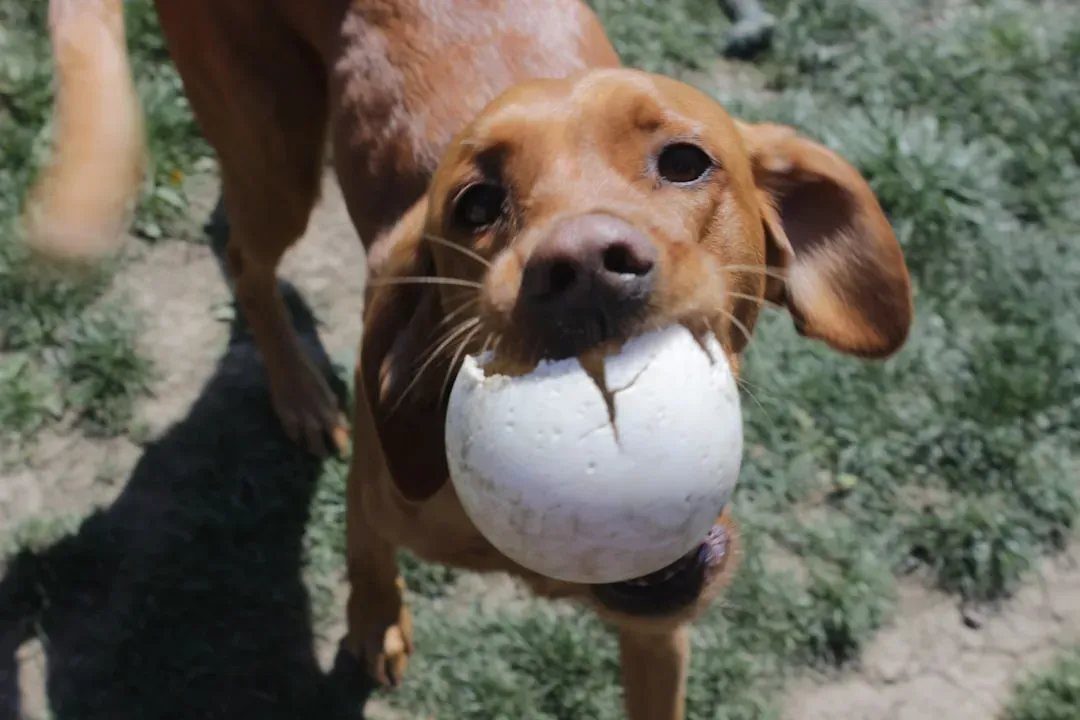
This game is seriously impressive and demonstrates just how capable your dog’s language comprehension can be. Teaching your dog to identify toys by name exercises their memory and vocabulary in remarkable ways.
Start with one favorite toy. Say its name repeatedly while playing with it, then ask your dog to “get the ball” or whatever you’ve named it. The name game is an excellent mental exercise because you can continue advancing the activity and building complexity until your dog can pull a single object from a pile of toys just by knowing the name.
Gradually introduce new toys with different names. The cognitive effort required to distinguish between multiple objects and associate each with a specific sound pattern is substantial. Some dogs can learn dozens of toy names, which honestly never stops being amazing to witness.
Homemade Obstacle Course
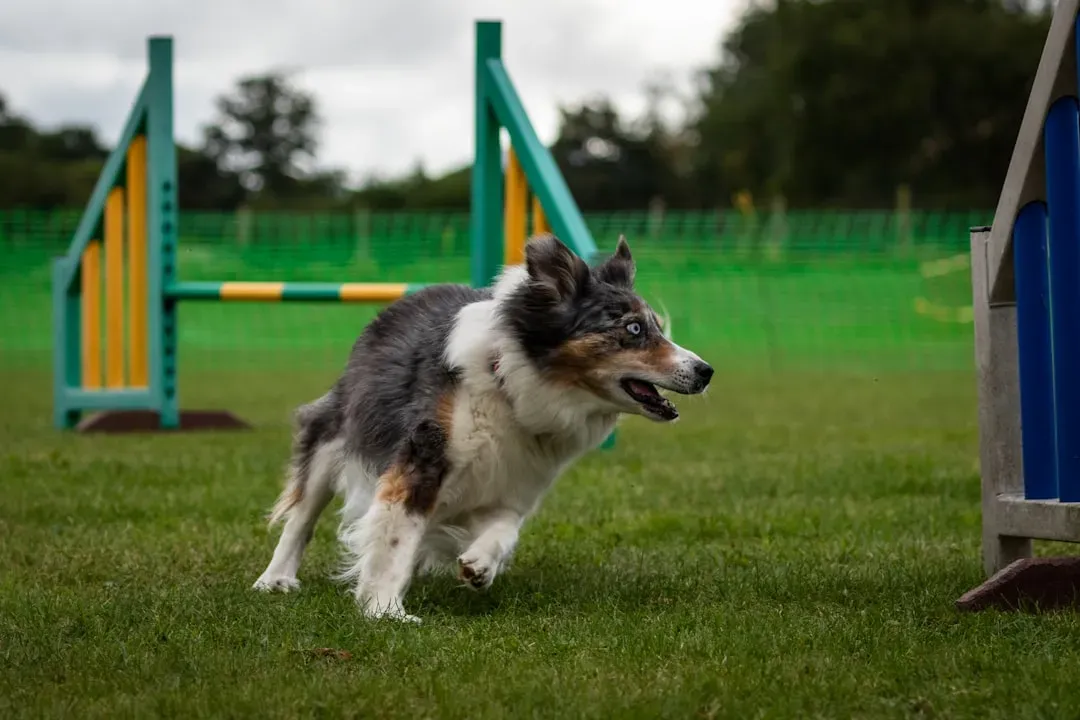
Creating an obstacle course is a fun way to challenge your dog’s agility and intelligence. These courses can be set up in your backyard using everyday objects like pillows or chairs. This game combines physical activity with serious mental stimulation as your dog figures out how to navigate each challenge.
Set up simple obstacles like jumping over a broomstick balanced between chairs, weaving through cones, or crawling under a blanket stretched between furniture. As your dog navigates the course, it learns to overcome various challenges. This boosts their confidence and improves coordination.
The key is starting simple and gradually increasing complexity. Always use encouragement and treats to guide them through new obstacles. The problem-solving required to figure out each section exercises their brain just as much as their body.
The Towel Roll Game
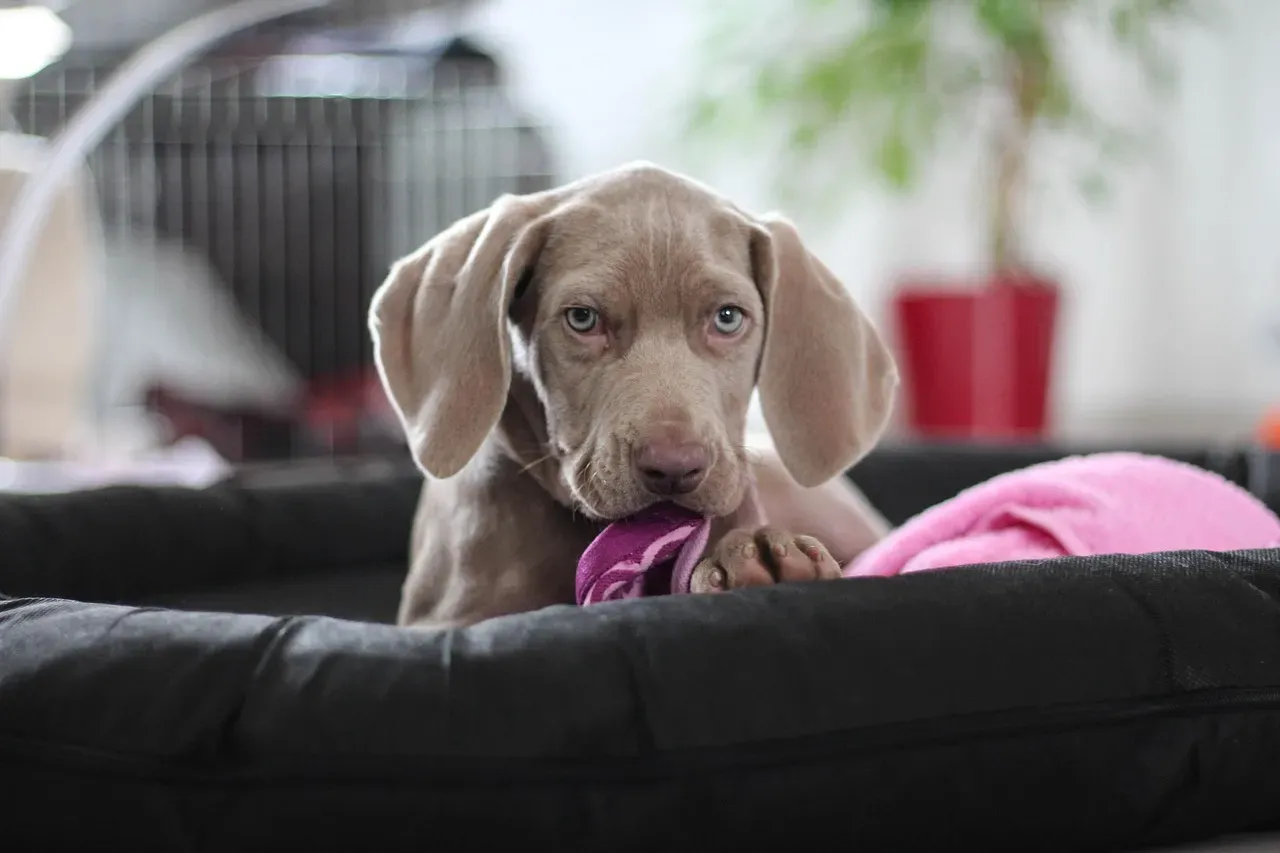
This is one of those brilliantly simple games that requires almost no preparation but delivers fantastic mental enrichment. All you need is a towel and some treats or kibble.
Lay a towel open on the floor. Sprinkle in part of your pup’s breakfast or dinner, and add a few surprise dog treats along the way. Roll the towel up and fold it into itself. Let your dog at it! They’ll need to use their nose and paws to unroll and manipulate the towel to access the food hidden inside.
You can increase difficulty by tying the towel into a knot after rolling. The physical and mental effort required keeps dogs engaged for surprisingly long periods, and the natural foraging behavior this mimics is deeply satisfying for them.
Scatter Feeding Sessions
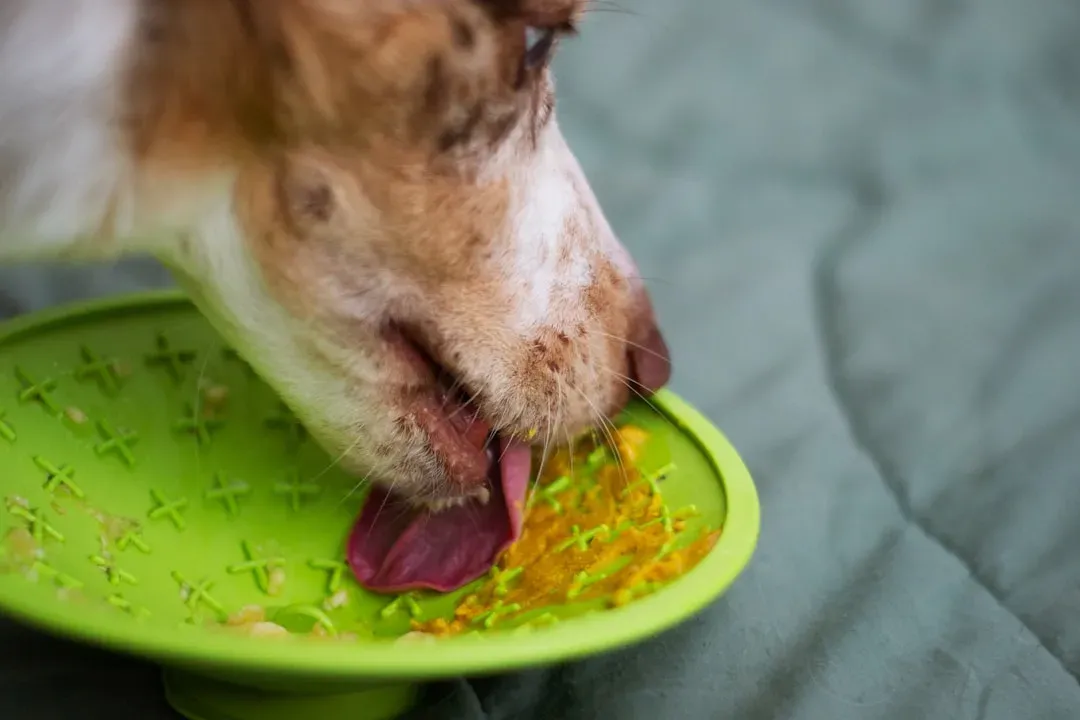
Scatter Feeding encourages your dog to use their sense of smell. By scattering pellets of food around the floor or throughout the garden, dogs are encouraged to use their nose to sniff out and scavenge for food. This transforms mealtime into an enriching activity rather than a quick gobble from a bowl.
You can scatter food in grass, around furniture, or even inside a cardboard box filled with crumpled paper. The searching and foraging behavior this encourages is instinctual and incredibly mentally stimulating for dogs. It slows down fast eaters naturally while engaging their hunting instincts.
This game works beautifully for dogs of all ages and abilities. Even senior dogs with mobility limitations can participate by scattering food in a smaller, accessible area. The cognitive engagement remains just as valuable regardless of the space used.
The Cup Shuffle Game
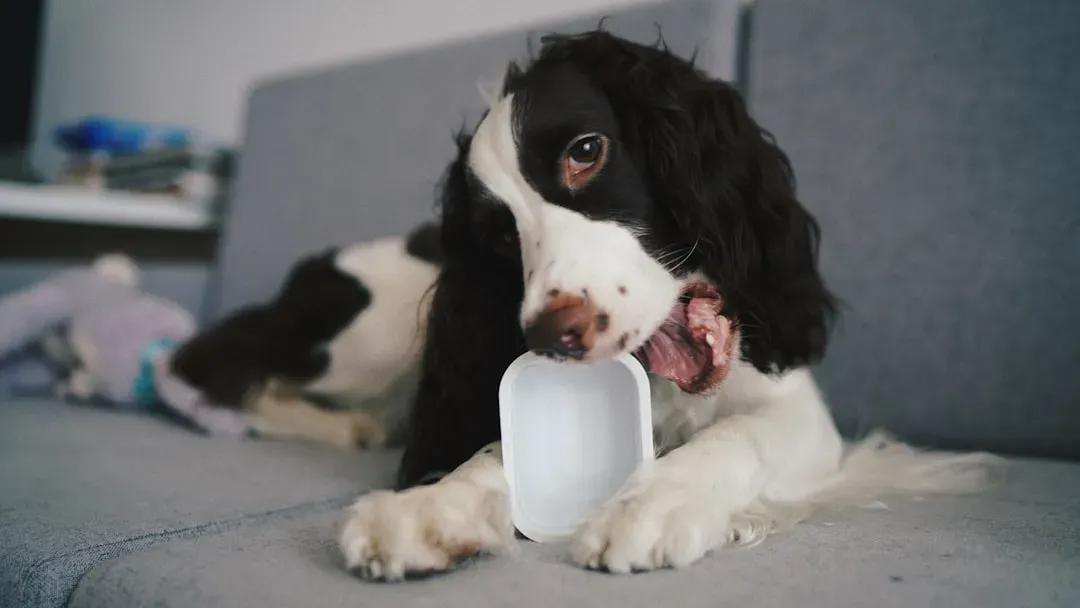
Similar to the shell game but with a twist, this version helps develop your dog’s decision-making and impulse control. The game teaches patience alongside cognitive skills.
Place three solo cups upside down on the floor in front of your pup. Start by showing your dog which cup you place the treat under and have them wait in anticipation for a moment. Motion your dog toward the cup the treat is under and say, “Find it!” When your dog touches or bumps the cup, praise them for finding the treat.
As your dog masters this, you can introduce slight movements of the cups or add more cups to increase difficulty. The waiting component teaches impulse control, while the searching aspect engages their problem-solving abilities. It’s a complete cognitive workout in one simple game.
Interactive Toy Rotation
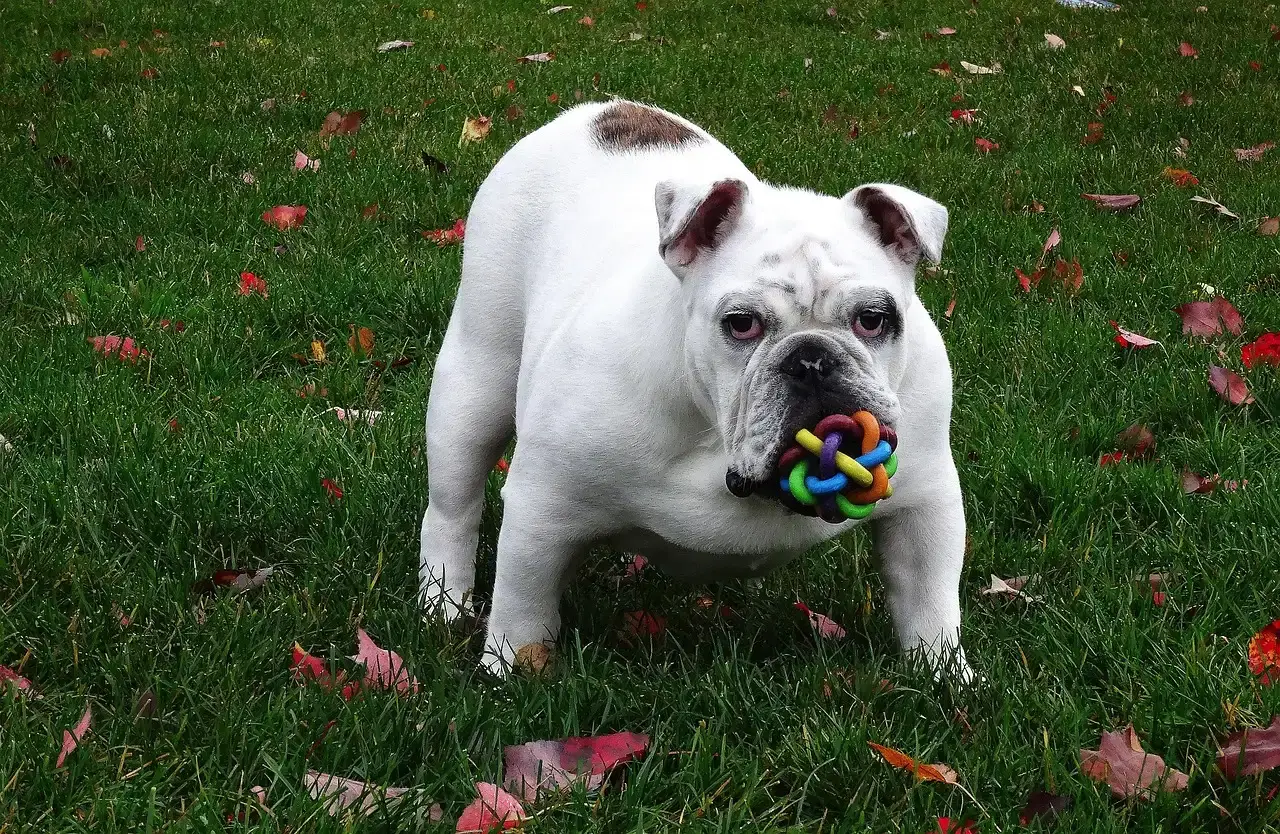
While not a single game, this strategy keeps your dog’s environment mentally stimulating over the long term. Interaction with toys is an effective way to physically enrich your dog’s world. An array of toys can take care of typical dog needs. Studies show interaction with toys may decrease a dog’s response to environmental triggers.
Instead of leaving all toys out constantly, divide them into groups and rotate which set is available each week. This maintains novelty and prevents boredom. Introduce puzzle toys that dispense treats, stuffed Kongs, and interactive feeders as part of the rotation.
The key is variety and unpredictability. When dogs encounter “new” toys regularly, their curiosity stays activated and their interest remains high. This simple organizational strategy maximizes the mental stimulation value of toys you already own.
Conclusion
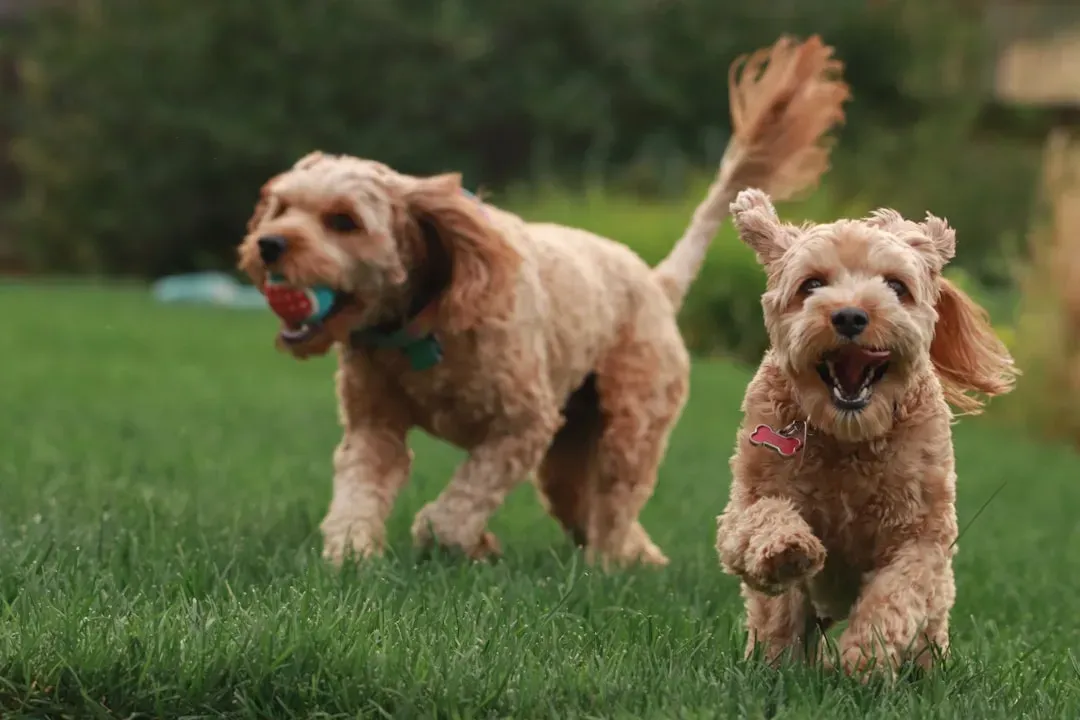
Dogs engaged in regular mental and physical exercises tend to be happier and healthier. The games we’ve explored aren’t just fun ways to pass time – they’re investments in your dog’s cognitive health, emotional wellbeing, and your relationship together.
This type of enrichment can help dogs feel calmer and less stressed, and can improve overall behaviour. Cognitive enrichment can also slow age-related cognitive decline in dogs. Starting these brain games now, regardless of your dog’s age, sets them up for a sharper, more engaged life well into their senior years.
The beauty of these activities lies in their simplicity and adaptability. You don’t need special training or expensive equipment to challenge your dog’s mind meaningfully. Just consistency, creativity, and those precious minutes of focused interaction each day make all the difference. What’s your dog’s favorite brain game? Try a few and see which one lights up those intelligent eyes the most.


