
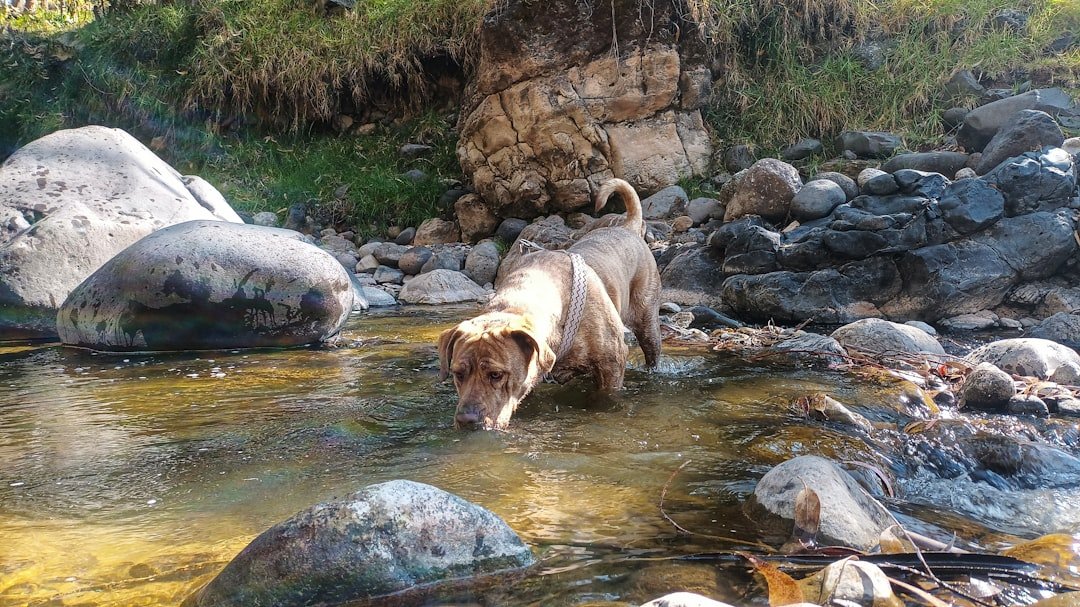
Your dog’s panting heavily after a short walk. Their tongue is hanging longer than usual. They’re seeking out cool tile floors and refusing to move from the shady spot under the tree. Sound familiar? Summer brings sunshine and outdoor adventures, yet for our four-legged friends, it can also bring serious danger. Here’s the thing: dogs don’t sweat like we do. They cool themselves primarily through panting, and that’s often just not enough when temperatures soar.
With predictions that summer 2025 could be hot and sweltering across most of the United States and Canada, knowing how to protect your pup from the heat isn’t just helpful, it’s essential. Whether you have a marathon-running Labrador or a snoozing senior Pug, heat safety matters for every dog. Let’s dive into the smart, practical ways you can keep your furry companion cool, comfortable, and safe when the mercury climbs.
Recognize the Warning Signs Before It’s Too Late
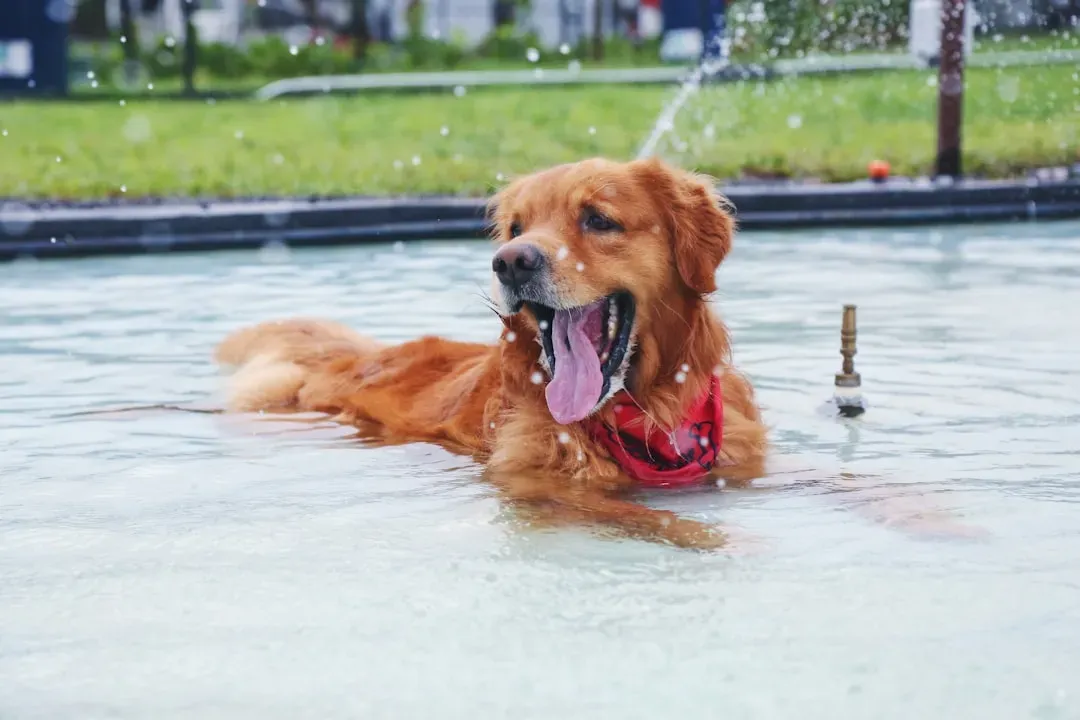
I know it sounds obvious, yet so many of us miss the early signals that our dog is overheating. Signs of heatstroke can include excessive panting, drooling, rapid heart rate, and fatigue, which may escalate quickly if ignored. Your dog might also seem disoriented, have bright red gums, or start vomiting.
Lagging is the number one sign that your dog is too hot. If your normally energetic companion suddenly slows down or refuses to keep up during a walk, don’t push them. This is their body telling you something’s wrong. Heatstroke is a life-threatening medical emergency caused by prolonged exposure to hot or humid temperatures, and dogs most commonly get heatstroke when left in hot cars, left outside without shade, or exercising in hot conditions.
Watch your dog’s behavior closely. Restlessness, weakness, or collapsing are red flags requiring immediate veterinary attention.
Time Your Walks Wisely and Check the Pavement
Picture yourself walking barefoot across a parking lot on a scorching afternoon. Painful, right? That’s exactly what your dog experiences when you walk them on hot pavement. Blacktop retains a lot of heat and can be much hotter than ambient temperatures, and while dogs’ paw pads are tougher than our skin, they can still suffer burns. If you cannot put your own hand or stand barefoot on the pavement for about 10 seconds, it’s too hot for your dog.
The solution is simple but requires discipline. Walk when it’s cool, sticking to early morning or late evening walks and avoiding pavement during peak heat hours, typically from 10 AM to 4 PM. Dawn and dusk aren’t just cooler, they’re often more peaceful and enjoyable for both of you.
Stick to grassy areas or shaded trails whenever possible. If you absolutely must venture out during warmer hours, consider protective dog booties designed for hot surfaces. Your dog’s paws will thank you.
Never, Ever Leave Your Dog in a Parked Car
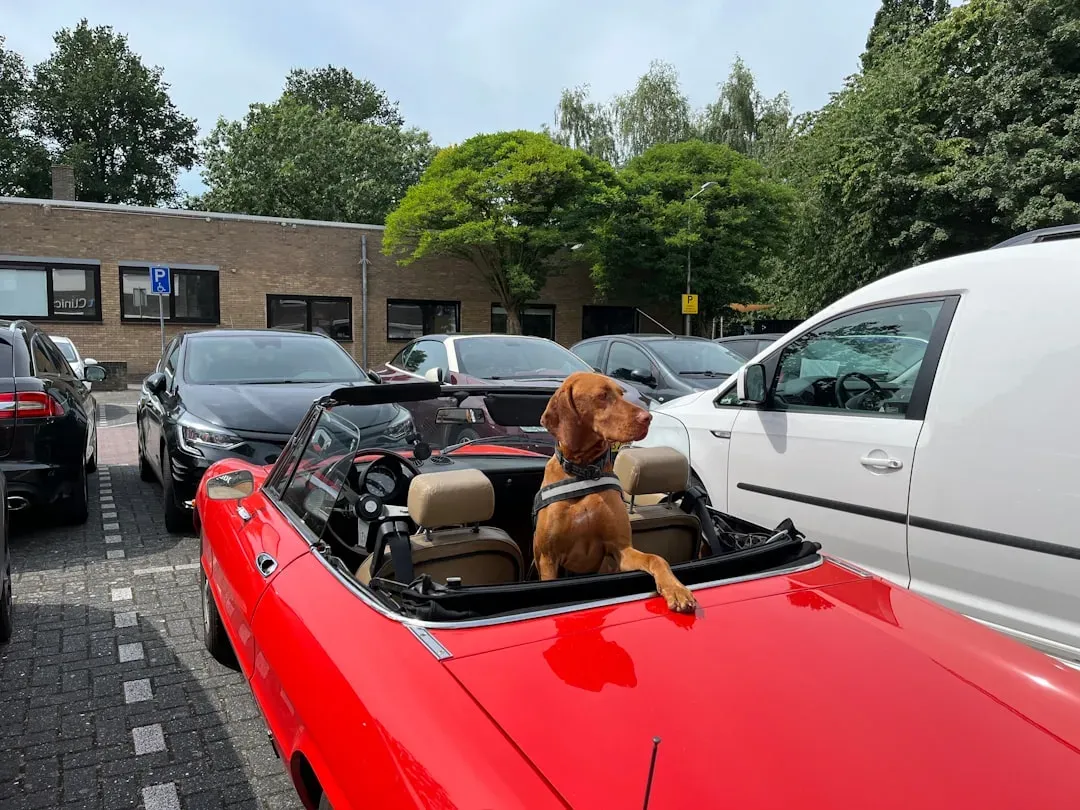
Let’s be real: this one should go without saying, but it bears repeating because it still happens far too often. Even if it’s only 70 degrees Fahrenheit outside, the temperature inside a car can increase by 40 degrees in an hour, and this can happen even more quickly since the majority of the temperature increase occurs during the first 15 to 30 minutes.
Cracking the windows doesn’t help. Parking in the shade doesn’t fix it either. Cars can get up to 120 degrees in minutes, and it can be 70 degrees outside with the inside of your car heating to over 90 degrees in about 10 minutes. The math is terrifying.
If your errand doesn’t allow your dog to come with you safely, leave them at home. It’s that straightforward. Their life depends on it, and honestly, no quick stop is worth the risk.
Hydration Is Your Dog’s Best Friend
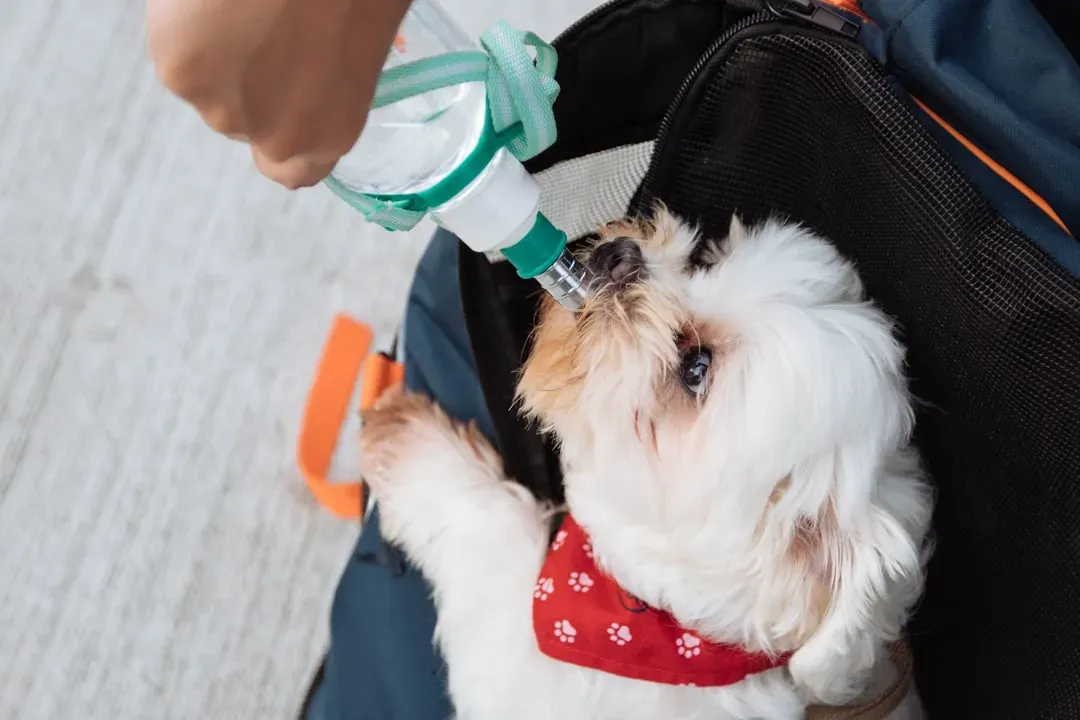
Keeping your dog hydrated is the most important step in a heatwave. Think about how much you reach for water when it’s hot outside. Your dog needs the same constant access to fresh, cool water. You should give your dog plenty of opportunities to drink cool, fresh water and place multiple bowls in different spots around the house and in the garden.
When you’re out and about, always carry water and a portable bowl. Always be sure to bring water and a collapsible bowl with you when you take your dog out, and provide frequent opportunities for your dog to drink. Refill bowls regularly, especially if they’re metal, as water heats up fast in the sun.
You can make hydration fun, too. Add ice cubes to their water bowl or freeze dog-safe treats inside ice blocks. You can give your dog fruits or veggies that are predominately water, like cucumbers, zucchini, celery, watermelon, apples, or peaches. Just avoid pits and seeds.
Create Cool Zones Indoors and Out

In extreme temperatures, high humidity, or on days with dramatic temperature changes, it may be best to keep pets cool indoors, ideally with air conditioning or fans. Setting up designated cool zones gives your dog a retreat when the heat becomes unbearable. Tile or hardwood floors work great since they stay cooler than carpet.
You can also invest in cooling mats or pads. Cooling mats can be helpful as dogs naturally gravitate to cool surfaces when feeling warm, and you can purchase mats which can be popped in the freezer for extra cooling or some have self-cooling gel technology inside. Place these in your dog’s favorite resting spots.
Outside, shade is non-negotiable. If your yard lacks natural shade from trees, set up umbrellas, tarps, or canopies. Swimming pools or sprinklers are also effective tools to keep pups cool. Just always supervise water play to ensure safety. A simple kiddie pool filled with cool water can provide hours of relief and entertainment.
Know Which Dogs Are at Higher Risk
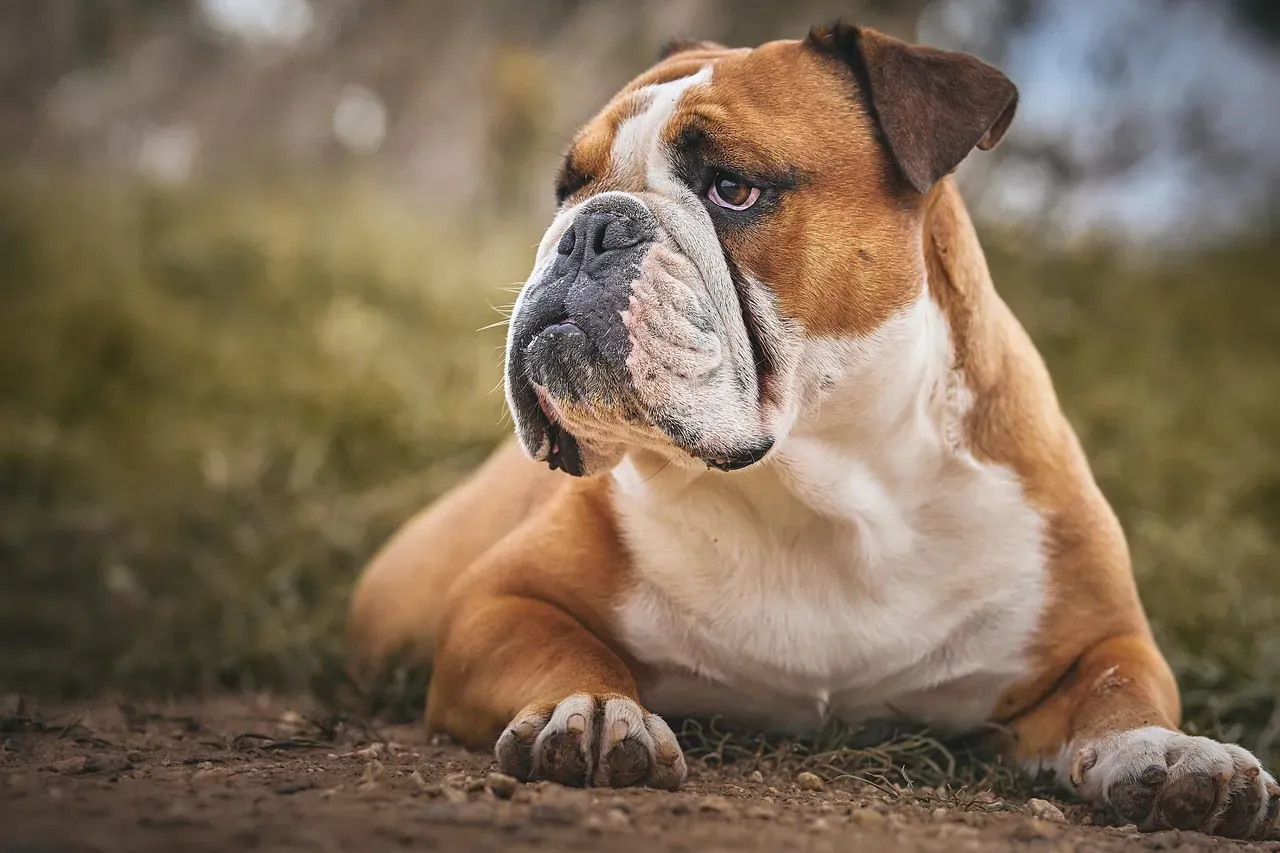
Not all dogs handle heat the same way, and some are simply more vulnerable. Brachycephalic breeds like Pugs, Bulldogs, Boston Terriers, and Boxers cannot pant as efficiently and have a harder time keeping cool, putting them at higher risk in hot or humid weather. Their adorable flat faces actually compromise their ability to regulate body temperature.
Extra precaution should also be taken with overweight, elderly dogs, those with underlying heart or breathing conditions, and those with thick or dark colored coats. Senior dogs tire more easily and may not have the energy to seek shade or water when needed. Dogs carrying extra weight generate more internal heat, making cooling down even harder.
The darker your pet’s fur is, the more heat it will absorb, increasing the dog’s risk of overheating. If your dog falls into any of these categories, be extra vigilant. Limit their time outdoors, keep exercise minimal, and monitor them constantly for signs of distress.
Act Fast If You Suspect Heatstroke
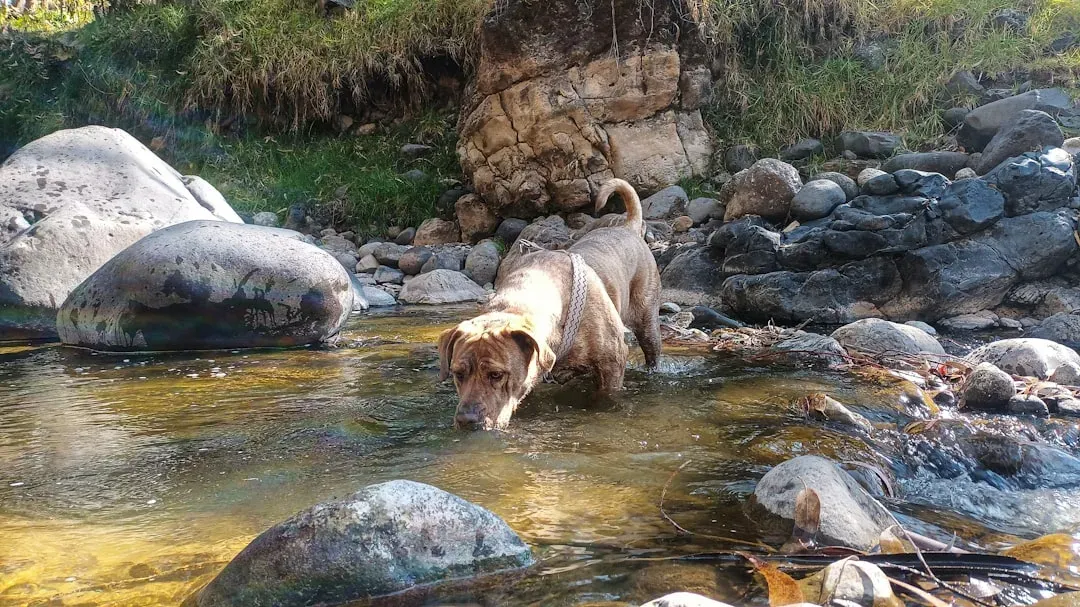
If you are concerned that your pet is overheating, you should act immediately as heatstroke can rapidly become a life-threatening emergency, and we recommend to cool first, transport second. Don’t wait to see if they improve on their own. Cooling your pet prior to arrival at the hospital has been shown to increase their chances of survival from 50% to 80%.
Move your dog to a cool, shaded area immediately. Pour cool water over their head and body, gently hose a very gentle stream of cool water over them, or where possible, submerge them in a tub of cool water. Never use ice or ice-cold water, as this can cause shock and worsen their condition.
Offer small sips of water if they can drink, but don’t force it. Contact your veterinarian or emergency animal hospital right away and let them know you’re on your way. Even if your dog seems to recover, they still need veterinary assessment. Heat stroke can cause unseen problems such as swelling of the brain, kidney failure, intestinal bleeding, and abnormal blood clotting. Professional care ensures there’s no hidden damage.
Wrapping It Up
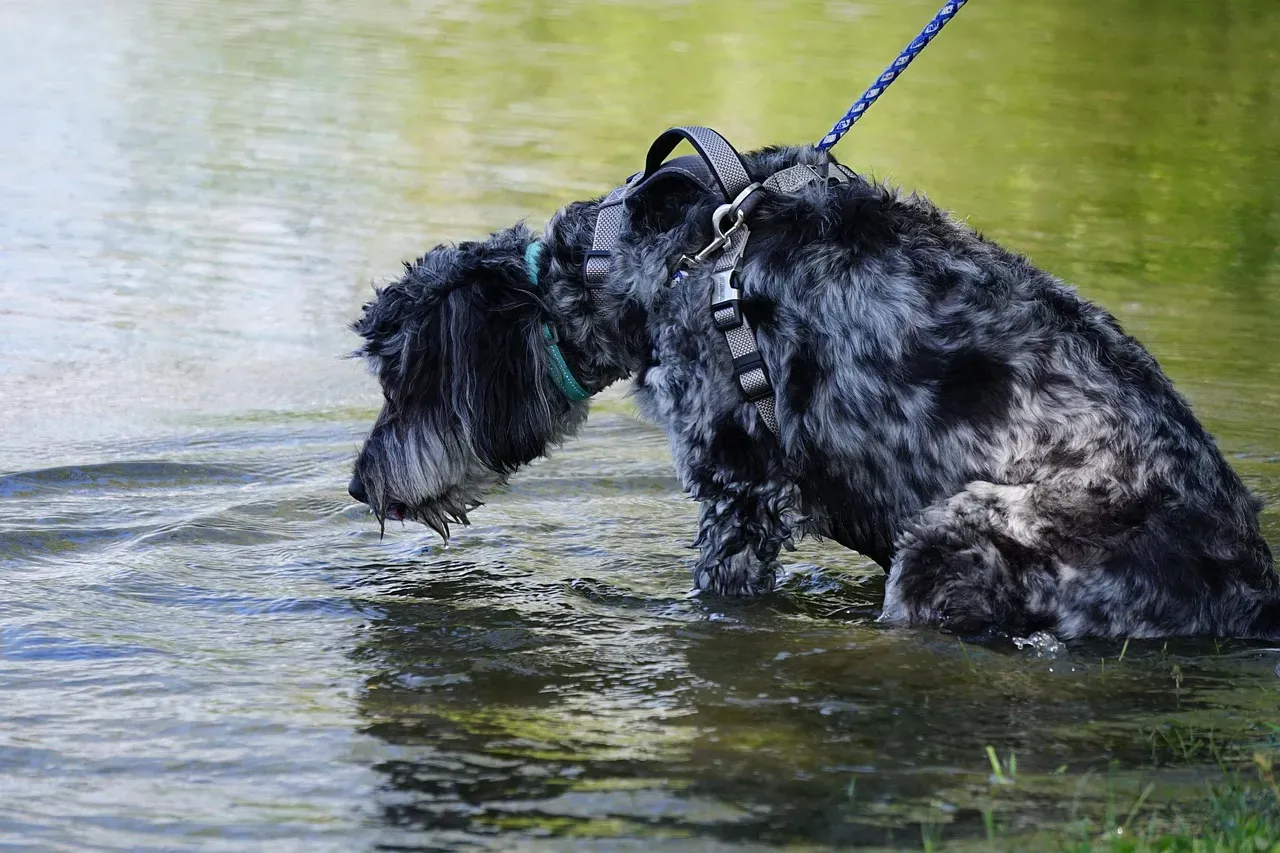
Summer should be about tail wags, adventure, and making memories with your dog, not emergency vet visits. Keeping them cool isn’t complicated, yet it requires awareness and a little planning. From timing your walks to recognizing early warning signs, these strategies can make all the difference between a safe summer and a tragic one.
Pay attention to your dog’s behavior. Trust your instincts. If something feels off, it probably is. Remember, your dog depends entirely on you to keep them safe when temperatures climb. What’s your go-to trick for keeping your pup comfortable in the heat? Share your thoughts in the comments below.


