
We all like to believe we’re giving our furry best friends the perfect life. After all, if there’s love involved, that’s enough, right? Well, here’s the thing. Sometimes love alone doesn’t cut it when it comes to raising a happy, healthy dog. And honestly, most of us stumble into little habits without even realizing they’re hurting our pups.
Think about it. Your dog can’t exactly sit you down for a heart to heart and explain what’s going wrong. Instead, they communicate through behavior, body language, and sometimes health issues that sneak up on you. The good news? Recognizing these signs early means you can turn things around before they become bigger problems. Let’s be real, none of us wake up thinking we’re failing our dogs, yet so many well meaning owners miss the subtle cues that their pup needs more.
So let’s dive in. These signs aren’t here to make you feel guilty. They’re here to help you become the kind of dog parent your best friend truly deserves.
You Skip Regular Vet Visits
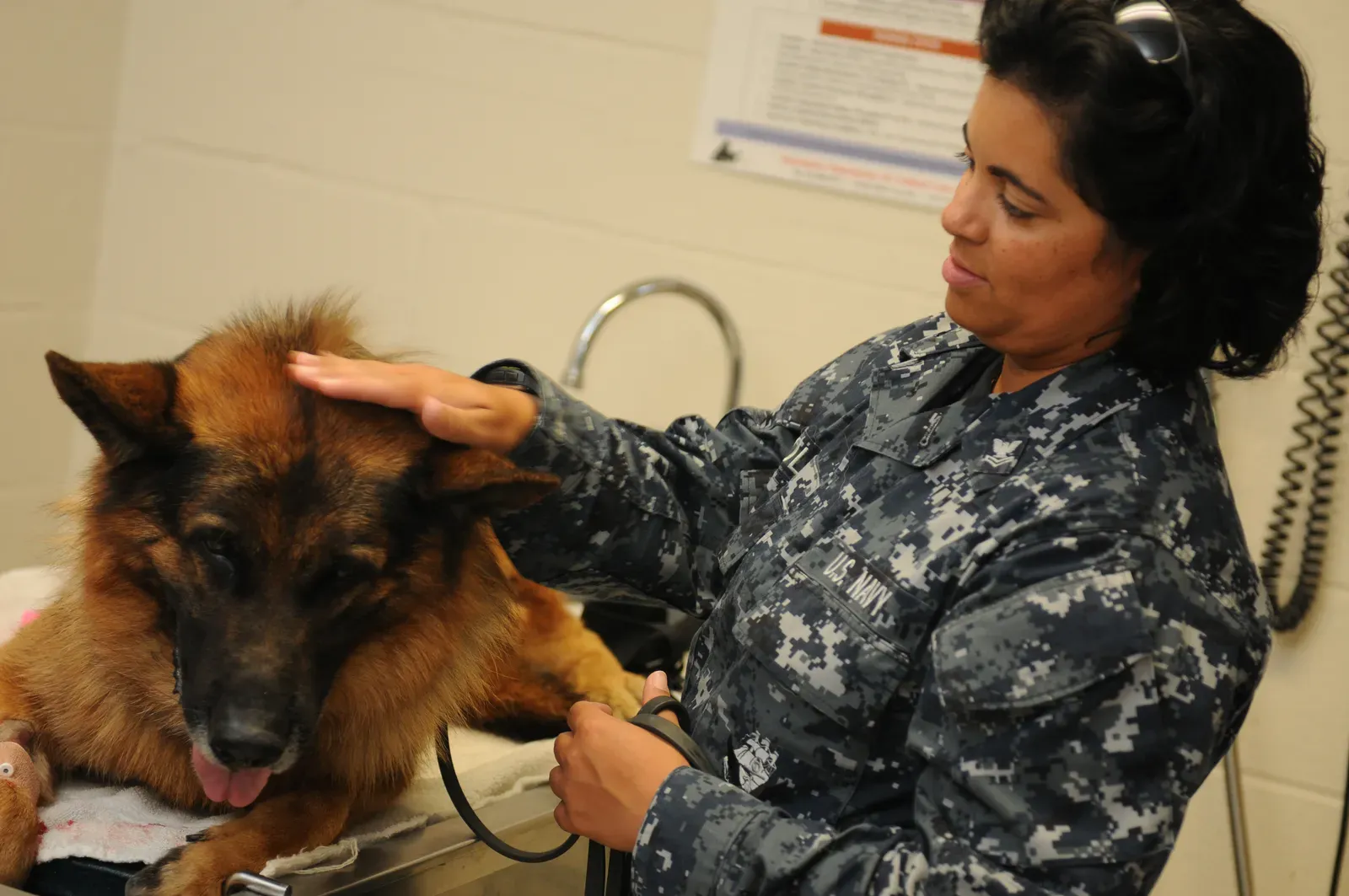
Routine veterinary visits once a year or two are essential for monitoring and maintaining your dog’s health, yet many owners only head to the clinic when something obviously goes wrong. Waiting until your dog is visibly sick can mean missing early warning signs of serious conditions like diabetes, heart disease, or dental problems that quietly progress over time.
Regular checkups allow your vet to catch issues before they escalate. Preventive care isn’t just about vaccinations. It includes dental cleanings, blood work, and weight monitoring.
Understanding warning signs and observing symptoms in the early stages of an illness can help immensely when a vet has to diagnose the problem later on, speeding up treatment. Prevention is always cheaper and less stressful than emergency care. Schedule those appointments now, even if your dog seems perfectly fine.
Your Dog Isn’t Properly Socialized

Socialization through puppyhood ensures dogs become friendly and confident adults, with the greatest window of learning starting around 3 weeks and closing between 16 and 20 weeks, allowing puppies to be exposed to sights, sounds, and sensations without becoming fearful; missing out on these experiences may lead to anxiety, fear, and aggression later in life. Even adult dogs benefit from continued positive social experiences.
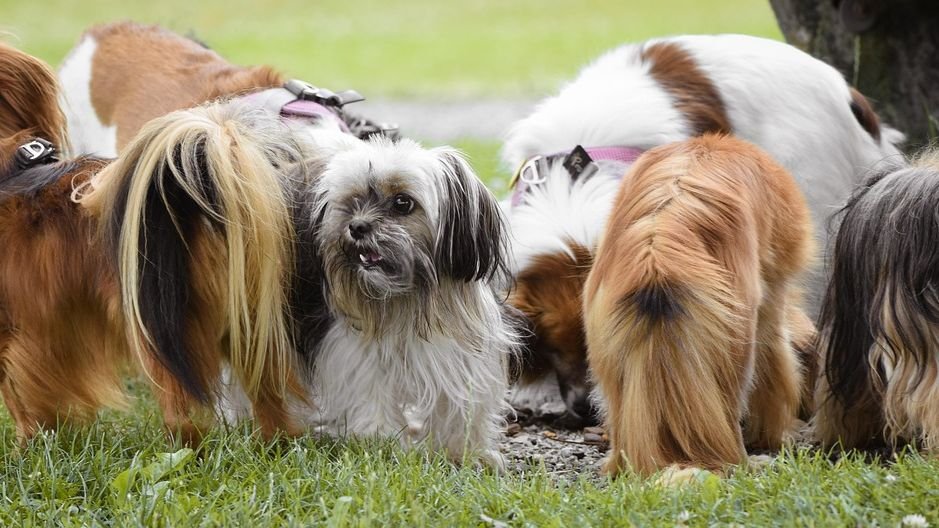
Neglecting socialization results in frightened dogs, and frightened dogs are unpredictable, which can be dangerous for their owners, guests, and other animals. If your dog cowers at the sight of strangers, lunges at other dogs, or panics in new environments, poor socialization is likely the culprit. The fix? Gradual, positive exposure to new people, places, and pets.
Take your dog on varied walking routes. Invite calm friends over. Consider group training classes where interactions are supervised and safe. It’s never truly too late to help your dog feel more comfortable in the world.
You’re Inconsistent With Training
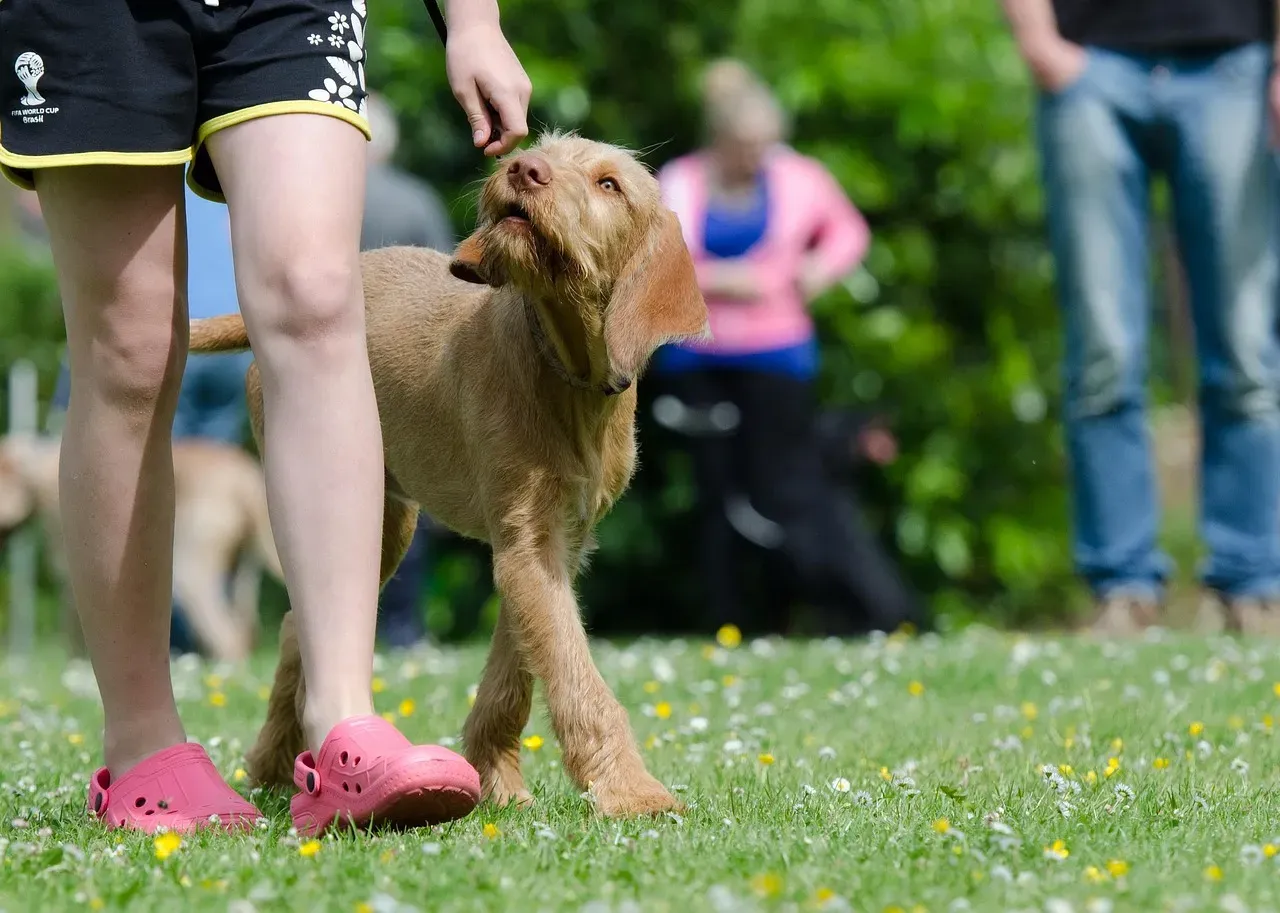
Inconsistent training is a very common bad habit, with activities like begging suffering from a lack of discipline; it leads to a multitude of other bad habits, including expecting too much from your dog, being impatient, and feeding human snacks. One day you allow your pup on the couch, the next day you scold them for it. This confuses dogs and undermines every command you try to teach.
Dogs thrive on predictability. When rules constantly shift, they can’t learn what’s expected of them.
Not being consistent with rules is another common mistake, and it can be tempting to allow a cute new puppy to run wild in your home, but failure to maintain consistency with house rules can lead to trouble in the long run. The solution is simple but requires discipline from you. Decide on the rules and stick to them, every single time. Make sure everyone in your household is on the same page. Your dog will thank you with better behavior.
You’re Not Meeting Their Exercise Needs
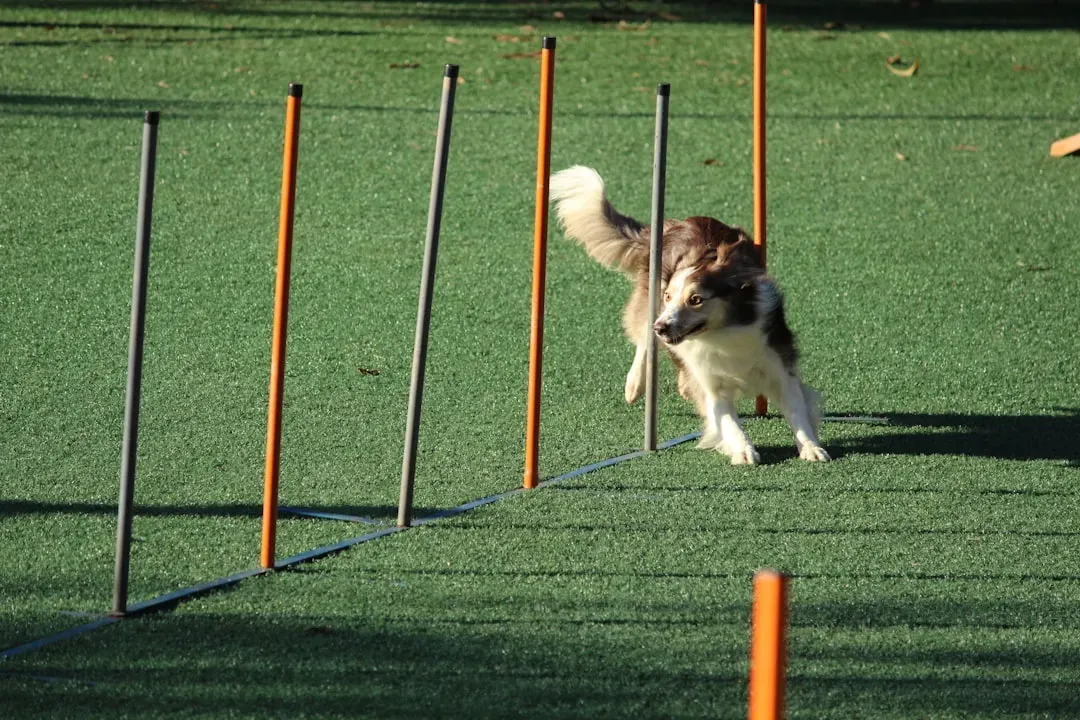
A survey stated that 80% of UK dogs do not receive the weekly recommended level of exercise, with one in ten dog owners not even knowing how much exercise their breed requires. As a basic figure, dogs should receive at least twenty to thirty minutes of exercise a day, though it depends on size, age, and breed. A bored, under exercised dog becomes destructive, anxious, and sometimes aggressive.
Think of it this way. Dogs are built to move. Their ancestors roamed miles daily, and that instinct doesn’t disappear just because they live in your home. Lack of physical activity also contributes to obesity, joint problems, and a shorter lifespan.
Daily walks are a start, but mental stimulation matters just as much. Puzzle toys, fetch games, and scent work can tire out your dog’s brain. If your pup is chewing furniture or barking nonstop, ask yourself if they’re getting enough activity. Chances are, they need more.
You Ignore Behavioral Red Flags
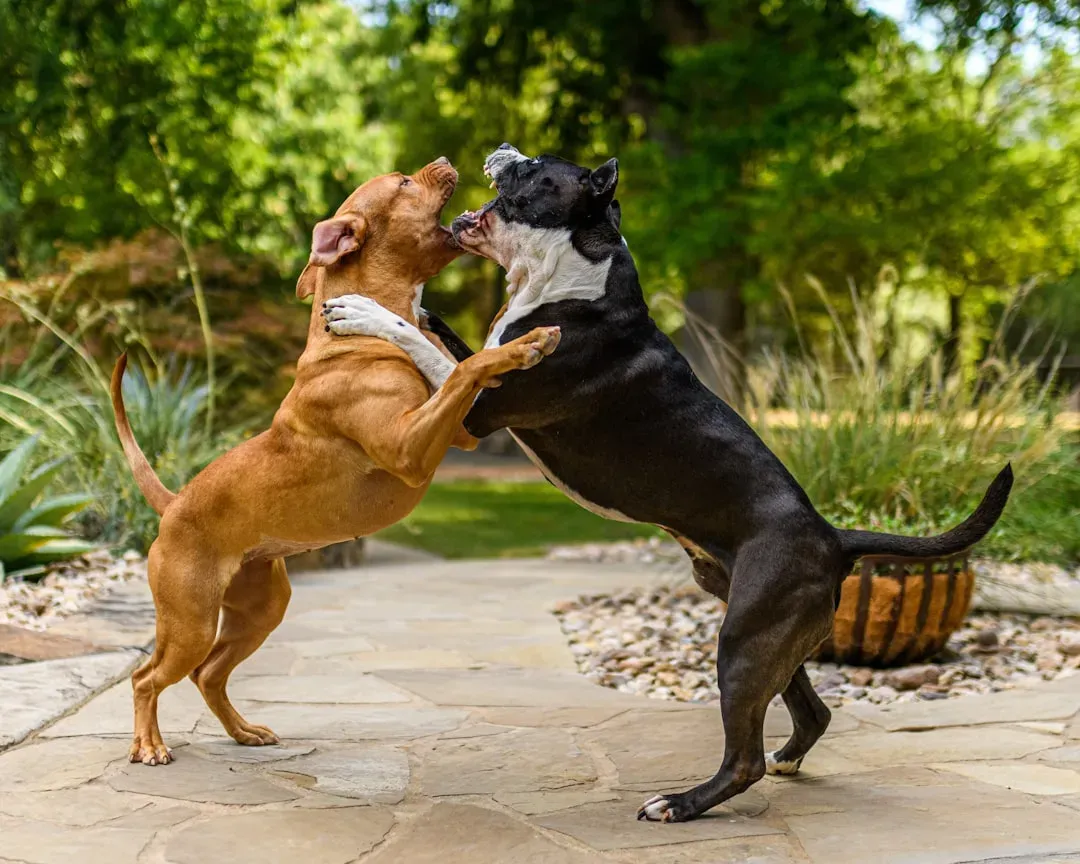
It is sometimes easy to dismiss a few annoying behaviors, perhaps assuming it is just the dog’s personality or something they will grow out of; however, canine behavioral problems nearly never just disappear on their own. Growling at visitors, resource guarding, excessive barking, or signs of anxiety shouldn’t be brushed off as quirks.
First time owners often hope their dog will mature past issues, but unfortunately, dogs grow into patterns, not out of them; if a young dog practices pulling, barking at windows, or resource guarding, those behaviors strengthen with repetition. Early intervention is always easier than breaking months or years of ingrained habits. Seek help from a certified trainer or veterinary behaviorist before things escalate.
Your dog’s bad behavior isn’t cute or funny. It’s a cry for help, structure, or training they’re not receiving. Don’t wait until someone gets bitten or your dog becomes unmanageable in public. Address problems the moment they appear.
You Overfeed and Over Treat

An astounding 25% of dogs seen by vets in the UK are overweight or obese. Overfeeding pets with dog food or human snacks on a regular basis will inevitably lead to weight gain, which could result in musculoskeletal problems, diabetes, and difficulties with breathing. Those extra treats you sneak under the table? They add up fast.
It’s tempting to show love through food. Your dog’s excited reaction makes you feel good. However, this habit can shorten their life and lead to expensive vet bills down the road.
Dog treats should make up no more than around 10% of your pet’s total calorie intake. Measure portions, avoid table scraps, and choose healthier treat options. Your dog doesn’t need constant snacks to know you love them. They need you to keep them healthy.
You Punish Instead of Teaching
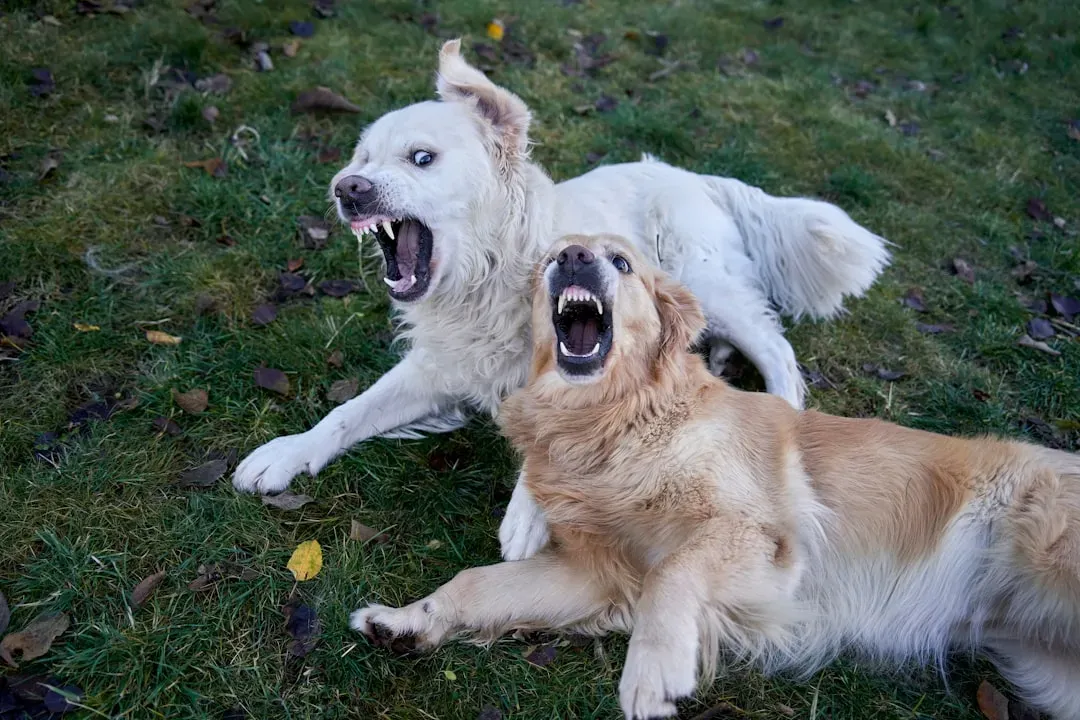
When you don’t have patience to teach your dog proper behavior, you end up frustrated and punishing your dog; physical punishment is always wrong and will always result in loss of trust between you and your dog. Yelling, hitting, or using fear based corrections damages the bond you share and often makes behavior worse, not better.
Dogs don’t understand punishment the way humans do. They simply learn to fear you or the situation. Defaulting to punishing dogs when you get angry isn’t training, it’s retaliatory abuse; for the most part, dogs are going to do what you allow them to do and what you have trained them to do, so if you allow bad manners or don’t train them sufficiently, it’s not the dog’s fault, it’s yours.
Positive reinforcement works. Reward the behaviors you want to see more of. Redirect unwanted behaviors calmly and consistently. Training takes patience, but the results are worth it. Your dog wants to please you. Show them how.
You Don’t Understand Their Body Language
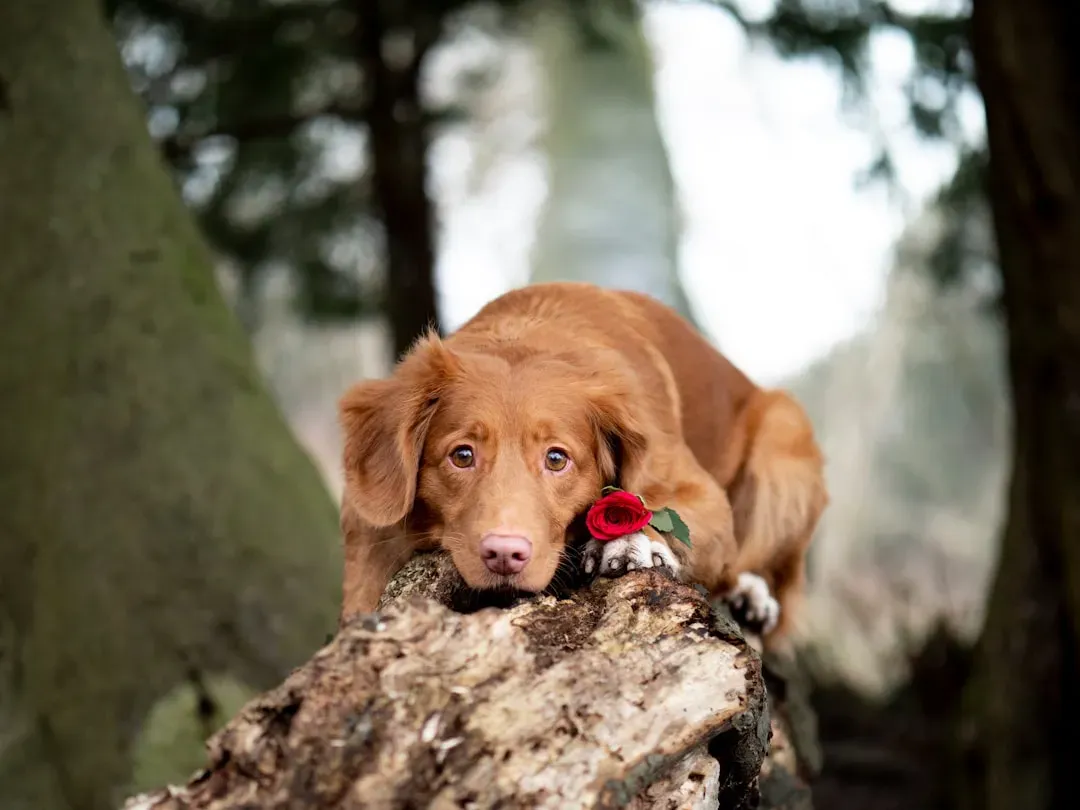
Dogs communicate their wants, needs, happiness, and fear primarily through body language. Communication between dogs and people does not occur through a tangible language, so messages shared across species tend to be more general in nature or can be missed or misinterpreted; for family members who want to understand their dog’s behavior, recognition of body signals can serve as a useful tool.
When your dog licks their lips, yawns excessively, or avoids eye contact, they’re showing stress. It is the subtle signs and signals we tend to miss or not recognize, and because we don’t notice them, we continue our behavior, like petting the dog that doesn’t want to be touched; the subtle warning signs that give notice of an impending bite include the crescent moon shape of the white part of the dog’s eye and the ears pinned back.
Learning these cues helps you advocate for your dog in uncomfortable situations. It prevents bites and reduces their anxiety. Pay attention. Your dog is always talking to you, even when they’re silent.
Conclusion

Being a good dog parent isn’t about perfection. It’s about awareness, effort, and the willingness to change when something isn’t working. The signs we’ve covered aren’t meant to shame you. They’re meant to wake you up to the needs your dog can’t voice themselves.
The beautiful thing about dogs is their forgiveness. Start making better choices today, and your dog will meet you halfway with love, loyalty, and trust. Did you recognize yourself in any of these signs? What changes will you make first?


