

I love dogs. Always have. There’s nothing quite like the warmth of a furry companion greeting you at the door, tail wagging like you’ve been gone for years instead of minutes. Yet here’s the thing most people don’t want to talk about openly: dog ownership isn’t for everyone, and that’s completely okay.
You’ve probably seen those heartwarming Instagram posts of perfectly groomed pups lounging on pristine couches or hiking through scenic trails with their devoted humans. What you don’t see are the sleepless nights, the shredded furniture, or the bank account that slowly empties itself one vet visit at a time. Before you fall head over heels for those puppy dog eyes at the shelter, let’s have an honest conversation about the realities that often get glossed over in the excitement of bringing home a new best friend.
The Financial Reality Will Hit Harder Than You Think

From the moment you bring them home, your dog’s lifetime care can range from $16,440 for a small breed to $52,075 for a large breed. Let’s be real, that’s not pocket change. Most folks budget for the obvious stuff like food and maybe annual checkups, thinking they’ve got it covered.
What catches people off guard are the surprises. Good-quality dog food is pricey, as is veterinary care, which your dog will need at least on an annual basis, if not more often for sudden illnesses or emergencies (and emergency veterinary care is especially costly). Think about it this way: you’re essentially committing to a decade or more of monthly expenses that can easily rival a car payment.
An emergency vet visit can cost anywhere from a few hundred dollars to tens of thousands, depending on the severity of the situation and the treatment required. From diagnostic imaging and overnight hospitalization to surgery and long-term aftercare, the bills can add up fast. I’ve seen friends drain their savings accounts because their dog ate something they shouldn’t have or developed a sudden health crisis at 2 AM.
Your Freedom Takes a Permanent Vacation

Remember those spontaneous weekend getaways? Yeah, those become logistical puzzles. Dogs are high-maintenance animals that need daily care and interaction, and every trip you take will need to come with careful forethought and planning on their behalf. You can’t just lock the door and leave for three days without arranging care.
Even a quick overnight trip means finding a pet sitter, boarding your dog, or imposing on friends and family. Each option costs money or goodwill, sometimes both. Your dog doesn’t understand why you’re leaving, and honestly, the guilt can be crushing when you see those sad eyes as you pack your suitcase.
Spontaneous weekend getaways become logistical nightmares involving dog sitters, detailed care instructions, and guilt. Some people thrive on routine and don’t mind this constraint, while others feel suffocated by it. If you’re someone who values flexibility and spontaneity in your lifestyle, a dog might feel more like an anchor than a companion.
The Time Commitment Never Actually Stops

Generally speaking, caring for a puppy takes a minimum of two to three hours, spread throughout the day and night. Significant early training can make the amount of time you spend daily caring for a puppy higher. That’s just for puppies. Adult dogs require slightly less intense supervision, yet they still need consistent daily attention.
Dogs typically need about 30 to 45 minutes of exercise per day. Beyond that, there’s feeding time, potty breaks, training sessions, grooming, and simply being present for companionship. The time that has to be dedicated to the dog’s daily care and training, as well as the influence of the dog on its owner’s routine and quality of sleep.
Here’s what nobody tells you: it’s every single day. No days off. No sleeping in on Sundays unless you want to clean up an accident. If you’re already stretched thin with work commitments, family obligations, or personal pursuits, adding a dog to the mix can push you over the edge into constant exhaustion and resentment.
Your Living Space Becomes Theirs

That beautiful home you’ve carefully decorated? Prepare for it to transform. Dogs shed, track in mud, drool on furniture, and occasionally decide that your favorite shoes make excellent chew toys. Some breeds shed so much you’ll wonder if you’re vacuuming or fighting a losing battle against a fur invasion.
You’ll need space for their bed, crate, toys, food bowls, and supplies. Limited space for your pet to move, play, and explore can create problems, especially with larger or high-energy breeds. Apartment living becomes particularly challenging when your dog barks at every footstep in the hallway or needs multiple outdoor trips daily.
The wear and tear on your home is real and expensive. Scratched floors, chewed baseboards, stained carpets, and damaged furniture all come with the territory. You can train and supervise all you want, yet accidents and destructive moments still happen, particularly when dogs are young, bored, or anxious.
Behavioral Challenges Can Break Your Spirit

You might adopt a dog expecting a calm, obedient companion only to discover you’ve brought home a anxious barker, a resource guarder, or a dog with separation anxiety. Lack of obedience and manners leading to destructive behavior isn’t just inconvenient; it’s genuinely stressful to live with.
Dogs can go through patches when they’re quite stressful to care for, acting up with other dogs you meet when out, or generally being a bit disruptive to your routine. Training helps, certainly, yet some behavioral issues require professional intervention, which means more time and money. Not every problem has a quick fix.
Some dogs never quite master basic manners despite your best efforts. They pull on the leash, jump on guests, counter-surf, or display aggression toward other animals. Living with a poorly behaved dog creates constant tension and limits where you can take them and who you can have over to your home.
Aging Dogs Demand Even More
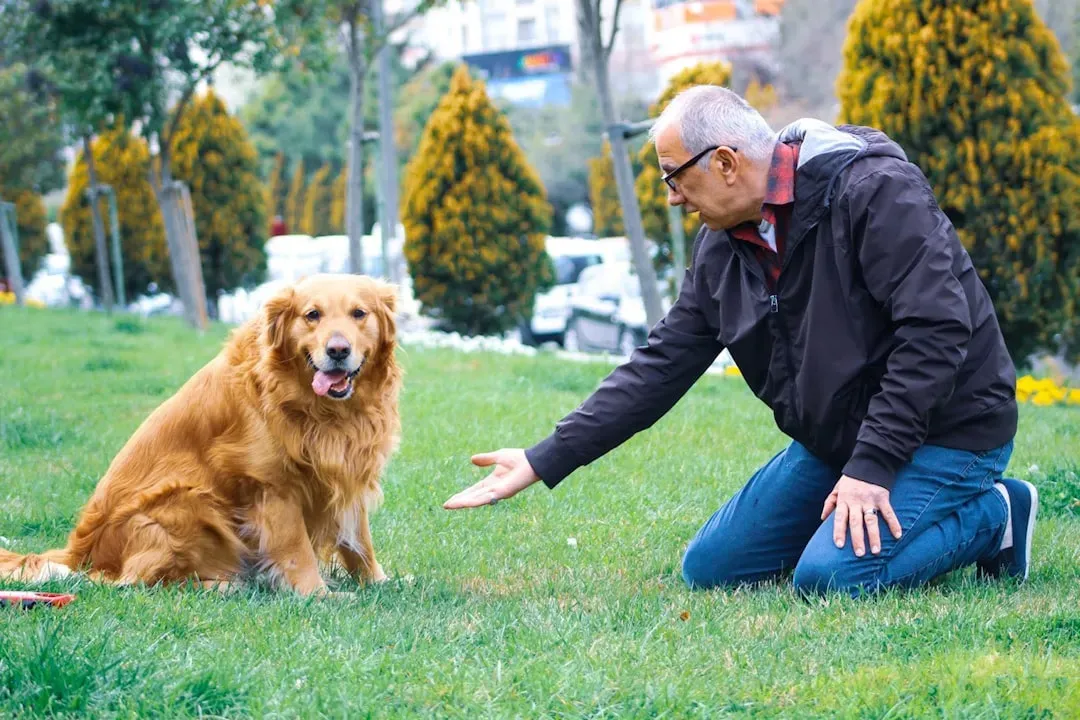
What everyone glosses over, though, are the increasing challenges that appear with dogs as they get older. Most prominently, you might have been able to crate your dog for extended periods of time when they were younger, but just like humans, when they get older they have to pee more. Unlike humans, though, dogs don’t care that much about where they pee, so it will start to happen on your carpet, in your car, in your bed and in other people’s homes.
Dogs will have increasing health problems and probably will develop some sort of chronic health condition – for which vets will want to prescribe long-term maintenance medications. These cost money and you have to administer them. You may find your dog doesn’t like taking medications, so that can become traumatizing for both of you. Senior dogs often need special diets, more frequent vet visits, mobility assistance, and sometimes round-the-clock care.
The final stage of dog ownership is heartbreaking. Watching a beloved companion decline physically is emotionally devastating, and making end-of-life decisions ranks among the hardest things you’ll ever do. Typical costs for end-of-life care can range from $335 to $860, depending on your dog’s situation and your preferences. In-home euthanasia and private cremation, which many pet parents prefer, can be up to 200% more expensive than less private options.
They Might Not Fit Your Future Plans

Life changes. Career opportunities arise in different cities. Relationships begin or end. Health issues emerge. Family dynamics shift. A dog represents a commitment that extends through all these potential changes, and sometimes they simply don’t fit into your evolving life circumstances.
Some individuals underestimate the impact of pet ownership on their ability to travel, socialize, and maintain their lifestyle. That job opportunity requiring frequent travel becomes complicated. Moving into that perfect apartment that doesn’t allow pets becomes impossible. Starting a family with a dog that doesn’t do well with children creates difficult decisions.
Depending on the owner, the commitment and responsibilities coming with dog ownership can be perceived just as beneficial as they can be perceived as an emotional and practical burden. There’s no shame in recognizing that your life circumstances, personality, or priorities aren’t aligned with responsible dog ownership. Actually, that self-awareness prevents heartbreak for both you and a dog who deserves a stable, committed home.
Conclusion

Look, I’m not saying dogs aren’t wonderful. They absolutely are for the right people in the right situations. Yet the decision to bring a dog into your life deserves brutal honesty, not just warm fuzzy feelings. The importance of publicly addressing not only the positive effects of pet dogs, but also the many challenges coming with dog ownership, to reduce the gap between expectations and reality and improve the lives of both humans and dogs.
If reading through these reasons made you feel relieved rather than discouraged, that’s valuable information. Maybe now isn’t your time, or maybe dog ownership simply isn’t for you at all. There are other ways to enjoy dogs without the full commitment like volunteering at shelters, fostering, or dog-sitting for friends. Choosing not to get a dog when you’re not truly ready is actually the most responsible decision you can make.
What matters most is making a thoughtful choice that serves both your wellbeing and any potential dog’s needs. Have you considered whether your lifestyle genuinely has room for a furry companion? Tell us your thoughts in the comments.


