
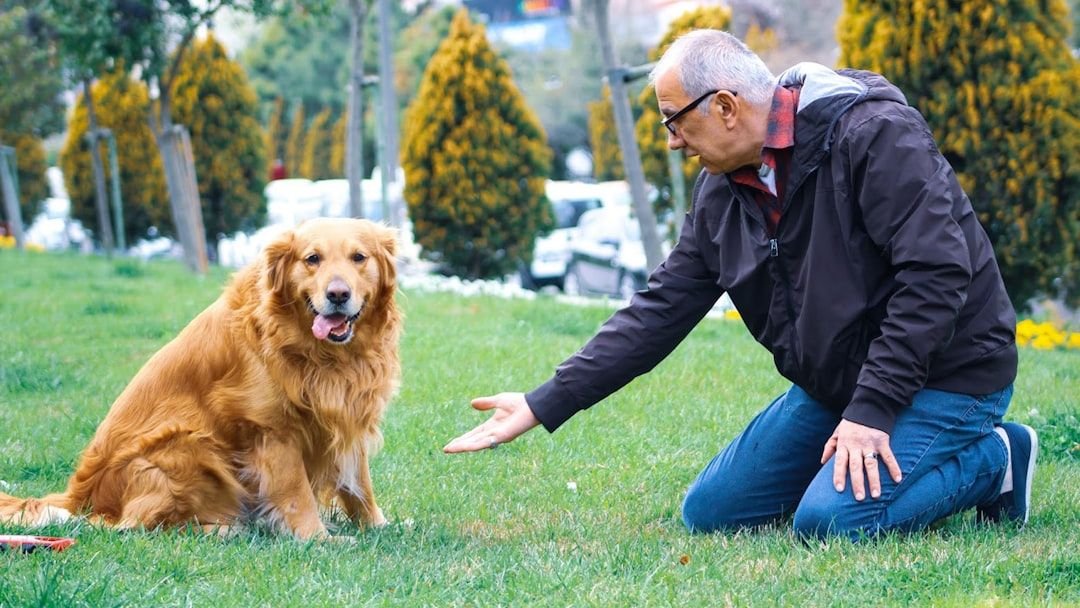
Let’s be real, watching your dog age is tough. One day they’re bounding through the park chasing every squirrel, and then you blink and they’re moving a bit slower, sleeping more, maybe struggling with stairs you never thought twice about before. It stirs something in us, doesn’t it? That protective urge to give them everything they need to feel good again. Here’s the thing though – aging doesn’t have to mean decline, at least not the rapid kind. There’s a lot you can do to help your senior dog stay bright-eyed and energetic well into their golden years.
What if I told you that small, intentional changes in their daily routine could add not just years to their life, but life to their years? From what goes in their bowl to how they spend their afternoons, every choice matters more now than ever. So let’s dive in and uncover what really works.
Feed Them Like You Mean It: The Power of the Right Nutrition
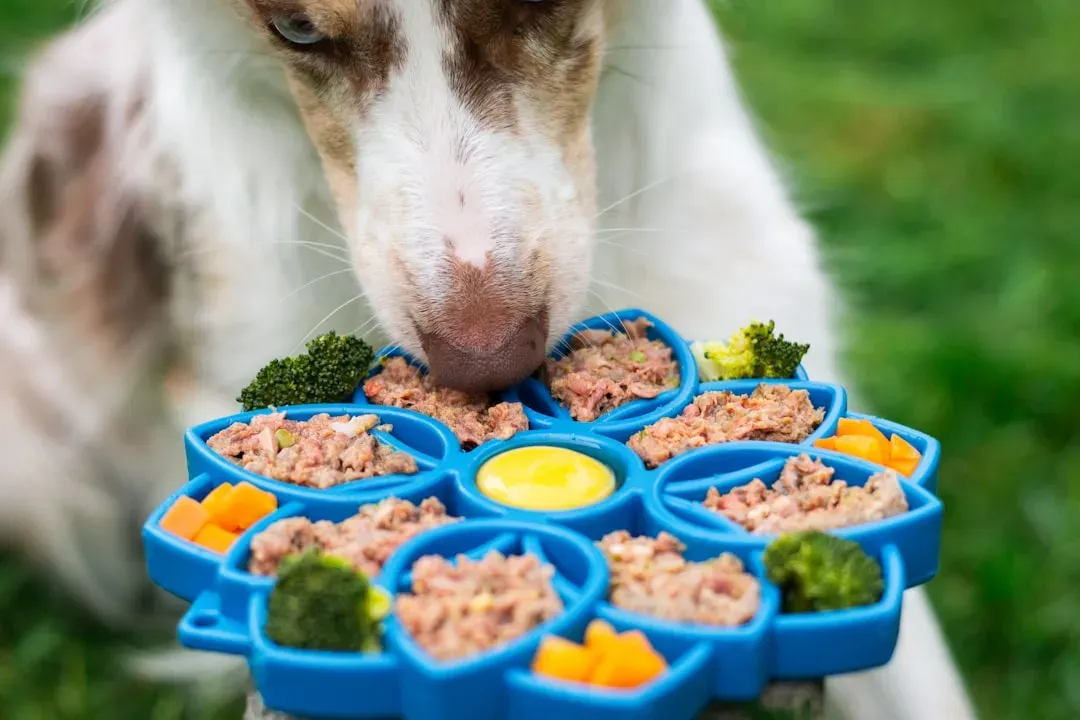
Your older dog’s body isn’t the same as it was at three years old, and neither should their dinner be. Older pets benefit from diets with higher-quality protein, omega-3 fatty acids, and added antioxidants to maintain muscle mass, joint health, and cognitive function. Think of it like this: their metabolism has shifted gears, and they need fuel that works smarter, not harder.
Senior dogs also have an increased need for dietary protein, however, healthy older dogs may benefit from diets with an increased protein-to-calorie ratio, providing a minimum of 25% of calories from protein. Muscle wasting is a real concern as dogs age, so cutting back on protein is actually the opposite of what they need. Look for lean sources like chicken, turkey, or fish – real meat, not mystery meal.
Omega-3 fatty acids found in fish oil have powerful anti-inflammatory properties that can significantly benefit dogs with arthritis, improve mobility, and contribute to a healthy skin and coat. A daily drizzle of quality fish oil or switching to a salmon-based food can make a noticeable difference in how your pup moves and feels. Honestly, omega-3s are one of those rare things where the hype is actually justified.
A diet with an appropriate amount of fiber can help regulate bowel movements, promote healthy gut flora, and aid digestion. Digestive issues become more common with age, so incorporating fiber from sources like pumpkin, sweet potatoes, or green beans keeps things running smoothly without adding unnecessary bulk.
Keep Them Moving: Exercise That Actually Fits Their Life Now
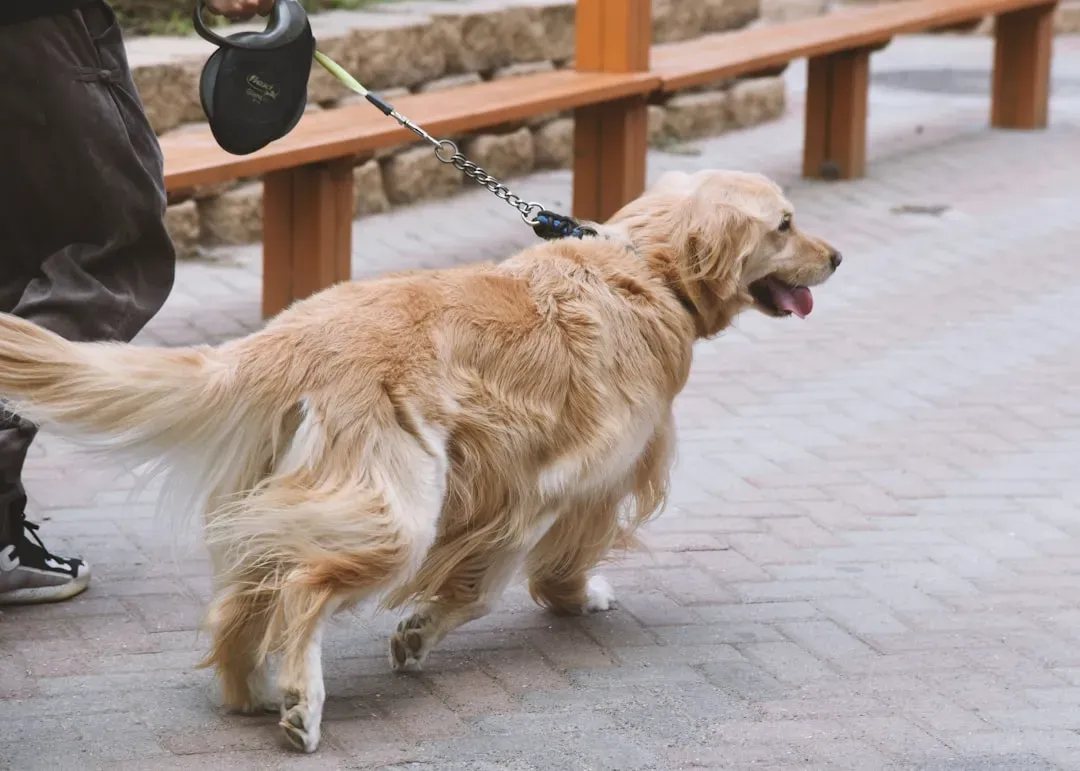
I know it sounds crazy, but one of the best things you can do for an aging dog is keep them active. Not marathons, obviously, but consistent, gentle movement that keeps their joints lubricated and muscles engaged. Regular exercise will help keep your canine buddy’s bones and muscles strong and can also help fight obesity, which is extremely common in aging pets.
For most dogs, daily walks are the way to go, and you may find that shorter but more frequent walks work best. Instead of one long trek, try three 10-minute strolls throughout the day. It’s easier on their joints and keeps their energy more balanced. Swimming is another fantastic option if your dog enjoys water – it’s low-impact but gives them a full-body workout without the stress on aging hips and knees.
Here’s the twist: physical activity isn’t just about their body. Movement stimulates blood flow to the brain, which helps keep cognitive function sharper. Dogs who stay moderately active tend to show fewer signs of confusion or disorientation as they age. Think of daily walks as both physical therapy and brain training rolled into one.
Guard Their Brain: Cognitive Health Isn’t Just a Human Thing
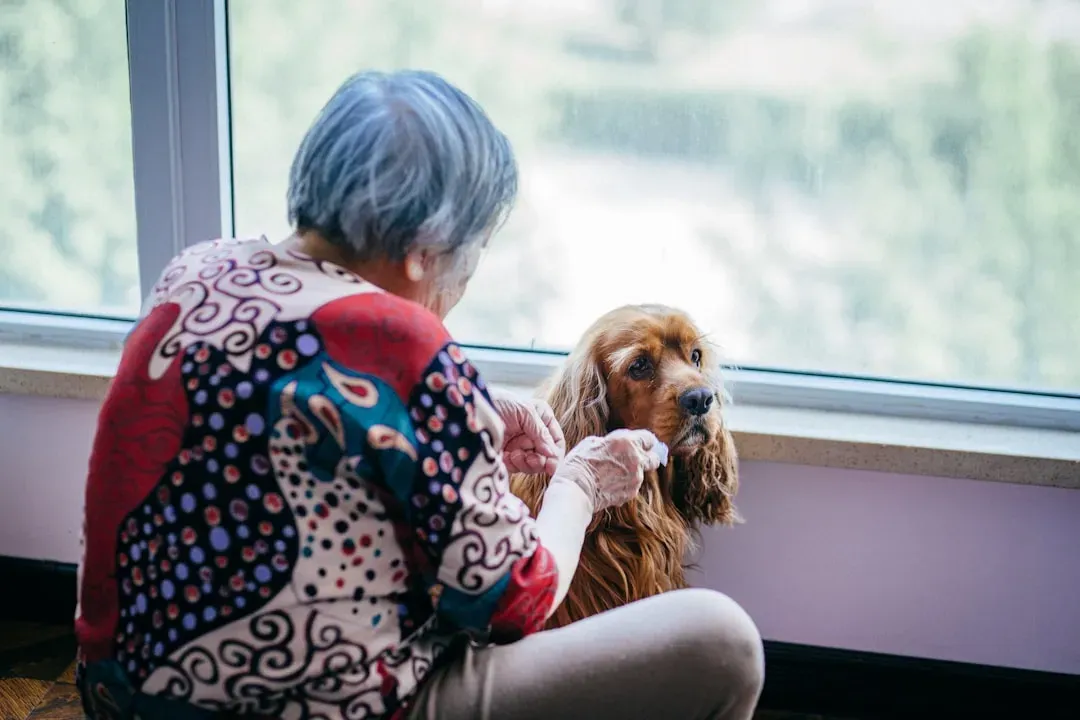
This one catches a lot of people off guard. Studies estimate that around 28 percent of dogs between 11 and 12 years old suffer from varying degrees of cognitive dysfunction. That percentage climbs higher with each passing year, yet so many owners assume the confusion or nighttime pacing is just “normal aging.” It’s not – and it’s treatable, or at least manageable.
Cognitive impairment can show up as disorientation, decreased interaction, sleep-wake cycle disturbances, house-soiling, decreased activity, and anxiety. If your dog suddenly forgets where the door is or stares blankly at walls, don’t brush it off. Catching these signs early gives you a better shot at slowing progression.
Medium chain triglyceride oils (MCT oils) support cognitive health because starting at around age seven, a dog’s brain begins to lose its ability to use glucose as its primary energy source, and MCT oils provide the brain with an alternative energy source, with studies showing these ingredients can help improve an older dog’s cognitive functioning. Adding an MCT supplement or switching to a diet fortified with these oils can genuinely make a difference in alertness and memory.
Providing mental stimulation for senior dogs is essential to keeping their minds sharp and preventing cognitive decline by engaging them in activities that challenge their problem-solving abilities and encourage curiosity. Puzzle toys, hide-and-seek games, even teaching them a new trick – all of this keeps those neural pathways firing. Your dog’s brain needs a workout just as much as their legs do.
Support Those Creaky Joints Before They Get Worse
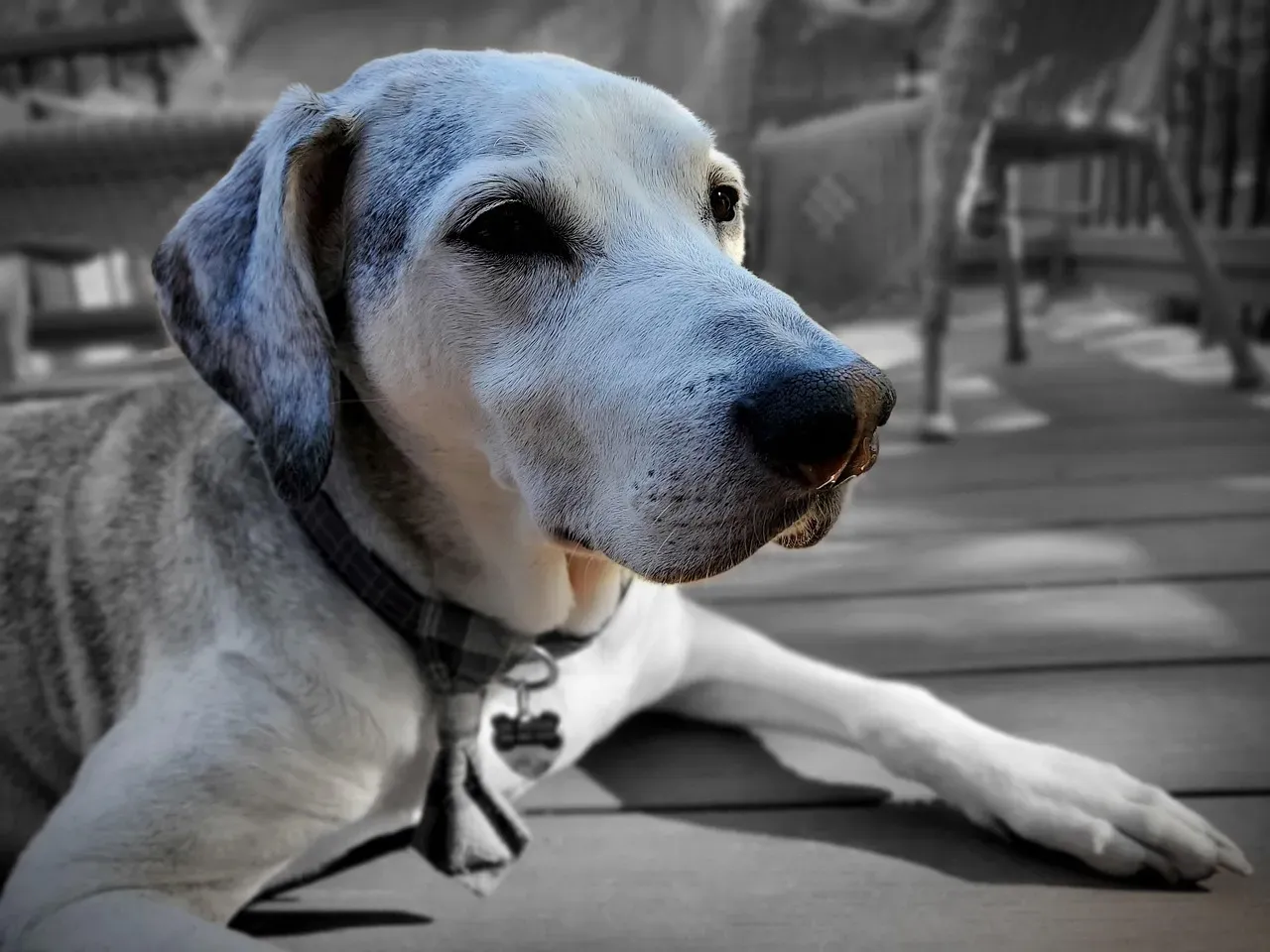
Joint pain is one of the most common complaints in senior dogs, and honestly, who can blame them? Mobility in older dogs is a multifaceted issue influenced by various factors such as osteoarthritis, age-related muscle atrophy (sarcopenia), and overall health. The good news is that you have more tools at your disposal than ever before.
Glucosamine, chondroitin, and green-lipped mussel may help protect cartilage in the joints, and if your dog is already suffering from osteoarthritis, adding a joint supplement with these ingredients to his diet could help him return to normal functioning, with joint supplements being safe for long-term use in most patients. These aren’t miracle cures, but they can genuinely slow cartilage breakdown and ease discomfort.
Omega-3 fatty acids, particularly the long-chain omega-3s EPA and DHA found in fish oil, are vital nutrients for aging canines with powerful anti-inflammatory effects that benefit multiple systems in senior dogs, and omega-3 supplementation has been shown to protect joints and ease arthritis pain in older dogs by reducing inflammatory changes in the joints. If you’re only going to add one supplement to your dog’s routine, make it a high-quality fish oil – it covers so many bases at once.
Also, consider their environment. Orthopedic beds, ramps instead of stairs, non-slip mats on hardwood floors – all these small adjustments reduce the daily wear and tear on sore joints. Sometimes the simplest changes deliver the biggest relief.
Regular Vet Visits Are Non-Negotiable Now
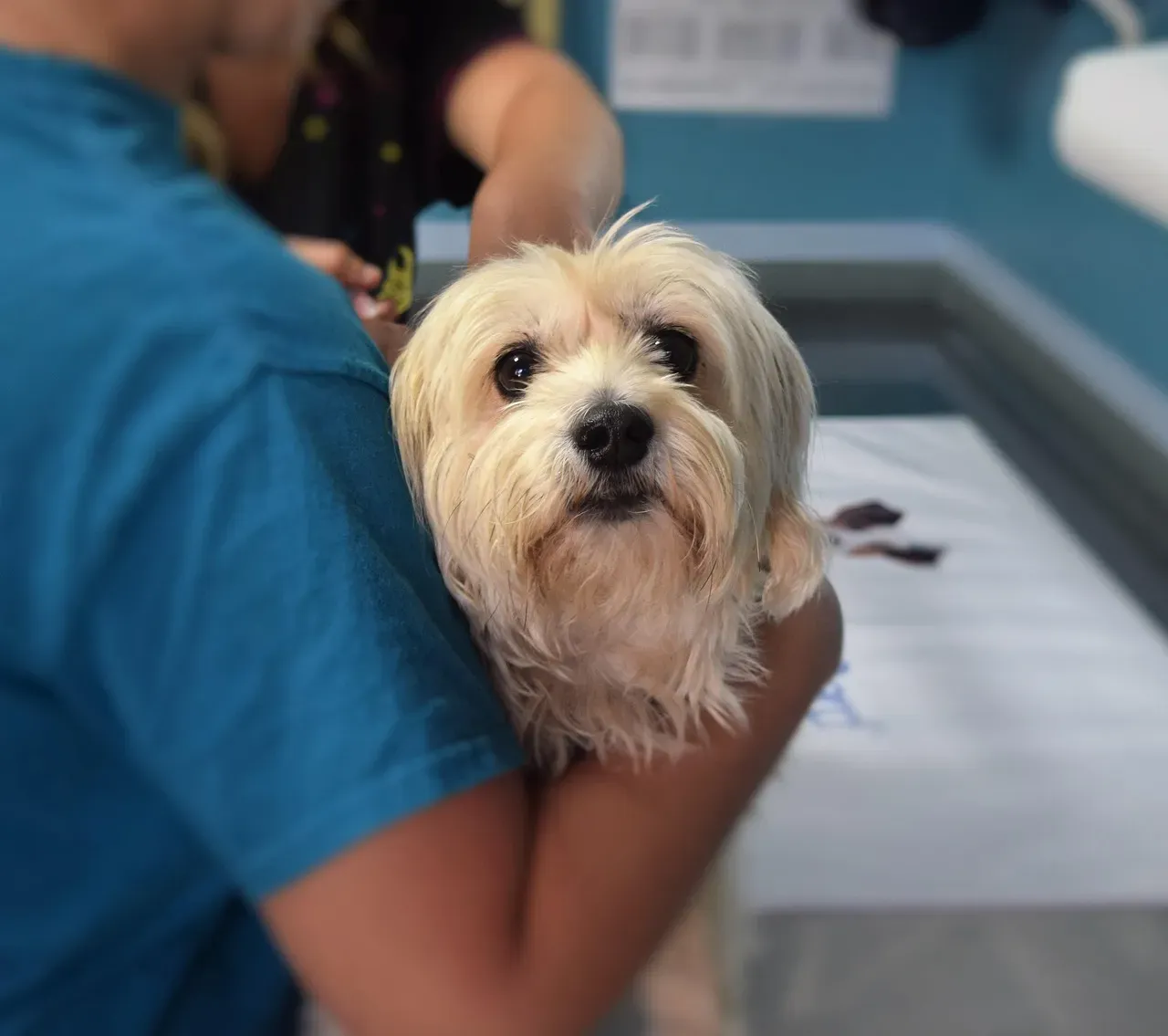
I get it, vet visits aren’t cheap and they’re not fun, but skipping them with a senior dog is like playing Russian roulette with their health. Many dogs are considered seniors when they reach the last 25% of their projected lifespan. Once they hit that mark, twice-yearly check-ups become essential, not optional.
Annual wellness examinations and laboratory screening for middle aged pets and biannual screening for senior pets are critical, and early detection provides an opportunity for early diagnosis and treatment so that complications might be prevented, further decline might be slowed, longevity might be increased and welfare issues are promptly addressed. Blood work can catch kidney disease, diabetes, or thyroid problems before they become crises. Early intervention almost always leads to better outcomes.
Here’s something most people don’t realize: Unless veterinarians are proactive in asking owners about behavioral signs, they often go unreported, presumably because they are thought to be insignificant or untreatable. So speak up during those appointments. Mention the small stuff – sleeping more, drinking more water, seeming confused at night. What seems minor to you might be a red flag to your vet.
Blood pressure checks, dental exams, and mobility assessments should all be part of the routine now. These aren’t just boxes to check – they’re your early warning system. Catching problems while they’re still manageable can literally add quality years to your dog’s life.
Don’t Underestimate the Little Things That Add Up
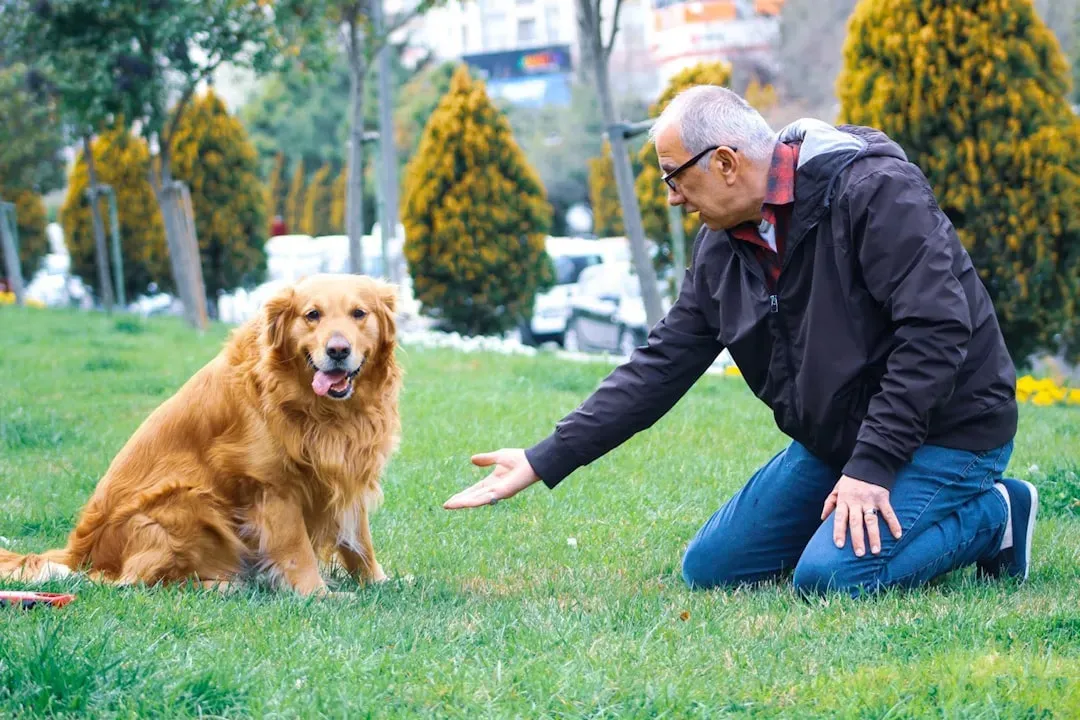
Sometimes it’s not the big dramatic changes that make the difference, but the accumulation of thoughtful tweaks to daily life. Senior dogs are more susceptible to temperature extremes compared to younger dogs, and in cold weather, older dogs with thin fur may require jackets to stay warm, with their beds kept away from drafts. A heated bed in winter or a cooling mat in summer might seem indulgent, but comfort matters more as they age.
Dental health is another sneaky factor. Dental disease is one of the most common issues in aging dogs, and worn, sensitive, or missing teeth can make chewing difficult and even painful. Regular teeth brushing or dental chews can prevent infections that don’t just hurt – they can spread bacteria throughout the body and affect the heart and kidneys.
Hydration becomes more important too. Older dogs sometimes forget to drink enough, especially if mobility makes getting to the water bowl a chore. Multiple water stations around the house or a raised bowl can encourage them to stay hydrated. Dehydration affects everything from kidney function to skin elasticity to energy levels.
The emotional side matters as well. Your senior dog thrives on routine and your presence more than ever. Keeping a consistent schedule for meals, walks, and bedtime gives them security. Quality time – whether that’s gentle brushing, quiet companionship on the couch, or slow-paced games – feeds their soul just as much as good food feeds their body.
Conclusion
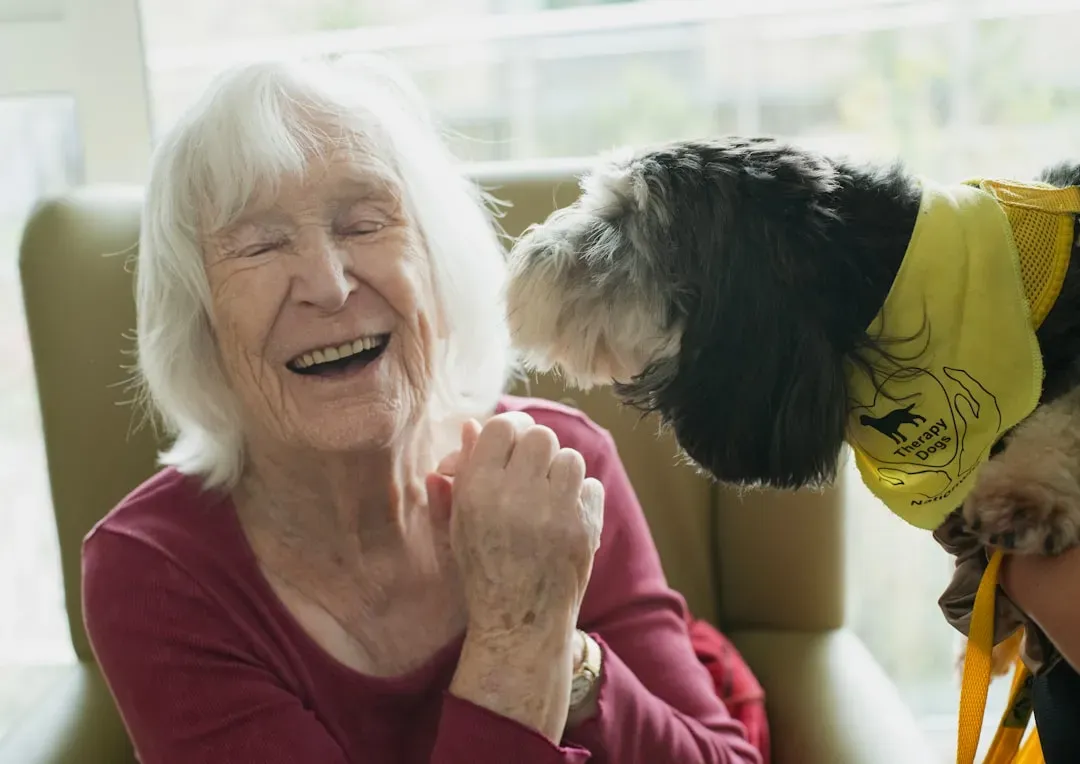
Keeping your older dog energetic and healthy longer isn’t about one magic bullet – it’s about showing up every day with intention. The right nutrition, consistent gentle exercise, cognitive enrichment, joint support, regular vet care, and those thoughtful environmental tweaks all work together to give your dog the best possible quality of life in their senior years. Let’s be honest, they’ve spent their whole life loving you unconditionally. Now it’s your turn to return the favor by helping them age with dignity, comfort, and as much joy as possible.
What have you noticed works best for your senior dog? Every pup is different, and sometimes the best insights come from fellow dog lovers who’ve been there. Share your experiences – you might just help another worried owner find the answer they’ve been searching for.


