
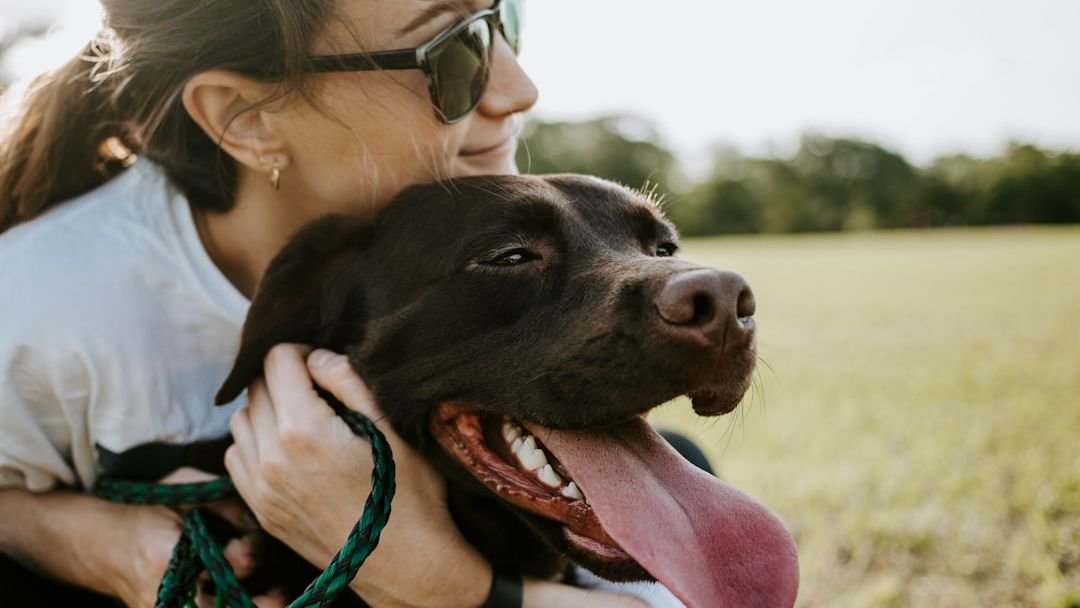
Have you ever looked into your dog’s eyes and wished, just for a moment, you could hear what they’re thinking? Those soulful stares, the tilted heads, the way they seem to understand when you’re having a terrible day. There’s so much communication happening between you and your furry companion, yet we often miss the subtle messages they’re sending our way. Dogs have been trying to tell us things for thousands of years through their body language, their behaviors, and those quiet moments of connection.
Research indicates that dogs can comprehend not just words but also the emotions behind our expressions, gauging our moods with impressive accuracy. What if we could decode those unspoken messages into words? What would your dog want you to know? The answers might surprise you, comfort you, and definitely make you see your four-legged friend in a whole new light. Let’s dive into the heartfelt thoughts your dog would share if only they could speak.
Your Presence Is My Greatest Gift
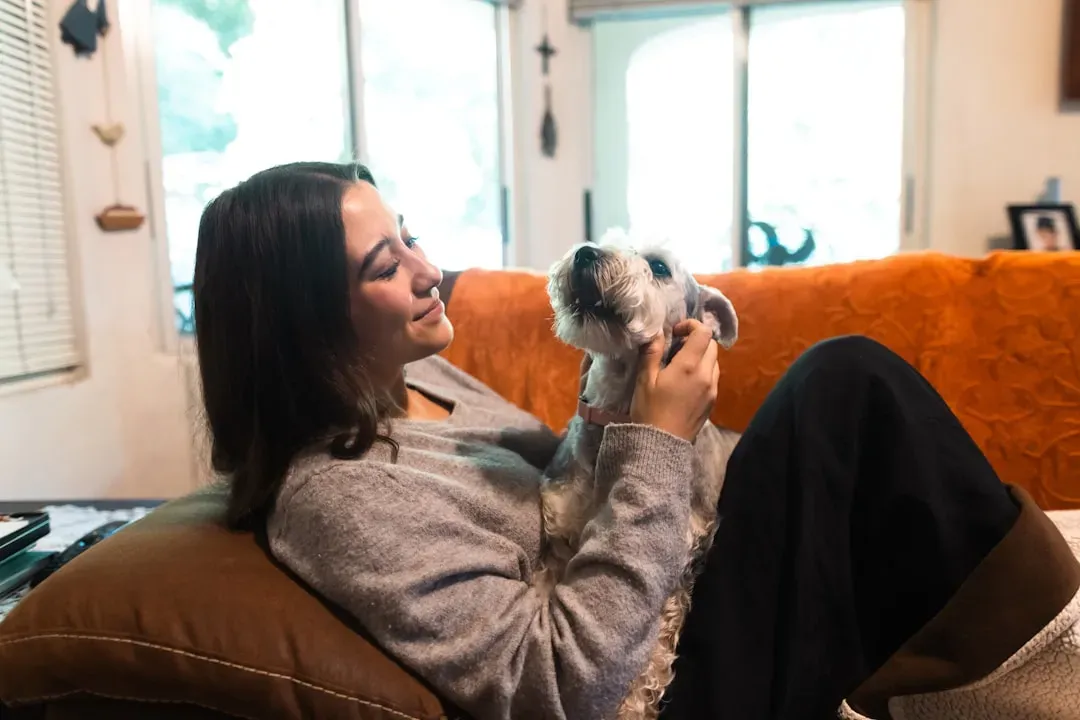
If your dog could talk, the first thing they’d probably tell you is that being near you matters more than anything else in their world. You might think that fancy toys or expensive treats make them happiest, but honestly, it’s you. Just you.
Studies have revealed that dogs possess oxytocin responses similar to humans, underlying their capacity for forming strong emotional connections. When you walk through the door after being gone for five minutes or five hours, that explosion of joy isn’t about the time elapsed. It’s about reunion. Think about how your dog follows you from room to room, even just to watch you fold laundry or brush your teeth. That’s not clinginess in the way we might perceive it in human relationships. That’s pure, uncomplicated devotion. Your dog would want you to know that every moment spent in your presence fills their heart, even if you’re just sitting on the couch scrolling through your phone while they snooze at your feet.
I’m Constantly Reading Your Emotions
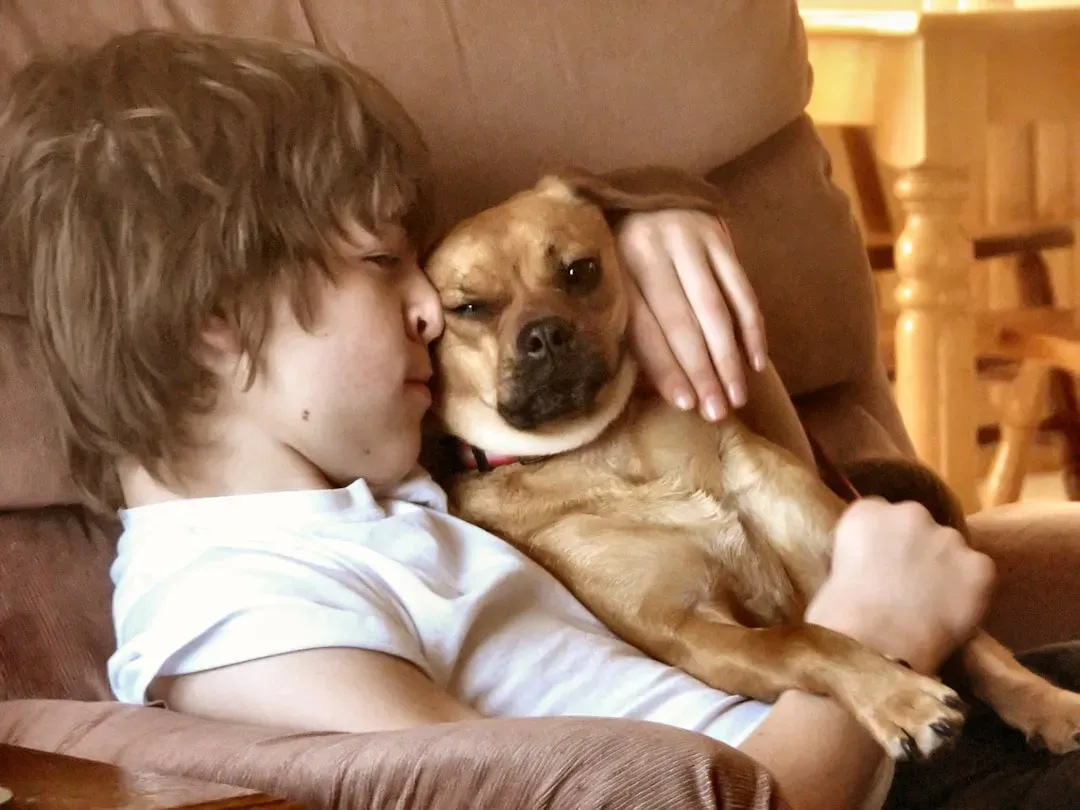
Your dog picks up on your feelings way more than you realize. A study in the journal “Behavioural Processes” found that dogs responded more to their owner’s distress than to a stranger’s distress, and when their owners cried, the dogs approached and tried to comfort them. That’s not coincidence. That’s emotional attunement.
When you’re stressed, your dog notices the tension in your shoulders, the change in your voice, the way you move differently through the house. Research suggests that domestic dogs can obtain dog and human emotional information from both auditory and visual inputs, and integrate them into a coherent perception of emotion, and dogs have keen senses, picking up on all kinds of cues from us, whether or not we even realize we are sending such cues. They’d tell you they’re not just sitting nearby during your tough moments by accident. They’re offering comfort in the only way they know how, by being a steady, warm presence. Your dog would want you to understand that they see you, truly see you, in ways that sometimes even the people around you might miss.
Those “Guilty” Looks Aren’t What You Think
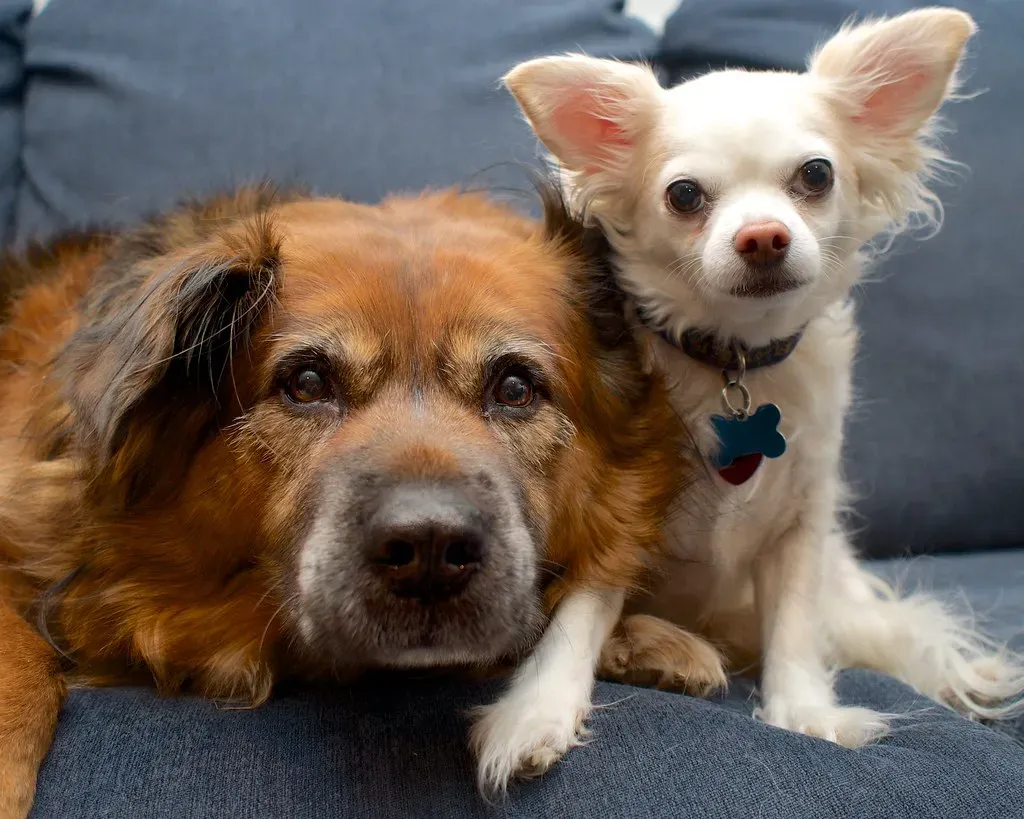
Here’s the thing about that face your dog makes when you discover the chewed-up shoe or the accident on the carpet. It’s not guilt. Your dog would desperately want you to know this. Research reveals that humans often misread their dog due to a bias towards projecting human emotions onto our pets.
What you’re interpreting as a guilty expression is actually appeasement behavior. Your dog is responding to your body language, your tone, the energy you’re bringing into the space. They’ve learned that certain scenarios lead to your displeasure, so they’re trying to diffuse the situation. What used to be known as “submissive” behavior is now what we call appeasement body language, where the dog tries to appear small and as less of a threat. If your dog could speak, they’d explain they’re not reflecting on their poor choices. They’re reading your mood and trying to make things better between you. Understanding this difference can transform how you approach training and discipline, making it more effective and less emotionally charged.
My Body Language Is a Constant Conversation
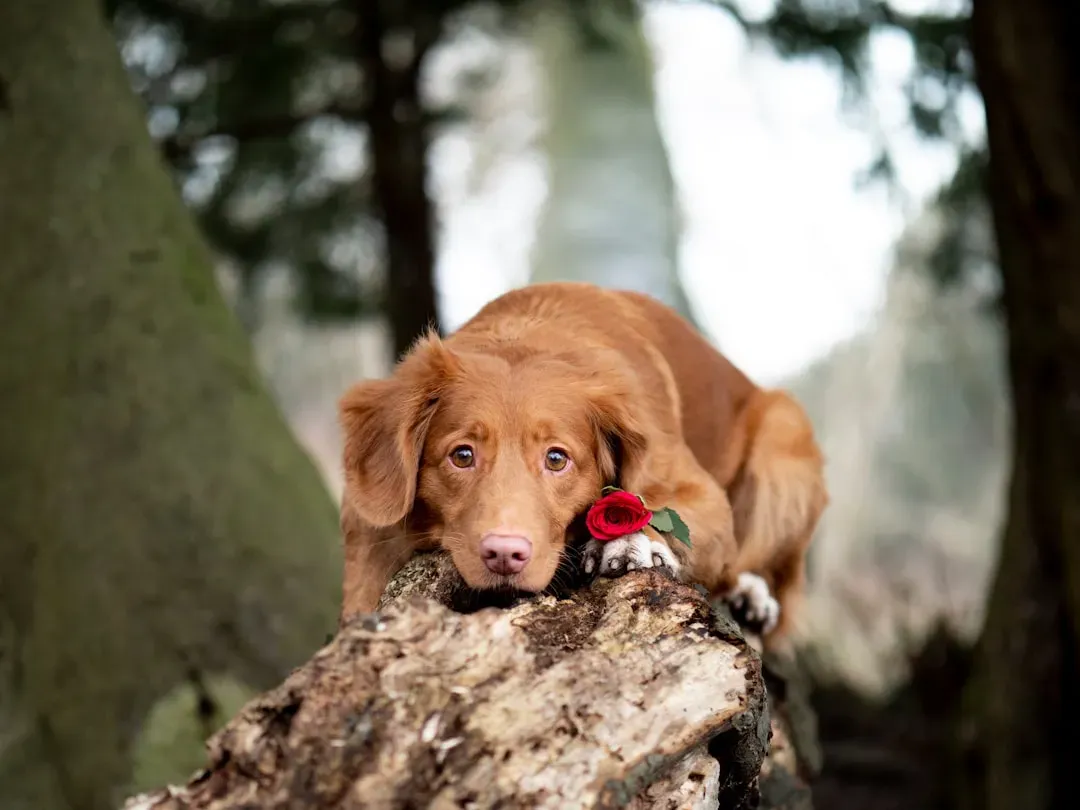
Every wag, every ear position, every shift in posture is your dog speaking to you. Dogs communicate their wants, needs, happiness and fear primarily through body language. If they could translate it for you, they’d share how much information is packed into these physical signals.
All a wagging tail means is that the dog is emotionally aroused. A slow wag with a lowered body might mean uncertainty or mild stress. A fast, circular wag usually signals pure joy. If your dog is wagging its tail in a circle, it is showing you that it is very happy and joyful. When your dog turns their head away from you during a tense moment, they’re not being stubborn. They’re using a calming signal, essentially saying they’re not a threat and hoping to de-escalate. Your dog would tell you that learning their language creates a deeper bond and helps prevent misunderstandings. They’re always talking. We just need to learn to listen with our eyes instead of our ears.
Routine Makes Me Feel Safe

Dogs are creatures of habit, and if your pup could explain why they get excited at the same time every day or seem unsettled when schedules change, they’d tell you that predictability equals security. In a world they can’t fully control or understand, routine provides comfort and reduces anxiety.
Your dog doesn’t know it’s Tuesday or that you’re running late because of traffic. What they know is that certain patterns in your behavior signal what’s coming next. The sound of your alarm means you’ll wake up soon. The jingle of keys means a walk or a car ride. Evening routines signal bedtime. When these patterns get disrupted, your dog might seem more anxious, more clingy, or even act out in unusual ways. They’d want you to know it’s not personal or bratty behavior. It’s their way of expressing that their world feels a little less predictable, a little less safe. Maintaining consistent routines, especially around meals, walks, and bedtime, gives your dog a sense of control and understanding in their daily life.
I Trust You Completely, and That’s Profound
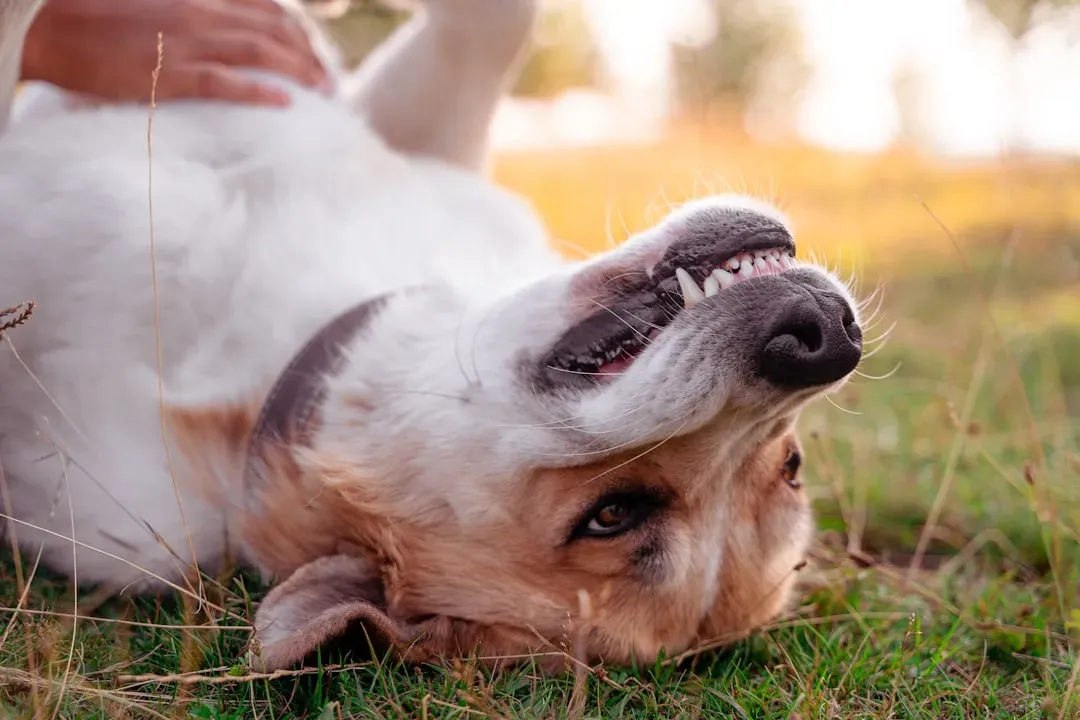
The level of trust your dog places in you is almost overwhelming when you really think about it. They depend on you for everything, food, shelter, medical care, emotional support, safety. If your dog could articulate this, they’d tell you that this trust isn’t given lightly, even though it might seem automatic.
Dogs’ emotional intelligence can be traced back to their long history of domestication, during which they evolved alongside humans as loyal partners. Your dog trusts you to keep them safe, to understand their needs, to not hurt them, to come back when you leave. When they roll over and expose their belly, they’re showing vulnerability. When they let you handle their paws, ears, or mouth during grooming or vet visits, they’re demonstrating faith that you won’t betray that trust. Your dog would want you to honor this trust by being consistent, gentle, and attentive to their needs. They’d also remind you that this trust can be broken, and rebuilding it takes time and patience. Treat their trust as the precious gift it truly is.
My Quirks Are Just My Personality
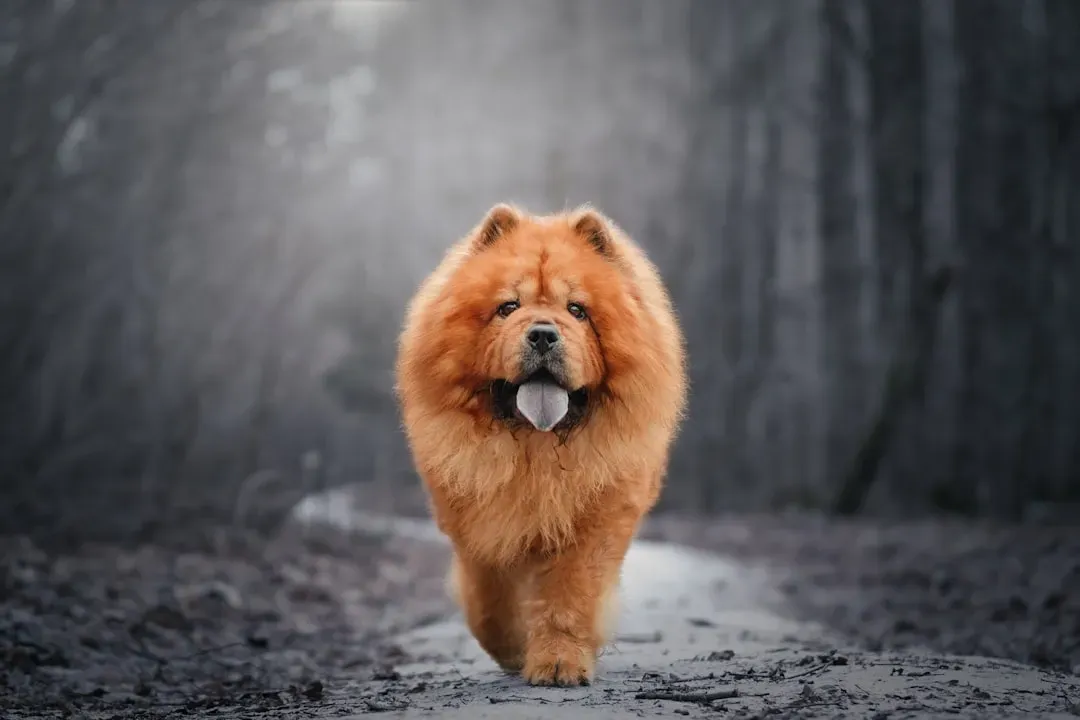
Just like humans, dogs have distinct personalities, preferences, and quirks. If your dog could tell you one thing, it might be to embrace their individual weirdness rather than trying to force them into a mold of what a dog “should” be like.
Maybe your dog hates squeaky toys but loves cardboard boxes. Perhaps they’re terrified of the vacuum but completely unbothered by thunderstorms. Some dogs are social butterflies at the dog park, while others prefer the company of just their human family. Individual dogs have different communication styles and expressions, with some dogs being naturally more expressive and others more subtle, as breed characteristics, past experiences, and personality all affect how individual dogs communicate. Your dog would tell you that these aren’t defects or training failures. These are the things that make them uniquely themselves. Understanding and respecting your dog’s individual temperament, whether they’re bold or cautious, energetic or laid-back, creates a relationship built on acceptance rather than expectation. Your dog doesn’t want to be like other dogs. They just want to be themselves, loved for exactly who they are.
Pain and Illness Are Hard for Me to Communicate

This is perhaps one of the most important messages your dog would want to share. Dogs are remarkably stoic creatures, often hiding pain or illness until it becomes severe. An ill dog may sleep more, be grumpier and not want the normal interaction he usually gets excited about. If they could speak, they’d urgently tell you to watch for the subtle signs.
Changes in eating habits, increased sleeping, reluctance to jump or climb stairs, excessive licking of one area, changes in posture, or unusual irritability can all signal that something’s wrong. A distressed dog might perform exaggerated yawns, sneeze, or lick their lips frequently, and they might also shake their bodies as if their coat is wet, focus on self-grooming, or scratch themselves excessively. Your dog would plead with you to trust your instincts. If something feels off, it probably is. They can’t tell you where it hurts or how long they’ve felt bad. Regular vet checkups and paying attention to changes in behavior or routine can literally save your dog’s life. They’d want you to be their advocate, especially when they can’t vocalize their discomfort.
Every Day with You Is a Good Day
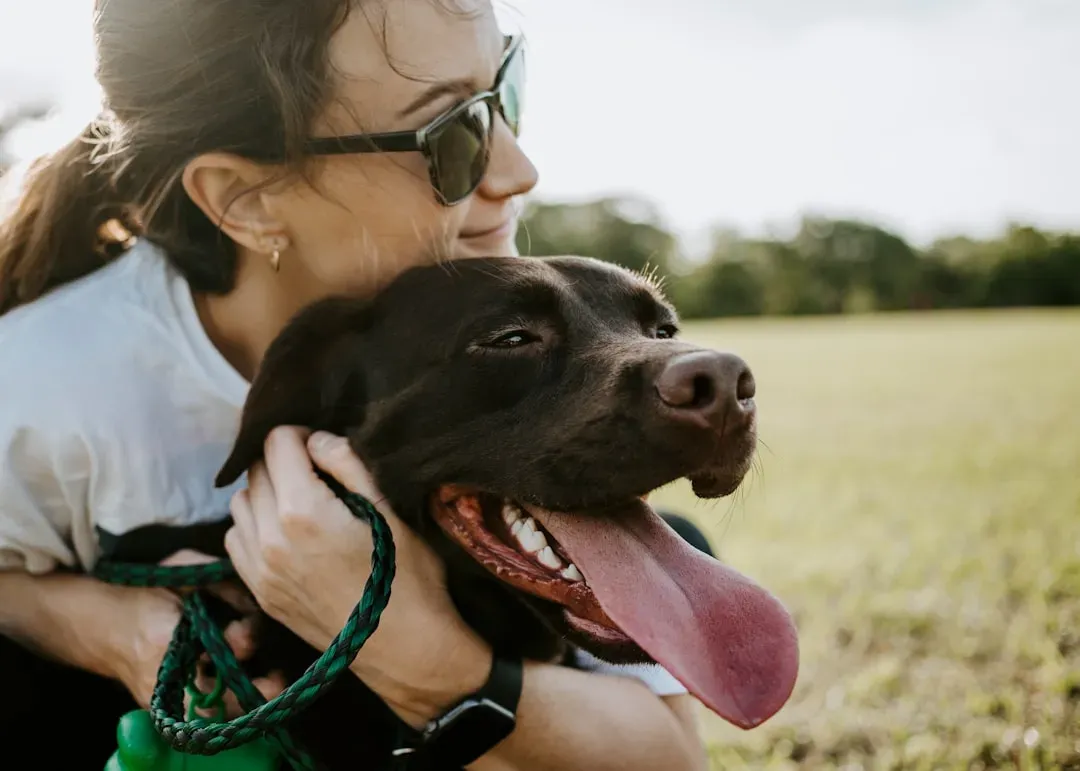
In the end, if your dog could sum up their entire philosophy in one simple statement, it would probably be this. They don’t dwell on yesterday’s missed walk or worry about tomorrow’s vet appointment. They live fully in the present moment, and if that moment includes you, it’s a good one.
Your dog doesn’t judge you for your bad hair day, your career setbacks, or the extra pounds you’ve gained. They don’t care about your bank account or social status. You are their entire world, and they’d want you to know that their love is unconditional in the truest sense of the word. Even on days when you feel like you’re failing at everything, you’re succeeding at being your dog’s favorite person. They’d remind you to be a little more like them sometimes, present, forgiving, enthusiastic about simple pleasures, and endlessly optimistic that good things are just around the corner. The walks, the treats, the belly rubs are all wonderful, but really, it’s just about being together. That’s what matters most.
Conclusion
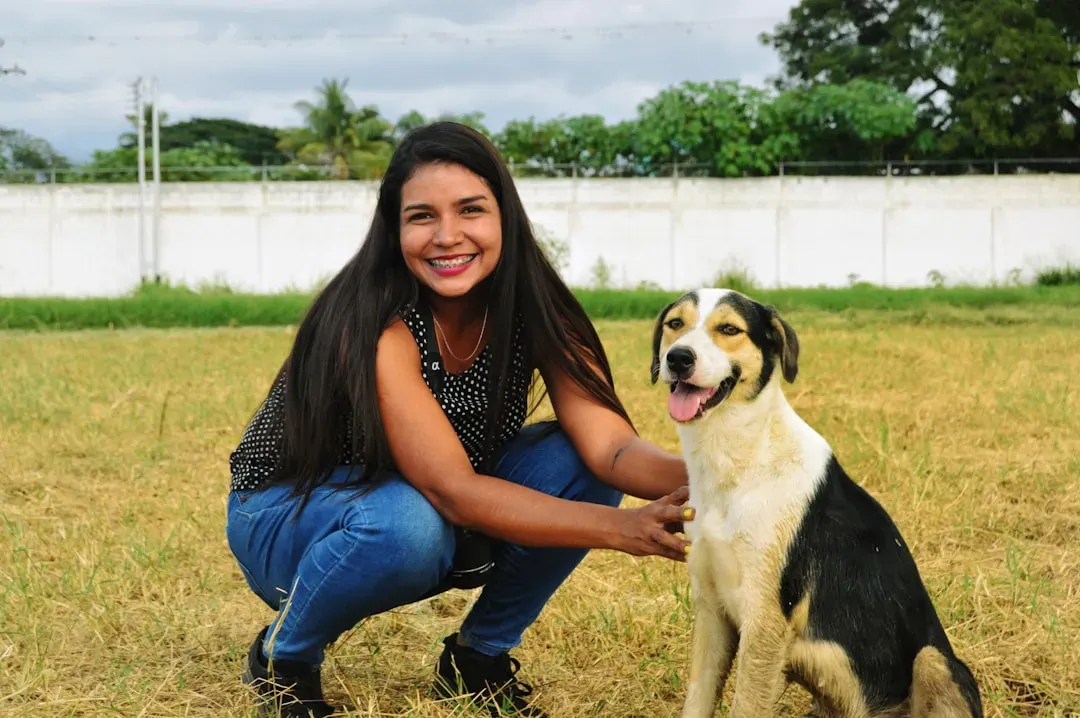
Our dogs are speaking to us every single day through their actions, their body language, and those moments of quiet connection that happen when words aren’t necessary. While we may never hear them articulate these thoughts in human language, understanding what they might say bridges the gap between species and deepens the already incredible bond we share. Pay attention to the subtle signals, honor their trust, respect their individuality, and above all, cherish the unconditional love they offer so freely. They’re not just pets or companions. They’re family members with rich emotional lives, trying their best to communicate with us in the only ways they know how.
What do you think your dog would tell you if they could speak? Tell us in the comments.


