
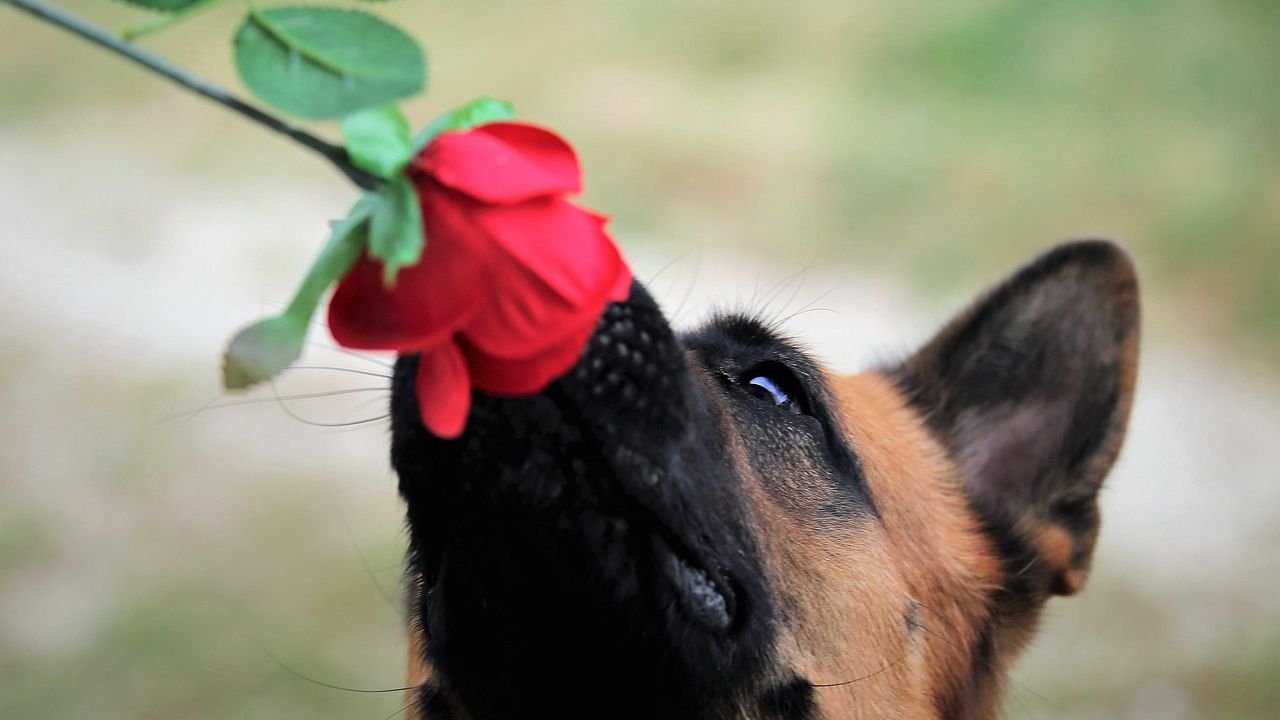
You know that look your dog gives you when they’re feeling restless? The one where they bring you a toy, drop it at your feet, then stare at you with those soulful eyes. Maybe they’ve been lounging around all day, or maybe the weather’s kept you both cooped up inside. Either way, you can sense their mood dipping, and honestly, it breaks your heart a little.
Dogs love playtime, puzzles, games and toys because when they problem-solve for a reward, it boosts their confidence and brain power. Here’s the thing though: you don’t need an hour at the dog park or an elaborate setup to turn your pup’s day around. Sometimes the simplest games, the ones that take just a few minutes, can completely transform how your dog feels. Let’s dive in.
The Classic Hide and Seek Game
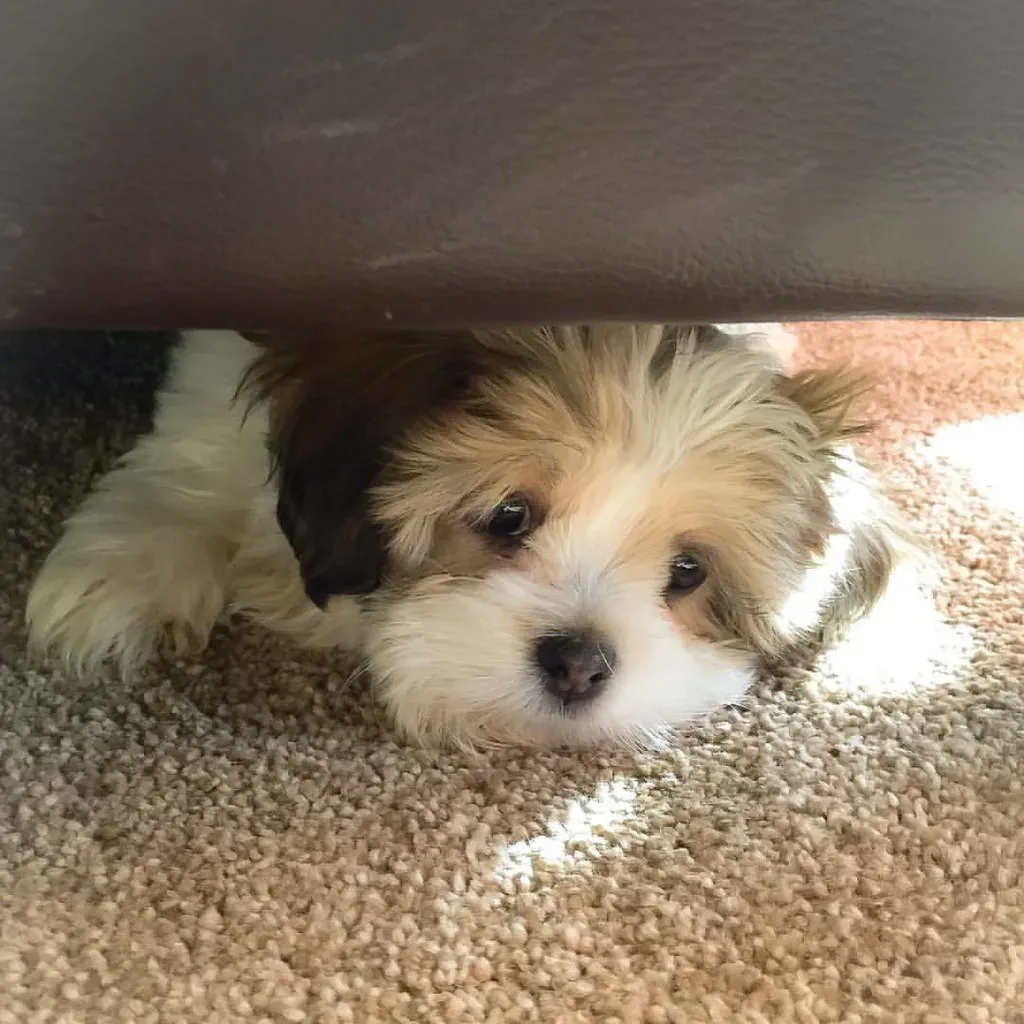
Hide-and-seek is a fun way to encourage your dog to use their nose to find you in a hiding spot, whether you’re ducking behind the couch or camouflaged under the drapes. Start simple by hiding in an obvious spot. Call your dog’s name once, then wait. When they find you, make a huge fuss with praise and maybe a treat.
Once hidden, call your dog and reward them with treats or affection when they find you. It’s a wonderful way to reinforce recall training and provides lots of laughs for you both. The beauty of this game is watching your dog’s excitement build with every round. Their tail starts wagging faster, their steps get bouncier, and suddenly that sluggish afternoon energy vanishes.
Try gradually increasing the difficulty by hiding in trickier spots or staying completely silent. Let them rely purely on their incredible nose to track you down. Creative pet parents can squeeze a ton of rounds into a 15-minute period, which will result in a mentally tired pooch.
The Muffin Tin Treasure Hunt
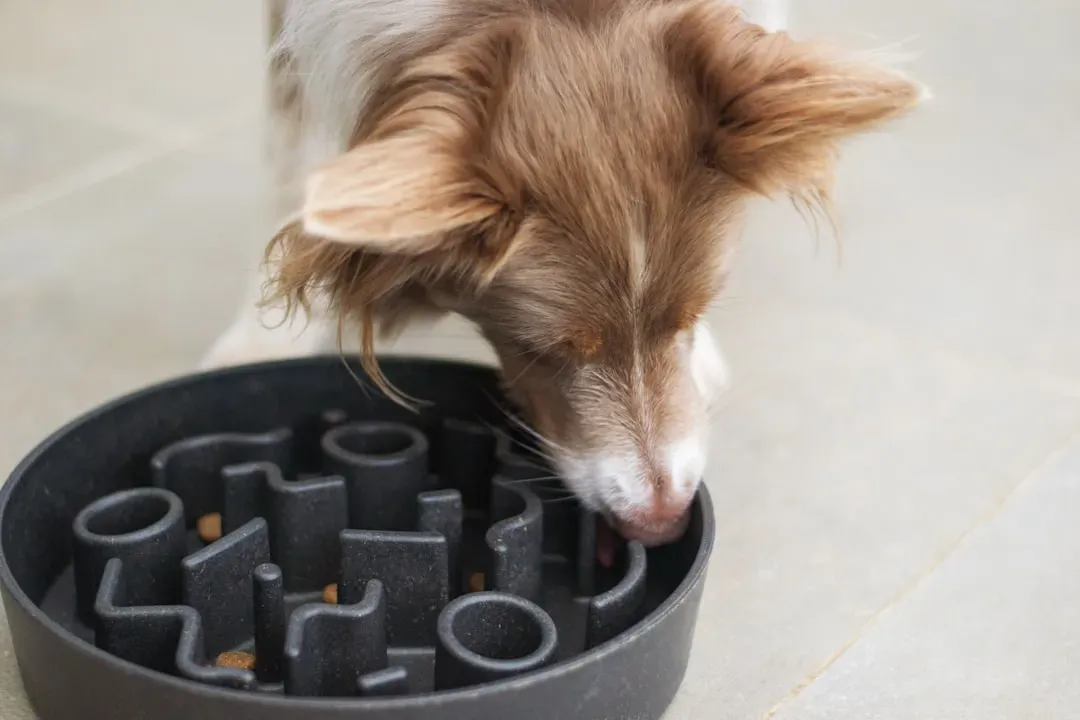
This one’s ridiculously easy and uses items you probably already have in your kitchen. Place treats in each muffin cup and cover with tennis balls. Your dog must remove the balls to access the rewards. Honestly, I’ve seen dogs go absolutely bananas for this game.
Your dog has to sniff and move each cover to find the food. Switch up what you hide inside to keep the challenge fresh every time. You can use kibble instead of treats if you’re watching their calorie intake. Some dogs figure it out instantly, flipping those balls like pros. Others take their time, carefully investigating each cup with adorable concentration.
The mental workout this provides is remarkable. Just 15-30 minutes of brain work can tire dogs more than a long walk. Watch for signs your dog is getting frustrated and make it easier if needed. Success breeds confidence, and confident dogs are happy dogs.
Tug of War With Training Breaks
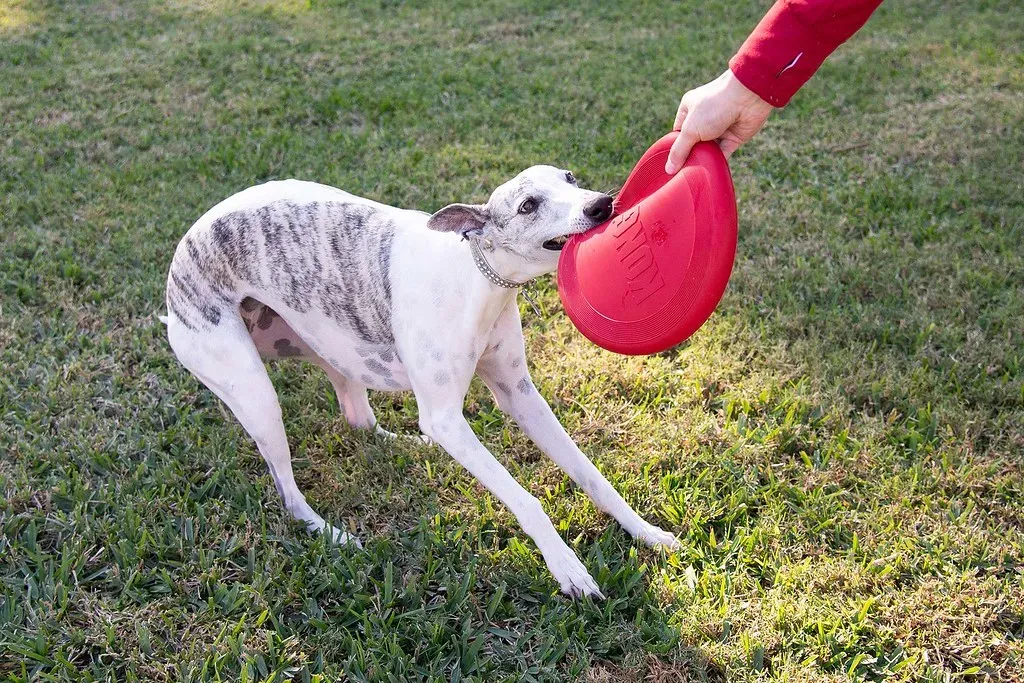
People used to mistakenly believe that playing tug-of-war could cause aggression in dogs, but playing it with a few simple rules is actually a fantastic way to quickly exercise your pup. The key is incorporating brief training moments between rounds of tugging. Your dog waits to take the tug toy until you present it. They release the toy when you ask. They respond to “sit,” “wait” and “down” during breaks in play to encourage focus and discourage over-excitement.
This game channels your dog’s natural prey drive while teaching impulse control. The physical exertion combined with mental engagement creates the perfect recipe for mood elevation. Let your dog win sometimes, it makes them feel powerful and accomplished.
Tug of war is a great indoor game that can help your dog use up some pent-up energy. Use a sturdy rope toy and engage in a friendly battle of strength with your pooch. Watch your dog’s body language throughout. If they’re play-bowing, making bouncy movements, and their mouth is relaxed, you’ve hit the sweet spot.
The Three Cup Shell Game
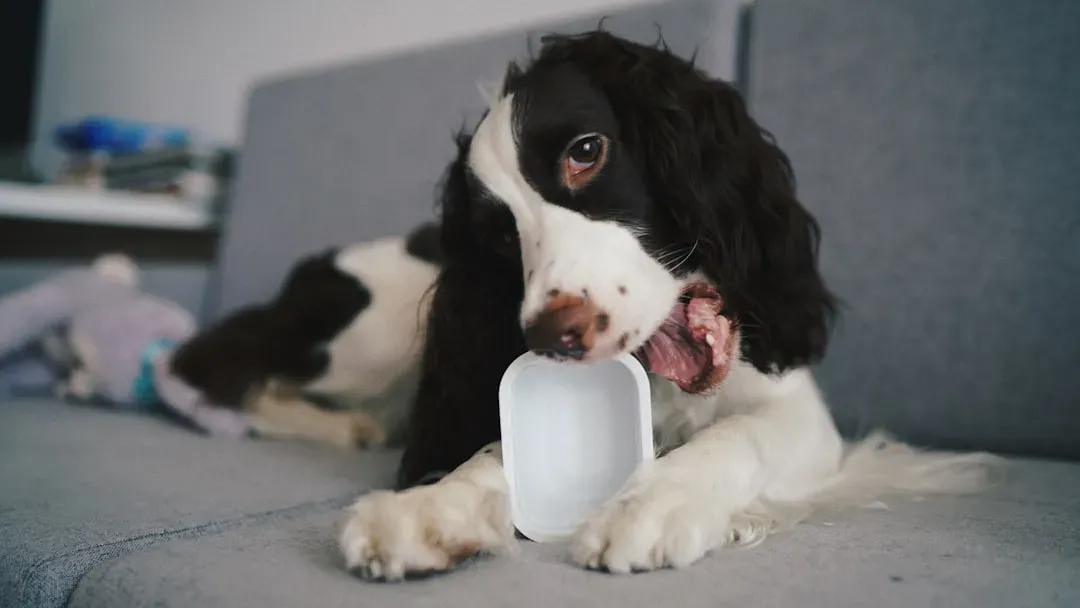
You only need three plastic cups and a treat to turn this into a brain workout. Line up the cups, hide the treat under one, and shuffle them while your dog watches. This classic game never gets old because it genuinely challenges dogs to focus and remember.
Encourage your dog to sniff and tap to find the right one. Start slow, then add speed or extra cups as they improve. Some dogs use their nose, others use their eyes, and watching them develop their strategy is fascinating. The moment they correctly identify the cup and get rewarded, you’ll see their whole demeanor light up.
Two biggest benefits from this game are building impulse control and encouraging calmness around food. It’s perfect for high-energy dogs who need to learn patience, but it also works wonders for older dogs who benefit from gentle cognitive challenges.
Sniff and Seek Treasure Trail
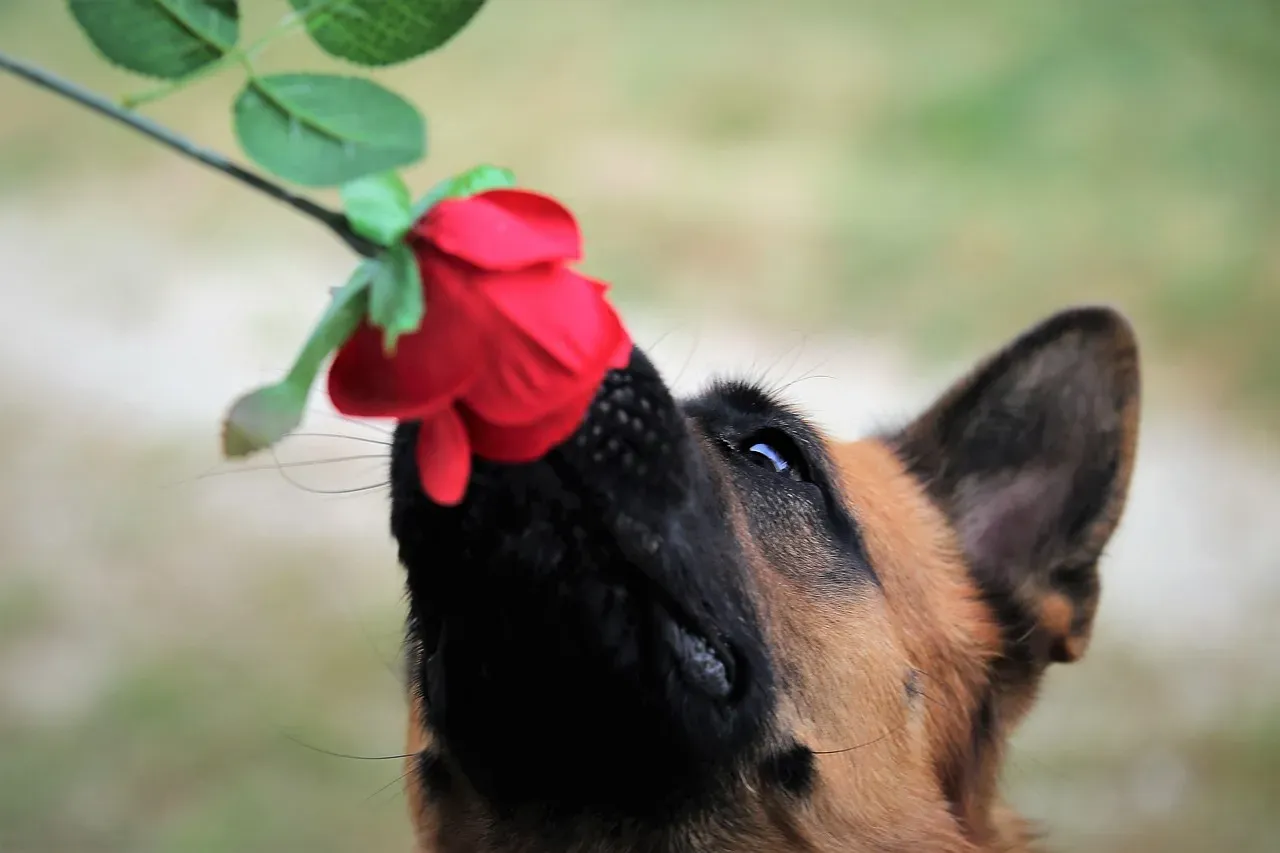
Whether you’re playing indoor scent games or you’re out on a walk, it’s incredibly important to allow your dog to use their nose. Sniffing can be stimulating and calming and allows your dog to gather information on their environment. This game taps into what dogs do best.
Hide treats around the house in places where your dog will have to sniff them out. Start with easy spots like their bed or favorite place to relax, and gradually make it more challenging by hiding treats under pillows, behind a door, or in the shower. The magic happens when you see your dog shift into full hunting mode, nose to the ground, tail wagging with purpose.
Sniffing has been shown to not only decrease a dog’s heart rate, decreasing their stress, but it also releases dopamine, the “happy” brain chemical. This isn’t just entertainment, it’s actually therapeutic for your dog. They’re using their natural abilities, feeling successful, and getting biochemical rewards in their brain.
Start each hunt by saying “find it” in an excited voice. Pretty soon, those two words alone will have your dog bouncing with anticipation.
Conclusion
These five games aren’t just about burning energy or passing time. Research-backed enrichment reduces destructive behaviors, decreases anxiety, improves focus, and strengthens the bond between you and your dog. They’re about giving your dog what they truly need: mental stimulation, a sense of purpose, and quality time with you.
Mental activities can tire out a dog just as much as physical exercise does. This is particularly helpful for dogs that need an outlet for their excess energy but cannot engage in long physical activities due to size, age, or health constraints. The next time your dog seems a bit down or bored, remember that you don’t need expensive equipment or tons of time. You just need a willingness to play and a few simple ideas.
What’s your dog’s favorite way to play? Try one of these games tonight and watch the transformation happen right before your eyes.


