
That ‘Friendly’ Growl Is a Warning: Understanding Your Dog’s Boundary Signals
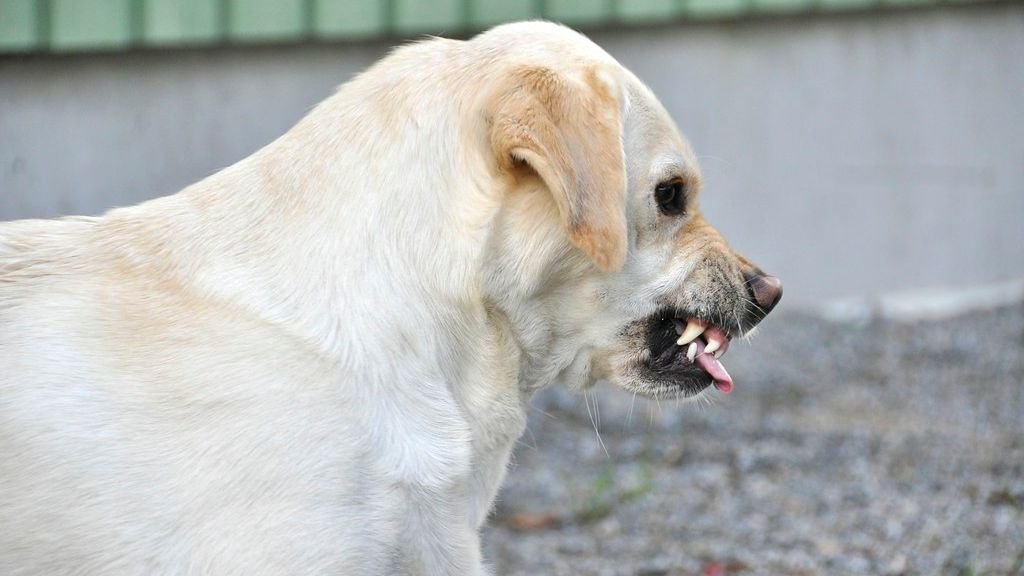
You’re scratching your dog behind the ears, and suddenly you hear it. A low rumble. Your hand freezes mid-scratch as you wonder what just happened. Was that a warning? Should you pull away? Or was your pup just making those weird sounds they sometimes do when they’re happy?
Here’s the thing. Even the most loving, tail-wagging dog has limits, and they’re constantly telling us about them. The problem is we’re not always listening. Dogs speak an entirely different language than we do, and growling is just one word in a much larger vocabulary. Learning to read these signals isn’t just about avoiding bites. It’s about respecting your dog’s feelings and building a relationship based on trust and understanding.
Growling Isn’t Always What You Think It Is
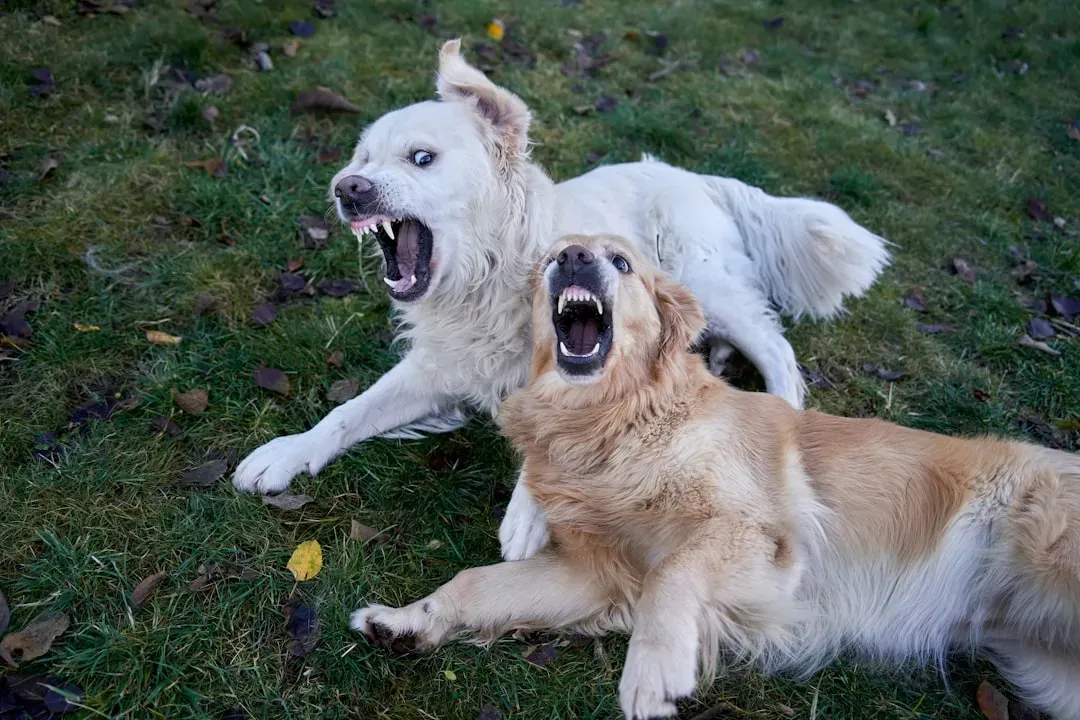
Growling can have various meanings and is an essential part of canine communication. I know it sounds counterintuitive, especially when we’ve been taught our whole lives that a growling dog is dangerous. Yet the truth is far more nuanced than that simple rule.
Play growls will sound higher pitched than other kinds of growling and will also often be shorter and may be accompanied by body language like bounding motions, or your dog bending down onto their front legs. Think about dogs wrestling at the park. They often growl up a storm while their bodies stay loose and bouncy. Many dogs grunt and grumble during playtime because they’re having fun.
Some dogs even make pleasure sounds that resemble growls when you’re giving them a good belly rub or greeting them at the door. The key is reading the whole picture, not just one sound. Context matters more than you might realize.
The Warning Growl: Your Dog’s Emergency Alert System
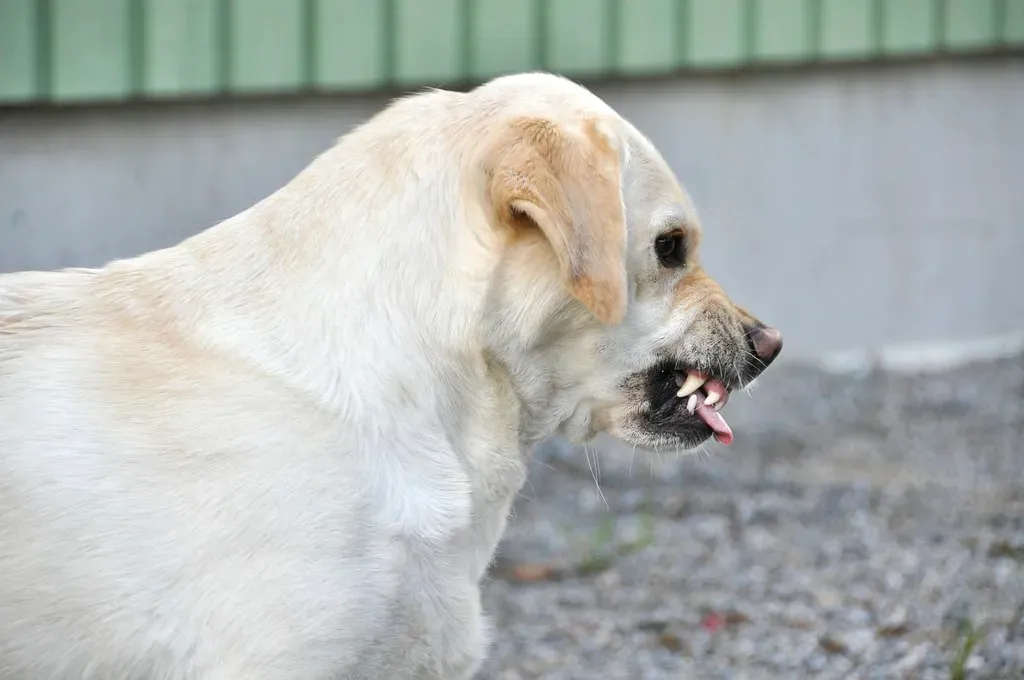
Warning growls serve as an early warning system for dogs, often low and prolonged, indicating that a dog is uncomfortable or feeling threatened, attempting to communicate its discomfort and assert boundaries. This is the growl we need to pay attention to. Honestly, it’s a gift when you think about it.
Most dogs don’t want to attack or bite, they use growling to prevent the situation from escalating. Your dog is literally telling you they’re uncomfortable before anything worse happens. This is often a ‘last resort’ signal before resorting to a nip or bite when a dog feels that their other more subtle body language signals have been ignored.
When a dog gives a warning growl, their body language typically changes too. If your dog seems stiff and is staring with a hard expression, that growl is serious. You might notice tense muscles, a rigid posture, and maybe even the whites of their eyes showing. Ignoring warning growls can lead to escalation, as the dog may feel the need to resort to more aggressive behaviors if its warning signals are not respected.
Reading the Subtle Signs Before the Growl
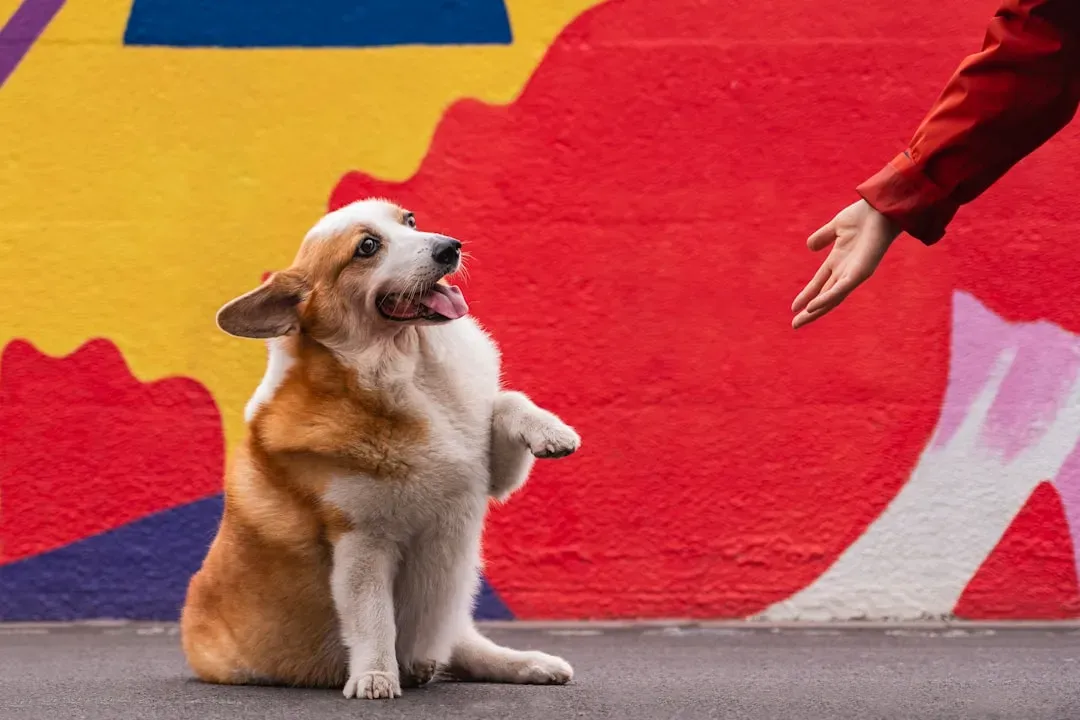
Most people wait until they hear a growl to realize something’s wrong. That’s like waiting for the smoke alarm to go off instead of noticing the smoke. The main form of communication that dogs use is a series of body signals that start off quite subtly, but they can escalate to more overt behaviors.
Dogs will lick their lips after a delicious meal, but they’ll also do it when they feel anxious. You might also notice yawning when they’re not tired, turning their head away, or showing you the whites of their eyes. If your dog is repeatedly licking when no food or water is around, it may be a “calming signal”, or a way to self-soothe during a stressful moment.
A dog freezes if they’re scared or guarding something, and this is a low-level warning sign on the ladder of dog aggression, and not respecting this warning can lead to escalation of growling, snapping, and potentially biting. Pay attention to these early whispers before they become shouts. Your dog is trying so hard to tell you something important.
Never Punish the Messenger
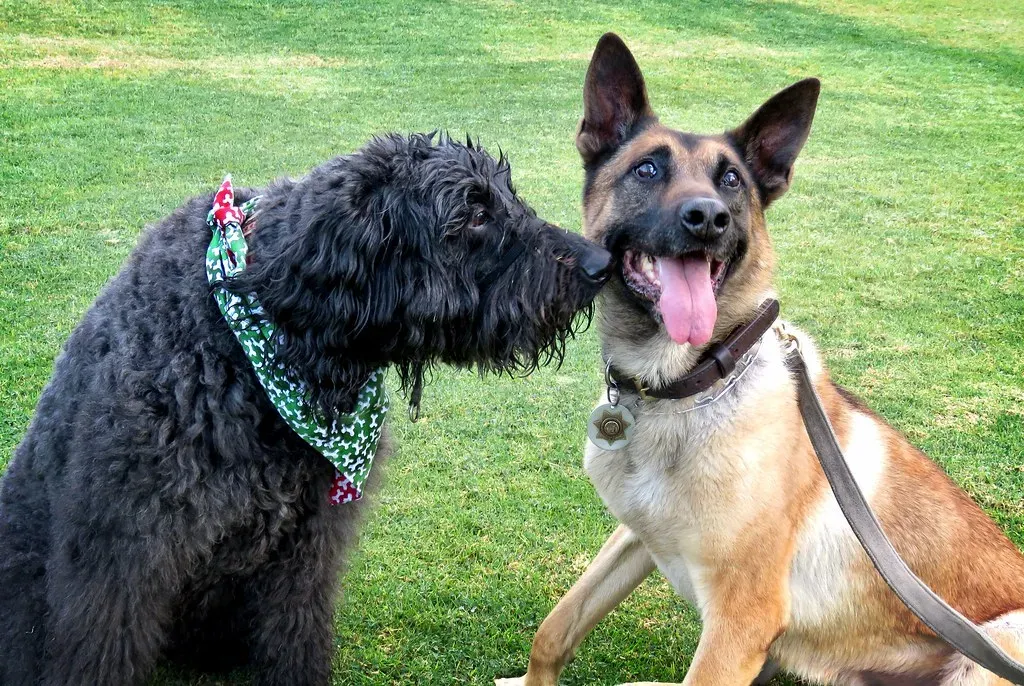
Let me be clear about something crucial. A growling dog should not be punished, rather, the underlying cause of their discomfort should be addressed. I’ve seen too many people make this mistake, and it backfires every single time.
When you physically punish your dog for growling, it may lead to further aggression with your dog baring their teeth, lunging, snapping, or even biting, and the punishment may also reinforce your dog’s underlying fear or anxiety. Think about it like this. When we punish pets who growl, we change their communication, but not the actual reason why they were growling in the first place, and a common example in the dog training world is equating punishing growling to taking the batteries out of a fire alarm.
The fire is still burning. You just can’t hear the alarm anymore. Punishing a dog for growling may mean that they stop growling and skip right to a bite next time, and that is a much bigger problem. You want your dog to communicate with you, even when that communication is uncomfortable to hear.
What Your Dog Is Really Trying to Say
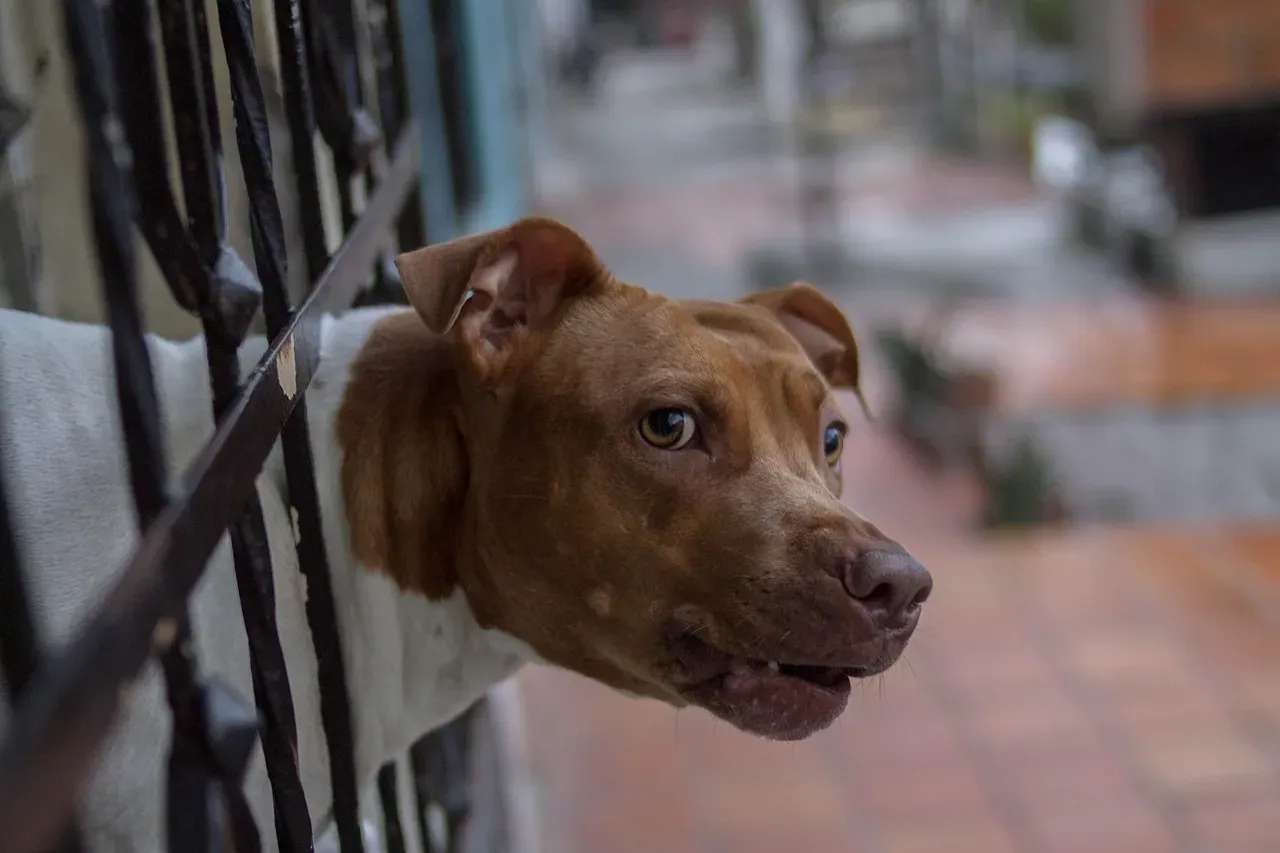
Many dogs growl when they feel frightened or anxious about unfamiliar situations, people, or other animals, and this response is their way of communicating discomfort and requesting space to feel safe. Sometimes it’s about fear. Other times it’s about protecting something valuable like food or a favorite toy.
Physical discomfort or illness can cause dogs to growl, especially when touched in sensitive areas, and if your dog suddenly starts growling during handling, it’s important to consult a veterinarian to rule out medical issues. Pain changes everything. A normally patient dog might become snappy if they’re hurting, and they’re just trying to tell you to be gentle.
Growling may occur during face-to-face greeting with another dog, especially if one dog is taking a long time sniffing the other dog’s face, and this means that the growling dog is uncomfortable and wants the other to move back. Dogs have boundaries about personal space just like we do. Some are more social than others, and that’s perfectly okay.
Building a Better Relationship Through Understanding
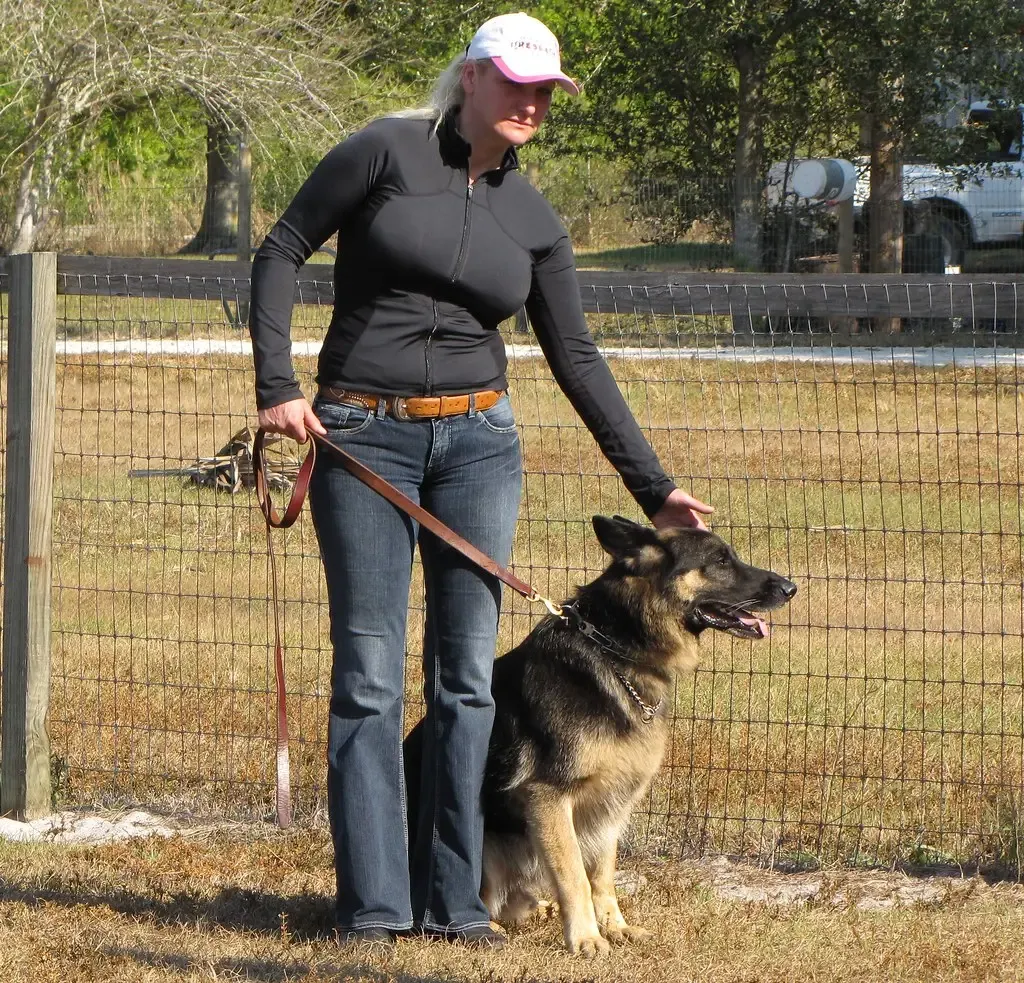
Techniques such as desensitization and counterconditioning can change your dog’s attitude toward the underlying issue that caused the growling in the first place, and for your dog’s sake and your own safety, you need to help your dog become comfortable with the things that once caused them so much stress. This takes time and patience. There’s no quick fix here.
If your dog has a habit of growling at strangers, carry a treat pouch on every outing, and every time you see a stranger heading your way, immediately give your dog a treat before they growl, teaching an alternate behavior of looking at you when they see strangers. You’re essentially rewriting the story in your dog’s mind about what strangers mean.
Learn their body language, especially subtler signs of discomfort, and unless growling occurs because of a true startle response, there are signs of stress and discomfort that happened before the growl, and when we are able to see those subtle stress signals, we can intervene sooner so that the animal doesn’t escalate to growling. The goal is prevention through understanding, not suppression through punishment.
Conclusion
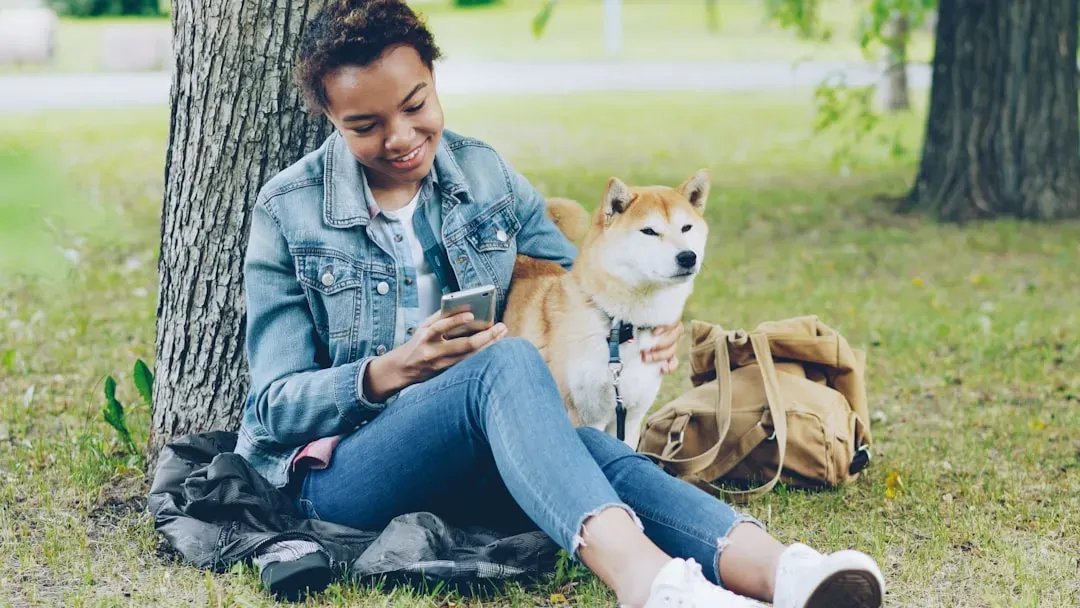
Appreciate growls for the insight they give into your dog’s state of mind and for the time they give you to intervene, help your dog, and prevent injury. Your dog’s growl is their way of having a conversation with you, and sometimes the most loving thing you can do is listen and respect what they’re saying.
Don’t ignore warning growls: pay attention to whatever it is that is causing your dog to feel threatened or afraid, and try to remove the cause of the issue, because your dog doesn’t want to escalate the situation, they are simply trying to communicate. Every growl is information. Every subtle signal is your dog trying to tell you something important about how they’re feeling in that moment.
The more you learn to read your dog’s language, the stronger your bond becomes. You’ll prevent problems before they start, keep everyone safer, and most importantly, you’ll show your dog that their feelings matter to you. What do you notice about your dog’s communication style? Have you been missing signals all along?