
Your Dog’s Obsessive Licking Isn’t Always Affection: When to Seek Advice

You’ve probably smiled at the sight of your dog’s tongue greeting your hand or your face, thinking they’re just being extra loving today. It’s one of those moments that reminds you why you adore them. Yet there’s something about the nonstop licking that can shift from endearing to worrying faster than you realize. When your pup licks the floor for the fifth time in an hour, or their paw becomes red and raw from constant attention, it’s worth pausing to ask what’s really going on.
Dogs speak through behavior, especially licking. While those wet kisses feel like pure devotion, licking serves far more purposes than showing love. It’s how they explore the world, self-soothe when stressed, and even signal that something hurts. The tricky part is knowing when that licking crosses from normal to concerning. Let’s dive into what your dog might actually be telling you and when it’s time to reach out for professional guidance.
Why Licking Feels Natural to Your Dog

Licking is deeply ingrained in a dog’s behavior, as puppies rely on licking their mother for nourishment and comfort from their earliest days, establishing licking as a soothing and nurturing activity. This instinct doesn’t vanish as they grow. Even adult dogs use their tongues constantly to explore, taste, and connect with their surroundings.
Think of it as their way of gathering information. When your dog licks your skin, they’re not just being affectionate – they’re also learning about where you’ve been and what you’ve touched. Dogs use licking as a primary way to explore their environment, investigate new objects, and groom themselves. It’s completely natural, part of how they’re hardwired.
Licking also plays a key role in social bonding. Their rough tongues, covered in papillae, act like tiny brushes, helping them to keep their coats clean. This grooming behavior extends beyond themselves to other dogs and to you, reinforcing trust and connection. So yes, licking can absolutely be a sign of love. The question is: when does it become something more?
When Licking Becomes a Red Flag

Licking that is more than grooming, exploring their world, or showing affection should be considered excessive, and when considered excessive, licking can cause harm to the underlying skin or can be compulsive and difficult to curb. Honestly, distinguishing between normal and problematic licking can feel like guesswork at first.
Watch for these signs: your dog focuses intensely on one spot, creating bald patches or irritated skin. If your dog has hair loss, skin redness, dandruff, or oozing anywhere on their body, is unable to sleep or frequently wakes because of the urge to lick or chew, or moans or whines when focused on an area, something needs attention. These aren’t just quirky habits. They’re distress signals.
Licking can become a problem when it interferes with daily routine, causes skin damage, or indicates discomfort, with signs like raw skin, thinning fur, open sores, limping, swelling, or a bad smell. If your dog stops playing mid-game to obsessively lick their paw, that’s not normal downtime. It’s compulsion taking over.
Hidden Medical Culprits Behind the Licking

Here’s the thing: there are many possible reasons for excessive licking in dogs, including medical conditions such as allergies, pain, and digestive issues. Allergies are one of the most common causes of pruritus, or itchiness, and there are generally three types of allergies in dogs – environmental allergy, flea allergy, and food allergy. If you notice your dog obsessively licking their paws after a walk through the grass, seasonal allergens might be the trigger.
Gastrointestinal issues like nausea, acid reflux, or other digestive discomfort can prompt dogs to lick excessively, as they might be trying to soothe their upset stomach or alleviate a feeling of unease. This may actually be one of the most common causes after allergies and skin infections are ruled out. You might catch them licking the air, strange surfaces, or even their flanks when their belly feels off.
Pain is another major player. Localized pain, whether from an injury or arthritis, can sometimes cause a dog to lick the area to comfort themselves. Often the licking will be confined to the area above a joint, and a trial of arthritis medication or pain relievers prescribed by your veterinarian may help to better determine if underlying joint pain is a cause for licking. If your older dog suddenly fixates on their wrist or elbow, don’t brush it off as aging.
The Emotional Side: Anxiety and Stress
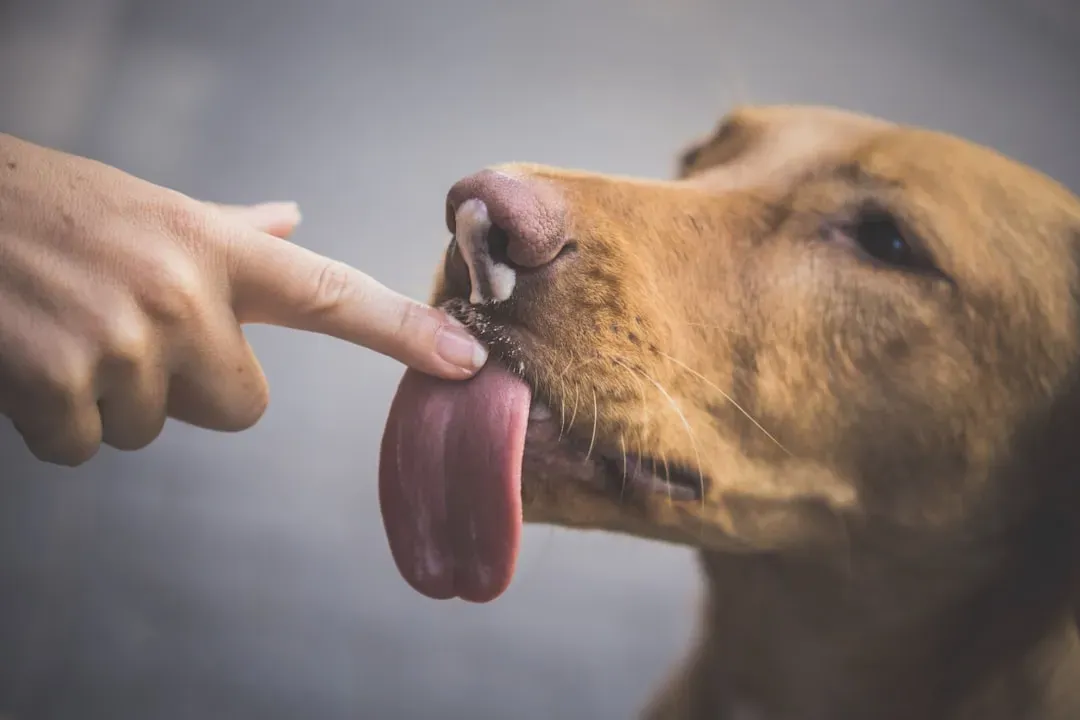
Just like humans might nervously tap their feet or bite their nails, dogs can develop excessive licking as a coping mechanism for stress or anxiety. Excessive licking often appears when dogs feel anxious, with triggers like separation, loud noises, or changes in routine leading them to lick excessively as a way of coping. It’s self-soothing behavior that releases endorphins, temporarily calming them.
I’ve seen dogs who only lick when their owners leave for work or during thunderstorms. That’s classic anxiety behavior. In some cases, repetitive licking can escalate into a compulsive behavior, similar to OCD in humans, manifesting as persistent licking of objects, themselves, or even the air. These dogs seem compelled to lick and find it difficult to stop, with compulsive lickers sometimes spending hours licking themselves or objects, floors, or furniture.
Without proper enrichment, dogs can become bored, and dogs can lick, groom, and scratch because of boredom. If you notice the licking kicks in mostly when your dog is idle, they might just need more mental and physical stimulation. Sometimes the simplest solutions make the biggest difference.
What Your Vet Will Look For
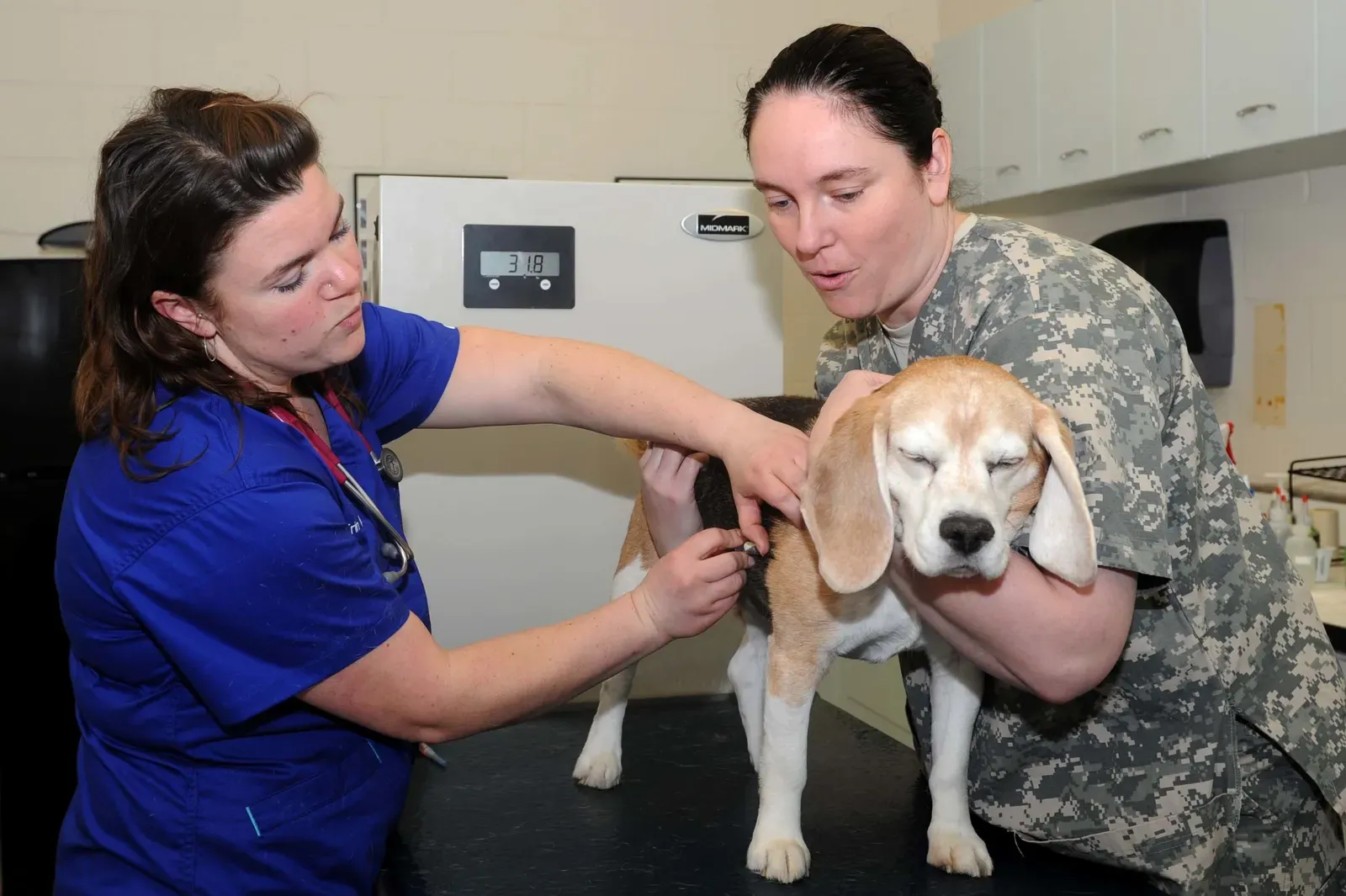
If your dog is licking more than normal, your first step is to contact your veterinarian, as constant licking can be a sign of an underlying medical issue that you’ll want to rule out before consulting a behavior professional. Your vet will conduct a thorough exam to identify visible issues like skin infections, injuries, or dental problems.
Your vet will try to determine the underlying cause, such as a skin condition, pain, and other medical issues, or less commonly a behavioral issue, and because many dogs avoid showing signs of illness at the vet, you can help your vet figure out what’s causing it by bringing photos or videos of your dog while they are constantly licking. This documentation helps enormously, giving your vet real insight into the behavior at home.
GI abnormalities were identified in 14 of 19 dogs in the licking group, with these abnormalities including eosinophilic and/or lymphoplasmacytic infiltration of the GI tract, delayed gastric emptying, irritable bowel syndrome, chronic pancreatitis, gastric foreign body, and giardiasis. Diagnostic testing might include blood work, skin scrapings, allergy testing, or even imaging studies to get to the root cause. Treatment depends entirely on what’s discovered.
Practical Steps You Can Take at Home

While you’re waiting for your vet appointment or working through a treatment plan, there are things you can do. Taking care of your dog at home is all about making them comfortable, keeping a routine, and preventing issues before they start, and when you bathe your dog, use a gentle shampoo and clean their paws after walks outside to remove dirt and irritants. Those simple post-walk paw wipes can prevent allergens from triggering hours of licking.
Redirecting your dog’s behavior early helps prevent it from becoming worse, so if your dog starts licking, try offering a toy, beginning training sessions, or leading them into some exercise, and focus on rewarding your dog when they stay calm and use alternatives to punishment for licking. Positive reinforcement works wonders here.
If you notice your pet self-grooming mostly when they are idle, try increasing their daily exercise and giving them a job. Puzzle toys, longer walks, training sessions, and interactive playtime keep their minds busy and reduce the urge to lick out of boredom. Sometimes enrichment is all they need to break the cycle.
Conclusion
Your dog’s licking habit might seem like a minor quirk, yet it often holds deeper meaning worth exploring. Whether driven by medical issues, emotional distress, or simple boredom, understanding the why behind the behavior empowers you to help them feel better. Paying close attention to when, where, and how intensely your dog licks gives you valuable clues.
Don’t ignore persistent licking, especially if it’s causing skin damage, disrupting sleep, or seems tied to discomfort. Early intervention prevents complications and improves your dog’s quality of life. Your vet is your best partner in this journey, offering diagnostic expertise and tailored treatment plans.
What do you think might be driving your dog’s licking? Share your observations and experiences in the comments below – your insights might help another dog lover recognize what’s happening with their pup too.