
That ‘Perfect’ Dog Park Might Be Stressing Your Dog Out: Signs to Watch For
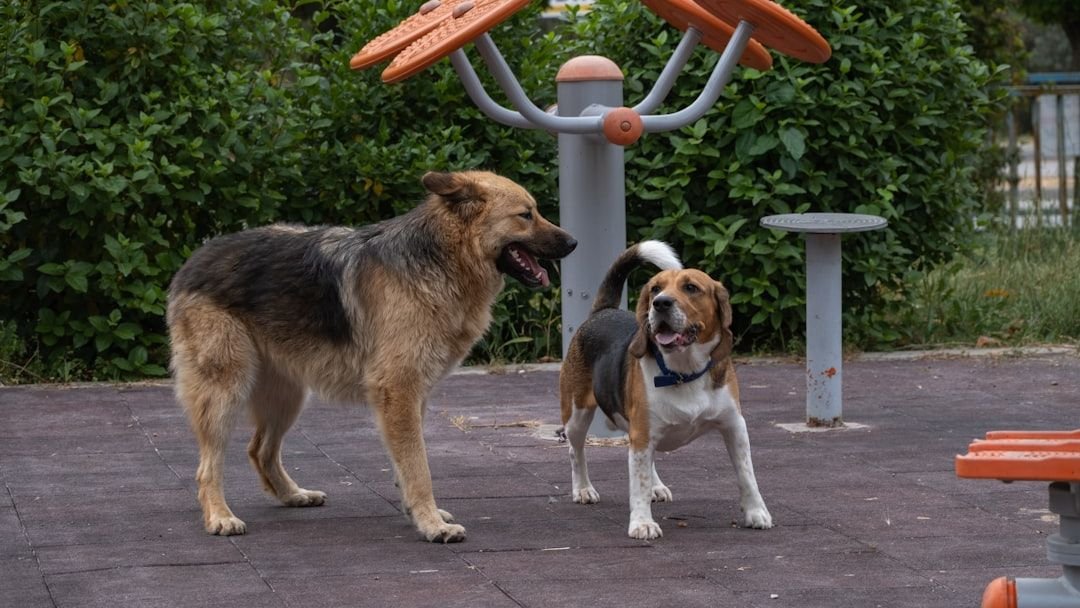
You’ve driven to that bustling dog park with your pup wagging excitedly in the backseat. You unlatch the gate, your dog bounds in, and within minutes they’re running with the pack. Mission accomplished, right? Your dog must be having the time of their life, especially with that tail swishing back and forth.
Here’s the thing, though. What if I told you that swishing tail doesn’t always mean happiness? Dogs are brilliant communicators, constantly sending us messages through their bodies. The trouble is, we’re often looking at the wrong signals or misreading the ones right in front of us. That dog park you thought was canine paradise might actually be a source of serious stress for your furry friend. Let’s be real, we all want our dogs to thrive, not just survive their social outings.
The Yawn That Isn’t About Being Sleepy
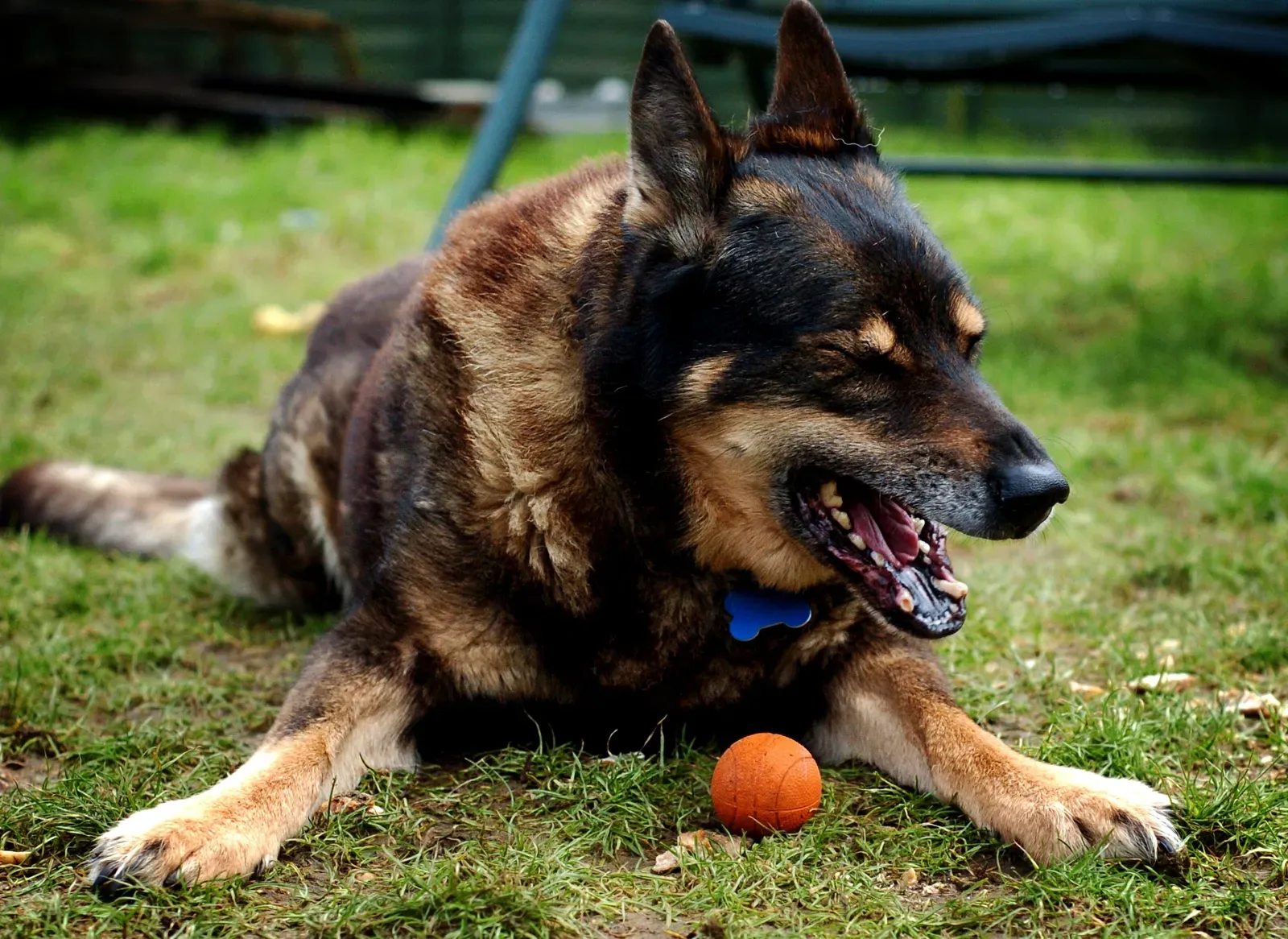
Picture this: you’re at the park and your dog suddenly yawns. You might think they’re just a bit tired from all that running around. When a dog yawns in a stimulating situation, it’s a clear indicator that they are stressed and trying to relieve tension, especially in places like the dog park. The key is watching their facial muscles.
The best way to identify a nervous yawn from a genuine tired or bored yawn is to focus on the dog’s facial muscle tension; if they look tense rather than relaxed, it’s a stressed yawn. Think about the context too. A yawn after waking up from a nap is one thing, but repeated yawning while surrounded by unfamiliar dogs is your pup’s way of saying they’re uncomfortable. It’s like when we take a deep breath during a stressful meeting, trying to calm ourselves down.
Ears Pinned Back and Other Silent Screams
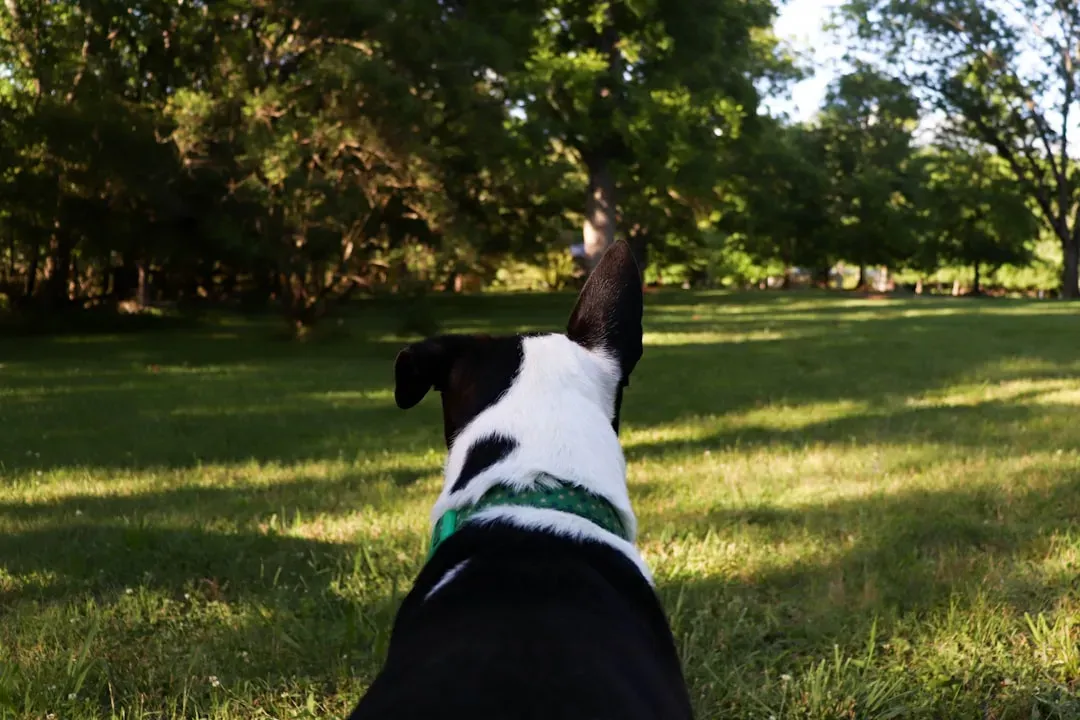
All dogs that are experiencing some form of stress may carry their ears much further back than usual, and this behavior is one of the most clear-cut indicators that your pup isn’t feeling happy. Sure, it’s easier to spot on dogs with upright ears like German Shepherds, but even floppy-eared breeds show this tension if you look closely. Their whole ear carriage changes.
If your dog is displaying pinned back ears at the dog park, it’s best to take a time-out and go for a walk together. Sometimes a break is all they need to reset. Honestly, we underestimate how overwhelming these environments can be. Imagine being dropped into a crowded nightclub when you’d prefer a quiet coffee shop.
That Tongue Flick Isn’t About Lunch
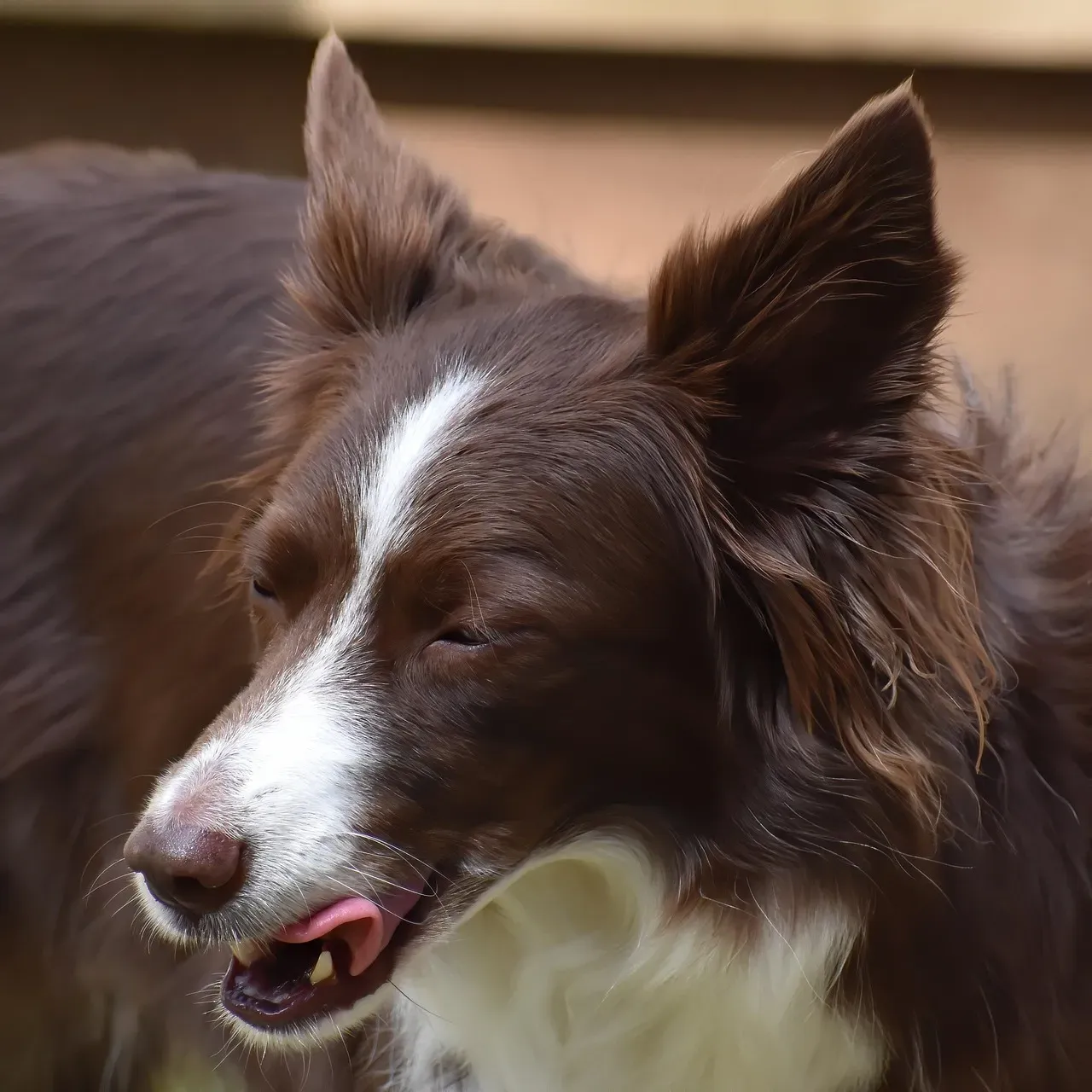
Lip licking in the absence of food is often overlooked as a subtle sign of anxiety; when dogs feel stressed or overwhelmed at a new dog park, they often start to produce extra saliva which results in frequent lip licking. You’ll notice your dog’s tongue darting out, touching their nose or lips in rapid succession. It’s not because they smell treats nearby.
This is a calming signal, a way dogs try to self-soothe when things get too intense. While a little lip licking is to be expected in a new situation, make sure to pay close attention that no other canine stress signs are being displayed. When lip licking combines with other signals like whale eye or a tucked tail, your dog is practically begging you to intervene.
The Tail Wag That’s Actually a Warning
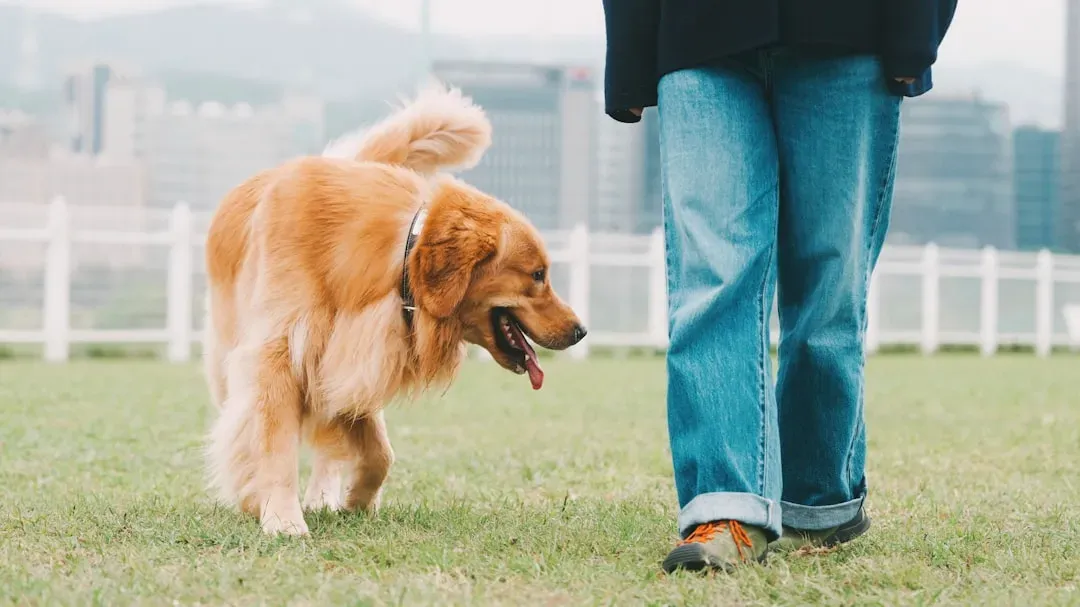
I know it sounds crazy, but not all tail wags mean your dog is happy. Tail wags are often misconceived as a happy sign; if your dog’s tail is low and has a slight, stiff wag, this doesn’t mean they are enjoying themselves but is actually a sign that your pup is worried. The height, speed, and stiffness all matter more than the movement itself.
A low tail signals stress and a low one tucked between the legs is a clear sign that your dog needs to leave the park and de-stress. Compare that loose, helicopter-style wag when you come home from work to the tight, low wag at the park. They’re completely different emotions, and recognizing this distinction can prevent a stressful situation from escalating into something worse.
Hiding Behind Your Legs Means Something
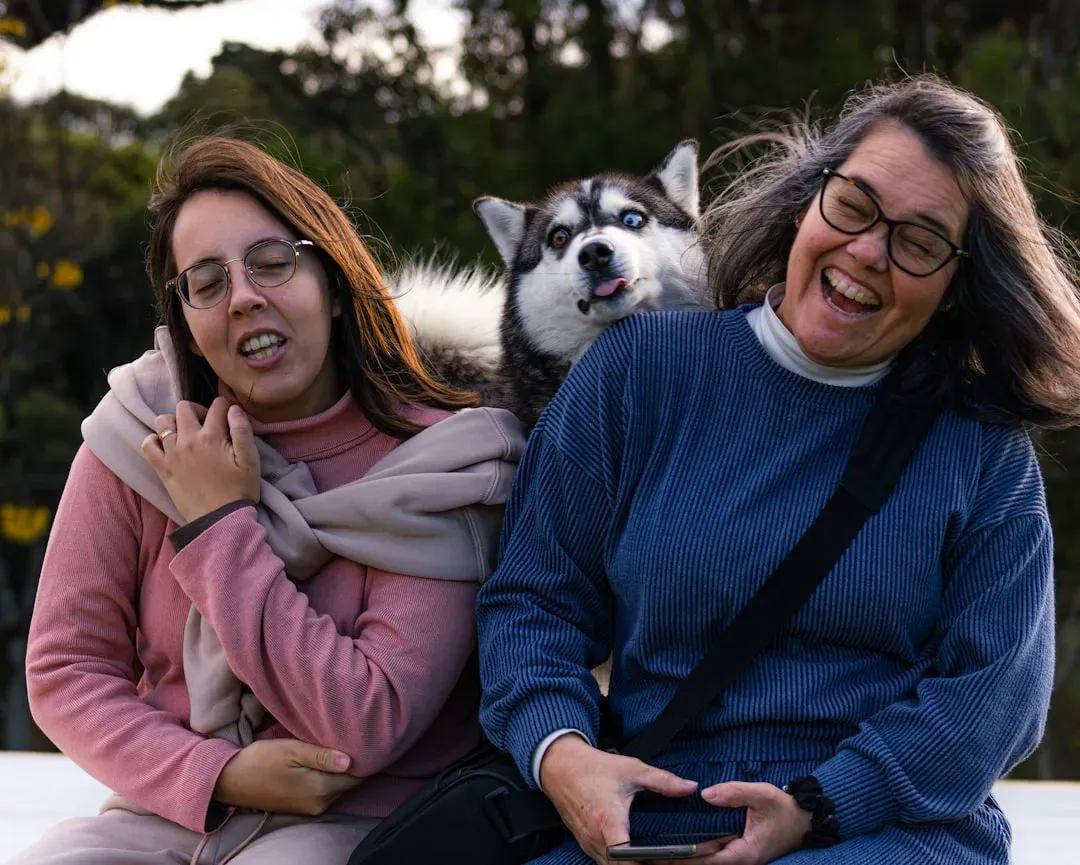
If you notice that your dog is starting to hide, whether it’s behind objects, yourself, or other people, they are definitely anxious and could be intimidated by another dog or elements in their surroundings. This isn’t shyness or being antisocial. Your dog is actively seeking protection because they feel threatened or overwhelmed.
Hiding, whether or not it’s accompanied by other dog stress signals, is a strong indicator of anxiety. Some dogs will plant themselves behind you and refuse to move. Others might wedge themselves under a bench or against the fence. These aren’t quirky personality traits; they’re desperate pleas for help. When your dog chooses safety over play, listen to them.
When Play Stops Looking Like Fun
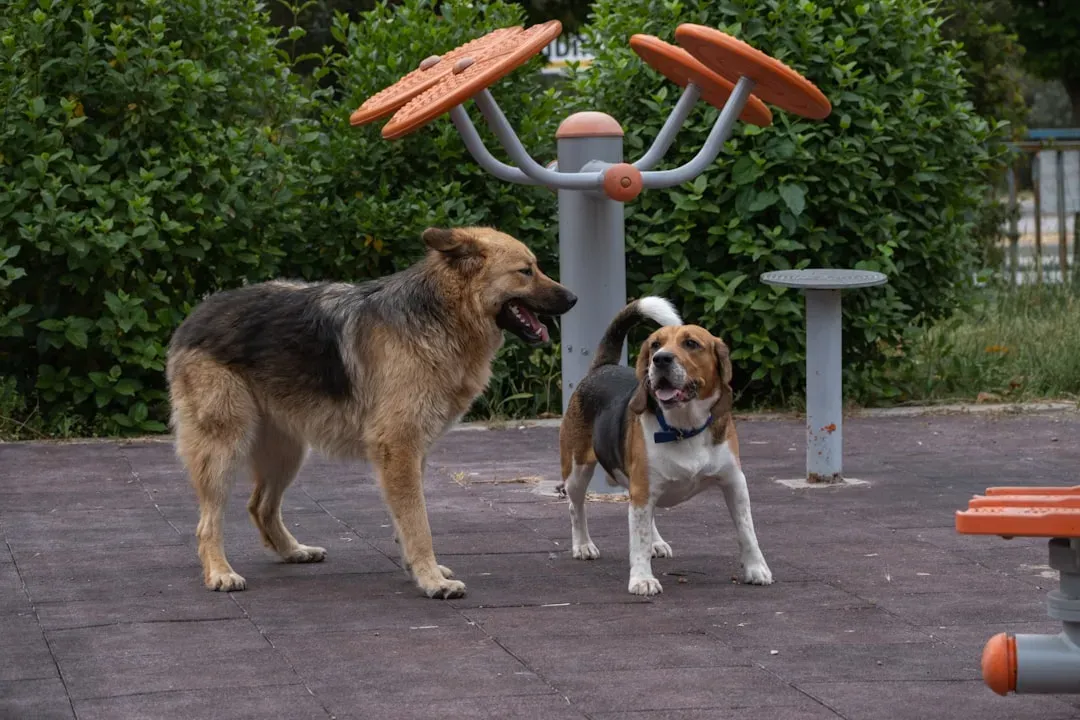
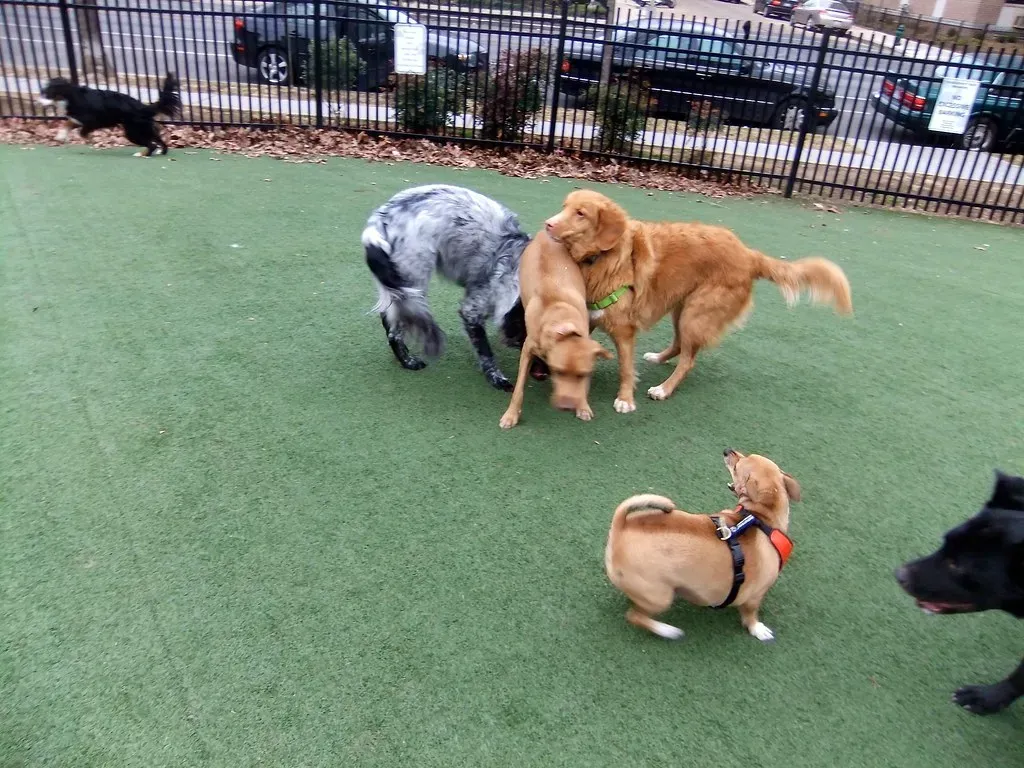
When parks become too crowded, even well-behaved dogs can become stressed or overwhelmed, and recognizing overcrowding helps you decide when to leave or move to different areas. Healthy play includes role reversal, where dogs take turns chasing and being chased. Good play includes natural breaks where dogs separate, shake off, or engage in other activities before returning to play; these breaks prevent overarousal and allow dogs to reset their energy levels.
If your dog is constantly being chased without ever getting to be the chaser, that’s not fun anymore. Dogs bouncing off walls with enthusiasm can quickly escalate into overstimulation, and this state of arousal can lead to rougher play, which other dogs might interpret as aggression. Watch for stiff body language, intense staring, or your dog trying to escape the interaction repeatedly. That’s when you need to step in and give everyone a breather.
Wrapping It All Up
The dog park can be a wonderful place for socialization and exercise, but it’s not a one-size-fits-all solution. Some dogs genuinely love the chaos and thrive in that environment. Others find it absolutely terrifying, even if they initially seem excited to go. Dogs don’t learn well when they’re stressed, and repeated exposure to stressful situations without relief can lead to anxiety or behavior problems.
Your dog is counting on you to be their advocate, to notice when things aren’t right and to take action. Whether that means shorter visits, going during quieter times, or skipping the dog park altogether in favor of one-on-one playdates, the goal is your dog’s wellbeing. Trust your instincts and trust what your dog is telling you through their body language.
So next time you’re at the park, really watch your dog. Are they relaxed and bouncy, or tense and tucked? The answer might surprise you. What signs have you noticed in your own dog? Share your experiences in the comments below.