
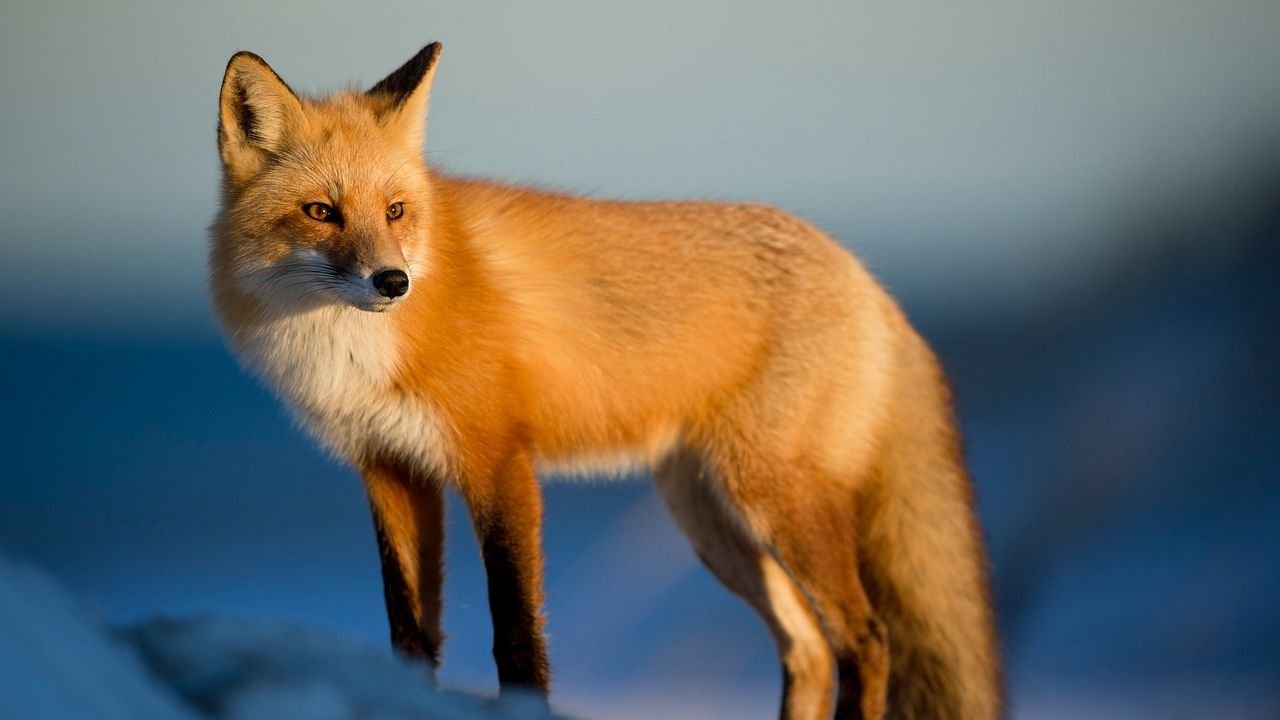
Ever spot a flash of rusty red fur darting through the underbrush during your morning walk with your pup? Chances are you just caught a glimpse of one of North America’s most adaptable wild canids. Red foxes are becoming increasingly common neighbors in both rural and urban landscapes across the United States. They’re fascinating creatures that share some remarkable similarities with our beloved dogs, yet their presence often raises questions among pet owners.
You might be surprised to learn just how many of these clever animals are living closer to your home than you think. While red foxes once kept largely to wilderness areas, they’ve gradually expanded their range into cities and suburbs, finding new opportunities wherever humans settle. Their success story is impressive, though it also means dog lovers need to be aware and informed about sharing space with these wild cousins of our canine companions.
Wisconsin Takes the Crown for Red Fox Population

Wisconsin stands out as the clear leader, hosting roughly 200,000 red foxes throughout the state. That’s an astonishing number when you think about it. This Midwestern state’s landscape, with its mix of forests, farmland, and suburban areas, creates ideal conditions for foxes to thrive.
Missouri follows in second place with an estimated 100,000 red foxes, while Pennsylvania rounds out the top three with approximately 50,000. The continental population across all states reaches roughly 10 million animals. What’s particularly interesting is how these numbers reflect the foxes’ incredible ability to adapt to various environments, from dense woodlands to agricultural regions to the edges of cities where they’ve learned to coexist remarkably well with human activity.
Why Red Foxes Love Wisconsin’s Landscape
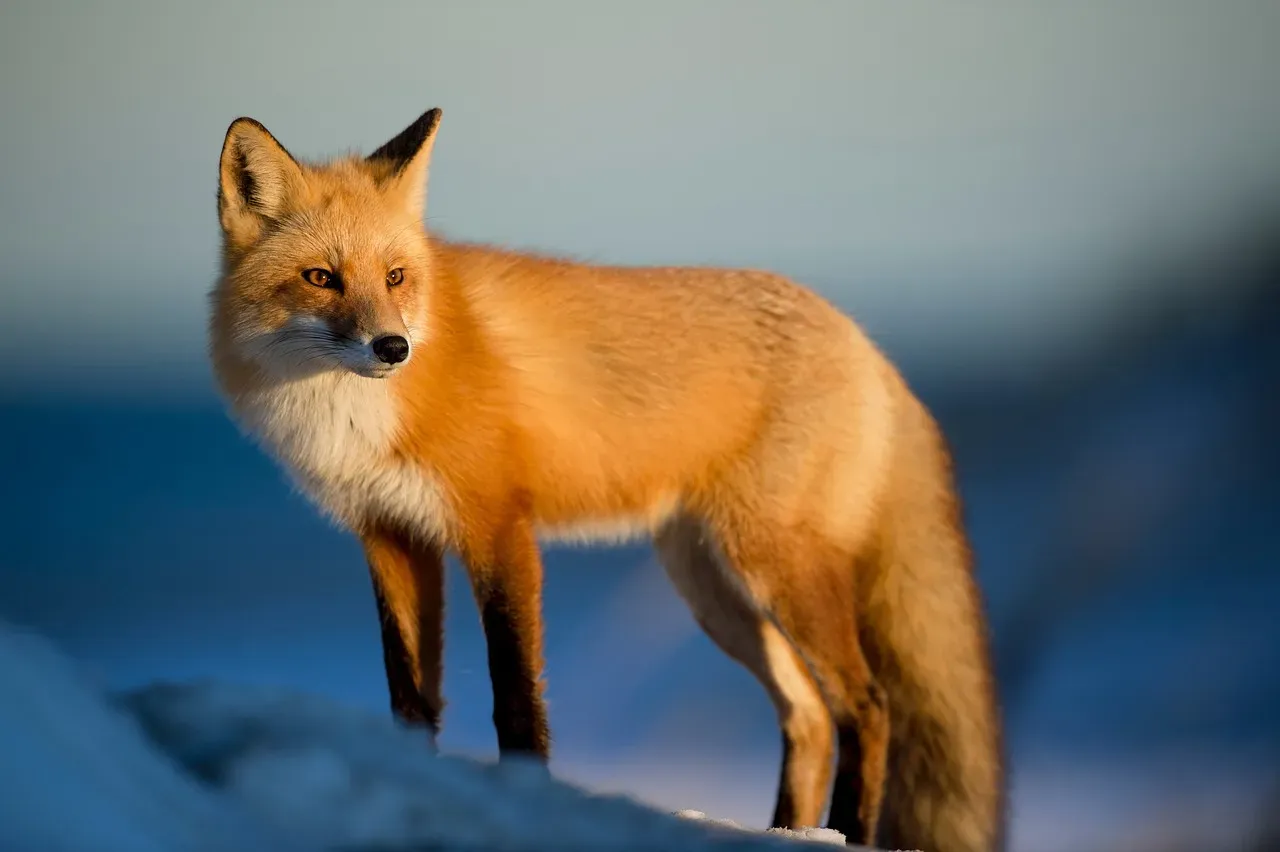
Wisconsin’s environment offers everything a red fox could want. The state features extensive forested areas mixed with open farmland, providing both shelter and abundant hunting grounds. Foxes are opportunistic hunters that feed on small mammals like mice, rabbits, and voles, all of which flourish in Wisconsin’s varied terrain.
The state’s relatively mild climate compared to regions farther north also plays a role. Winters are cold but manageable for these hardy animals with their thick winter coats. Additionally, the presence of numerous water sources and the mosaic of habitats creates perfect den sites where foxes can raise their young safely. Unlike some states where coyotes have pushed fox populations down, Wisconsin maintains a healthy balance that allows red foxes to flourish alongside other predators.
What Dog Owners Should Know About Fox Behavior
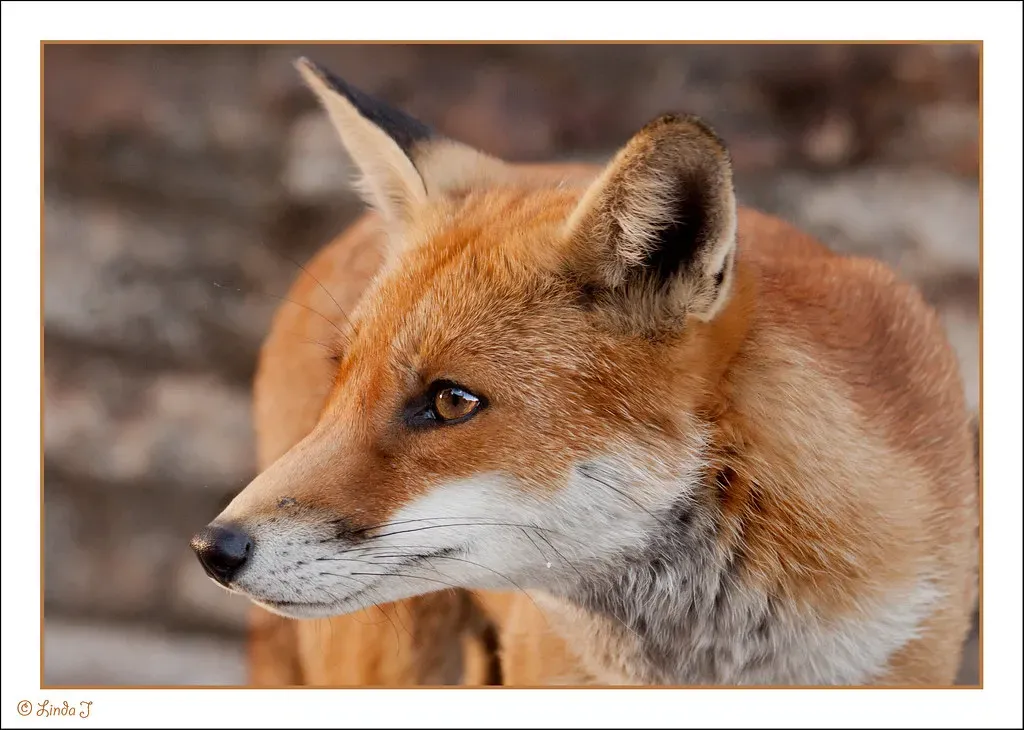
Red foxes naturally avoid confrontation with larger animals, including most dogs, preferring to hunt prey that’s easier to catch like mice, rabbits, and birds. This is reassuring news for dog owners. Foxes are typically shy and will run from humans and larger pets when given the chance.
That said, very small dogs under 15 pounds could potentially be at risk, with tiny breeds like Chihuahuas, Pugs, and Boston Terriers being most vulnerable. Large dogs over 50 pounds face no real risk from foxes, and even medium-sized dogs around 30 pounds present too much danger for a fox to consider attacking. During breeding season when foxes are protecting their pups, they may display more defensive behavior if a curious dog gets too close to their den.
Health Concerns: Diseases Dogs Can Catch From Foxes
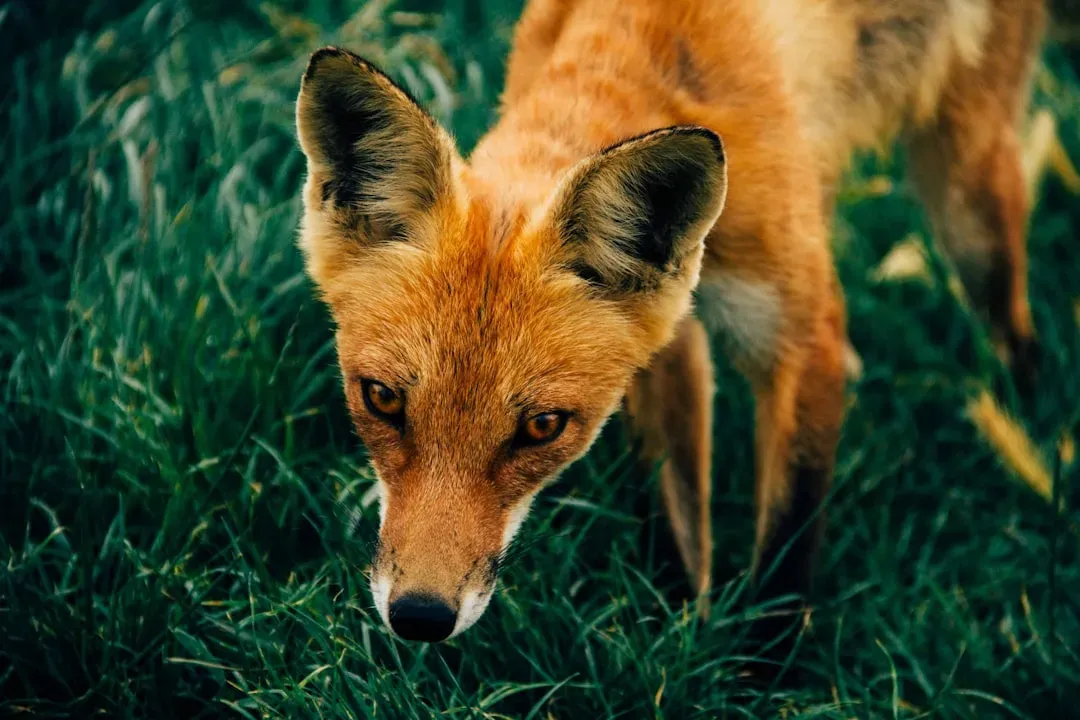
While direct attacks are rare, foxes can pose indirect health risks to our dogs. The most common conditions foxes can spread include toxocariasis (roundworm), mange, and infections from bites. Roundworm spreads when dogs ingest or come too close to fox feces, making it important to keep your dog from investigating fox droppings during walks.
Mange can transfer to domestic dogs but is easily treated. Sarcoptic mange mites burrow into the skin causing intense itching, crusting, and hair loss, and the infection is contagious through direct contact or contaminated bedding. The good news? Modern parasite prevention medications for dogs often provide protection against mange. Keeping your dog current on vaccinations, particularly rabies, is essential even though rabies transmission from foxes is relatively uncommon in most areas.
Protecting Your Dog in Fox Territory

Simple precautions go a long way toward keeping your dog safe around foxes. Never leave small dogs outside unattended, even in fenced yards, as a hungry fox could find a way inside. Supervise all outdoor time for dogs under 20 pounds, especially during dawn and dusk when foxes are most active.
Consider installing predator-proof fencing at least six feet high with the bottom extending two feet underground to prevent digging. Keep your yard well-lit and remove potential food sources like fallen fruit, unsecured garbage, or pet food left outside. If you notice your dog showing obsessive interest in a particular area of your yard, investigate for signs of fox activity like distinctive musky odor or tracks. Teaching a strong recall command becomes even more valuable in areas where foxes are common, allowing you to call your dog back before any encounter escalates.
Living Peacefully With Urban Foxes

Honestly, most interactions between dogs and foxes never result in problems. Foxes play an important ecological role by controlling rodent populations, which benefits everyone. They’re not interested in picking fights with dogs or people.
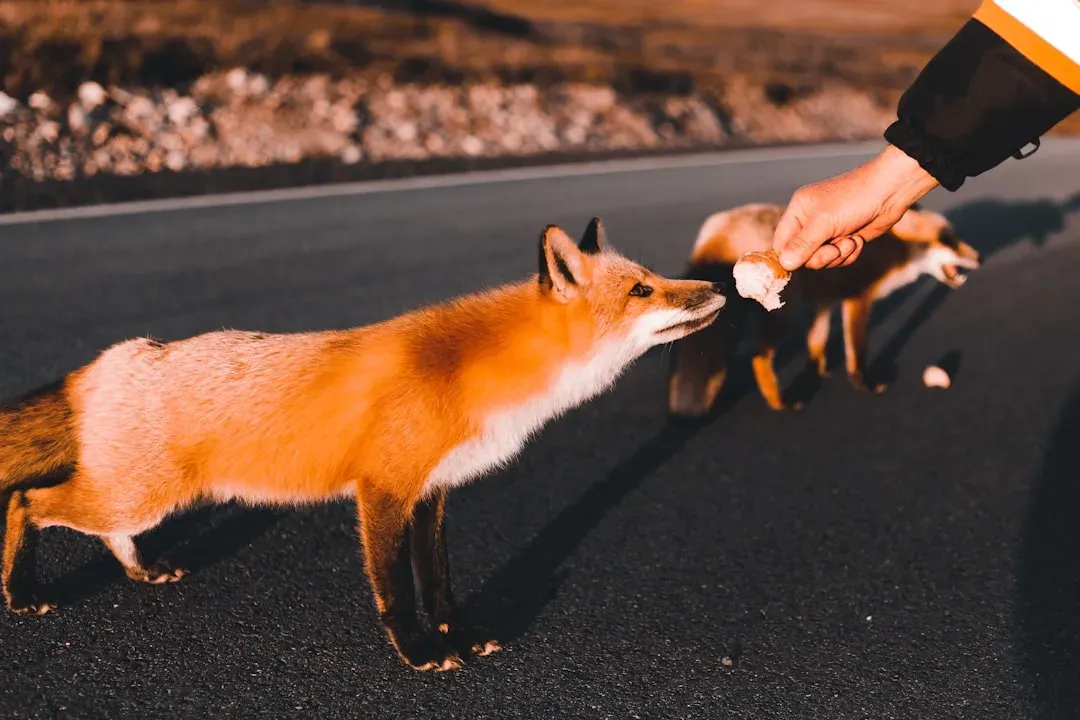
Creating coexistence means respecting their space. Never feed foxes, as this removes their natural wariness of humans and pets. If you spot a fox during your walk, simply change direction and give it space. Keep walking calmly rather than allowing your dog to lunge or chase. Motion-activated sprinklers or lights can discourage foxes from denning under your deck or shed if that becomes an issue. Remember, these animals were here long before our neighborhoods expanded into their habitat. With awareness and reasonable precautions, dogs and foxes can share the landscape without conflict.
Conclusion
Wisconsin’s impressive red fox population reminds us that wildlife and domestic life increasingly overlap. These intelligent, adaptable animals have proven they can thrive even as human development expands. For dog lovers, understanding fox behavior and taking sensible precautions ensures both our pets and these wild canids can coexist safely.
The key is balance: staying informed, supervising vulnerable pets, maintaining vaccinations, and respecting wildlife boundaries. Most dogs will never have a negative encounter with a fox. Have you ever spotted a fox while out with your dog? Share your experience in the comments.


