
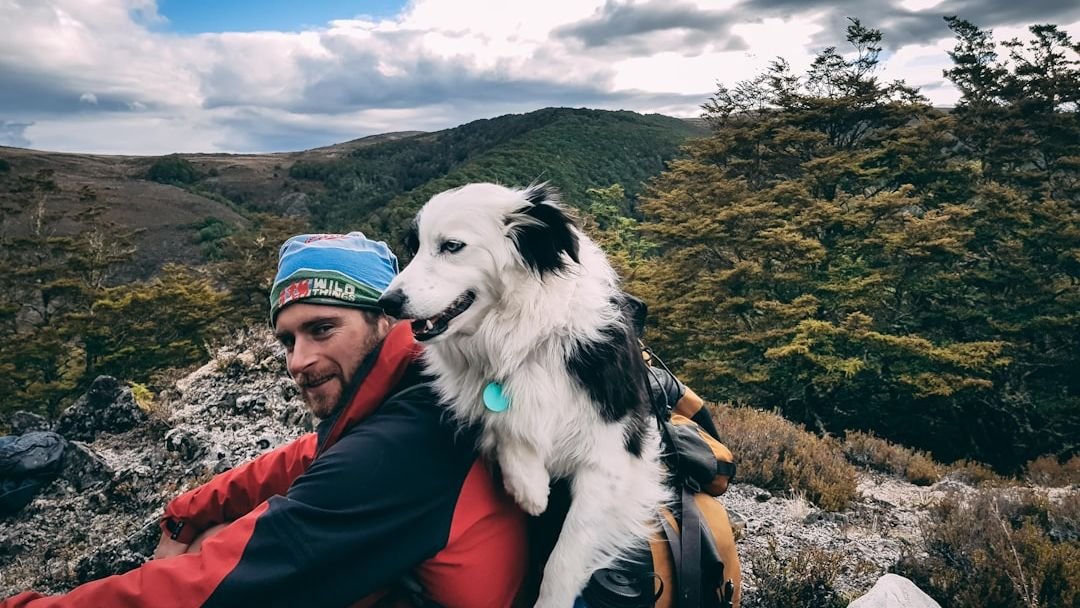
You know that look. The one where your dog’s eyes follow you to the door, their tail lowering just a fraction. Maybe you’ve wondered while driving to work or scrolling through your phone at lunch whether your furry friend is okay back home. The truth is both heartwarming and a little heartbreaking.
Studies show that dogs exhibit increased stress and behavioral changes when their owners are absent. Dogs can actually start missing their owners from the moment they part ways, and keep missing them more up until two hours. Beyond two hours, the melancholy stays about the same until they’re reunited with us. Let’s explore what actually goes through your dog’s mind when you leave, and what they truly long for in your absence.
Your Physical Presence and Companionship
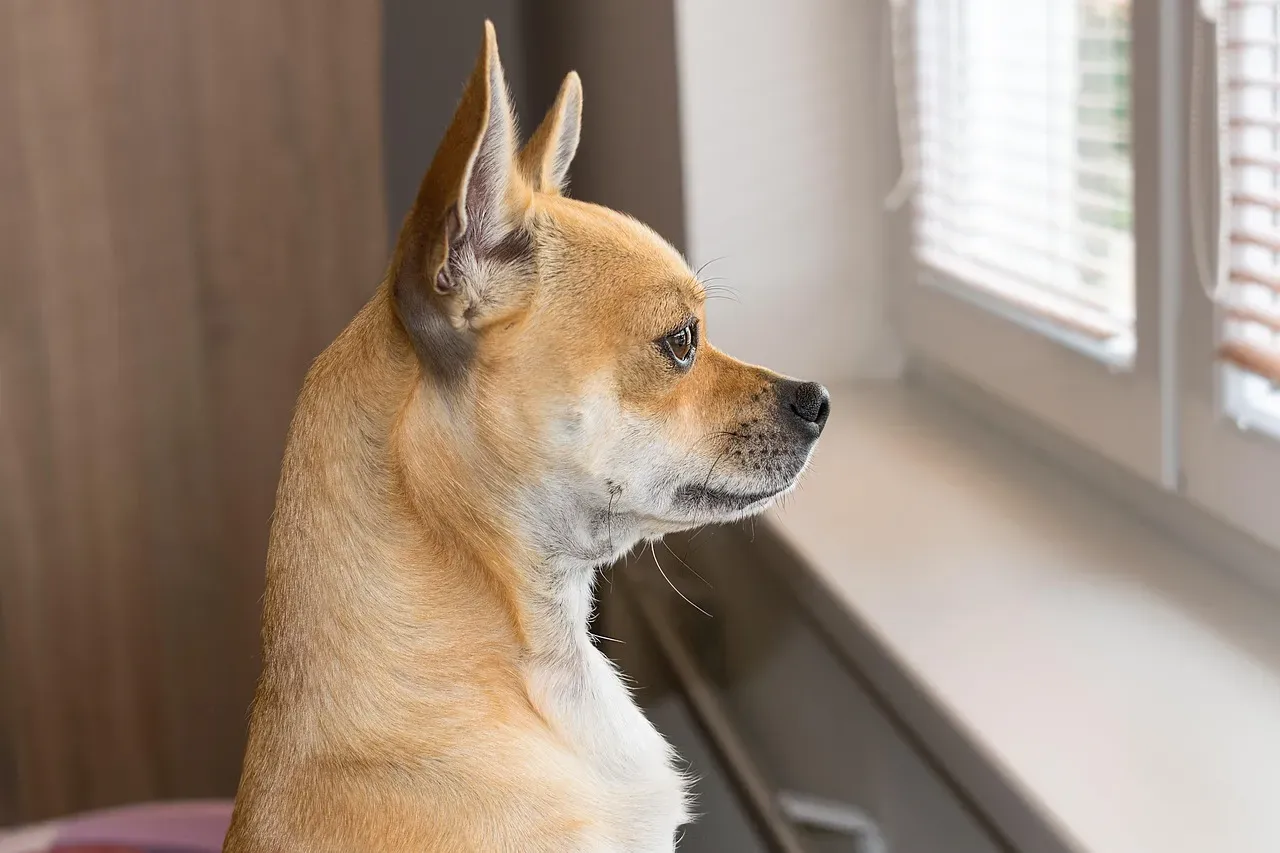
Let’s be real, your dog doesn’t just miss you like you’d miss a coworker on vacation. Dogs are social animals with strong emotional bonds, and studies show that they display signs of missing their owners more the longer they are left. That physical closeness means everything to them.
The theory of the human-dog bond – called attachment theory in proper psychological terms – is based on human studies in which it has been shown that infants have a strong need to be near their caregiver, also called the attachment figure. Your dog experiences something remarkably similar. They don’t understand schedules or work meetings. All they know is that their favorite person has disappeared, and that creates genuine emotional distress.
For a dog owner, nothing is quite as rewarding as coming home to your pup waiting for you at the door. If that’s where you find your dog every time you come home, chances are that they’ve probably been there for quite some time, hoping you’ll be coming back through the door soon.
The Comfort of Your Scent
Here’s something fascinating. Brain imaging studies have provided groundbreaking insights into canine emotional processing. Researchers have discovered that when dogs smell their owner’s scent, specific regions of their brain associated with positive emotions and reward become activated. This neurological response suggests that dogs don’t just recognize their owners physically but develop a profound emotional connection that transcends mere recognition.
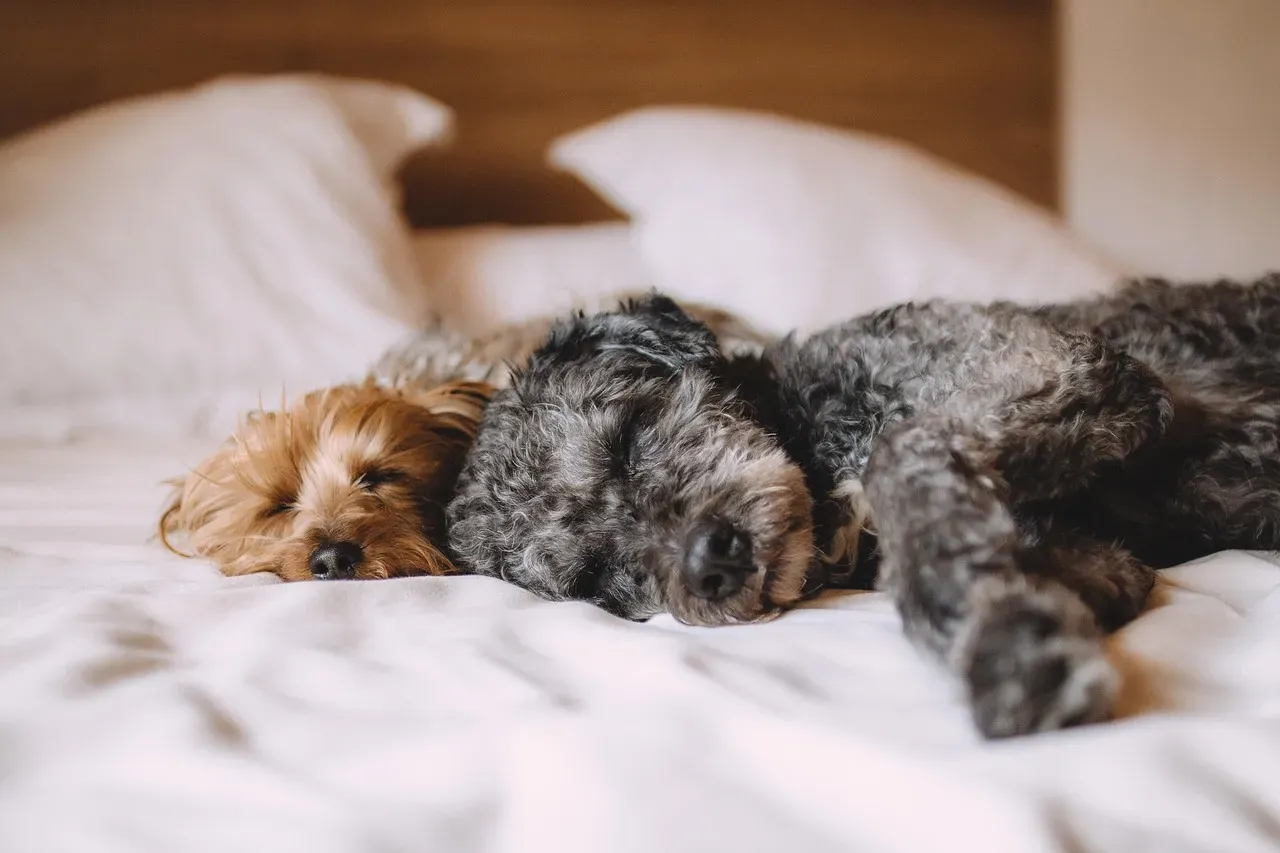
Your smell is basically their comfort blanket. When you’re gone, many dogs will seek out items that carry your scent. Maybe it’s that old sweatshirt you left on the couch or your side of the bed.
Some dogs may express their feelings of missing their owners in ways that may be subtle or even misinterpreted as “bad behavior.” These dogs may stash your belongings somewhere comfy, or they may simply drag it along to where they nap. They’re not being naughty. They’re literally trying to keep a piece of you close.
Your Attention and Interactive Play
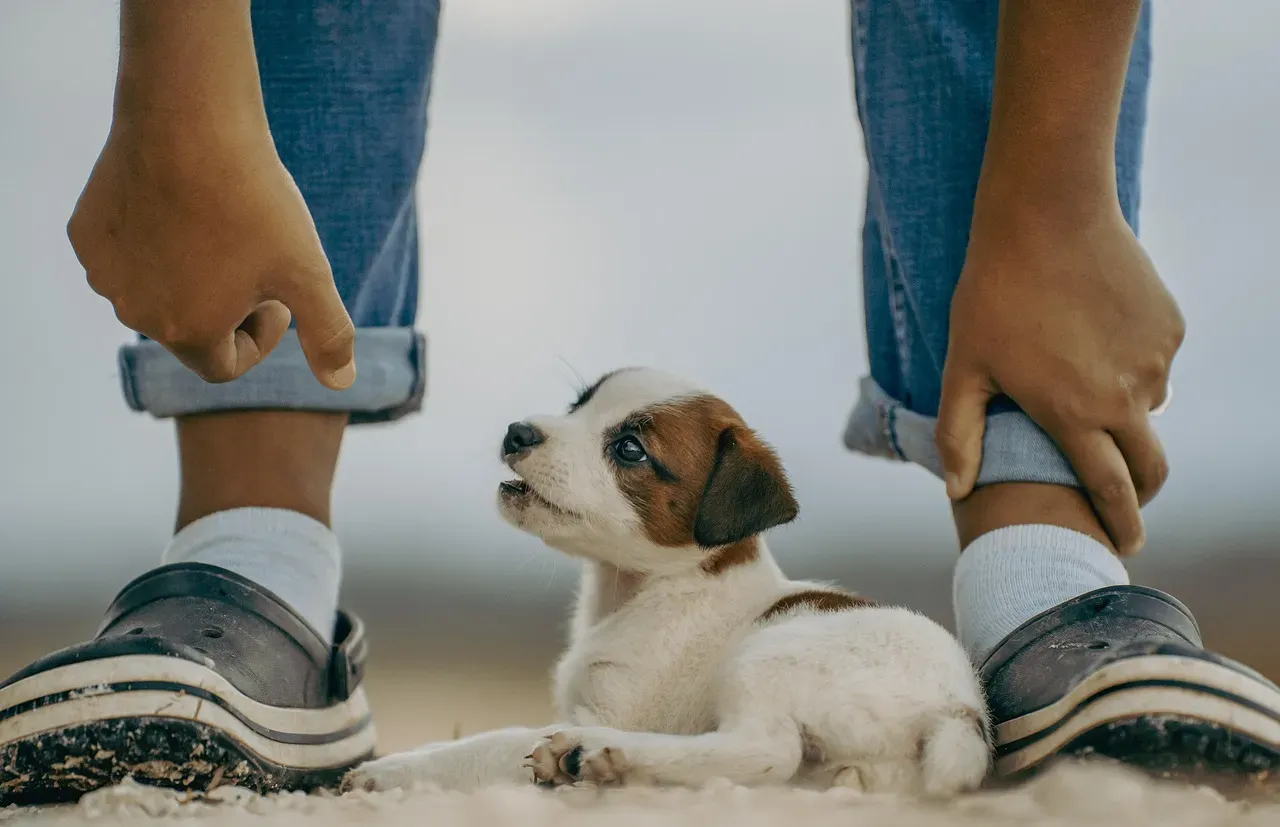
Think about all those moments during the day when your dog nudges your hand for a pet or drops a toy at your feet. When you’re not home, that entire source of stimulation and joy vanishes. Dogs are incredibly social creatures who thrive on interaction.
Dogs are social creatures and want to be with you. It’s not just about having someone in the house. It’s about having you specifically. The games you play together, the way you throw the ball just right, even the silly voices you use when talking to them – all of that disappears when you walk out the door.
The hours stretch long without someone to engage with them, mentally stimulate them, or provide that joyful back-and-forth energy they crave. Sure, they might have toys scattered around, but toys don’t laugh at their antics or tell them they’re a good boy.
The Security of Your Protection
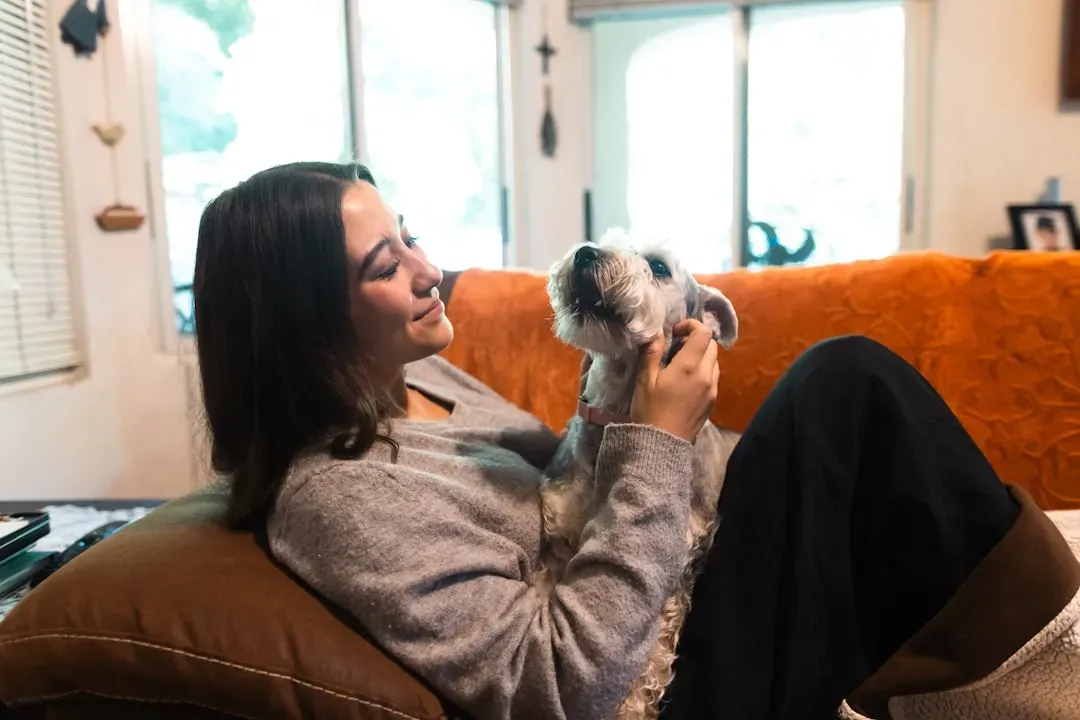
An attachment bond is a close, emotional relationship between two individuals. Dogs have shown behaviors indicative of an attachment relationship. One such behavior is proximity seeking, where the animal will seek out the attachment figure as a means of coping with stress.
You represent safety to your dog. When strange noises happen outside or a truck rumbles past the house, your presence makes everything manageable. Without you there, every sound becomes potentially alarming.
Four main forms of distress for dogs when separated from their owners include a focus on getting away from something in the house, wanting to get to something outside, reacting to external noises or events, and a form of boredom. Your dog might hear the mailman and not know how to process that without you there to signal that everything’s fine. That calm, reassuring energy you provide is irreplaceable.
Your Predictable Routine and Structure
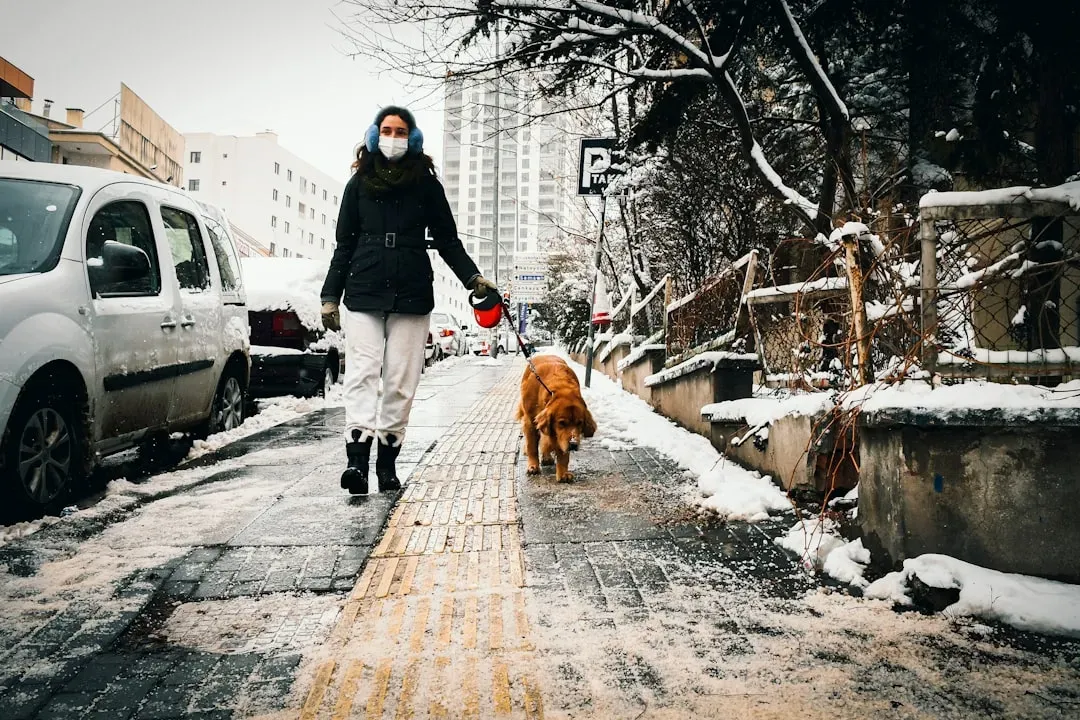
Dogs are creatures of habit. They find immense comfort in knowing what happens next. When you’re home, life follows certain patterns. Breakfast happens, then maybe a walk, some playtime, a nap in the sunny spot while you work.
When you leave, that entire framework collapses. Protective factors include ensuring a wide range of experiences outside the home and with other people between the ages of 5–10 months, stable household routines and absences from the dog, and the avoidance of punishment. Dogs that experience consistent routines tend to cope better with separation.
The unpredictability of your absence – not knowing when you’ll return or what’s happening – creates anxiety. They can’t check their watch or understand that you’ll be back at five o’clock. Time becomes this endless, uncertain thing.
Your Reassuring Voice and Communication
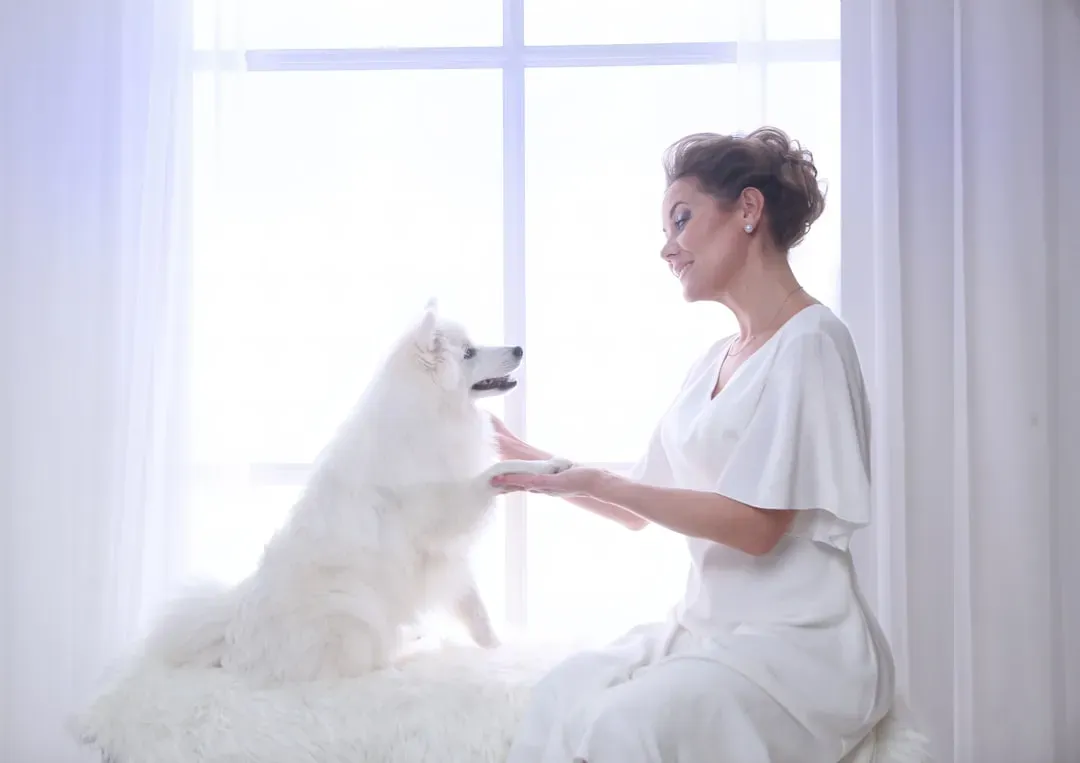
Every word you speak to your dog matters more than you might realize. That cheerful “good morning” or the gentle “it’s okay” when they’re nervous provides emotional regulation they simply can’t access alone.
Have you noticed that your pet howls or cries when you’re about to leave or after you’ve left the house? If your dog sounds sad to see you go, it’s because they are! The silence of an empty house must feel deafening to them. No one’s there to narrate the day, offer praise, or provide that running commentary that makes them feel connected.
Even though they don’t have the same concept of time as humans, dogs can sense when we are coming home if we have a regular schedule. Your voice becomes that bridge between isolation and connection. Without it, they’re left in a world that suddenly feels too quiet.
The Joy of Shared Experiences
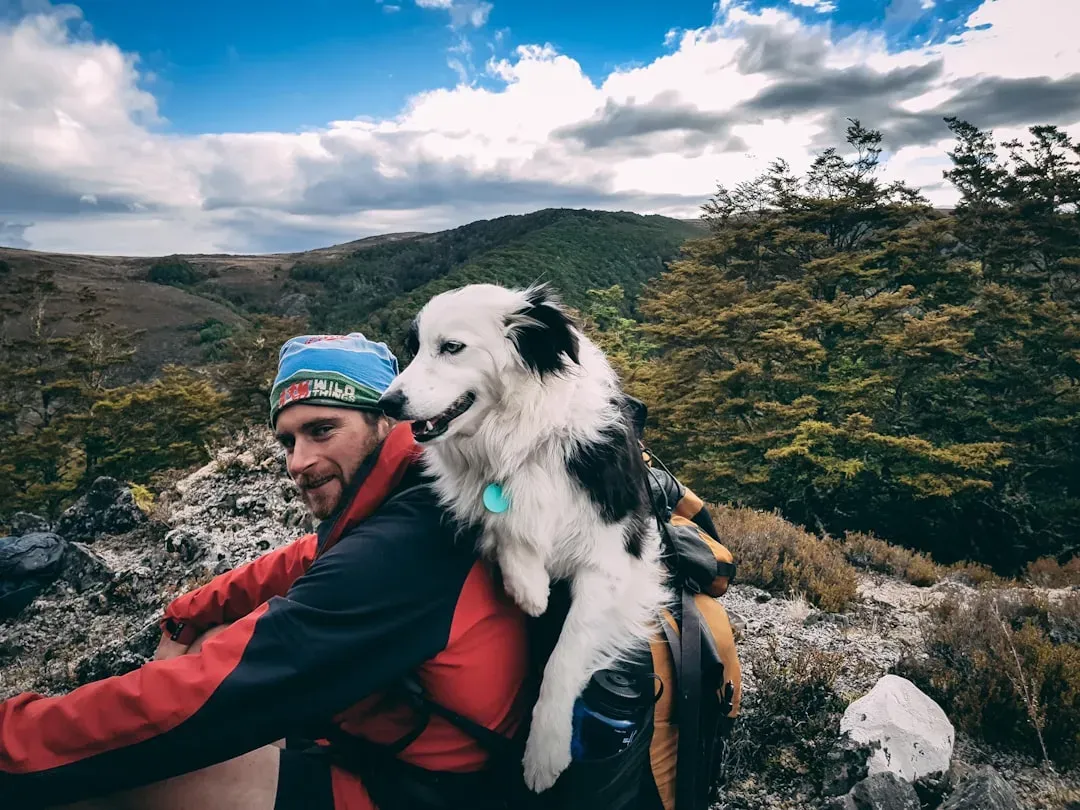
Dogs live for those little moments with you. The walk around the block where they sniff every interesting smell. The car ride to get coffee where they stick their head out the window. Even just sitting together while you watch television.
When you’re gone, all those potential adventures evaporate. When a particularly close family member, such as a child, leaves for an extended period, dogs may show signs of distress similar to those observed in separation anxiety. These signs include decreased energy, loss of appetite, and increased sleeping.
Life becomes static. Honestly, imagine being trapped at home with nothing new happening and no one to share experiences with – that’s essentially what your dog faces. The world shrinks down to the four walls of your house, and all the exciting possibilities that come with your presence disappear.
Your Emotional Support and Bonding

This might surprise you, but the emotional support in your relationship goes both ways. An attachment bond is a close emotional relationship between two individuals. The dog–owner relationship shows some similarities to the human caregiver–infant relationship. Dogs show similar behaviours of attachment, such as approaching, following, clinging, or vocalizing towards their owners.
Your dog doesn’t just provide you with emotional comfort. You provide it right back to them. When they feel uncertain or anxious, your calm presence helps regulate their emotional state. They look to you for cues about how to feel in different situations.
Behaviorally, attachment is demonstrated when one individual maintains close proximity to another individual and shows distress upon separation. For 29 owner-dog dyads, we employed a modified Ainsworth’s Strange Situation Test to investigate whether both members would show a physiological reaction to separation. The bond is real and measurable. Without you, they lose that emotional anchor.
Physical Touch and Affection
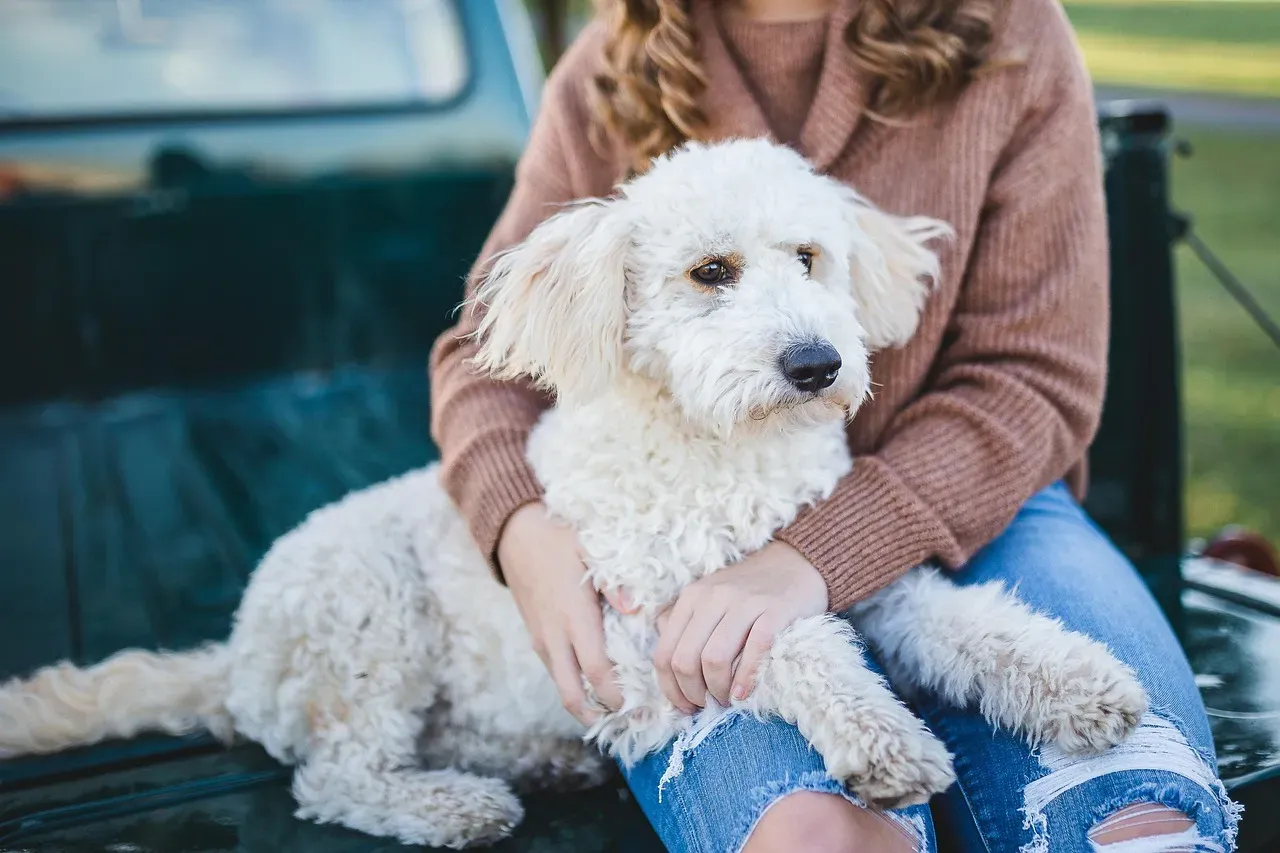
Dogs lean on their humans or try to sit on them when they want attention or comfort. Dedicate cuddle time before you leave for work or when you come home to show your dog you love them. Think about how often you pet your dog throughout the day without even thinking about it.
That physical contact releases feel-good hormones in both of you. It’s not just pleasant – it’s physiologically important for their wellbeing. One study even found that some dogs were calmer when their pet parent petted them before leaving the house.
When you’re absent, they miss those head scratches, belly rubs, and the warm weight of your hand resting on their back while you read or work. Touch is a language of love for dogs, and your absence means they’re starved for that particular dialect.
The Excitement and Anticipation You Bring
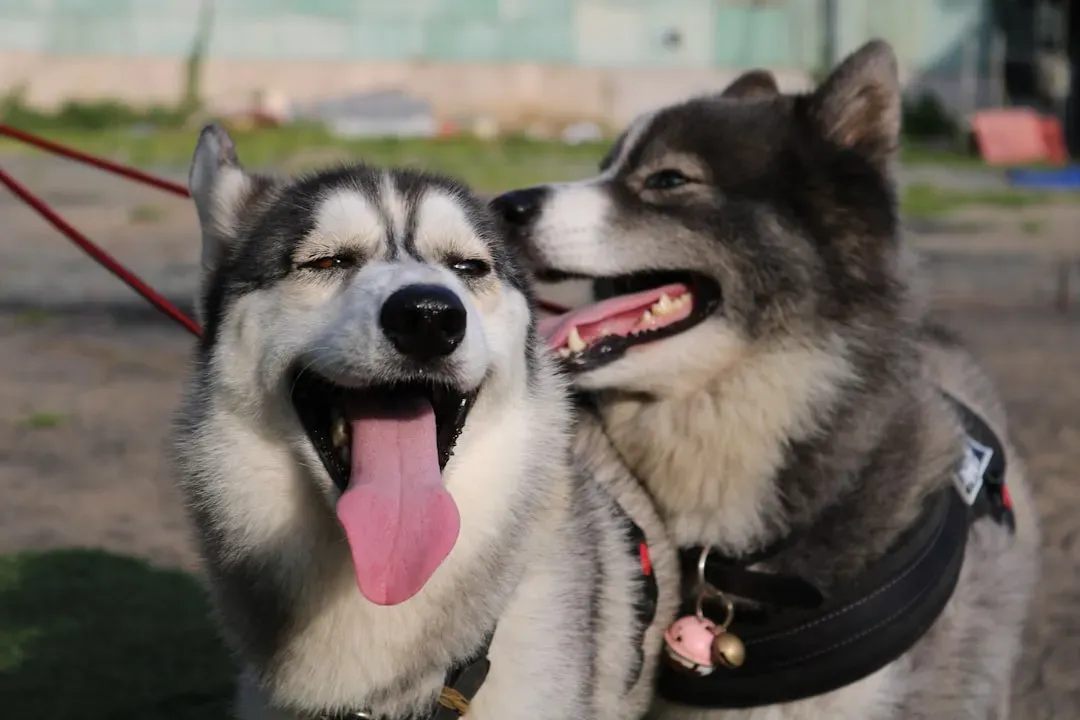
Your return home is probably the highlight of your dog’s entire day. When reunited with their owners, the dogs exhibited strong signs of affection, including tail wagging, jumping, and licking, behaviors commonly associated with joy and relief.
But it’s not just the reunion they miss. It’s the general sense of possibility that exists when you’re around. Maybe you’ll take them outside. Maybe you’ll give them a treat. Maybe something fun will happen. Your presence creates anticipation and excitement that makes life interesting.
A 2011 study found that dogs greeted their owners more intensely after they were gone for 2 hours than they did after being left alone for just 30 minutes. The intensity of their greeting actually reflects how much they’ve been missing that excitement and joy during your absence. Every minute without you is a minute without the potential for something wonderful to happen.
Conclusion
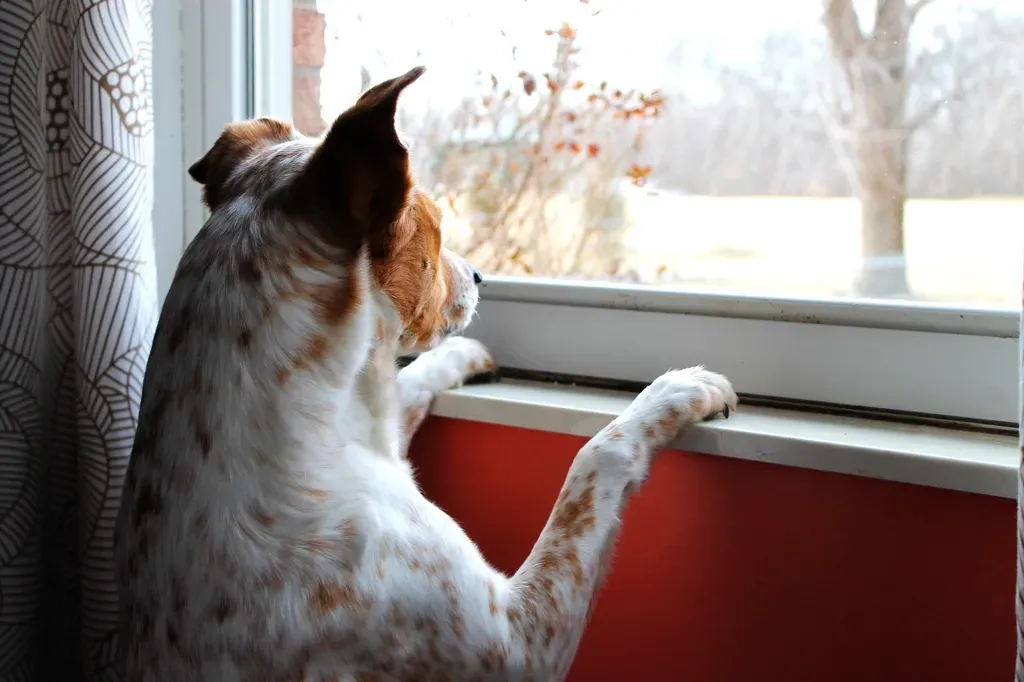
The studies indicate that dogs do indeed miss their humans during absences, suggesting that they form strong emotional attachments akin to human relationships. Understanding what your dog experiences when you’re away can help you create better strategies to ease their loneliness and anxiety.
Simple things make a difference. Leaving an article of your clothing out, establishing consistent routines, providing engaging toys, or even hiring a dog walker can help fill some of those gaps. Your dog’s world revolves around you in ways that are both humbling and beautiful.
So the next time you see those soulful eyes watching you grab your keys, remember that you’re not just leaving a pet behind. You’re stepping away from someone whose entire day is shaped by your presence, whose happiness is deeply intertwined with yours. What do you think about it? Do your dog’s behaviors when you return home tell a story of what they missed most?


