
7 Reasons Some Dogs Take Longer to Trust Humans

You’ve brought home a new dog, and your heart is brimming with excitement and love. You’re ready to shower them with affection and build that incredible bond you’ve dreamed about. Yet your new companion cowers in the corner, won’t make eye contact, or flinches when you reach out.
It can feel like rejection, but here’s the truth. That behavior has nothing to do with you. When dogs struggle to trust humans, it’s usually because of experiences, genetics, or developmental gaps that shaped them long before you entered the picture. Understanding why some dogs need more time can transform frustration into patience and help you become exactly the person your dog needs you to be.
Early Life Trauma Leaves Lasting Scars
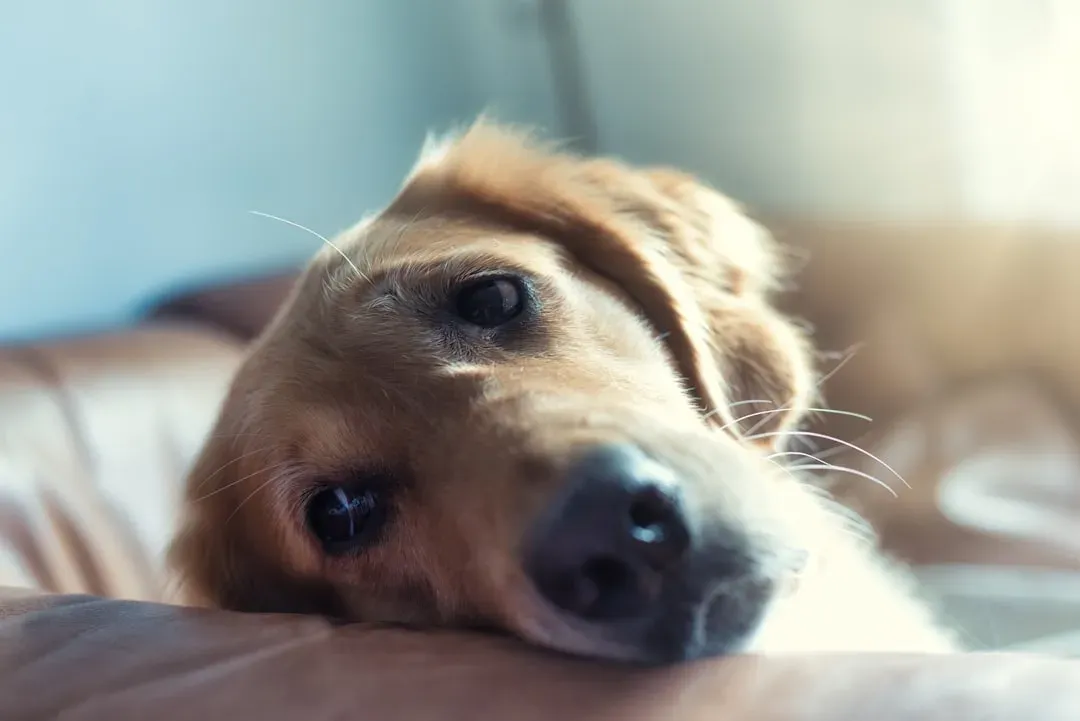
The wounds we can’t see are often the deepest ones. Dogs who experience adverse situations like abuse or relinquishment in their first six months of life show significantly higher levels of aggression and fearfulness as adults, even years after the trauma occurred. Think about what that means for a puppy born into neglect or cruelty.
Trauma can be passed down through stress experienced in the womb, then nurtured in environments where dogs never learned to trust people. A dog rescued from a hoarding situation or puppy mill didn’t just miss out on proper care. They learned that humans represent danger, unpredictability, or pain. When dogs behave defensively after trauma, they’re not disobeying – they’re truly terrified and focused on survival.
I’ve seen dogs who bury their food under bedding because they were starved. Others panic at the sound of a rolling pin hitting the floor. Traumatized animals often react to stimuli in exaggerated ways, and what looks like an overreaction to us feels life-threatening to them. Recovery isn’t about erasing the past but gently rewriting what the future can look like.
The beautiful thing is that recovery is possible. With time, patience, and dedication, these dogs can learn to feel safe. It just takes longer than we’d like.
The Critical Socialization Window Was Missed
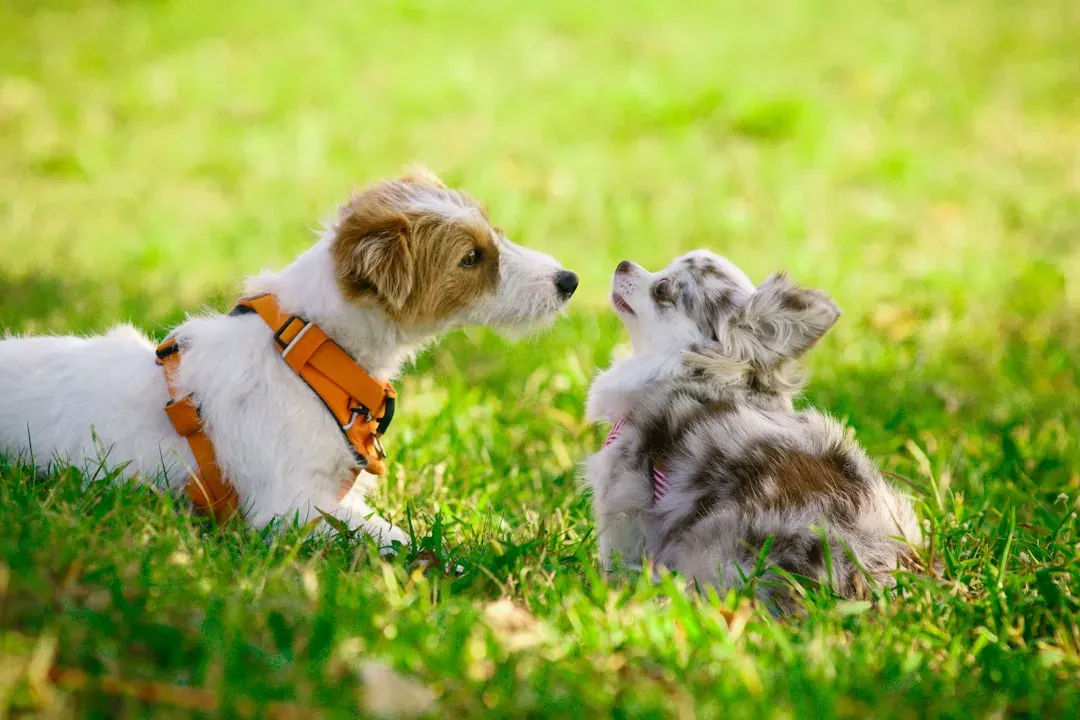
Here’s something that’ll surprise you. The critical social development period for dogs is approximately between 3 and 14 weeks, and missing that window can affect a dog for life. During this brief period, puppies are wired to be curious, fearless, and open to new experiences.
After about 14 weeks, dogs become naturally more cautious and suspicious of unfamiliar things. It’s an evolutionary survival mechanism. Puppies who don’t meet different people, hear various sounds, or experience diverse environments during this window often grow into adults who find the world terrifying.
Missed opportunities during the critical puppy socialization period put pups at risk of becoming shy, fearful, defensive adult dogs. A dog who spent those crucial weeks isolated in a kennel, confined to a single room, or separated from positive human contact simply didn’t get the memo that the world is safe. Their brain didn’t form those essential pathways.
The lack of stimulation, isolation, and poor socialization around new people and experiences creates many behavior problems typical of dogs from puppy mills. The good news? Adult dogs can certainly make great strides in overcoming a lack of early socialization, especially if they have a genetically sound, confident temperament. Progress just requires more intentional work.
Genetics Play a Bigger Role Than You Think

Not all fearfulness stems from bad experiences. Sometimes dogs are simply born more anxious. Genetics can make some dogs more predisposed to being fearful, regardless of how loving their environment is.
Some dogs may inherit traits that make them more prone to fearfulness, and certain breeds tend to experience more anxiety and fear than others. Think of it like people. Some humans are naturally more cautious or introverted, while others dive headfirst into new situations. Dogs are no different.
Research shows that a dog’s behavioral makeup is 35 percent genetic and 65 percent due to socialization, nutrition, health care, training, and management. That genetic component matters. A dog born with a nervous temperament might always be a little reserved, even with the best training and socialization.
The key is accepting your dog’s baseline personality. You’re not trying to turn a timid dog into a social butterfly. You’re helping them become the most confident version of themselves they can be.
Past Abuse Created Deep-Rooted Fear Responses
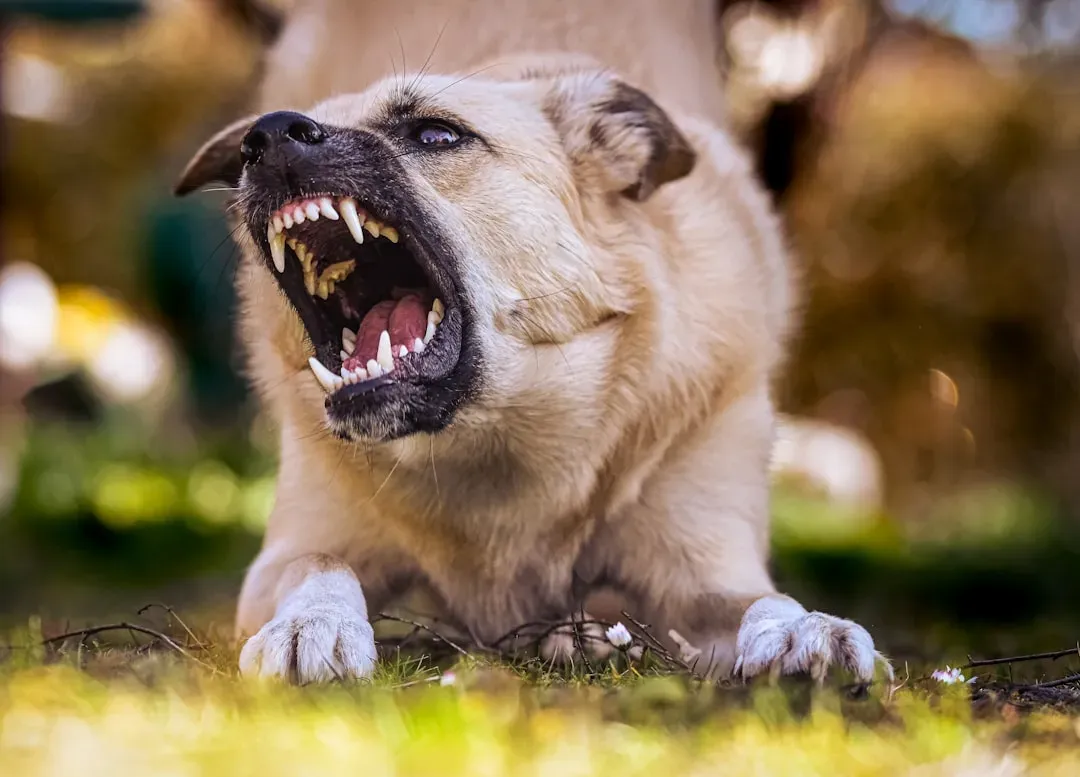
Let’s be real – some dogs have endured unspeakable cruelty. Dogs might have lived on the street fending for themselves, lived in abusive homes, or been disciplined harshly. Those experiences don’t just fade away because they’re now in a safe home.
Fearful behavioral issues stem from past trauma, and punishing or scolding these reactions undermines trust. When an abused dog growls, hides, or snaps, they’re using the only defense mechanisms they know. Dogs who are nervous and afraid may growl, lunge, bark, or nip – this behavior is instinctual and shows they’re uncomfortable, and it must be respected, not punished.
What breaks my heart is that some of these behaviors developed because aggression or avoidance once kept them alive. Maybe barking prevented another beating. Maybe hiding meant they got ignored instead of hurt. Rescue dogs’ behaviors stem from a lack of socialization and past trauma – they develop logical behaviors based on how their lives worked.
Building trust with an abused dog requires you to become predictable, gentle, and patient. Trust is not built overnight, especially after past traumas. Every calm interaction, every gentle voice, every patient moment adds another brick to the foundation of trust.
They Never Learned Humans Are Safe
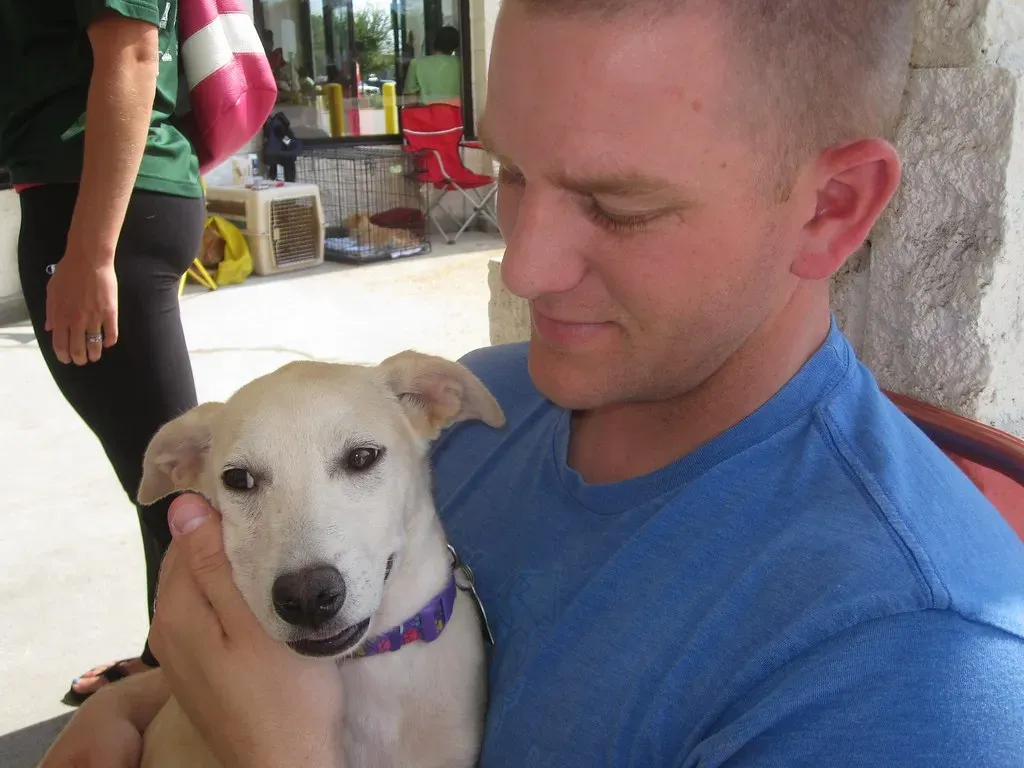
Imagine growing up never experiencing kindness from a person. Puppy mill dogs usually have limited or negative interactions with humans, so they simply don’t understand that people can be sources of comfort, food, play, and love.
If a dog has not been treated kindly by a human in the past, it’s normal for them to be shy and nervous, even afraid of family members – the answer is earning their trust by being consistent, patient, and showing kind canine leadership. These dogs didn’t learn that a human’s presence means safety. They learned the opposite.
Dogs like this might avoid eye contact because for a fearful dog, eye contact only serves as intimidation – they may think you’re about to fight them. Reaching toward them might trigger fear because hands once meant pain. Even kindness feels suspicious at first.
When dealing with a fearful dog, often ignoring them and giving them space and time to approach you is a better approach. Let them set the pace. Show them through your actions, not your words, that you’re different from whatever humans came before.
Life Changes Triggered Uncertainty and Stress

Moving to a new home is stressful for dogs, even when that home is wonderful. A dog in a brand new situation, like recent adoption, may take some time to trust and warm up to unfamiliar people, a different home, and a change in routine.
It will take a couple of weeks for a dog to decompress, and sometimes behavioral issues show up after that. The early honeymoon period might hide deeper fears. Around the three-week mark, most dogs’ personalities start to emerge – they may begin forming attachments and showing affection, or they might start showing signs of reactivity or fear.
Everything is different in a new home. The smells, the sounds, the routines, the people. A dog who seemed fine initially might suddenly display anxiety because they’re finally comfortable enough to show their true feelings. Moving to new homes and environments and constantly transitioning into different family dynamics is a lot of trauma for a dog to go through in a short amount of time.
Some dogs may take only a few weeks to settle in and learn to trust their family, while others may take up to a year to truly feel safe. Your job is to be the steady, reliable presence they’ve been missing.
Health Issues Are Hiding Beneath the Fear
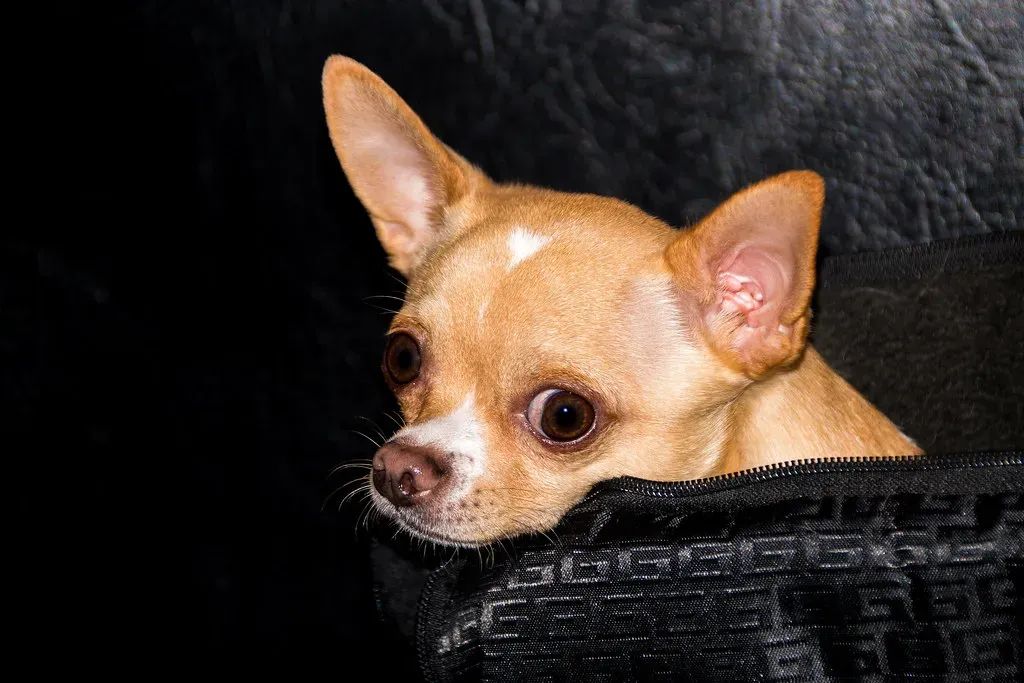
Sometimes what looks like fear is actually pain. Undiagnosed medical conditions or injuries can contribute to fearfulness. A dog who flinches when you touch their head might have an ear infection. One who snaps when approached could be dealing with chronic pain.
I think we often underestimate how much physical discomfort shapes behavior. Dogs can’t tell us when something hurts, so they communicate through their actions. A dog who’s been suffering silently learns to be defensive because touch has become associated with pain.
This is why a veterinary checkup is so crucial when adopting a fearful dog. Rule out medical causes before assuming everything is behavioral. Addressing pain or illness can dramatically improve a dog’s willingness to trust.
Once physical issues are resolved, you might discover that your anxious dog is actually much more open to connection than you thought. Sometimes healing the body is the first step in healing the spirit.
Conclusion
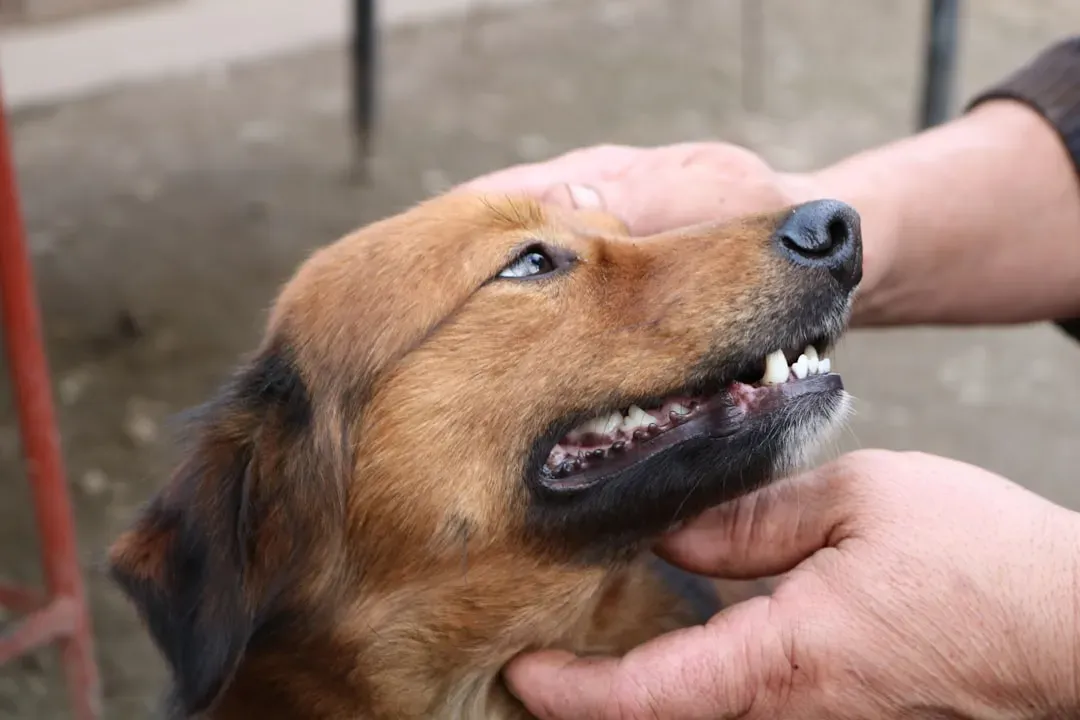
Trust isn’t given – it’s earned, especially with dogs who’ve learned that the world isn’t always kind. Whether your dog is carrying the weight of past trauma, missed critical developmental windows, genetic predispositions, or simply the stress of life changes, understanding the why behind their fear is your greatest tool.
The journey from fearful to confident isn’t quick, and honestly, it’s not always linear. There will be setbacks and breakthroughs, frustrating days and beautiful moments when your dog chooses to lean into your touch instead of pulling away. Despite showing high levels of fear initially, structured behavior modification proves highly effective – at specialized rehabilitation centers, 86% of dogs treated graduated, and 99% of those graduates were adopted. That’s hope backed by science.
Remember that every small victory matters. The first time your dog takes a treat from your hand. The moment they choose to sit near you instead of hiding. These aren’t just behaviors – they’re declarations of growing trust. Your patience, consistency, and gentle approach are rewriting their story, one interaction at a time. So what do you think? Have you experienced the incredible transformation of a once-fearful dog learning to trust again? The journey is challenging, but few things in life are more rewarding than watching a frightened soul discover that love is real.