
You’ve seen it before. Your dog suddenly freezes at the sight of a rolled-up newspaper, even though you’ve never used one for discipline. Or maybe they light up with pure joy the moment they hear your car pulling into the driveway, even before you walk through the door. These aren’t random quirks. They’re windows into something far more profound: your dog’s emotional memory.
For years, people dismissed the idea that dogs could truly remember specific moments from their past. We assumed they lived purely in the present, responding only to immediate cues and conditioning. But recent research has turned that belief on its head, revealing that our canine companions possess a type of memory once thought to be uniquely human. They don’t just react to the world around them – they recall it, feel it, and carry those experiences with them for months, even years.
Let’s explore the emotional moments that leave lasting imprints on your dog’s heart and mind.
The Day You Brought Them Home

Think back to the moment you first met your dog. Maybe you picked them up from a shelter, a breeder, or found them wandering lost and alone. The emotional bond between a dog and their human significantly enhances memory retention, with dogs able to remember owners for years, sometimes after five or more years of separation.
That first day holds extraordinary significance for your pup. The smells of your home, the sound of your voice offering comfort, the texture of their new bed – all of these sensory experiences get woven together into a powerful memory. Dogs who’ve been rehomed multiple times often show behaviors that suggest they remember those transitions. They might become anxious when they see suitcases or react strongly to being left alone, even temporarily.
Traumatic Experiences They Can’t Forget

When a dog goes through a traumatic event, like abuse or neglect, the memory of the event gets tied to the negative feelings the dog had at that time and can have a big effect on how he behaves in the future. This isn’t just about remembering what happened – it’s about the emotional weight that memory carries.
A dog that experiences a past traumatic event will rapidly form a strong and lasting negative association between the scary event and the real sense of danger or fear they felt at the time, which can have a profound impact on their behavior for life, leading to a fearful, anxious, or even aggressive response every time they are exposed to a similar situation.
The rescue dog who cowers at the sight of a broom wasn’t born that way. The senior dog who panics during thunderstorms learned that association somewhere along the way. These memories persist because they’re rooted in survival, and your dog’s brain prioritizes keeping them safe above all else.
The Time You Went on Vacation Without Them

You came back to wild tail wags and maybe even a few accidents from sheer excitement. But have you wondered if your dog actually remembered your absence? The answer is yes, though perhaps not quite the way you imagine.
Dogs have an associative memory, meaning they remember people, places, and experiences based on the association they make with them – a dog will remember that every time you grab the leash and put on your sneakers, they are going to go outside for a walk, but they don’t necessarily remember previous walks. When you leave for an extended period, your dog notices the disruption to their routine and the absence of your familiar presence.
Some dogs develop separation anxiety after their owner returns from a long trip. This suggests they’ve connected your departure with feelings of abandonment or stress. The memory isn’t a detailed timeline of your vacation, but rather an emotional imprint that teaches them: sometimes my person leaves, and I don’t know if they’ll come back.
Medical Procedures and Vet Visits

Ever notice how your dog starts trembling the moment you pull into the veterinary clinic parking lot? They haven’t forgotten those previous visits, not by a long shot. Like humans, traumatized cats and dogs can develop fear and anxiety disorders.
Dogs form powerful associations between places and experiences, especially when those experiences involve pain, fear, or discomfort. The smell of disinfectant, the sound of other dogs whimpering, the sensation of cold metal examination tables – these sensory details get stored together in their memory bank.
Smart owners and veterinarians are catching on to this. They’re now using counterconditioning techniques to help dogs build positive associations with vet visits. It works, but it takes consistency and patience. The memory of that one painful injection from two years ago? Your dog still carries that.
Times You Rescued Them from Danger
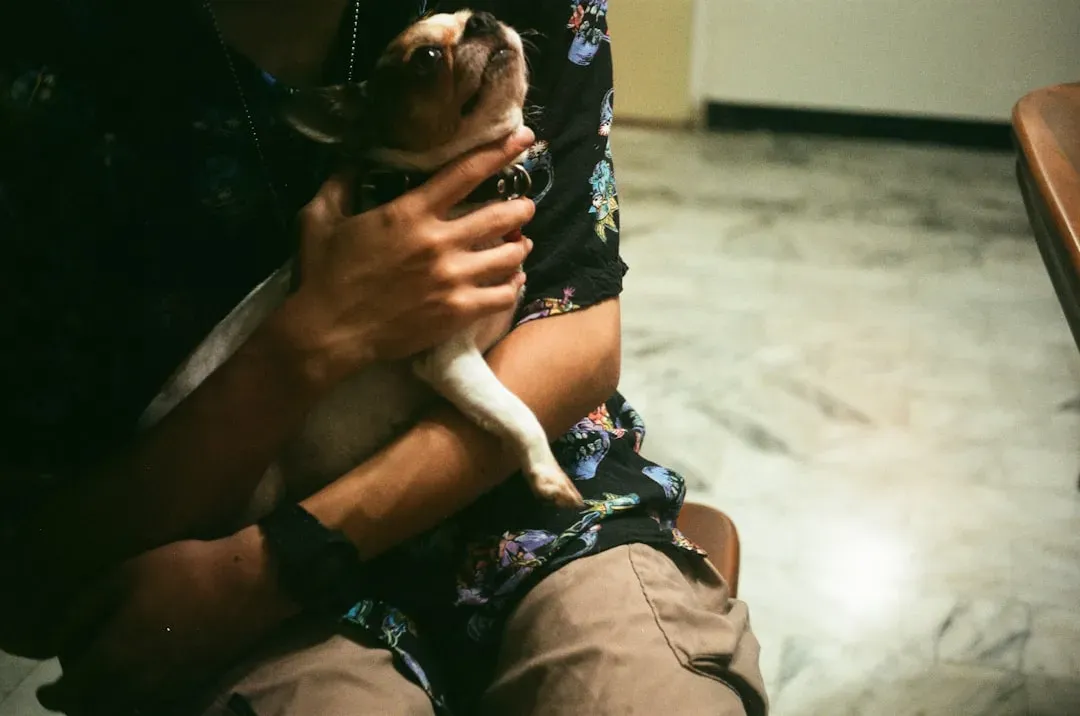
Dogs remember the moments when you became their hero. Maybe you pulled them back from an aggressive dog at the park, or you found them when they got lost during a hike. These moments of rescue create powerful bonds.
Dogs, like humans, may be able to consciously recall personal experiences and events, and a new study suggests that dogs have this type of memory, indicating that the talent may be more common in other animals than previously recognized. When you save your dog from a frightening situation, their brain doesn’t just register relief – it registers you as their source of safety.
This is why dogs often become intensely loyal to their rescuers. It’s not just gratitude in an abstract sense. It’s a deep-seated memory that says: this person protected me when I needed it most. That memory shapes how they interact with you for the rest of their lives.
The Loss of a Companion

Whether it was another dog, a cat, or even a human family member, dogs notice when someone they loved disappears from their life. The grieving process in dogs is real and documented. They search for their missing companion, show changes in appetite, and often become withdrawn or clingy.
Cats and dogs were reported to remember a variety of events, with only twenty percent of owners reporting that their pet had never remembered an event, and the reported events were often temporally specific and were remembered when commonalities occurred between the current environment and the remembered event.
Your dog might avoid the spot where their buddy used to sleep or perk up at sounds that remind them of their lost companion. These aren’t just behavioral quirks – they’re expressions of memory intertwined with emotion. Dogs may not understand death the way we do, but they absolutely remember the presence and absence of those they loved.
Moments of Intense Joy and Play
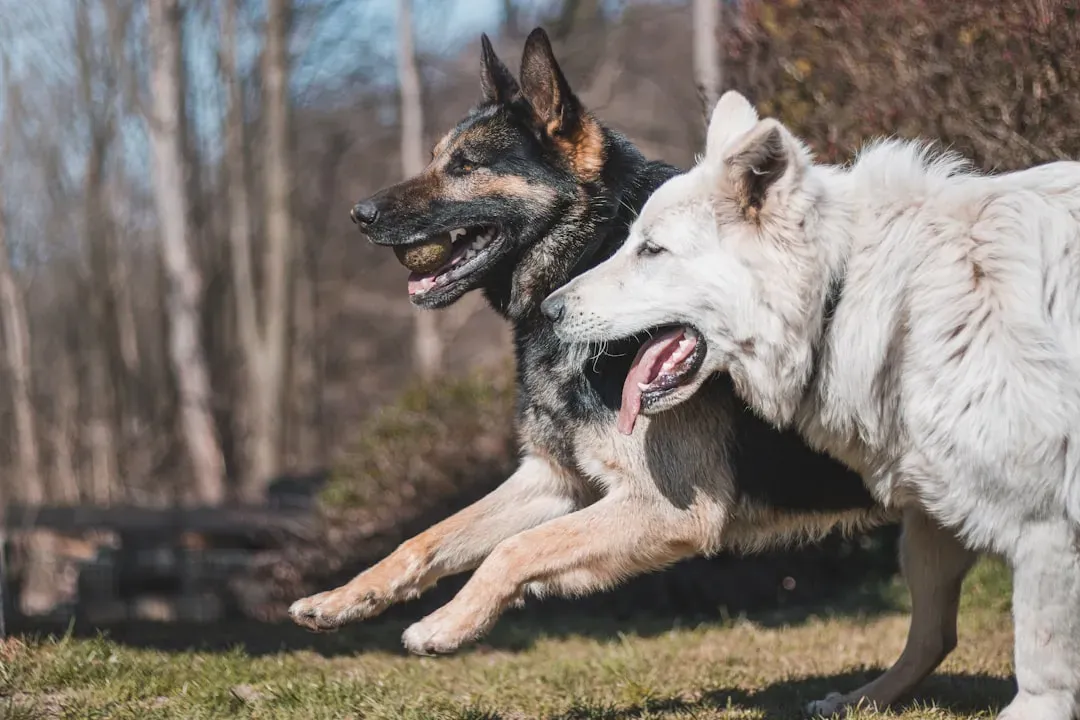
Not all powerful memories are rooted in fear or sadness. Dogs also remember the best days of their lives. That epic day at the beach where they ran free for hours? They remember. The time your whole family played an impromptu game of chase in the backyard? That’s stored away too.
In dogs, as in humans, both emotional and learning pretreatment affect subsequent behaviour and sleep. Positive experiences, especially those with high emotional intensity, create lasting memories. This is why your dog might get excited when you pull out a specific toy you haven’t used in months, or why they race to the car when they realize you’re heading to that one special park.
Scientists have found that dogs encode memories more strongly when emotions are involved. The more fun they had, the more likely they are to remember it. This is your dog’s brain saying: more of that, please.
Being Punished or Scolded Harshly
Here’s where things get uncomfortable, but it’s crucial to understand. Veterinary specialists in animal behavior have pointed out that the behavior of humans makes lasting impressions on animals, and the way an owner responds to a dog who is anxious can actually serve to heighten the animals’ anxiety and stress, reinforcing the maladaptive behavior.
When you lose your temper and yell at your dog, or worse, use physical punishment, you’re not teaching them a lesson – you’re creating a memory they’ll carry. Dogs don’t understand punishment the way humans think they do. What they understand is fear, confusion, and the breaking of trust.
The type of trauma experienced isn’t as critical as what the pet learns from the experience. A dog who was harshly punished for a house-training accident may become anxious and submissive around you, even when they haven’t done anything wrong. They remember how you made them feel, and that memory colors every interaction moving forward.
The Return of a Beloved Person
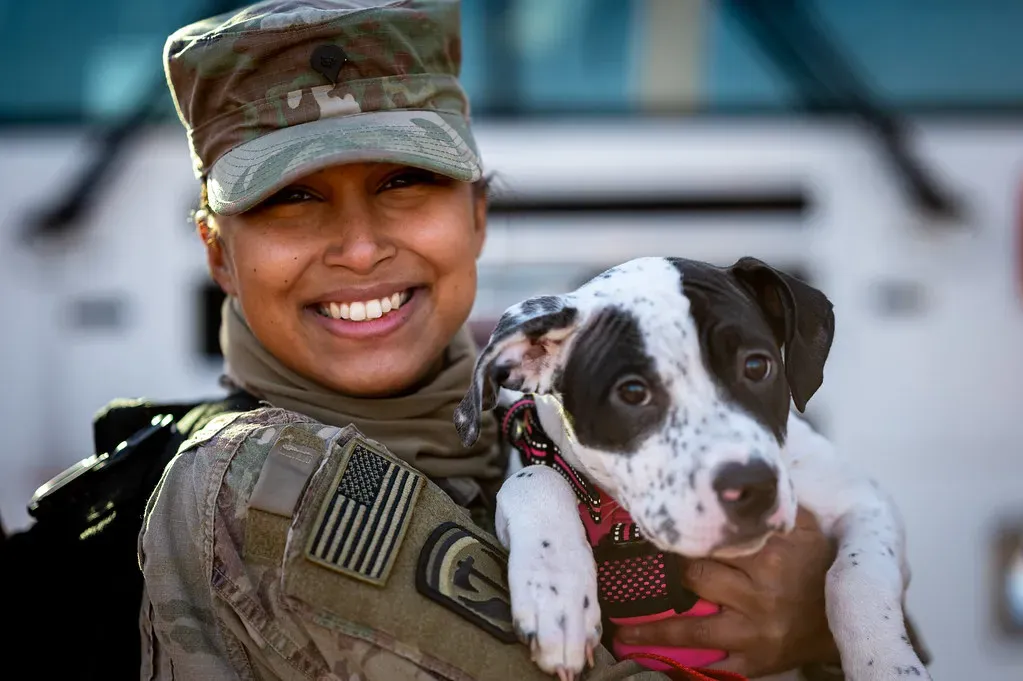
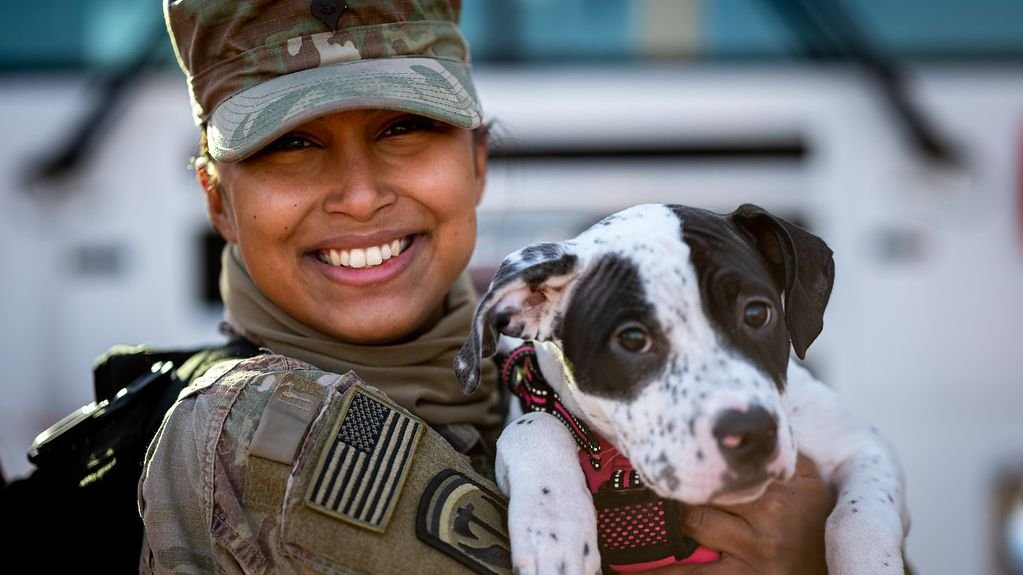
Military families know this phenomenon well. After months or even years apart, dogs recognize and remember their person with explosive joy. Videos of these reunions flood social media for good reason – they’re profoundly moving.
According to experts, dogs are capable of recognizing and remembering their owners for years, even after prolonged periods of separation. Your scent, your voice, your gait – these elements combine to create a unique signature in your dog’s memory. When you return after a long absence, they’re not just happy to see a familiar human. They’re remembering all the experiences you shared, the bond you built, and the security you provided.
Dogs rely on associative memory to remember people and other pets, with familiar scents playing a significant role in helping dogs recognize someone after a long absence, whether it’s their owners, siblings, or other animals. That’s why your dog might immediately fall back into old patterns of play or affection – the memories were always there, waiting to be activated.
Being Taught Something New That Clicked
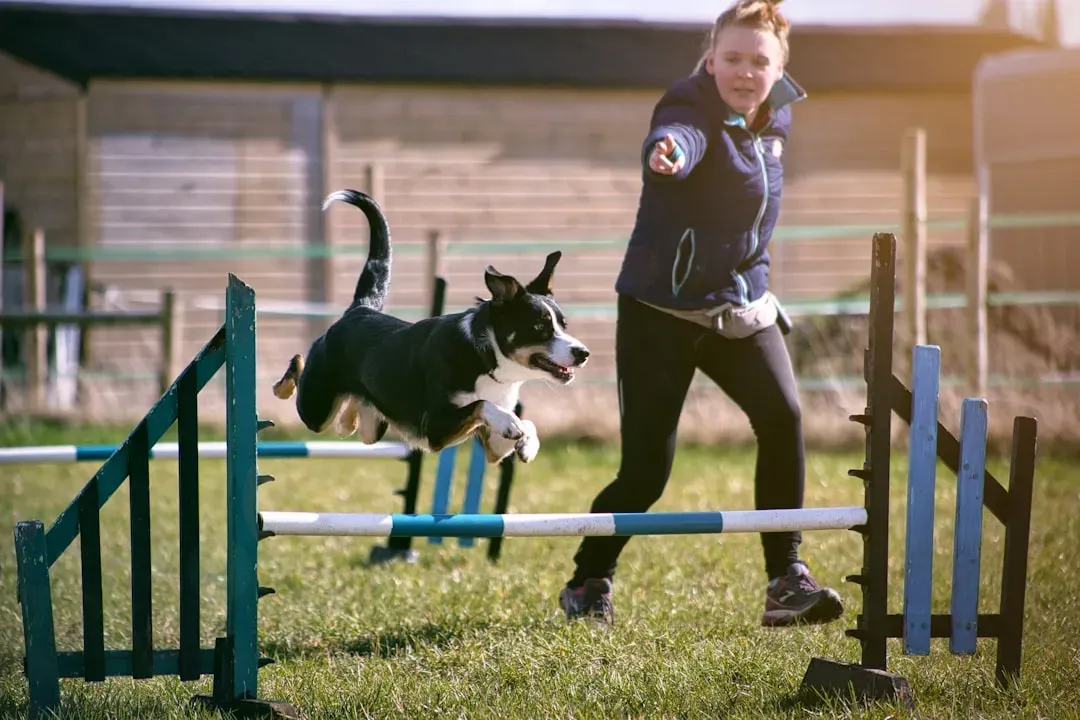
Remember when your dog finally mastered that difficult trick you’d been working on? The moment of understanding, followed by your enthusiastic praise, creates a powerful memory. Dogs don’t just remember the behavior – they remember the entire emotional context surrounding it.
Certain actions that a dog does not practice regularly can still be retained and then repeated over ten years later, and when it comes to long-term memory in dogs, their ability to recall events is impressive. This explains why dogs can remember commands or tricks even after months of not practicing them.
The emotional component is key. When learning is paired with positive reinforcement, treats, and genuine excitement from their human, dogs form strong, positive memories. This is why training built on rewards and encouragement is so effective – it creates memories your dog wants to repeat.
Conclusion

Understanding that dogs remember emotional experiences fundamentally changes how we should interact with them. Every moment matters. Every harsh word leaves a mark, just as every act of kindness builds trust. Your dog isn’t just living moment to moment – they’re carrying their past with them, and those memories shape who they are.
Dogs repeated their own actions after delays ranging from a few seconds to one hour, with their performance showing a decay typical of episodic memory, and the combined evidence of representing own actions and using episodic-like memory to recall them suggests a far more complex representation of self than previously attributed to dogs.
The science is clear: dogs are more emotionally sophisticated than we once believed. They remember the scared kitten you both rescued on a rainy night. They remember the Christmas morning when everyone was home and happy. They remember the day at the emergency vet when they were in pain and you stayed by their side.
So the next time your dog seems to overreact to something you consider minor, pause and wonder: what are they remembering? What emotional experience from their past is coloring this present moment? When you approach your relationship with this kind of empathy and awareness, everything changes. You stop seeing behaviors as problems to fix and start seeing them as communications from a complex emotional being who’s trying their best to navigate a world they remember all too well.
What moments do you think your dog remembers most vividly? Pay attention to their reactions, their joys, their fears – they’re all telling you a story about what they’ve held onto in that remarkable canine mind.


