
You’ve probably heard someone say they’d never get a Great Dane because of how heartbreakingly short their lives are. Or maybe you’ve noticed that your friend’s tiny Chihuahua is pushing eighteen while barely showing signs of slowing down. It’s a question that haunts every dog lover eventually, the kind that makes you pause when choosing your next companion. Why do some breeds live nearly twice as long as others?
The truth is more complicated than most people realize, and honestly, it’s a bit heartbreaking when you dig into the science. The factors determining how long your dog will be by your side involve everything from their size and skull shape to centuries of selective breeding practices. Let’s dive into what actually affects canine lifespan and why that lovable bulldog puppy might face more challenges than your neighbor’s mixed breed rescue.
The Size Paradox That Defies Nature

In the animal kingdom, larger beasts tend to live longer than smaller ones – elephants outlive cats, and cats outlive goldfish. Yet dogs completely flip this rule upside down.
There is a direct, or linear, relationship between size and lifespan in dogs, so the larger a breed is, the shorter the average longevity, and these differences can be very large. Some of the biggest breeds like English Mastiffs and Great Danes live only an average of seven to eight years, while the smallest breeds such as Chihuahuas and Yorkshire Terriers have an average lifespan longer than twelve years and commonly live well into their teens. That’s nearly double the lifespan.
This reversal puzzles scientists. Size exerted a larger effect on mean lifespan than genetic diversity, with the statistical model predicting a difference in mean lifespan of about four and a half years over the range of sizes. Think about what that means for families choosing a dog – your choice of breed size fundamentally determines how many years you’ll share together.
Why Large Dogs Age in Fast Forward
The driving force behind the trade-off between size and lifespan is apparently a strong positive relationship between size and aging rate, meaning large dogs die young mainly because they age quickly. It’s like watching life unfold at double speed.
The rapid growth that large breed puppies experience takes a serious toll. From birth to its first birthday, a Great Dane can grow one hundred-fold in weight, while in that same amount of time a small poodle would only increase twenty-fold, and humans would only grow a mere threefold. That explosive growth isn’t free.
As cells divide, protective bits of DNA called telomeres on the end of chromosomes get shorter, and the body produces more oxidative molecules that can damage DNA, meaning big dogs accumulate damage in their cells for each division. The rapid cell division required for such dramatic growth essentially wears out their bodies faster. It’s brutal but true.
Cancer Risk Climbs With Every Pound
The data shows that the bigger the dog, the more likely it is to suffer from cancer. This isn’t just correlation – there’s solid science behind it.
Most cancers result from mutations that occur during cell division, and since larger dogs have more cell divisions and each division has a certain probability of a harmful mutation, then the likelihood that a large dog will end up with a cancerous mutation is going to be higher. In fact a sixty-five-pound dog was fifty percent more likely to die of cancer than a seven-pound dog.
Larger dogs were more susceptible to cancer through selective breeding for size, and when scientists analyzed data sets, they discovered that larger dogs were more likely to die from cancer at a younger age when compared with smaller dogs. It’s one of those evolutionary lags where cancer defenses simply haven’t caught up to the rapid selective breeding of bigger and bigger dogs.
The Genetic Diversity Problem in Purebreds

Here’s something that might surprise you. Once bias is largely corrected for, not only size, but also genetic diversity emerges as an important factor in shaping lifespan across dog breeds.
Mixed breeds live longer than purebred dogs, and genetics play a huge role in life expectancy – purebred dogs are more at risk for specific hereditary diseases because they are bred by other dogs with similar genes, while mixed-breed dogs have a reduced risk of these diseases. Mixed breeds have been reported to live about one point two years longer than size-matched purebred dogs.
The inbreeding common in purebred lines concentrates harmful recessive genes. Ten inherited conditions have greater prevalence within the purebred dog population compared to mixed-breed dogs, including aortic stenosis, atopy, gastric dilatation volvulus, early onset cataracts, dilated cardiomyopathy, elbow dysplasia, epilepsy, hypothyroidism, intervertebral disk disease, and hepatic portosystemic shunt. That’s a sobering list.
Brachycephalic Breeds Face Unique Challenges

Those adorable flat-faced breeds like Pugs, French Bulldogs, and English Bulldogs face particularly harsh health consequences. Flat-faced dog breeds have the shortest life expectancy, and vets have found brachycephalic dogs don’t live as long due to the increased risk of breathing problems, skin fold infections and spinal disease they face.
The numbers are startling. Studies found French Bulldogs live just four point five three years, while English Bulldogs and Pugs live only seven point three nine years and seven point six five years, respectively. The lifespan of dogs with extreme brachycephalic conformation is shorter at eight point six years than all other breeds of dogs at twelve point seven years.
Objective measurements have determined that fifty percent of pugs and French bulldogs and forty-five percent of bulldogs have clinically significant signs of brachycephalic obstructive airway syndrome, and upper respiratory disorders were the cause of death for seventeen percent of dogs with extreme brachycephalic conformation compared to zero percent for all other breeds. Living with a shortened skull is like breathing through a straw for your entire life.
The Popular Sire Syndrome Disaster

There’s a damaging practice in purebred circles that makes genetic problems even worse. When a male dog wins numerous championships, he is often bred widely in a practice known as popular sire syndrome, and his genes, healthy or not, are then spread like wildfire throughout the breed.
The culture within pure breeder circles is to aim for certain traits that are successful in the show ring, and at any time there is usually a single popular sire that confers these traits best, so you will often find that most or all puppies being produced are related to the same individual, and this culture is the greatest single threat to genetic diversity across dog populations.
The consequences ripple through generations. When that popular sire happens to carry a genetic defect, it becomes incredibly difficult to breed it out. Think about how that concentrates problems within an already limited gene pool.
How Body Structure Affects Longevity

Beyond just size, specific physical traits bred into dogs create health burdens that shorten lives. Purebred dogs not only have increased incidences of inherited diseases but also heightened health issues due to their bodily frames and shapes, such as hip dysplasia in large breeds like the German shepherd and the Saint Bernard.
Large and small breeds tend to experience somewhat different age-related health problems – large breeds are more likely to suffer from musculoskeletal disorders like arthritis, and cancer also tends to be a more common cause of death in larger breeds. Meanwhile, the structural issues in brachycephalic breeds affect multiple body systems simultaneously.
Brachycephalic breeds are strongly predisposed to a range of disorders intrinsically related to their typical conformations, including respiratory disease, eye disease, dystocia, spinal disease, heat stroke and pneumonia. Every aspect of their conformation creates cascading health problems.
The Disposable Soma Theory Explains the Trade-off

There’s an evolutionary concept that helps explain what’s happening. The shorter lifespans were consistent with a theory of ageing known as life history optimisation or disposable soma, which is based on the idea that if you invest most of your resources and energy into growth and reproduction, you can’t also invest them in cell repair and cancer defences, with the focus on reproducing early even if it comes at the expense of maintaining and repairing the body.
Bigger dogs tend to die younger because they invest their resources into rapid growth and larger litters, leaving few reserves to fend off negative mutations like cancer. Larger breeds of dogs tend to have more offspring – the tiny Yorkshire Terrier has litters with a median number of three puppies, while the giant English mastiff typically has litters with a median size of nine puppies.
Energy budgets are finite. Large dogs literally burn through their biological resources faster.
Environmental and Care Factors That Matter
It’s not all predetermined by genetics. Annual dental cleanings conducted by a veterinarian reduced risk of death by almost twenty percent, and there could be a direct association between good dental health and good general health, or it might be that dog owners who take good care of their dog’s teeth would also be more likely to provide preventive and veterinary care.
Weight management profoundly impacts lifespan too. New research revealed overweight and obese dogs are more likely to have shorter lives than those at ideal body weight. One study focused on twelve specific breeds found the effect on lifespan of extra weight on the smallest dogs like Yorkshire Terriers was even greater, with overweight dogs living thirteen point seven years compared to normal weight dogs at sixteen point two years.
Think about that – proper weight management alone could add years to your dog’s life. That’s something within your control as an owner.
What This Means for Choosing a Dog
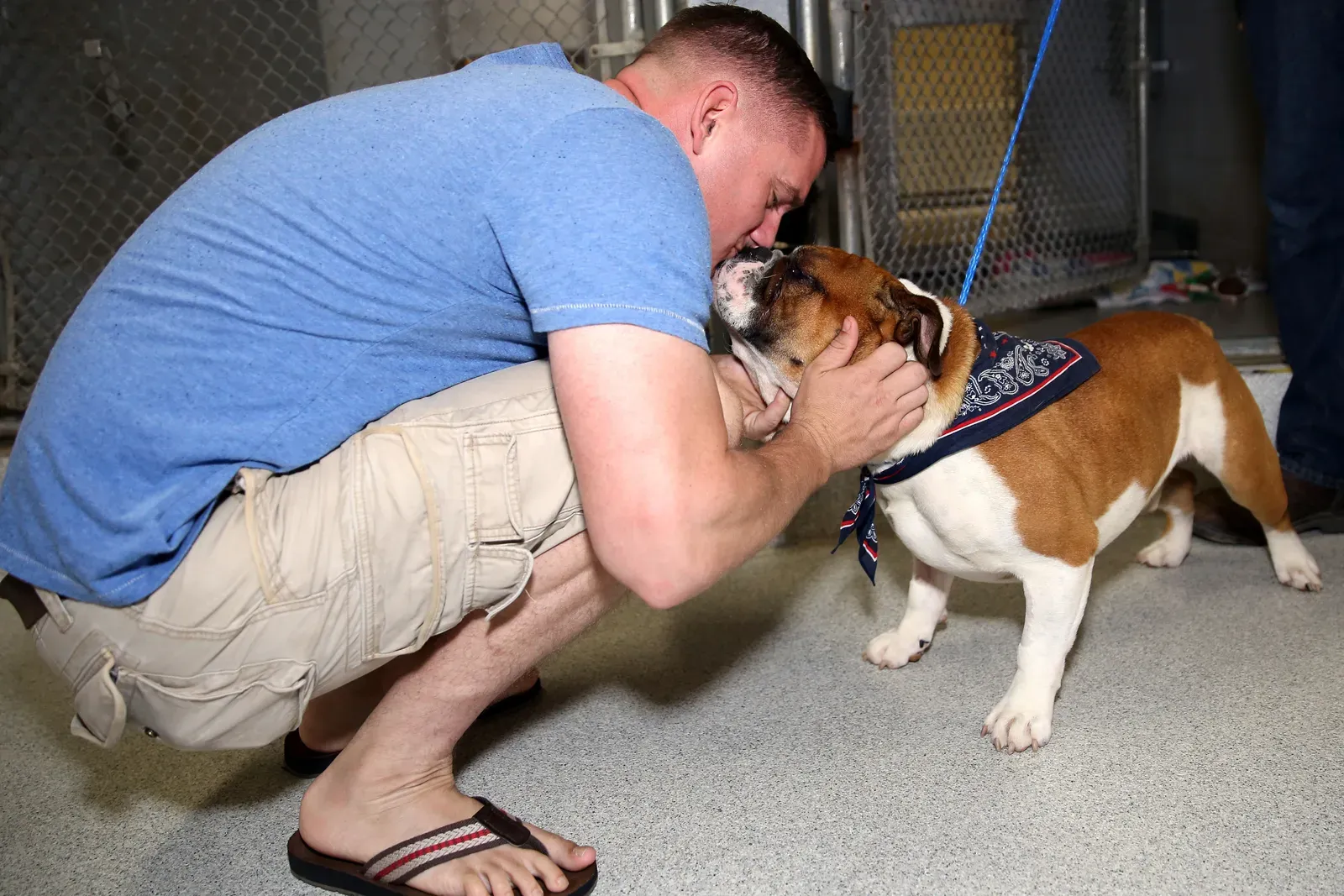
These realities should inform how we choose our canine companions. When selecting a breed, it’s extremely important to research carefully and select a responsible breeder who is invested in their dogs’ health, with responsible breeders testing for common diseases in their breeding dogs through both health screening and genetic tests.
While mixed-breed dogs may live longer than some breeds, many designer breeds like Goldendoodles and Labradoodles initially created to be healthier are now bred to the point of having their own specific issues, so these breeders should be held to the same standards, though mixed-breed dogs from shelters often have a variable enough pedigree that they are not subject to the same risks.
The choice isn’t just about finding a cute puppy. It’s about understanding what health challenges you might face and whether you’re prepared financially and emotionally for them. That’s being a responsible owner.
Conclusion: Living With the Reality

The variation in dog lifespans isn’t random or fair. The strong negative effect of body size on breed-specific mean lifespan is consistent with earlier studies, and the science is increasingly clear about the mechanisms behind it.
Large breeds age faster, accumulate cellular damage more quickly, and face elevated cancer risks. Brachycephalic breeds struggle with structural health issues that pervade every aspect of their lives. Purebred dogs carry concentrated genetic problems from centuries of selective breeding.
Yet millions of people love these breeds for good reasons – their unique personalities, their devotion, their specific traits. The question isn’t whether to love them, but how to breed them more responsibly and care for them better. Maybe someday breeding programs will prioritize health as much as appearance. Until then, understanding why these disparities exist helps us make informed choices and provide the best possible care for whatever time we have with our dogs. What would you choose if you knew a breed’s average lifespan going in? It’s worth thinking about before your heart gets attached to those puppy eyes.


