
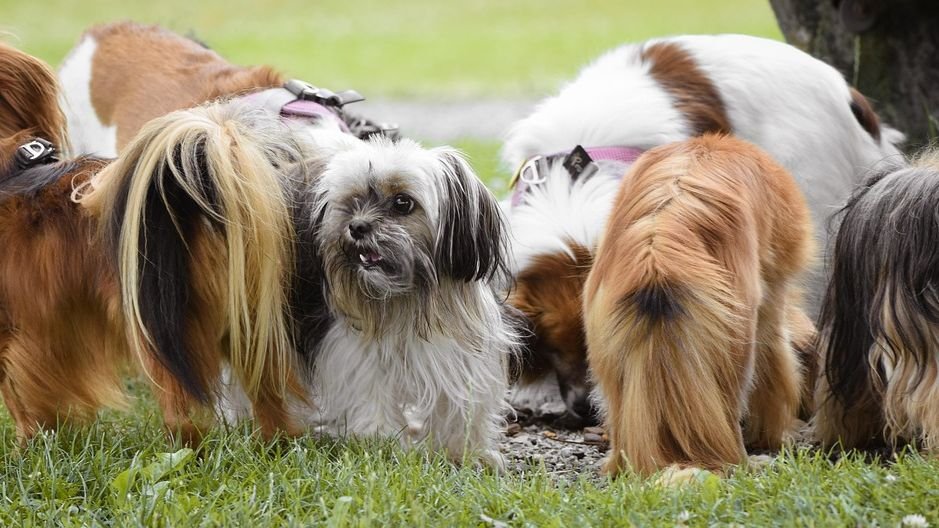
Every dog owner wants their furry companion to be confident, friendly, and well adjusted. We go to puppy classes, arrange playdates, and venture out to parks, thinking we’re doing all the right things. I’ve seen it time and again, though. Even experienced dog owners, the ones who’ve raised multiple dogs successfully, sometimes fall into subtle traps during socialization. These aren’t malicious mistakes or signs of neglect. They’re simply misunderstandings about what socialization truly means and how dogs actually process new experiences.
Here’s the thing. The commonly accepted time frame for primary socialisation is from 3 to approximately 12 weeks of age, which means the window is incredibly narrow. What happens during those early weeks shapes your dog’s entire outlook on life. Even beyond that critical period, though, the choices we make during interactions can build confidence or quietly erode it. Let’s dive into the most common mistakes that even seasoned dog lovers make, so you can help your pup become the best version of themselves.
Waiting Too Long to Start Because of Vaccination Fears
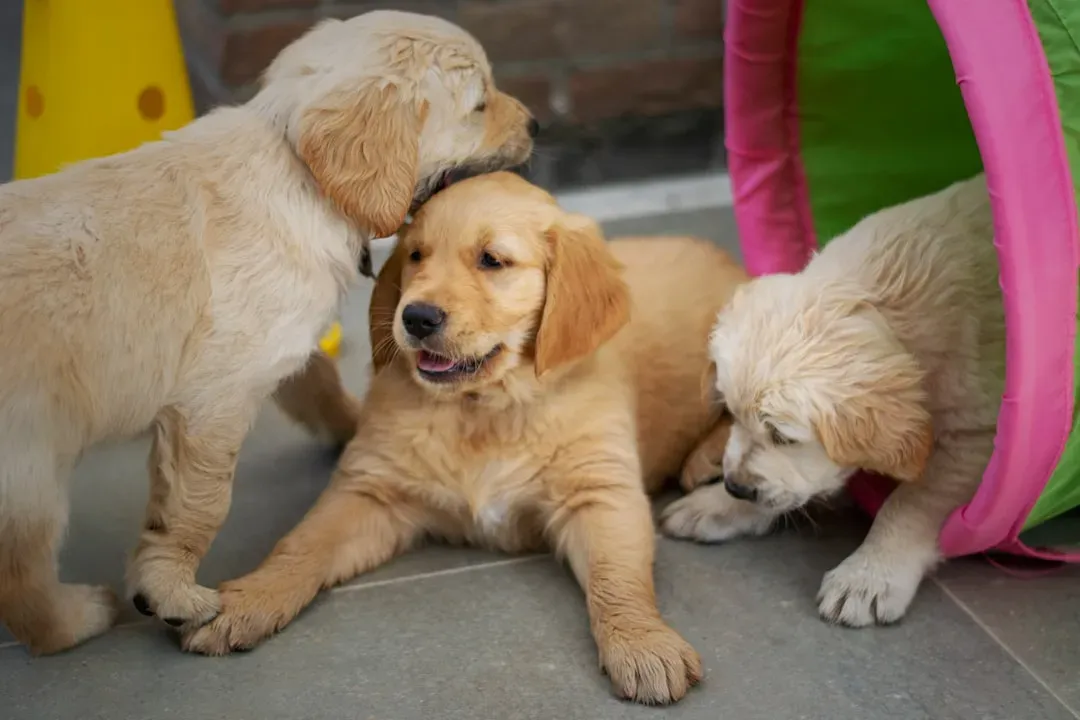
This one catches so many well meaning owners. Your vet might mention parvo or distemper, and suddenly you’re convinced your puppy should stay inside until every single vaccination is complete. I get it. Disease is scary.
According to the American Veterinary Society of Animal Behavior, improper socialization can lead to behavior problems later in life. The organization’s position statement on socialization reads: “Behavioral issues, not infectious diseases, are the number one cause of death for dogs under 3 years of age.” Think about that for a moment. Missing that crucial window carries far greater risk than careful exposure to the world. You can absolutely socialize safely by choosing clean environments, inviting vaccinated dogs over for controlled visits, and carrying your puppy to observe the world from a safe distance.
Flooding Your Puppy With Too Much, Too Soon
Picture this: you bring your eight week old puppy to a crowded dog park on a Saturday afternoon. Dozens of dogs are running, barking, jumping. You think you’re helping them get used to other dogs, right?
Wrong. Large chaotic events (noisy fairs, crowded dog parks) where puppy is forced into proximity with scary stimuli, cannot escape, and learns the world is threatening. This is called flooding, and it’s one of the fastest ways to create fear and anxiety. Your puppy’s brain can’t process that much stimulation at once. Instead of learning that the world is exciting and fun, they learn it’s overwhelming and scary. Start small. Think quiet neighborhood walks, calm one on one introductions, and short successful experiences that build confidence gradually.
Assuming All Dog Interactions Are Good Dog Interactions
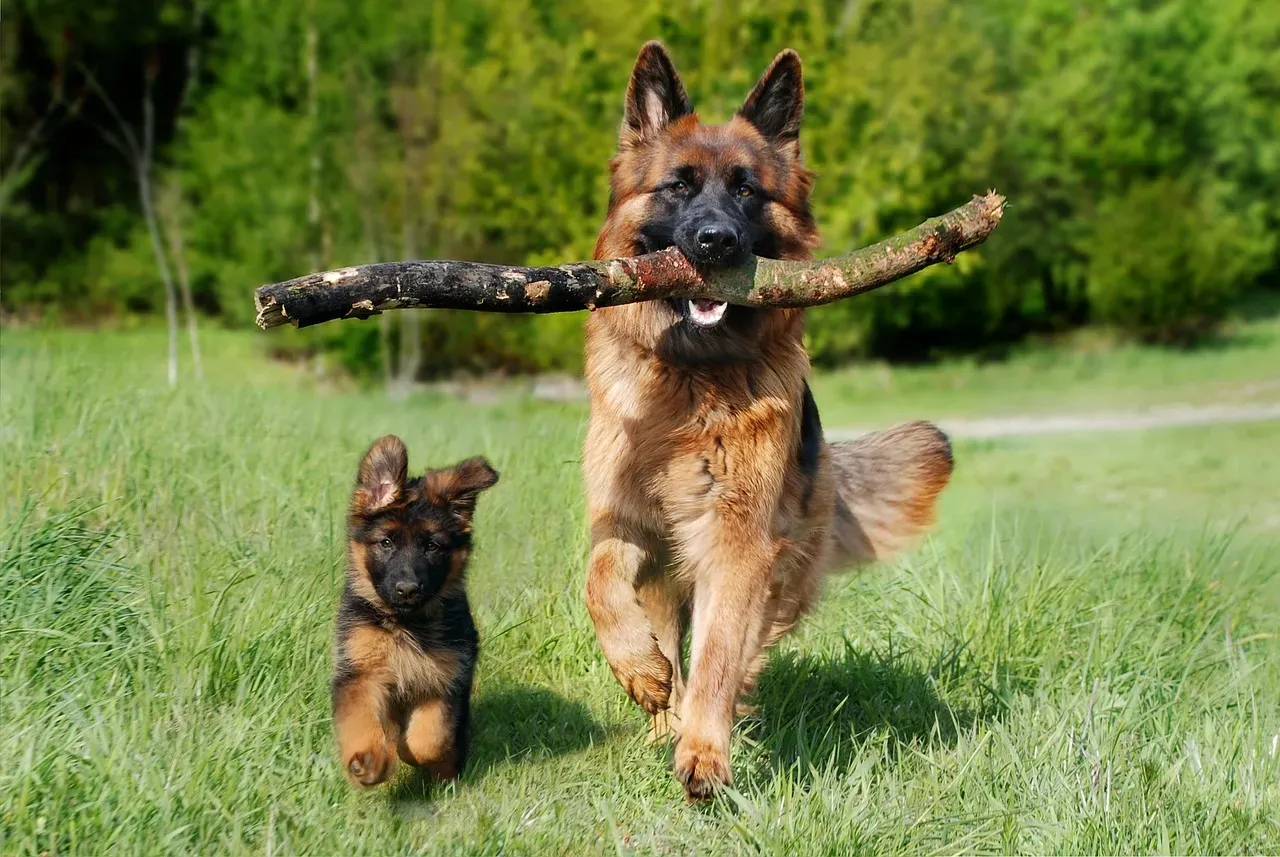
Not every dog makes a good teacher for your puppy. Puppies or grown dogs should ideally only be exposed to dogs that possess a low energy temperament, and that are of equal size or similar personality types, as a high energy dog might frighten an inexperienced puppy. That boisterous two year old Labrador who plays rough? Maybe not the best match for your timid twelve week old Cavalier.
Incorrect types of early socialization with puppies or adolescent dogs will cause dogs to become aggressive towards other dogs when they mature. One bad experience where your puppy gets bowled over or frightened can create lasting associations. Choose your puppy’s playmates carefully. Look for calm, well mannered adult dogs or puppies of similar temperament and size who can teach appropriate play behavior.
Ignoring Your Dog’s Stress Signals

Your puppy is at the vet’s office. A stranger leans down to pet them. Your puppy yawns, licks their lips, and turns their head away. You think they’re just tired or being silly, so you let the interaction continue.
These are classic stress signals that many owners completely miss. Stress signs to look for include whale eye (when dogs reveal the whites of their eyes), tucked ears or tail, raised hackles, lip-licking, yawning, and panting. Dogs are constantly communicating with us, but we’re often too distracted to listen. When your dog shows these signs, they’re telling you they’re uncomfortable. Pushing through anyway teaches them that their communication doesn’t matter and that uncomfortable situations will happen regardless of how they feel.
Coddling Fearful Behavior Instead of Building Confidence
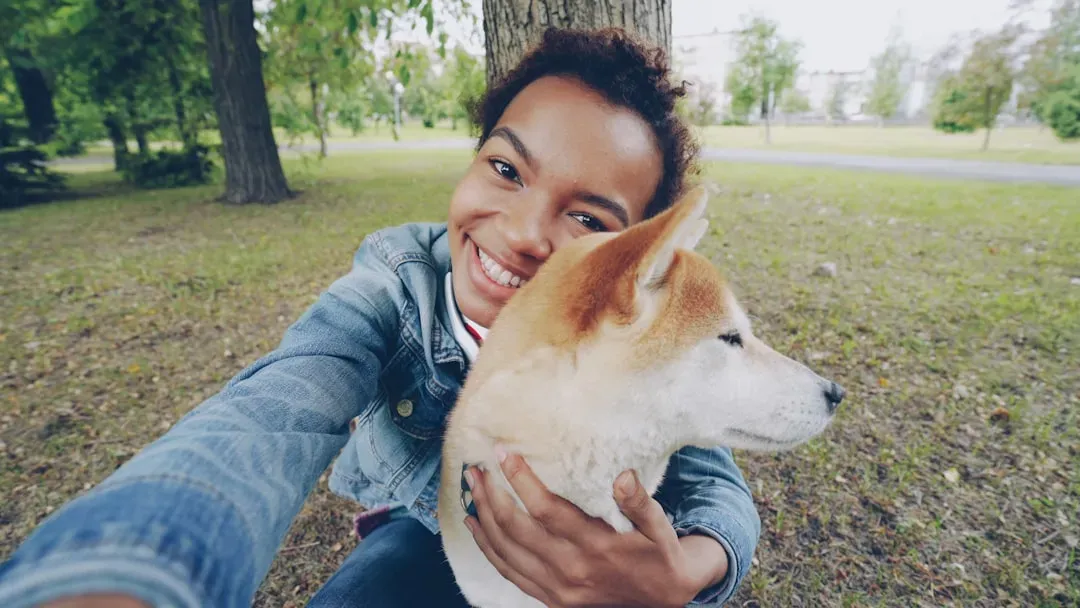
Your puppy sees a skateboard for the first time and startles. You immediately scoop them up, hold them close, and speak in soothing tones. Seems loving, doesn’t it?
What’s really happening is that the dog is being rewarded for the very behavior that you deem inappropriate! Coddling your dog reinforces their fears and diminishes their confidence. When you comfort a fearful dog with affection and attention, you’re essentially telling them that fear is the correct response. Instead, stay calm yourself. Create distance if needed, but reward brave behavior and calm investigation. Let your puppy observe the scary thing from a safe distance while you act completely unbothered. Dogs take emotional cues from us more than we realize.
Believing Socialization Ends After Puppyhood

You did everything right during those critical first few months. Puppy class, meet and greets, exposure to different environments. Now your dog is a year old, and you figure the socialization work is done.
Honestly, this might be one of the most damaging assumptions. When dogs reach social maturity between ages one and three, they often no longer enjoy playing with large groups of unfamiliar dogs. Their social preferences change, and they need continued exposure to maintain those skills. Socialization isn’t a checklist you complete and forget. It’s an ongoing process throughout your dog’s entire life. Regular positive experiences, continued training, and exposure to new situations keep your dog’s confidence and social skills sharp.
Forcing Interactions When Your Dog Says No
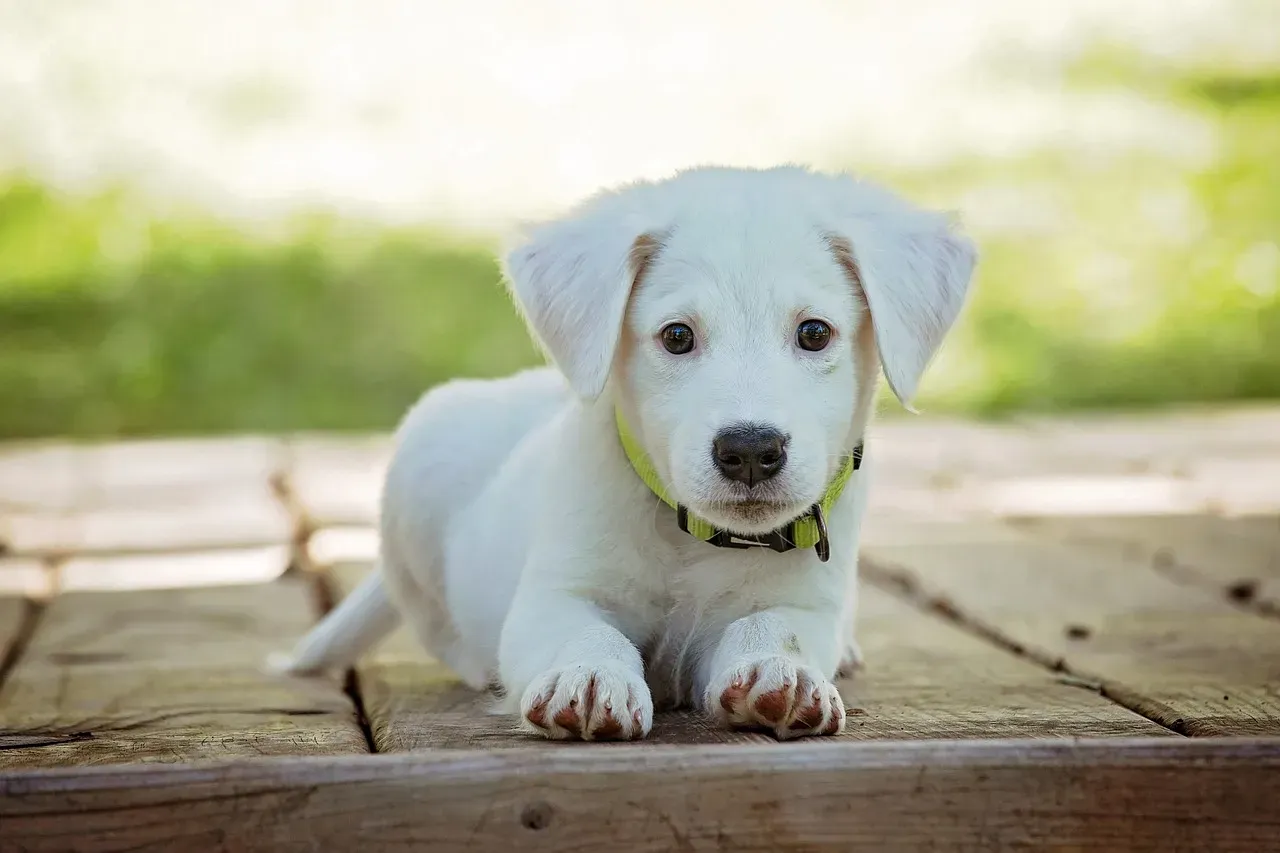
Another dog approaches on the sidewalk. Your dog stops, stiffens, and tries to move away. You pull them forward anyway, insisting they need to say hello because “socializing is important.”
Forced petting by people, especially children, hugging, kissing or cornering the puppy, teach the puppy to avoid or, in some cases, lash out defensively. Your dog is giving you clear feedback about their comfort level. Respecting that communication builds trust between you. Follow your dog’s cues. Don’t force it to interact with the other dog if it seems nervous. Sometimes the best socialization is teaching your dog that they can walk past other dogs calmly without interaction. Not every dog wants to be everyone’s best friend, and that’s perfectly okay.
Thinking Dog Parks Are Always the Answer
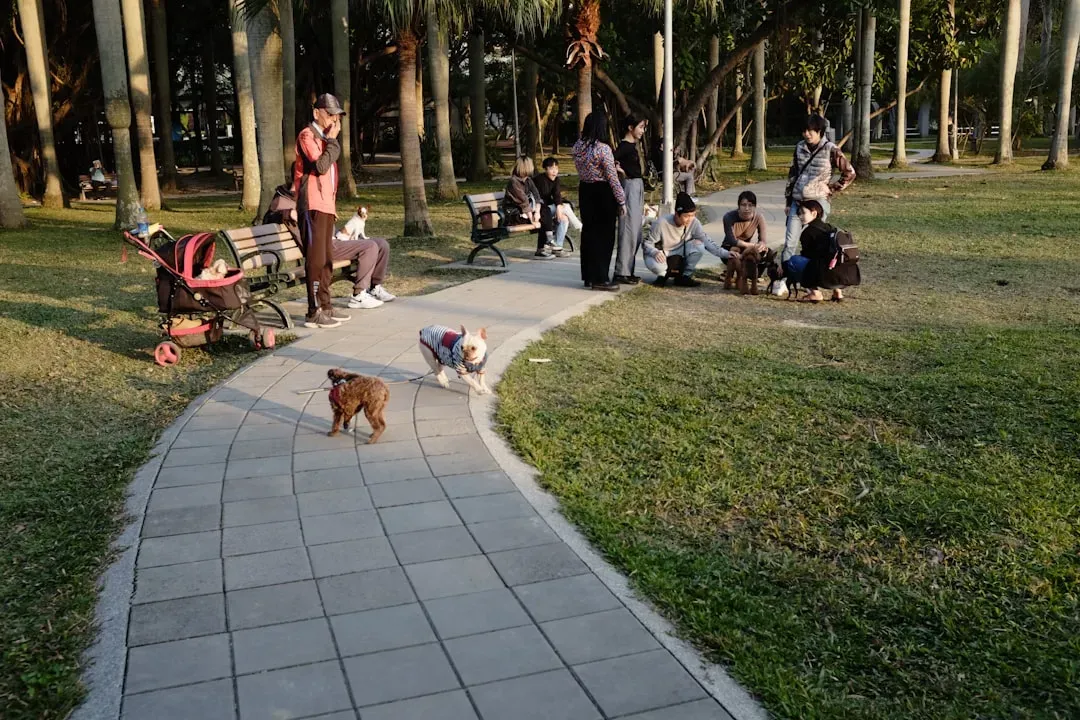
Dog parks seem like socialization paradise. Dozens of dogs, lots of space to run, what could go wrong?
Plenty, actually. Dog owners take their dogs here to burn energy, so you have a lot of dogs who have been inside all day with pent up energy · Dogs learn poor behaviors from the other dogs at the park · They are hotbeds for diseases like parvo, canine distemper, and kennel cough, among others Dog parks are often chaotic environments with minimal supervision and unknown dogs of varying temperaments. One negative experience, like being bullied by a larger dog or overwhelmed by rough play, can undo months of careful socialization work. Structured playdates with dogs you know and trust will always trump the unpredictability of a dog park.
Missing the Importance of Human Socialization
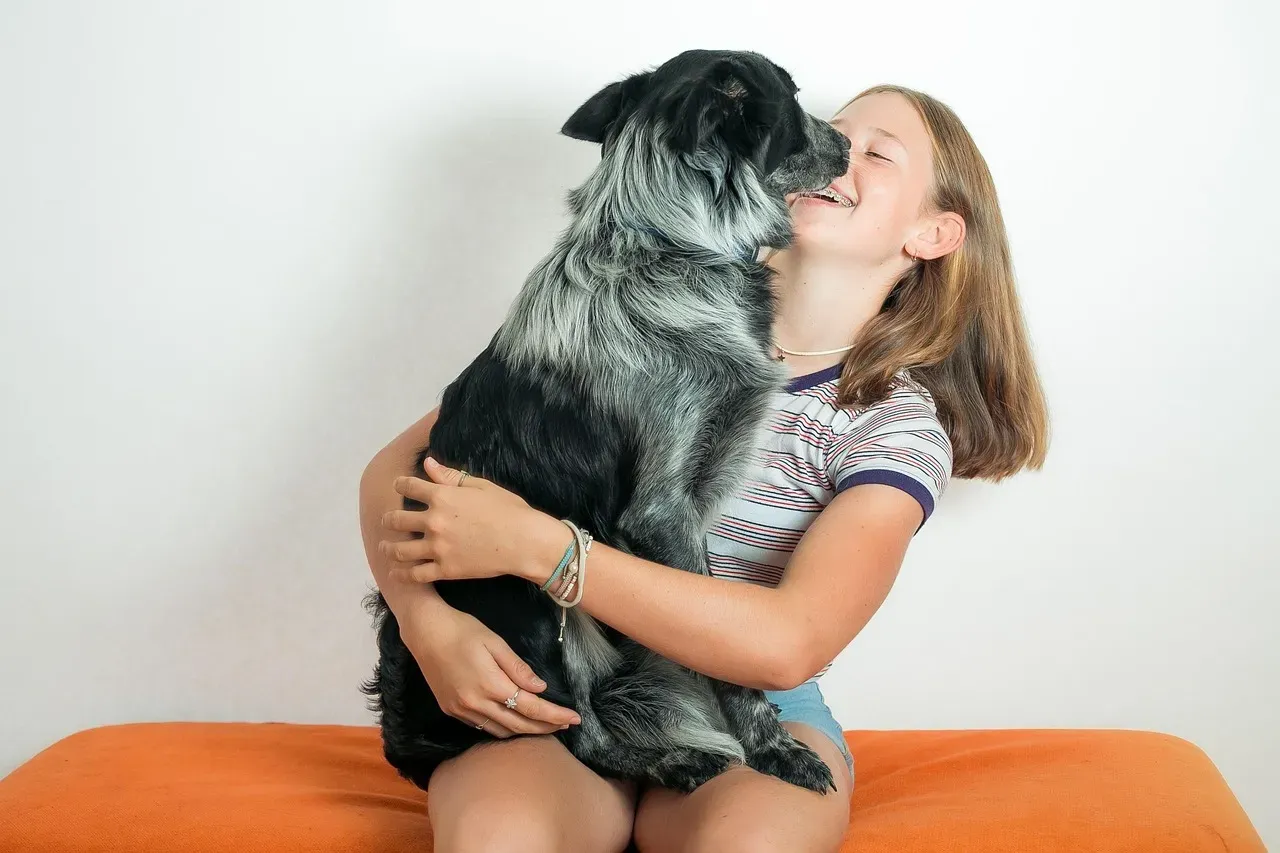
You focus intensely on dog to dog socialization but forget that your puppy also needs positive exposure to all kinds of people. Children, elderly folks, people in wheelchairs, people wearing hats or carrying umbrellas.
Improper socialization can lead to behavior problems later in life. A dog who’s comfortable with other dogs but fearful of children or nervous around men with beards hasn’t been fully socialized. Try to come up with as many different types of people, places, noises, and textures as you can and expose your puppy to them. That means, for instance, having them walk on carpet, hardwood, tile, and linoleum floors, meet a young and old person, someone in a wheelchair or using a cane, a person with a beard, wearing sunglasses or a hood, and using an umbrella. Every positive interaction with diverse people builds a more confident, well rounded dog.
Conclusion
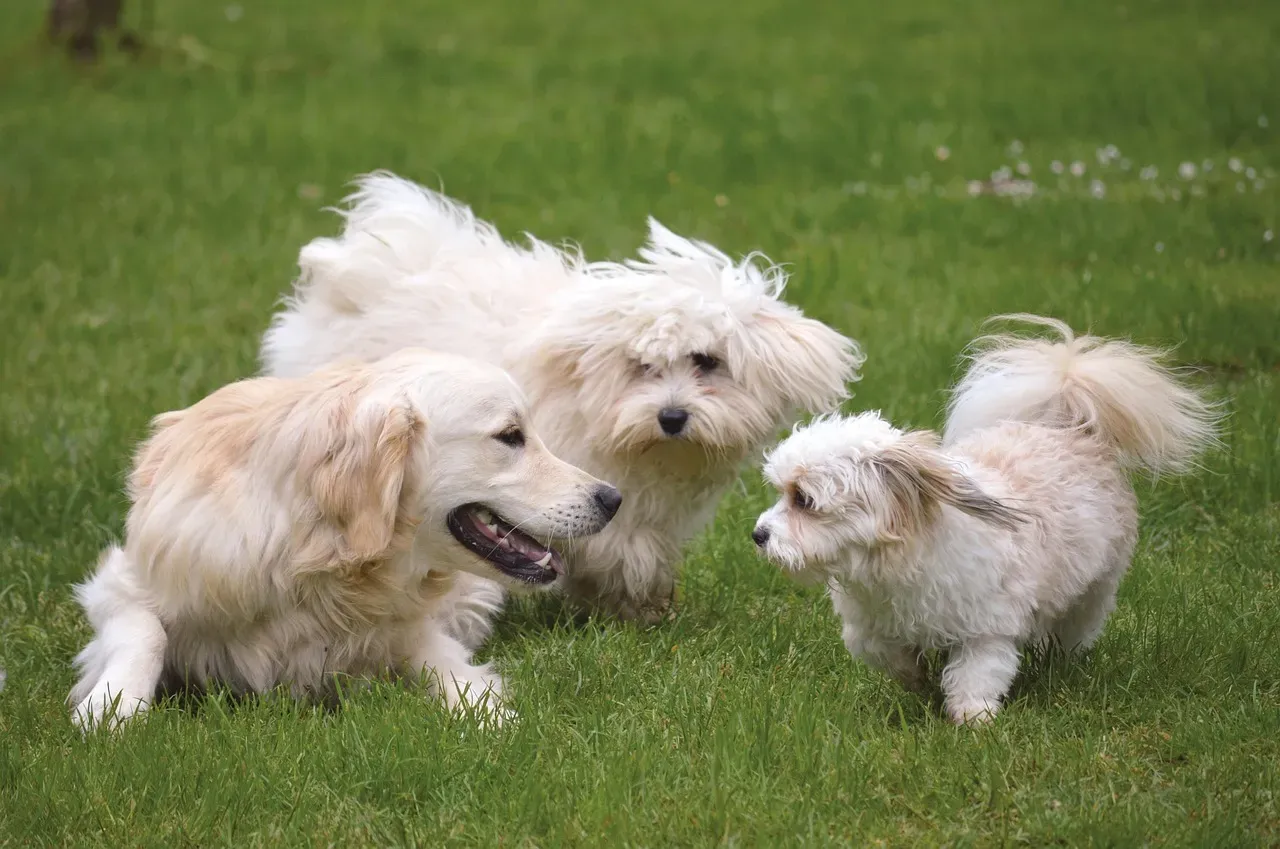
Socializing your dog isn’t just about exposure. It’s about creating positive, controlled experiences that build confidence without overwhelming your pup. The mistakes we’ve talked about are incredibly common, even among people who’ve raised dogs for years. What matters most is recognizing these patterns and adjusting your approach.
Your dog is always communicating with you through body language and behavior. When you learn to listen, respect their comfort levels, and provide gradual, positive experiences, you’re giving them the tools to navigate the world with confidence. That’s what truly exceptional socialization looks like. What’s been your biggest challenge in socializing your dog? Share your experiences in the comments below.


