
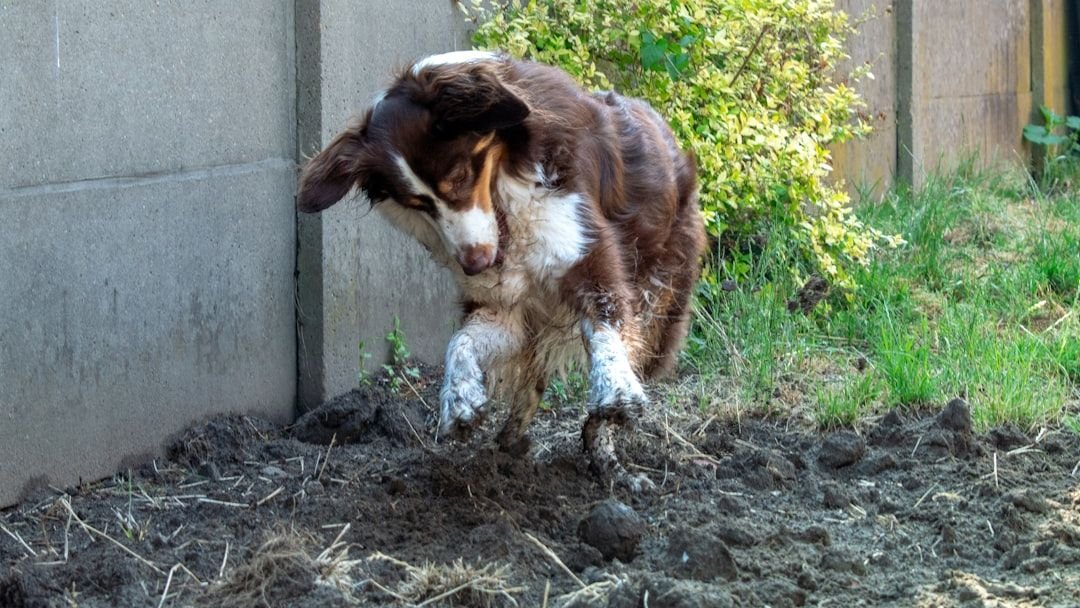
Picture this. You’ve spent weeks nurturing your garden, carefully planting heirloom tomatoes and arranging those gorgeous petunias just right. Then you look out the window and see Rover, paws flying, dirt spraying everywhere, having the absolute time of his life. Your heart sinks. Your prize-winning garden? It now looks like an excavation site.
Let’s be real, though. Your dog isn’t trying to sabotage your gardening dreams. Understanding why your dog is digging will help better equip you to handle and live with this instinctive behavior. Whether it’s boredom, the thrill of the hunt, or simply because it feels amazing on a hot afternoon, there’s always a reason behind the behavior. The good news is that with patience, consistency, and a few smart strategies, you can reclaim your garden while keeping your furry friend happy. Ready to discover how to protect those prized blooms without losing your mind? Let’s dive in.
Understand Why Your Dog Digs in the First Place
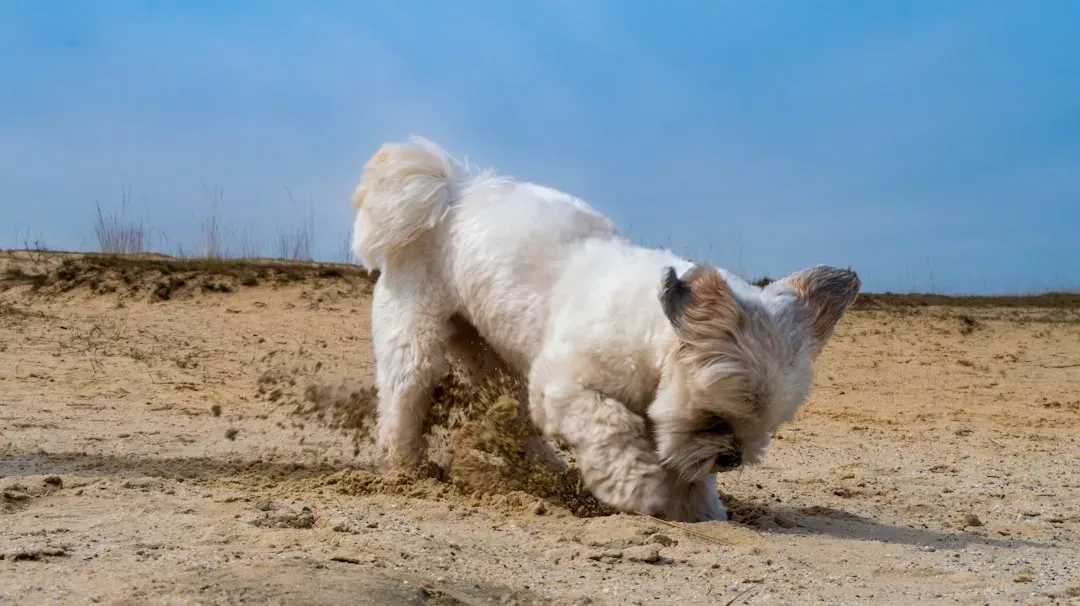
Here’s the thing about dogs and digging: it’s hardwired into their DNA. Dogs dig for many reasons, but the core of the behavior goes back to a dog’s wolf ancestors. Digging is arguably as much a part of dogdom as barking or sniffing. Some breeds, like terriers, were literally developed for their digging prowess. They were bred to chase prey underground, so expecting them to completely stop is like asking water not to be wet.
Dogs may dig out of boredom, stress, curiosity, or even their natural prey drive. Maybe your pup smells a mole burrowing beneath your roses, or perhaps they’re just looking for something fun to do while you’re inside. Sometimes they’re trying to create a cool spot to lie down on a sweltering day. Think of digging as your dog’s way of entertaining themselves or solving a problem. Once you figure out the why, you can tackle the how.
Give Your Dog a Legal Digging Zone
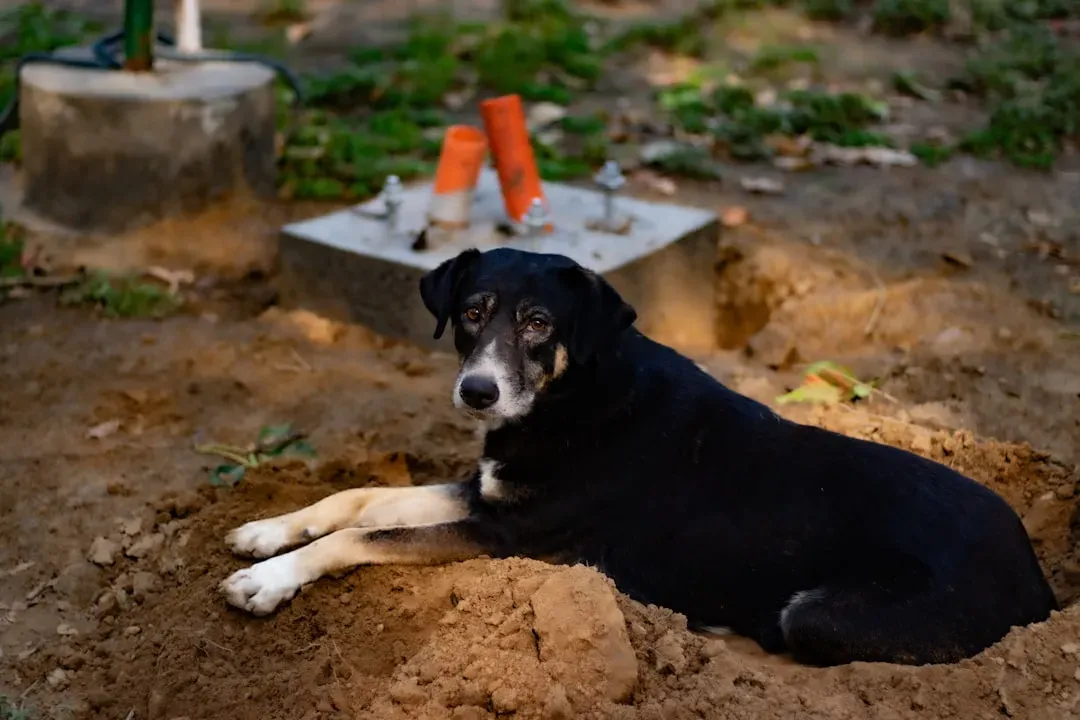
Honestly, one of the smartest moves you can make is to stop fighting your dog’s instincts altogether. Instead, redirect them. Since digging is an enjoyable activity for dogs, it’s tough to get them to stop. With that said, you can train your dog to dig in an acceptable spot. Set up a sandbox or designate a corner of your yard where digging is totally allowed.
After you fill the box with dirt or sand, moisten the soil and hide some toys in it. Provide a variety of treasures for your dog to dig up: new toys, her favorite toys and long-lasting things to chew. When your dog discovers these buried goodies, they’ll associate that spot with fun and reward. If you catch them digging elsewhere, gently redirect them to their special zone and praise them when they dig there. It’s like giving them their own little construction site where they can go wild without consequences.
Tire Them Out With Exercise and Enrichment
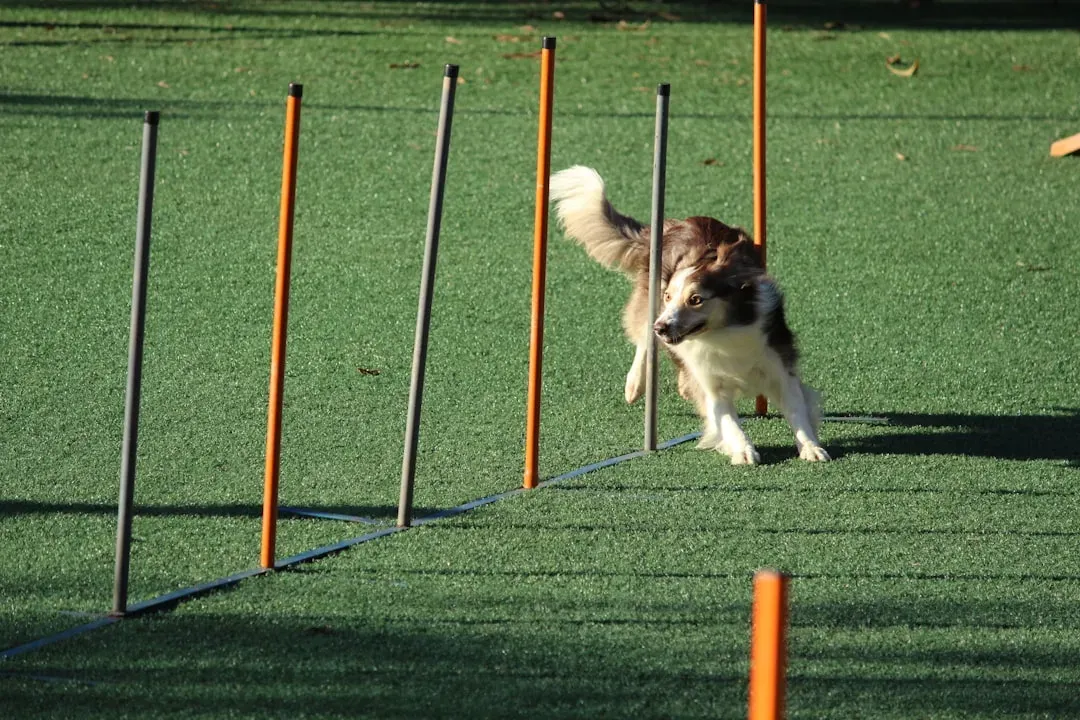
A bored dog is a destructive dog. Let me tell you, if your pup has excess energy and nothing to do, your garden becomes their playground. Ensure your dog is getting enough mental stimulation and physical exercise every day. This will help with boredom and anxiety, and provide more appropriate types of fun.
Think long walks, vigorous games of fetch, or even agility training if your dog is up for it. Mental stimulation matters just as much as physical. Puzzle toys, training sessions, and interactive games keep their brains busy. Dogs will dig out of boredom, so make sure your dog gets plenty of exercise and interaction with you on a daily basis. When your dog is tired and content, they’re far less likely to channel their energy into demolishing your flowerbeds.
Block Off Your Garden With Physical Barriers
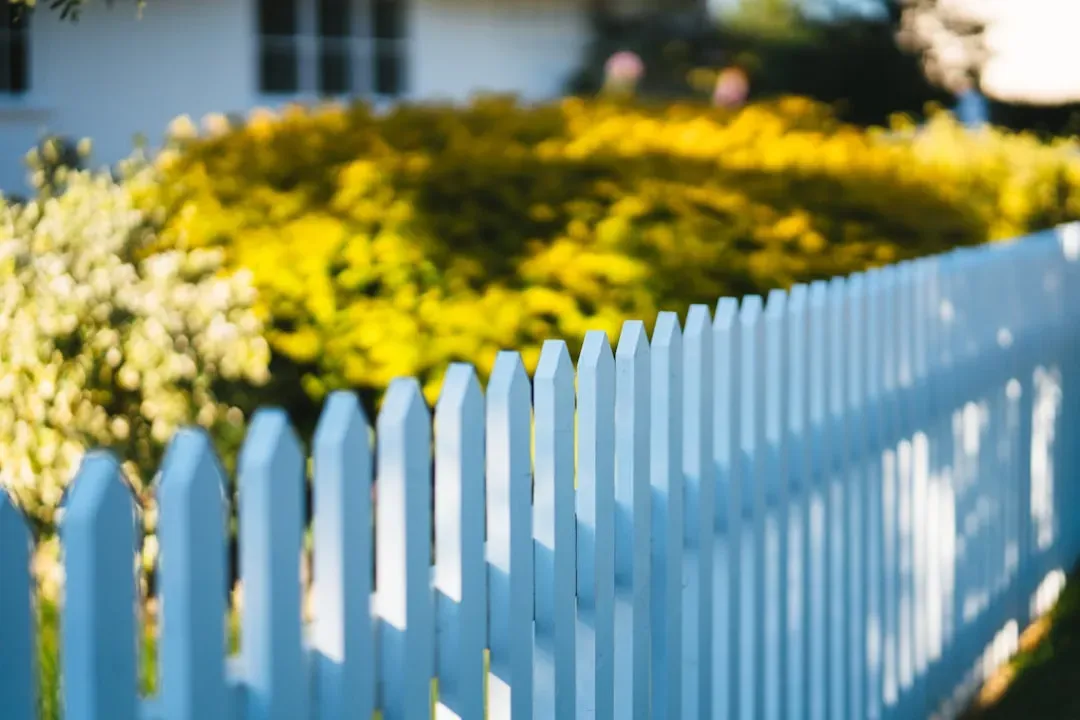
Sometimes the simplest solution is the best one: just make it harder for your dog to reach the tempting dirt. If you have flowers or vegetables that you want to protect from any digging, create clear boundaries using decorative fencing, rocks, or raised planters. This helps visually distinguish these areas and discourages your dog from venturing into them.
Consider placing chicken wire just beneath the soil surface in problem areas. You could set up barriers like chicken wire just below the surface of the soil. Just make sure the sharp edges face away from them to prevent any cuts or scrapes. Large rocks or decorative stones can also work wonders, making it uncomfortable or uninteresting for your dog to dig. The key is to make those prized spots less appealing while still keeping your yard looking good.
Address the Root Cause: Comfort and Temperature
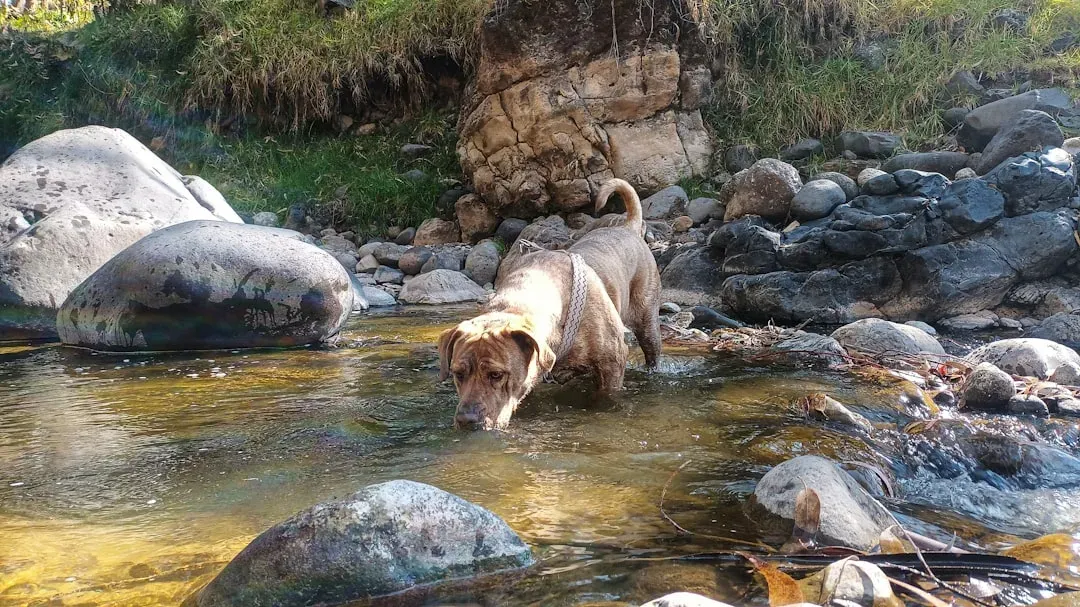
In hot weather, digging into the cool earth can help them create a comfortable resting spot. On the flip side, some dogs may dig to create a warm burrow in cold or snowy conditions. If your dog is digging to regulate their body temperature, you need to give them better alternatives.
Make sure your pup has access to shade, fresh water, and maybe even a kiddie pool on hot days. Provide a comfortable outdoor bed in a shaded area where they can chill without excavating your prize dahlias. Dogs can easily overheat, so it’s important to keep them hydrated and as cool as possible whenever they’re spending time outdoors. Dogs trying to cool down in the blazing heat will instinctively dig holes so they can lay in the cool dirt. When your dog has what they need, the urge to dig for comfort fades.
Remove the Temptation: Deal With Pests
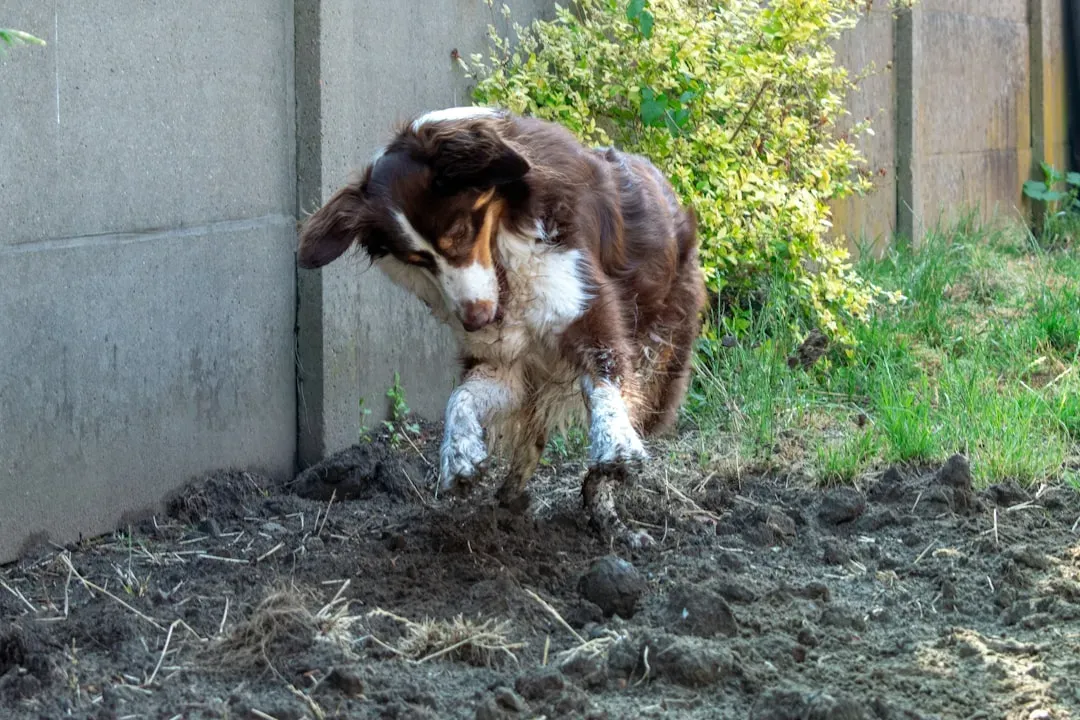
Is your dog laser-focused on one particular spot in the garden? They might be hunting. Yards infested with rodents may have dogs digging intensively to find moles or mice. To a dog with a strong prey drive, those underground critters are irresistible.
If you have a problem with vermin in your yard, consider having an exterminator come out to take care of the problem. Just make sure any pest control methods you use are safe for your dog. Once the moles, gophers, or other critters are gone, your dog will lose interest in that spot. It’s like removing the battery from a toy – suddenly, there’s no reason to keep playing.
Use Positive Reinforcement and Supervision
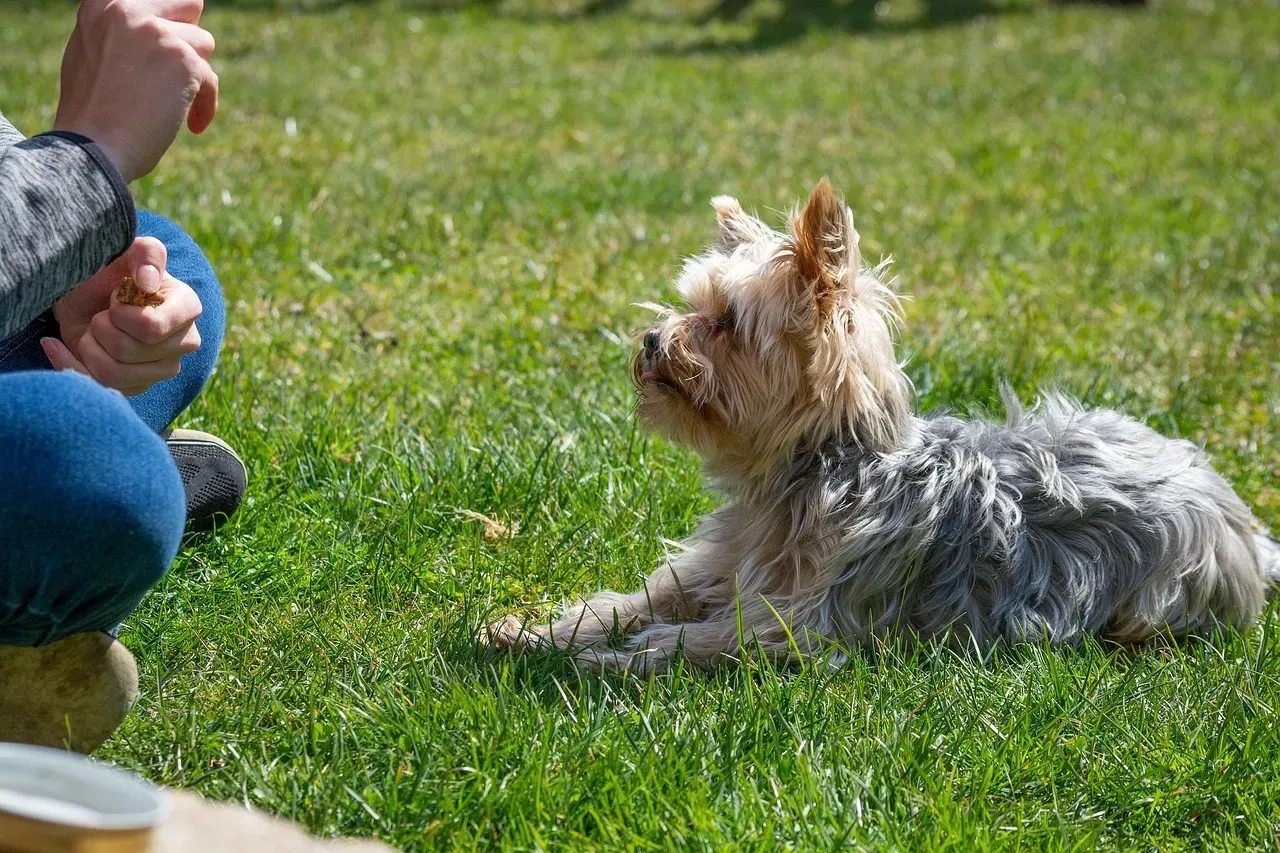
Training your dog to respect garden boundaries takes time, patience, and consistency. Instead of scolding or punishing your dog when they dig, praise your dog when they stop. Positive reinforcement works wonders. When you catch your dog digging, use a firm but calm interruption like their name or a command they know, then redirect them to an appropriate activity.
Dogs are more likely to dig when left alone outside. Rather than letting them play freely, start monitoring yard time. Avoid letting your dog into spaces where they like to dig for prolonged periods on their own. Supervise outdoor time, especially in the beginning. Reward calm behavior in the yard with treats, praise, or a favorite toy. Over time, your dog will learn that leaving the garden alone earns them good things, while digging gets them redirected.
Conclusion
Stopping your dog from turning your garden into a digging site isn’t about battling their instincts. It’s about understanding them and working with them. From creating a designated digging zone to addressing boredom, temperature needs, and pesky critters, every solution comes down to meeting your dog’s needs in healthier ways. Remember, your pup isn’t trying to ruin your hard work. They’re just being a dog.
With consistency, patience, and a little creativity, you can protect your prize-winning garden and keep your furry friend happy. What’s worked best for you? Have you tried any of these strategies with your own digger? We’d love to hear your stories in the comments.


