
10 Small But Demanding Dog Breeds That Will Test Your Patience
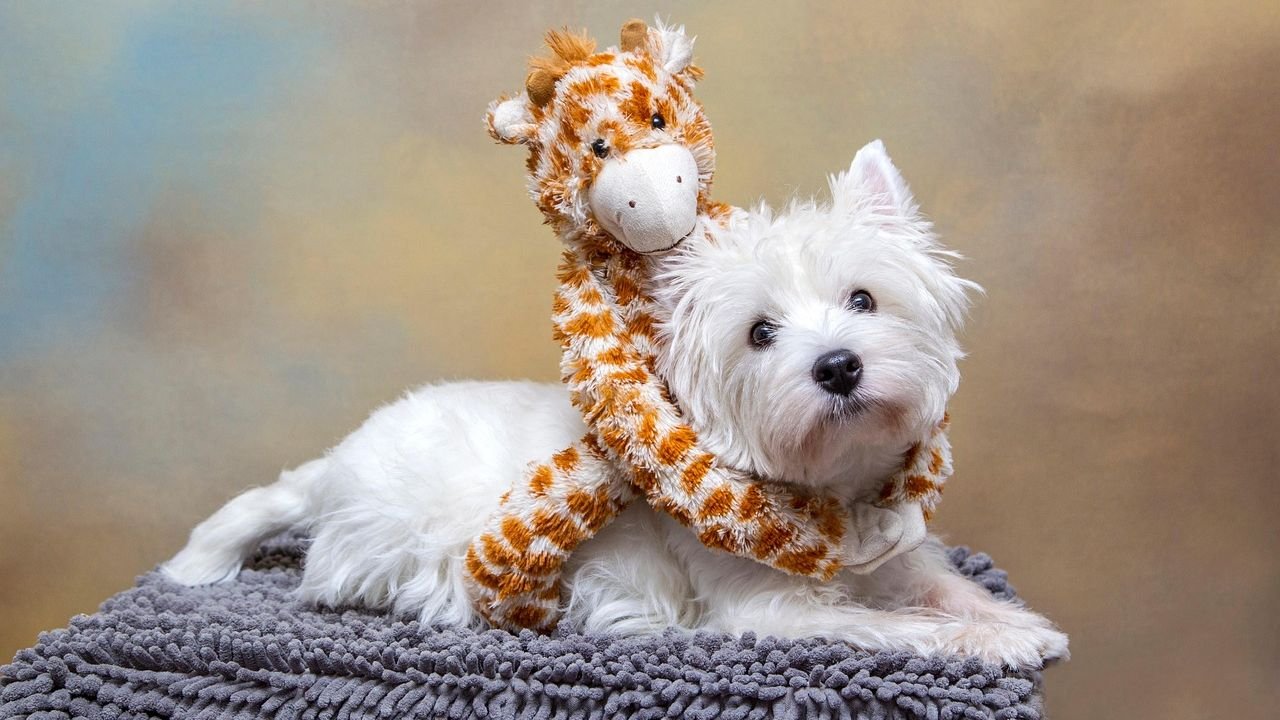
You’ve probably heard people say small dogs are easier. They take up less room, they eat less, they’re portable. What could go wrong? Here’s the truth: some of these compact cuties pack more challenge per pound than breeds three times their size. They bark louder, dig deeper into their stubborn streaks, and somehow manage to turn your home upside down despite standing no taller than your knee.
They’re not bad dogs, not by a long shot. They’re just wired differently. Maybe they were bred to hunt independently, or perhaps centuries of being pampered gave them a serious case of selective hearing. Either way, if you’re thinking about bringing one of these tiny powerhouses into your life, you’d better be ready to meet them on their terms. Let’s uncover which breeds will challenge even the most patient dog lover.
1. Dachshund: The Tunneling Troublemaker
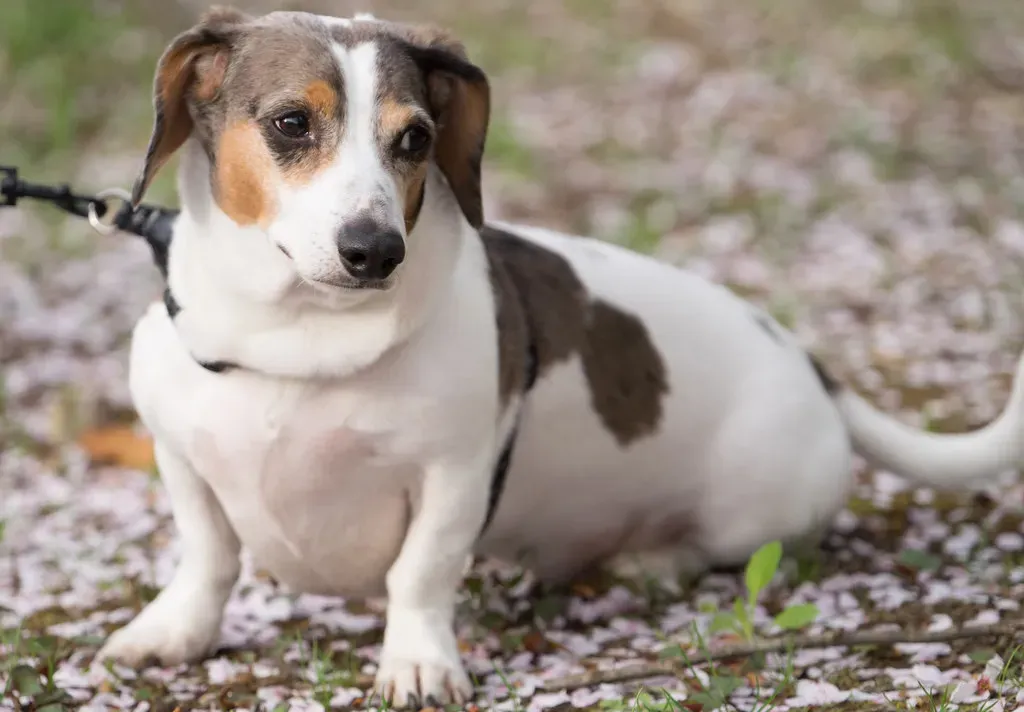
Wiener dog owners have a headstrong temperament, meaning training should commence upon their arrival into their new home. These low-slung hounds were bred to burrow into badger dens, which means they’ve got independence hardwired into their DNA. That stubbornness you’ve heard about? It’s real, and it shows up the moment you try teaching basic commands.
They’re clever little escape artists who’d rather follow their nose than your instructions. House training takes forever because they’re easily distracted by every scent trail in the yard. You’ll find yourself repeating commands until your voice goes hoarse, only to watch them trot off like you never spoke.
Their hunting instincts make recall training nearly impossible without serious consistency. They’ll chase squirrels, dig under fences, and bark at everything that moves. Honestly, you need the patience of a saint and the persistence of a marathon runner to raise a well behaved Dachshund.
2. Chihuahua: Tiny Dog, Massive Attitude
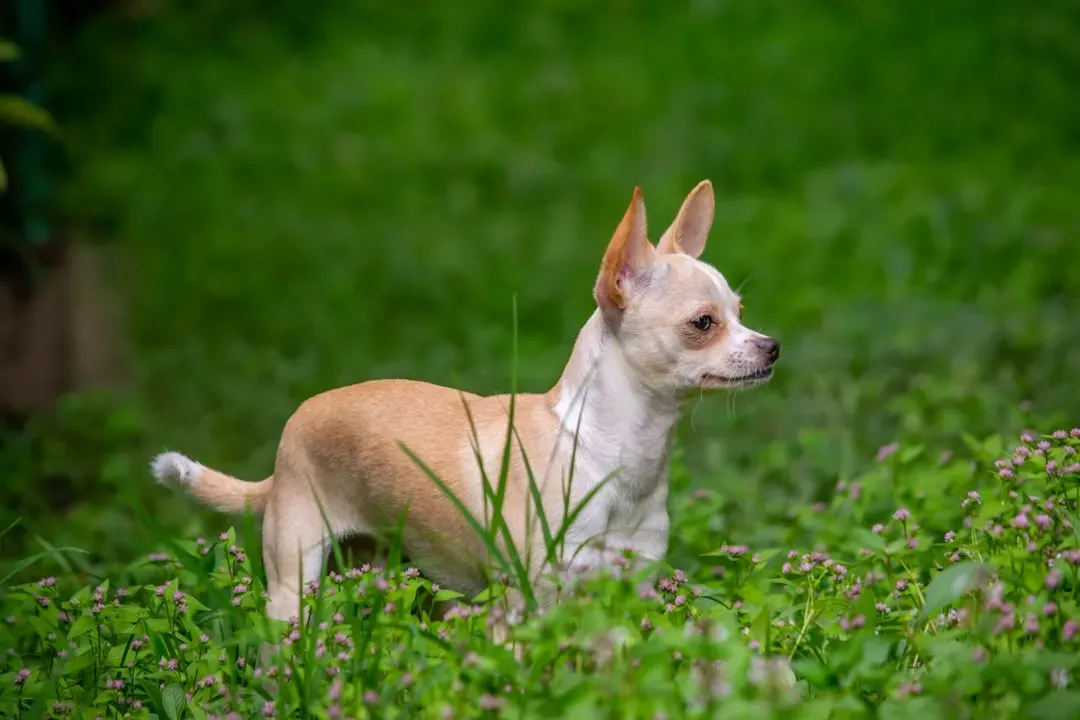
Known as purse dogs for their diminutive frame, prospective owners should be aware plenty of time and energy can be needed to train a Chihuahua to become properly obedient. Don’t let their pocket size fool you. These pint-sized pups genuinely believe they’re running the show, and they’re not shy about letting you know.
As the most petite pooch in the world, you may not expect them to have such a big attitude. However, the Chihuahua needs all the patience you can muster to train because they seem to think that they are the boss. They’re notoriously yappy, incredibly suspicious of strangers, and prone to snapping if they feel threatened. Their small bladders mean frequent potty breaks, and accidents are common even in adult dogs.
Socialization is crucial but challenging because they tend to be fearful or aggressive toward other dogs. They demand constant attention and can develop serious separation anxiety if left alone. Think of them as needy roommates who also happen to bark at the mail carrier every single day.
3. Jack Russell Terrier: The Hyperactive Mastermind
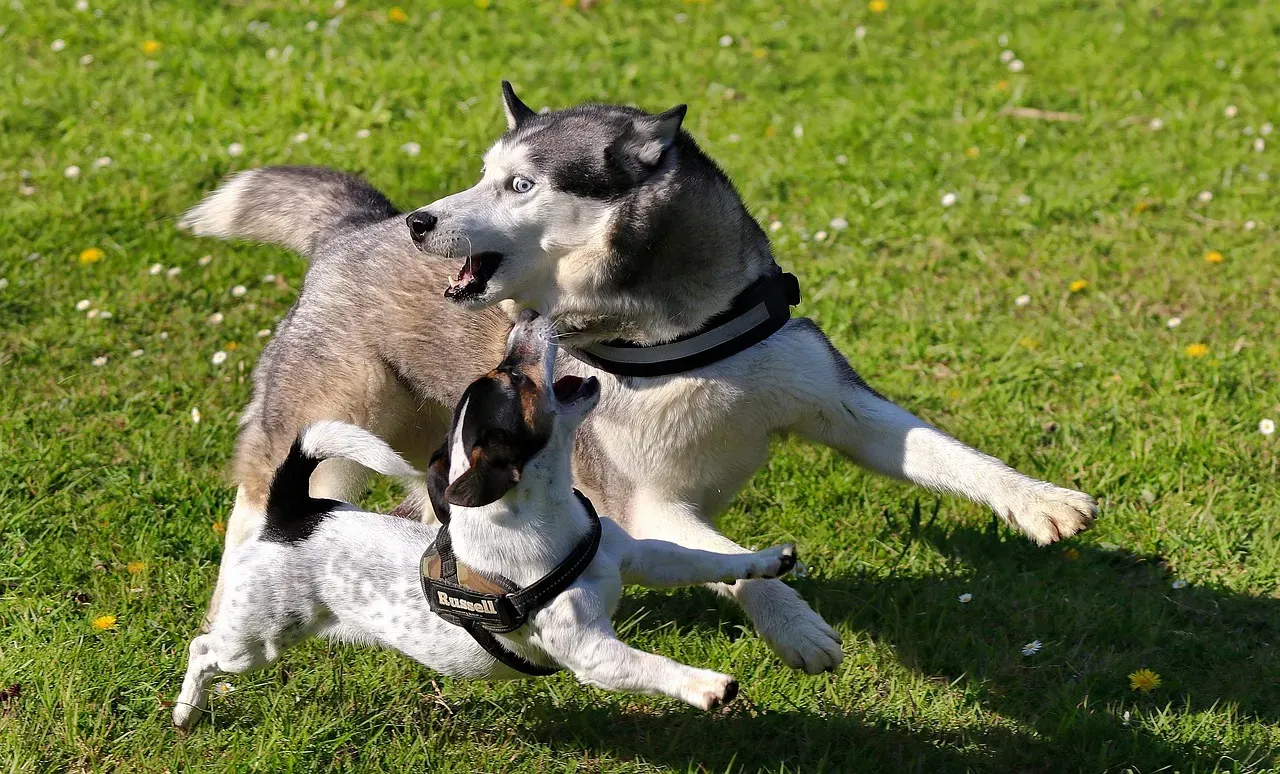
These energetic terrier breeds are as clever as they are stubborn. The Jack Russell Terrier was bred to hunt small prey like foxes, so it’s no surprise they often act like they’re on their own mission. If energy could be bottled and sold, Jack Russells would be millionaires. These dogs are always on, always moving, always thinking three steps ahead of you.
Jack Russells are notorious for their stubborn streak and high prey drive, which often leads them to chase anything that moves. This independent nature means they tend to follow their instincts over commands, testing the patience of even experienced trainers. They’ll dig up your garden, chew your furniture, and bark incessantly if they don’t get enough physical and mental stimulation. We’re talking hours of exercise daily, not a quick walk around the block.
Training them requires creativity and firmness because they get bored easily. They’re smart enough to outsmart you if you’re not careful. Without proper outlets for their energy, destructive behavior becomes their favorite hobby.
4. Pekingese: The Royal Pain
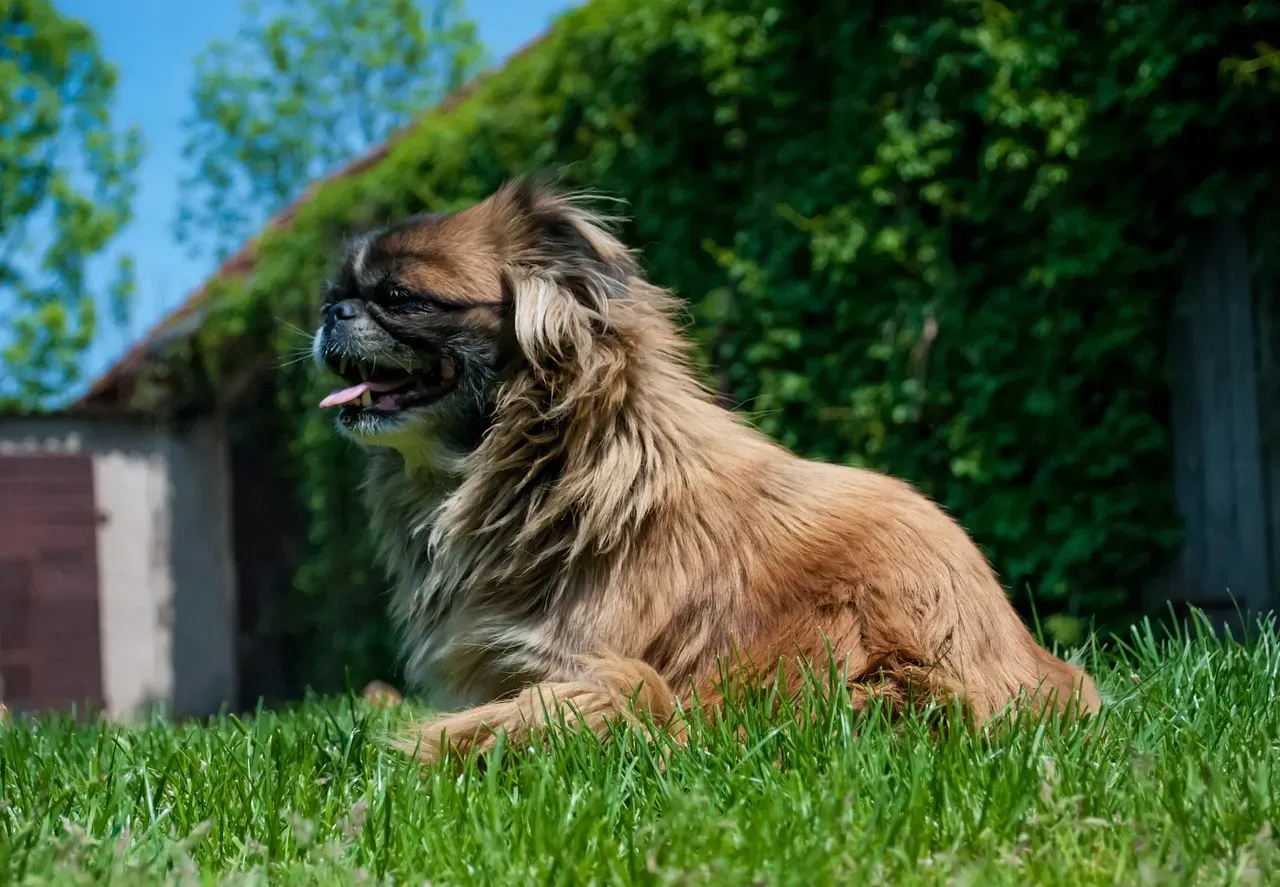
Pekingese feel self-important and have a strong-willed attitude that reflects their originality to Chinese royalty. Their stubbornness often causes them to show indifference to commands, which means training a Pekingese, can be exhausting. This breed was literally bred for emperors, and they haven’t forgotten it. They carry themselves with an air of superiority that would be funny if it weren’t so frustrating.
These little cuties are very intelligent. But with intelligence, often comes a stubborn personality. They want to be the one in charge and decide when they choose to listen. Without proper training, Pekingese can tend to get snappy and bitey – even with their own pet parent. They prefer being the only pet in the house and can be downright grumpy around children.
Their luxurious coat demands daily brushing to prevent mats, which they often resist. They’re prone to respiratory issues due to their flat faces, requiring careful monitoring in hot weather. Expect a dog who tolerates you rather than obeys you, unless you establish firm boundaries from day one.
5. Beagle: The Scent-Driven Wanderer
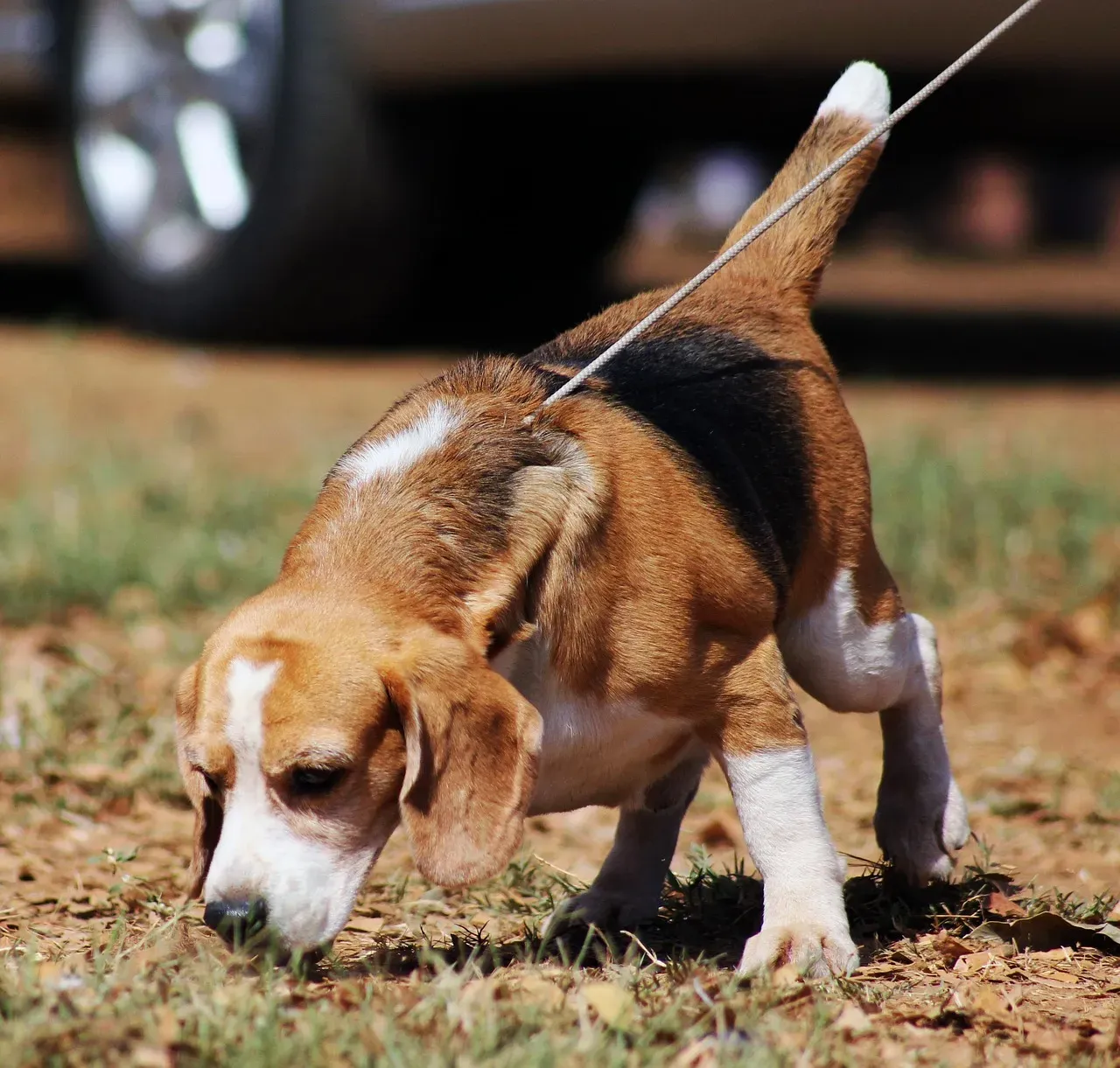
The Beagle is friendly, loving, and notoriously difficult to train. The Beagle’s independent streak and incredible nose mean it will often ignore its owner’s calls when on a scent trail. Once a Beagle catches a scent, you basically cease to exist. Their nose overrides everything else, including your desperate calls to come back.
Even if they are a bit stubborn, owners can overcome that with treats because beagles are usually motivated by food. They cannot resist exploring the world through scent and chasing small creatures. Food motivation helps, but it’s a double-edged sword because they’re also prone to obesity and will eat anything they can reach. Counter surfing becomes an Olympic sport in Beagle households.
They’re vocal dogs with a distinctive howl that carries for blocks. Your neighbors will definitely know you have a Beagle. House training takes longer than average, and recall in open spaces is nearly impossible without a leash. Patience isn’t optional with this breed, it’s the entry fee.
6. West Highland White Terrier: The Stubborn Scrapper
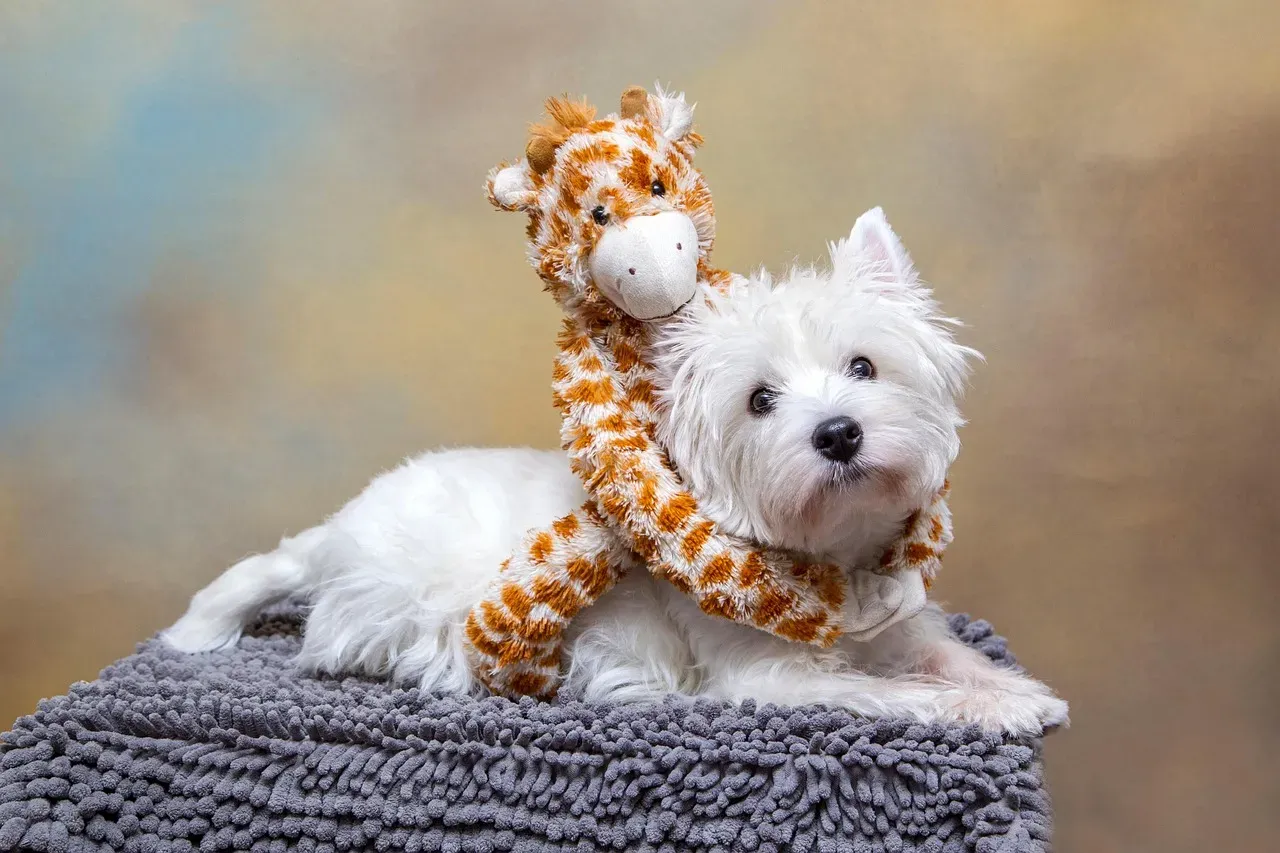
Demanding and testy, with the typical stubbornness and cleverness of a true terrier, the Westie must be shown early on by the owners exactly who in charge. These white fluffballs look like stuffed animals, but they’ve got the heart of a warrior and the stubbornness of a mule. They were bred to hunt rats and other vermin, so they’re fearless and independent.
Training requires consistency and a firm hand because they’ll walk all over permissive owners. They’re prone to excessive barking, digging, and chasing anything that moves. Their terrier instincts mean they can be scrappy with other dogs despite their small size.
Grooming is another commitment, their white coats stain easily and require regular professional trimming. They’re prone to skin allergies and can be quite itchy, requiring special diets or medications. Honestly, they’re adorable but definitely not for first time dog owners or anyone lacking patience.
7. Shih Tzu: The High-Maintenance Companion
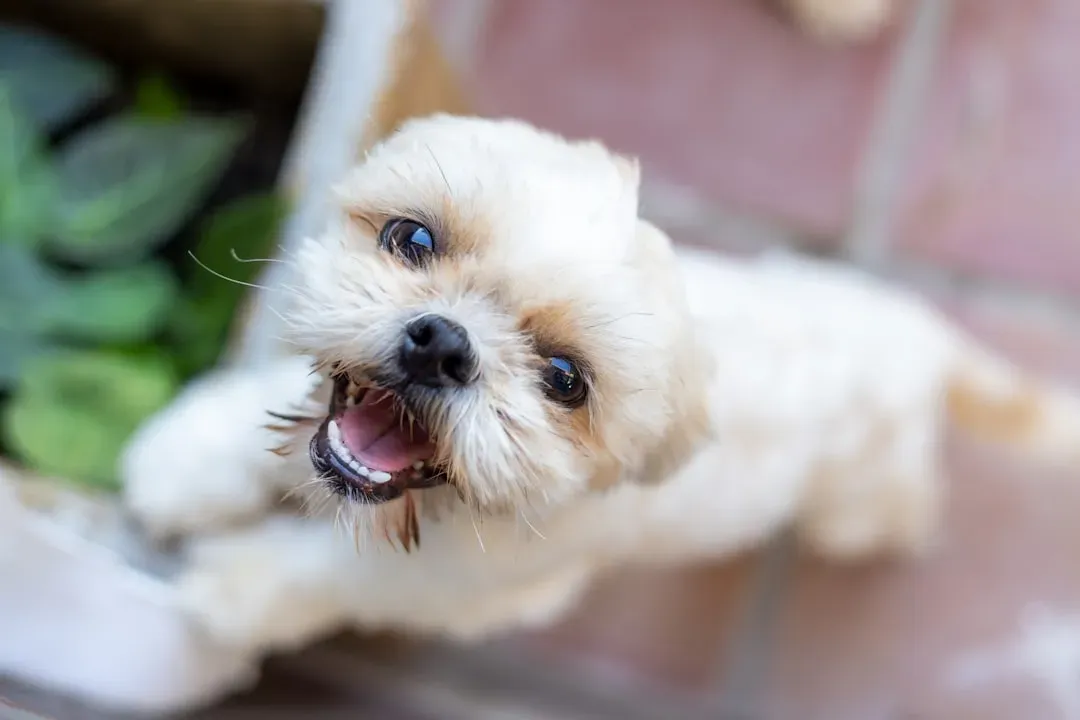
These lap dogs were bred solely to be companions to Chinese royalty, and they expect royal treatment in return. Tiny dogs like Yorkies or Shih Tzus take longer simply because their bladders can’t hold much. House training becomes an endless cycle of frequent potty breaks, and accidents are practically guaranteed for the first year.
Their floor length coats demand daily brushing and regular professional grooming, or you’ll be dealing with painful mats and tangles. Many owners opt for shorter puppy cuts just to reduce the maintenance burden. They’re also prone to eye infections and dental problems, requiring vigilant health monitoring.
While they’re generally friendly, they can be stubborn about training and prefer doing things on their own schedule. They thrive on attention and can develop separation anxiety if left alone too long. You’re basically signing up for a furry toddler who never quite grows up.
8. Yorkshire Terrier: The Pocket-Sized Diva
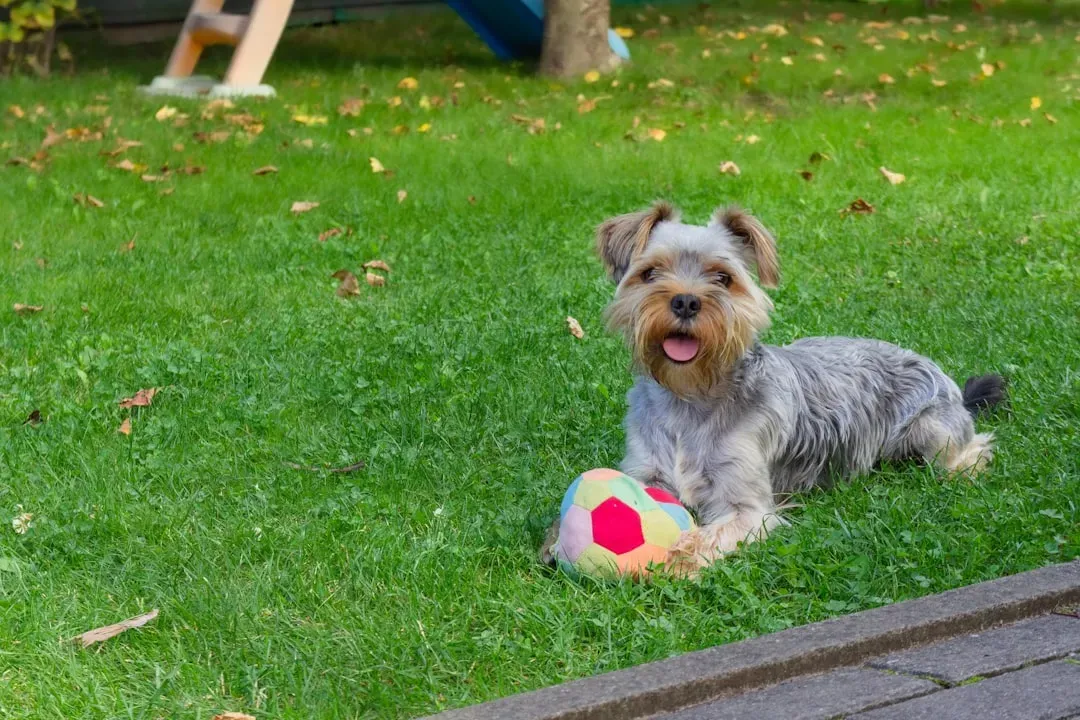
Yorkies might be small enough to fit in a purse, but their personalities are enormous. They’re feisty, vocal, and surprisingly assertive for their size. These terriers were originally bred to catch rats in mills, giving them a bold, fearless temperament that clashes with their toy dog appearance.
House training is notoriously difficult because of their tiny bladders and stubborn nature. They’re prone to excessive barking at everything, from passing cars to falling leaves. Their fine, silky coats require daily maintenance to prevent tangles, and many owners struggle with professional grooming costs.
They can be snippy with children and other pets if not properly socialized. Despite their small size, they need confident leadership or they’ll try to run the household. Let’s be real, they’re high maintenance in almost every category: grooming, training, and attention needs.
9. Lhasa Apso: The Independent Guardian
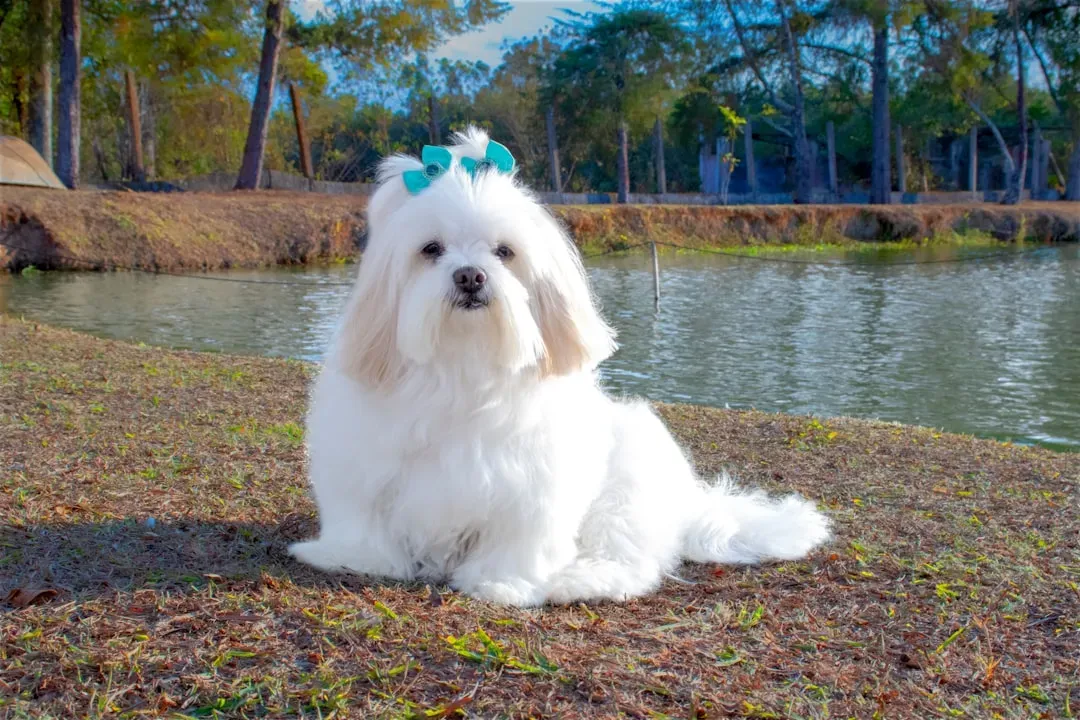
New Lhasa Apso owners can discover just how tricky they are to train because they are independent dogs with a real stubborn streak. Originally bred as sentinel dogs in Tibetan monasteries, these little watchdogs are naturally suspicious and fiercely independent. They’re not interested in pleasing you, they’re interested in doing their job, which is guarding.
Their long, flowing coats require extensive daily grooming to prevent mats. Underneath all that hair is a dog with strong opinions about everything. They’re reserved with strangers and can be aggressive if not properly socialized from puppyhood.
Training requires patience and respect for their independent nature. They won’t respond to harsh corrections but can be motivated with gentle persistence and high value rewards. They’re also prone to separation anxiety despite their aloof demeanor. Think of them as cats in dog clothing, affectionate on their terms only.
10. Boston Terrier: The Stubborn Charmer
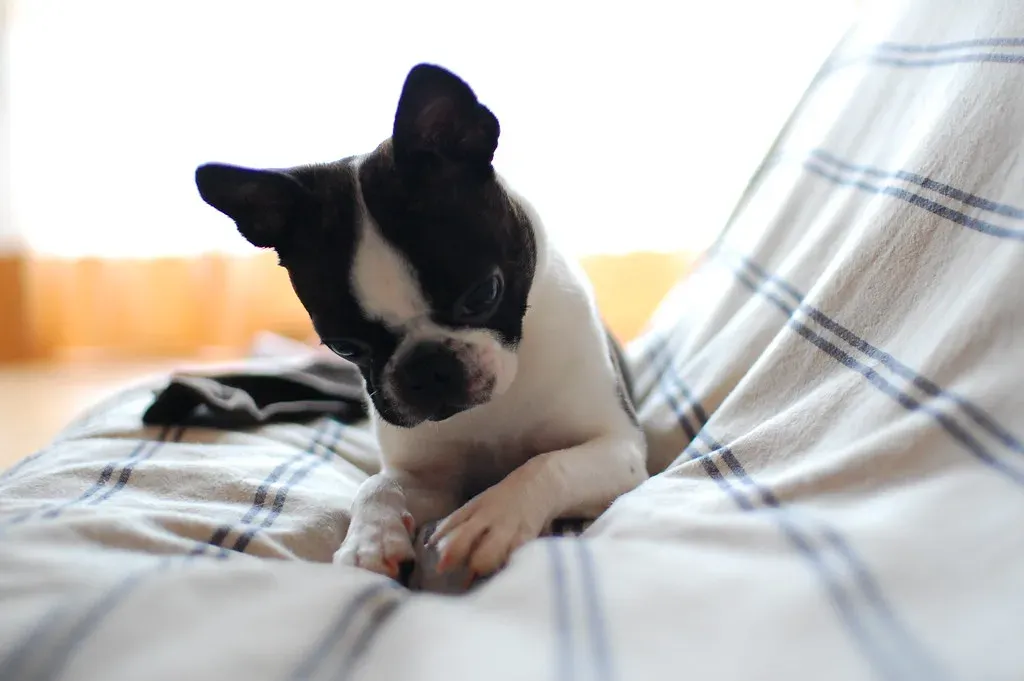
Boston Terriers make excellent family dogs, due to their affectionate and friendly nature, although training this breed can require plenty of patience. These tuxedo clad dogs are friendly and fun loving, but they’ve got a stubborn streak that catches many owners off guard. They’re smart enough to understand commands but selective about when they choose to obey.
These perfectly compact and sweet dogs have lots of energy, but short attention spans. Even though potty training can be challenging with this breed, with a training method of assertive and positive techniques, they can learn at their own pace. Their short attention spans make training sessions frustrating, as they’re easily distracted by anything more interesting than you.
They’re prone to breathing problems due to their flat faces, especially in hot or humid weather. They snort, snore, and wheeze, which can be endearing or annoying depending on your tolerance. Their gassy digestive systems are legendary, requiring careful diet management. They’re lovable goofballs, sure, but they demand consistent training and plenty of patience to manage their quirky behaviors.
Conclusion
Small dogs often get underestimated, dismissed as easy starter pets perfect for apartments or busy lifestyles. Reality check: size doesn’t determine difficulty. These ten breeds prove that the tiniest packages can contain the biggest challenges. From the Dachshund’s stubborn hunting instincts to the Chihuahua’s Napoleon complex, each brings unique demands that test even experienced dog owners.
The key isn’t avoiding these breeds but understanding what you’re signing up for. They need consistent training, patient guidance, and owners who respect their bred in instincts rather than fighting against them. Train small dogs with the same expectations you’d have for larger breeds. They need clear rules, consistent boundaries, and proper socialization to develop into confident, well-behaved companions. With the right approach, even the most demanding small breed can become a wonderful companion.
Did any of these breeds surprise you? Sometimes the cutest faces hide the most challenging personalities.