

You know that look your dog gives you when you’re munching on something juicy and sweet? That hopeful stare, the gentle nudge, maybe even a dramatic sigh. It’s hard to resist those pleading eyes, especially when you’re enjoying fresh fruit. Truth is, sharing certain fruits with your furry friend can actually be a wonderful thing. They get a tasty treat, and you get to feel good about giving them something healthy.
Here’s the thing though. Not every fruit sitting in your kitchen is safe for dogs. Some can turn a happy snack time into a scary trip to the emergency vet. Knowing which fruits your pup can safely enjoy makes all the difference between a delightful moment and a dangerous one. So let’s dive into the world of dog-friendly fruits and discover which ones will have your dog’s tail wagging, plus which ones you should keep far out of reach.
Apples: The Classic Crunchy Favorite

Apples are not only low in calories, but they also contain many nutritional benefits like vitamins A and C, fiber, potassium, and antioxidants. Malic acid found in apples also helps clean your dog’s teeth. Most dogs absolutely love the satisfying crunch of a fresh apple slice.
Just remember to always remove the core and seeds before sharing. Apple seeds can cause digestive issues and contain a small amount of the toxin cyanide, which could potentially cause harm. Cut the apple into manageable pieces and watch your dog happily munch away. It’s one of those simple pleasures that never gets old.
Blueberries: Tiny Powerhouses of Nutrition

Blueberries are low in calories and high in vitamin C, fiber, antioxidants, and phytochemicals. These little berries make perfect training treats because of their size. You can toss them to your dog during a game or freeze them for a refreshing summer snack.
Being so rich in antioxidants, blueberries aid in brain health and reduce the risk of cognitive decline associated with aging. Your senior dog might especially benefit from these tiny nutritional gems. They’re easy to serve and most dogs seem to think they’re getting away with eating candy.
Watermelon: Summer Hydration at Its Best

On those scorching hot days, nothing beats a cool piece of watermelon. Watermelon is 92% water, so it’s a great way to help keep your dog hydrated on hot summer days. It’s full of vitamin A, B-6, and C, as well as potassium.
The key here is preparation. It’s important to remove the rind and seeds first, as they can cause intestinal blockage. Once you’ve done that, cut the flesh into bite-sized chunks. Some dogs go absolutely wild for watermelon. Try freezing small cubes for an even more refreshing treat that keeps them occupied longer.
Bananas: The Potassium-Packed Snack

Bananas are a sweet treat dogs get excited over and they’re also low-calorie compared to other fruits. Bananas are a good source of potassium, fiber, magnesium, and vitamins C and B6. Many dogs genuinely love the soft texture and natural sweetness.
The catch? They are also higher in sugar than many other fruits, so they should be given sparingly. Think of bananas as an occasional treat rather than a daily staple. Peel them, cut into small rounds, and your dog will think it’s their birthday. Frozen banana slices can be especially delightful on warm afternoons.
Strawberries: Sweet and Teeth-Friendly
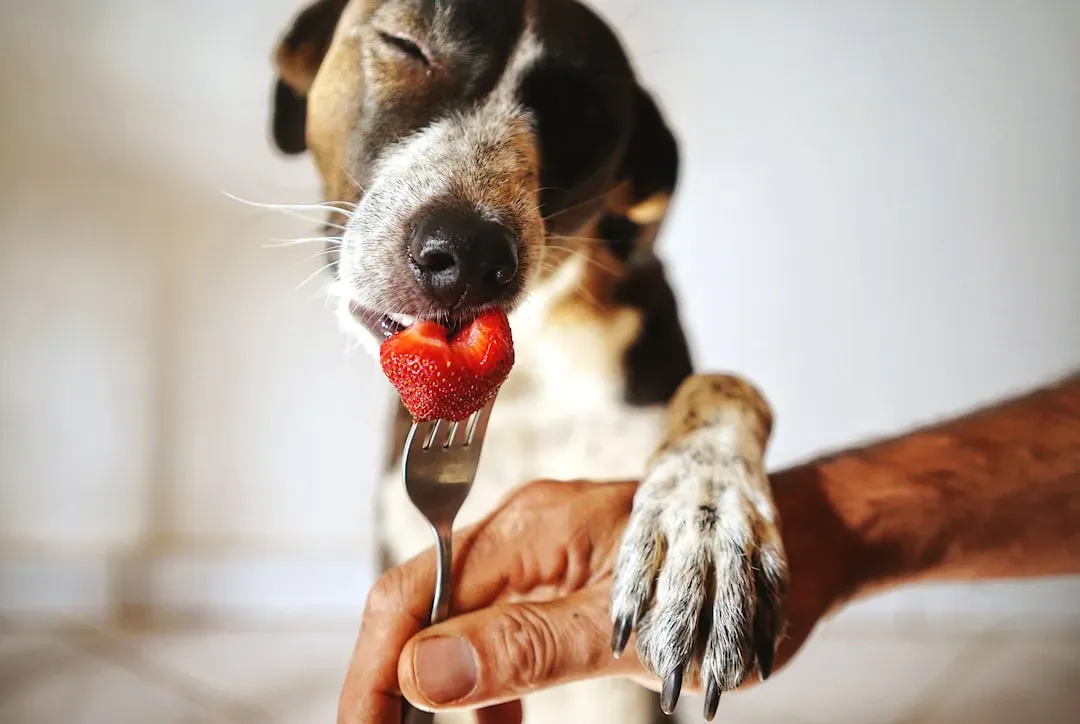
Strawberries are full of fiber and vitamin C. Along with that, they also contain an enzyme that can help whiten your dog’s teeth. It’s like giving them a treat and a tiny teeth-cleaning session all at once. Pretty neat, right?
Like all fruits, strawberries contain natural sugar, so offer them in moderation. Slice them into smaller pieces, especially for little dogs, to prevent any choking hazards. Frozen strawberries can be a fun enrichment treat for dogs. Watch your pup enjoy the burst of flavor.
Cantaloupe: The Melon with Benefits

Cantaloupe is a healthy and nutritious fruit for dogs to eat. It’s high in fiber, low in calories, and contains numerous vitamins and minerals, including vitamins A and C, folate, fiber, and potassium. Cantaloupe is also 90% water, so it’s great for hydration.
There’s just one consideration. It is, however, high in sugar, so should be shared in moderation, especially for dogs who are overweight or have diabetes. Remove the rind and seeds, cut the flesh into cubes, and let your dog enjoy this sweet melon treat. Some dogs absolutely adore the taste.
Raspberries: Anti-Inflammatory Little Gems

Raspberries are low in sugar and calories, but high in fiber, manganese, and vitamin C. They’re especially good for senior dogs because they have anti-inflammatory properties, which can help aging joints. It’s honestly one of the better fruit choices for older pups dealing with arthritis.
Here’s something important though. Raspberries contain small, naturally occurring amounts of xylitol, so limit your dog to no more than 8 ounces of fresh or frozen raspberries. A few berries here and there are perfectly fine. Just don’t let them gobble down an entire container.
Mangoes: Tropical Treat with a Twist

Mangoes are rich in many nutrients like fiber, potassium, and vitamins A, B6, C, and E. The fleshy part is absolutely safe and many dogs find it irresistibly sweet. It’s like giving them a little vacation in fruit form.
The crucial step? The pit contains poisonous cyanide and can also cause an intestinal blockage. Always peel the fruit and remove the pit completely before offering mango to your dog. It’s another high-sugar fruit, so moderation is key. Small cubes work perfectly.
Pineapple: The Digestive Helper

Pineapple is a great source of vitamins, minerals, and fiber. It also contains bromelain, an enzyme that helps dogs absorb proteins more easily. Some dogs absolutely love the tangy sweetness while others find it a bit too intense.
When feeding pineapple to your dog, give only the fleshy part of the fruit and dispose of the outside skin, core, and crown. Avoid canned pineapple, as it can be high in sugar. Fresh is always best. Cut small bite-sized pieces and see if your dog enjoys this tropical delight.
Peaches: Juicy Summer Goodness
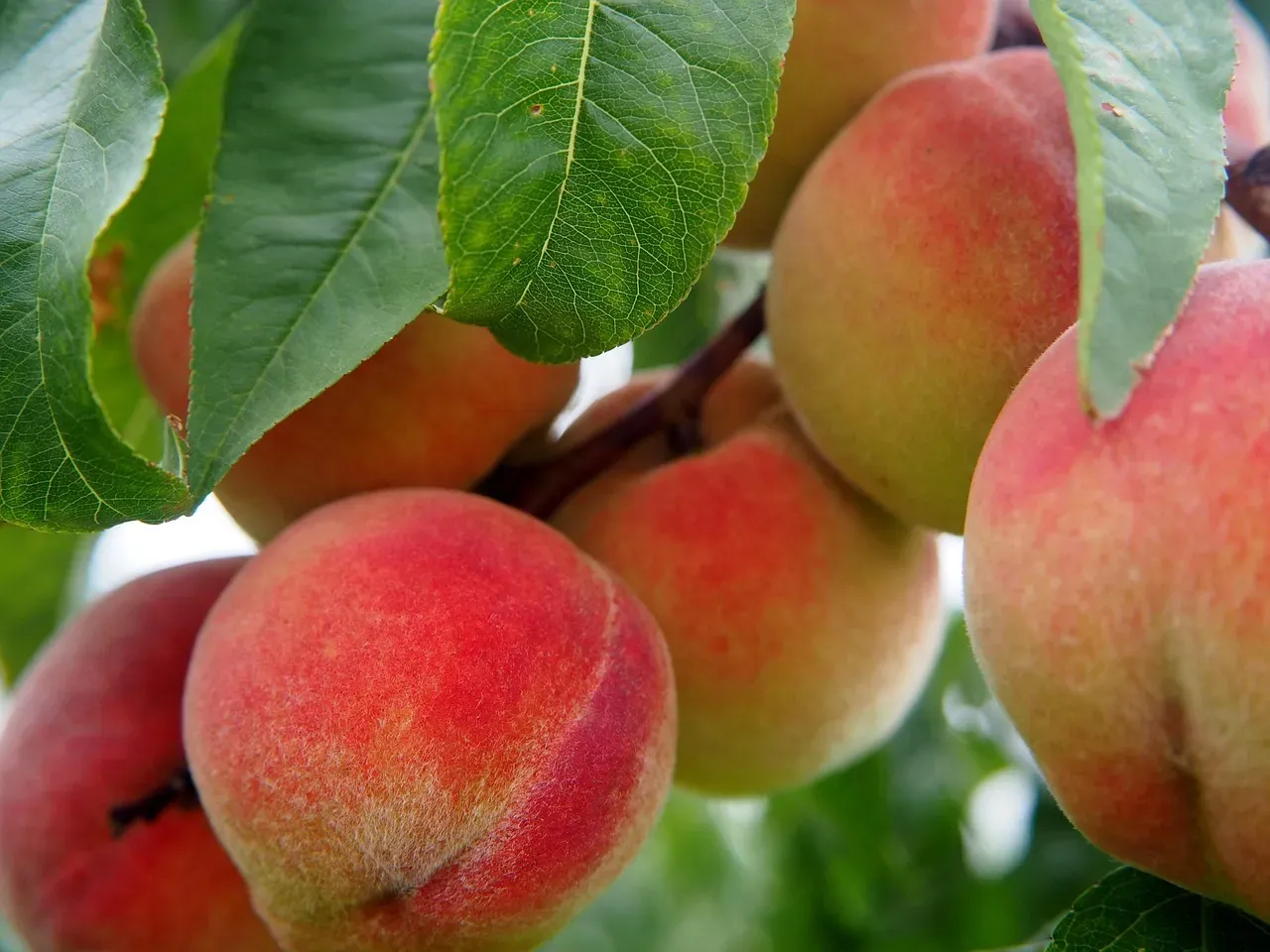
Peaches are a favorite in summer and are high in fiber and vitamin A, which can help fight infections. The soft, juicy flesh is usually a hit with dogs. It’s sweet without being overwhelming.
The danger zone? The fleshy part of the fruit is safe to share with your dog, but it’s important to remove the pit and dispose of it safely. These fruit pits contain cyanide, which can cause vomiting, irregular and fast heartbeat, seizures, coma and death. Fresh peach slices are wonderful; just make sure that pit is nowhere near your pup.
Grapes and Raisins: Absolute No-Go Territory
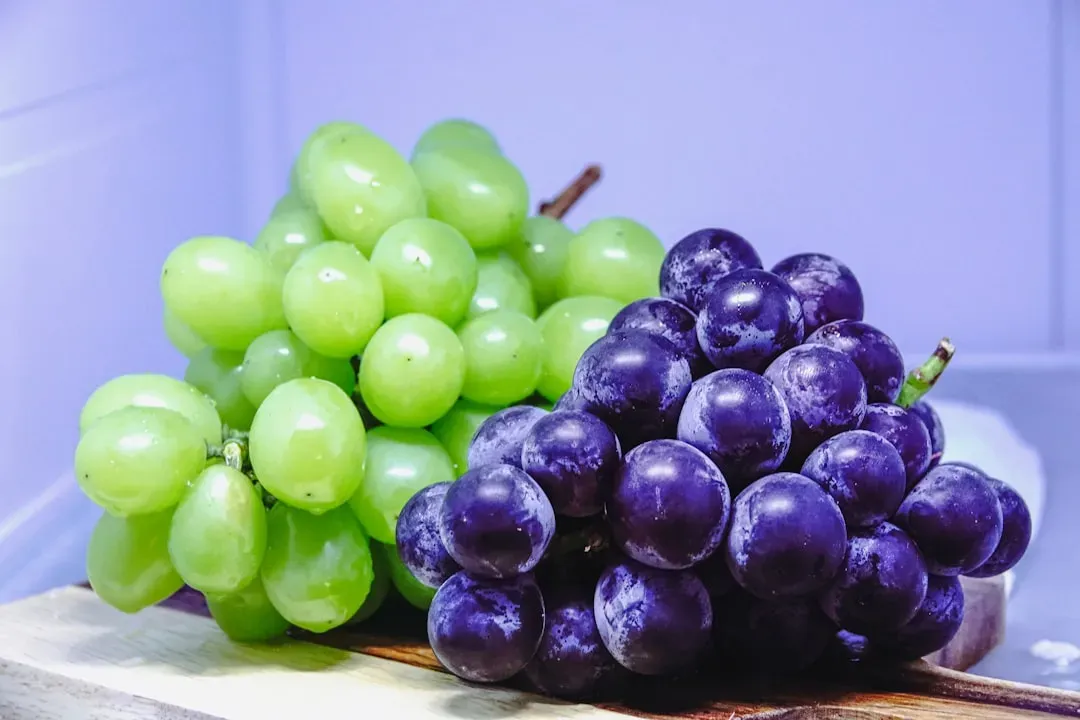
Let’s be real here. Grapes (and raisins) are very toxic to dogs. Even one grape or raisin can be fatal or can cause sudden kidney failure in dogs. It takes only a few grapes or raisins to potentially cause sudden kidney failure in your dog.
This isn’t something to take lightly or think your dog might be the exception. Tartaric acid is speculated to be the toxic component in grapes and raisins. Since dogs are not able to process tartaric acid, exposure to grapes/raisins can lead to kidney damage. Keep these fruits completely out of reach. No exceptions, no small amounts, no testing it out.
Cherries: Pretty But Problematic

With the exception of the fleshy fruit around the seed, cherry plants contain cyanide and are toxic to dogs. Cyanide disrupts cellular oxygen transport, which means that your dog’s blood cells can’t get enough oxygen. Even the flesh can be risky because of how easy it is for a dog to swallow the whole cherry.
If your dog eats cherries whole or cherry pits, watch for dilated pupils, difficulty breathing, and red gums, as these may be signs of cyanide poisoning, which is a veterinary emergency. Honestly, it’s just not worth the risk. There are so many safer fruit options that you can skip cherries entirely without your dog missing out.
Avocado: Not As Healthy for Dogs As for Humans

We all love avocado toast, but our dogs shouldn’t share in that trend. The pit, skin, and leaves of avocados contain persin, a toxin that often causes vomiting and diarrhea in dogs. The pit, skin, and leaves of an avocado contain persin, a toxin that can cause severe gastrointestinal upset in dogs.
Even though some sources say the flesh might be okay in tiny amounts, why risk it? Avocados are high in fat and can lead to pancreatitis. Avocados contain persin, a toxin that can cause vomiting, diarrhea, and other health problems, especially in large amounts. Just keep the guacamole to yourself and give your dog something safer.
Citrus Fruits: Too Acidic for Comfort
Oranges, lemons, and limes contain citric acid that may cause stomach upset. While small amounts of peeled orange might not be harmful, it’s best to avoid citrus fruits altogether. Some dogs might tolerate a tiny bit of orange, but many will experience digestive issues.
The acidity is just too harsh for most canine stomachs. The stems, leaves, peels, fruit and seeds of citrus plants contain varying amounts of citric acid and essential oils that can cause irritation and possibly even depression if ingested in significant quantities. Better to stick with milder, dog-friendly options that won’t upset their tummies.
Tomatoes: Technically a Fruit, Definitely Confusing
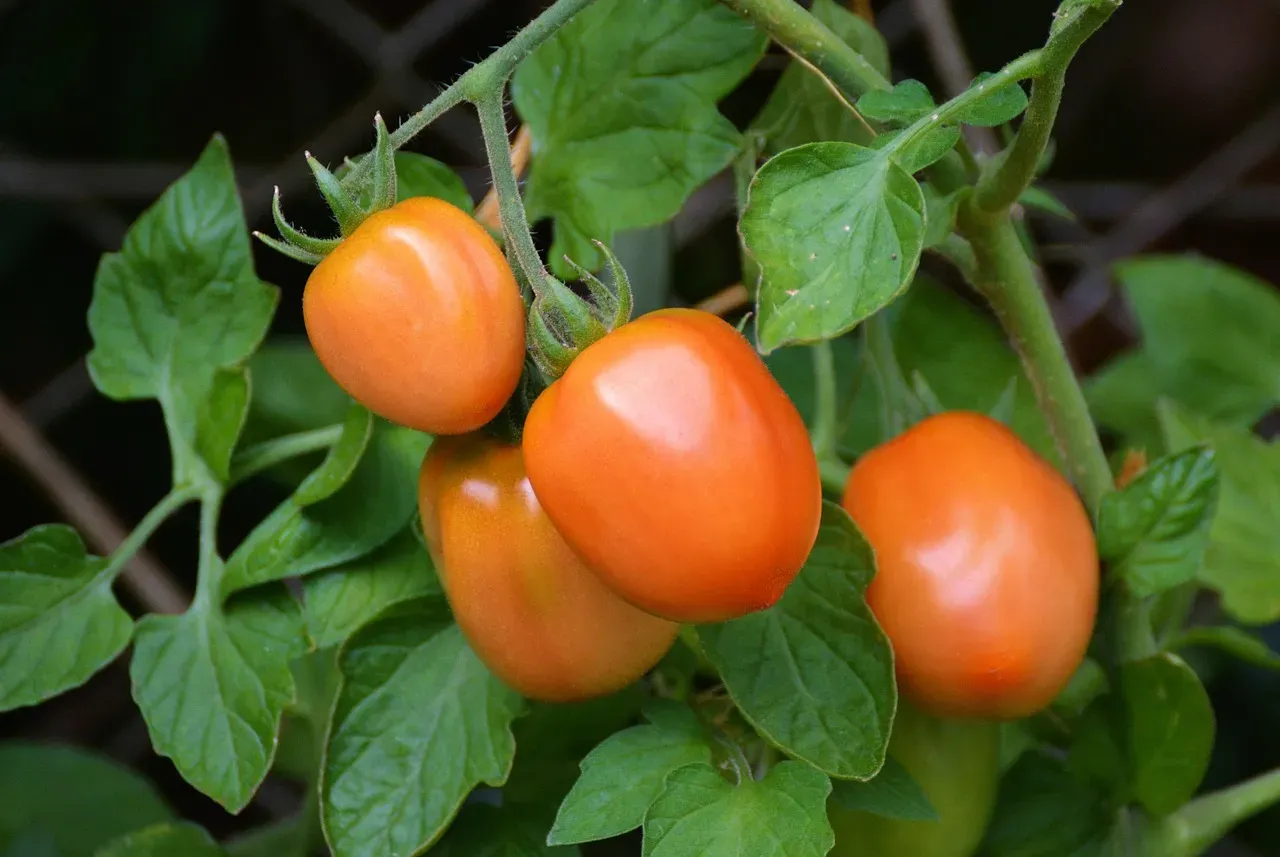
A ripened tomato is probably OK, but green parts of the tomato plant have solanine, which is toxic to dogs. Your dog would have to eat a pretty big plant to get sick, but just avoid it and be safe. The ripe red fruit itself isn’t necessarily toxic, but it commonly causes stomach upset.
Here’s my take: tomatoes are one of those foods where the risk-to-reward ratio just doesn’t make sense. While ripe tomatoes aren’t toxic to dogs, tomatoes often cause stomach upset and should typically be avoided. There are so many better, safer fruit choices that won’t leave you worrying about whether it was ripe enough or if your dog got into the leaves.
Making Smart Choices for Your Four-Legged Friend
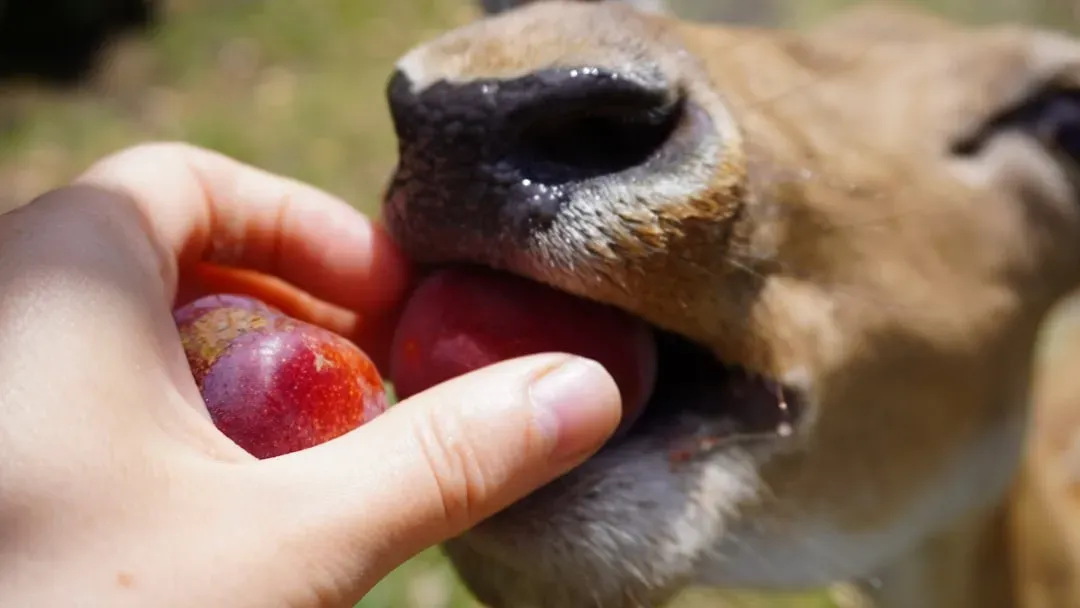
Sharing fruit with your dog can be one of those small joys that strengthens your bond. Watching them crunch into an apple slice or go crazy over a few blueberries is genuinely delightful. The key is knowing which fruits are safe and always preparing them properly by removing pits, seeds, and rinds.
Treats of any kind should account for no more than 10 percent of your dog’s daily caloric intake. The remaining 90 percent should come from their regular food. Moderation really is everything. Your dog’s main nutrition should always come from quality dog food, with fruit serving as an occasional healthy treat.
What fruits have you tried with your dog? Did they love it or turn their nose up at it? Every dog has their own preferences, and finding what your pup enjoys is part of the fun.


