
Picture this. You’re scrolling through adoption sites, and you see those soulful eyes staring back at you from the screen. Your heart melts. You imagine long walks together, cozy evenings on the couch, the unconditional love only a dog can give. There’s just one tiny problem: you live in a cozy apartment or a modest home without much outdoor space.
Here’s the thing: not every dog is built for compact living, no matter how much love you’re ready to pour into them. Some breeds need room to stretch, run, and just exist without feeling cramped. It’s not about being a bad owner. It’s about understanding what your dog truly needs to thrive, not just survive. Vets see it all the time, dogs who develop anxiety, destructive behaviors, or health problems simply because their living situation doesn’t match their nature.
So let’s dive in. These eight breeds are magnificent, loyal, and amazing in their own right. They just need more space than a small home can offer.
Saint Bernard: The Gentle Giant Who Needs Room to Roam
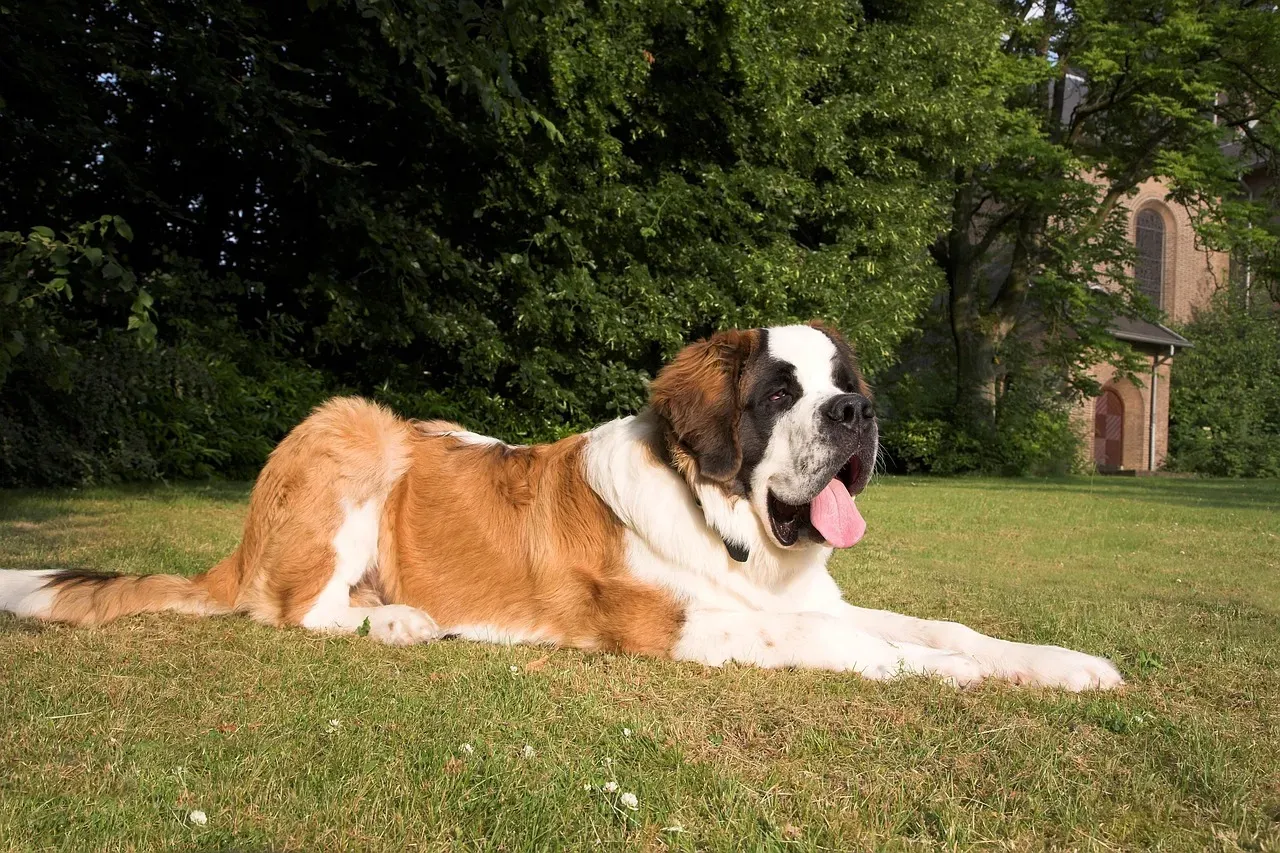
Saint Bernards are known as gentle giants, with a calm and patient temperament that makes them wonderful family companions. These lovable dogs can weigh anywhere from 120 to 180 pounds. Imagine trying to navigate a cramped hallway with a dog that size!
They are only moderately active but their sheer size makes homes with stairs or small yards challenging. Think about it: if your Saint Bernard gets injured or becomes unable to move easily, how would you manage in tight quarters? Their lifespan is heartbreakingly short, approximately 7 to 10 years, and they deserve to spend those years comfortable, not bumping into furniture.
Saint Bernards are greatly predisposed to gastric dilatation volvulus with an odds ratio of 4.2. This serious condition requires immediate veterinary attention. They also drool extensively and are sensitive to heat, requiring air-conditioned comfort in warm climates. Small homes often lack the ventilation and space these massive dogs need to regulate their body temperature properly.
Great Dane: Not Just Tall, But Space-Hungry
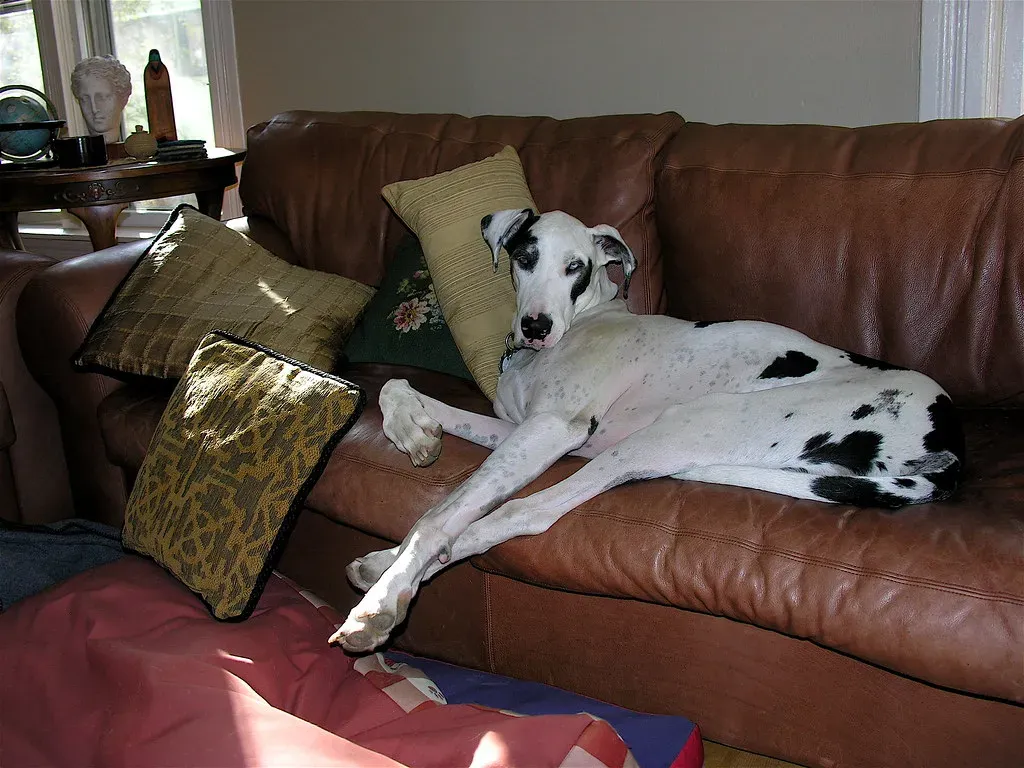
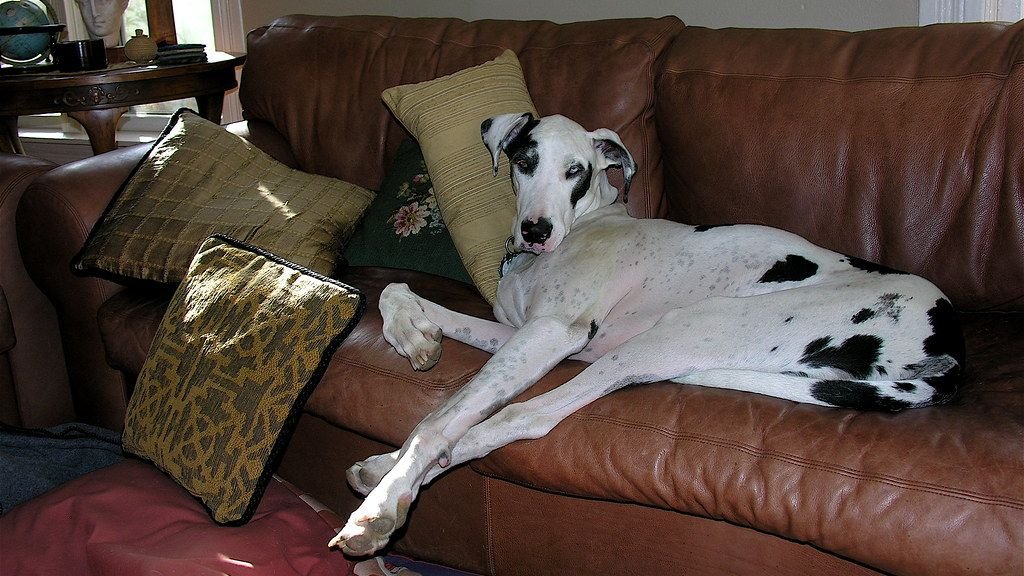
Great Danes might look elegant and refined, but don’t let that fool you. These dogs can weigh between 155 to 200 pounds in adulthood, and apartment living is not recommended due to their huge size. They need daily exercise and ideally a fenced yard where they can move freely.
Despite their size, Great Danes are often called couch potatoes. They are famously gentle and calm, spending much of their time lounging and don’t need excessive exercise beyond daily walks and playtime. The problem isn’t their energy level, it’s their physical footprint. You need space just for them to lie down comfortably!
Their tails can be problematic in small spaces, easily knocking over knick-knacks and decorations. Like other large breeds, Great Danes are prone to osteosarcoma or bone cancer. Limited space can also exacerbate joint problems, as these dogs need room to stretch and move without constant obstacles. Let’s be real: a cramped space isn’t doing this majestic breed any favors.
Alaskan Malamute: Built for Wide Open Spaces
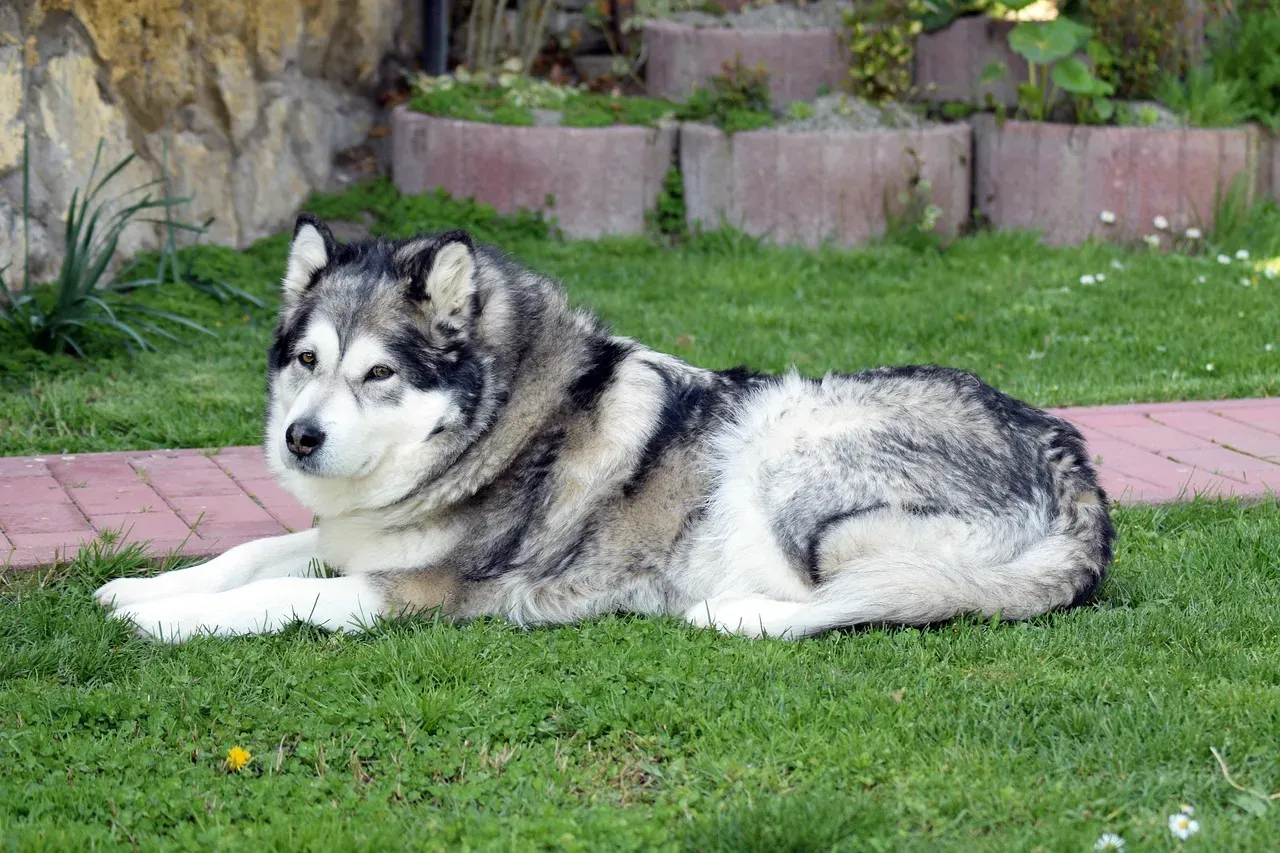
The Alaskan Malamute was bred to pull heavy loads over short distances, with females weighing around 75 pounds and males around 85 pounds. These powerful dogs were designed for Arctic expeditions, not studio apartments.
Neither Malamutes nor Huskies are ideal for small apartments due to their high energy and exercise needs. While Huskies might adapt to apartment living with sufficient exercise, Malamutes truly need a yard with secure fencing to roam and expend their energy. They’re diggers, escape artists, and incredibly strong pullers.
Malamutes need a lot of exercise because they were traditionally bred to pull sleds and have tremendous energy to burn. They shed moderately to heavily year-round and their high energy levels make them suited to more experienced owners. Without adequate space and activity, these dogs become frustrated and destructive. Trust me, you don’t want a bored Malamute in a small home.
Siberian Husky: The Escape Artist Extraordinaire
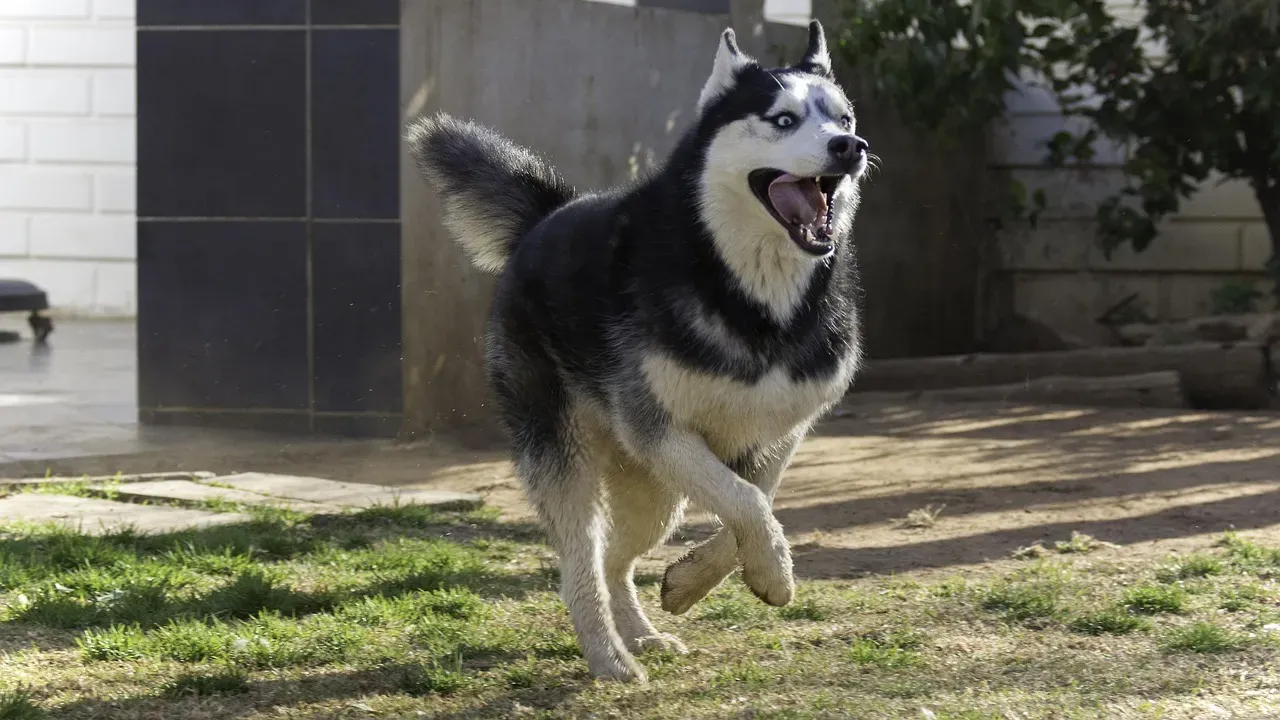
Siberian Huskies are beautiful, vocal, and absolutely notorious for their antics. These typically high energy dogs can jump a 4-foot fence, love to dig, and were bred to run to the horizon without looking back. They should never be off leash outside a fenced area.
Huskies don’t do well in small living spaces and apartments, more because of their energy levels than their size, and they are very vocal. The goal of nearly every Siberian is to run, and they will figure out how to open latches, and if gates are locked they will try to go over them. Imagine dealing with that in a small yard or balcony!
Huskies have a high prey drive for small mammals including rabbits, cats, and sometimes small dogs, and they thrive with a job to do or they will get bored and chew furniture. These dogs need routine, structure, and most importantly, space to channel their endless energy. A cramped environment simply won’t cut it for this breed.
Irish Wolfhound: Literally Too Big for Small Spaces
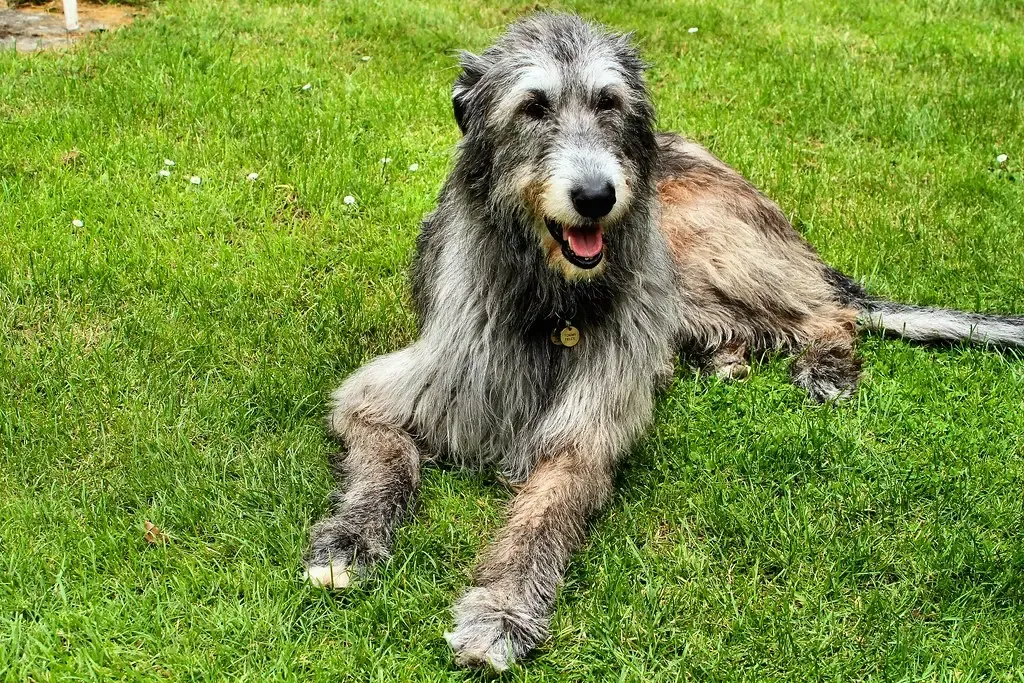
The Irish Wolfhound is not recommended for apartment life, being relatively inactive indoors but needing at least a large yard because this is a giant breed that needs space. We’re talking about one of the tallest dog breeds in existence.
This typically sensitive, sweet and calm dog will take up a lot of space in a tiny apartment, and puppies need slow walks on leash to protect their growing musculoskeletal system with no jumping or stairs. Even though they’re gentle souls, their sheer size creates practical problems in confined areas.
Think about doorways, hallways, and turning around in a small kitchen. An Irish Wolfhound doesn’t fit comfortably in tight spaces. They need room to fully stretch out when sleeping, and honestly, they’ll take up most of your living room floor. While they’re not hyperactive, their size alone demands more square footage than most small homes can reasonably provide.
Weimaraner: The High-Energy Hunter
Weimaraners are sleek, athletic, and incredibly energetic hunting dogs. They were bred to chase game for hours on end. These dogs form intense bonds with their families but need constant mental and physical stimulation.
Small homes simply can’t contain their energy. Without sufficient exercise and space to move, Weimaraners develop severe separation anxiety and destructive behaviors. They’ll chew through furniture, scratch walls, and bark incessantly. It’s hard to say for sure, but these dogs seem to suffer more than most breeds when confined to cramped quarters.
They need extensive daily exercise, ideally in large open areas where they can really run. A short walk around the block won’t satisfy a Weimaraner’s exercise needs. These dogs require owners who can provide acreage or at least regular access to expansive parks where they can sprint and explore off-leash safely.
German Shepherd: The Working Dog Who Needs Space and Purpose

German Shepherds can live in apartments if mentally and physically stimulated, as they are active dogs with guarding instincts who can adjust to various living situations with proper training and exercise. However, there’s a catch: this only works if you’re incredibly dedicated to meeting their needs.
German Shepherds are large dogs typically weighing between 50-90 pounds and standing 22-26 inches tall, needing room to move around comfortably even indoors. They are highly energetic, requiring about 1-2 hours of exercise daily, and without ample physical and mental stimulation may develop behavioral issues such as barking, chewing, and even aggression.
German Shepherds are herding dogs with a working dog mentality, possessing tremendous excess energy that needs daily depletion, and the problem with apartments is the lack of a large enclosed backyard. Most people simply cannot commit the time and energy required to properly exercise a German Shepherd in a small home setting. It’s exhausting, honestly.
Bernese Mountain Dog: Fluffy, Loving, and Space-Needing

Bernese Mountain Dogs often have tragically short life spans of only seven to 10 years and are prone to serious health issues including bloat, multiple types of cancer, and orthopedic problems. These gentle giants deserve comfortable living spaces during their brief time with us.
Berners are a larger breed but can get along in an apartment thanks to their laid-back and gentle temperaments. Still, vets often express concern about keeping them in truly small spaces. Their thick double coat requires regular brushing, and some are predisposed to certain hereditary health conditions.
The reality is that Bernese Mountain Dogs thrive with space to move around. They’re not hyperactive, but they’re big, they shed extensively, and they need room for their joints to stay healthy. Small homes with stairs can be particularly problematic for a breed already prone to hip dysplasia and other joint issues. They need space to be comfortable, plain and simple.
Conclusion: Love Means Making the Right Choice

Choosing a dog breed isn’t just about which one you think is cutest or most impressive. It’s about understanding what that dog genuinely needs to live a healthy, happy life. The breeds we’ve covered today are all wonderful in their own ways, loyal companions with so much love to give.
The hard truth? Sometimes loving a dog means recognizing that your living situation isn’t right for them. Small homes create stress for large, energetic breeds. That stress manifests as anxiety, destructive behavior, and sometimes serious health problems. You wouldn’t want to live in a space where you constantly felt cramped and unable to move freely, right? Neither does your dog.
If you’re determined to bring one of these breeds into your life, consider whether you can realistically meet their space and exercise requirements. Maybe that means waiting until you have a larger home with a proper yard. Maybe it means being brutally honest about your lifestyle and choosing a more apartment-friendly breed instead.
What’s your take on this? Have you ever struggled with keeping a large breed in a small space? Share your experiences in the comments below.


